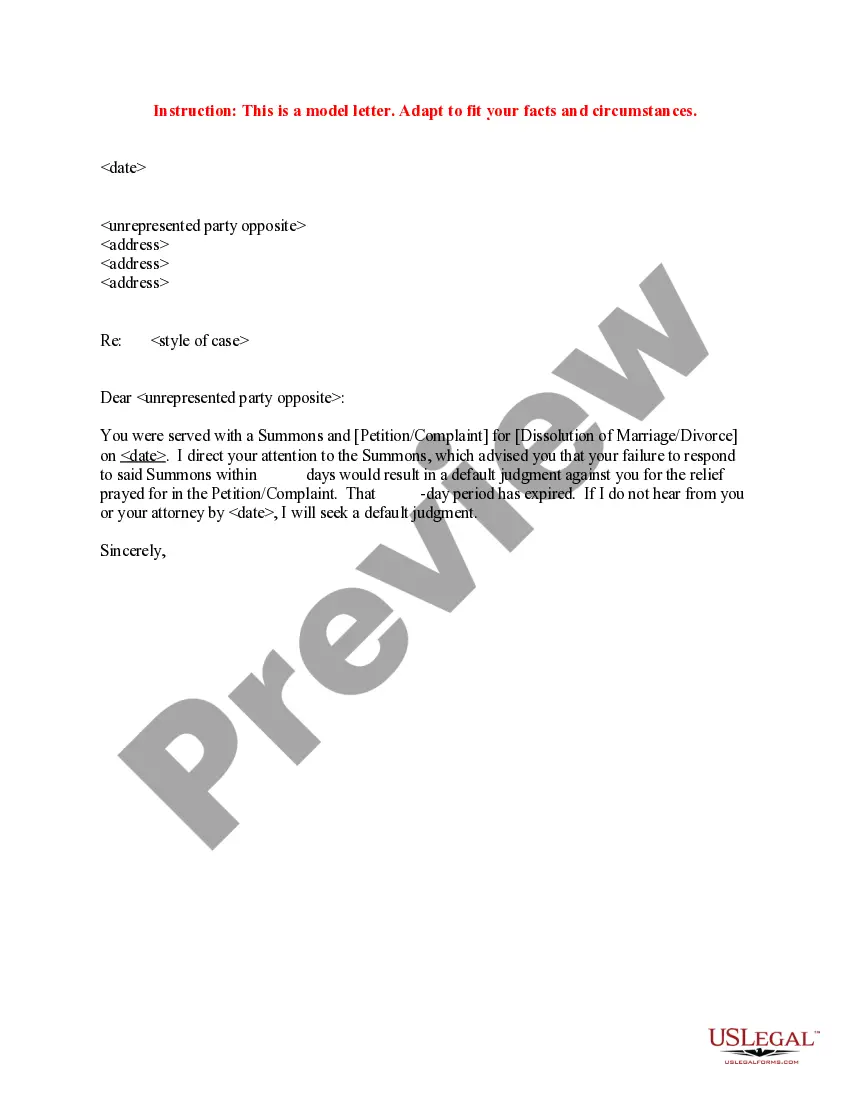
Michigan Termination of Co-Tenancy Agreement
What is this form?
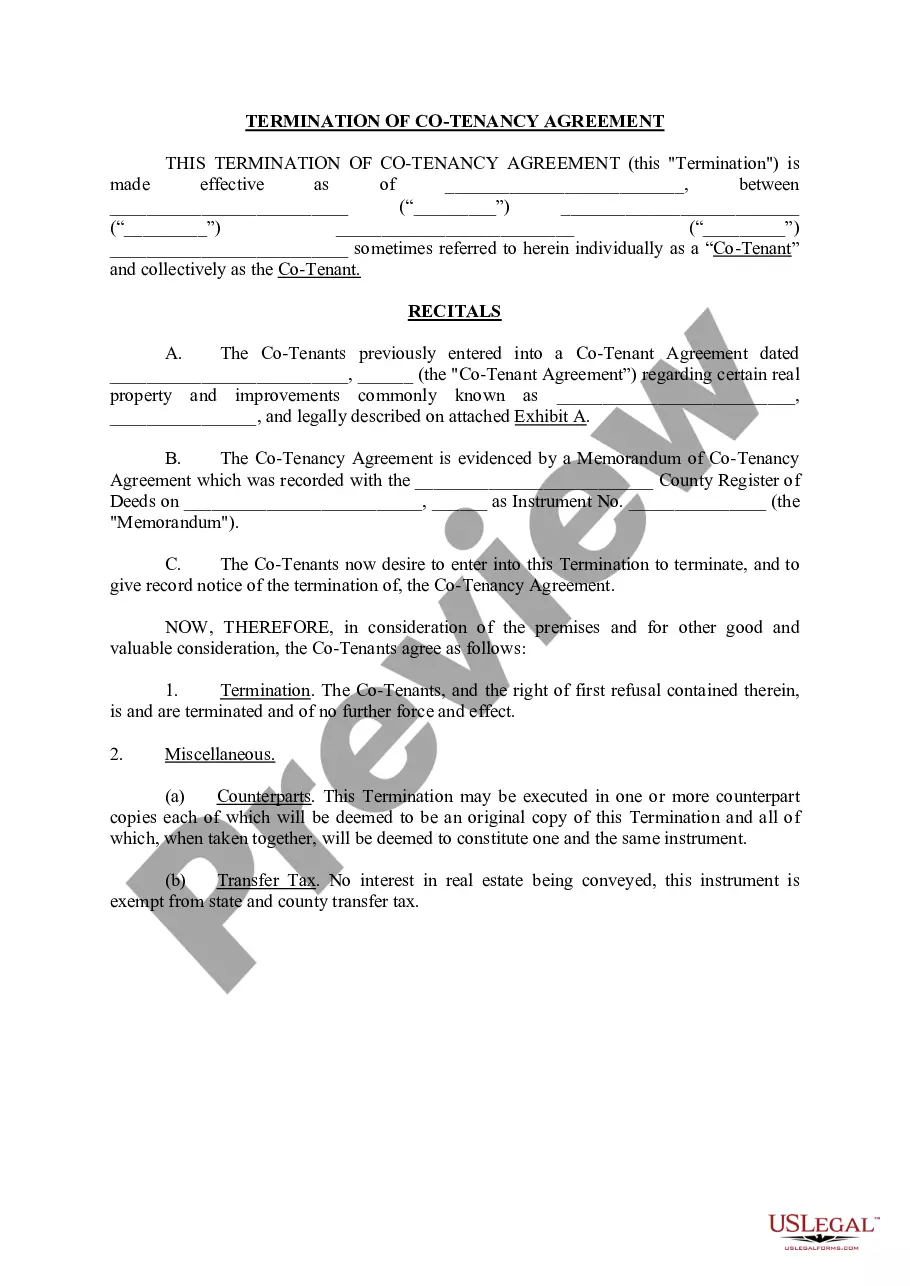
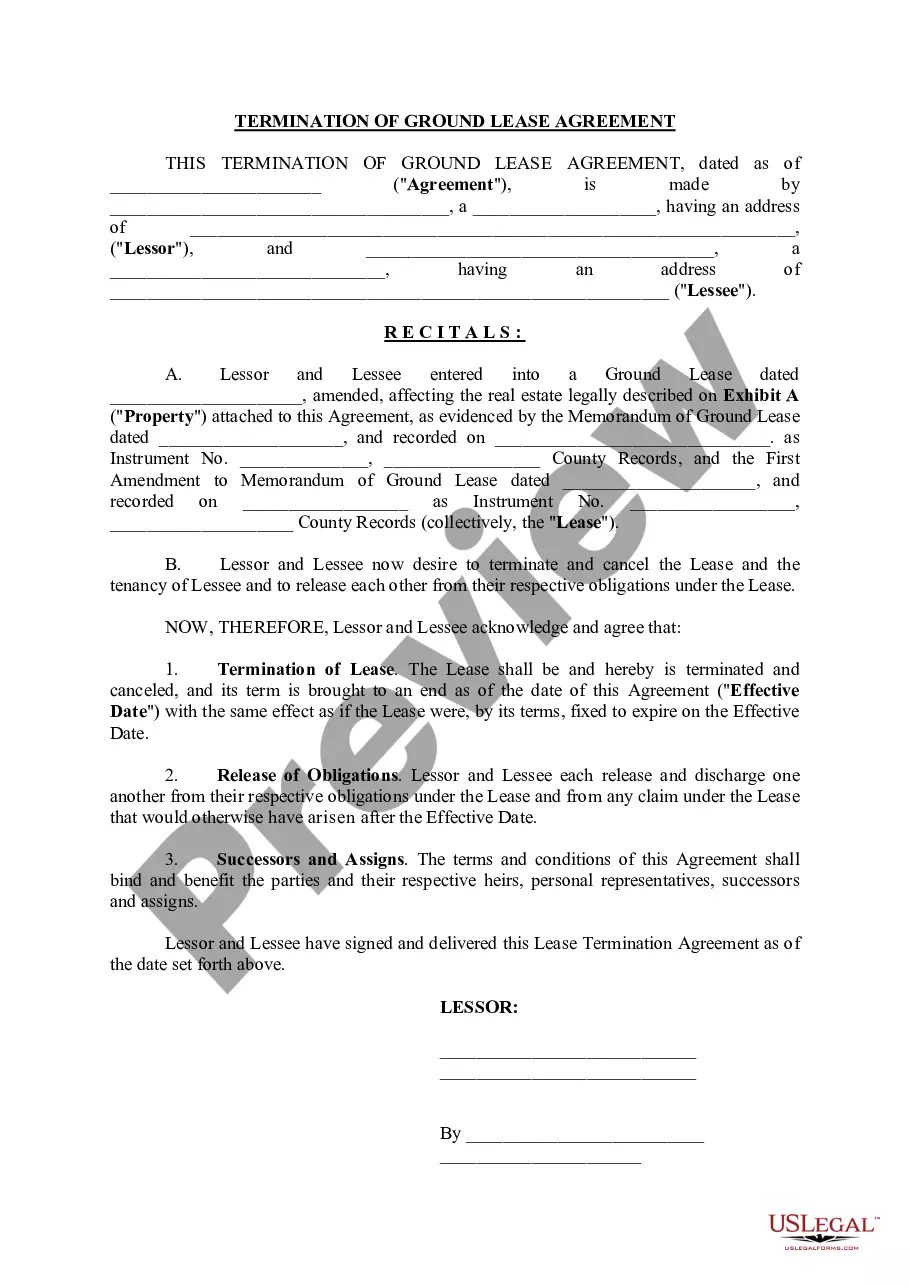
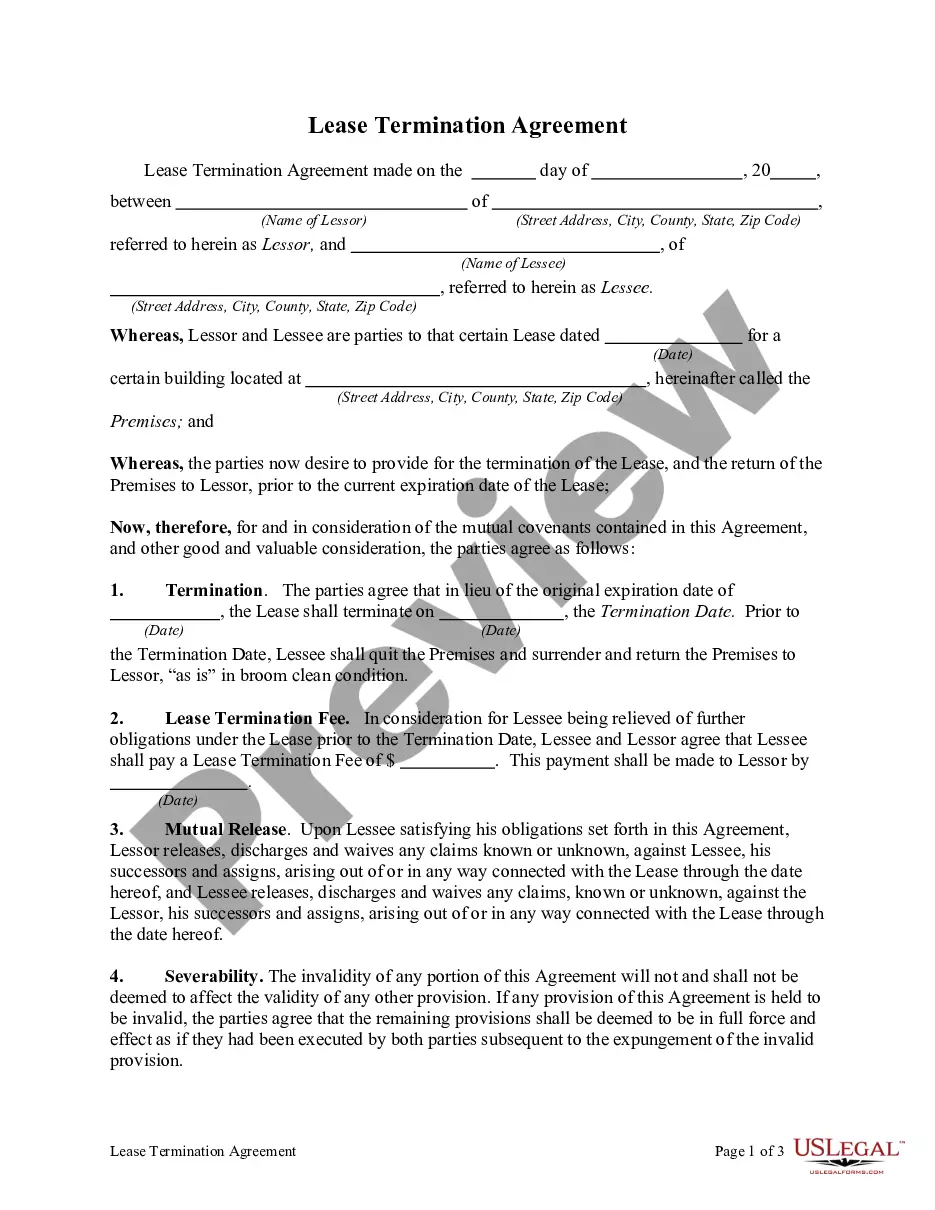
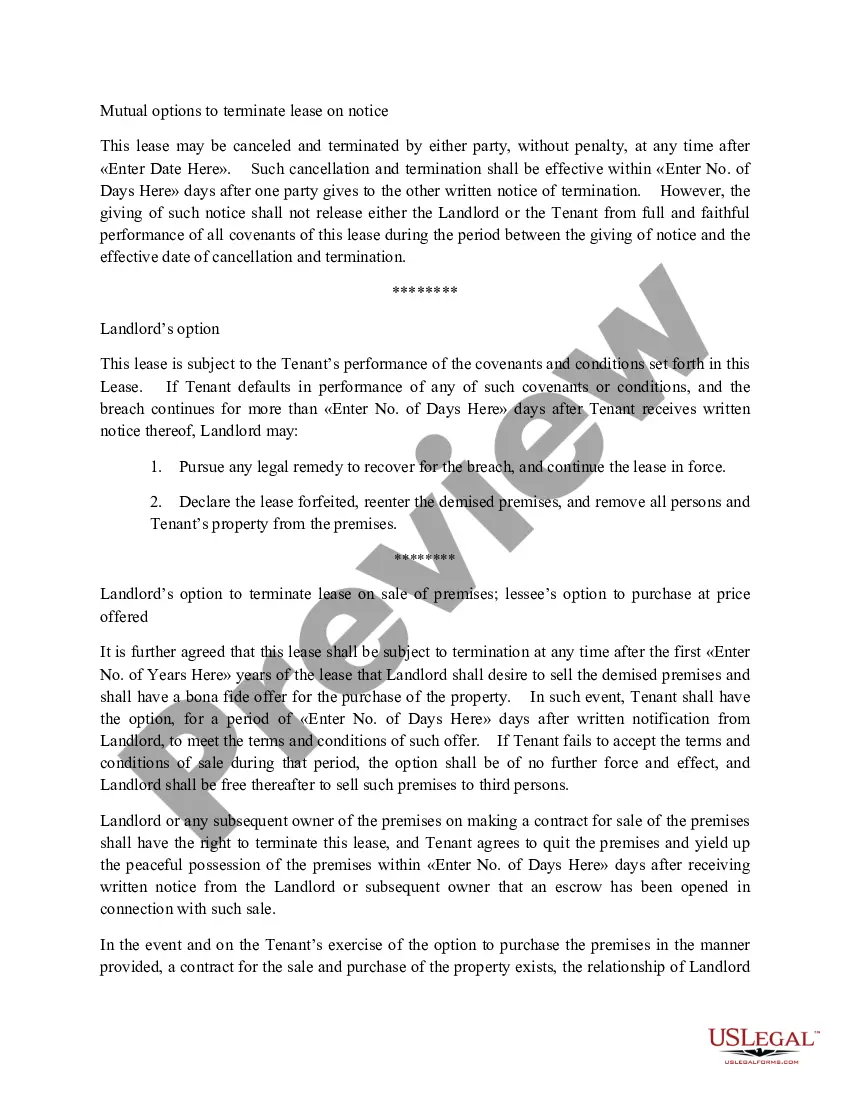
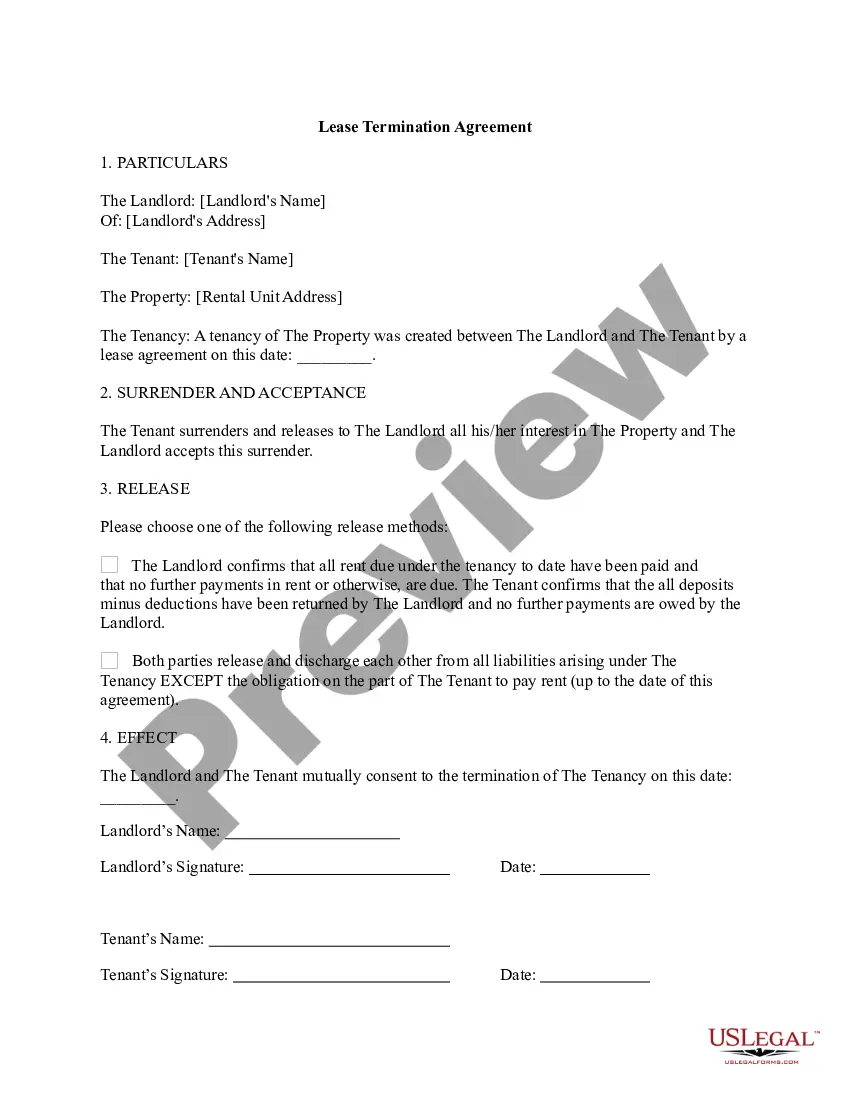
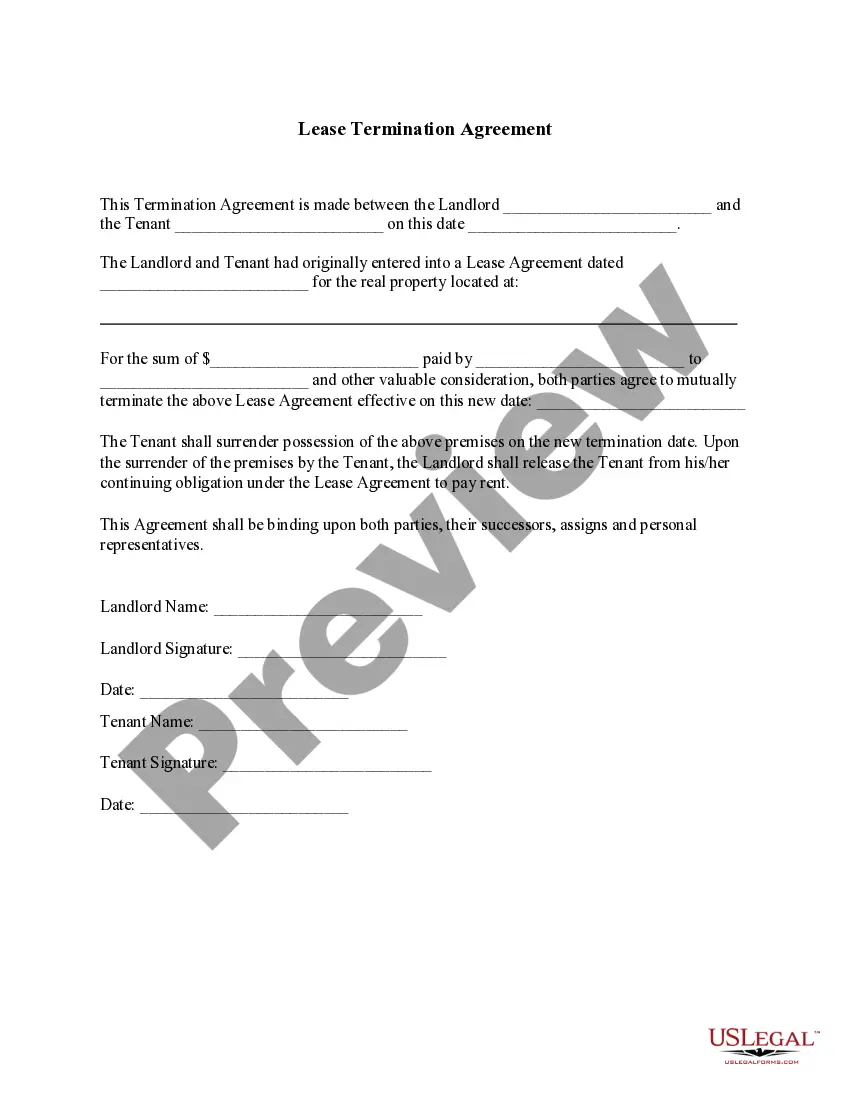
The Termination of Co-Tenancy Agreement is a legal document that formally ends a co-tenancy arrangement between individuals sharing a rental property. Unlike a rental agreement which outlines terms for renting, this form specifically terminates any existing agreements and clarifies that the co-tenants are no longer bound by their previous contractual obligations regarding the rental property. This termination helps protect all parties by providing a clear record of the dissolution of the co-tenancy relationship.
Form components explained
- The effective date of termination.
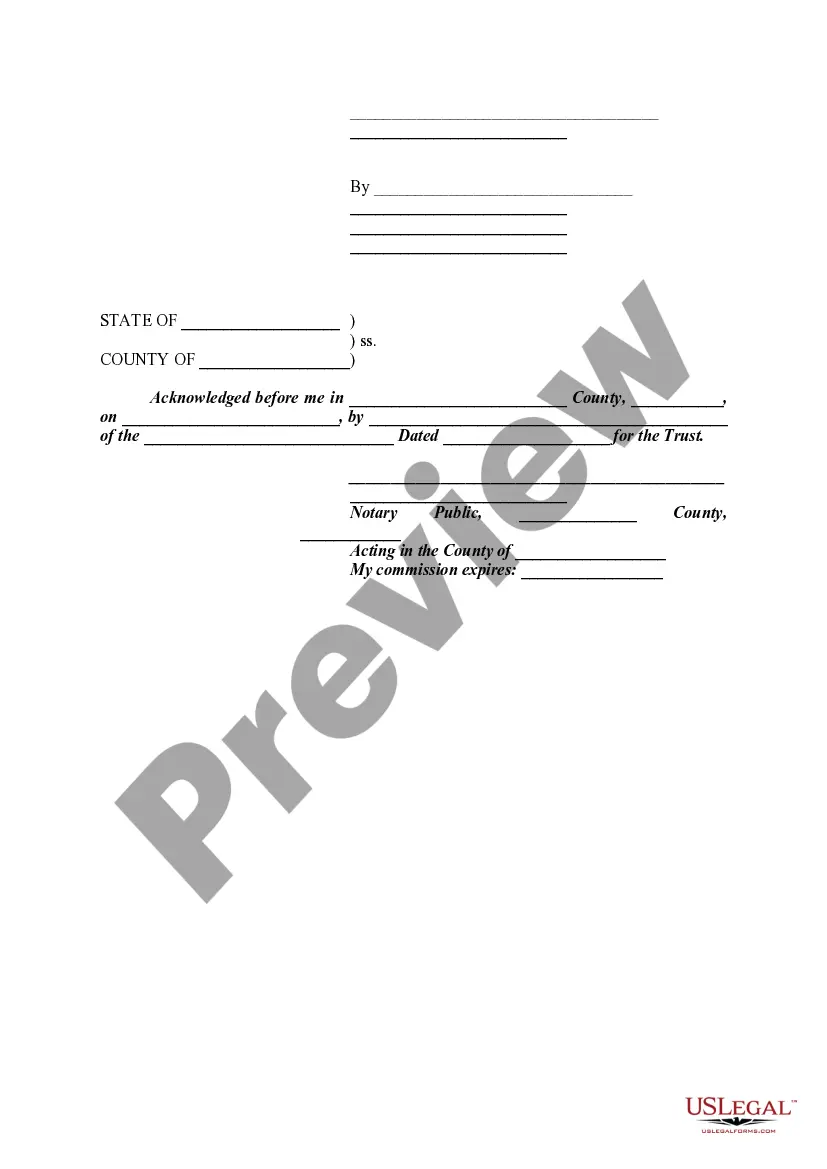
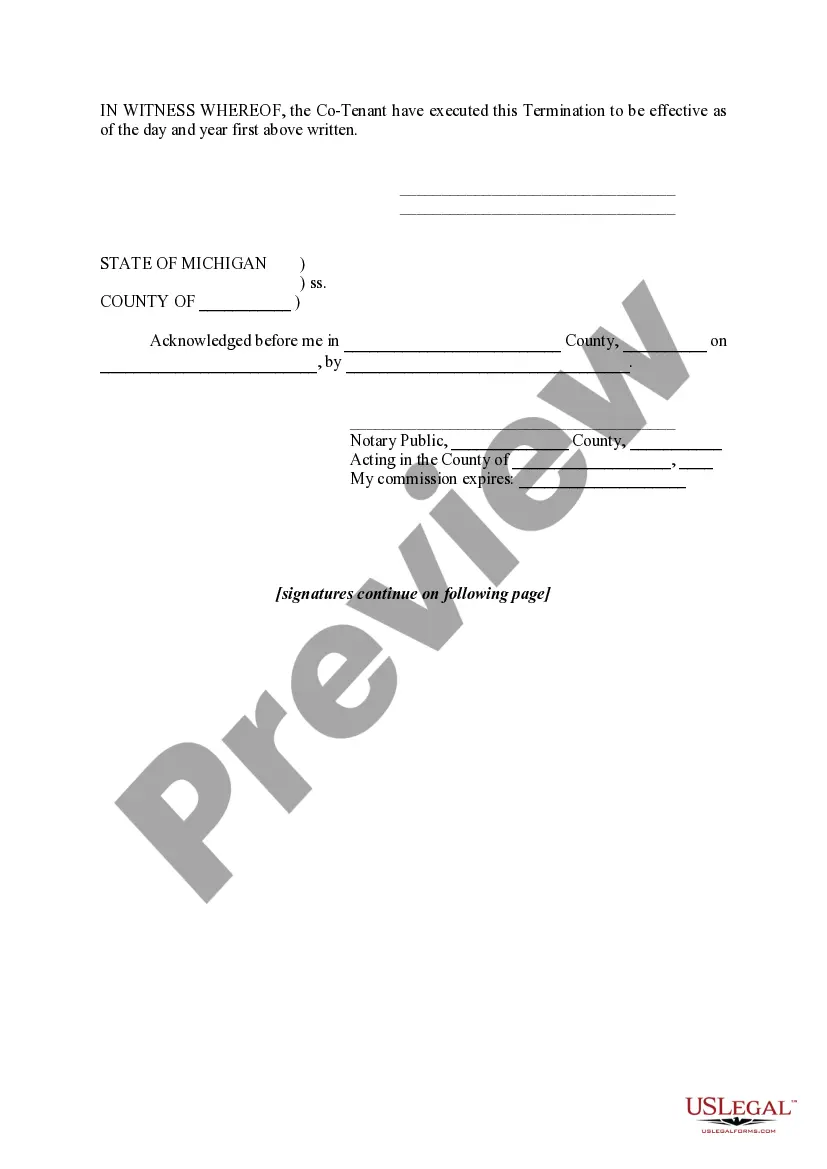
- Names and signatures of each co-tenant involved.
- References to the original Co-Tenancy Agreement and its recording details.
- Clauses outlining the termination of the agreement and rights associated with it.
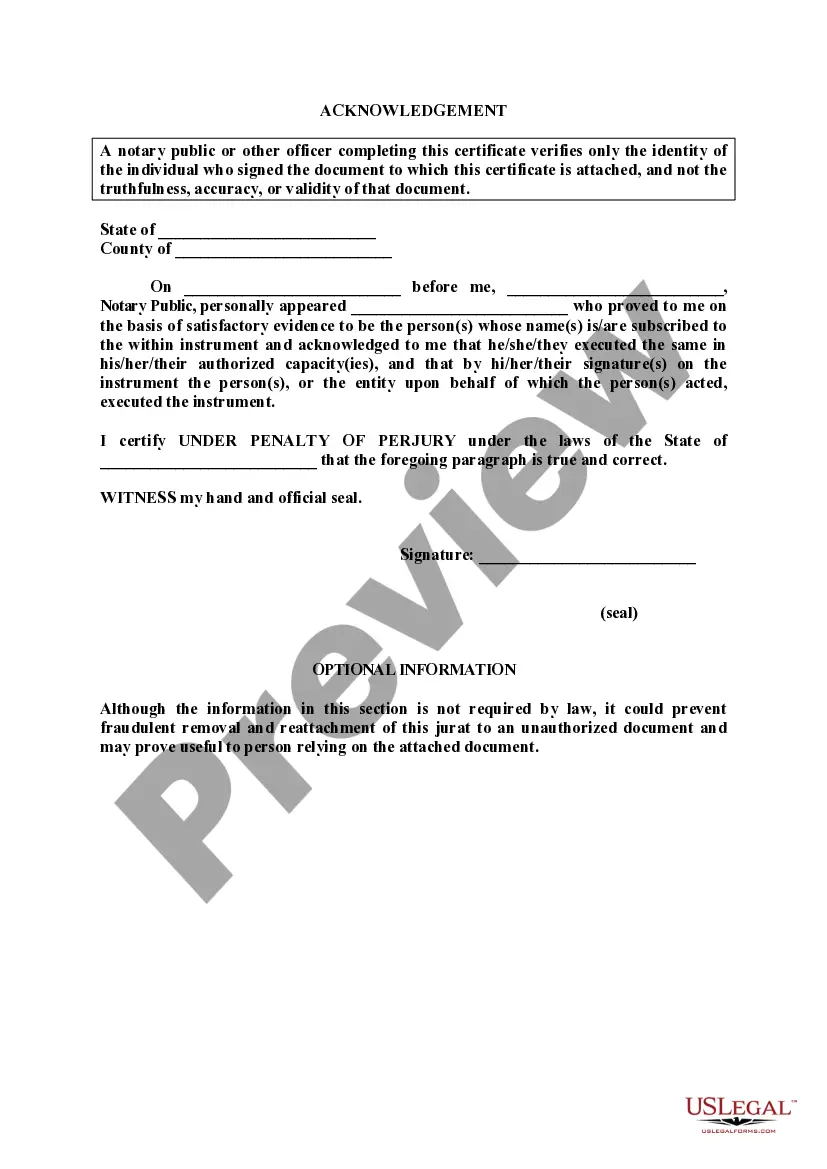
- Notary acknowledgment for verifying identities and signature authenticity.
When to use this document
This form is typically used when co-tenants decide to end their shared rental arrangement. Situations that may lead to the termination could include a change in living circumstances, a decision by one or more tenants to leave the property, or mutual agreement among co-tenants to dissolve the rental relationship. Using this form ensures that all parties acknowledge the end of their obligations under the original Co-Tenancy Agreement.
Intended users of this form
- Current co-tenants wishing to formally terminate their co-tenancy agreement.
- Individuals who have been living together in a rental property and need to clarify their obligations.
- Roommates who have mutually agreed to part ways and want to document the end of their rental arrangement.
Completing this form step by step
- Fill in the effective date of termination at the top of the form.
- Clearly list the names of all co-tenants involved in the agreement.
- Provide details of the original Co-Tenancy Agreement, including its date and recording information.
- Include signatures of all co-tenants in the specified sections.
- Complete the notary acknowledgment section to verify the identities of the signers.
Does this form need to be notarized?
Yes, this form must be notarized to be legally valid. Having the document notarized confirms the identities of the individuals signing and provides an official record of the termination. US Legal Forms offers integrated online notarization, available 24/7 through secure video calls, ensuring convenience and legal compliance without the need for physical travel.
Get your form ready online
Our built-in tools help you complete, sign, share, and store your documents in one place.
Make edits, fill in missing information, and update formatting in US Legal Forms—just like you would in MS Word.
Download a copy, print it, send it by email, or mail it via USPS—whatever works best for your next step.
Sign and collect signatures with our SignNow integration. Send to multiple recipients, set reminders, and more. Go Premium to unlock E-Sign.
If this form requires notarization, complete it online through a secure video call—no need to meet a notary in person or wait for an appointment.
We protect your documents and personal data by following strict security and privacy standards.

Make edits, fill in missing information, and update formatting in US Legal Forms—just like you would in MS Word.

Download a copy, print it, send it by email, or mail it via USPS—whatever works best for your next step.

Sign and collect signatures with our SignNow integration. Send to multiple recipients, set reminders, and more. Go Premium to unlock E-Sign.

If this form requires notarization, complete it online through a secure video call—no need to meet a notary in person or wait for an appointment.

We protect your documents and personal data by following strict security and privacy standards.
Typical mistakes to avoid
- Failing to include the effective date of termination.
- Not obtaining necessary signatures from all co-tenants.
- Omitting details about the original Co-Tenancy Agreement.
- Neglecting to have the document notarized where required.
Why use this form online
- Convenient download and print options for immediate use.
- Editability allows for quick customization to suit individual needs.
- Reliability of forms drafted by licensed attorneys ensures legal validity.
- Access to templates at any time, providing flexibility for users.
Main things to remember
- The Termination of Co-Tenancy Agreement is essential for formally ending a rental relationship among co-tenants.
- It is critical to include all necessary information and signatures to ensure the document's validity.
- Notarization is required to authenticate the agreement and protect all parties involved.
- This form provides clarity on the end of obligations under previous agreements.
Looking for another form?
Form popularity
FAQ
To remove a co-tenant from your lease, you must initiate a Michigan Termination of Co-Tenancy Agreement. This process typically involves gathering consent from all parties involved, along with adhering to your lease's terms. You might consider documenting the agreement in writing to prevent future disputes. For legal precision, using a reliable resource like USLegalForms can simplify this process and provide you with the necessary templates and guidelines.
To terminate a tenancy in Michigan, you must follow the legal procedures outlined in state law. This includes providing proper notice to all tenants involved and possibly filing legal documents if necessary. Understanding the nuances of the Michigan Termination of Co-Tenancy Agreement is crucial, and UsLegalForms offers various solutions to guide you in drafting the appropriate termination documents efficiently and correctly.
Filling out a notice to terminate a tenancy in Michigan involves providing specific information about the tenancy. You should include the tenant's name, property address, termination date, and the reason for termination. Using a template from UsLegalForms can simplify this process and ensure that your notice complies with the Michigan Termination of Co-Tenancy Agreement regulations, making it easier for you to complete the form accurately.
Writing a termination of tenancy agreement in Michigan requires clear communication of your intent to end the tenancy. Include essential details such as the date of termination, the names of all parties involved, and the reason for termination. You can use resources from UsLegalForms to create a legally sound document that adheres to the Michigan Termination of Co-Tenancy Agreement standards, ensuring your document is clear and effective.
To end a joint tenancy agreement in Michigan, you typically need to notify all co-tenants of your intention to terminate the agreement. This process may involve discussing your plans with fellow tenants and reaching a mutual agreement. Alternatively, you can file a partition action in court, which may force the sale of the property or division of interests under the Michigan Termination of Co-Tenancy Agreement. It’s advisable to seek legal assistance to ensure all steps are followed correctly.
Give these tenants notice to move with the proper waiting period (30 day notice). If the tenants don't want to move, the landlords can file for eviction with the courts. The landlord can prepare documents explaining they acquired the property without plans to keep the tenants or why they must leave.
Eviction begins when the parents fill out two copies of Michigan Form DC 100c, Notice to Quit to Recover Possession of Property. The parents fill out one and give it to the child and keep one for their own records. This notice must be delivered to the adult child or to another adult resident who can pass it on.
It's best if your roommate leaves quietly during the 30-day notice period after you give him the eviction paperwork. If he doesn't, however, you must take him to court so a judge can demand he vacate the apartment. Even if his name isn't on the lease, you must follow formal eviction procedure to force him to leave.
You can still break the lease by paying all the rent due for the remaining lease term. Under Michigan law, you only need to pay the amount the landlord loses, in the event of breaking the lease. No matter what your reason for leaving is, landlords must make reasonable efforts to re-rent the unit.
It's best if your roommate leaves quietly during the 30-day notice period after you give him the eviction paperwork. If he doesn't, however, you must take him to court so a judge can demand he vacate the apartment. Even if his name isn't on the lease, you must follow formal eviction procedure to force him to leave.