Michigan Release of Easement
Overview of this form
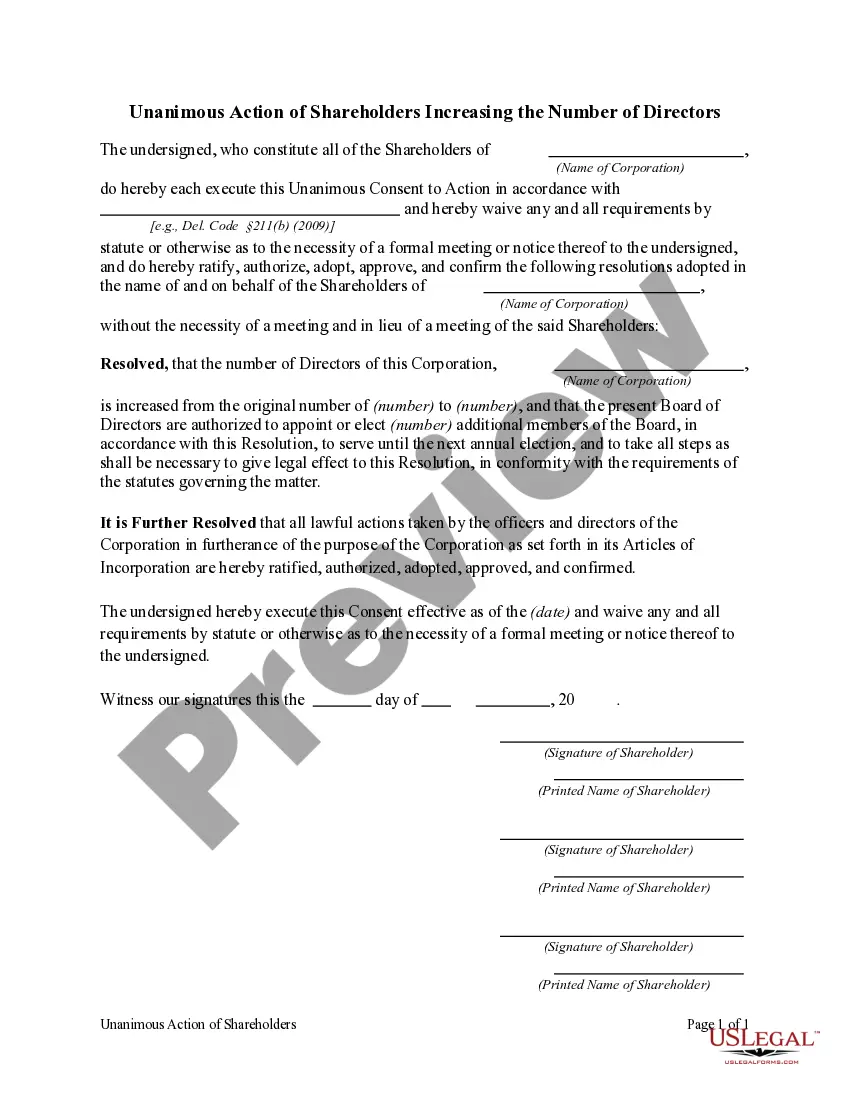
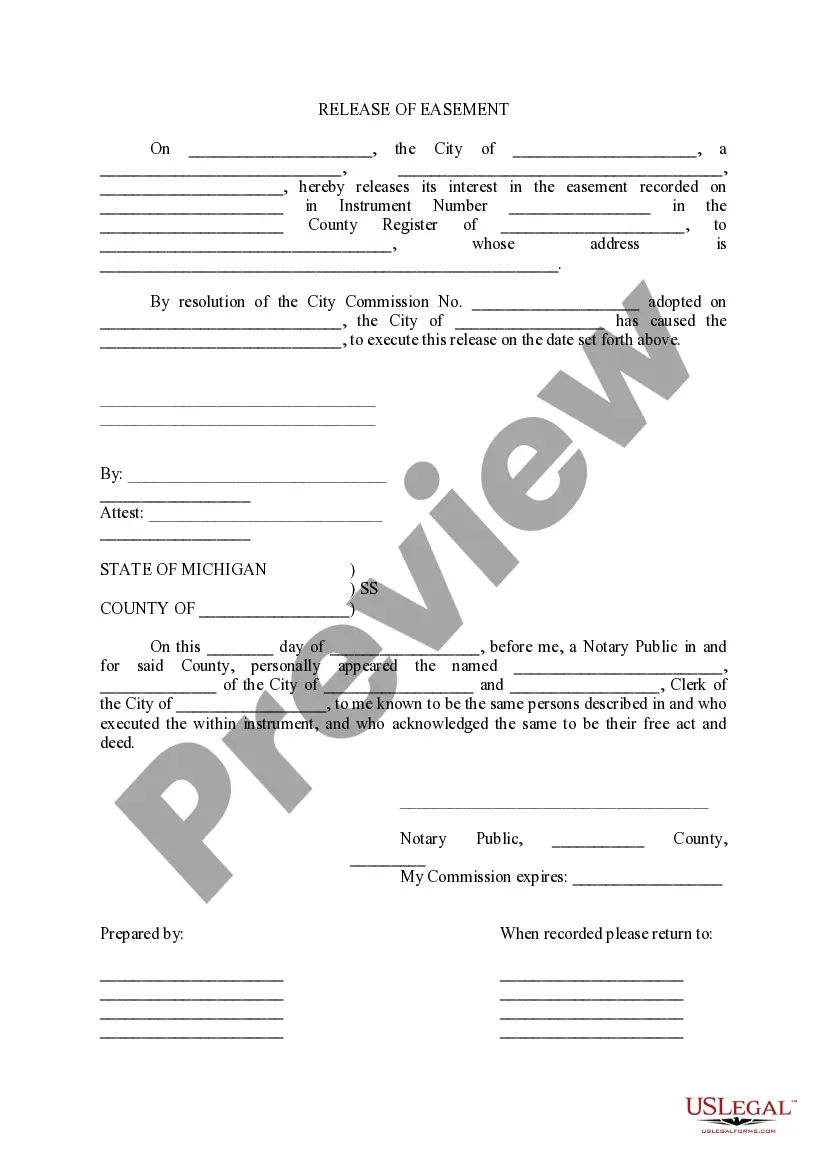
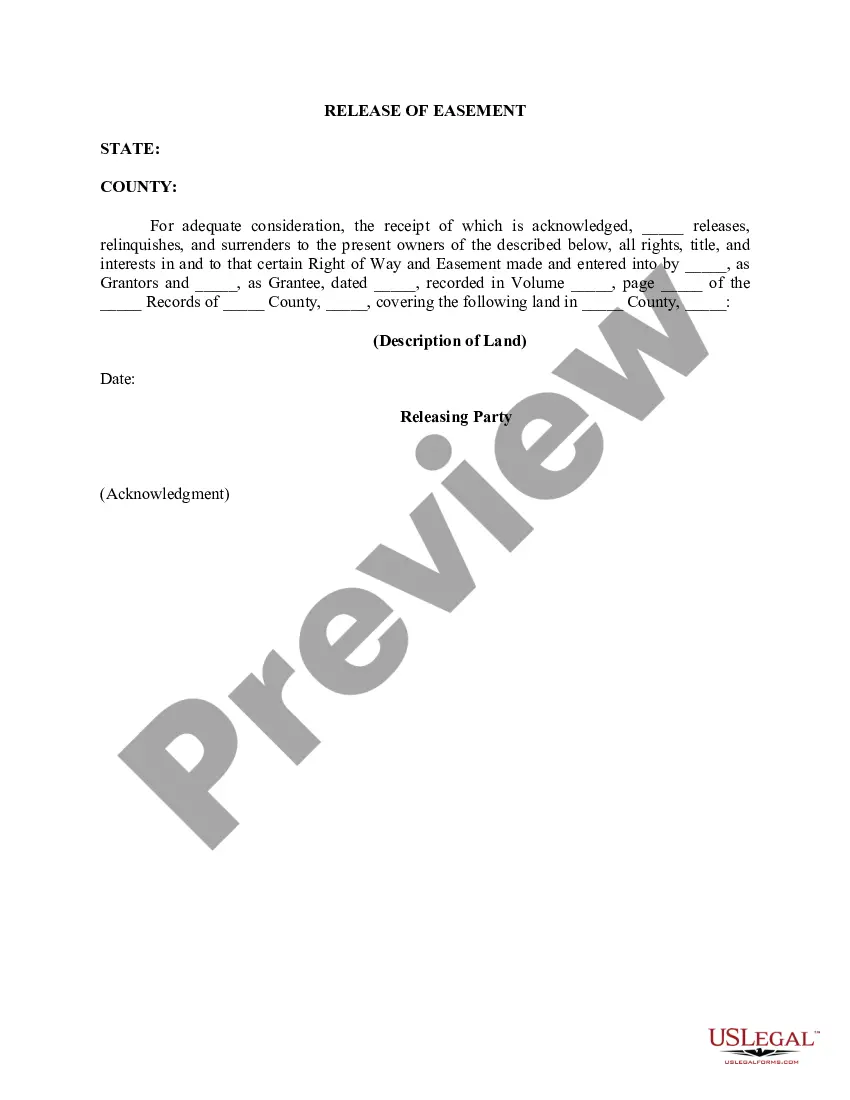
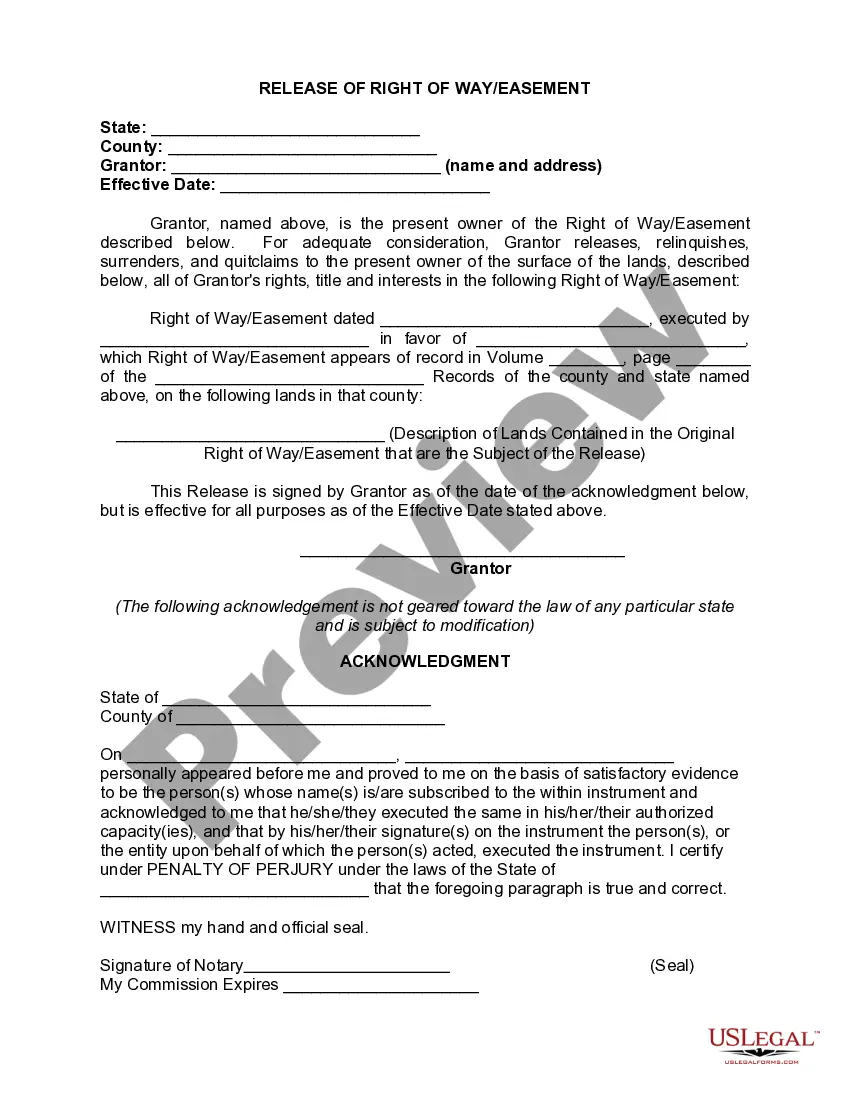
The Release of Easement is a legal document used by a city or municipality to relinquish its rights and interests in an existing easement. This form is essential when a city no longer requires the use of the easement for public purposes, allowing property owners to gain full control over their land. Unlike similar forms, this document specifically pertains to the formal release of easements held by governmental entities.
Form components explained
- Date of the release
- Name and type of the releasing entity (City)
- Details of the easement being released (recorded information)
- Name of the property owner receiving the release
- Resolution number and date from the City Commission authorizing the release
- Signature lines for city representatives and notary acknowledgment

When to use this form
This form should be used when a city or municipality decides to officially release its interest in an easement. Typical scenarios include when a city determines that a right-of-way is no longer necessary for public use, enabling the property owner to utilize their land without restrictions associated with the easement.
Who can use this document
Eligibility to use the Release of Easement includes:
- City officials who need to formally release an easement.
- Property owners who wish to gain full control over their property previously subject to an easement.
- Legal representatives or attorneys of a city or municipality involved in property management.
How to prepare this document
- Identify the date of the release.
- Fill in the city name and type of entity releasing the easement.
- Provide details of the easement being released, including the recording information.
- Enter the name and address of the property owner receiving the release.
- Include the resolution number and date of the City Commissionâs decision.
- Have the authorized representatives sign and date the form, followed by notarization.
Notarization guidance
Yes, this form must be notarized to be legally valid. US Legal Forms offers integrated online notarization, allowing you to complete the process securely via video call, ensuring the document is legally binding without the need for travel.
Get your form ready online
Our built-in tools help you complete, sign, share, and store your documents in one place.
Make edits, fill in missing information, and update formatting in US Legal Forms—just like you would in MS Word.
Download a copy, print it, send it by email, or mail it via USPS—whatever works best for your next step.
Sign and collect signatures with our SignNow integration. Send to multiple recipients, set reminders, and more. Go Premium to unlock E-Sign.
If this form requires notarization, complete it online through a secure video call—no need to meet a notary in person or wait for an appointment.
We protect your documents and personal data by following strict security and privacy standards.

Make edits, fill in missing information, and update formatting in US Legal Forms—just like you would in MS Word.

Download a copy, print it, send it by email, or mail it via USPS—whatever works best for your next step.

Sign and collect signatures with our SignNow integration. Send to multiple recipients, set reminders, and more. Go Premium to unlock E-Sign.

If this form requires notarization, complete it online through a secure video call—no need to meet a notary in person or wait for an appointment.

We protect your documents and personal data by following strict security and privacy standards.
Mistakes to watch out for
- Failing to complete all required fields, especially names and recording details.
- Not providing the appropriate resolution number and date.
- Omitting signatures from city officials or not having the document notarized.
Why use this form online
- Convenience of immediate access to a professionally drafted document.
- Editability allows for quick updates to specific details.
- Reliable format ensures compliance with legal standards.
Quick recap
- The Release of Easement allows a city to relinquish its rights to a property easement.
- Accurate completion of the document is essential for its validity.
- Notarization is required for the release to take effect.
Looking for another form?
Form popularity
FAQ
Yes, an easement can be removed through a Michigan Release of Easement. This process involves legally terminating the easement rights that may exist on a property. To initiate this, both parties—the property owner and the easement holder—must agree to the release. Utilizing a platform like US Legal Forms can simplify this process, ensuring all necessary documents are correctly prepared and filed.
Easements in Michigan are governed by various laws that specify rights and responsibilities for property owners. Generally, they require the easement to be clearly defined and recorded, maintaining transparency with any Michigan Release of Easement documentation. It’s crucial to understand whether the easement is appurtenant or in gross, as this affects property use. Consulting resources or services like USLegalForms can help you navigate these rules and create compliant documents.
Filling out an easement form involves specifying the property involved, identifying the parties, and clearly describing the nature of the easement in relation to the Michigan Release of Easement guidelines. Be precise in detailing the location of the easement and the rights granted to the easement holder. Using a well-structured easement form can simplify this process and ensure all legal requirements are met. If you need assistance, platforms like USLegalForms provide templates that simplify the task.
To fill out a Michigan quit claim deed, first begin by gathering the necessary information, including the names of the granter and grantee, legal description of the property, and any relevant tax identification numbers. Use an official Michigan Release of Easement template to ensure you have the correct format and language. Clearly state that the property is being transferred without any warranties, as this is a key aspect of a quit claim deed. After filling out the deed, remember to have it notarized and recorded at the county register of deeds.
Easement law in Michigan governs the rights of individuals to use another person's property for a specific purpose. A Michigan Release of Easement allows property owners to officially terminate an existing easement, restoring their full ownership rights. Understanding these laws is crucial for maintaining property control and avoiding disputes. If you need assistance navigating these legal nuances, uslegalforms offers valuable resources to help you with your Michigan Release of Easement process.
In Michigan, easements do not automatically expire unless they are created with a specific time limitation or are abandoned. While certain easements are permanent, others may terminate if they are not used over an extended period. Understanding your rights regarding easements, including the conditions for expiration, can be vital. A Michigan Release of Easement can assist you in managing these legal details effectively.
Yes, an easement can be revoked in Michigan under certain conditions. This typically requires mutual consent from both parties or a court ruling that deems the easement unnecessary. Factors such as abandonment, expiration, or as a result of a significant change in circumstances can also lead to revocation. Consulting about a Michigan Release of Easement can clarify the intricacies involved in this process.
Releasing an easement means officially relinquishing the rights granted under the easement. This process can involve signing a formal document that states the easement is no longer valid. Once the easement is released, the property owner regains full control of the property without any restrictions imposed by the easement. Understanding the documents required for a Michigan Release of Easement is essential to ensure proper compliance.
To terminate an easement in Michigan, begin by reviewing the easement agreement to check for any termination clauses. You may wish to negotiate a termination agreement with the easement holder. If a mutual agreement isn't possible, you might need to pursue legal action to have the easement removed from your property record. Using US Legal Forms can offer you templates and resources to navigate a Michigan Release of Easement effectively.
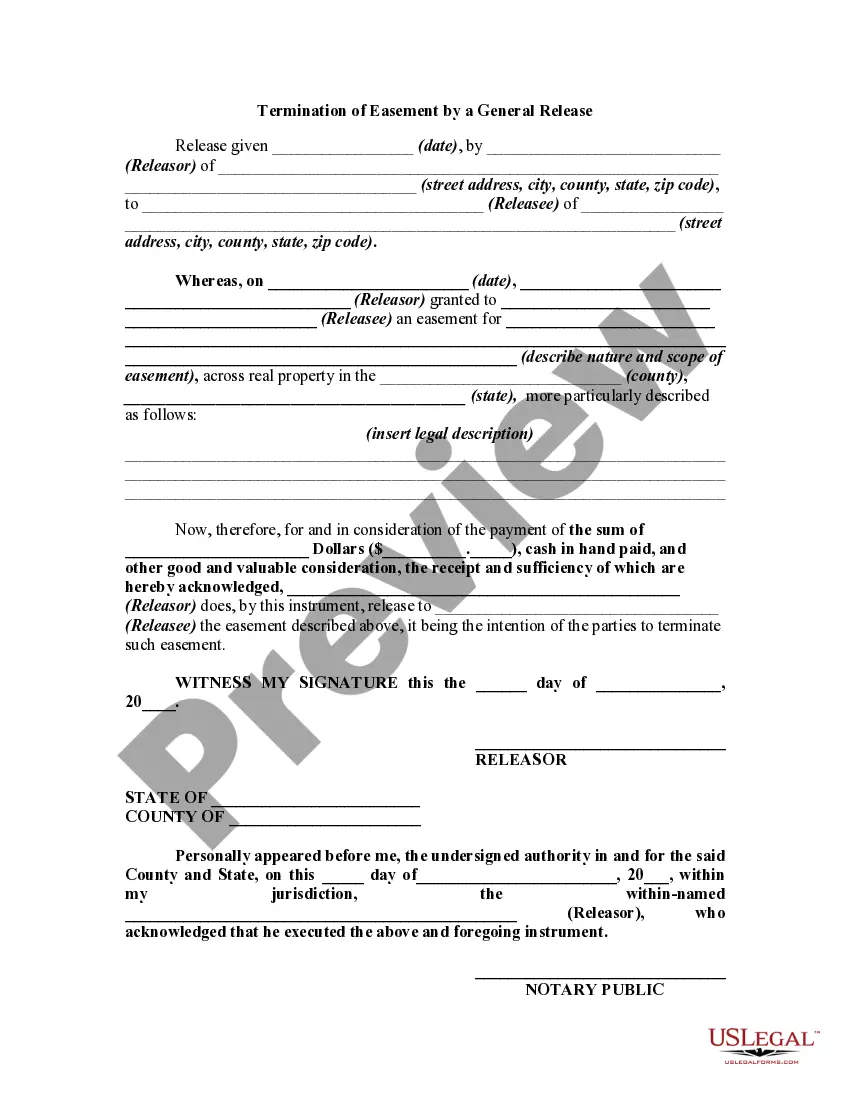
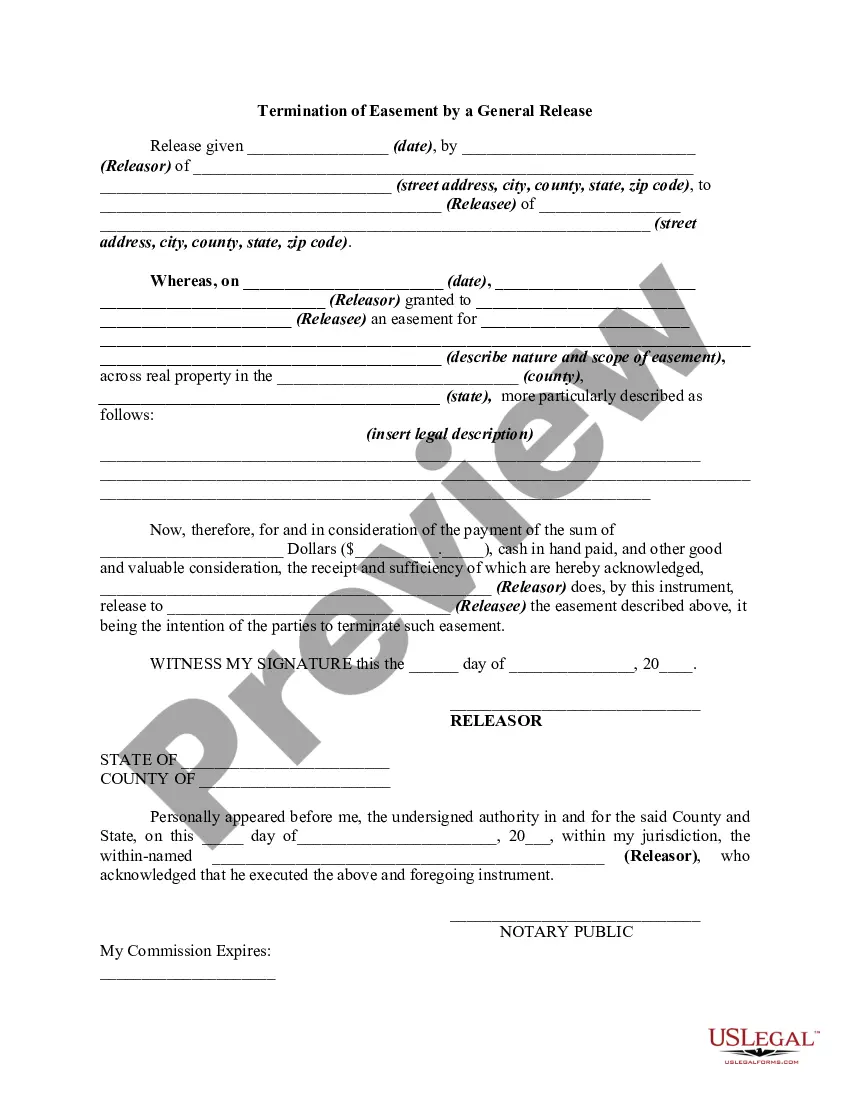
To effectively terminate an easement, it is crucial to meet specific legal criteria under Michigan law. You can accomplish this through actions such as merging the properties or mutual agreement between the parties involved. Additionally, a court can also terminate an easement if it proves to be no longer necessary. Understanding the process for a Michigan Release of Easement can help clarify your options.