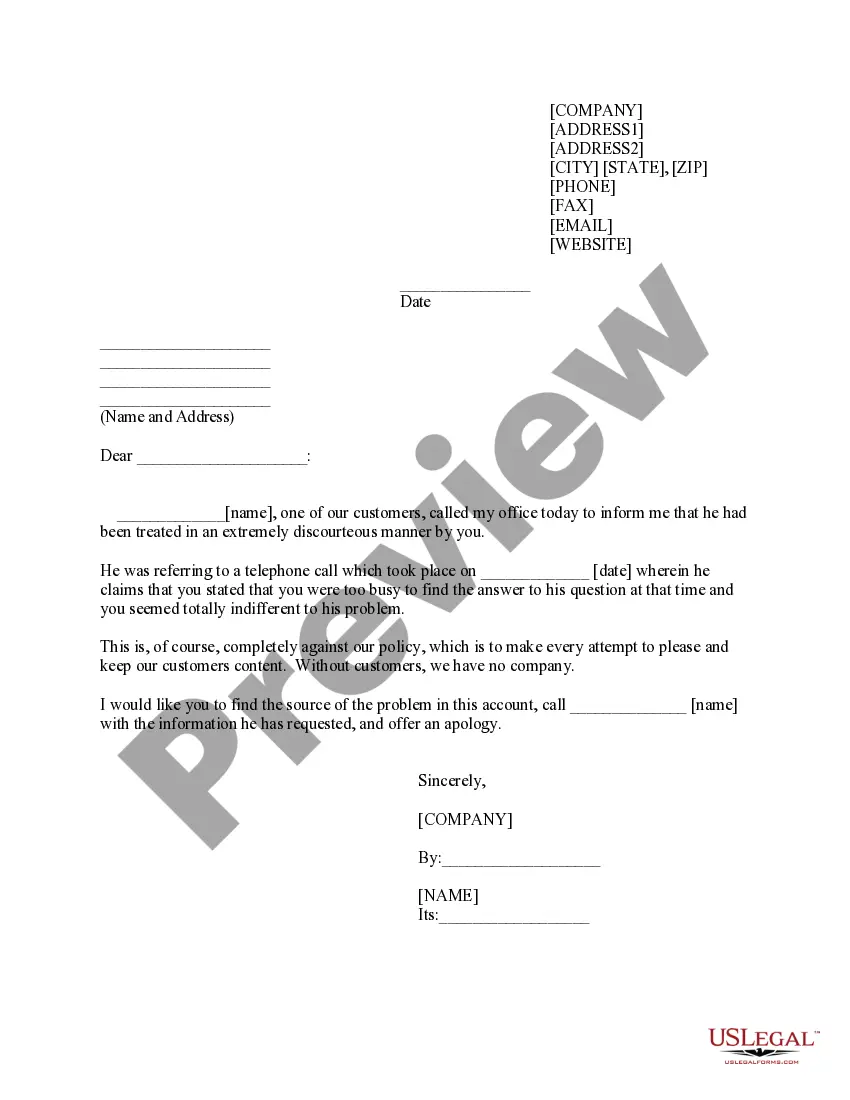
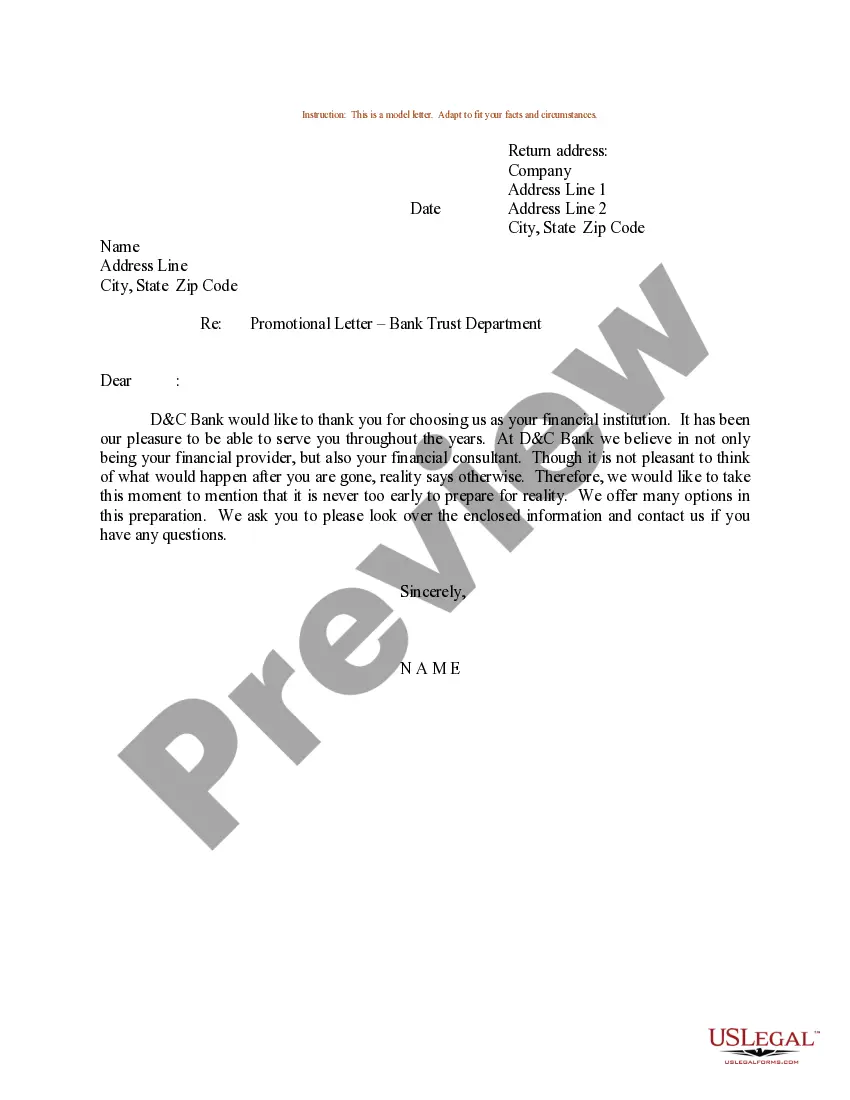
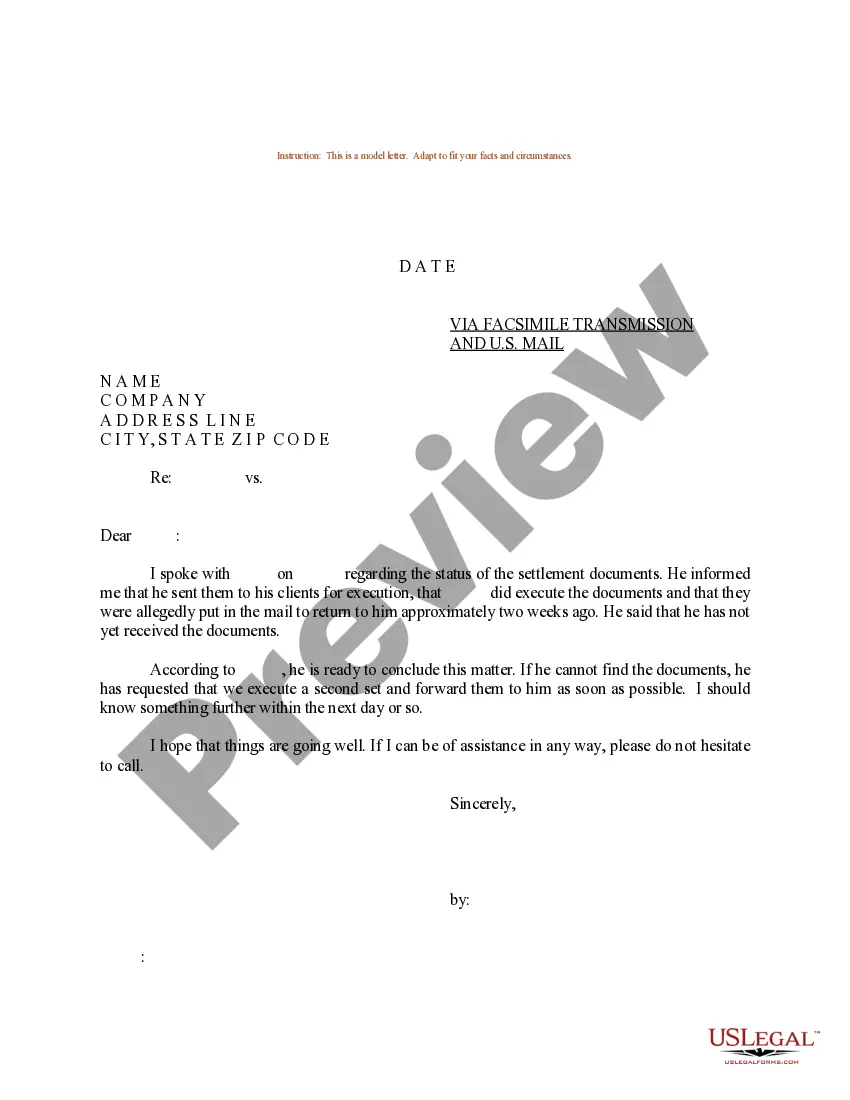
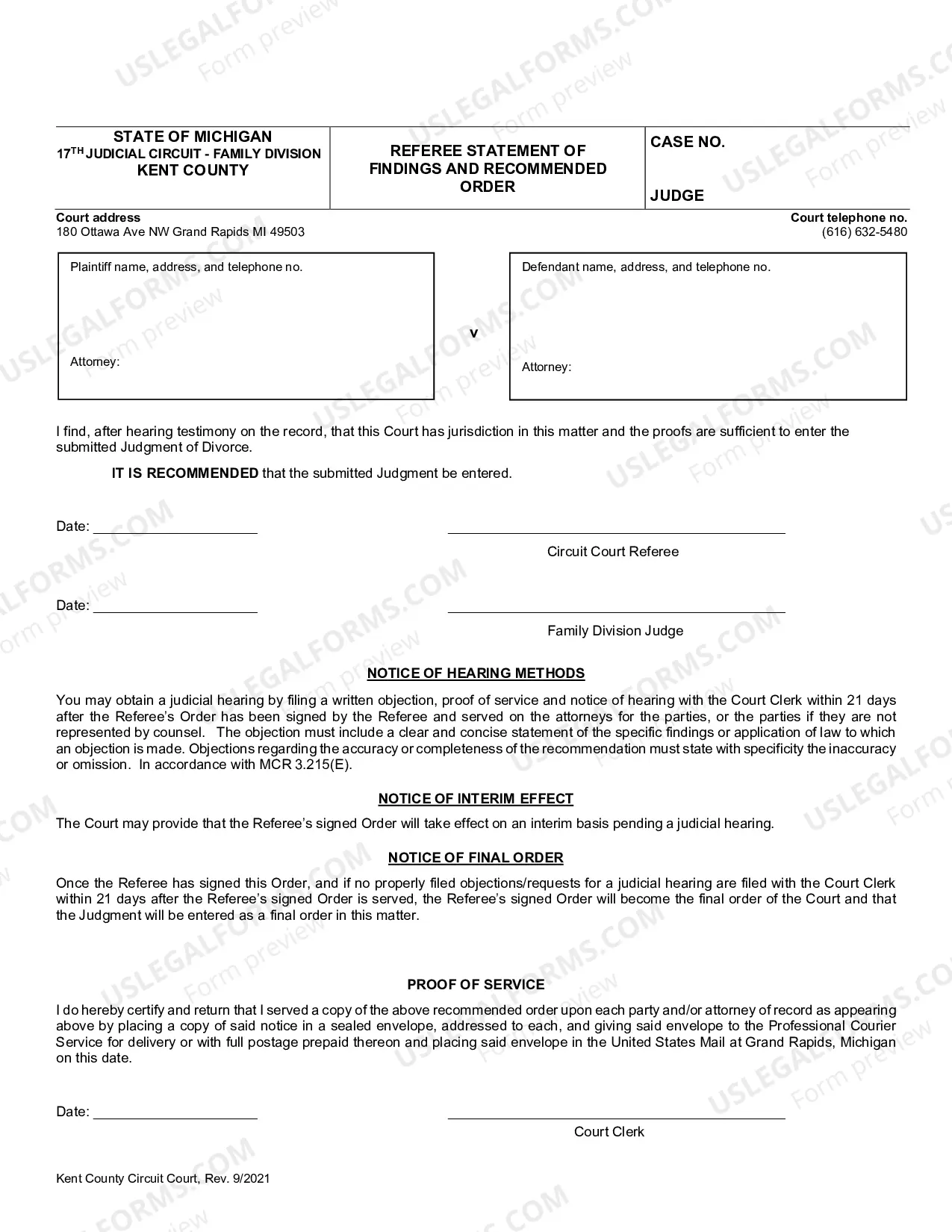
The Michigan Referee Statement of Findings (MS Word Version) is a document from the Michigan Department of Treasury that is used to provide an official determination of the value of a property for the purposes of taxation. The Michigan Referee Statement of Findings (MS Word Version) is typically used when an appeal of a property assessment has been made, and is used to provide a detailed report of the findings of the referee appointed by the Michigan Tax Tribunal. The document contains information on the property's value, including detailed information on the market value of comparable properties, as well as any other factors that may have impacted the assessment of the property. There are two different versions of the Michigan Referee Statement of Findings (MS Word Version): the Single Family Home version and the Multi-Family Home version.
Michigan Referee Statement of Findings
Description
Get your form ready online
Our built-in tools help you complete, sign, share, and store your documents in one place.
Make edits, fill in missing information, and update formatting in US Legal Forms—just like you would in MS Word.
Download a copy, print it, send it by email, or mail it via USPS—whatever works best for your next step.
Sign and collect signatures with our SignNow integration. Send to multiple recipients, set reminders, and more. Go Premium to unlock E-Sign.
If this form requires notarization, complete it online through a secure video call—no need to meet a notary in person or wait for an appointment.
We protect your documents and personal data by following strict security and privacy standards.

Make edits, fill in missing information, and update formatting in US Legal Forms—just like you would in MS Word.

Download a copy, print it, send it by email, or mail it via USPS—whatever works best for your next step.

Sign and collect signatures with our SignNow integration. Send to multiple recipients, set reminders, and more. Go Premium to unlock E-Sign.

If this form requires notarization, complete it online through a secure video call—no need to meet a notary in person or wait for an appointment.

We protect your documents and personal data by following strict security and privacy standards.
Looking for another form?



How to fill out Michigan Referee Statement Of Findings?
Drafting legal documents can be quite a hassle if you lack accessible fillable templates. With the US Legal Forms online repository of official paperwork, you can trust the forms you discover, as each of them aligns with federal and state legislation and has been reviewed by our specialists.
Acquiring your Michigan Referee Statement of Findings (MS Word Version) from our service is as straightforward as 1-2-3. Previously registered users with an active subscription need only Log In and hit the Download button once they find the appropriate template. Later on, if needed, users can select the same document from the My documents section of their account. However, even if you are a newcomer to our service, signing up with a valid subscription will only take a few moments. Here’s a brief guideline for you.
Haven’t you utilized US Legal Forms yet? Register for our service today to obtain any official document quickly and effortlessly whenever you need to, and keep your paperwork organized!
- Document compliance verification. You should thoroughly assess the content of the form you desire and confirm whether it meets your requirements and adheres to your state law standards. Reviewing your document and examining its general overview will assist you in doing just that.
- Alternative search (optional). If there are any discrepancies, navigate through the library via the Search tab at the top of the page until you locate a suitable blank, and click Buy Now once you identify the one you need.
- Account creation and form purchase. Sign up for an account with US Legal Forms. After your account is verified, Log In and choose your desired subscription plan. Make a payment to proceed (PayPal and credit card options are available).
- Template download and further usage. Choose the file format for your Michigan Referee Statement of Findings (MS Word Version) and click Download to save it on your device. Print it to finalize your documents manually, or utilize a multifunctional online editor to prepare an electronic copy more swiftly and efficiently.
Form popularity
FAQ
Responding to a summons in Michigan involves writing a formal answer, where you address every claim made in the summons. It is crucial to file your response with the court and serve it to the opposing party in a timely manner. If you require assistance, consider platforms like US Legal Forms to guide you through the process. A complete response refines the outcome documented in the Michigan Referee Statement of Findings.
Rule 2.313 of the Michigan Court Rules pertains to discovery, allowing parties to request information from each other before trial. This could include interrogatories or requests for documents that both sides must comply with. Utilizing this rule effectively can lead to a clearer understanding of your case, contributing to a fair Michigan Referee Statement of Findings.
In Michigan, your answer to a debt collection summons must be submitted within 21 days. Clearly outline your defense or any objections to the claim in your written response. Including additional evidence may benefit your case and provide clarity to the judge. Ultimately, this can influence the determination made in your Michigan Referee Statement of Findings.
To craft an effective response to a debt summons, start by addressing the court and referencing the case number. Clearly state your position regarding the debt claimed, whether you agree or dispute it. Additionally, include supporting facts or documents that you have. A well-prepared answer can assist in reviewing the case, possibly leading to a resolution outlined in a Michigan Referee Statement of Findings.
You can use voice recordings as evidence in Family Court in Michigan, but there are specific conditions that must be met. The recordings should be legally obtained, and you may need to provide context or authentication for the evidence to be admitted. Utilizing professional services like USLegalForms can assist you in preparing the correct documentation to support your case. Ultimately, understanding the role of the Michigan Referee Statement of Findings in this context is crucial for ensuring your evidence is presented properly.
Rule 2.119 in Michigan addresses motions and hearings within civil court proceedings. This rule specifies how parties should present their motions, including the form and timing of filings. Knowing the ins and outs of this rule, particularly the procedures surrounding the Michigan Referee Statement of Findings, can significantly impact your case outcome. Familiarizing yourself with these nuances can enhance your legal strategy.
Michigan Court Rule 2.102 D outlines the requirements for a referee's statement of findings in civil cases. This rule mandates that referees provide a written report that includes their recommendations and the basis for those recommendations. Understanding this rule is essential for anyone involved in legal proceedings, as it directly relates to how findings are presented and evaluated in court. Accessing the Michigan Referee Statement of Findings can help you navigate this process effectively.
To request court documents in Michigan, you can submit a request form to the specific court where your case was heard. Specify the documents you need, such as the Michigan Referee Statement of Findings, and provide your contact information. Utilizing the US Legal Forms platform can streamline your request process and help you stay informed about the status of your documents.
The 7 day rule in Michigan court refers to the timeline for filing objections to a referee's report. Once the Michigan Referee Statement of Findings is issued, parties have seven days to object to the findings. This rule ensures that all parties have a fair opportunity to contest the referee's recommendations before the court finalizes its decision.
To obtain court records in Michigan, you can visit your local courthouse or access online resources offered by the state. Michigan courts maintain databases where you can search for your case information and retrieve documents like the Michigan Referee Statement of Findings. Using the US Legal Forms platform can simplify this process and ensure you obtain the necessary documentation.