Michigan Power of Attorney
Understanding this form
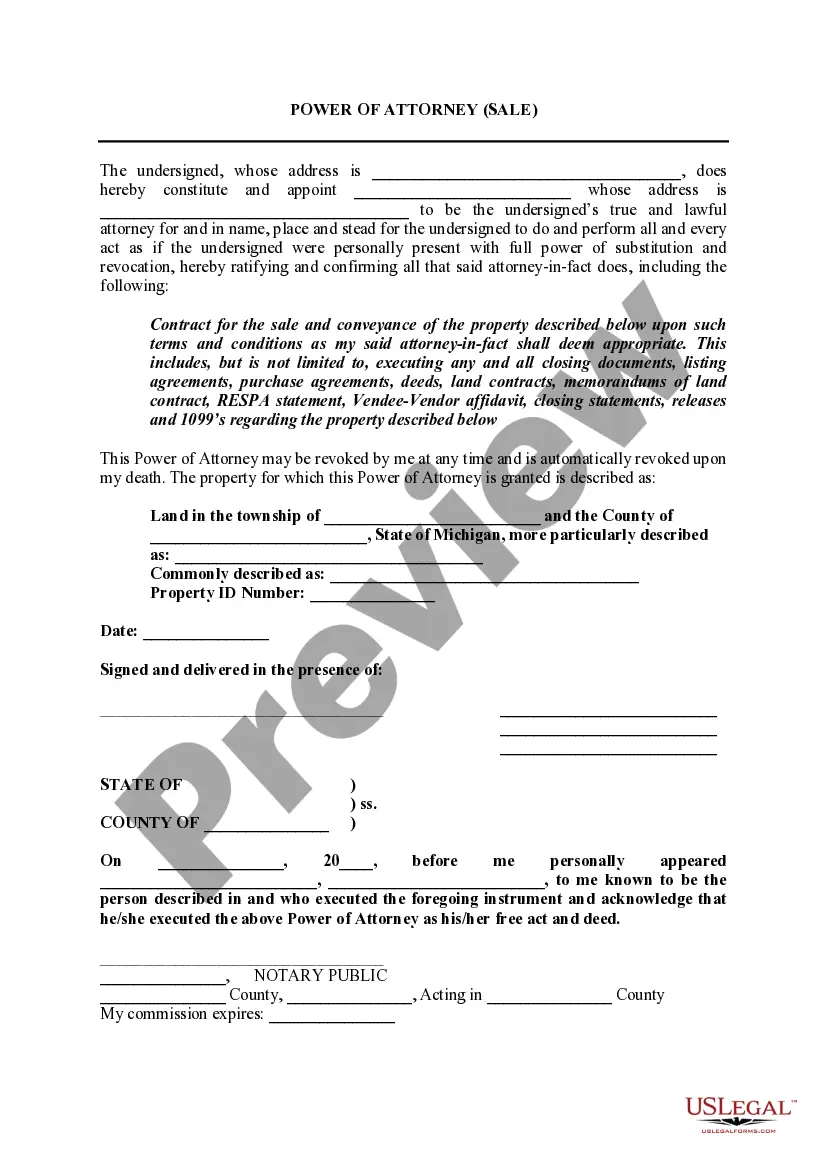
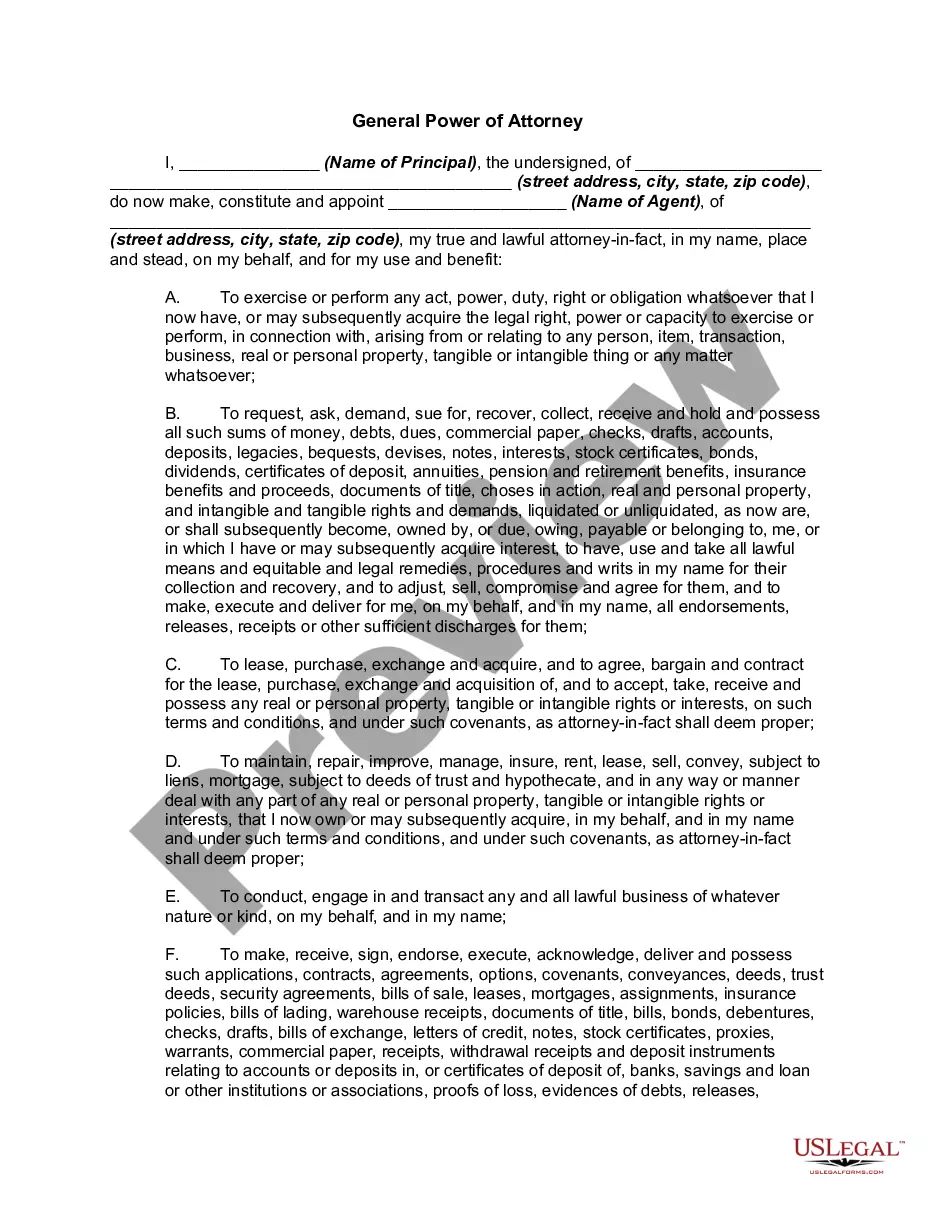
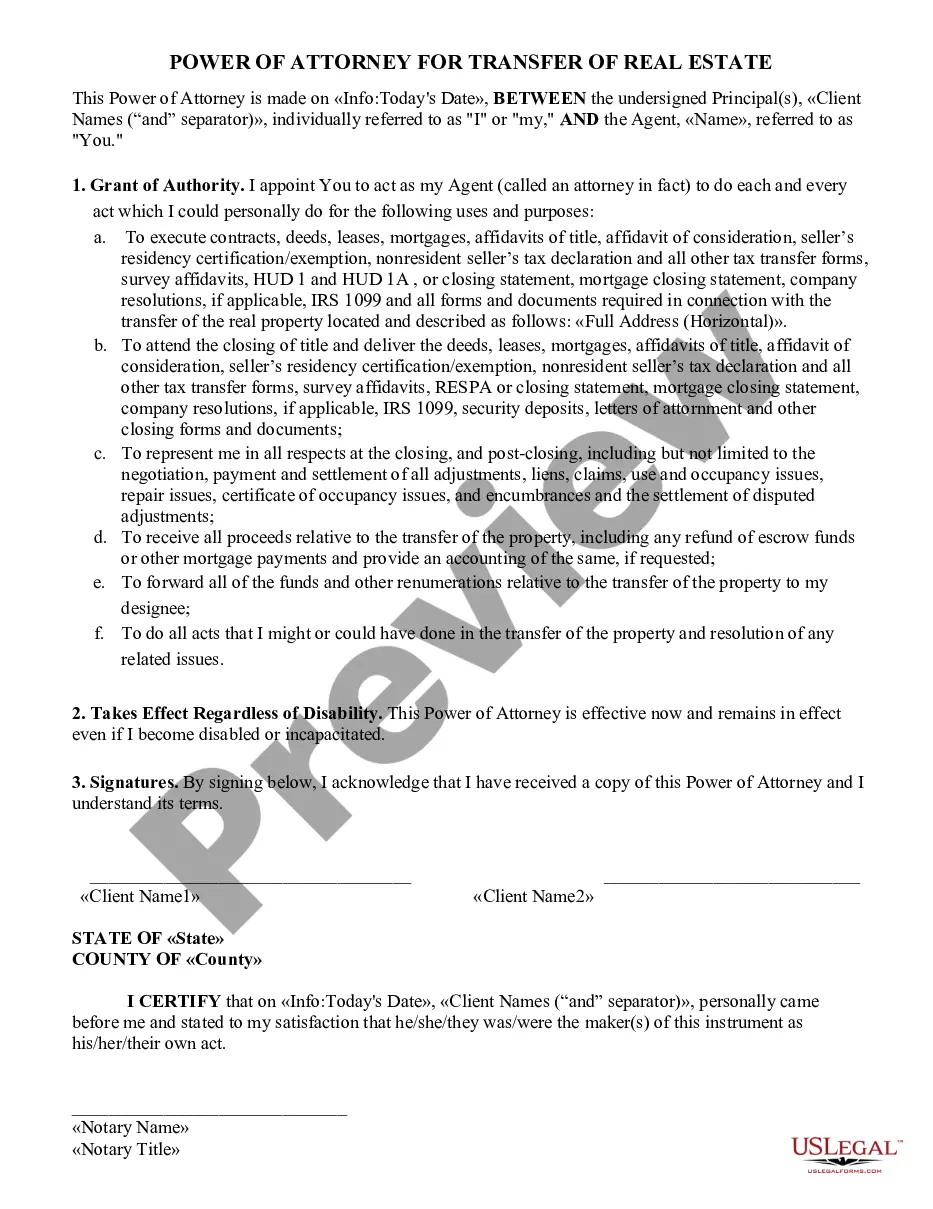
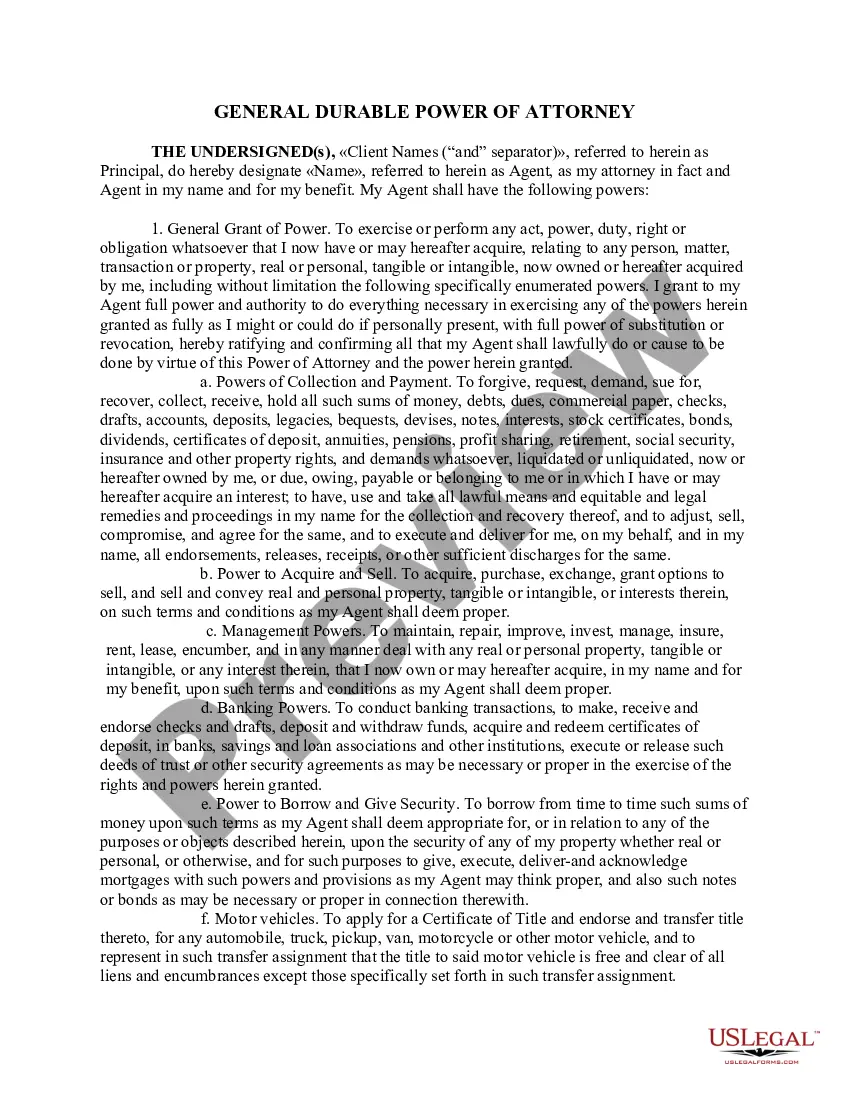
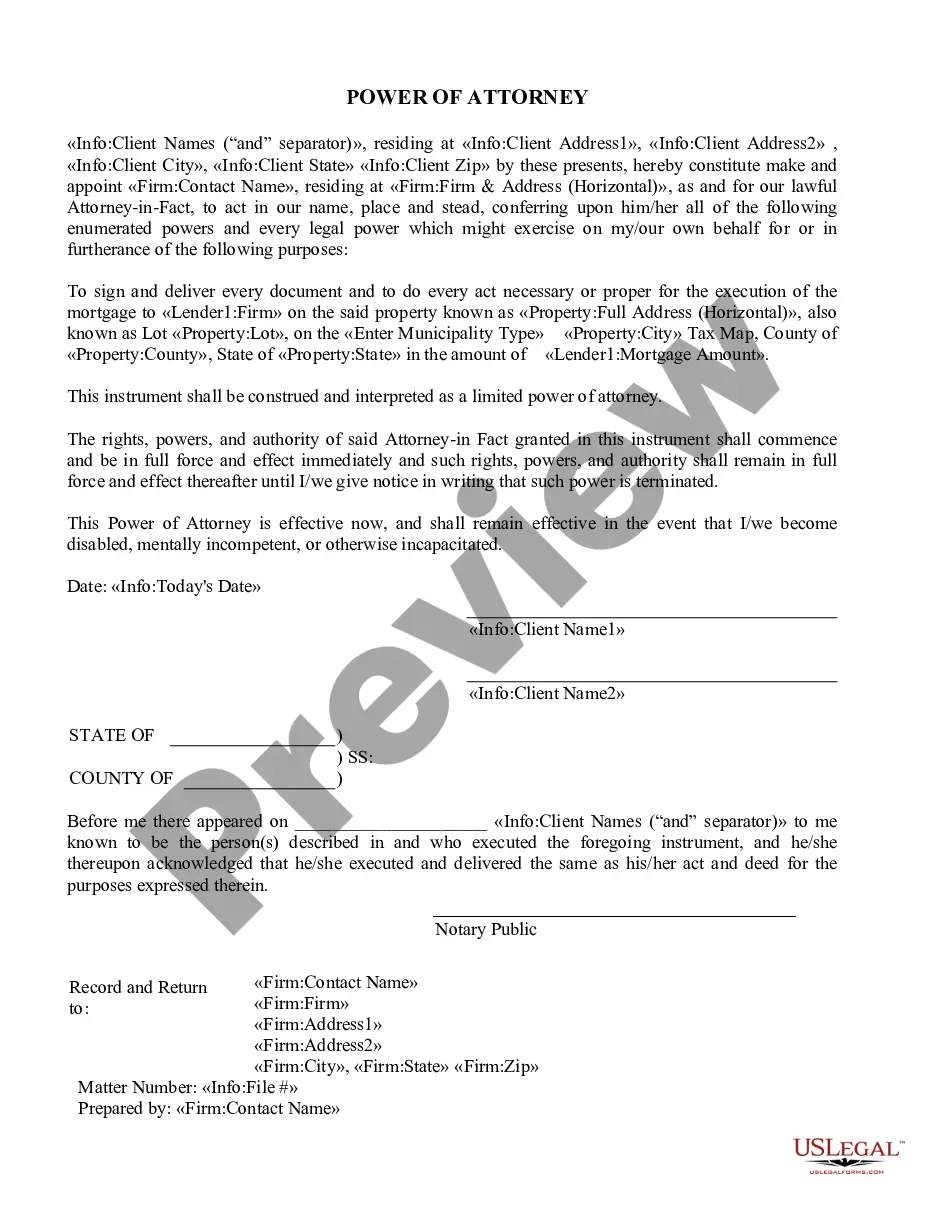
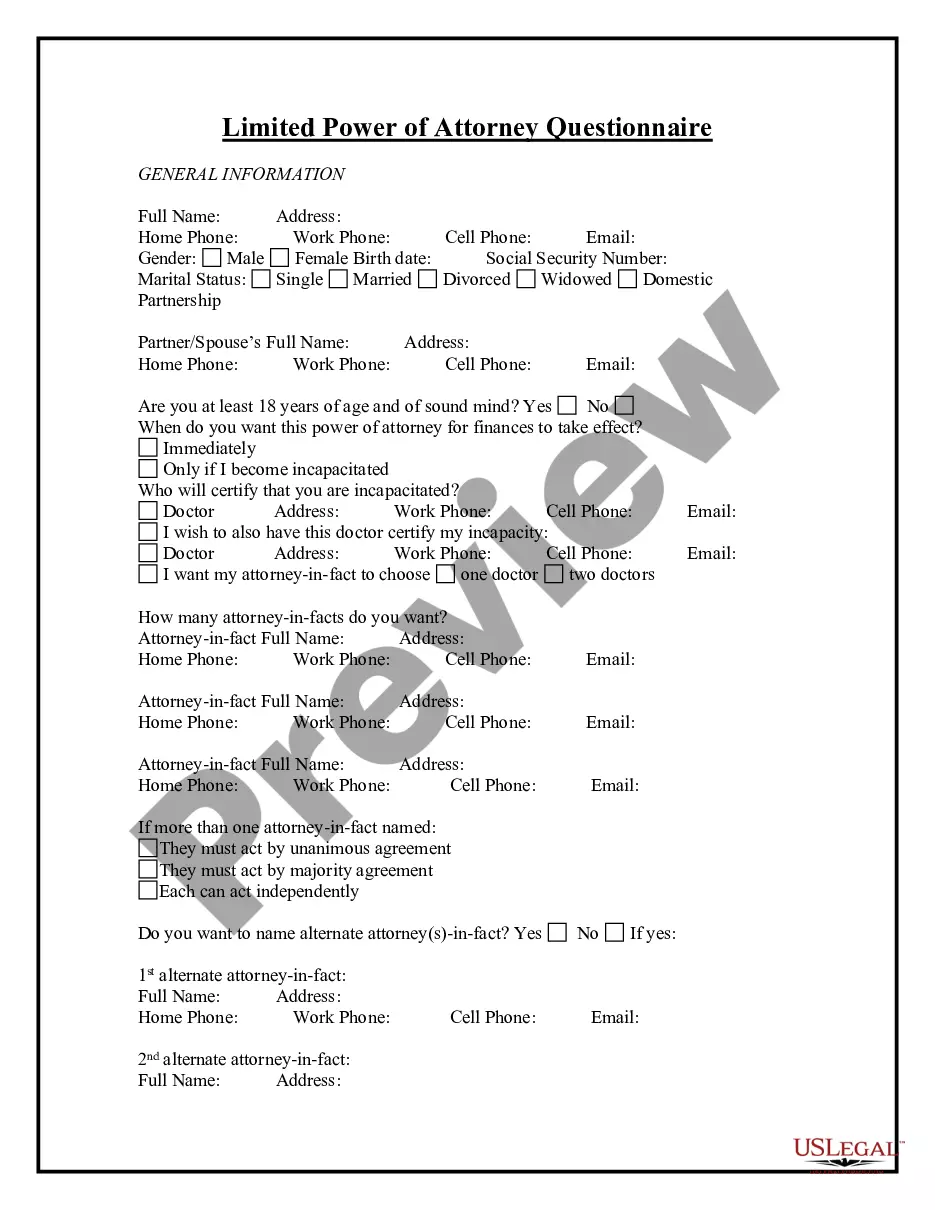
A Power of Attorney is a legal document that allows you to designate someone, known as your agent, to manage specific tasks on your behalf. This form is specifically a limited power of attorney for the sale of property, distinguishing it from a general power of attorney, which grants broader authority. It empowers your agent to execute important documents necessary for the sale of a specified property, ensuring that your interests are represented, even if you cannot be present.
Form components explained
- Name and address of the principal (the person granting authority).
- Name and address of the agent (the person receiving authority).
- Description of the property involved in the transaction.
- List of specific powers granted to the agent, including completing sale documents.
- Revocation clause stating that the power can be revoked at any time.
- Notarization requirements and space for signatures of witnesses.
Situations where this form applies
This form should be used when you need to sell property but are unable to be physically present to handle the necessary paperwork. Situations may include being out of state, hospitalization, or other commitments that prevent your presence during the transaction. By issuing a Power of Attorney for property sale, you can ensure that your interests are protected and the transaction proceeds smoothly.
Intended users of this form
- Property owners who need assistance in selling their property.
- Individuals who are unable to be present during the sale process.
- Those wanting to ensure that their legal rights and obligations are managed effectively by a trusted person.
Instructions for completing this form
- Identify the parties involved: Include your name and address as the principal and the agent's name and address.
- Describe the property: Provide detailed information about the property being sold, including its legal description.
- Specify the powers granted: Clearly outline what powers you are giving to your agent related to the sale.
- Enter the date and sign the document: Ensure you fill in the signing date and attach your signature where indicated.
- Arrange for notarization: Follow proper procedures to have the document notarized, ensuring its legality.
Does this form need to be notarized?
Yes, this form must be notarized to be legally valid. US Legal Forms offers integrated online notarization services, allowing you to securely complete the notarization process via video call, ensuring convenience and compliance with legal requirements.
Get your form ready online
Our built-in tools help you complete, sign, share, and store your documents in one place.
Make edits, fill in missing information, and update formatting in US Legal Forms—just like you would in MS Word.
Download a copy, print it, send it by email, or mail it via USPS—whatever works best for your next step.
Sign and collect signatures with our SignNow integration. Send to multiple recipients, set reminders, and more. Go Premium to unlock E-Sign.
If this form requires notarization, complete it online through a secure video call—no need to meet a notary in person or wait for an appointment.
We protect your documents and personal data by following strict security and privacy standards.

Make edits, fill in missing information, and update formatting in US Legal Forms—just like you would in MS Word.

Download a copy, print it, send it by email, or mail it via USPS—whatever works best for your next step.

Sign and collect signatures with our SignNow integration. Send to multiple recipients, set reminders, and more. Go Premium to unlock E-Sign.

If this form requires notarization, complete it online through a secure video call—no need to meet a notary in person or wait for an appointment.

We protect your documents and personal data by following strict security and privacy standards.
Common mistakes to avoid
- Failing to provide a complete and accurate property description.
- Not specifying the powers clearly, leading to potential misunderstandings with the agent.
- Neglecting to have the document notarized, which may render it invalid.
Why use this form online
- Easy access to a legally vetted document drafted by licensed attorneys.
- The ability to download and customize the form according to your needs.
- Convenient and secure, eliminating the need for in-person visits to attorneys or law offices.
Looking for another form?
Form popularity
FAQ
To file a Michigan Power of Attorney, you typically need to complete the form and ensure it is signed by the principal in front of a notary public. Afterward, you can present the document to the relevant institutions or parties involved, like banks or healthcare providers. Using an online service, such as US Legal Forms, can help streamline the process, offering templates that meet Michigan requirements. This can significantly reduce any potential confusion during filing.
The easiest way to set up a Michigan Power of Attorney is to use a reliable online service like US Legal Forms. Such platforms provide templates that allow you to customize the document according to your needs. Additionally, these services often guide you through the necessary steps, ensuring compliance with Michigan laws. This approach simplifies the entire process, saving you time and effort.
In Michigan, a valid Power of Attorney must be in writing and signed by the principal, ideally in front of a notary public. The document should specify the powers granted to the agent and must include the names of both parties. To avoid any confusion, using a professional service like USLegalForms can help ensure that your power of attorney meets all legal requirements and reflects your intentions clearly.
Yes, you can draw up your own Michigan Power of Attorney, provided you follow state laws regarding the format and content. It is vital to include essential elements such as your personal information, the powers you wish to grant, and the signatures of witnesses or a notary. However, for peace of mind, using USLegalForms can simplify the process by offering clear templates that comply with Michigan’s legal requirements.
To obtain a Michigan Power of Attorney, start by downloading a form that suits your needs. Ensure you fill out the document accurately, including the names of the principal and agent, along with any specific powers granted. After signing the form in the presence of a notary, it must be executed properly to be legally binding in Michigan. If you need guidance, consider using USLegalForms, which offers user-friendly templates and resources for creating a power of attorney.