Michigan Letter from Landlord to Tenant as Notice to tenant to repair damage caused by tenant
Description
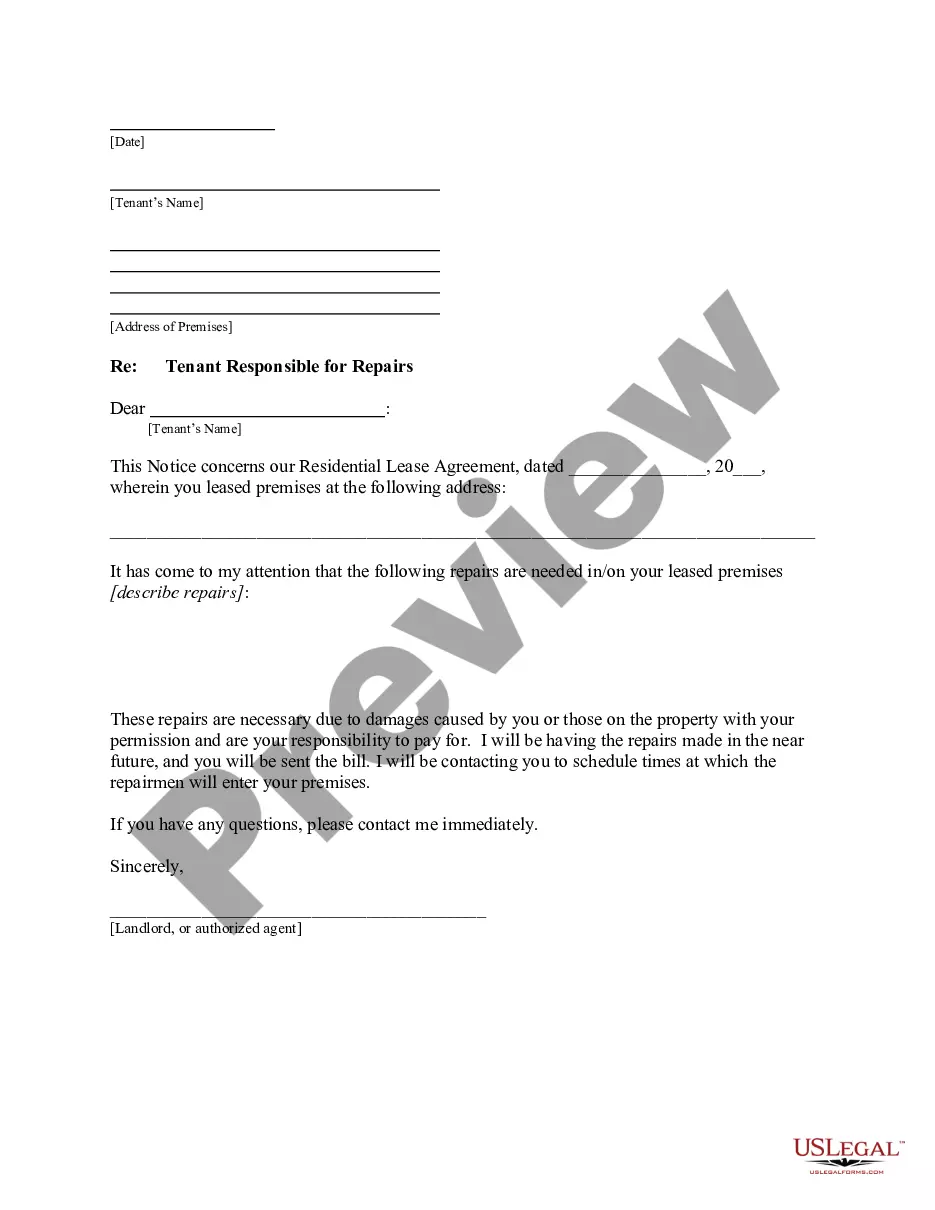
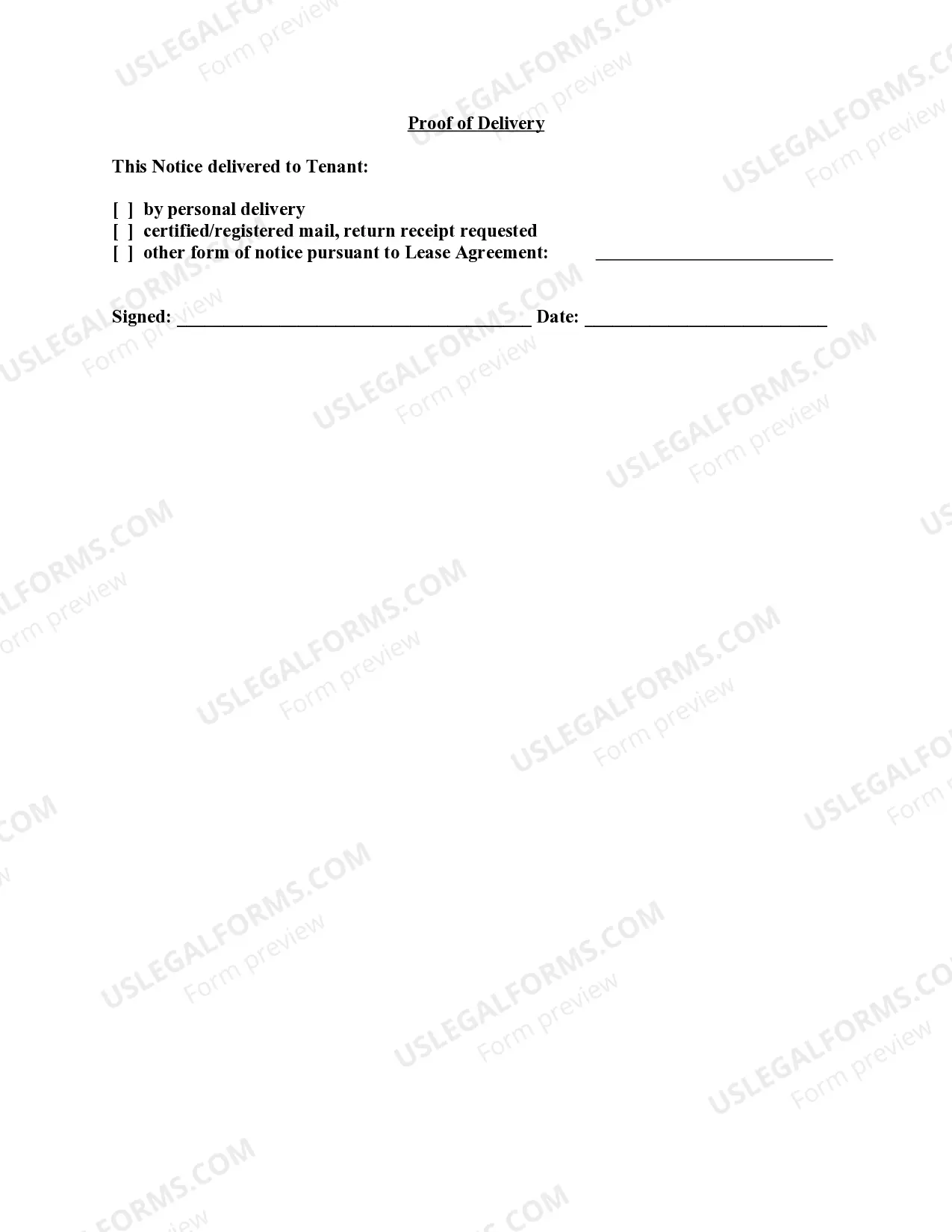


How to fill out Michigan Letter From Landlord To Tenant As Notice To Tenant To Repair Damage Caused By Tenant?
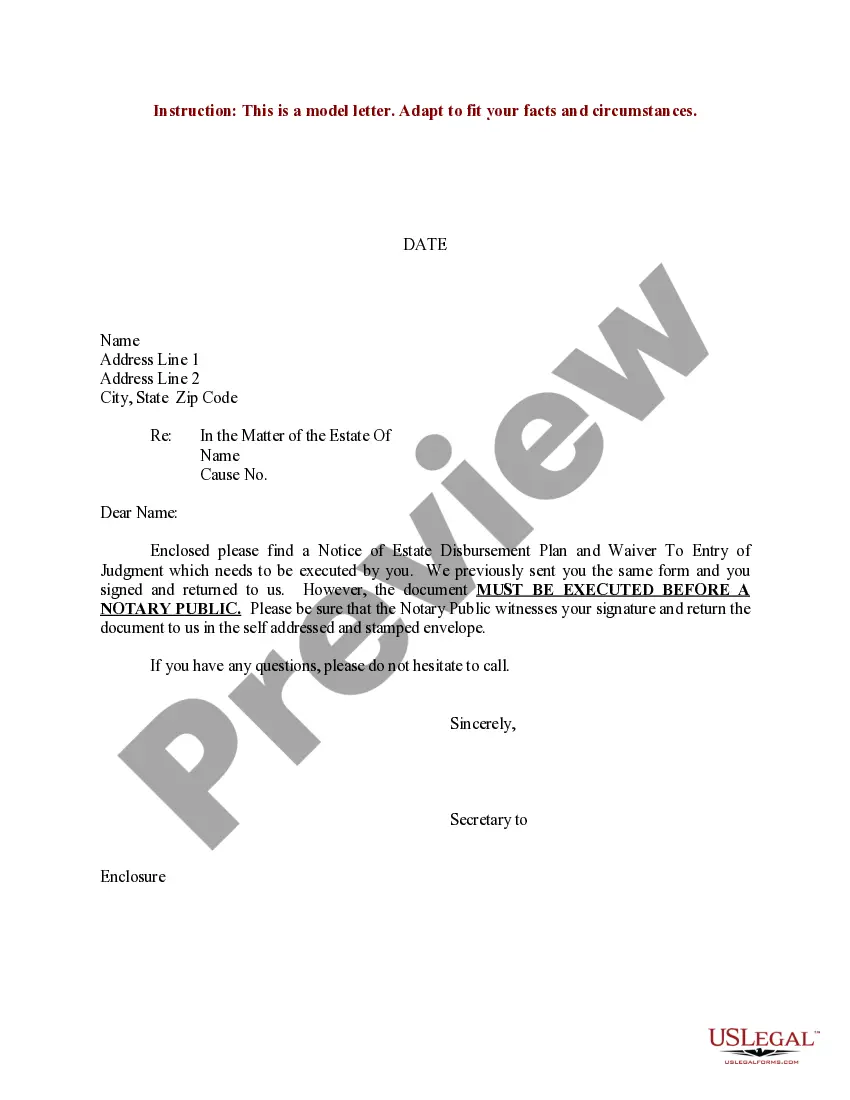
Have any template from 85,000 legal documents including Michigan Letter from Landlord to Tenant as Notice to tenant to repair damage caused by tenant on-line with US Legal Forms. Every template is drafted and updated by state-licensed attorneys.
If you have already a subscription, log in. When you’re on the form’s page, click on the Download button and go to My Forms to access it.
If you have not subscribed yet, follow the steps below:
- Check the state-specific requirements for the Michigan Letter from Landlord to Tenant as Notice to tenant to repair damage caused by tenant you want to use.
- Read through description and preview the template.
- When you are confident the sample is what you need, click on Buy Now.
- Select a subscription plan that works for your budget.
- Create a personal account.
- Pay out in one of two appropriate ways: by bank card or via PayPal.
- Select a format to download the document in; two options are available (PDF or Word).
- Download the file to the My Forms tab.
- When your reusable form is ready, print it out or save it to your gadget.
With US Legal Forms, you will always have immediate access to the proper downloadable template. The service provides you with access to forms and divides them into categories to simplify your search. Use US Legal Forms to obtain your Michigan Letter from Landlord to Tenant as Notice to tenant to repair damage caused by tenant fast and easy.
Form popularity
FAQ
Landlords are responsible for the repair and maintenance of your property's structure and interior. This is defined in the Landlord and Tenant Act from 1985 and the Housing Act of 2004. In general, the landlord is always obliged to keep the exterior in repair.
In most cases when a rental property is damaged, you have the right to keep all or part of the security deposit to offset the repair costs. But again, security deposits are heavily regulated by the landlord-tenant laws in your location.
It is a reasonable expectation for rental tenants to expect their landlord and/or agents to fulfil their duty of care. As the tenant, if you sustain serious injuries as a result of the landlord's negligence, you may have a public liability injury claim.
Your landlord has to do anything your tenancy agreement says they have to do. Your landlord is also generally responsible for keeping in repair: the structure and exterior of your home, for example, the walls, roof, foundations, drains, guttering and external pipes, windows and external doors.
Your landlord has 45 days from when you move out to start a court case for damages.
Landlord Rights When Tenant Destroys PropertyIf the tenant is evicted or already abandoned the property the landlord can deduct money from the security deposit. If the damages exceed the funds in the security deposit the landlord can sue the tenant in small claims court.
When damages or issues affect a rental unit's liveability, it is the landlord's responsibility to fix these damages at no cost to the tenant. Landlords are also responsible for repairing (and sometimes replacing) damaged items or appliances that are in the lease agreement.
If your tenant damages your rental property, your landlord insurance may cover that damage, depending on your policy and the type and extent of the damage. There are three types of tenant damage: accidental, intentional and normal wear and tear. Accidental damage Sometimes covered by landlord insurance.
Damage to the Property: A landlord can sue a tenant if the tenant has caused damage to the property.To Recover Lost Rent From an Illegal Move Out: If the tenant moved out before their lease was actually up, you can take them to court to recover the rent they owed for the remaining time on their lease.