Michigan Letter from Landlord to Tenant as Notice to tenant to repair damage caused by tenant
Overview of this form
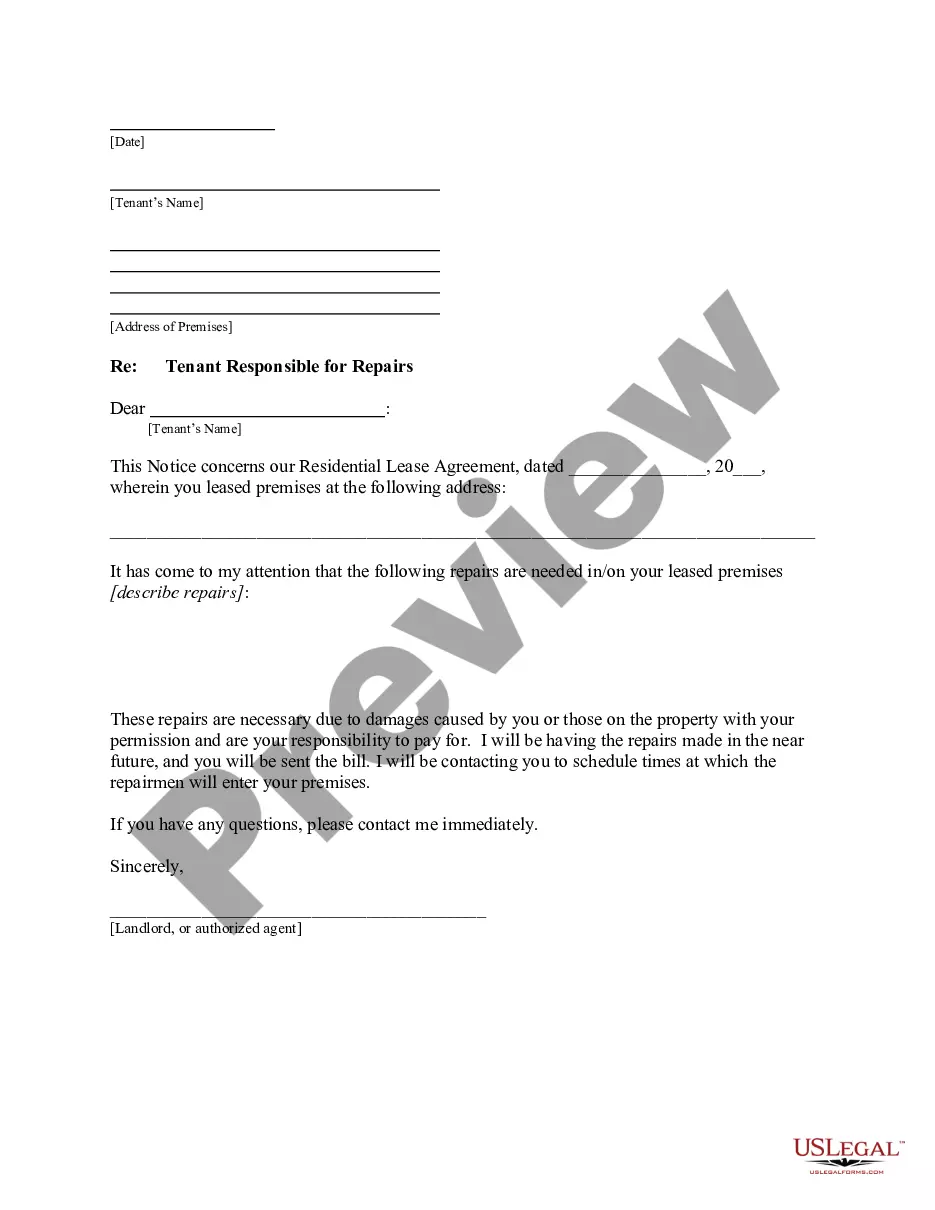
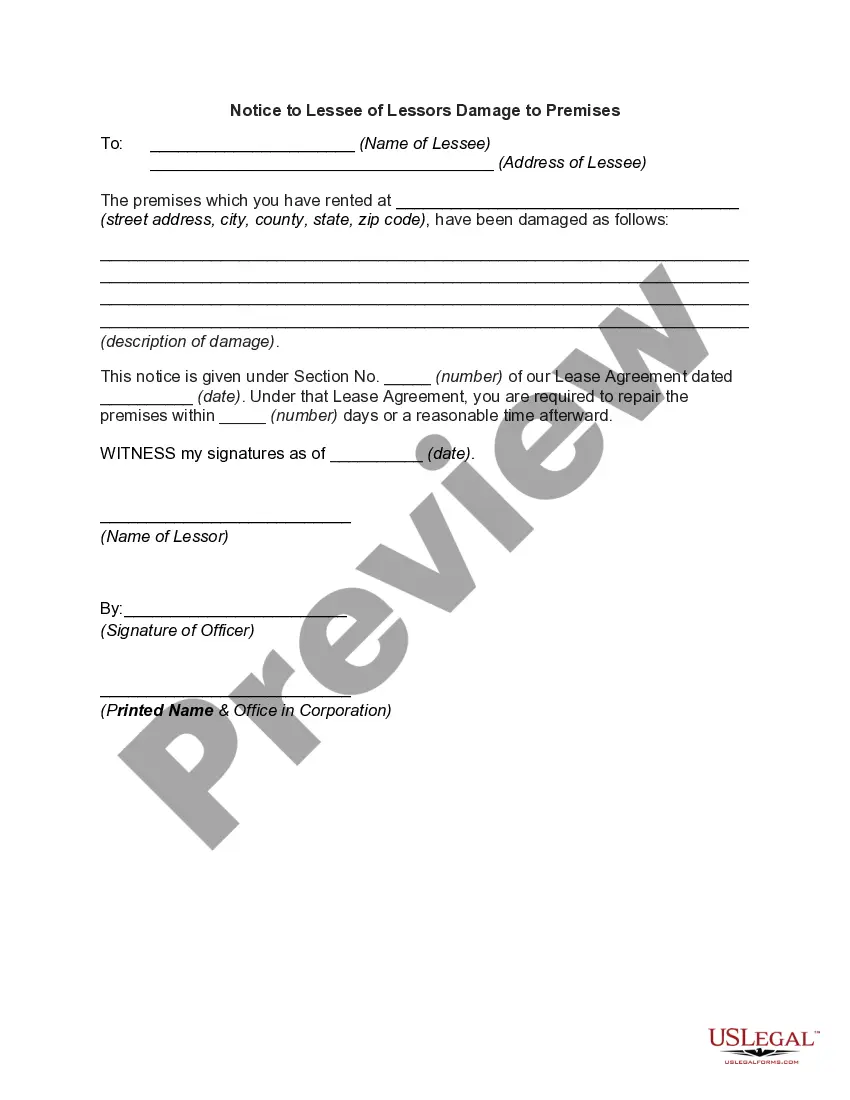
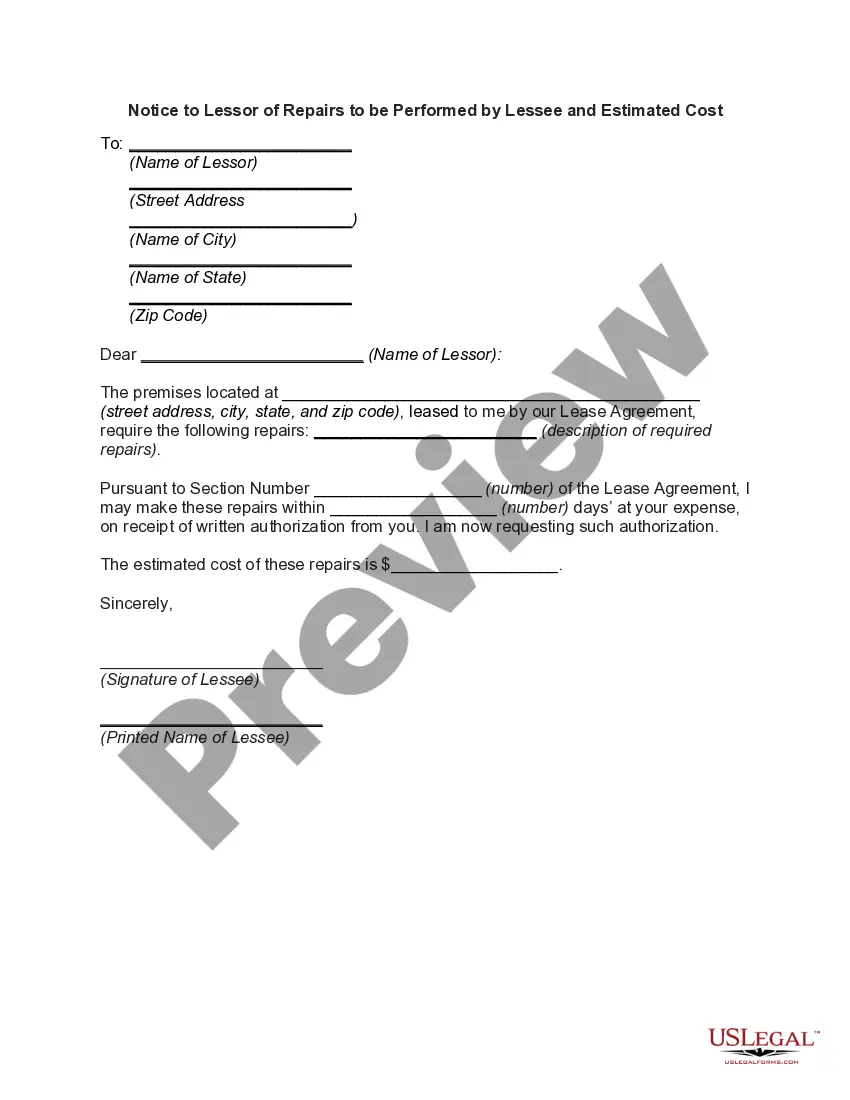
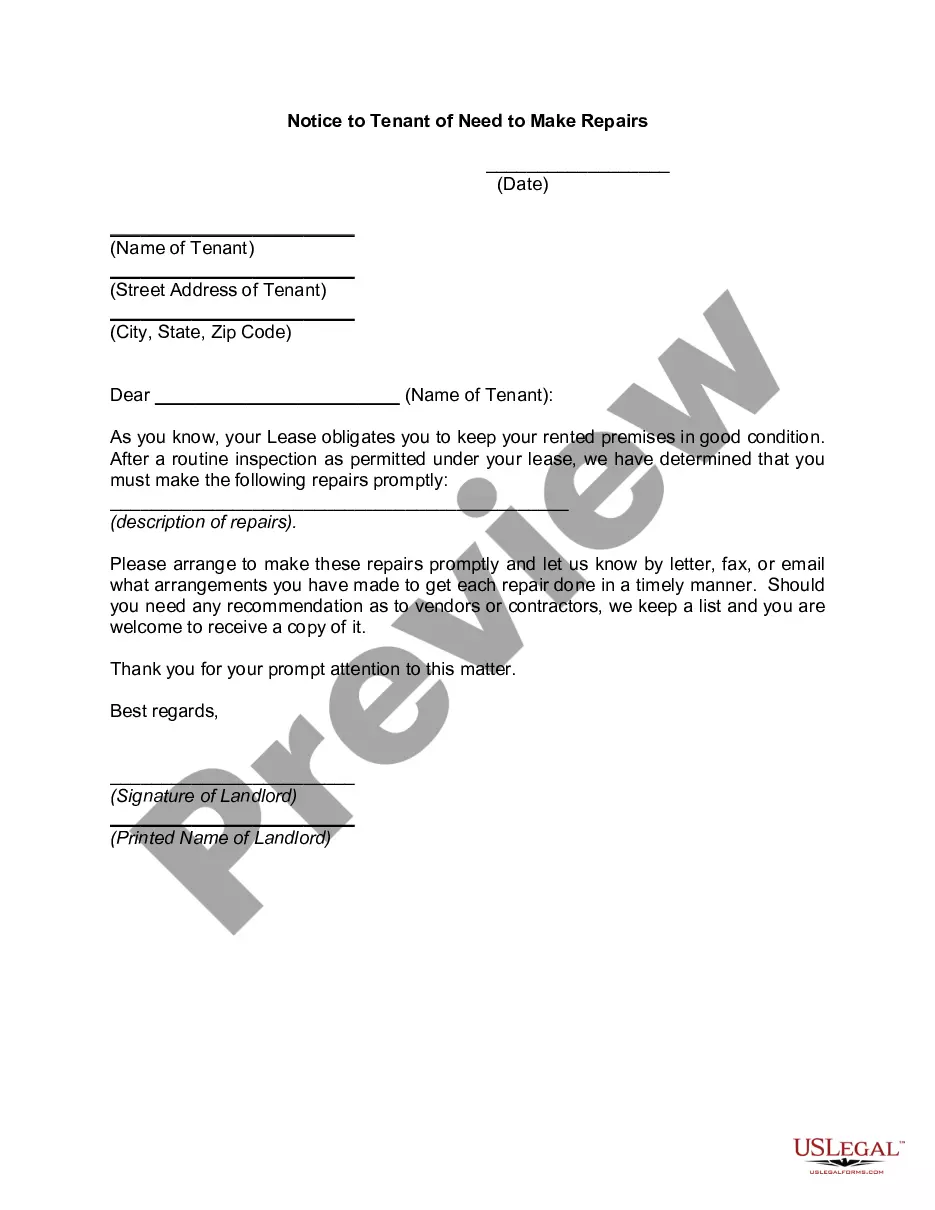
This letter from landlord to tenant serves as a formal notice regarding repairs necessary due to damage caused by the tenant or individuals on the property with the tenantâs permission. This form clearly outlines the tenant's responsibility to pay for these repairs and notifies the tenant that repairmen will contact them to schedule visits. It differs from other notices by specifically addressing repair obligations and scheduled access for maintenance professionals.
Form components explained
- Identification of the parties involved (landlord and tenant).
- Reference to the residential lease agreement, including the date and address of the leased premises.
- Specification of the repairs needed due to tenant-related damage.
- Contact information for inquiries regarding the repairs.
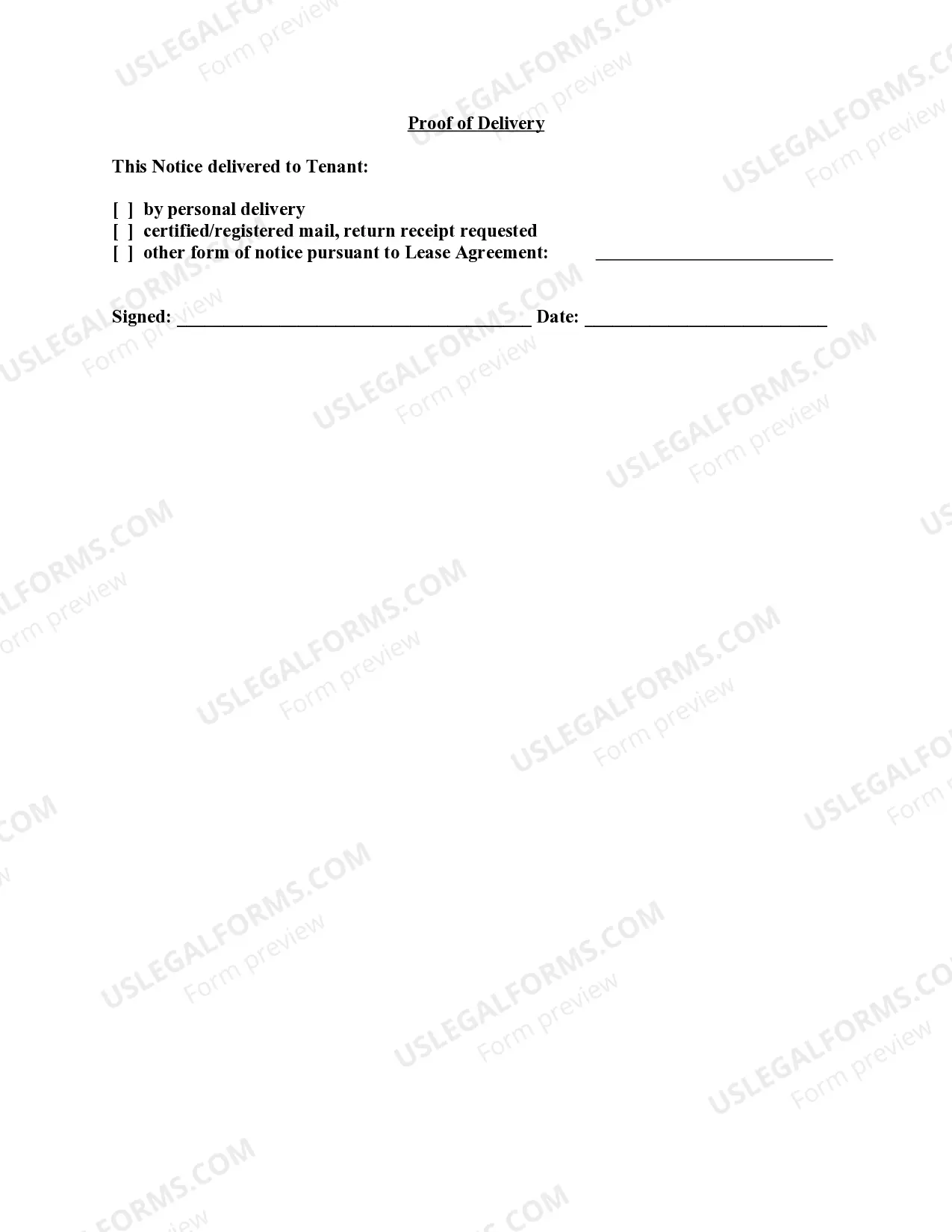
- Proof of delivery method (personal delivery or certified/registered mail).

When to use this document
This form is useful when a landlord observes damage within a rental property that requires repair. Landlords should send this notice to notify tenants of the issue, outline their responsibility for repair costs, and establish a process for scheduling repair visits. It is a crucial step in ensuring compliance with lease agreements and maintaining property condition.
Who needs this form
- Landlords who need to inform tenants about repairs due to tenant-caused damage.
- Property managers acting on behalf of landlords to communicate maintenance issues.
- Tenants who have been notified and need guidance on their responsibilities regarding repairs.
How to complete this form
- Identify the parties by including the landlordâs and tenantâs names and contact information.
- Specify the address of the leased property referenced in the residential lease agreement.
- Describe the necessary repairs that need to be addressed due to tenant actions.
- Enter the date of the lease agreement as well as the date this notice is issued.
- Include a signature line for the landlord or authorized agent.
- Indicate how the notice was delivered to the tenant, ensuring compliance with delivery requirements.
Is notarization required?
In most cases, this form does not require notarization. However, some jurisdictions or signing circumstances might. US Legal Forms offers online notarization powered by Notarize, accessible 24/7 for a quick, remote process.
Get your form ready online
Our built-in tools help you complete, sign, share, and store your documents in one place.
Make edits, fill in missing information, and update formatting in US Legal Forms—just like you would in MS Word.
Download a copy, print it, send it by email, or mail it via USPS—whatever works best for your next step.
Sign and collect signatures with our SignNow integration. Send to multiple recipients, set reminders, and more. Go Premium to unlock E-Sign.
If this form requires notarization, complete it online through a secure video call—no need to meet a notary in person or wait for an appointment.
We protect your documents and personal data by following strict security and privacy standards.
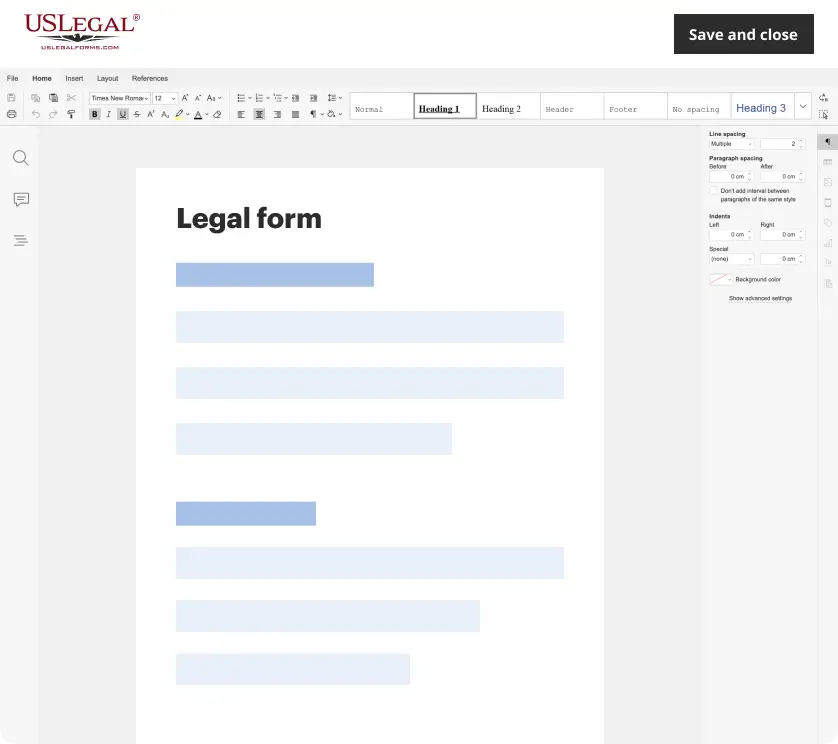
Make edits, fill in missing information, and update formatting in US Legal Forms—just like you would in MS Word.
Download a copy, print it, send it by email, or mail it via USPS—whatever works best for your next step.
Sign and collect signatures with our SignNow integration. Send to multiple recipients, set reminders, and more. Go Premium to unlock E-Sign.

If this form requires notarization, complete it online through a secure video call—no need to meet a notary in person or wait for an appointment.
We protect your documents and personal data by following strict security and privacy standards.
Common mistakes to avoid
- Failing to specify the exact repairs needed, which can lead to confusion.
- Not including the lease agreement date and property address, making the notice less authoritative.
- Omitting contact information, which can hinder tenants from addressing their concerns.
Why use this form online
- Convenience of instant access to professionally drafted legal forms.
- Editable templates that can be tailored to specific situations and state requirements.
- Reliable, attorney-drafted content ensures compliance with legal standards.
Looking for another form?
Form popularity
FAQ
Landlords are responsible for the repair and maintenance of your property's structure and interior. This is defined in the Landlord and Tenant Act from 1985 and the Housing Act of 2004. In general, the landlord is always obliged to keep the exterior in repair.
In most cases when a rental property is damaged, you have the right to keep all or part of the security deposit to offset the repair costs. But again, security deposits are heavily regulated by the landlord-tenant laws in your location.
It is a reasonable expectation for rental tenants to expect their landlord and/or agents to fulfil their duty of care. As the tenant, if you sustain serious injuries as a result of the landlord's negligence, you may have a public liability injury claim.
Your landlord has to do anything your tenancy agreement says they have to do. Your landlord is also generally responsible for keeping in repair: the structure and exterior of your home, for example, the walls, roof, foundations, drains, guttering and external pipes, windows and external doors.
Your landlord has 45 days from when you move out to start a court case for damages.
Landlord Rights When Tenant Destroys PropertyIf the tenant is evicted or already abandoned the property the landlord can deduct money from the security deposit. If the damages exceed the funds in the security deposit the landlord can sue the tenant in small claims court.
When damages or issues affect a rental unit's liveability, it is the landlord's responsibility to fix these damages at no cost to the tenant. Landlords are also responsible for repairing (and sometimes replacing) damaged items or appliances that are in the lease agreement.
If your tenant damages your rental property, your landlord insurance may cover that damage, depending on your policy and the type and extent of the damage. There are three types of tenant damage: accidental, intentional and normal wear and tear. Accidental damage Sometimes covered by landlord insurance.
Damage to the Property: A landlord can sue a tenant if the tenant has caused damage to the property.To Recover Lost Rent From an Illegal Move Out: If the tenant moved out before their lease was actually up, you can take them to court to recover the rent they owed for the remaining time on their lease.