Michigan Drainage Contract for Contractor
Understanding this form
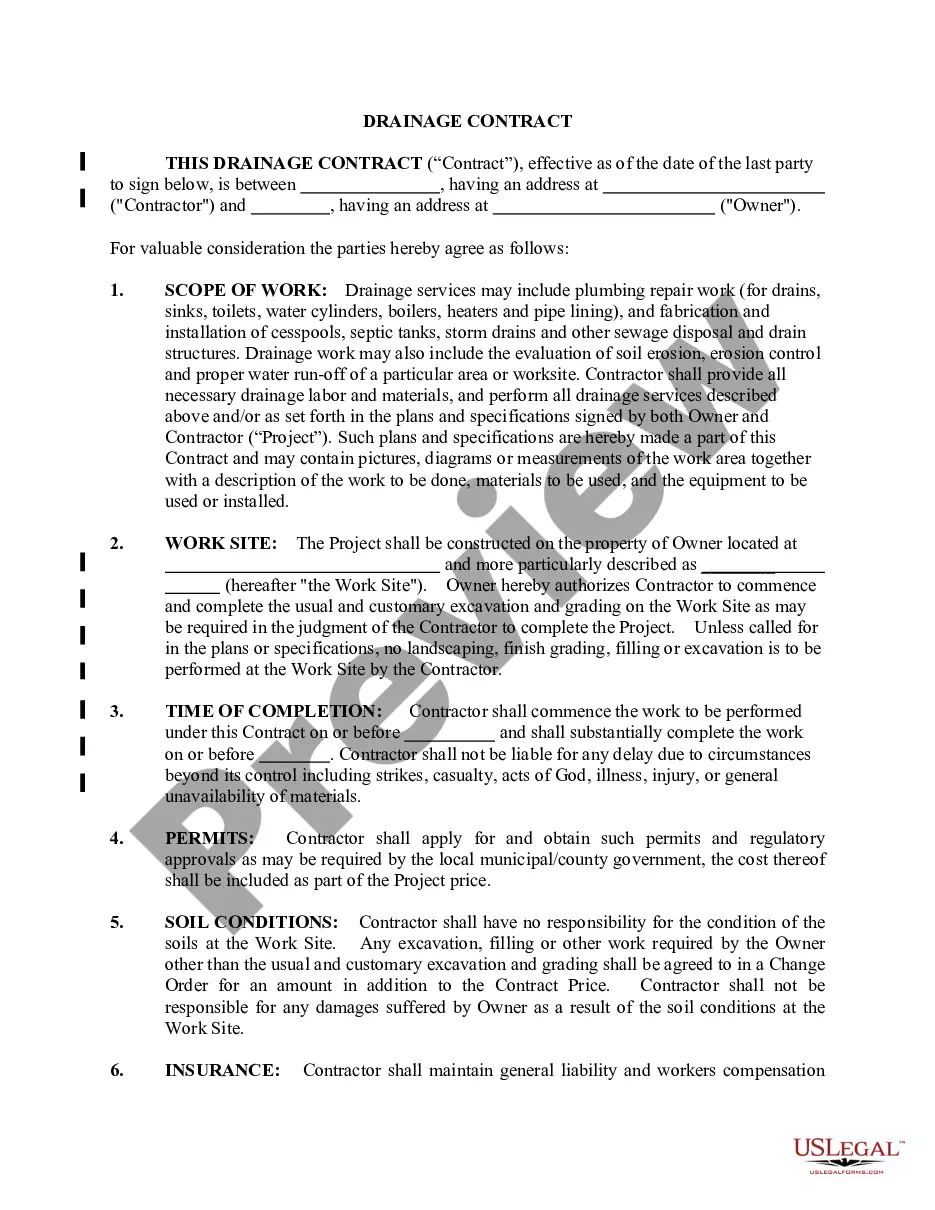
The Drainage Contract for Contractor is a legal agreement designed for use between drainage contractors and property owners. This form establishes the terms of the project, including payment structures, change orders, site conditions, insurance requirements, and more. It specifically complies with the laws of Michigan, distinguishing it from similar contracts that may not adhere to state-specific regulations.
Key parts of this document
- Work site: Specifies the location of the project.
- Permits: Outlines the contractor's responsibility to obtain necessary permits.
- Soil conditions: States that the contractor is not liable for soil condition issues.
- Insurance: Requires the contractor to maintain general liability and workers' compensation insurance.
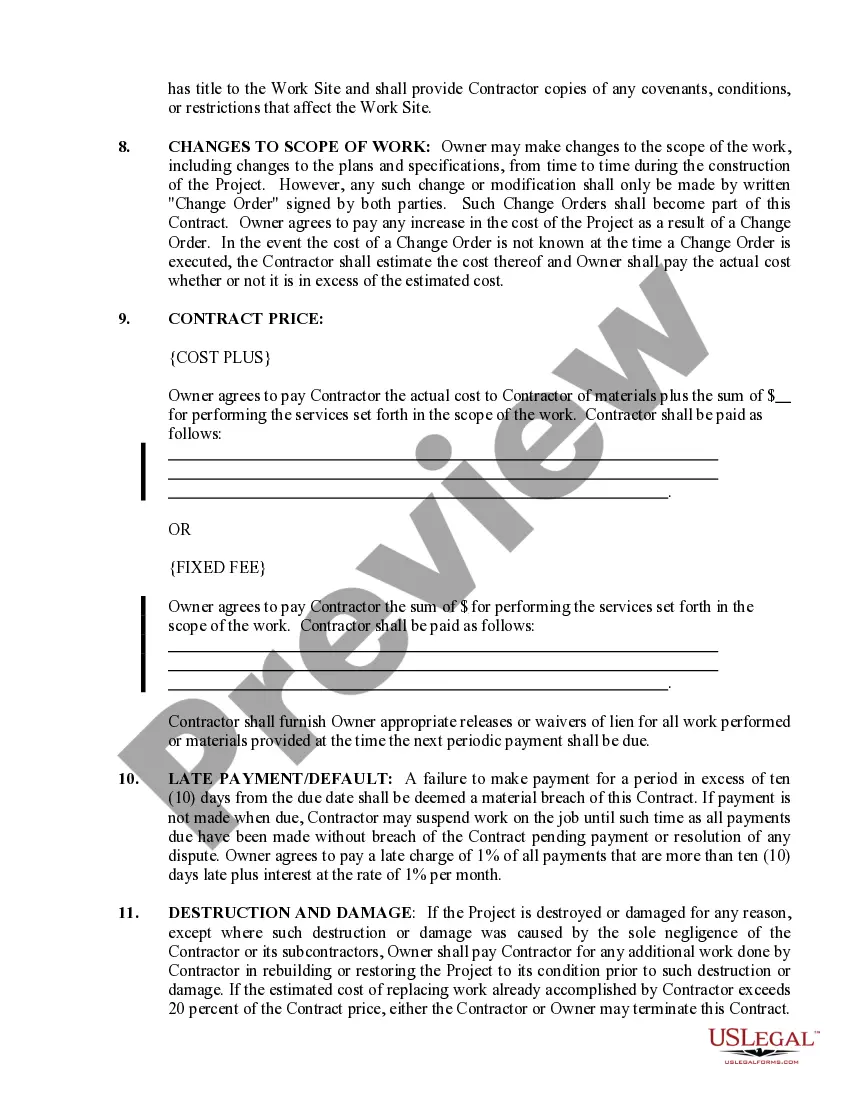
- Changes to scope of work: Covers how modifications to the project should be documented and approved.
- Contract price: Details payment methods, including cost-plus and fixed fee options.
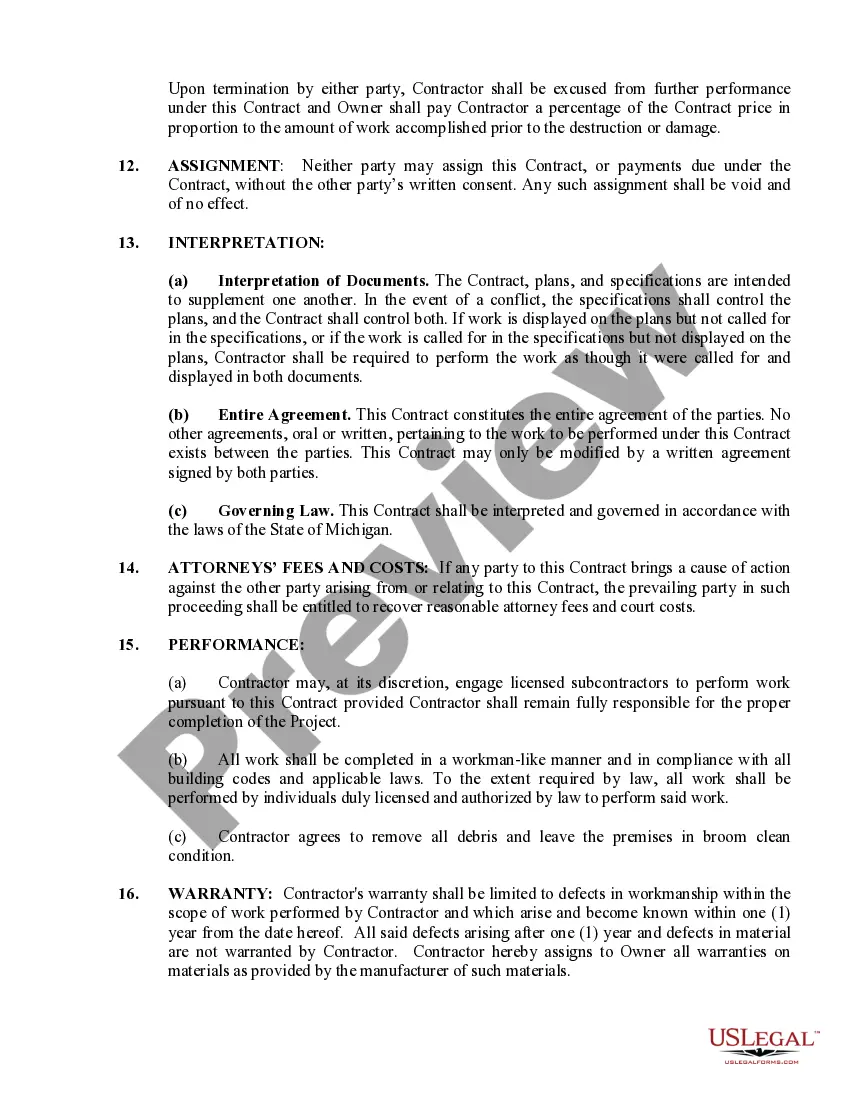
- Termination clause: Explains conditions under which the contract may be terminated due to project damage or destruction.

When to use this form
This form is necessary when a property owner hires a contractor for drainage work and needs to establish a clear agreement on the project details. You may need this contract when planning drainage solutions for your property, such as installing drainage systems, correcting water flow issues, or managing runoff.
Who needs this form
- Property owners looking to hire a drainage contractor.
- Contractors providing drainage services within Michigan.
- Individuals seeking a legally binding agreement for drainage project management.
How to prepare this document
- Identify the parties involved: Enter the names and addresses of both the contractor and the property owner.
- Specify the project location: Clearly state the work site address where the drainage work will take place.
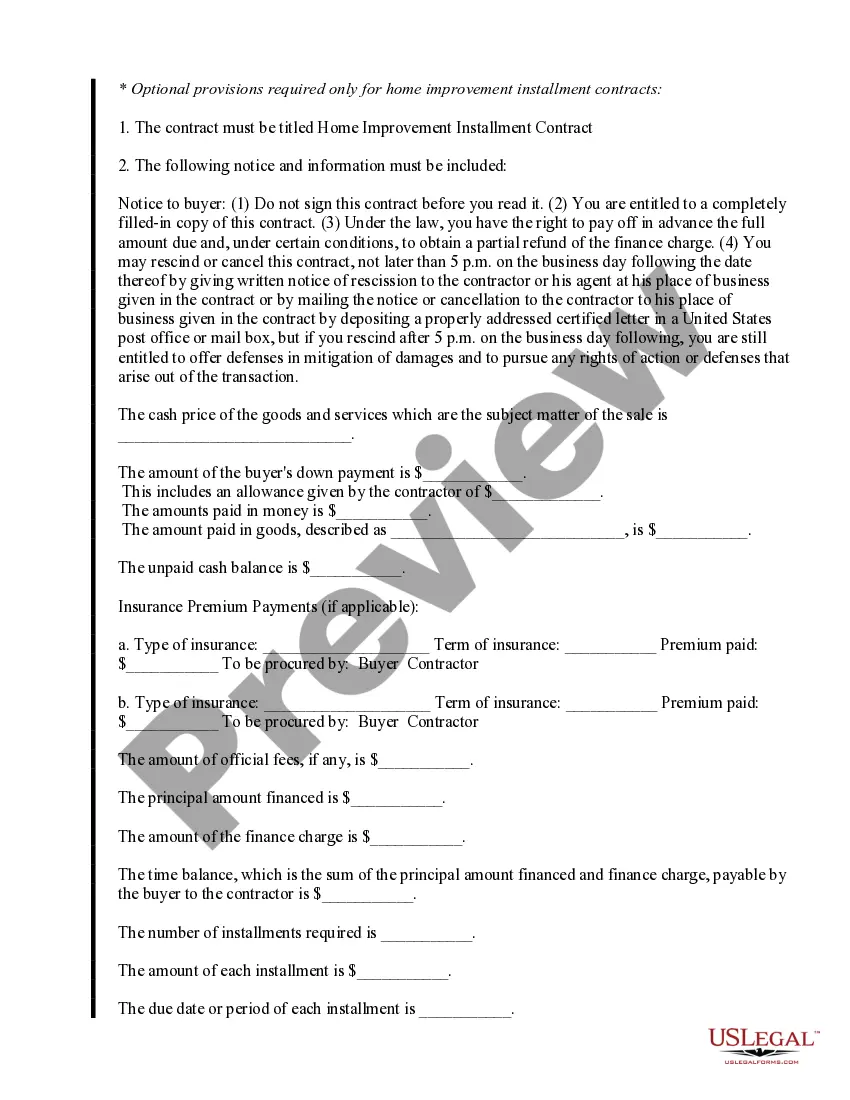
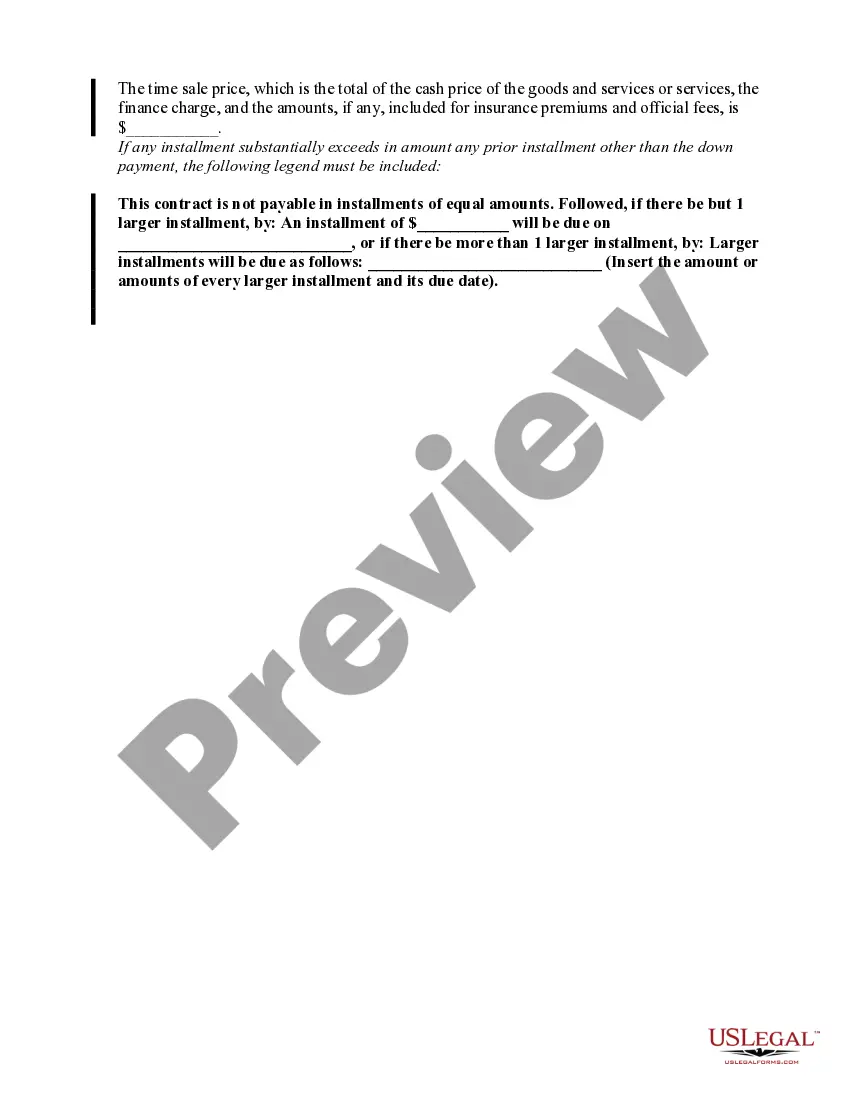
- Detail the payment arrangement: Choose and fill in the payment structure (cost-plus or fixed fee).
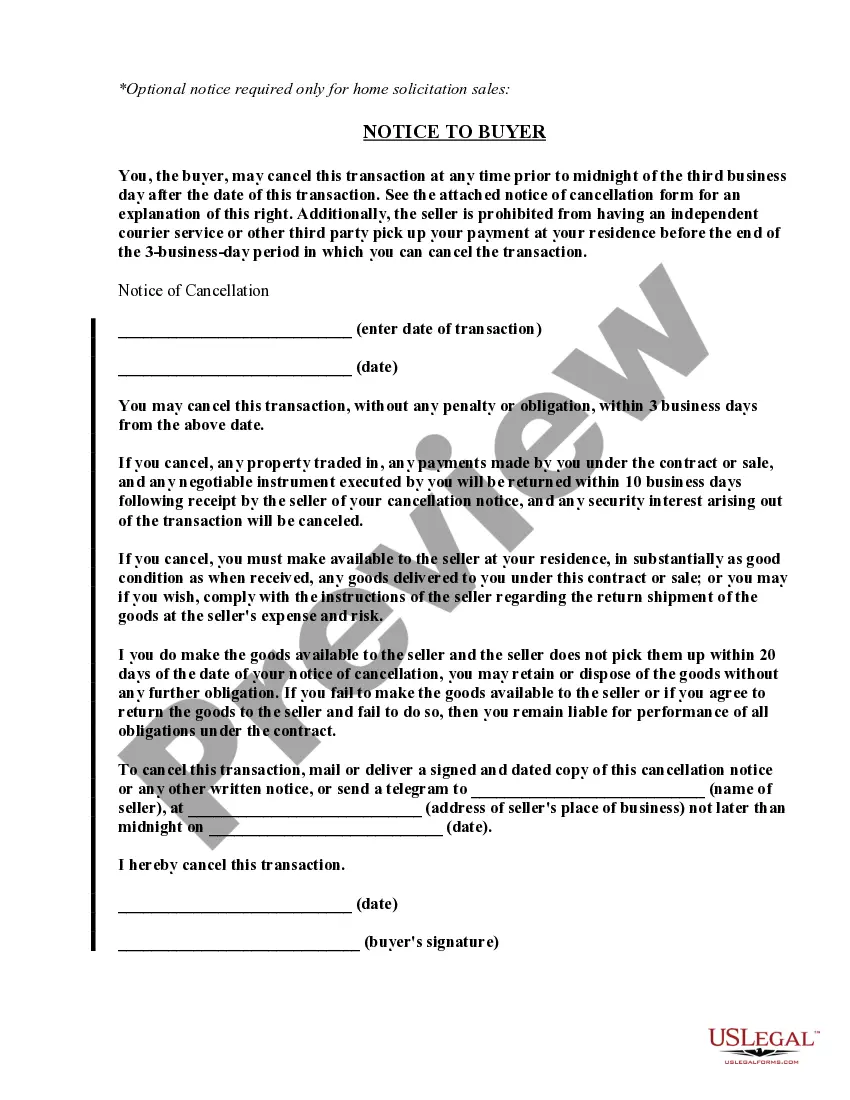
- Outline changes: Note how changes to the project will be managed through written change orders.
- Review insurance information: Ensure both parties understand the insurance requirements and obligations.
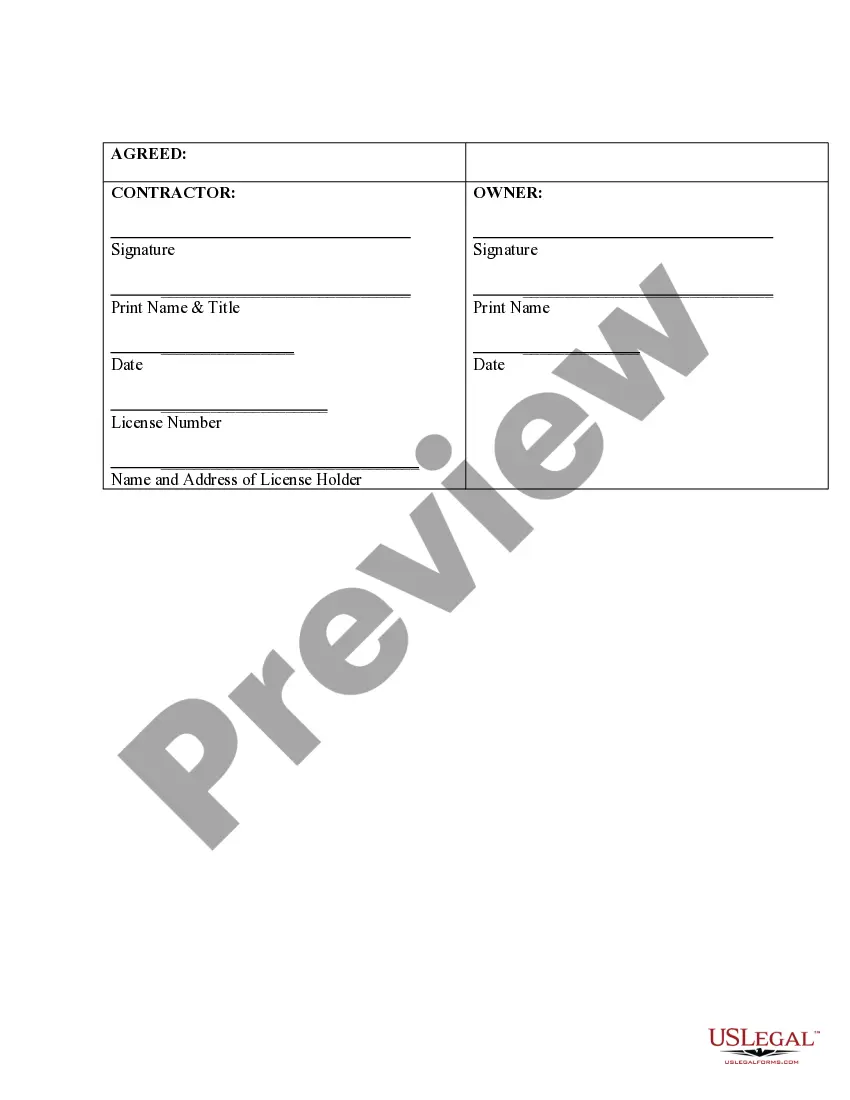
- Sign and date the contract: Obtain signatures from both parties to finalize the agreement.
Does this form need to be notarized?
In most cases, this form does not require notarization. However, some jurisdictions or signing circumstances might. US Legal Forms offers online notarization powered by Notarize, accessible 24/7 for a quick, remote process.
Get your form ready online
Our built-in tools help you complete, sign, share, and store your documents in one place.
Make edits, fill in missing information, and update formatting in US Legal Forms—just like you would in MS Word.
Download a copy, print it, send it by email, or mail it via USPS—whatever works best for your next step.
Sign and collect signatures with our SignNow integration. Send to multiple recipients, set reminders, and more. Go Premium to unlock E-Sign.
If this form requires notarization, complete it online through a secure video call—no need to meet a notary in person or wait for an appointment.
We protect your documents and personal data by following strict security and privacy standards.

Make edits, fill in missing information, and update formatting in US Legal Forms—just like you would in MS Word.

Download a copy, print it, send it by email, or mail it via USPS—whatever works best for your next step.

Sign and collect signatures with our SignNow integration. Send to multiple recipients, set reminders, and more. Go Premium to unlock E-Sign.

If this form requires notarization, complete it online through a secure video call—no need to meet a notary in person or wait for an appointment.

We protect your documents and personal data by following strict security and privacy standards.
Avoid these common issues
- Failing to specify the exact work site, leading to potential disputes.
- Neglecting to include change order procedures, causing confusion over project modifications.
- Not outlining payment terms clearly, which can result in payment delays.
Benefits of completing this form online
- Easy access to download and print the form whenever needed.
- Editable fields allow for customization to fit specific project requirements.
- Reliable legal foundation, ensuring compliance with Michigan laws.
Legal use & context
- This contract legally binds the contractor to complete the agreed-upon work.
- It protects both the property owner and the contractor by clarifying expectations.
- Non-compliance with the terms can lead to legal disputes and potential liabilities.
Key takeaways
- The Drainage Contract for Contractor is essential for formalizing the relationship between a drainage contractor and a property owner.
- This contract includes provisions for permits, change orders, and payment methods.
- It is legally binding in the State of Michigan, ensuring compliance with local laws.
Looking for another form?
Form popularity
FAQ
Both parties should sign the contract, and both should be bound by the terms and conditions spelled out in the agreement. In general that means the contractor will be obliged to provide specified materials and to perform certain services for you. In turn, you will be required to pay for those goods and that labor.
Name of contractor and contact information. Name of homeowner and contact information. Describe property in legal terms. List attachments to the contract. The cost. Failure of homeowner to obtain financing. Description of the work and the completion date. Right to stop the project.
For most types of projects you hire an independent contractor (IC) to do, the law does not require you to put anything in writing. You can meet with the IC, agree on the terms of your arrangement, and have an oral contract or agreement that is legally binding. Just because you can doesn't mean you should, however.
Size up the project. Consider what you'll handle and what you need subcontractors to do. Decide on your project delivery method. Find the best procurement method. Determine your contract type. Estimate your project costs. Add in overhead expenses. Don't forget profitability!
If you run a small business that hires 1099 contractors, also known as independent contractors, it is vital that you have them sign an independent contractor contract. This is because there is a significant gray area between who is classified as an independent contractor and who is classified as an employee.
An offer to purchase with a specific price stated. It includes offers during an auction in which people compete by raising the bid until there is no more bidding, or contractors offer to contract to build a project or sell goods or services at a given price, with usually the lowest bidder getting the job. (
Identifying/Contact Information. Title and Description of the Project. Projected Timeline and Completion Date. Cost Estimate and Payment Schedule. Stop Work Clause and Stop Payment Clause. Act of God Clause. Change Order Agreement. Warranty.
Do a Walk-Through With the Client. Learn What the Client Expects. Bidding Software to Calculate Material Costs. Make Sure You Will Make a Profit. Present the Final Bid. Talk Through the Bid With Your Client.
Yes, absolutely. Starting work without a signed contract means that your position isn't clear, or even worse it's weak.It also means that the contract is legally enforceable and will be able to support you if you decide to take legal action.