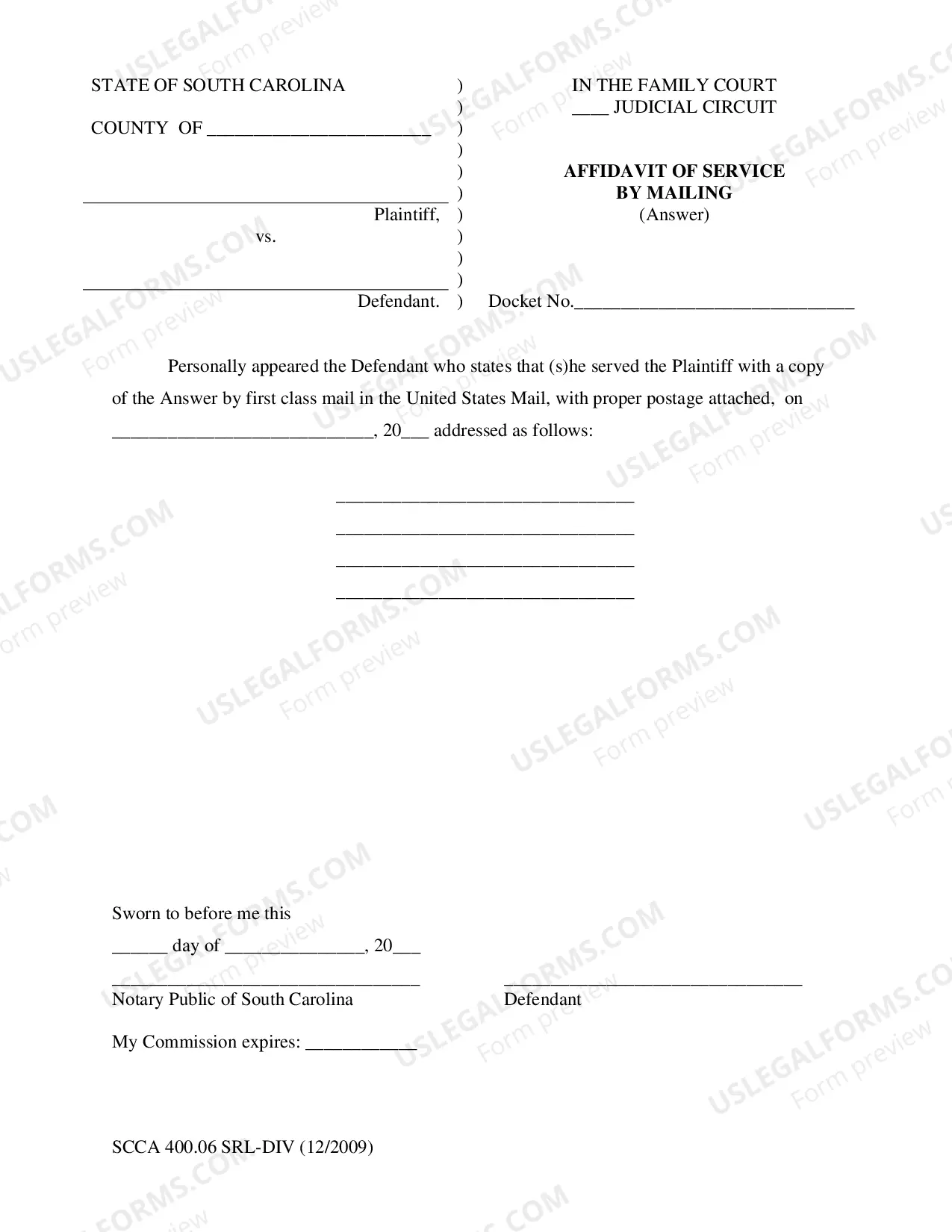
Michigan Domestic Relations Pretrial Statement
Overview of this form
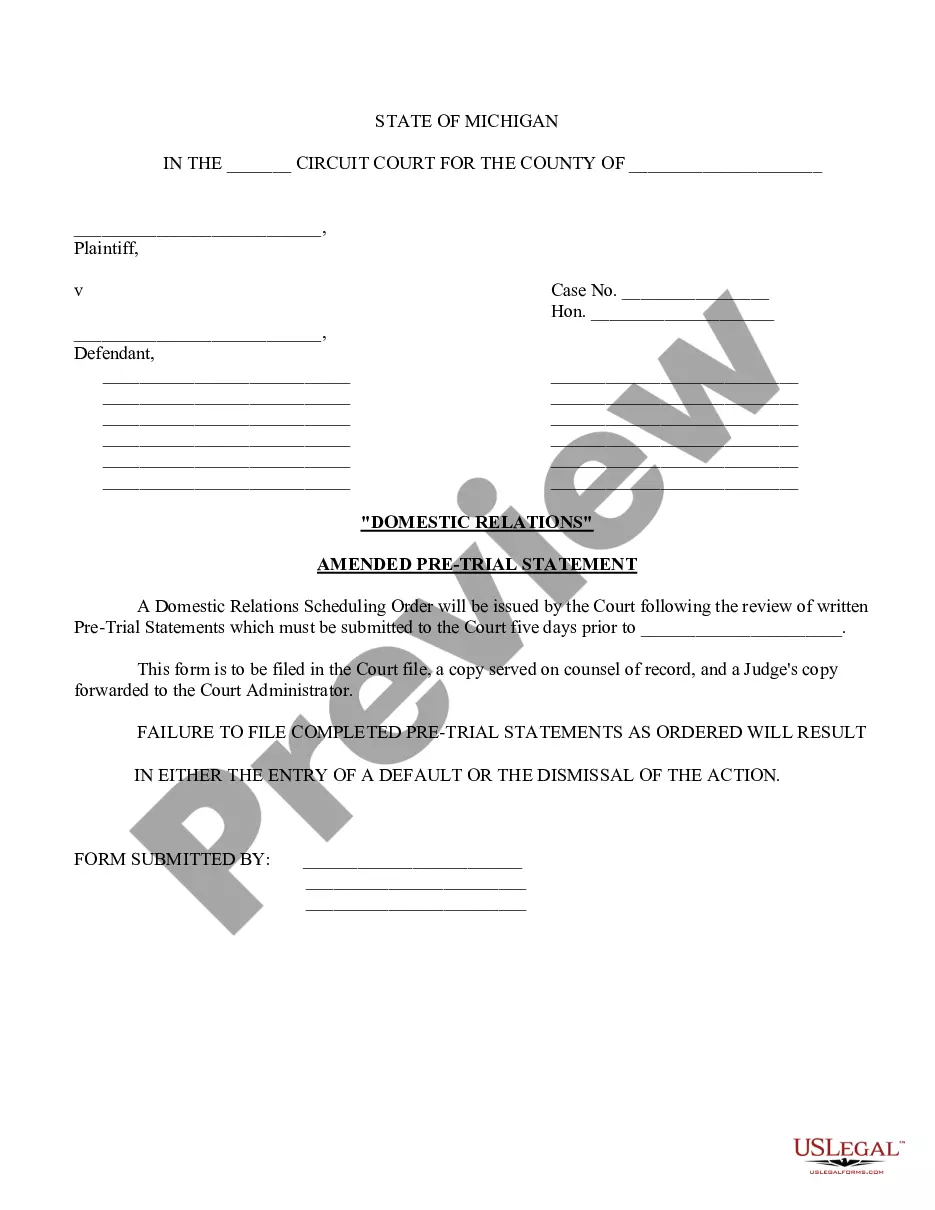
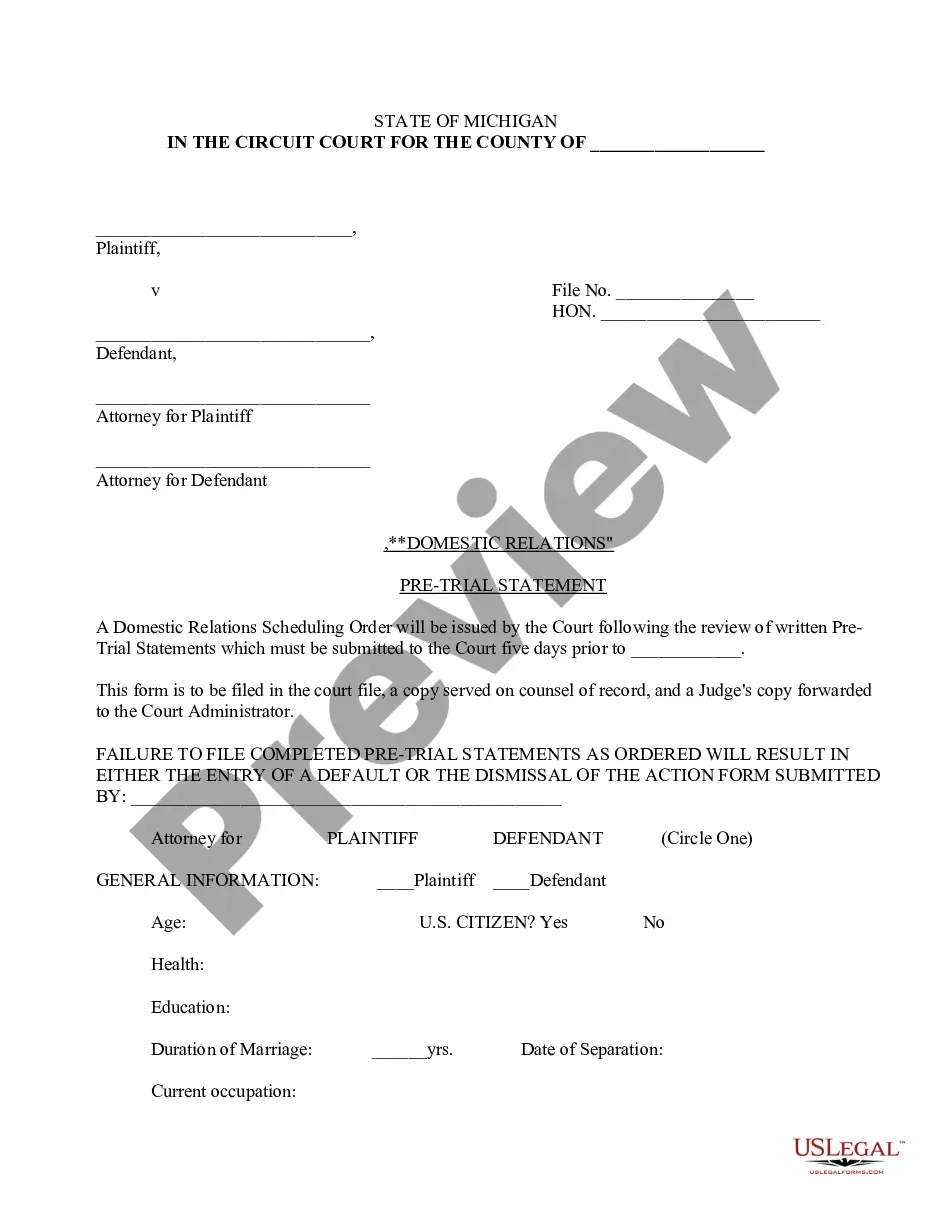
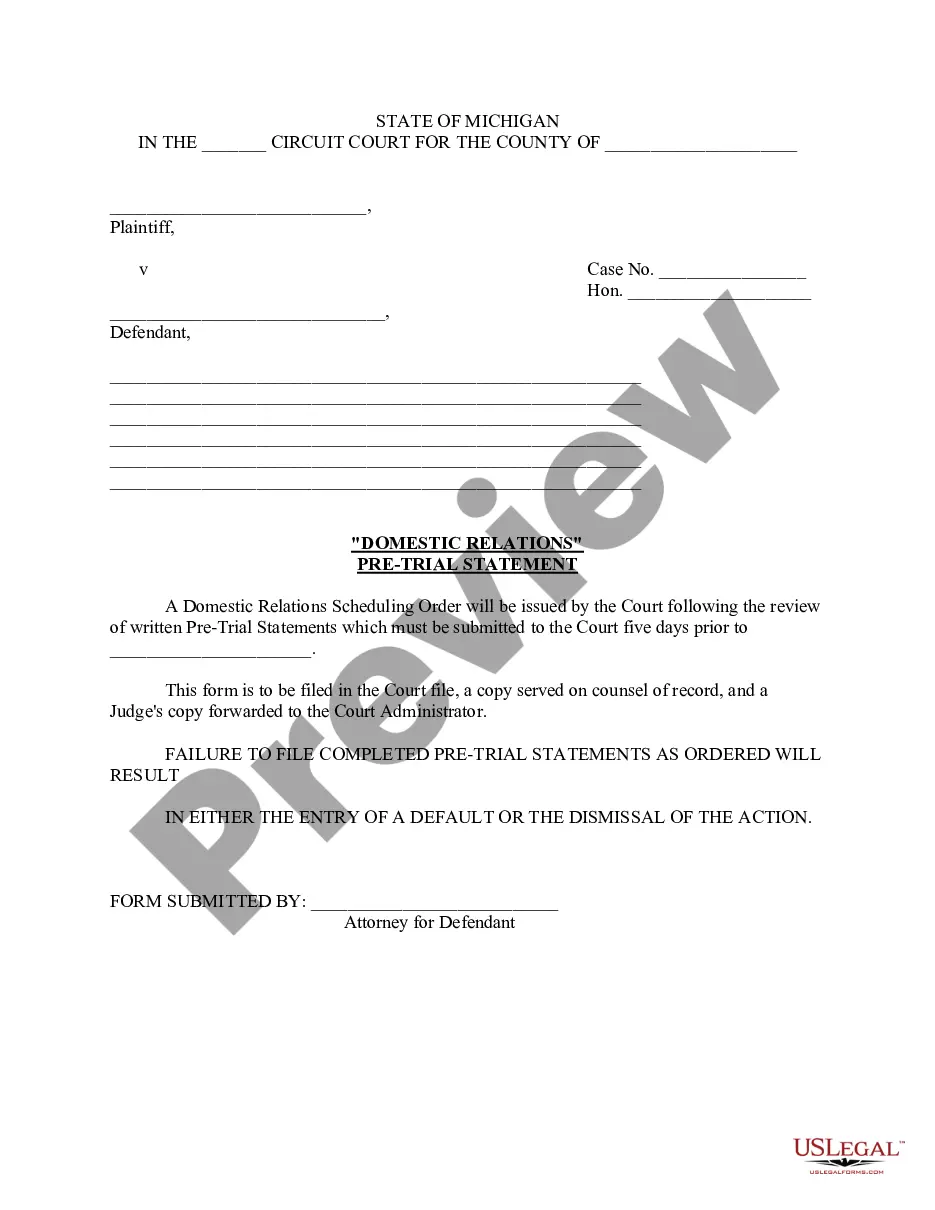
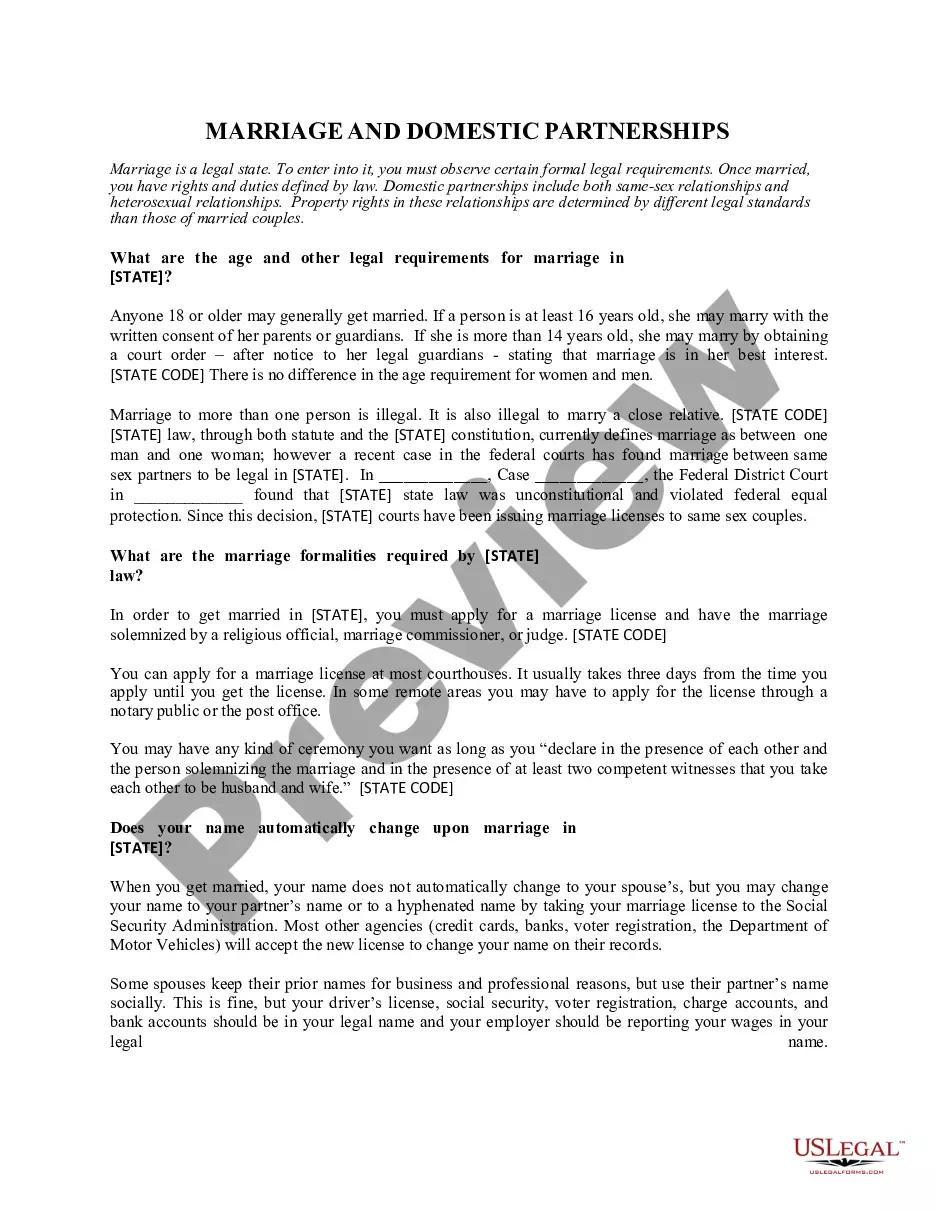
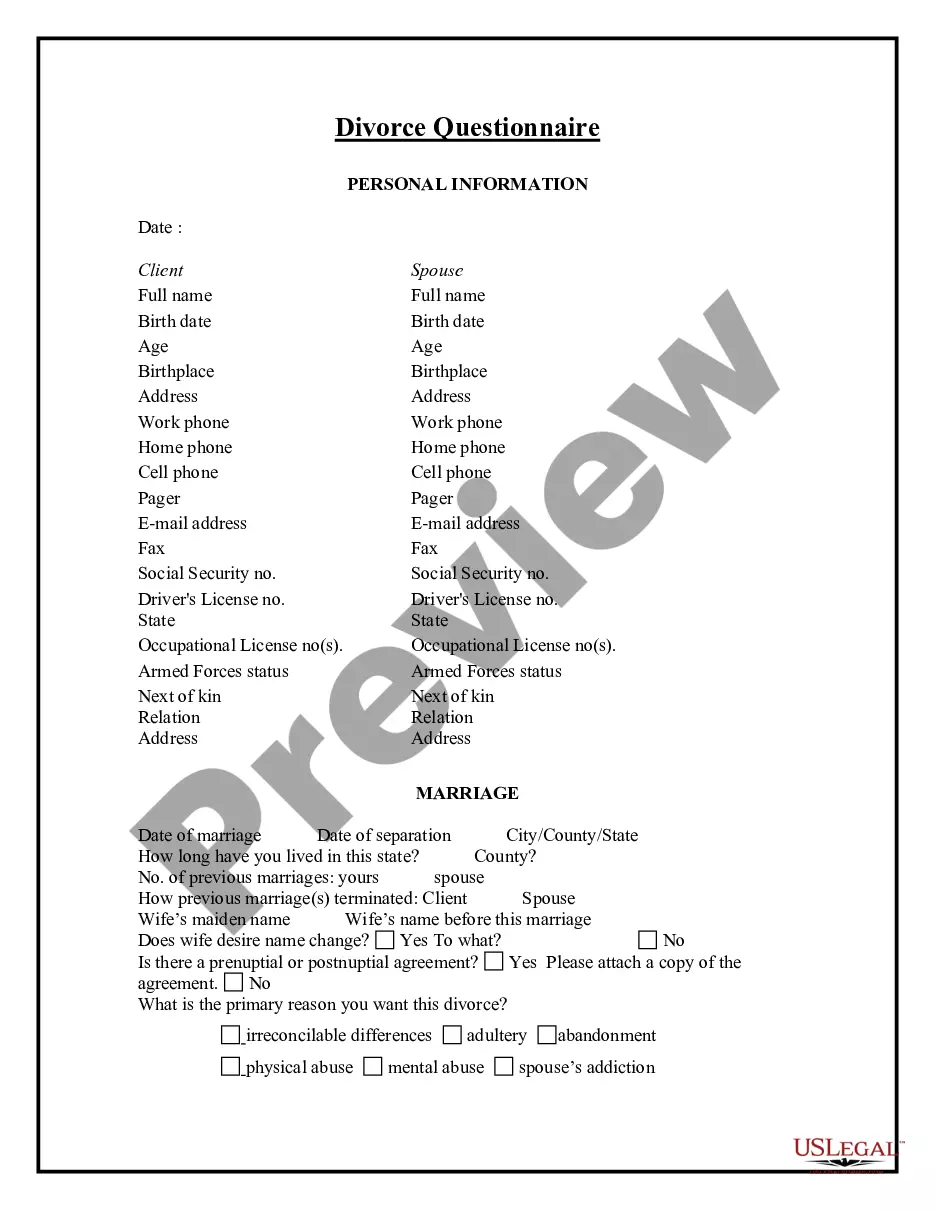
The Domestic Relations Pretrial Statement is a legal document that provides the court with essential information about both parties involved in a domestic relations case. This form includes details such as names, addresses, and an overview of marital property that needs to be divided. Unlike other legal forms in family law, this pretrial statement is specifically designed to streamline court proceedings by facilitating the exchange of information before trial.
Main sections of this form
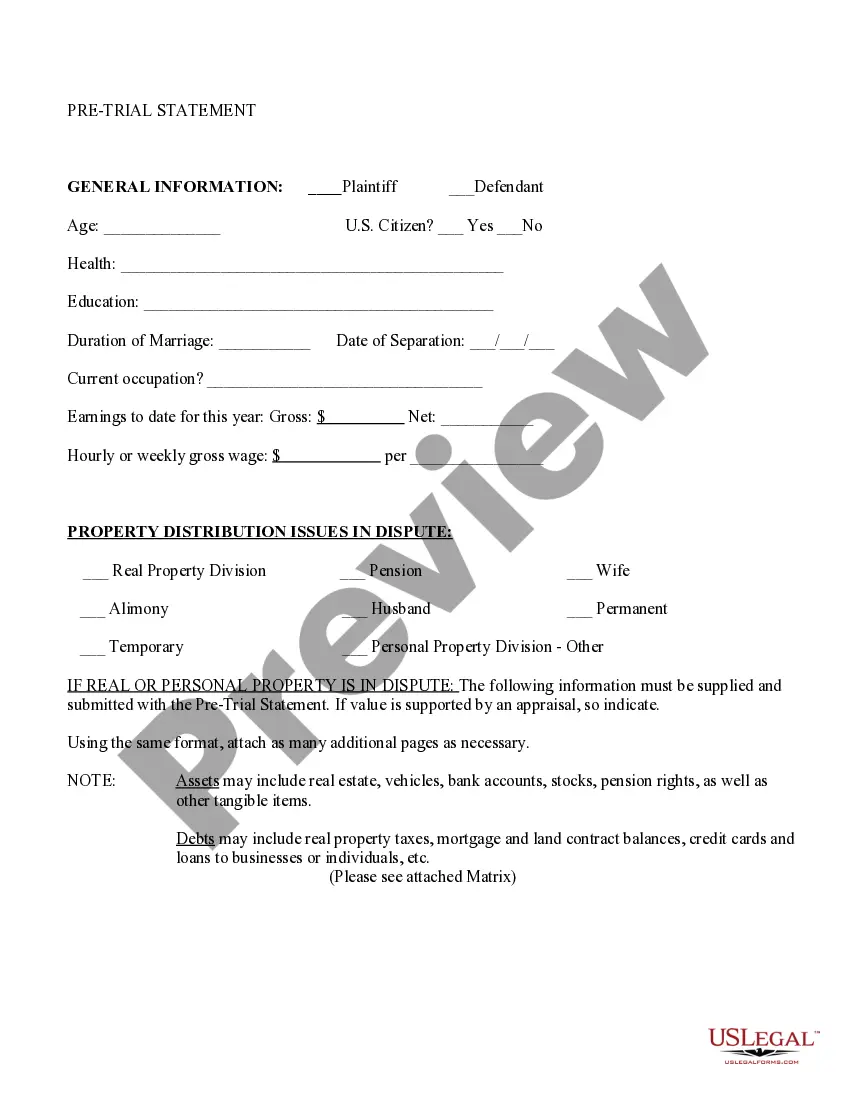
- General information about the plaintiff and defendant, including age, citizenship, and education.
- Details of the marriage duration and the date of separation.
- Financial information, including annual earnings and property distribution issues.
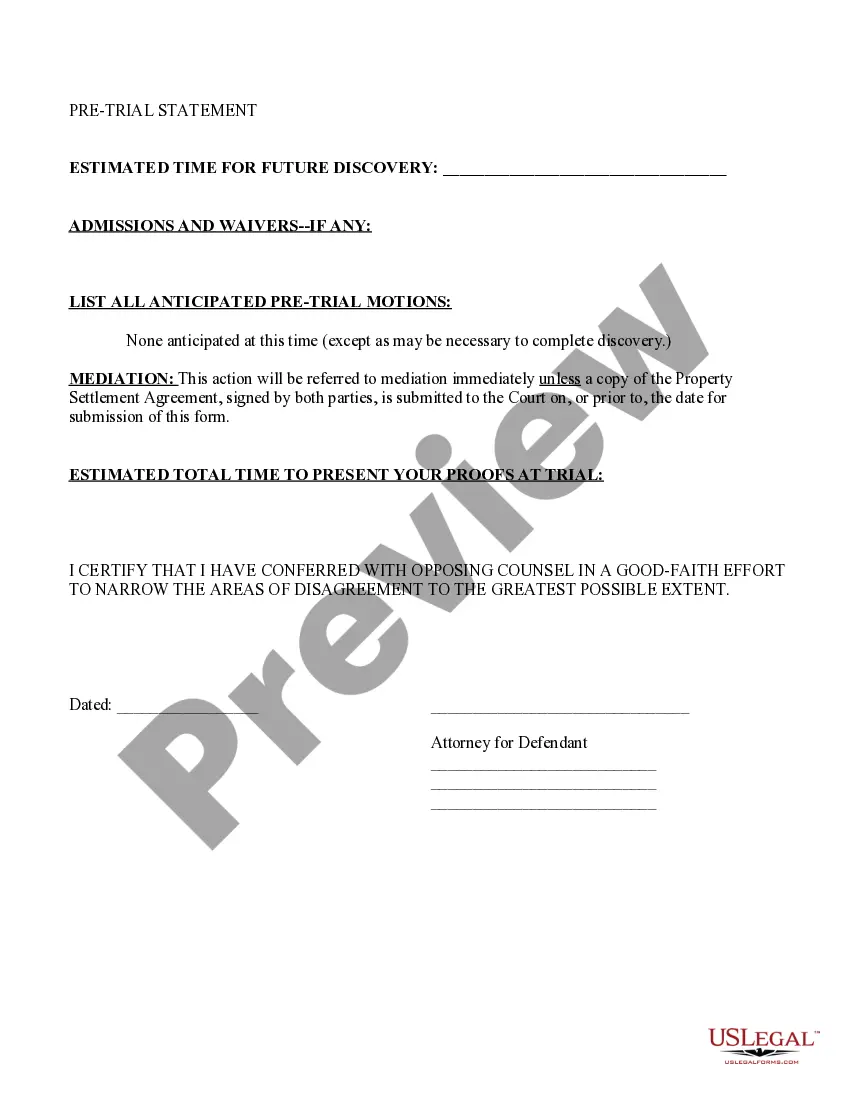
- Provisions for mediation and any anticipated pre-trial motions.
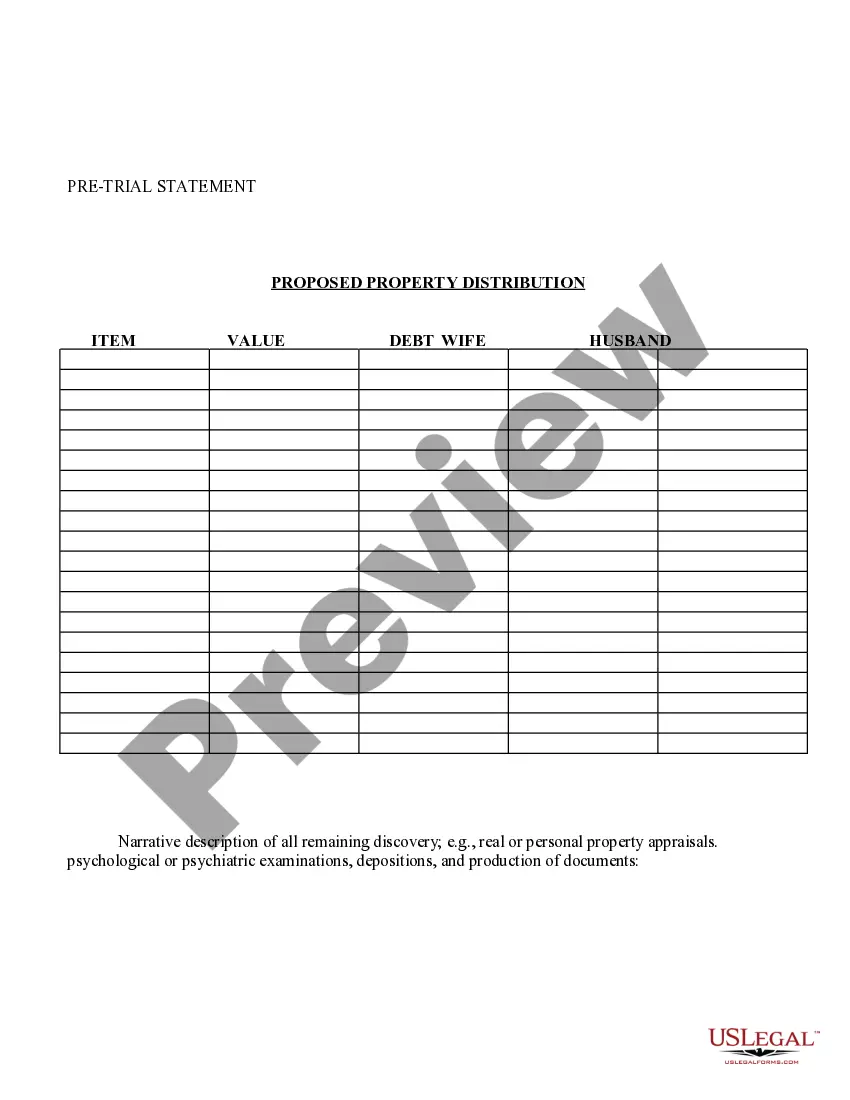
- Clear sections for listing pending discovery and proposed property distributions.
When to use this document
This form is necessary in cases of divorce or separation where parties must clarify their financial situations and property rights. It is used to prepare for court hearings by ensuring that both parties have shared relevant information about their assets, debts, and issues related to custody or support. Filing this statement is crucial for moving forward with the legal process and preventing any delays in court proceedings.
Who needs this form
This form is intended for individuals involved in a domestic relations case, specifically:
- Plaintiffs and defendants in divorce or legal separation cases.
- Individuals seeking clarity on property distribution prior to a court hearing.
- Parties looking to resolve custody or support disputes as part of their divorce action.
How to complete this form
- Provide the full names and addresses of both the plaintiff and defendant.
- Fill in essential information such as age, citizenship, education, and current occupation for both parties.
- List marital property and debts clearly, indicating values and who is responsible for which debts.
- Indicate whether there are any disputes over property distribution and provide supporting information if needed.
- Sign and date the form to certify that all information provided is accurate and complete.
Does this form need to be notarized?
Notarization is not commonly needed for this form. However, certain documents or local rules may make it necessary. Our notarization service, powered by Notarize, allows you to finalize it securely online anytime, day or night.
Get your form ready online
Our built-in tools help you complete, sign, share, and store your documents in one place.
Make edits, fill in missing information, and update formatting in US Legal Forms—just like you would in MS Word.
Download a copy, print it, send it by email, or mail it via USPS—whatever works best for your next step.
Sign and collect signatures with our SignNow integration. Send to multiple recipients, set reminders, and more. Go Premium to unlock E-Sign.
If this form requires notarization, complete it online through a secure video call—no need to meet a notary in person or wait for an appointment.
We protect your documents and personal data by following strict security and privacy standards.

Make edits, fill in missing information, and update formatting in US Legal Forms—just like you would in MS Word.

Download a copy, print it, send it by email, or mail it via USPS—whatever works best for your next step.

Sign and collect signatures with our SignNow integration. Send to multiple recipients, set reminders, and more. Go Premium to unlock E-Sign.

If this form requires notarization, complete it online through a secure video call—no need to meet a notary in person or wait for an appointment.

We protect your documents and personal data by following strict security and privacy standards.
Mistakes to watch out for
- Failing to provide complete and accurate financial disclosures.
- Not adhering to submission deadlines set by the court.
- Neglecting to sign or date the form before submission.
- Overlooking the requirement to serve a copy on opposing counsel.
Benefits of using this form online
- Convenient access to downloadable templates available at any time.
- Editable format allows users to fill in personal information easily.
- Reduces the risk of errors with attorney-drafted templates.
Legal use & context
- Essential for providing the court with comprehensive information prior to trial.
- Failure to file may result in a default judgment against the non-compliant party.
- Helps to expedite the resolution of disputes through mediation or settlement discussions.
Quick recap
- The Domestic Relations Pretrial Statement is crucial for any upcoming court cases involving divorce or separation.
- Completing the form thoroughly is vital for presenting your case effectively.
- Timely submission can prevent delays and potential legal penalties.
Looking for another form?


Form popularity
FAQ
Once either an arrest warrant or a summons to appear is issued, a case enters the Pre-Trial stage, during which the Pre-Trial Chamber judges determine whether or not there is sufficient evidence for the case to proceed to trial. First is the initial appearance hearing.
When you come to a pretrial conference, you should bring the original Summons and Complaint, your Answer, and any other motions or legal documents you received from the court or the Plaintiff's attorney. If you have kept any type of personal log regarding the progression of the case, bring that along with you as well.
Noun. a proceeding held by a judge, arbitrator, etc., before a trial to simplify the issues of law and fact and stipulate certain matters between the parties, in order to expedite justice and curtail costs at the trial.
Your pretrial statement is a statement to the judge where you tell the judge what it is that you're asking for at trial.It's not uncommon for people who are representing themselves not to include an issue that is in dispute in the pre-trial statement.
A pretrial hearing, sometimes called a pretrial conference, is a meeting of the defense, the prosecution, and the judge before a trial commences. If one party does not appear, the judge can impose sanctions. During this hearing, a range of documents may be presented, evidence can be presented and excluded, and more.
The statement must be signed, dated and contain a declaration that you believe the statement is true and recognise it may be placed before the court. On the top left-hand side of your statement, detail the court in capital letters, e.g. IN THE LONDON FAMILY COURT and the case number on the top right-hand side.
Put the name of both parties involved in the court proceedings, and the number of the case on the first page of the document. Clearly state which party the memo is for and the number of witnesses who plan to speak at the trial.