Maine Codicil to Will Form for Amending Your Will - Will Changes or Amendments
Understanding this form
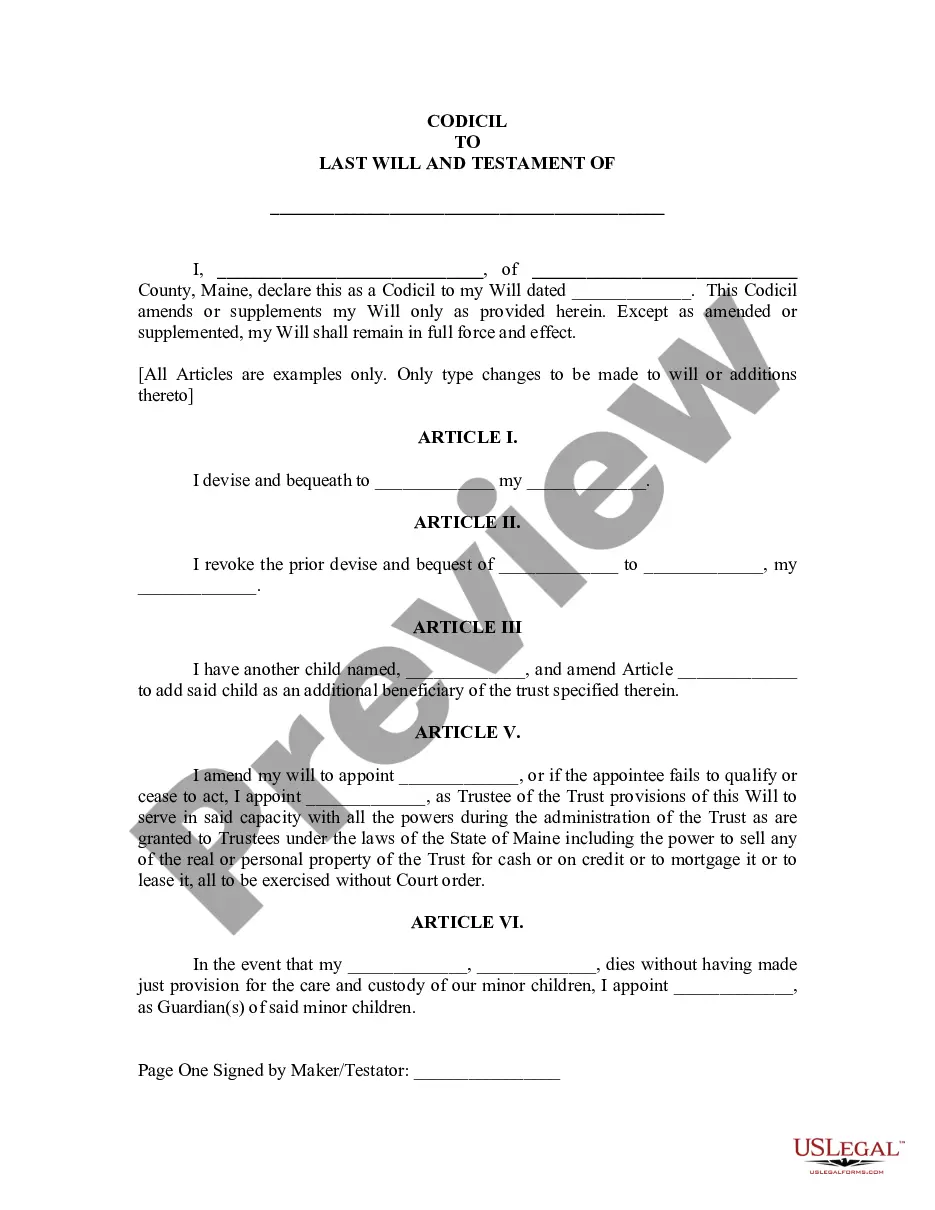
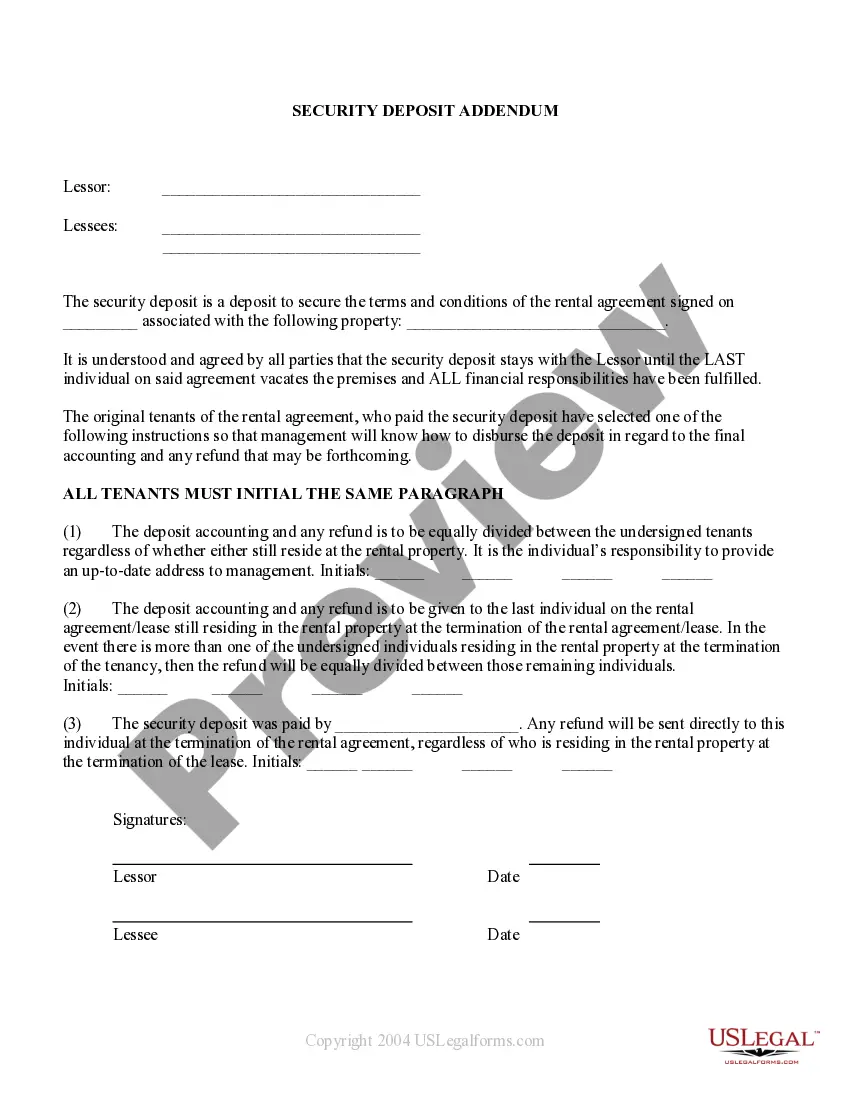
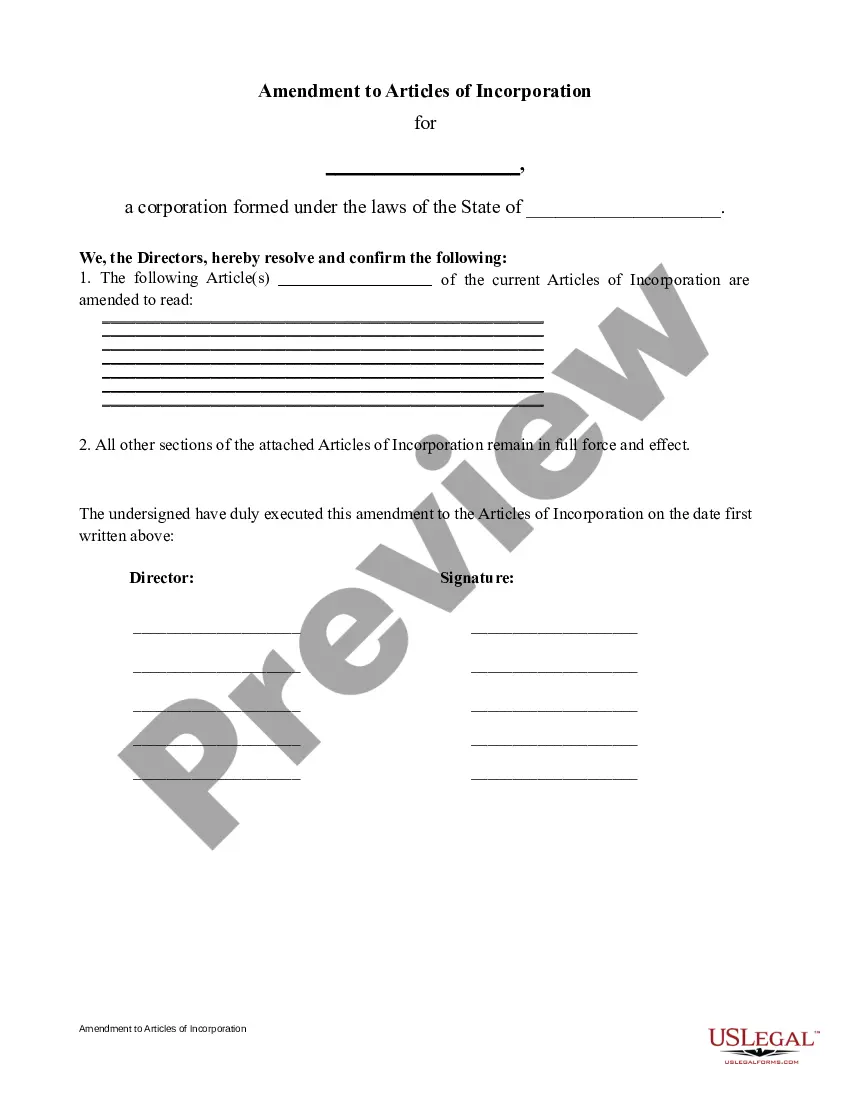
The Codicil to Will Form is a legal document that allows individuals to make amendments or changes to their existing will without having to create a new one. This form serves to modify specific provisions, ensuring the original will remains in force except as altered by the codicil. It is especially useful when only minor changes are required, maintaining clarity and continuity in estate planning.
Main sections of this form
- Declaration of the testator's identity and the original will's date.
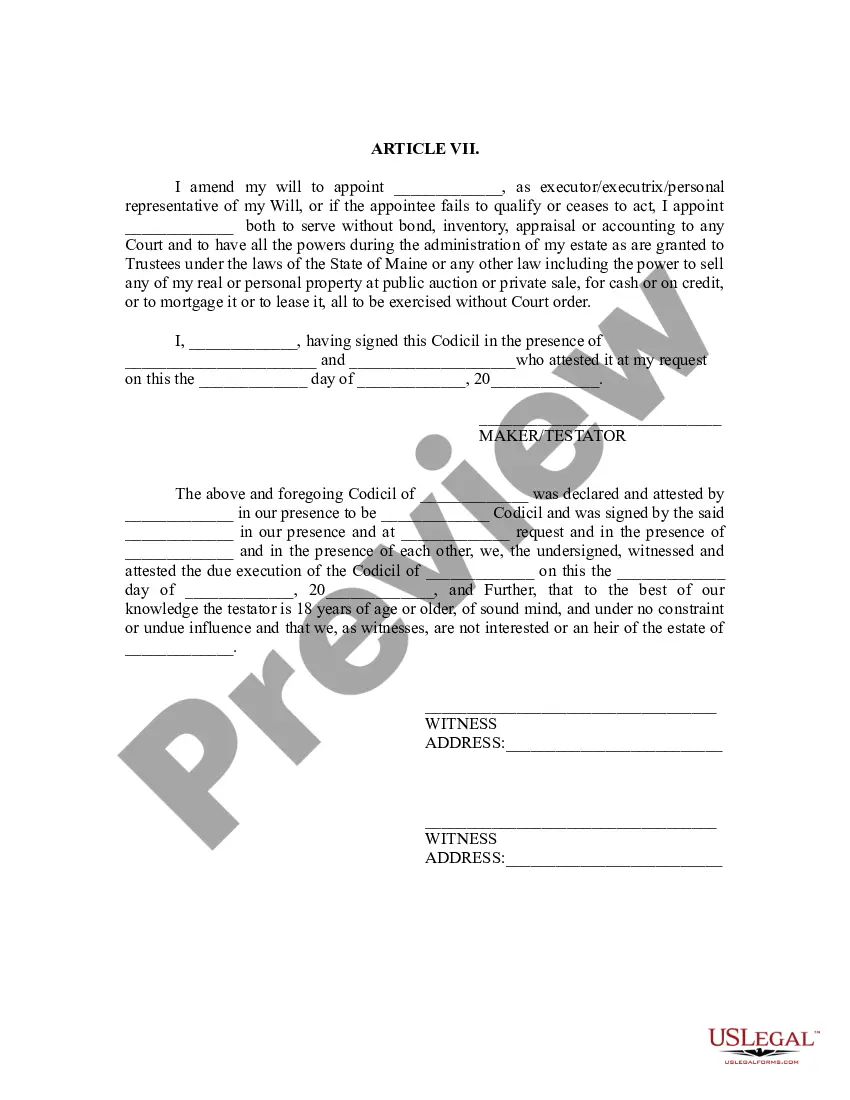
- Articles specifying changes, including amendments to beneficiaries and appointments.
- Attestation clause for witnesses confirming the testator's signature.
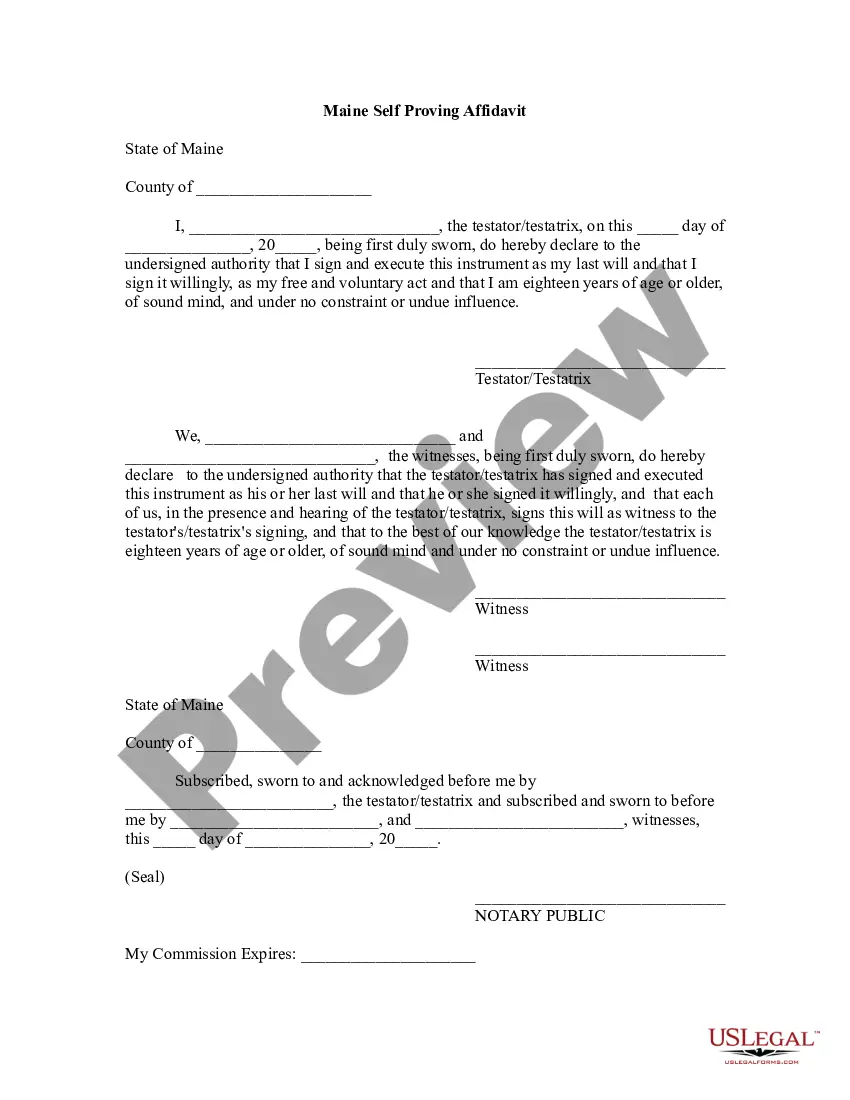
- Notarization section to verify the authenticity of the codicil.

Situations where this form applies
This form is ideal when you want to make changes to your will, such as adding or removing beneficiaries, altering the distribution of assets, or appointing new executors or guardians. Use this codicil when minor adjustments are needed, or when there have been changes in circumstances, such as the birth of a child or changes in relationships.
Who this form is for
- Individuals who have an existing will and need to make minor alterations.
- People who wish to adjust their estate plans without the complexity of drafting a new will.
- Anyone who has experienced changes in family circumstances, such as marriage, divorce, or the birth of children.
How to prepare this document
- Declare the document as a codicil to your existing will, including its date.
- Specify amendments using the articles provided in the form, making necessary changes or additions.
- Sign the codicil in the presence of at least two witnesses.
- Ensure witnesses sign the document, confirming they observed you sign.
- If required, complete the notarization process according to state law.
Notarization guidance
This form must be notarized to be legally valid. US Legal Forms provides secure online notarization powered by Notarize, allowing you to complete the process through a verified video call.
Get your form ready online
Our built-in tools help you complete, sign, share, and store your documents in one place.
Make edits, fill in missing information, and update formatting in US Legal Forms—just like you would in MS Word.
Download a copy, print it, send it by email, or mail it via USPS—whatever works best for your next step.
Sign and collect signatures with our SignNow integration. Send to multiple recipients, set reminders, and more. Go Premium to unlock E-Sign.
If this form requires notarization, complete it online through a secure video call—no need to meet a notary in person or wait for an appointment.
We protect your documents and personal data by following strict security and privacy standards.

Make edits, fill in missing information, and update formatting in US Legal Forms—just like you would in MS Word.

Download a copy, print it, send it by email, or mail it via USPS—whatever works best for your next step.

Sign and collect signatures with our SignNow integration. Send to multiple recipients, set reminders, and more. Go Premium to unlock E-Sign.

If this form requires notarization, complete it online through a secure video call—no need to meet a notary in person or wait for an appointment.

We protect your documents and personal data by following strict security and privacy standards.
Common mistakes to avoid
- Failing to sign the codicil in front of witnesses.
- Not having enough witnesses as required by state law.
- Neglecting to update all copies of the will to reflect the changes made by the codicil.
Benefits of using this form online
- Convenience of downloading the form at any time from home.
- Editability allows users to make personal changes to suit their specific needs.
- Reliable templates drafted by licensed attorneys ensure legal compliance.
Quick recap
- This codicil allows you to amend your will flexibly and efficiently.
- Proper execution and witnessing are crucial for legal validity.
- Always store your codicil with your original will for proper record-keeping.
Looking for another form?
Form popularity
FAQ
A codicil is a formal written amendment and in order for a codicil to be deemed valid, it must be dated, signed, and witnessed in the same way a will would be. In addition, it must make some specific reference to the will it amends.
A codicil is a legal document that changes specific provisions of a last will and testament but leaves all the other provisions the same. You can modify, update, or even completely revoke your last will and testament at any time as long as you're mentally competent.
Making changes to your will You cannot amend your will after it's been signed and witnessed. The only way you can change a will is by making an official alteration called a codicil. You must sign a codicil and get it witnessed in the same way as witnessing a will.
The codicil, if valid, does not revoke the Will (if it revokes the prior Will , then it is a Will not a codicil), but it does alter the terms of the Will.
A codicil may be a legally binding amendment to a will. It can add, further explain, modify, or revoke portions of a given will.
Making changes to your will You cannot amend your will after it's been signed and witnessed. The only way you can change a will is by making an official alteration called a codicil. You must sign a codicil and get it witnessed in the same way as witnessing a will.
Rather than taking the will to an attorney, you may attempt to change the will yourself. Not all handwritten changes to a will may be valid, however.A codicil is a legal document, added to your will, through which you can make valid changes to your estate plan.