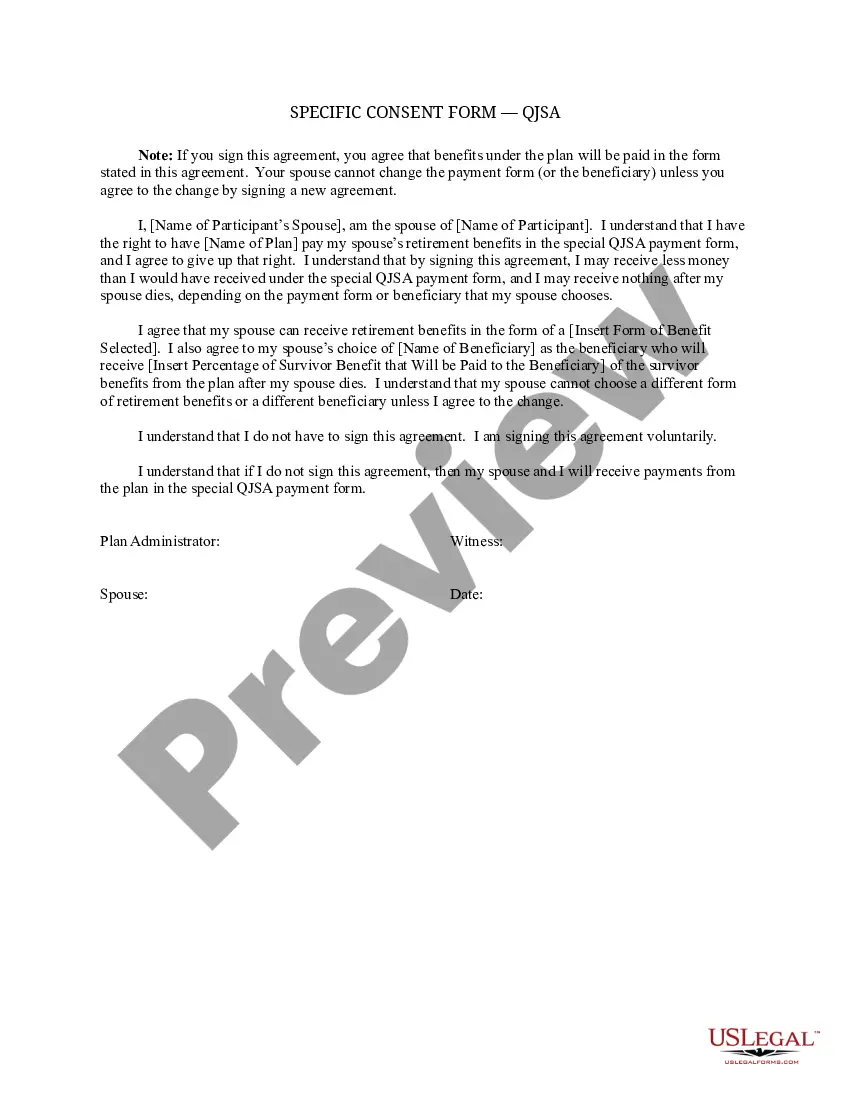
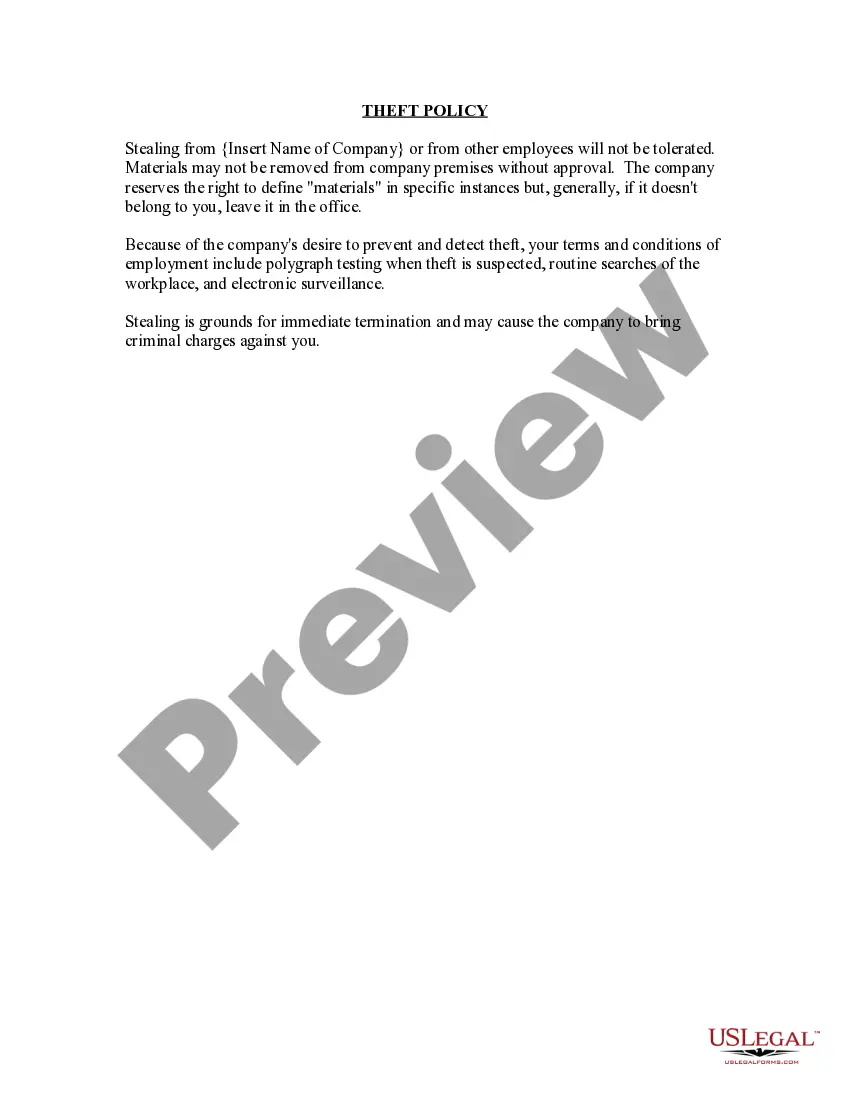
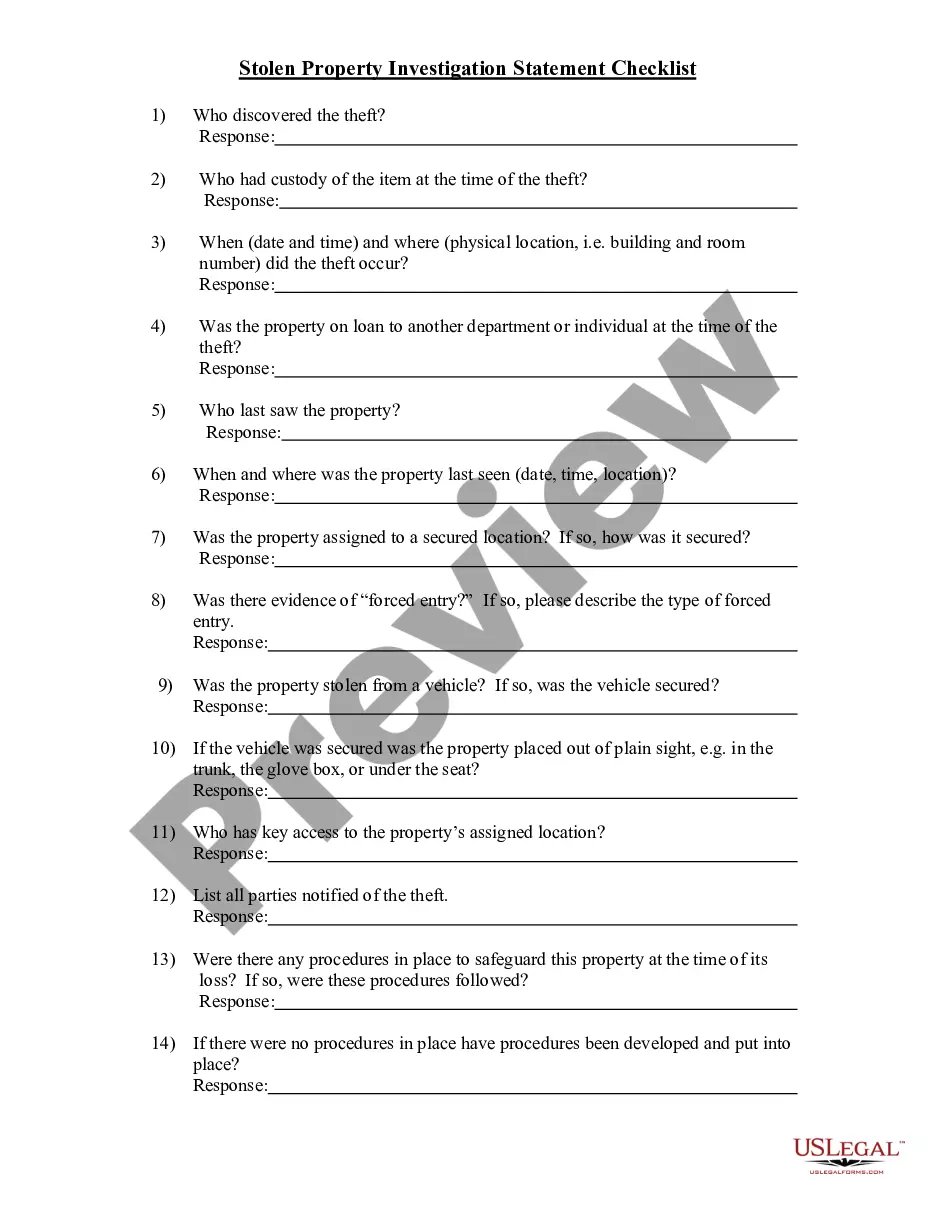
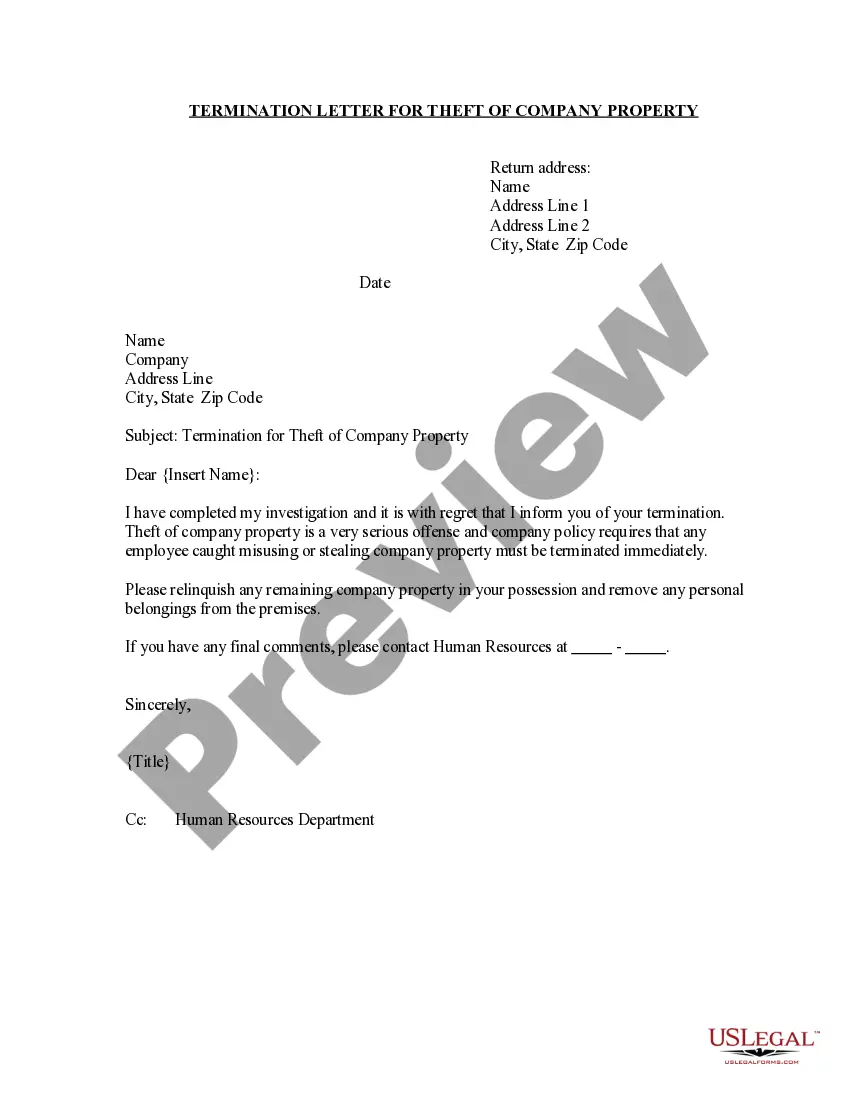
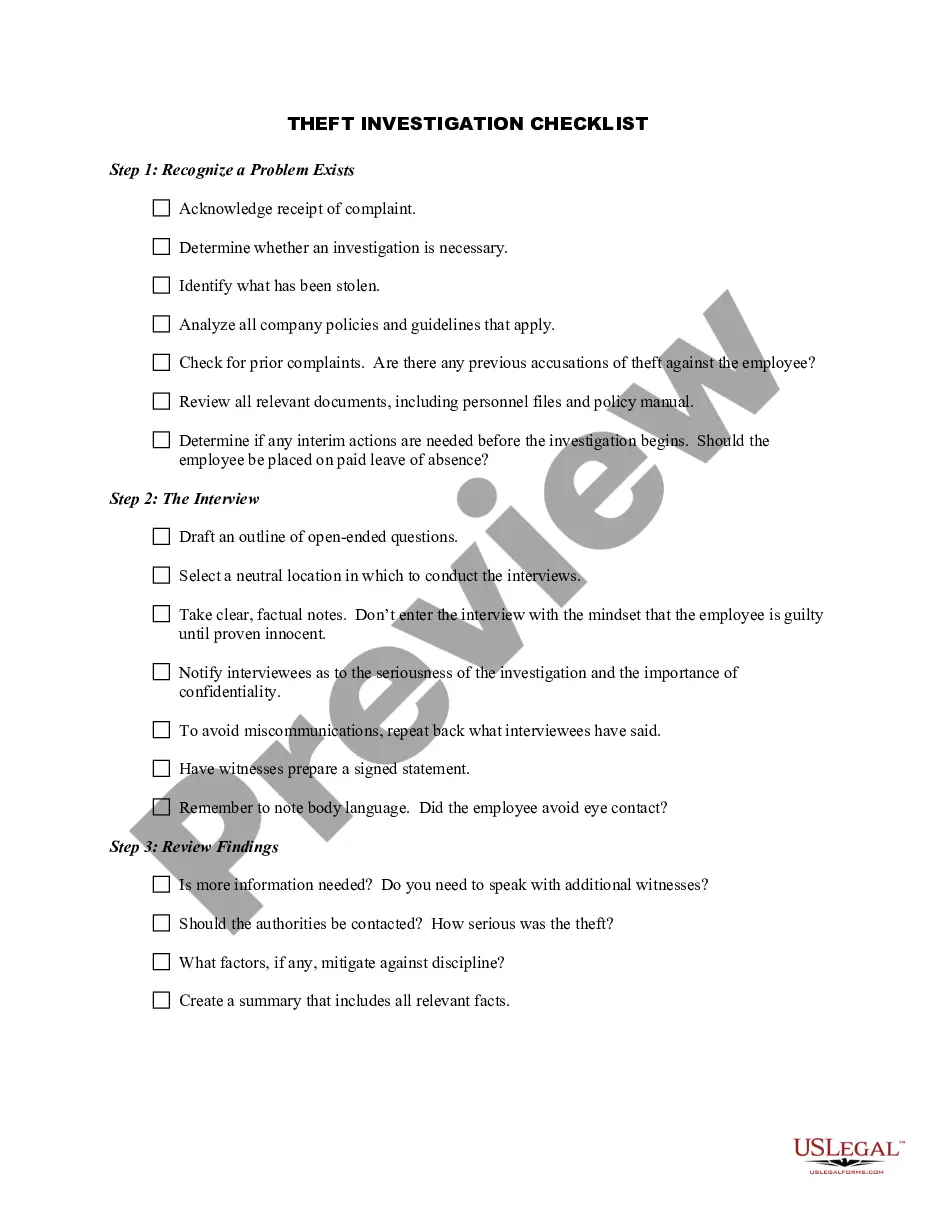
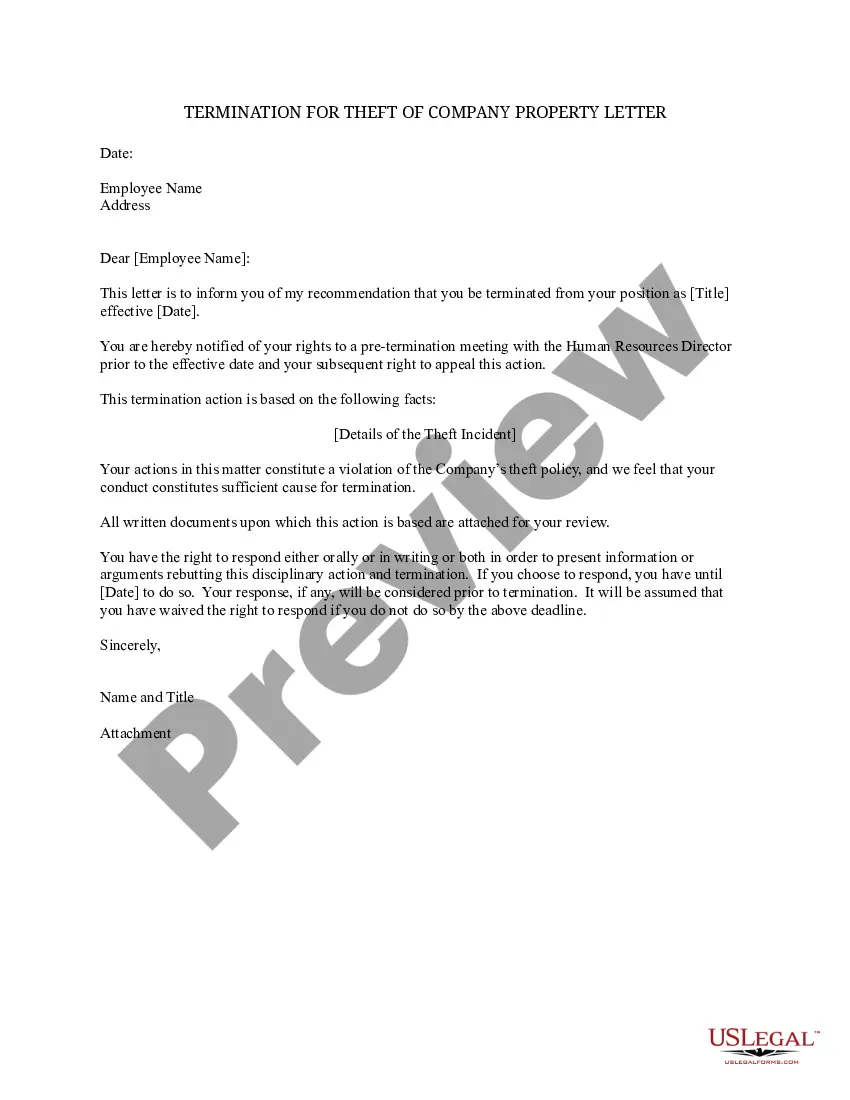
Maine Theft Policy
Description
Get your form ready online
Our built-in tools help you complete, sign, share, and store your documents in one place.
Make edits, fill in missing information, and update formatting in US Legal Forms—just like you would in MS Word.
Download a copy, print it, send it by email, or mail it via USPS—whatever works best for your next step.
Sign and collect signatures with our SignNow integration. Send to multiple recipients, set reminders, and more. Go Premium to unlock E-Sign.
If this form requires notarization, complete it online through a secure video call—no need to meet a notary in person or wait for an appointment.
We protect your documents and personal data by following strict security and privacy standards.

Make edits, fill in missing information, and update formatting in US Legal Forms—just like you would in MS Word.

Download a copy, print it, send it by email, or mail it via USPS—whatever works best for your next step.

Sign and collect signatures with our SignNow integration. Send to multiple recipients, set reminders, and more. Go Premium to unlock E-Sign.

If this form requires notarization, complete it online through a secure video call—no need to meet a notary in person or wait for an appointment.

We protect your documents and personal data by following strict security and privacy standards.
Looking for another form?



How to fill out Theft Policy?
If you need to retrieve, download, or print valid document templates, utilize US Legal Forms, the largest assortment of legal forms available online.
Utilize the site's straightforward and convenient search to obtain the documents you seek. Various templates for business and personal purposes are organized by categories and states, or keywords.
Use US Legal Forms to acquire the Maine Theft Policy with just a few clicks.
Every legal document format you purchase is yours permanently. You have access to every form you downloaded in your account.
Click the My documents section and choose a form to print or download again. Take advantage and download, and print the Maine Theft Policy with US Legal Forms. There are thousands of specialized and state-specific forms available for your personal business or individual needs.
- If you are already a US Legal Forms customer, sign in to your account and select the Download option to obtain the Maine Theft Policy.
- You can also access templates you previously downloaded from the My documents section of your account.
- If you are using US Legal Forms for the first time, follow these instructions.
- Step 1. Confirm you have chosen the form for the correct city/state.
- Step 2. Use the Preview feature to review the form's content. Be sure to read the information carefully.
- Step 3. If you are unsatisfied with the form, utilize the Search box at the top of the page to find other models in the legal document format.
- Step 4. Once you have located the form you need, click the Get now button. Choose your preferred pricing plan and enter your details to create an account.
- Step 5. Complete the transaction. You may use your credit card or PayPal account to finalize the purchase.
- Step 6. Select the format of the legal document and download it to your device.
- Step 7. Fill, modify, and print or sign the Maine Theft Policy.
Form popularity
FAQ
A common example of a false impression theft by deception case is when people eat at a restaurant and then sneak out without paying for their meals. This could be charged as theft by deception because the people gave the false impression that they would pay for the meal but did not.
To put it another way, theft by deception involves persuading someone to allow you to take property based upon a false impression. The Element of Intent. Theft, including theft by deception, is categorized as a specific intent crime.
Grand Larceny Charges in MaineWhen the value of the stolen property is $10,000 or higher, or the stolen item is a firearm or explosive device, the perpetrator may face a Class B felony charge. The penalty is up to 10 years in state prison and a fine of up to $20,000.
A. The person obtains or exercises control over property of another as a result of deception and with intent to deprive the other person of the property.
Class C offenses are the least severe of three felony classes, but that does not mean the consequences are not serious. Common Class C offenses include aggravated OUI, felony theft, or aggravated criminal mischief. Class B offenses carry the second-most severe penalties under state law.
You may be charged with theft by deception if you intentionally obtain or withhold someone else's property by deceiving that person. Here's how theft by deception works. Theft by deception means that someone uses deception to intentionally obtain or withhold property, including money, that does not belong to them.
The most serious larceny charge is a Class B felony, which applies when value of the property exceeds than $10,00 or when an explosive device or firearm is stolen. It also applies if a person is armed with a weapon at the time of the crime. Larceny of items valued between $1000 and $10,000 is a Class C felony.
When multiple items are taken during a single incident in Maine, it is ordinarily charged in a single count as one theft. This means there will be one charge instead of several for each item taken. However, the value of items taken are added together, which will result in a felony charge if the total exceeds $1000.
An example would be picking the pocket of an unsuspecting victim. Particular types of property are taken. For example, the theft of cars and some types of animals is often grand theft regardless of their actual market value.