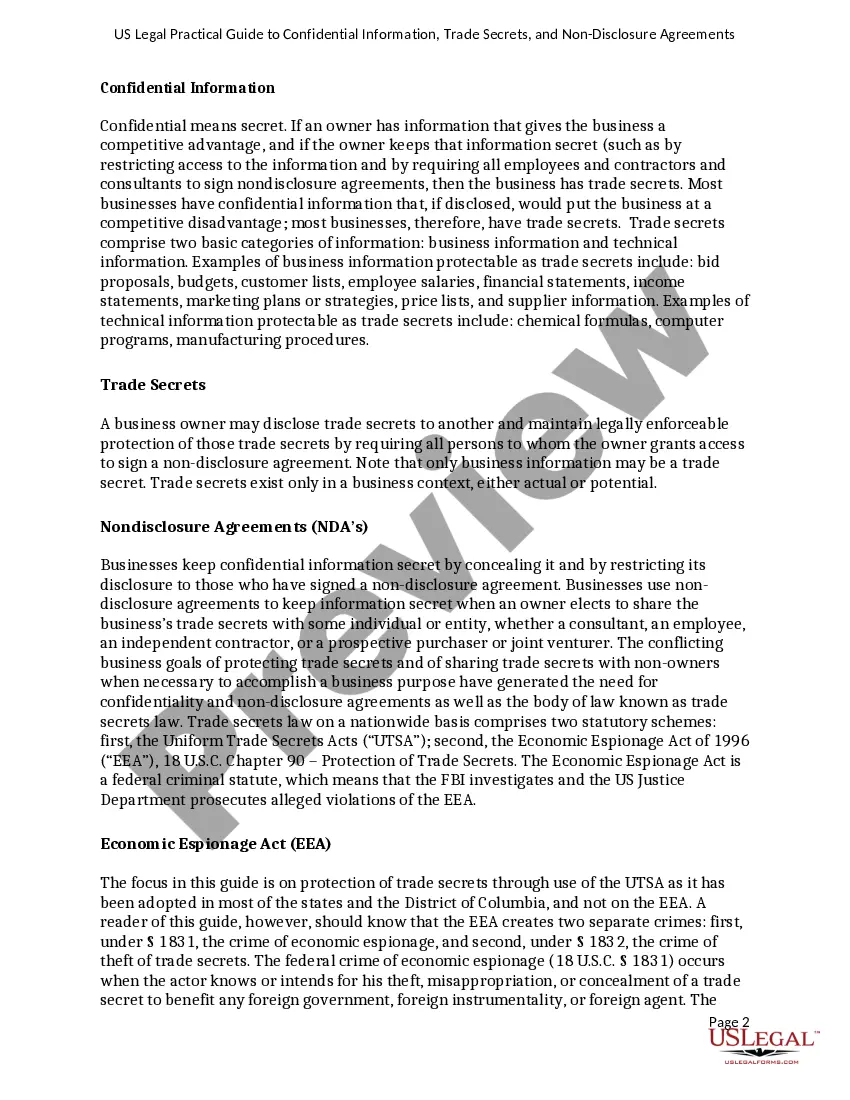
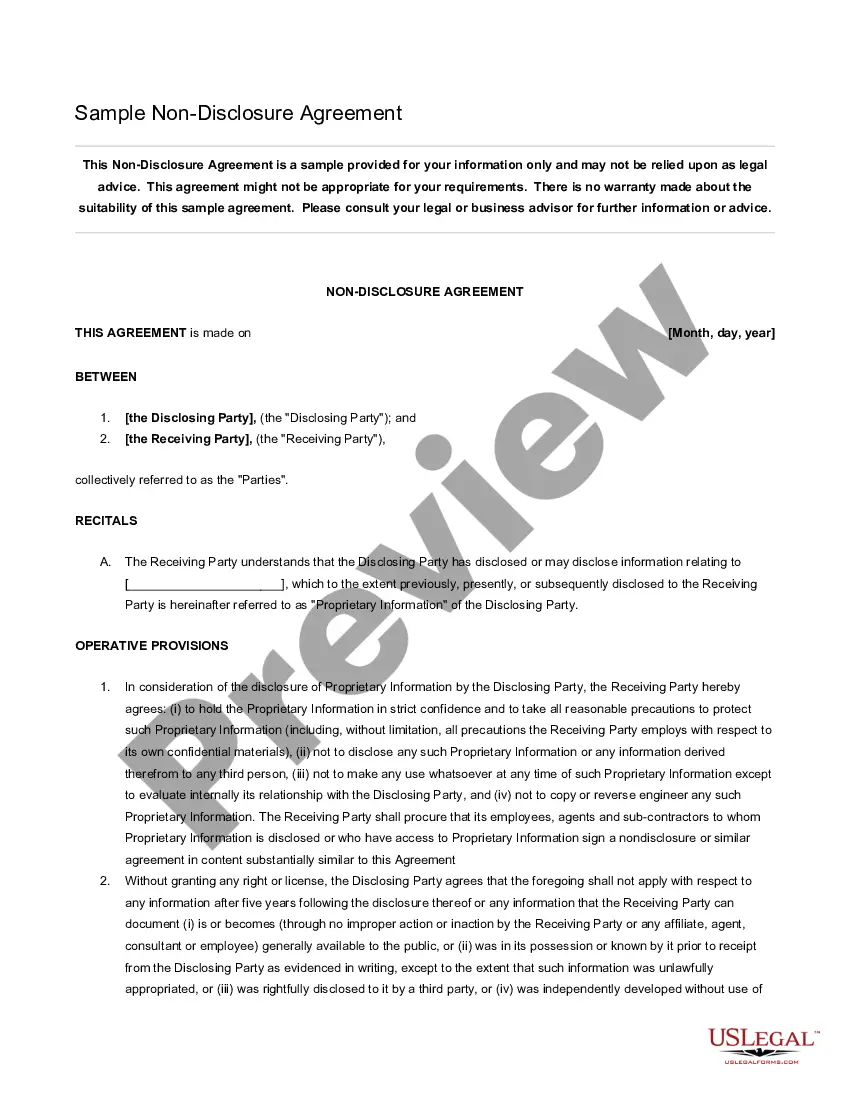
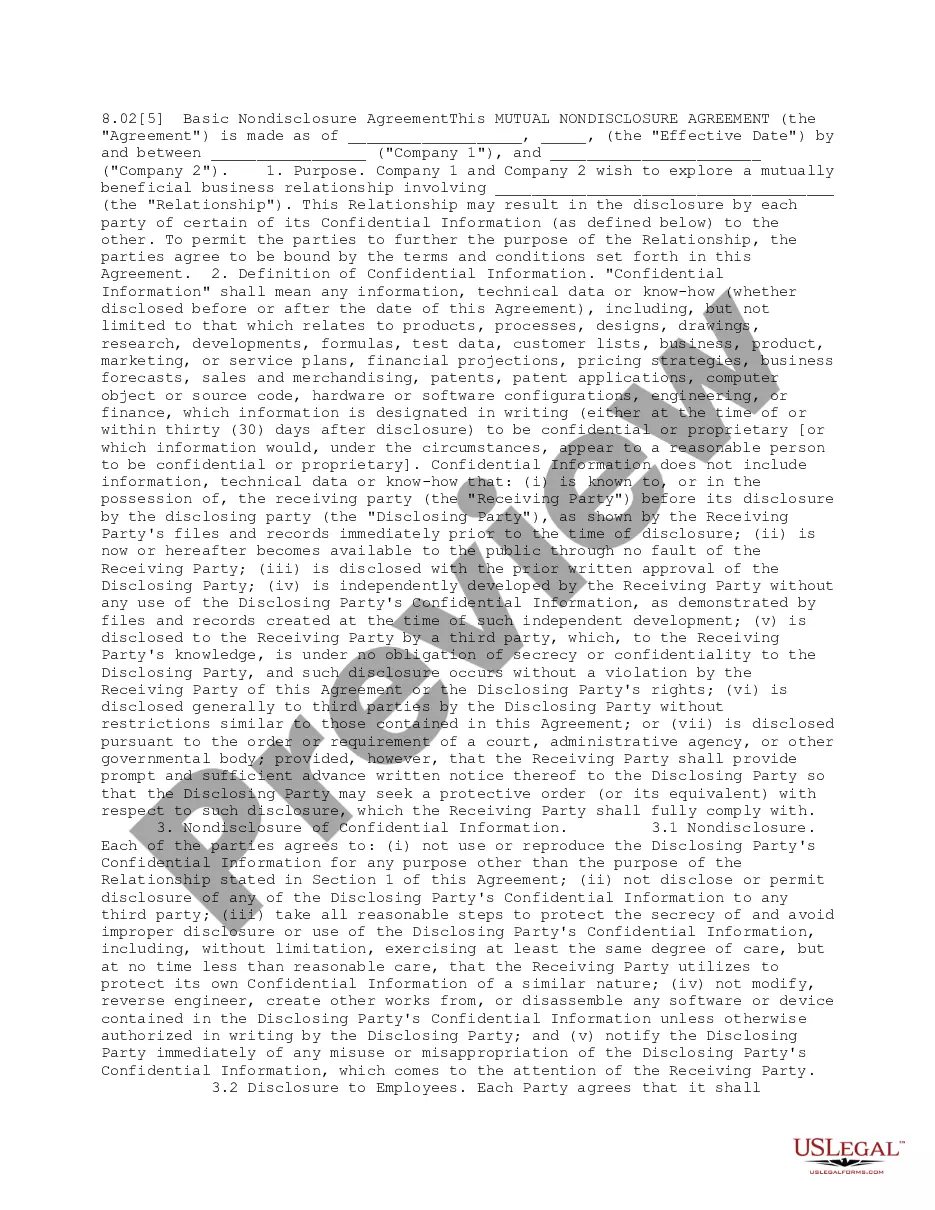
A Non-Disclosure Agreement is used by business owners, computer code writers, inventors, and others desirous of preserving the secrecy of confidential information through the use of a contractual agreement keyed to the Uniform Trade Secrets Act and that requires persons to whom confidential information is disclosed to use the information solely for a specific purpose business purpose and otherwise to keep it secret.
Maine USLegal Practical Guide to Confidential Information, Trade Secrets and NonDisclosure Agreements
State:
Multi-State
Control #:
US-007HB
Format:
Word
Instant download
Description
Free preview
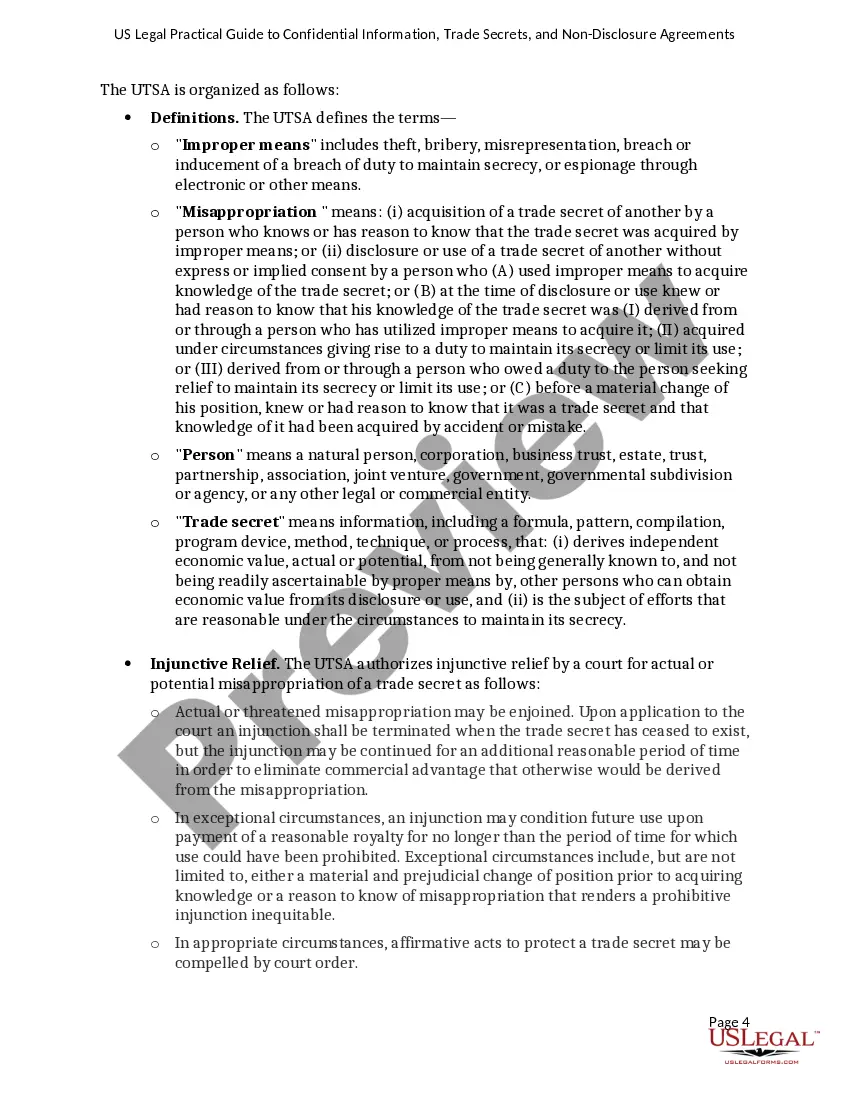
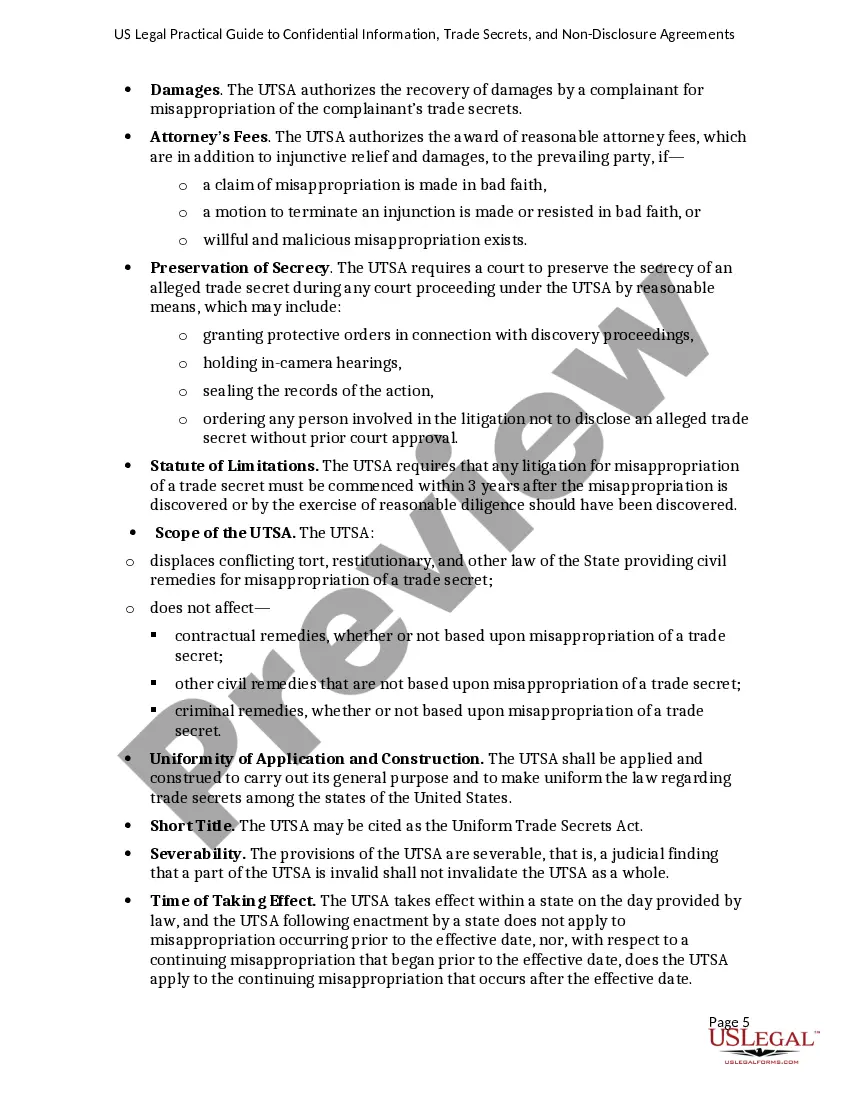
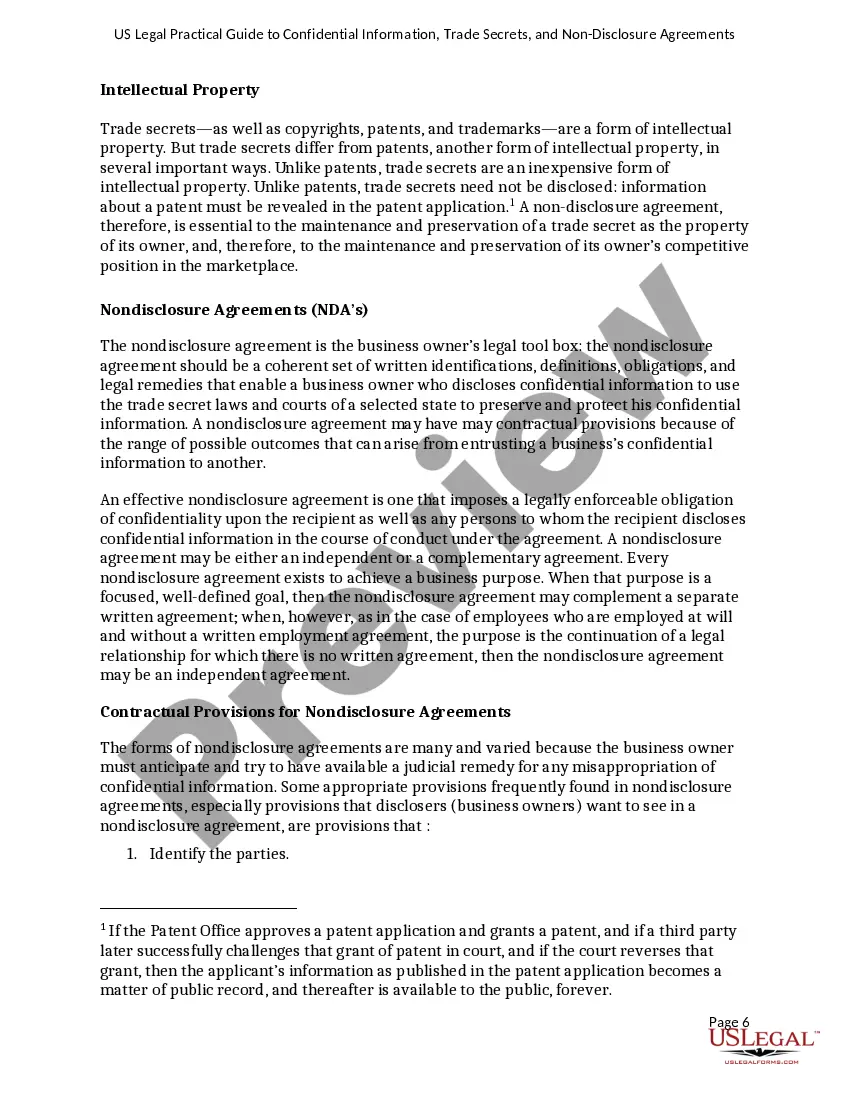
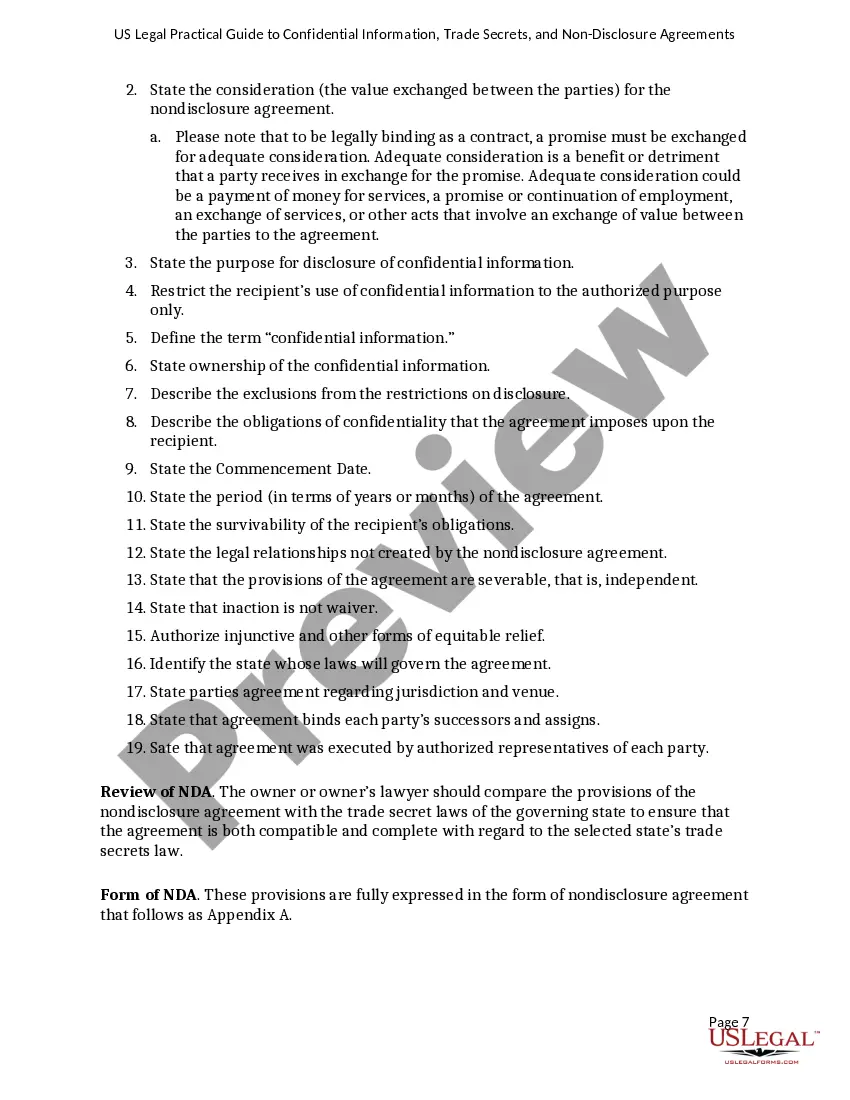
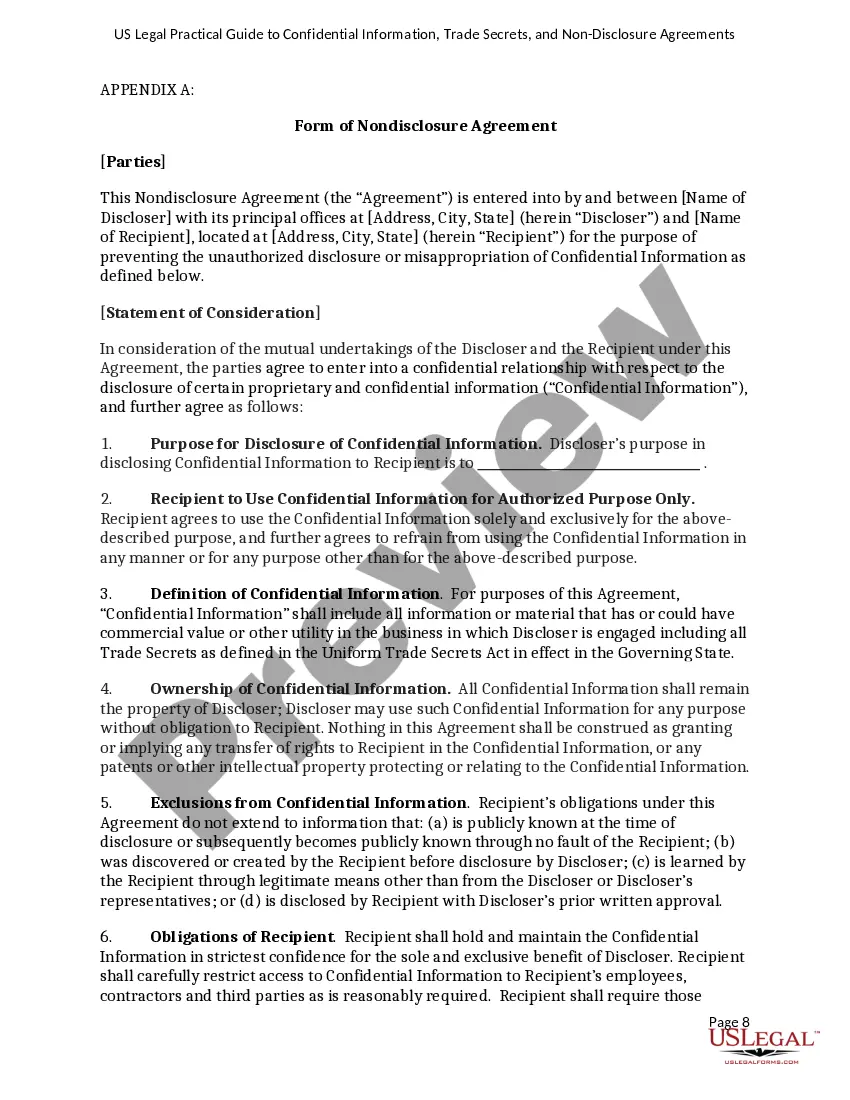
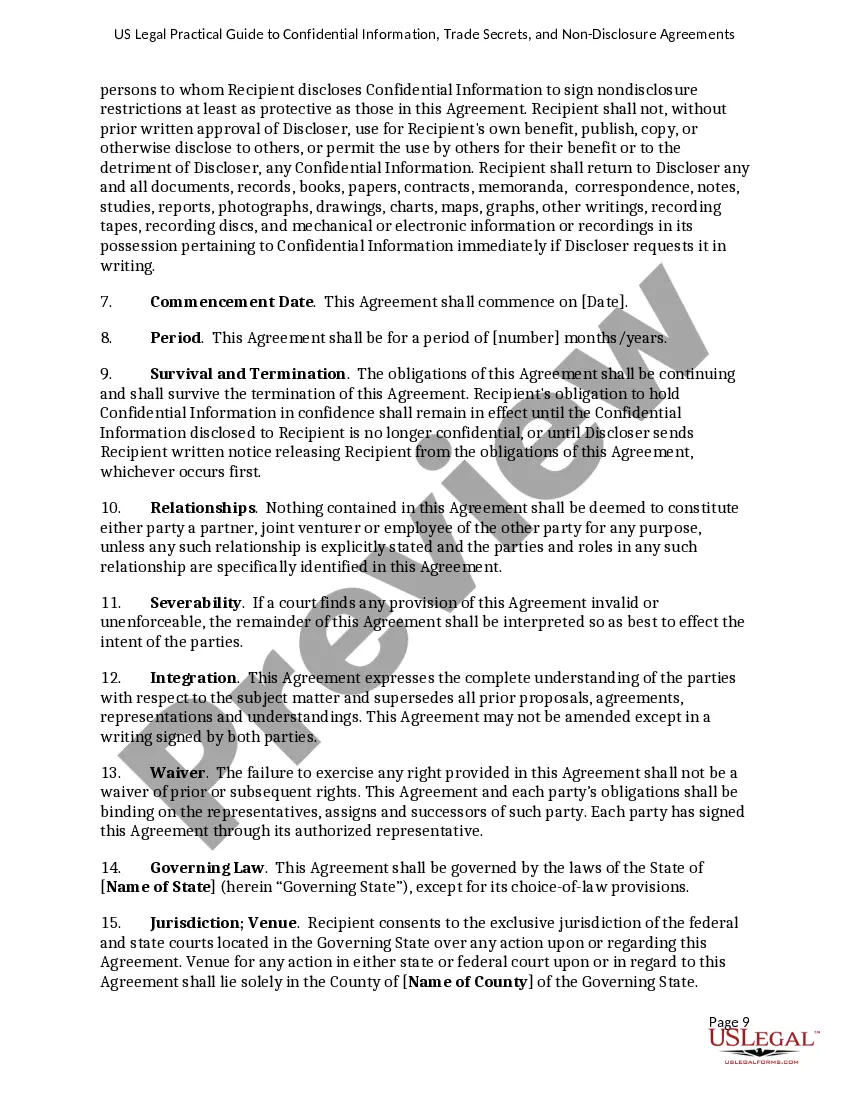
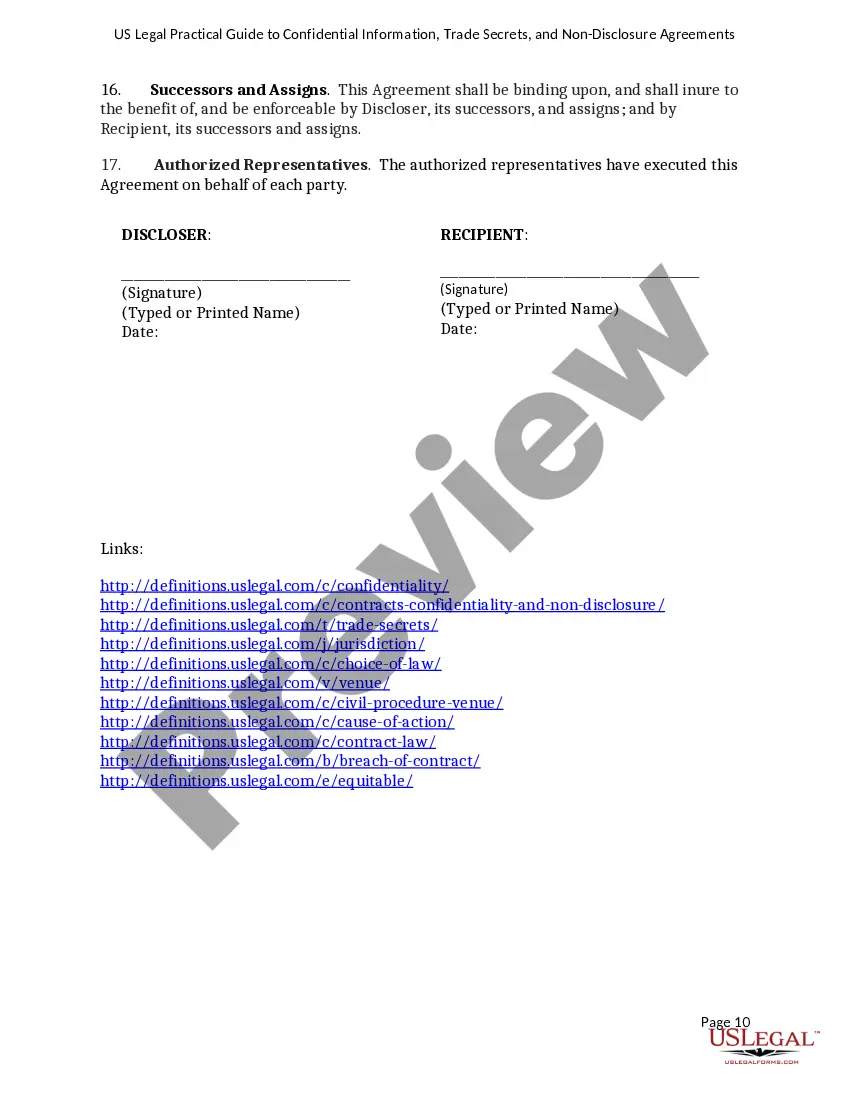
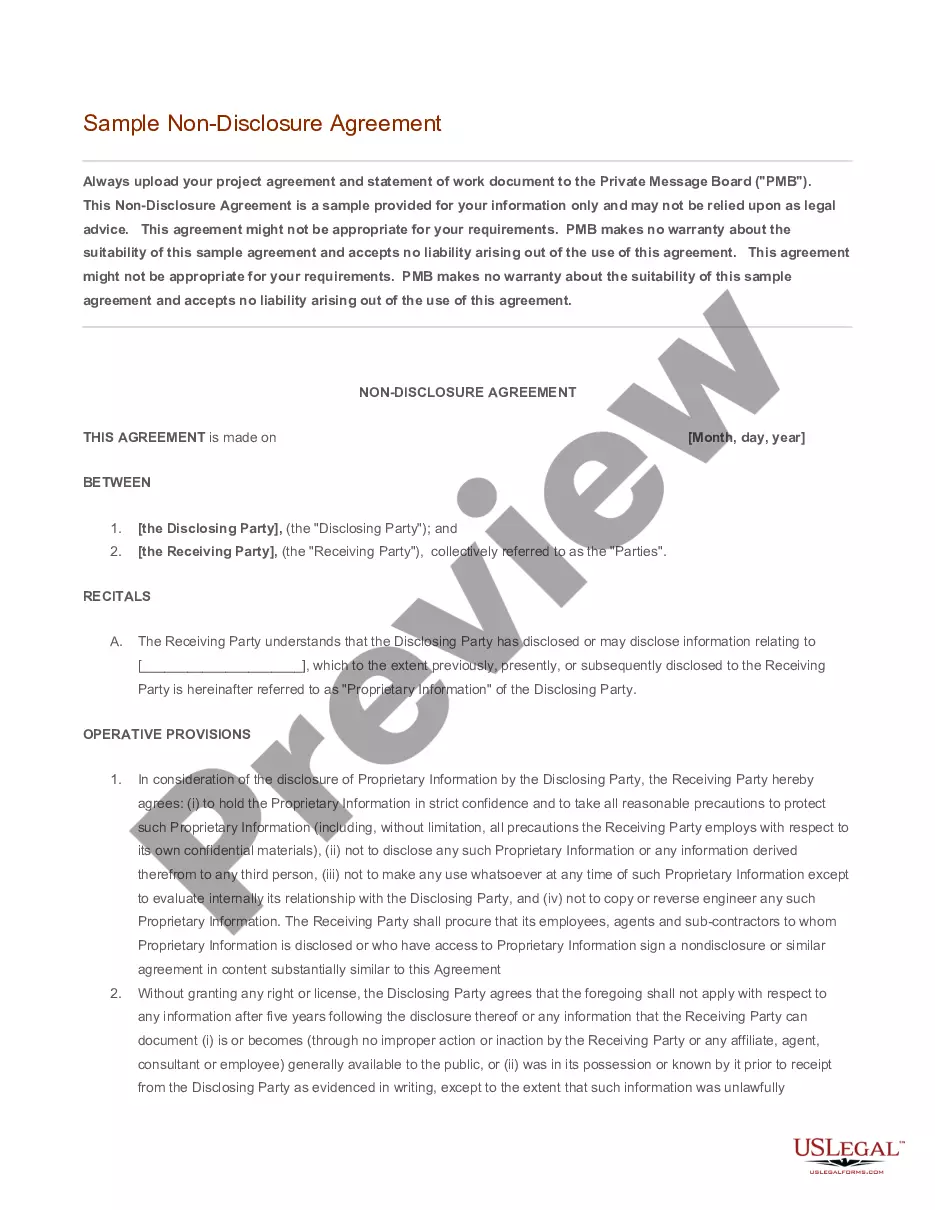
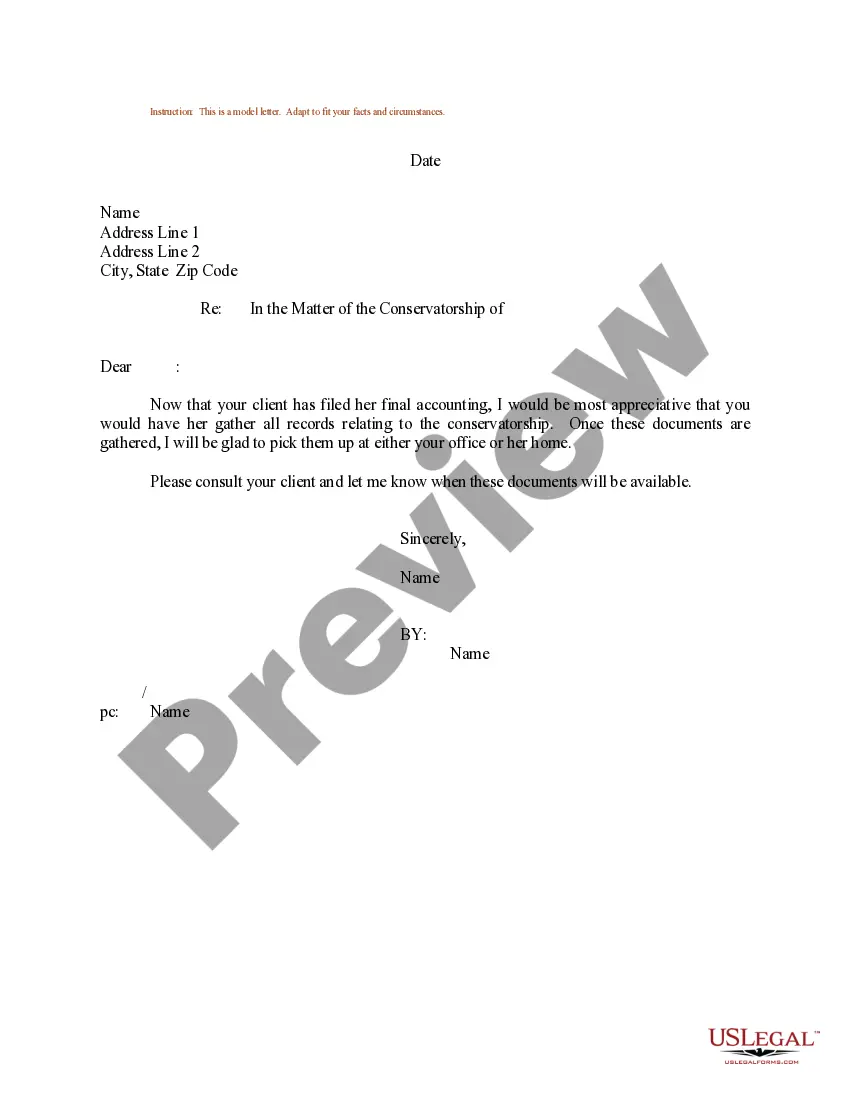
How to fill out USLegal Practical Guide To Confidential Information, Trade Secrets And NonDisclosure Agreements?
You can spend hours online attempting to locate the legal document template that meets the federal and state requirements you need.
US Legal Forms offers thousands of legal templates that can be examined by professionals.
You can easily download or print the Maine USLegal Practical Guide to Confidential Information, Trade Secrets, and Non-Disclosure Agreements from our resources.
If available, use the Review button to browse through the document template as well.
- If you already have a US Legal Forms account, you can sign in and click on the Download button.
- Next, you can complete, edit, print, or sign the Maine USLegal Practical Guide to Confidential Information, Trade Secrets, and Non-Disclosure Agreements.
- Every legal document template you purchase is yours indefinitely.
- To access another copy of any purchased form, navigate to the My documents section and click on the relevant button.
- If you are using the US Legal Forms website for the first time, follow the simple instructions below.
- Firstly, ensure you have selected the correct document template for the state/city you choose.
- Review the form description to make sure you have selected the correct form.
Form popularity
FAQ
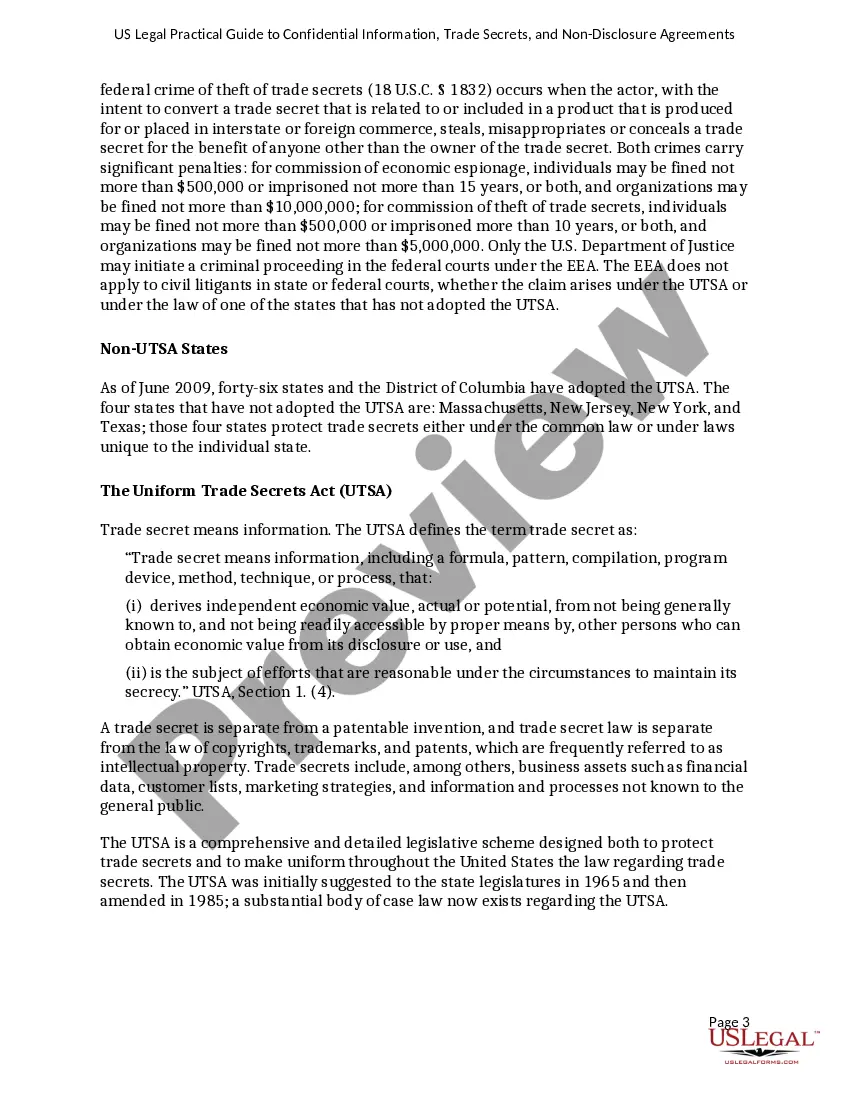
A trade secret is specific undisclosed information that provides a business with a competitive edge, while 'undisclosed information' can be any information not made public. For example, trade secrets include manufacturing processes, while undisclosed information could be any info not generally known. Learn how to safeguard both through the Maine USLegal Practical Guide to Confidential Information, Trade Secrets and NonDisclosure Agreements.
The terms 'secret' and 'confidential information' can often overlap, but they hold different implications. A 'secret' typically refers to something that is unknown to others, while 'confidential information' is intentionally kept private with specific guidelines around its use. The Maine USLegal Practical Guide to Confidential Information, Trade Secrets and NonDisclosure Agreements clarifies these distinctions while advising how to manage such information.
Yes, while both are protected types of information, the distinction lies in their use. Confidential information can refer to any private data, whereas trade secrets specifically include information that provides competitive advantages. To protect your trade secrets effectively, explore the Maine USLegal Practical Guide to Confidential Information, Trade Secrets and NonDisclosure Agreements for essential strategies.
Private information generally pertains to personal data about individuals, such as medical records or social security numbers. In contrast, confidential information encompasses a broader range of sensitive data, including business strategies and proprietary details. For more clarity, refer to the Maine USLegal Practical Guide to Confidential Information, Trade Secrets and NonDisclosure Agreements, which delineates these terms clearly.
Yes, NDAs, or non-disclosure agreements, are legal in Maine. These agreements are enforceable as long as they are reasonable in scope and duration. The Maine USLegal Practical Guide to Confidential Information, Trade Secrets and NonDisclosure Agreements offers insights into how to draft enforceable NDAs to protect your sensitive information.
Filling out a confidentiality agreement requires you to include clear definitions of what constitutes confidential information and the obligations of the parties involved. It’s essential to specify the duration of the confidentiality obligations and any exceptions to the agreement. The Maine USLegal Practical Guide to Confidential Information, Trade Secrets and NonDisclosure Agreements provides templates and tips to streamline this process effectively.
Confidential information refers to any data that is not publicly available and is meant to be kept private. A trade secret, on the other hand, is a specific type of confidential information that gives a business a competitive advantage, such as a formula or process. In the Maine USLegal Practical Guide to Confidential Information, Trade Secrets and NonDisclosure Agreements, you can learn how to properly protect both.
A trade secret PDF typically refers to a document that contains essential information about your trade secrets, including their value, protection methods, and relevant legal considerations. Many businesses create these documents to standardize the management of trade secrets and ensure compliance with legal requirements. The Maine USLegal Practical Guide to Confidential Information, Trade Secrets and NonDisclosure Agreements may provide guidelines on crafting an effective trade secret PDF.
To document trade secrets effectively, create a comprehensive inventory that details each secret, including its origins, usage, and protection methods. This inventory should be regularly updated to reflect any changes or new trade secrets developed over time. Reference the Maine USLegal Practical Guide to Confidential Information, Trade Secrets and NonDisclosure Agreements for templates and advice on maintaining accurate documentation.
Protecting confidential information and trade secrets requires implementing strong security measures and employee training programs. Regularly updating non-disclosure agreements and limiting access to sensitive information also play an essential role. The Maine USLegal Practical Guide to Confidential Information, Trade Secrets and NonDisclosure Agreements offers practical strategies to enhance your protection efforts.