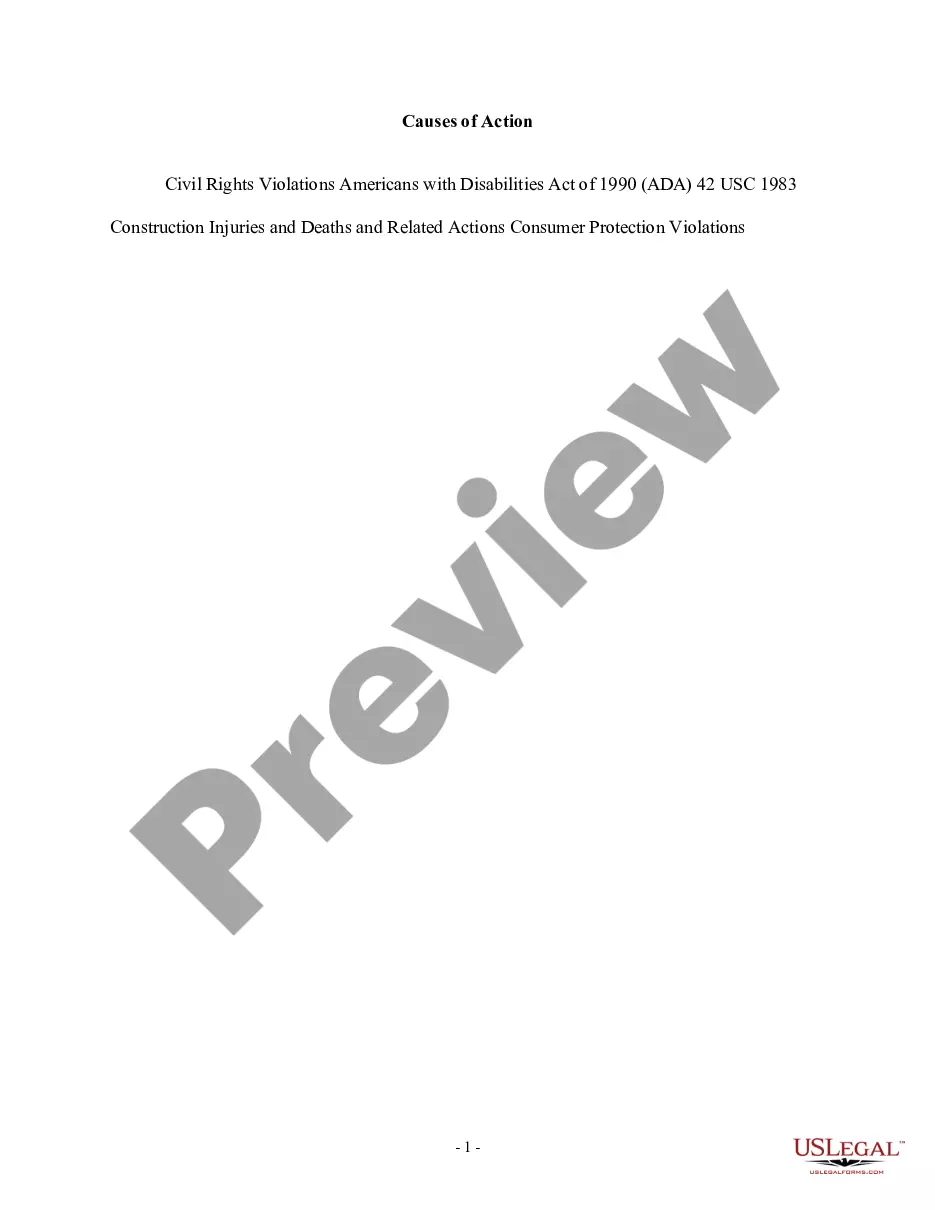
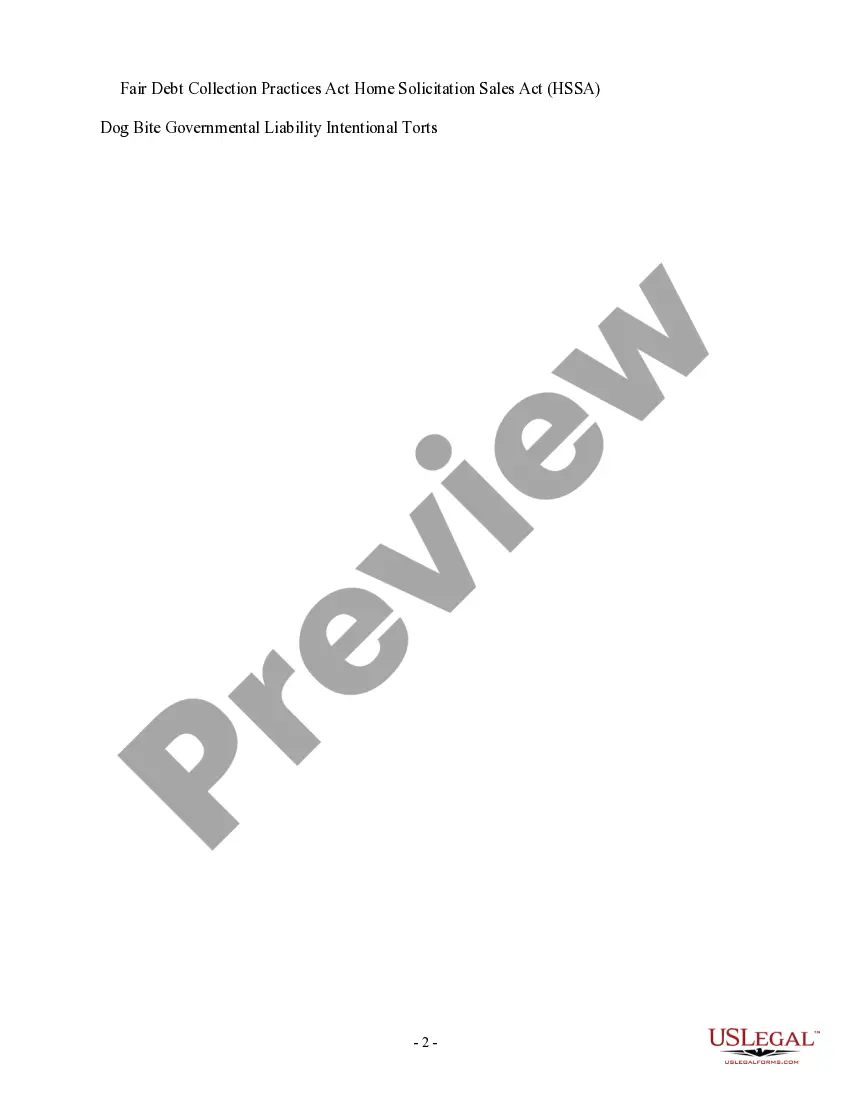
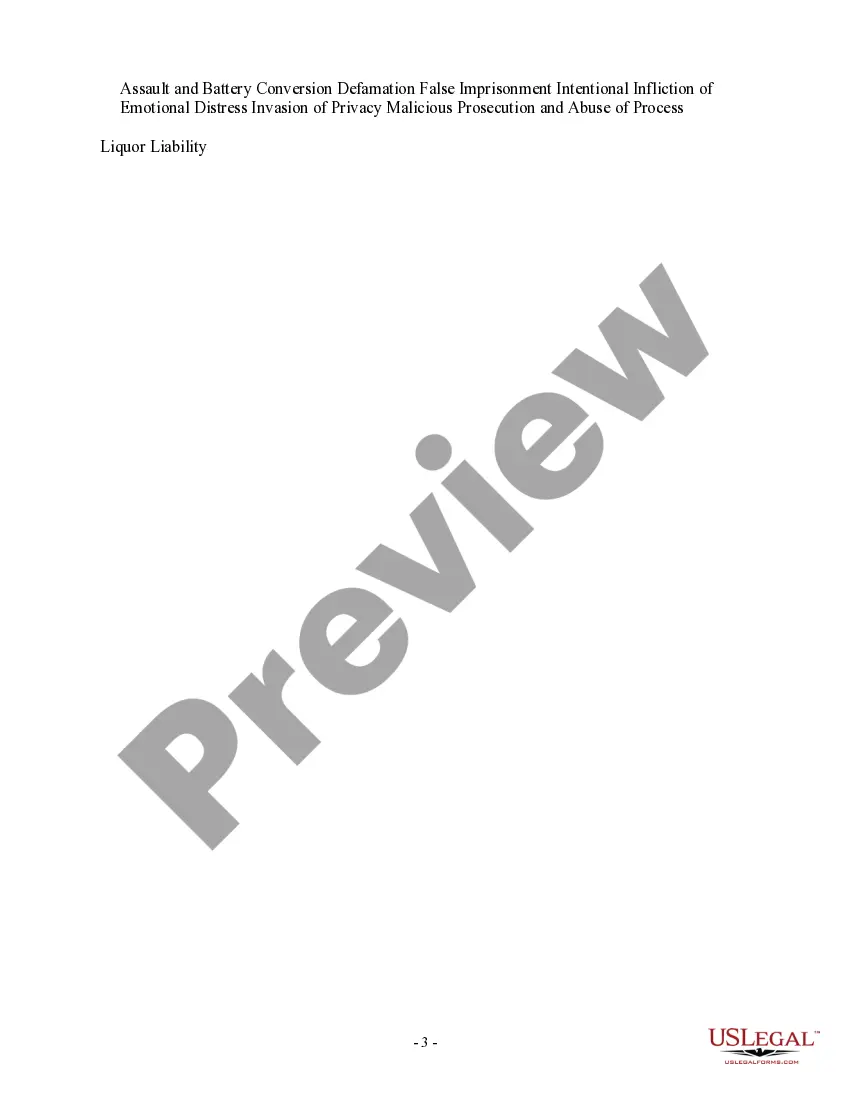
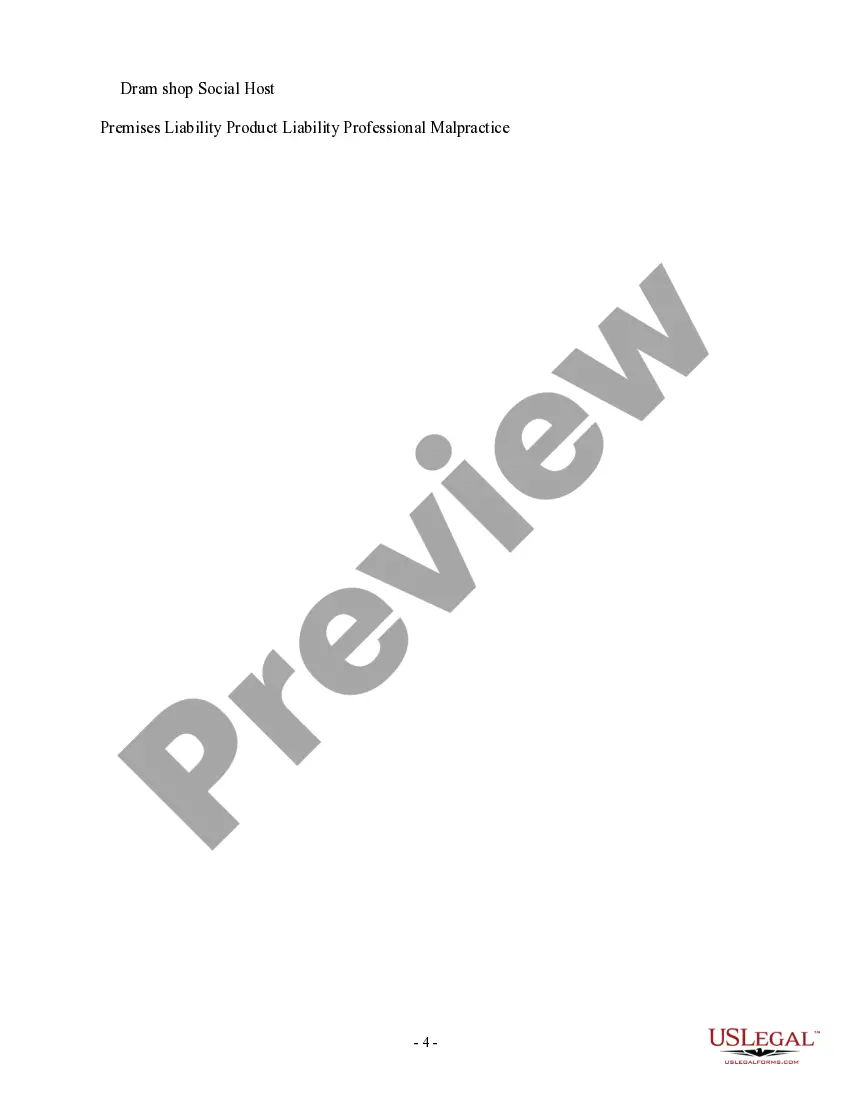
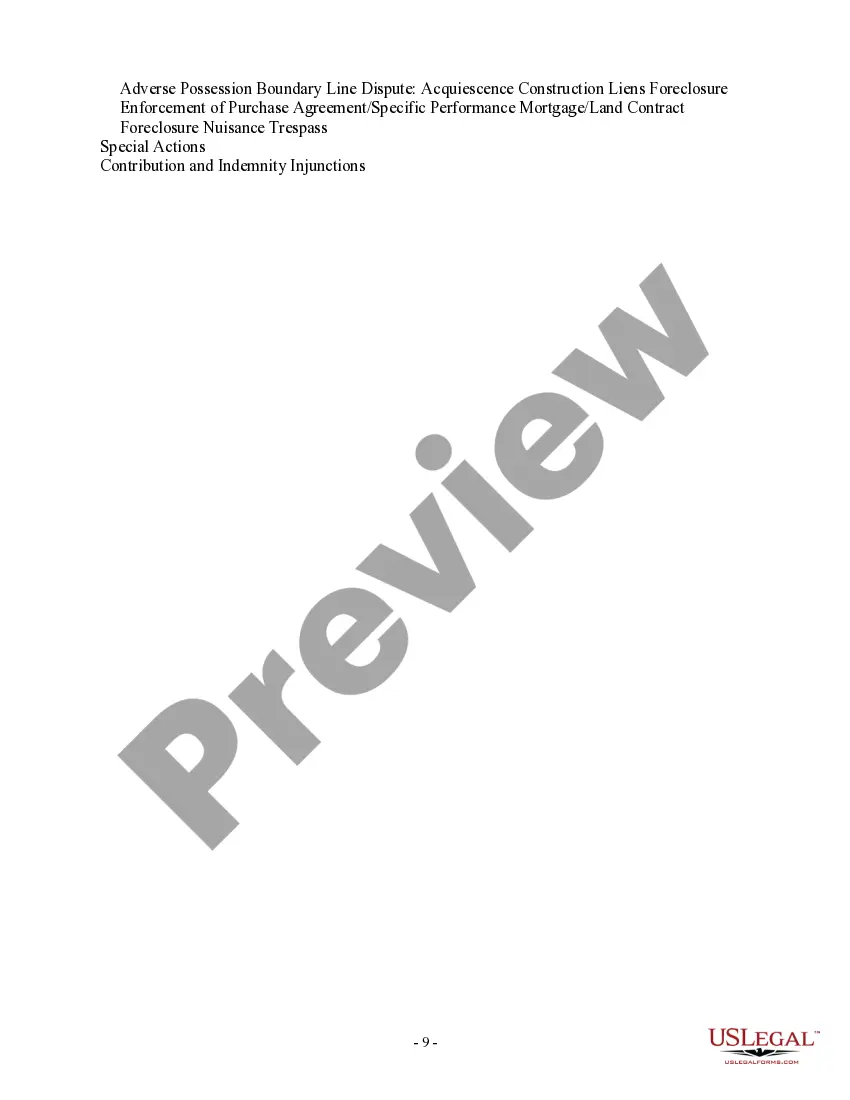
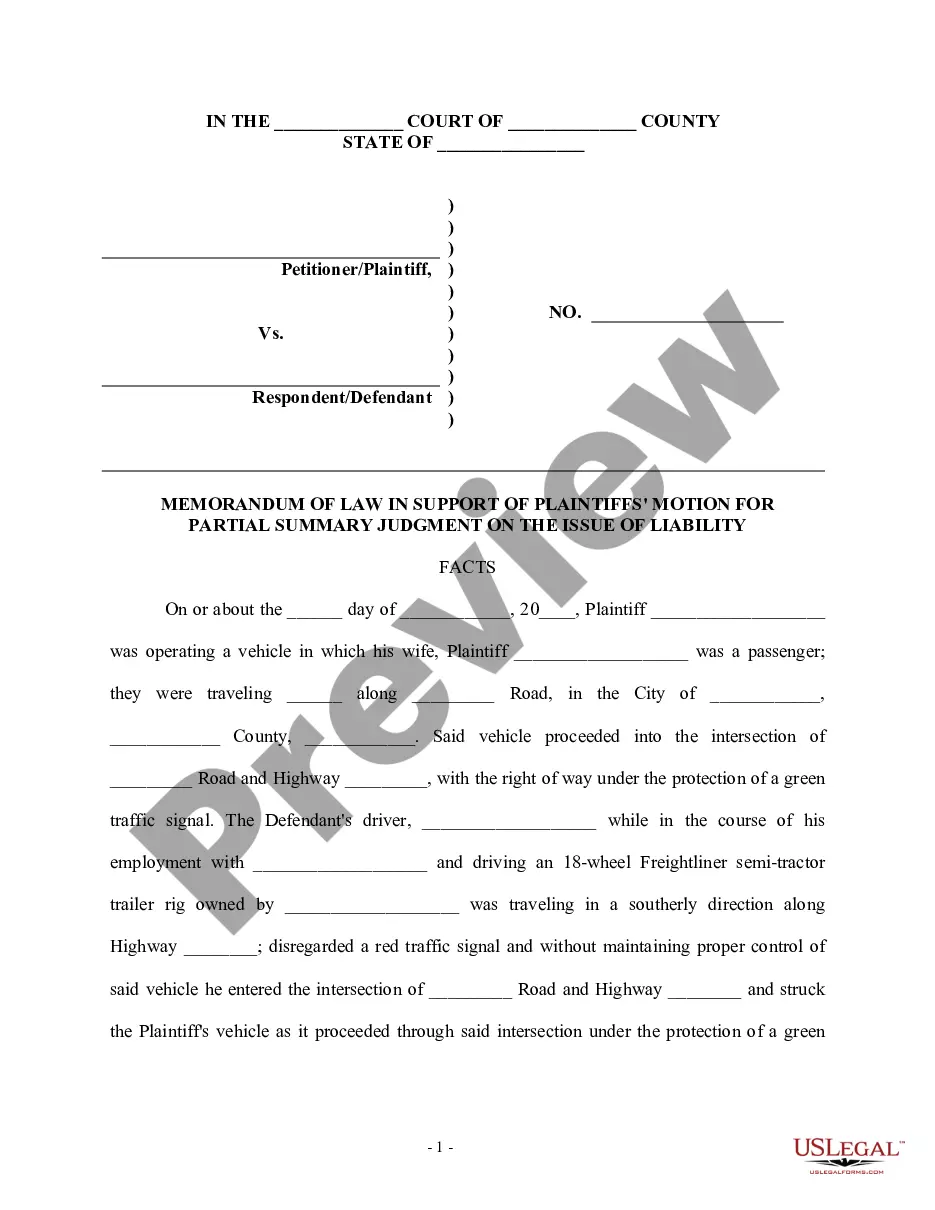
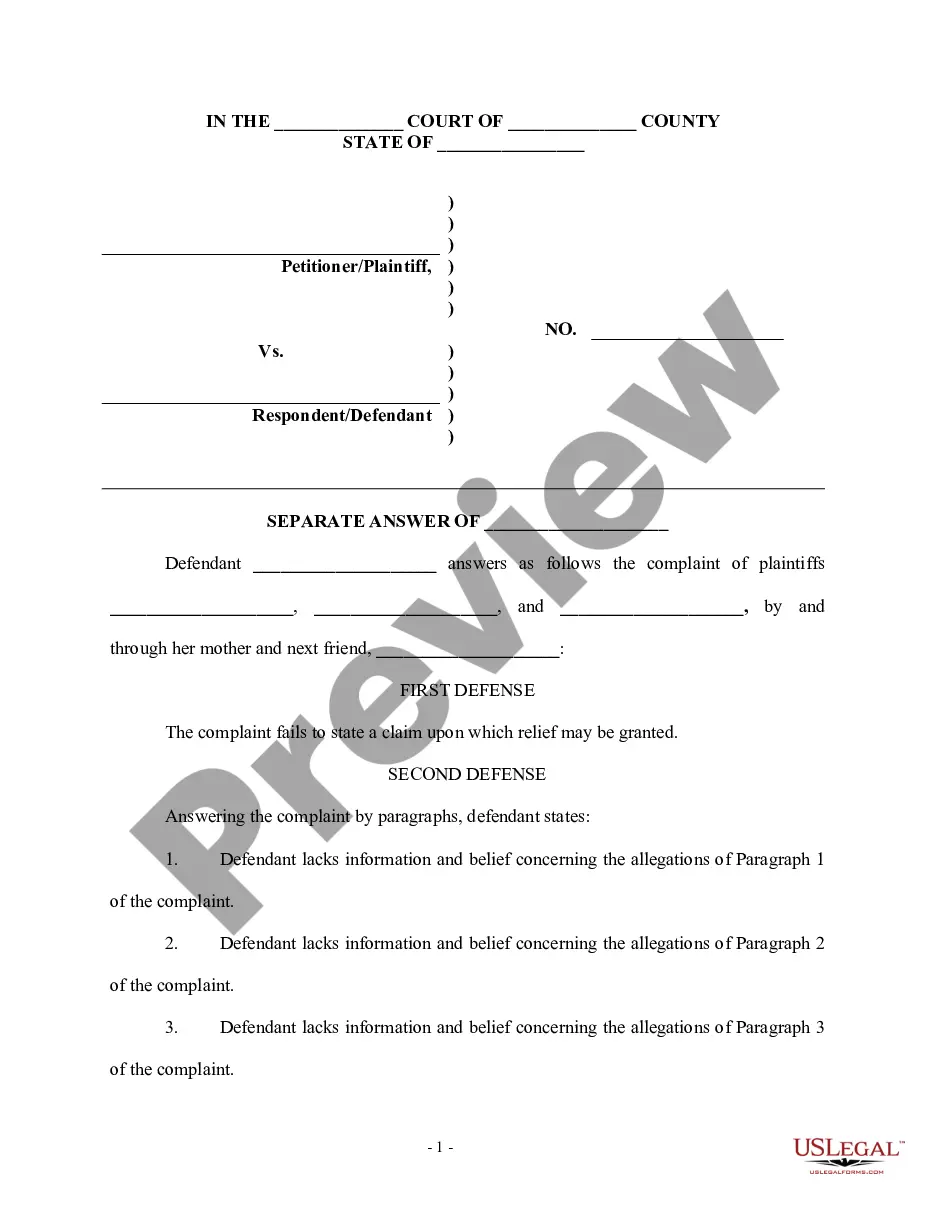
This form is a listing of various Causes of Action. This form lists a variety of lawsuits which may be filed against a tortfeasor.
Maine List of Causes of Action
140 downloads
Description
Free preview
Get your form ready online
Our built-in tools help you complete, sign, share, and store your documents in one place.
Built-in online Word editor
Make edits, fill in missing information, and update formatting in US Legal Forms—just like you would in MS Word.
Export easily
Download a copy, print it, send it by email, or mail it via USPS—whatever works best for your next step.
E-sign your document
Sign and collect signatures with our SignNow integration. Send to multiple recipients, set reminders, and more. Go Premium to unlock E-Sign.
Notarize online 24/7
If this form requires notarization, complete it online through a secure video call—no need to meet a notary in person or wait for an appointment.
Store your document securely
We protect your documents and personal data by following strict security and privacy standards.

Make edits, fill in missing information, and update formatting in US Legal Forms—just like you would in MS Word.

Download a copy, print it, send it by email, or mail it via USPS—whatever works best for your next step.

Sign and collect signatures with our SignNow integration. Send to multiple recipients, set reminders, and more. Go Premium to unlock E-Sign.

If this form requires notarization, complete it online through a secure video call—no need to meet a notary in person or wait for an appointment.

We protect your documents and personal data by following strict security and privacy standards.
Looking for another form?



How to fill out List Of Causes Of Action?
Are you presently in a circumstance where you need to obtain documents for various company or specific objectives almost daily.
There are numerous legal document templates accessible online, but finding forms you can rely on is not easy.
US Legal Forms offers thousands of form templates, including the Maine List of Causes of Action, that are designed to meet federal and state requirements.
- If you are already familiar with the US Legal Forms website and have an account, simply Log In.
- Then, you can download the Maine List of Causes of Action template.
- If you do not have an account and wish to start using US Legal Forms, follow these steps.
- Find the form you need and ensure it is for the correct city/region.
- Utilize the Preview option to examine the form.
- Check the summary to confirm you have selected the right form.
- If the form is not what you’re looking for, use the Search field to find the form that fits your requirements and needs.
- Once you locate the correct form, click Buy now.
- Choose the pricing plan you want, fill in the necessary information to create your account, and pay for the order using your PayPal or Visa or Mastercard.
- Select a convenient file format and download your copy.
- Access all the document templates you have purchased in the My documents section. You can obtain another copy of the Maine List of Causes of Action at any time, if necessary. Just open the required form to download or print the document template.
- Utilize US Legal Forms, the most extensive collection of legal forms, to save time and avoid errors. The service offers professionally crafted legal document templates that you can use for a variety of purposes. Create your account on US Legal Forms and start simplifying your life.
Form popularity
FAQ
Federal Rule 41(a) permits voluntary dismissal without court approval only up until the filing of the answer or a motion for summary judgment; in Maine such voluntary dismissal may come as late as the eve of trial, at a time when other parties may have expended great time and effort as to the plaintiff or the defendant ...
If an application is made to produce the information under Rule 26(g), the party resisting discovery bears the initial burden to show the court that the information is not, in fact, "reasonably accessible because of undue burden or expense." The requesting party must then show "good cause" why the information should be ...
A party who considers that a matter of which an admission has been requested presents a genuine issue for trial may not, on that ground alone, object to the request; the party may, subject to the provisions of Rule 37(c), deny the matter or set forth reasons why the party cannot admit or deny it.
Currently, Rule 34(b) requires the defendant to move to arrest judgment within seven days after the court accepts a verdict or finding of guilty, or after a plea of guilty or nolo contendere, or within some other time set by the court in an order issued by the court within that same seven-day period.
A party upon whom a request is served to produce the party's medical, employment or other records in the possession of a third party may, at the party's option, produce in place of such records an effective written authorization by which the submitting party may obtain the requested records.
Rule 34 of the Federal Rules of Civil Procedure provides for discovery and inspection of documents and things in the course of developing a case for trial. Subsection (b)(1)(A) states that the request must ?describe with reasonable particularity each item or category of items to be inspected.? See Fed. R.
Small claims court provides a speedy and inexpensive way to resolve disputes when the plaintiff's claim is $6,000 or less. Cases are heard and decided in Maine District Court by a judge without a jury.
Under Rule 34, the party seeking discovery need merely serve a request upon his opponent. Only if the opponent objects to the request must the discovering party obtain a court order.