Maine Affidavit regarding Property Description
What this document covers
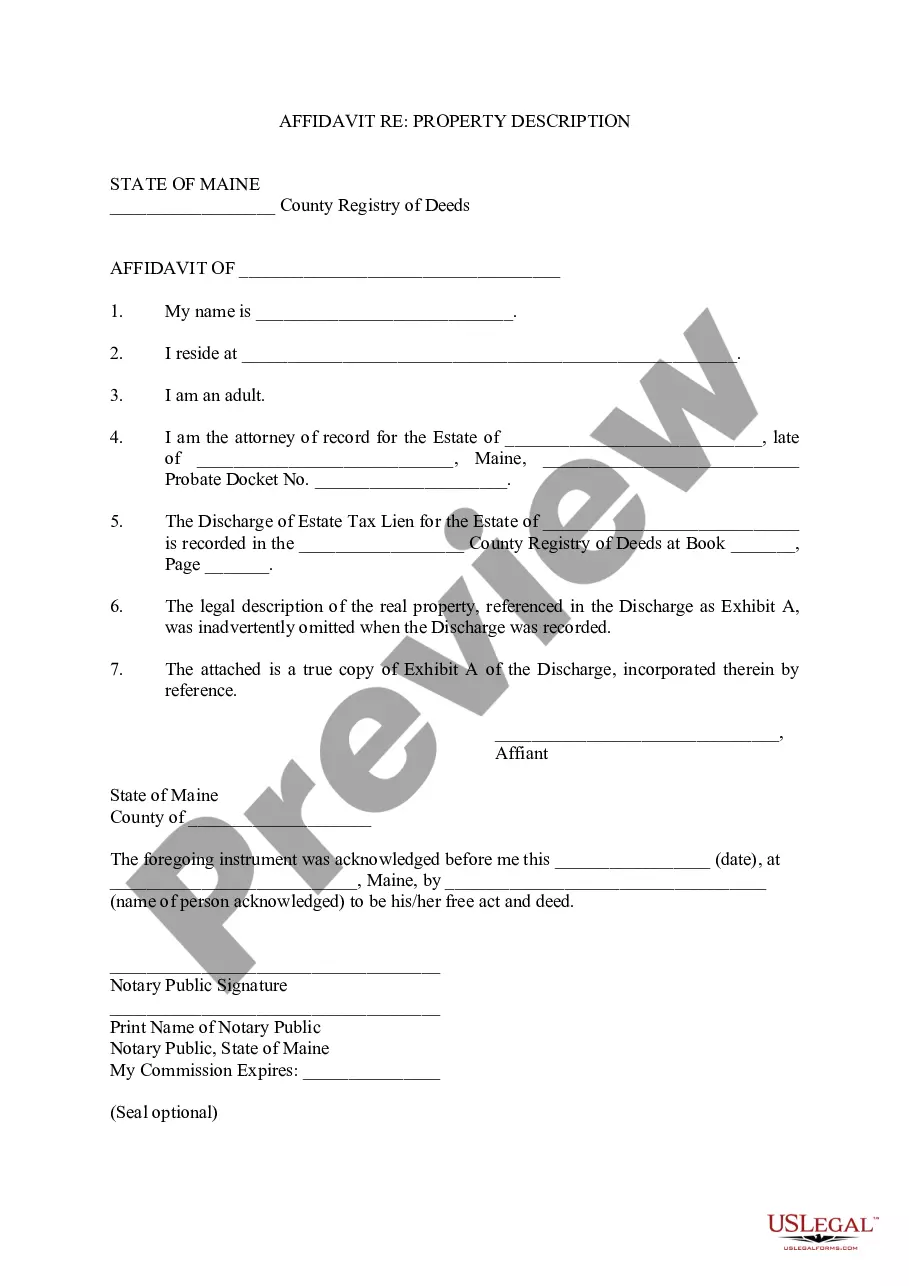
The Affidavit regarding Property Description is a legal document used by an attorney representing an estate. This affidavit serves to clarify omitted details regarding the legal description of a property when a discharge of estate tax lien was recorded. It ensures that all pertinent information about the property is officially acknowledged and included in legal records, distinct from other affidavits that may focus solely on tax issues or general estate matters.
Key components of this form
- Affiant's name and residence
- Statement of the affiant's adult status
- Details regarding the estate's attorney of record
- Reference to the probate docket number
- Information on the recorded discharge of estate tax lien
- Legal description of the real property
- Notarization section for authenticity


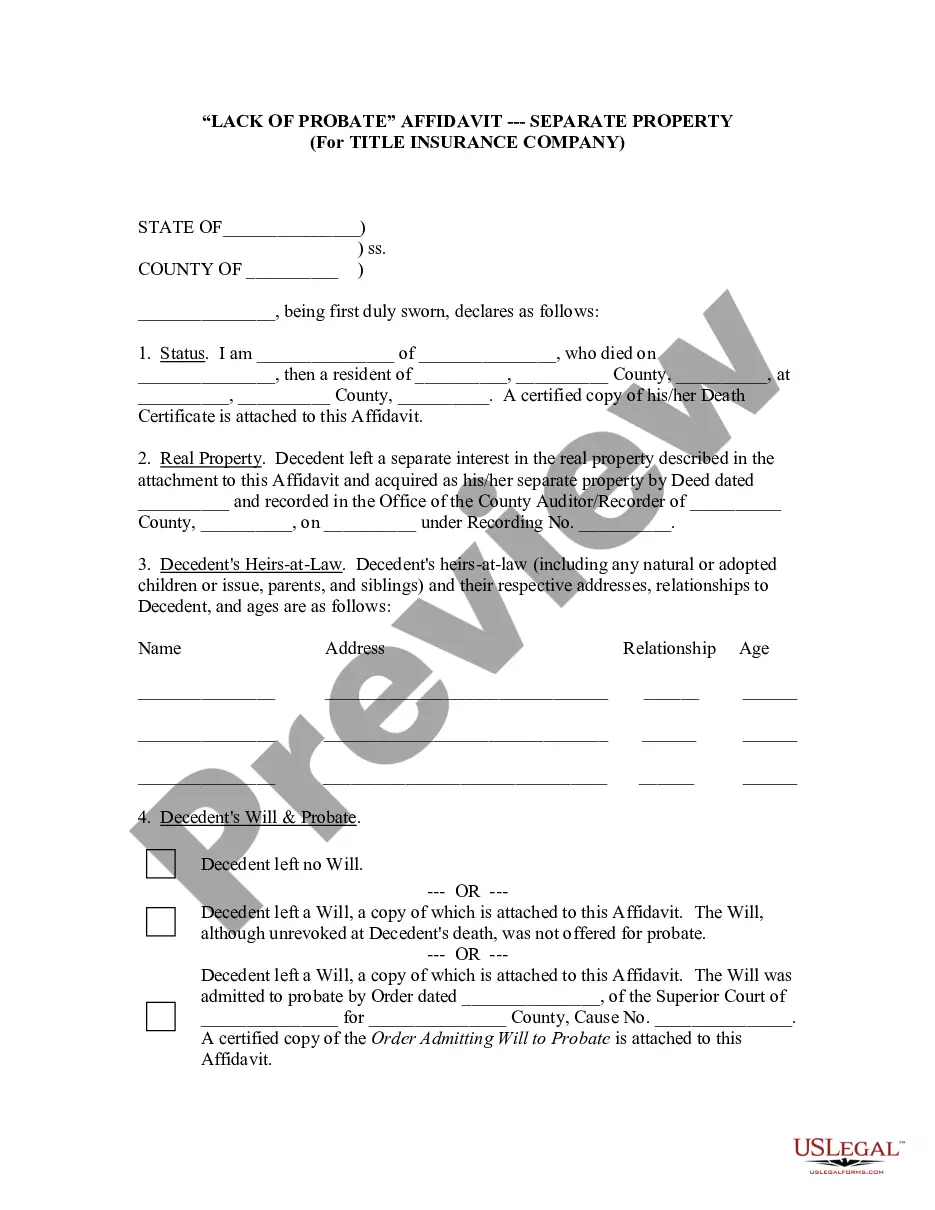
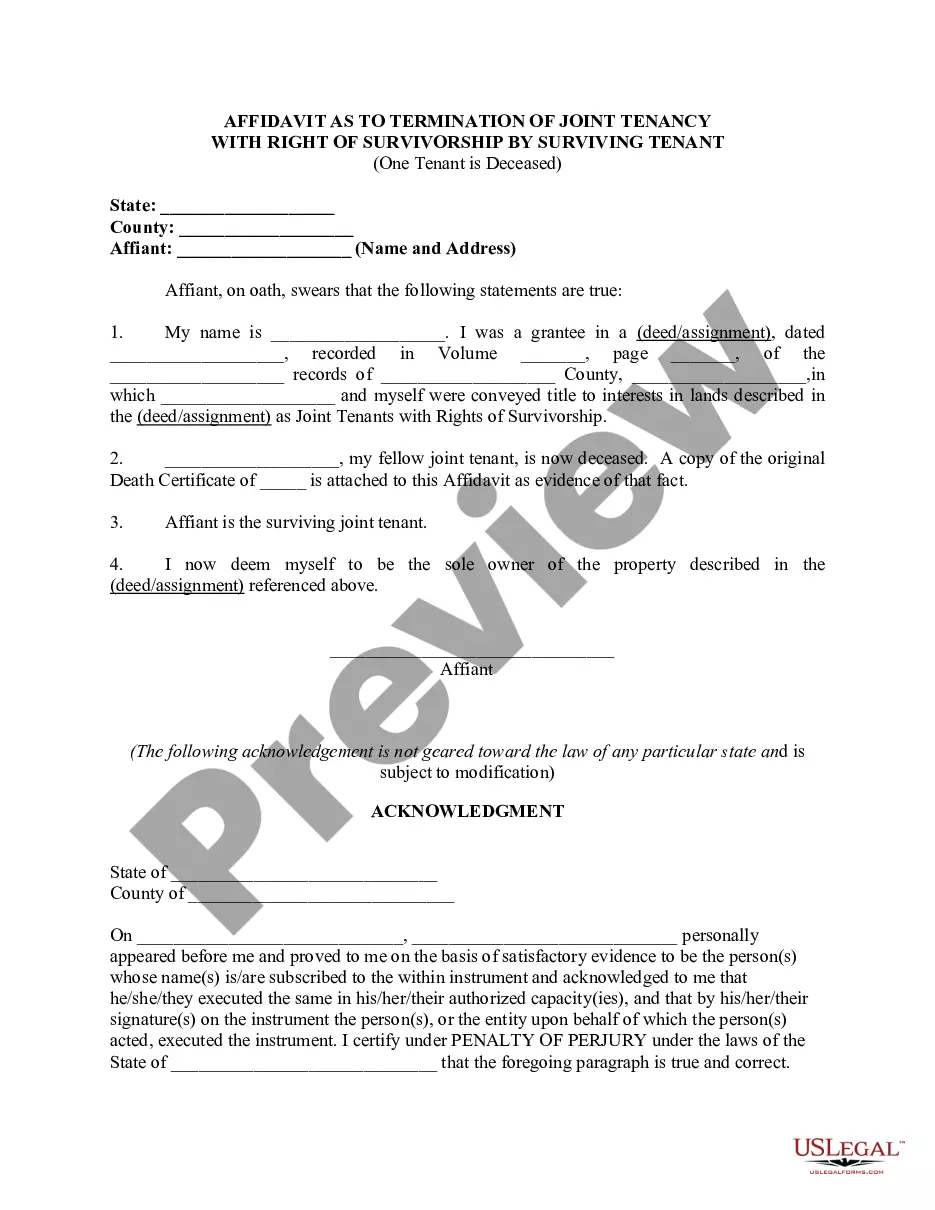
When to use this form
This affidavit is needed when an attorney realizes that the legal description of a property was inadvertently omitted from a recorded discharge of estate tax lien. It should be used to rectify this oversight and ensure that the property details are accurately reflected in legal documentation, particularly for estates in the state of Maine.
Who needs this form
- Attorneys representing an estate
- Executors or administrators of an estate
- Individuals involved in legal matters concerning property distribution within an estate
Steps to complete this form
- Enter your name and address as the affiant.
- Provide the name of the deceased, their residence, and the probate docket number.
- Fill in the details of the recorded discharge of estate tax lien from the county registry.
- Attach the correct legal description of the property referenced as Exhibit A.
- Sign the affidavit in front of a notary public.
Notarization guidance
Yes, this form must be notarized to be legally valid. Notarization ensures the authenticity of the affiant's signature and the legitimacy of the document in legal proceedings. US Legal Forms offers integrated online notarization options that are secure and available 24/7, allowing you to complete the process without needing to travel.
Get your form ready online
Our built-in tools help you complete, sign, share, and store your documents in one place.
Make edits, fill in missing information, and update formatting in US Legal Forms—just like you would in MS Word.
Download a copy, print it, send it by email, or mail it via USPS—whatever works best for your next step.
Sign and collect signatures with our SignNow integration. Send to multiple recipients, set reminders, and more. Go Premium to unlock E-Sign.
If this form requires notarization, complete it online through a secure video call—no need to meet a notary in person or wait for an appointment.
We protect your documents and personal data by following strict security and privacy standards.

Make edits, fill in missing information, and update formatting in US Legal Forms—just like you would in MS Word.

Download a copy, print it, send it by email, or mail it via USPS—whatever works best for your next step.

Sign and collect signatures with our SignNow integration. Send to multiple recipients, set reminders, and more. Go Premium to unlock E-Sign.

If this form requires notarization, complete it online through a secure video call—no need to meet a notary in person or wait for an appointment.

We protect your documents and personal data by following strict security and privacy standards.
Common mistakes to avoid
- Failing to include the complete and correct legal description of the property.
- Omitting necessary signatures or notary acknowledgment.
- Not referencing the probate docket number correctly.
- Submitting the affidavit without verifying that all information is accurate and complete.
Benefits of using this form online
- Convenient access to legally vetted templates at any time.
- Edit and personalize the form to suit your specific needs.
- Efficient completion process without the need for in-person visits to legal offices.
Looking for another form?
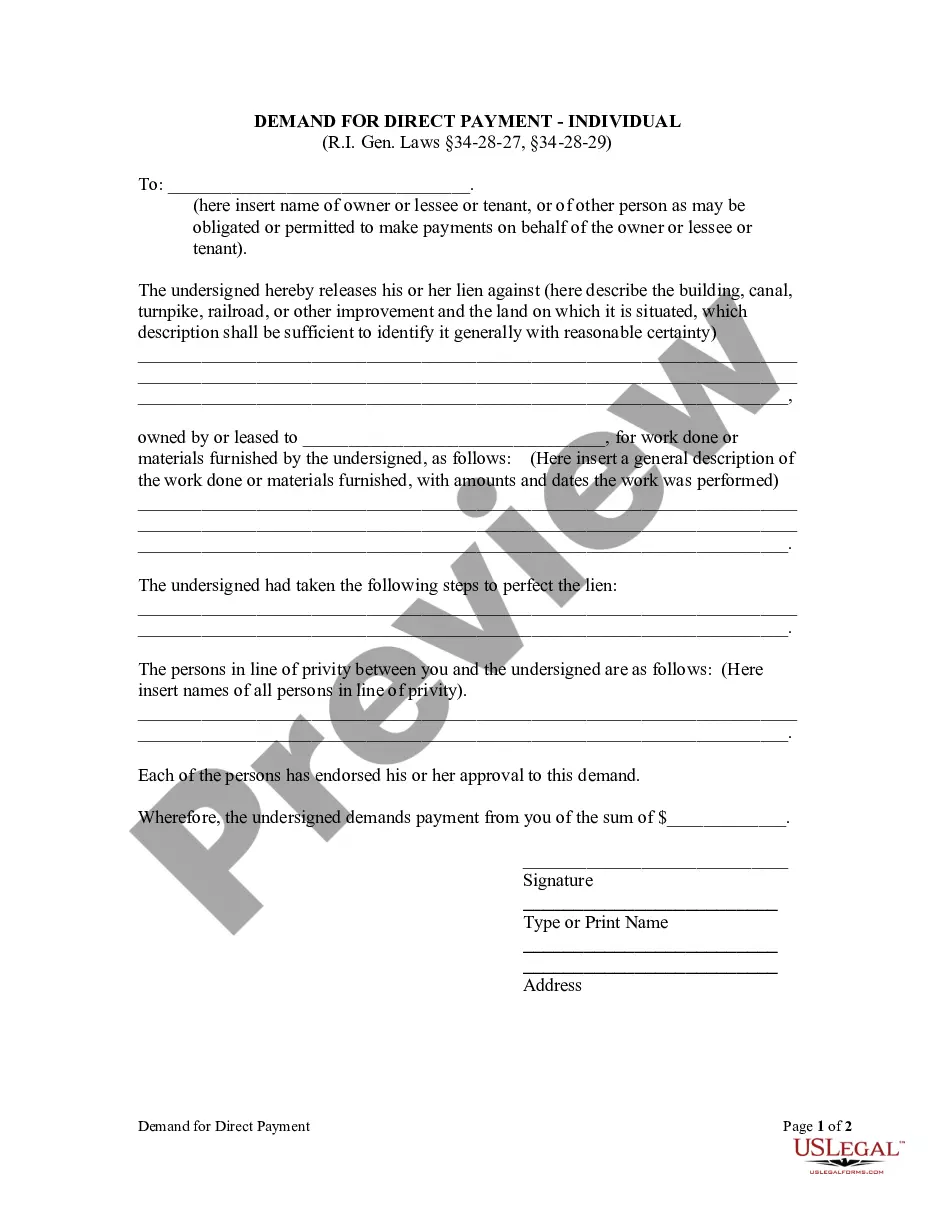
Form popularity
FAQ
You can add your wife to the title by recording an Interspousal Transfer Deed or a Quitclaim Deed. You do not need to refinance the loan with the lender to add your wife to title...
Resolving Small Ambiguities: The Scrivener Affidavit. Sometimes an omission attracts attention just after recording. The Correction Deed: Stronger Than a Scrivener's Affidavit. Obtain your correction deed form. Execute the correction deed. Record the correction deed.
Today's question is is it possible to deed real estate to someone without them knowing it? Strictly speaking, the answer is no. Because it does not meet the acceptance element of a valid deed transfer. Us lawyers must learn to speak in elements because it governs everything that we do.
The drawback, quite simply, is that quitclaim deeds offer the grantee/recipient no protection or guarantees whatsoever about the property or their ownership of it. Maybe the grantor did not own the property at all, or maybe they only had partial ownership.
It is possible to be named on the title deed of a home without being on the mortgage. However, doing so assumes risks of ownership because the title is not free and clear of liens and possible other encumbrances.If a mortgage exists, it's best to work with the lender to make sure everyone on the title is protected.
A Maine (ME) quitclaim deed is a legal document by which the grantor gives up his or her legal right and title to a specific property.Though quitclaim deeds can sometimes be referred to as a quick claim, quit claim, or quit claims deed, quitclaim is correct.
The only way to add or remove a name on a deed is to have a new deed recorded. Once a document is recorded, it cannot be altered. In order to protect your legal interests, we strongly suggest that you contact an attorney to have this done for you.
The law doesn't forbid adding people to a deed on a home with an outstanding mortgage. Mortgage lenders are familiar and frequently work with deed changes and transfers.When you "deed" your home to someone, you've effectively transferred part ownership, which could activate the "due-on-sale" clause.
Recent Maine Driver's License with a physical address. Maine Vehicle Registration or other credential. Utility Bill - electric bill, water/sewer bill, cell phone bill, etc. Maine Resident Hunting and or Fishing License. Contract in their name - mortgage agreement, lease, insurance policy, insurance ID card, SR22. Tax bill.