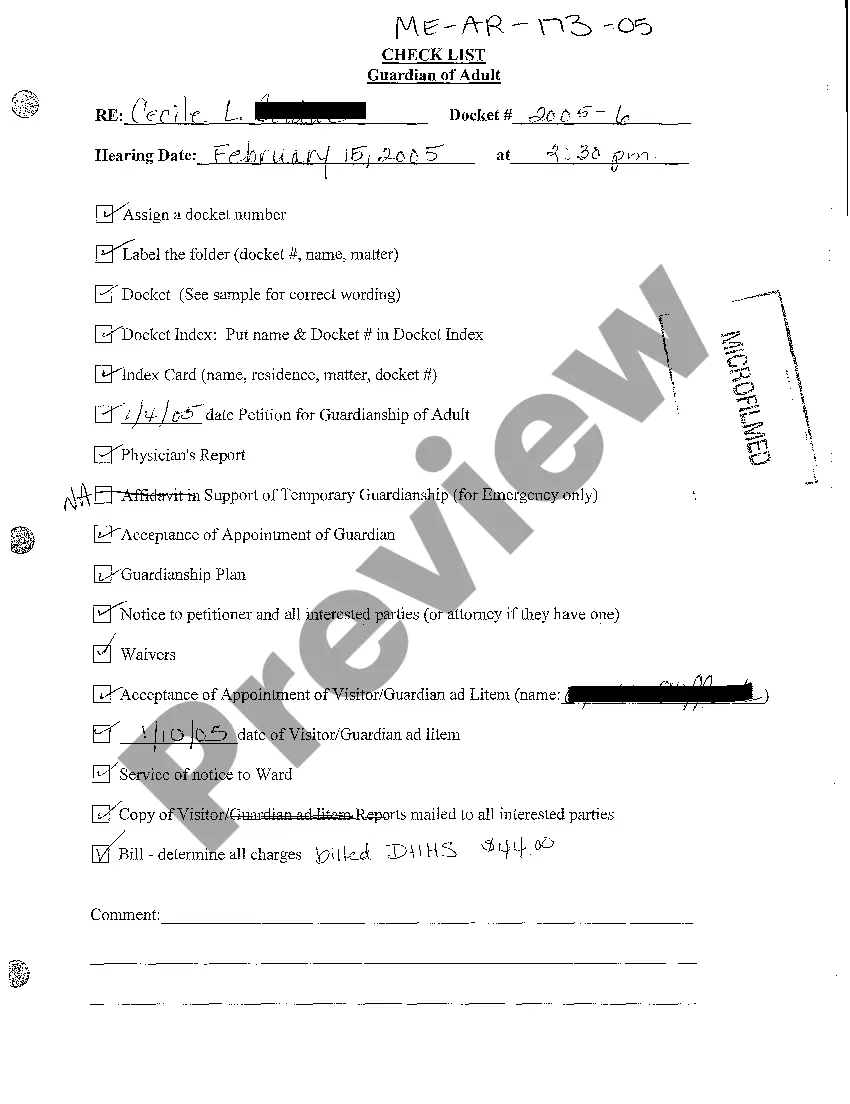
Maine Guardian of Adult Check List
Description
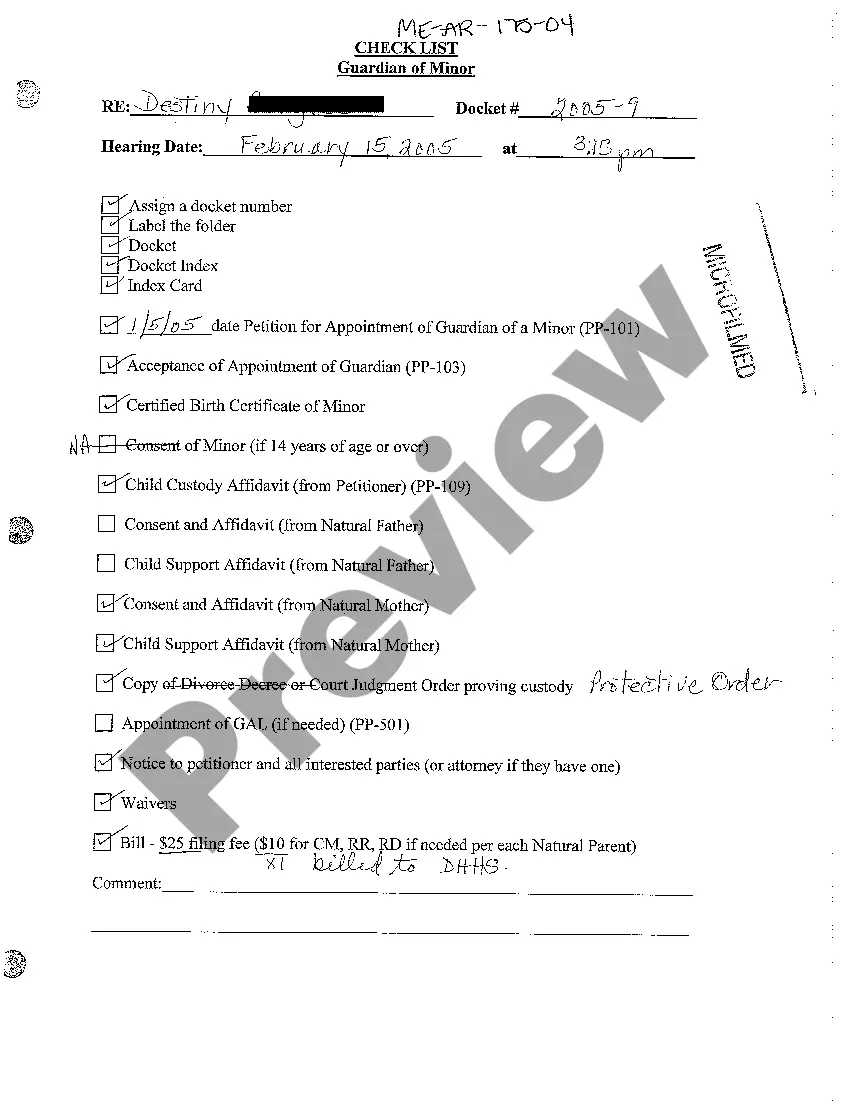
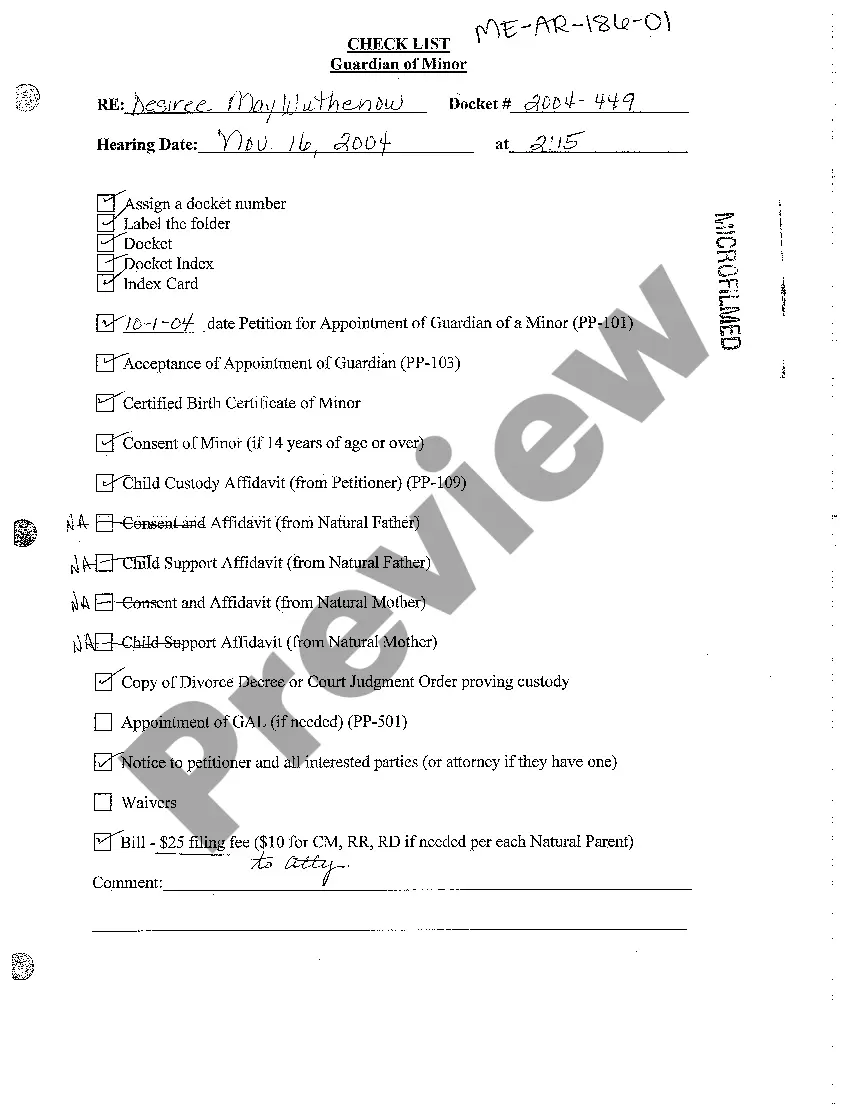
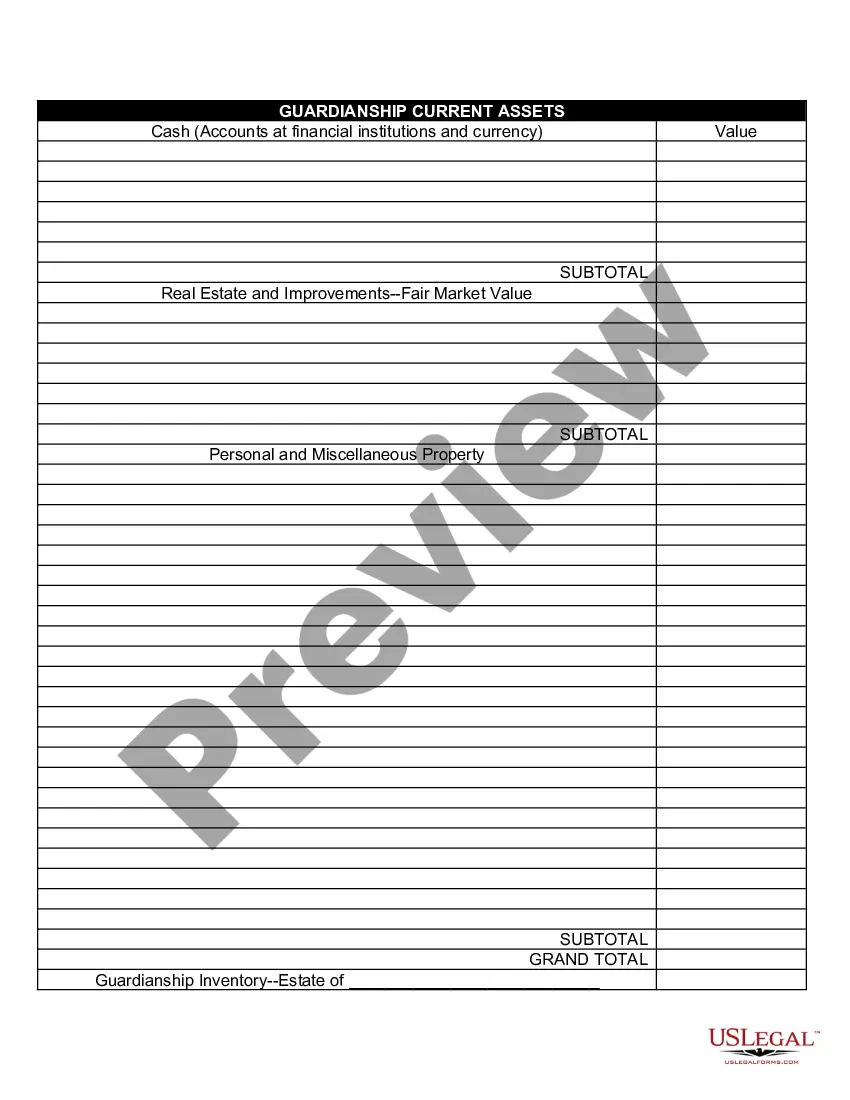

How to fill out Maine Guardian Of Adult Check List?
You are invited to the most extensive legal document repository, US Legal Forms.
Here, you can discover any template, including Maine Guardian of Adult Check List forms and store them (as many as you wish/need).
Prepare formal documents in a few hours, rather than days or weeks, without incurring significant costs with a lawyer or legal representative.
Examine the description (if available) to confirm it’s the right template. Explore additional content using the Preview feature. If the sample satisfies all your criteria, select Buy Now. To create an account, pick a pricing option. Utilize a credit card or PayPal for membership. Download the template in your preferred format (Word or PDF). Print the document and complete it with your or your business’s information. Once you’ve finalized the Maine Guardian of Adult Check List, submit it to your lawyer for validation. It’s an additional step but a crucial one to ensure you’re fully protected. Join US Legal Forms today and access thousands of reusable templates.
- Obtain your state-specific template with just a few clicks.
- Feel assured knowing it was formulated by our licensed attorneys.
- If you are already a registered user, simply Log In to your account and click Download next to the Maine Guardian of Adult Check List you desire.
- Since US Legal Forms is an online service, you will always have access to your downloaded templates, regardless of the device used.
- Locate them in the My documents section.
- If you don’t possess an account yet, what are you waiting for.
- Review our guidance below to get started.
- If this is a document specific to your state, verify its legitimacy in the region where you reside.
Form popularity
FAQ
Generally speaking, a guardian is not personally responsible for the ward's (person being taken care of) debts or bills.He or she is not required to pay the ward's bills with their personal assets, and if the ward's bills are sent to collections it will have no impact on the guardian's credit.
The duties of a guardian, generally speaking, are to oversee the welfare and safety of the person under guardianship, and to attend to the financial needs of the individual, using his or her assets wisely. A guardian has a legal duty, called a "fiduciary duty", to act in the best interests of the individual.
A guardian is also prohibited from making gifts from the ward's estate. Generally, a guardian cannot tie up the ward's money by purchasing real estate, but can lend the money to someone else buying real estate if the property is sufficient security for the loan.
A legal guardian is a person who has been appointed by a court or otherwise has the legal authority (and the corresponding duty) to care for the personal and property interests of another person, called a ward.A parent of a child is normally not considered a guardian, though the responsibilities may be similar.
There are two types of guardianships, a full guardianship and a limited guardianship.
These types of decisions may include giving consent to medical care or treatment; purchasing or arranging for purchase of such necessities as food, clothes, cars, household items, and other personal items; arranging for education; and managing finances and bank accounts, making investments, hiring professionals, etc.
A Guardian usually signs legal documents on behalf of the Ward, chooses an appropriate living situation for the Ward, and grants, withholds, and withdraws consent to medical treatment. In most situations, it is necessary to disclose the Guardian/Ward relationship.
The legal guardian has the right to consent for the minor and make all decisions regarding the minor's health and education. A legal guardian will maintain custody of the minor until the minor reaches the age of eighteen, or until a judge determines that the minor no longer needs a guardian.