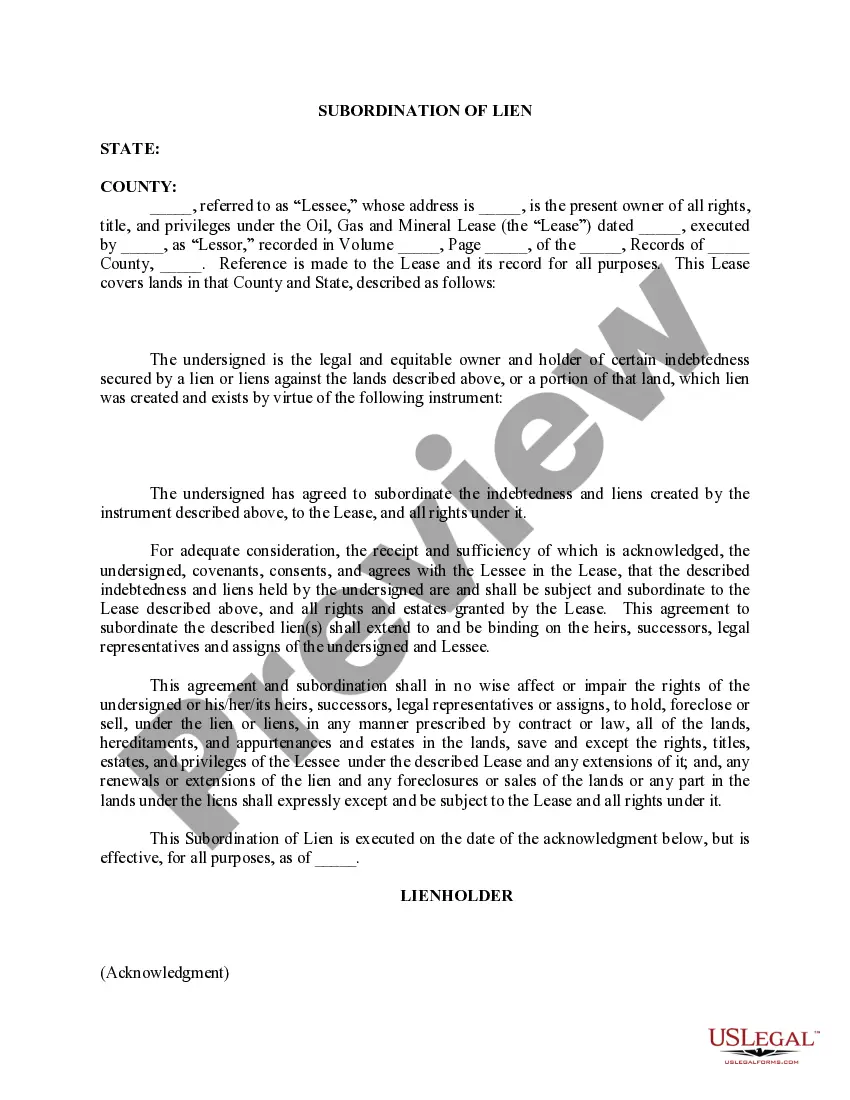
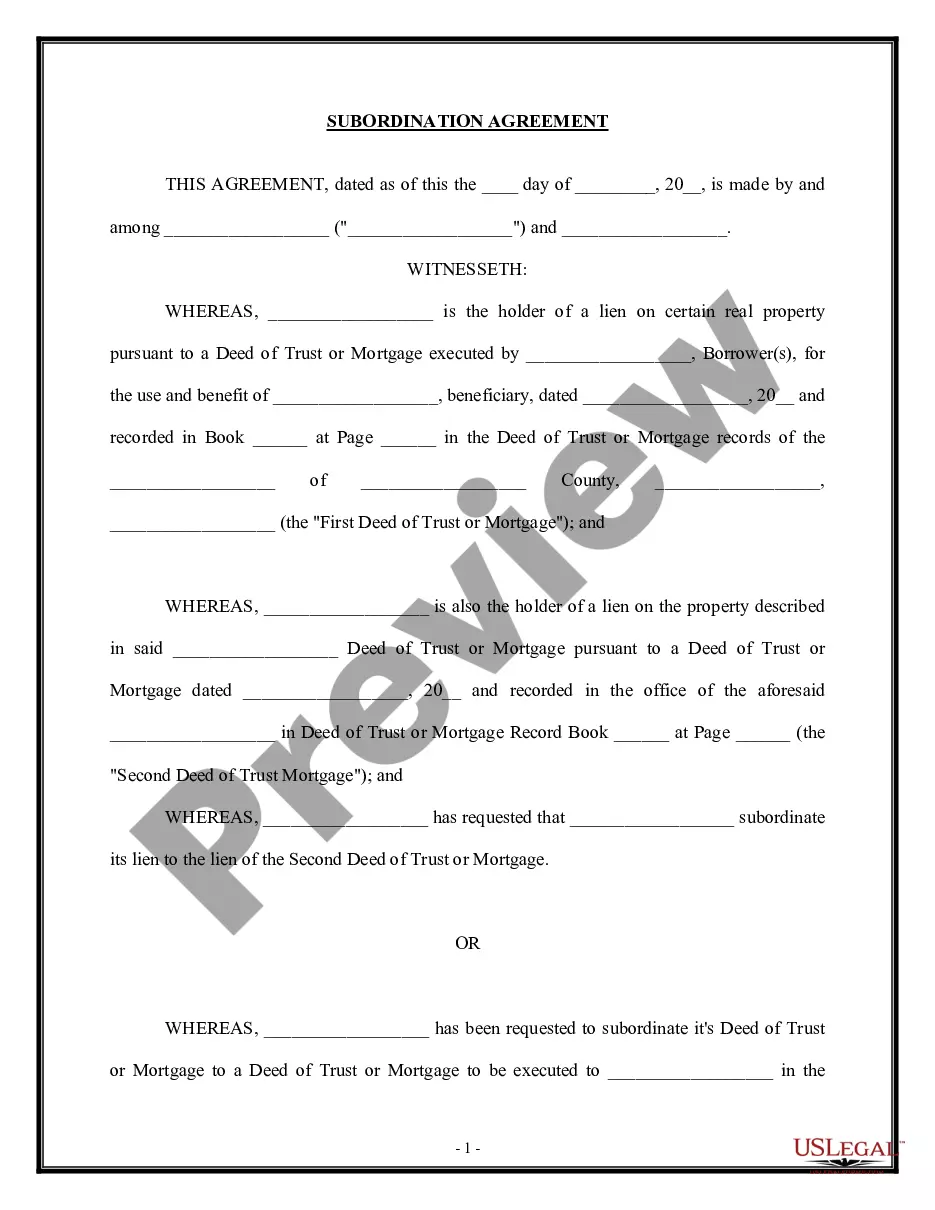
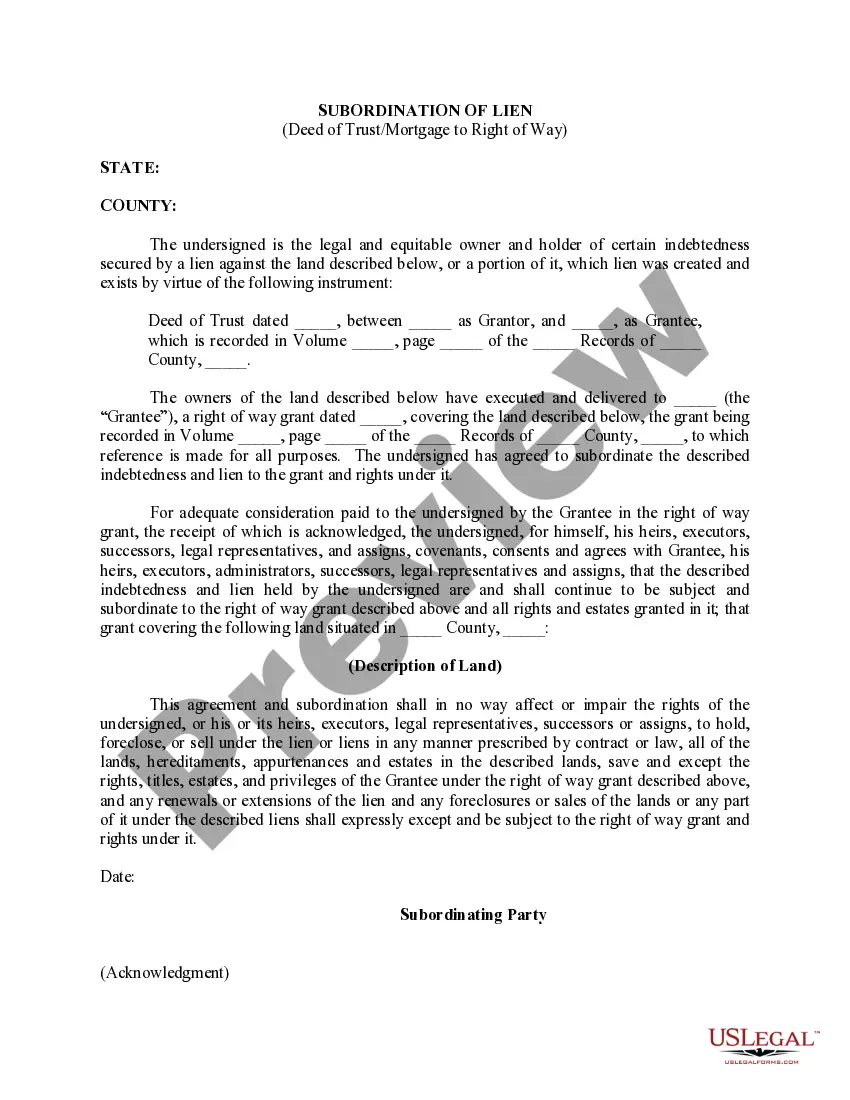
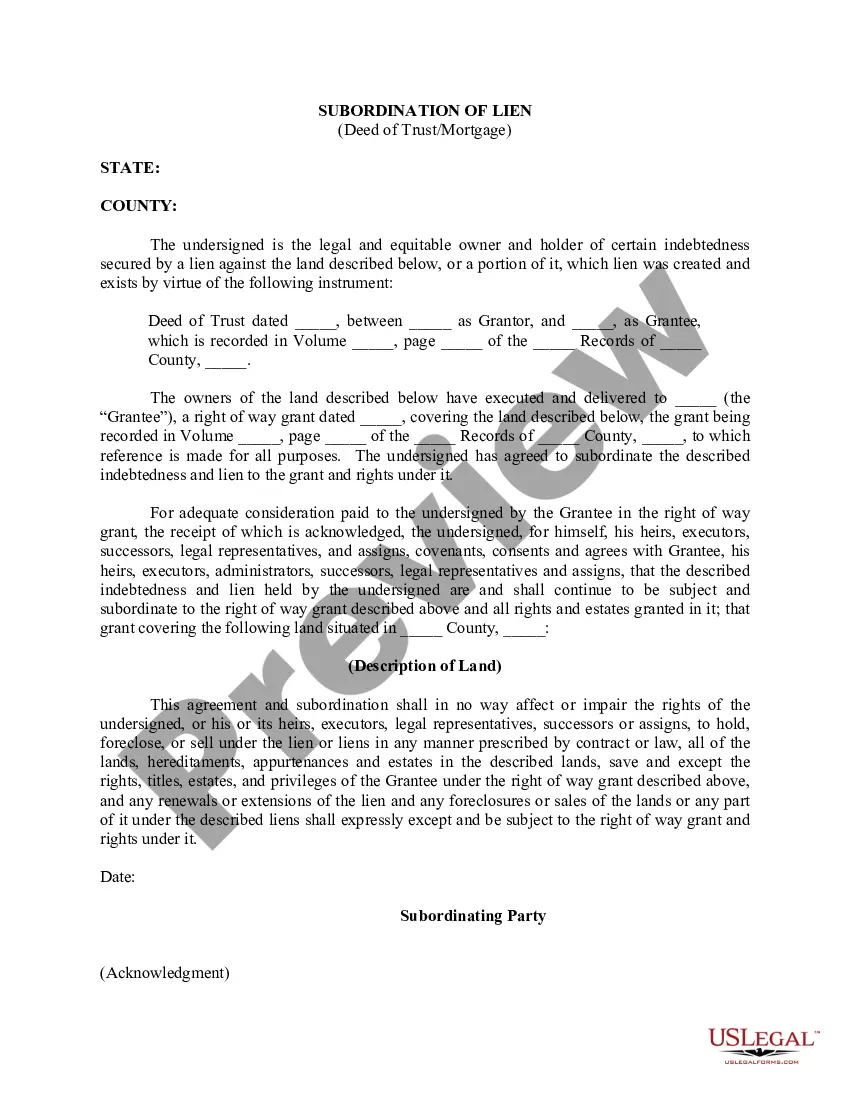
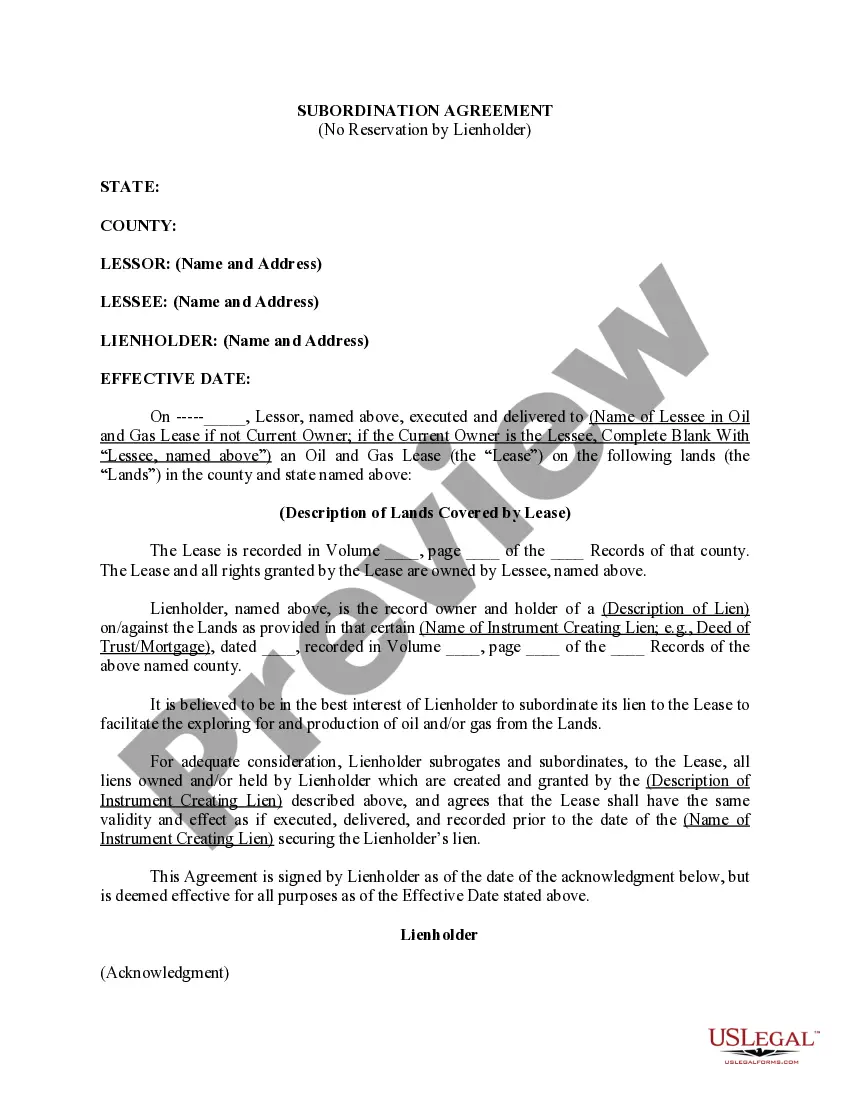
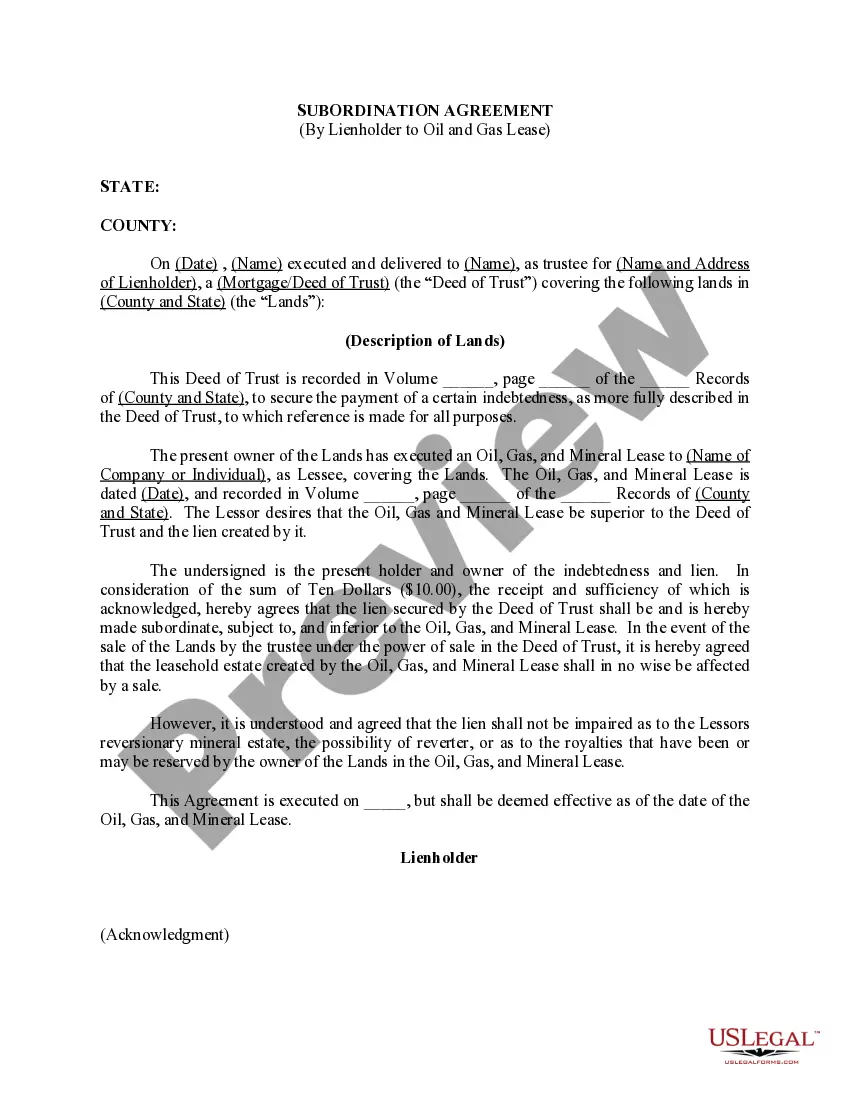
Maryland Subordination of Lien
Description
Get your form ready online
Our built-in tools help you complete, sign, share, and store your documents in one place.
Make edits, fill in missing information, and update formatting in US Legal Forms—just like you would in MS Word.
Download a copy, print it, send it by email, or mail it via USPS—whatever works best for your next step.
Sign and collect signatures with our SignNow integration. Send to multiple recipients, set reminders, and more. Go Premium to unlock E-Sign.
If this form requires notarization, complete it online through a secure video call—no need to meet a notary in person or wait for an appointment.
We protect your documents and personal data by following strict security and privacy standards.

Make edits, fill in missing information, and update formatting in US Legal Forms—just like you would in MS Word.

Download a copy, print it, send it by email, or mail it via USPS—whatever works best for your next step.

Sign and collect signatures with our SignNow integration. Send to multiple recipients, set reminders, and more. Go Premium to unlock E-Sign.

If this form requires notarization, complete it online through a secure video call—no need to meet a notary in person or wait for an appointment.

We protect your documents and personal data by following strict security and privacy standards.
Looking for another form?
How to fill out Subordination Of Lien?
It is possible to commit time on the web searching for the lawful file format which fits the state and federal demands you need. US Legal Forms provides a large number of lawful kinds which can be reviewed by professionals. You can easily download or print out the Maryland Subordination of Lien from the support.
If you already possess a US Legal Forms profile, you may log in and click on the Acquire option. Next, you may comprehensive, modify, print out, or sign the Maryland Subordination of Lien. Each and every lawful file format you get is yours permanently. To acquire another copy associated with a bought type, proceed to the My Forms tab and click on the corresponding option.
If you use the US Legal Forms web site initially, stick to the straightforward recommendations beneath:
- Initially, ensure that you have chosen the best file format for your region/city of your choice. See the type outline to make sure you have picked the right type. If accessible, take advantage of the Review option to search through the file format also.
- If you would like find another variation in the type, take advantage of the Lookup discipline to get the format that suits you and demands.
- Once you have located the format you need, just click Acquire now to continue.
- Pick the rates program you need, key in your accreditations, and sign up for an account on US Legal Forms.
- Total the purchase. You can utilize your bank card or PayPal profile to purchase the lawful type.
- Pick the format in the file and download it in your system.
- Make adjustments in your file if required. It is possible to comprehensive, modify and sign and print out Maryland Subordination of Lien.
Acquire and print out a large number of file layouts using the US Legal Forms Internet site, which provides the biggest assortment of lawful kinds. Use skilled and status-certain layouts to handle your small business or personal requirements.
Form popularity
FAQ
A Subordination Agreement is a legal document that establishes the priority of liens or claims against a specific asset.
The new lender prepares the subordination agreement in conjunction with the subordinating lienholder. Then, the parties typically sign the agreement. But in some cases, just the subordinating lender will need to sign the paperwork.
Subordination is a way of changing the priority of claims against a debtor so that one creditor or group of creditors (the junior creditor(s)) agree that their debt will not be paid until debts owed to another creditor or group of creditors (the senior creditor(s)) have been paid.
To adjust their priority, subordinate lienholders must sign subordination agreements, making their loans lower in priority than the new lender. A subordination agreement puts the new lender into first position and reassigns an existing mortgage to second position or third position, and so on.
Contractual subordination is an arrangement where senior and junior loans are made to the same borrower (common debtor) but the senior creditor and junior creditor agree by contract priority of payment.
The creditor usually will require the debtor to sign a subordination agreement which ensures they get paid before other creditors, ensuring they are not taking on high risks.
Subordination agreements are prepared by your lender. The process occurs internally if you only have one lender. When your mortgage and home equity line or loan have different lenders, both financial institutions work together to draft the necessary paperwork.