Maryland Subordination Agreement - Lien
Description
Get your form ready online
Our built-in tools help you complete, sign, share, and store your documents in one place.
Make edits, fill in missing information, and update formatting in US Legal Forms—just like you would in MS Word.
Download a copy, print it, send it by email, or mail it via USPS—whatever works best for your next step.
Sign and collect signatures with our SignNow integration. Send to multiple recipients, set reminders, and more. Go Premium to unlock E-Sign.
If this form requires notarization, complete it online through a secure video call—no need to meet a notary in person or wait for an appointment.
We protect your documents and personal data by following strict security and privacy standards.

Make edits, fill in missing information, and update formatting in US Legal Forms—just like you would in MS Word.

Download a copy, print it, send it by email, or mail it via USPS—whatever works best for your next step.

Sign and collect signatures with our SignNow integration. Send to multiple recipients, set reminders, and more. Go Premium to unlock E-Sign.

If this form requires notarization, complete it online through a secure video call—no need to meet a notary in person or wait for an appointment.

We protect your documents and personal data by following strict security and privacy standards.
Looking for another form?
How to fill out Subordination Agreement - Lien?
Selecting the ideal legal document format can be quite a challenge. Of course, there are numerous templates accessible online, but how do you locate the legal document you require? Utilize the US Legal Forms website. The service offers thousands of templates, including the Maryland Subordination Agreement - Lien, which can be utilized for business and personal purposes. All the forms are verified by experts and comply with state and federal regulations.
If you are already registered, Log In to your account and click on the Download button to obtain the Maryland Subordination Agreement - Lien. Use your account to review the legal documents you have purchased previously. Visit the My documents section of your account and retrieve another copy of the document you desire.
If you are a new user of US Legal Forms, here are some simple steps for you to follow: First, ensure that you have selected the correct document for your jurisdiction/region. You can examine the form using the Preview feature and read the form description to confirm it is suitable for your needs. If the document does not fulfill your requirements, use the Search field to find the appropriate form. Once you are confident the document is suitable, click on the Buy now button to purchase the form. Choose the pricing plan you prefer and enter the necessary information. Create your account and complete the purchase using your PayPal account or credit card. Select the file format and download the legal document to your device. Complete, modify, print, and sign the obtained Maryland Subordination Agreement - Lien.
Make the most of the service to acquire legal documents that are compliant with legal standards.
- US Legal Forms is the largest repository of legal documents where you can find various file templates.
- Utilize the service to obtain professionally crafted documents that adhere to state requirements.
- Ensure the document format you select aligns with your specific needs.
- The forms are checked for accuracy by professionals.
- You can retrieve past purchases easily through your account.
- Explore the extensive library of legal templates available online.
Form popularity
FAQ
Asset-backed securities are another type of subordinated debt. These collateralized types of securities are usually issued in different types of classes, also known as tranches ? each with different levels of risk, interest rates, and maturities. Another type of subordinated financing is a mezzanine debt.
There are two ways to subordinate tranches of debt so that one tranche takes priority over the other. The first is called lien subordination, in which two forms of senior, equally ranked debt share the same collateral, but one is given priority over that collateral in case of liquidation.
When you get a mortgage loan, the lender will likely include a subordination clause essentially stating that their lien will take precedence over any other liens placed on the house. A subordination clause serves to protect the lender if a homeowner defaults.
A subordinated loan is also known as subordinated debt, subordinated debenture, and junior debt. Subordinated debt holders receive payment after the senior debt has been fully settled in the event of a liquidation. High yield bonds and mezzanine debt are two examples of subordinated loans.
Any subsequent loan that is taken out after your initial purchase loan is considered to be a junior-lien or subordinate mortgage. Therefore, subordinate financing is the use of two or more mortgages to finance the purchase of real estate or using your home's equity for liquid cash.
A mortgage subordination refers to the order the outstanding liens on your property get repaid if you stop making your mortgage payments. For example, your first home loan (primary mortgage) is repaid first, with any remaining funds paying off additional liens, including second mortgages, HELOCs and home equity loans.
A lien is a claim against your property. Generally, there are voluntary mortgage liens, such as mortgages you take out, and involuntary liens, like judgment, tax, HOA, and mechanic's liens. A subordinate lien is a claim against your property that usually can only be paid after the primary lien has been paid.
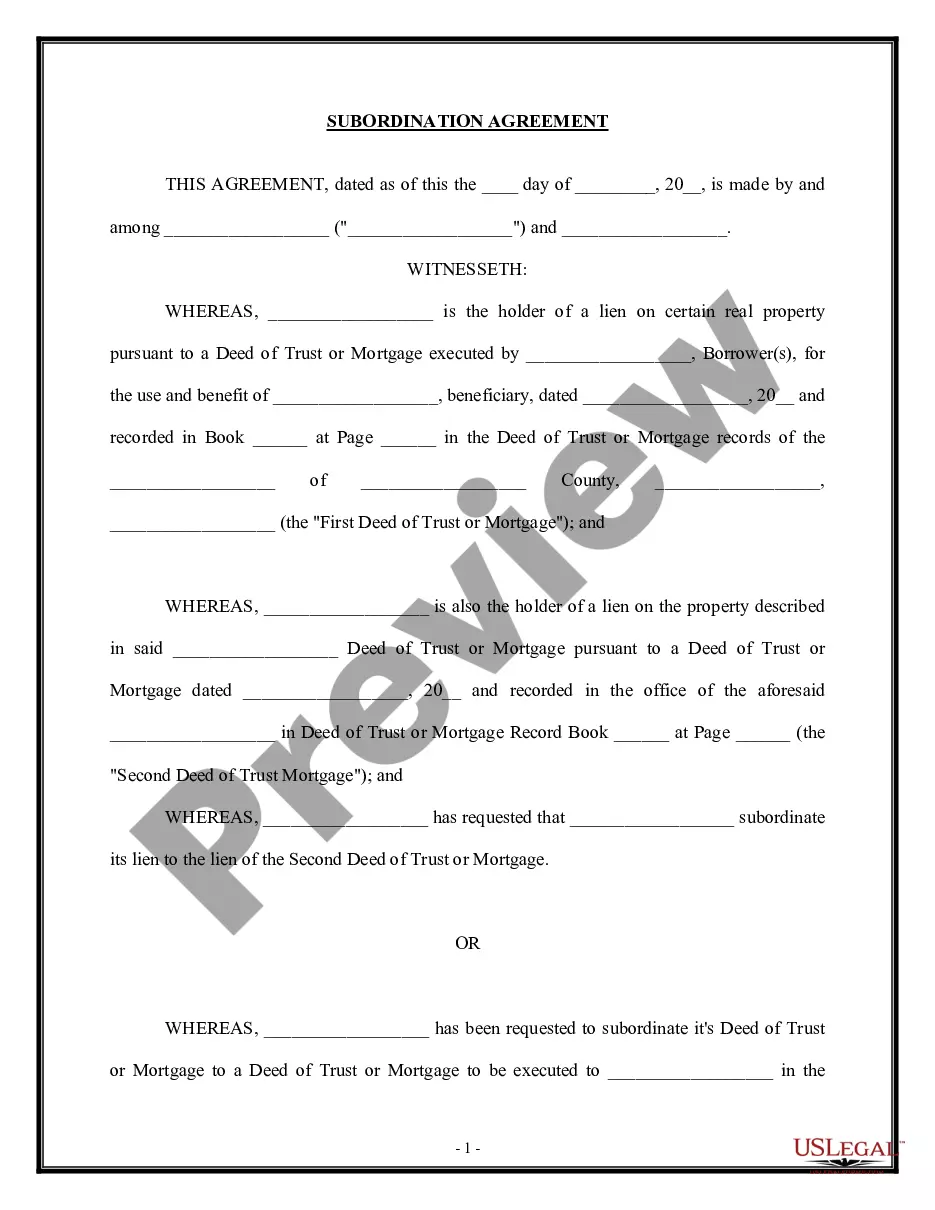
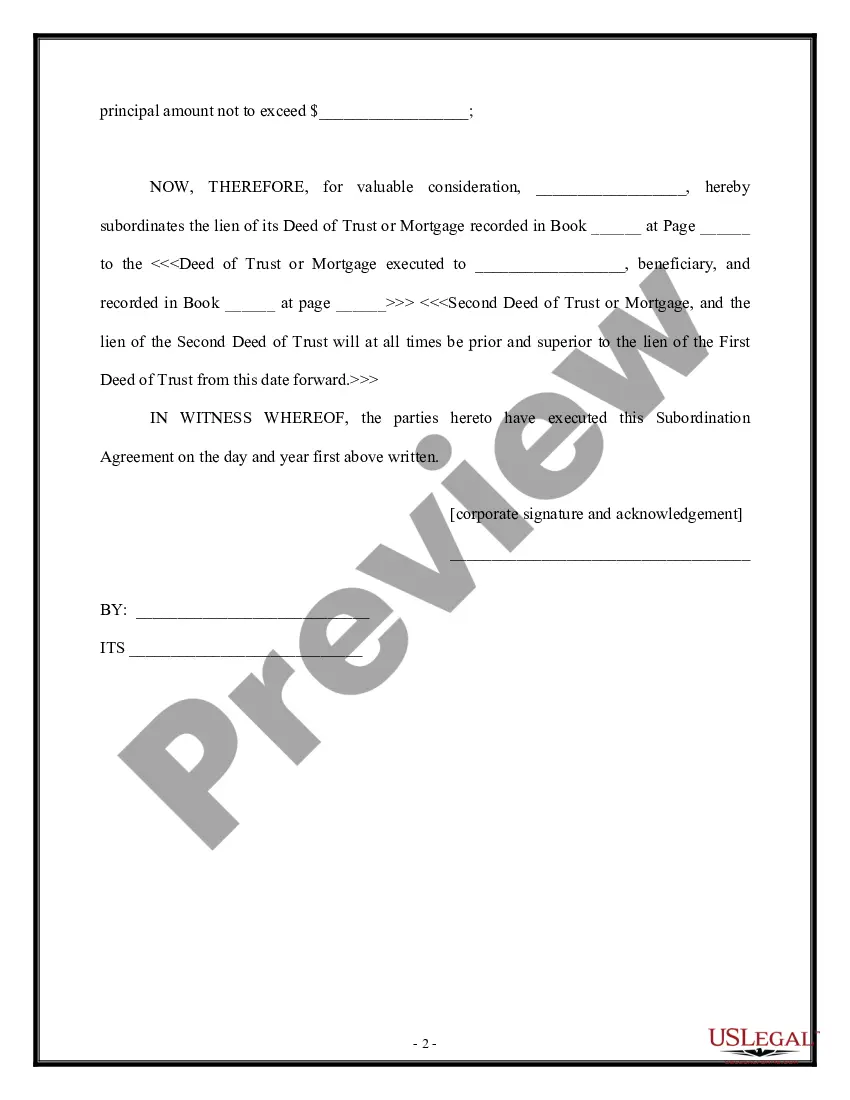
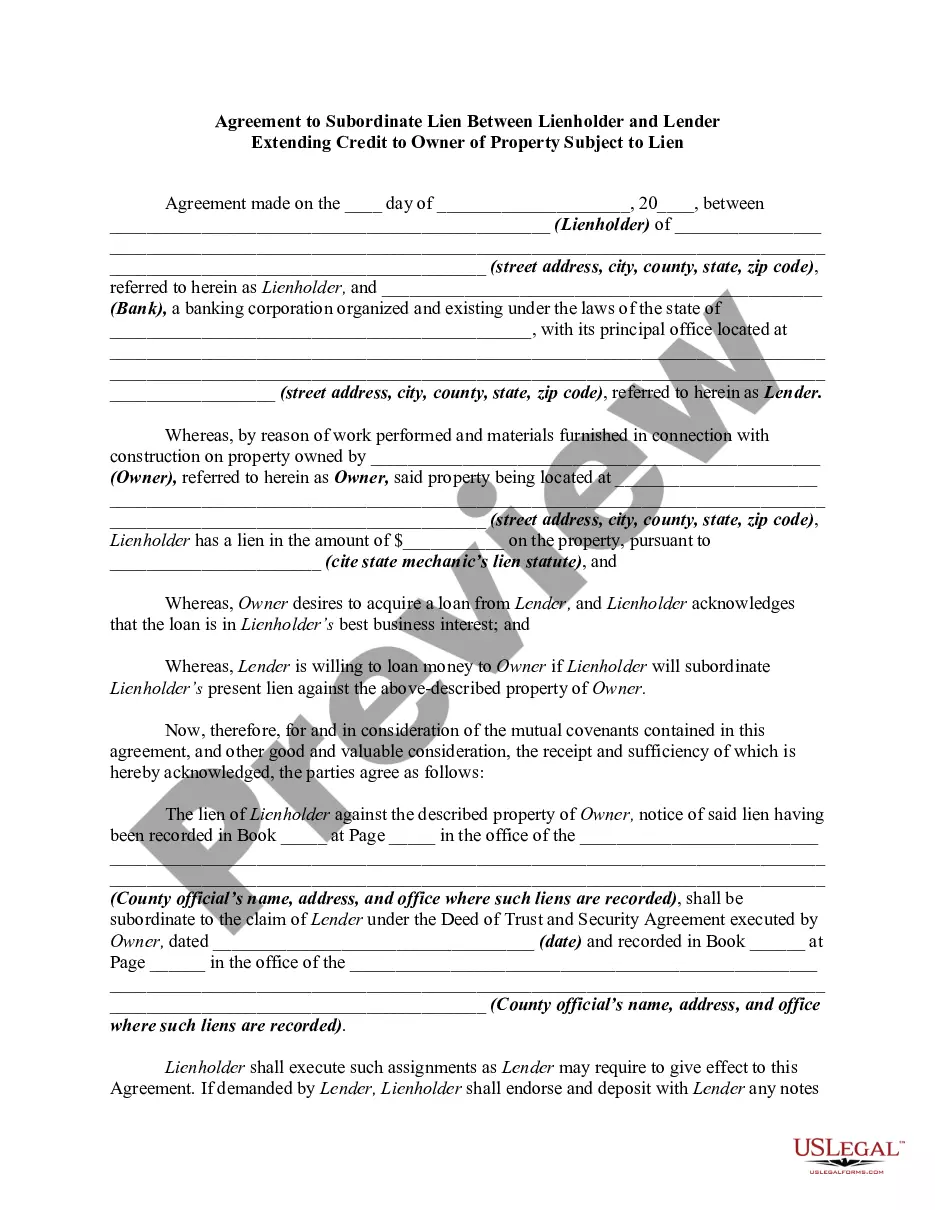
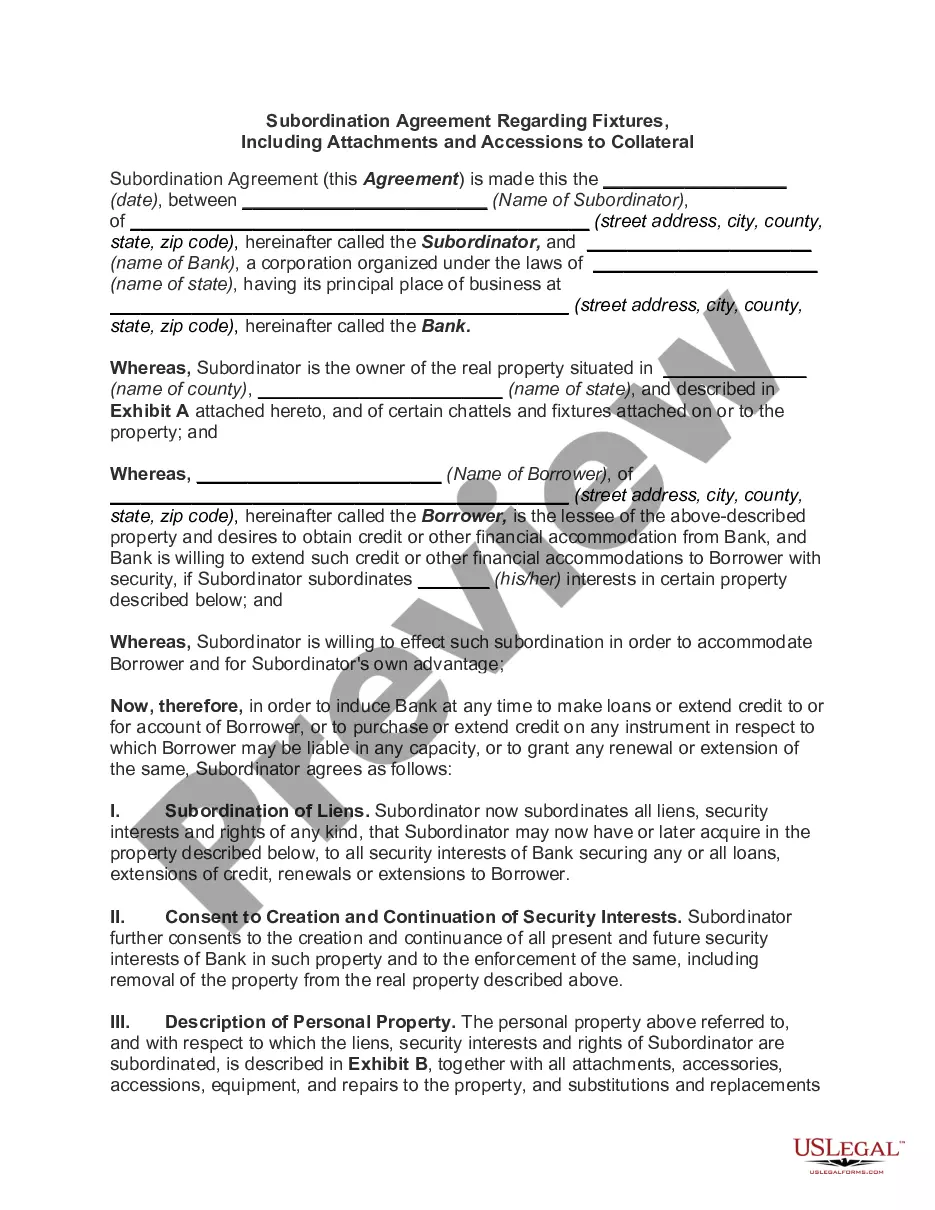
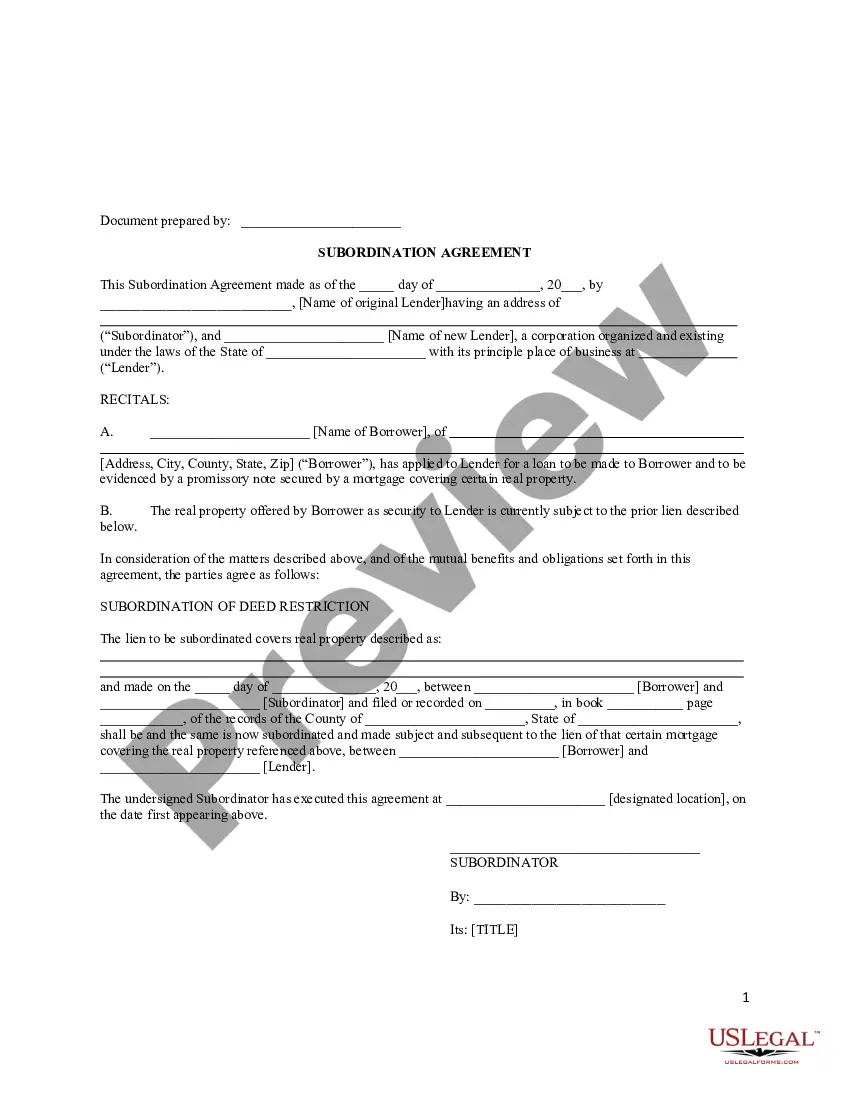
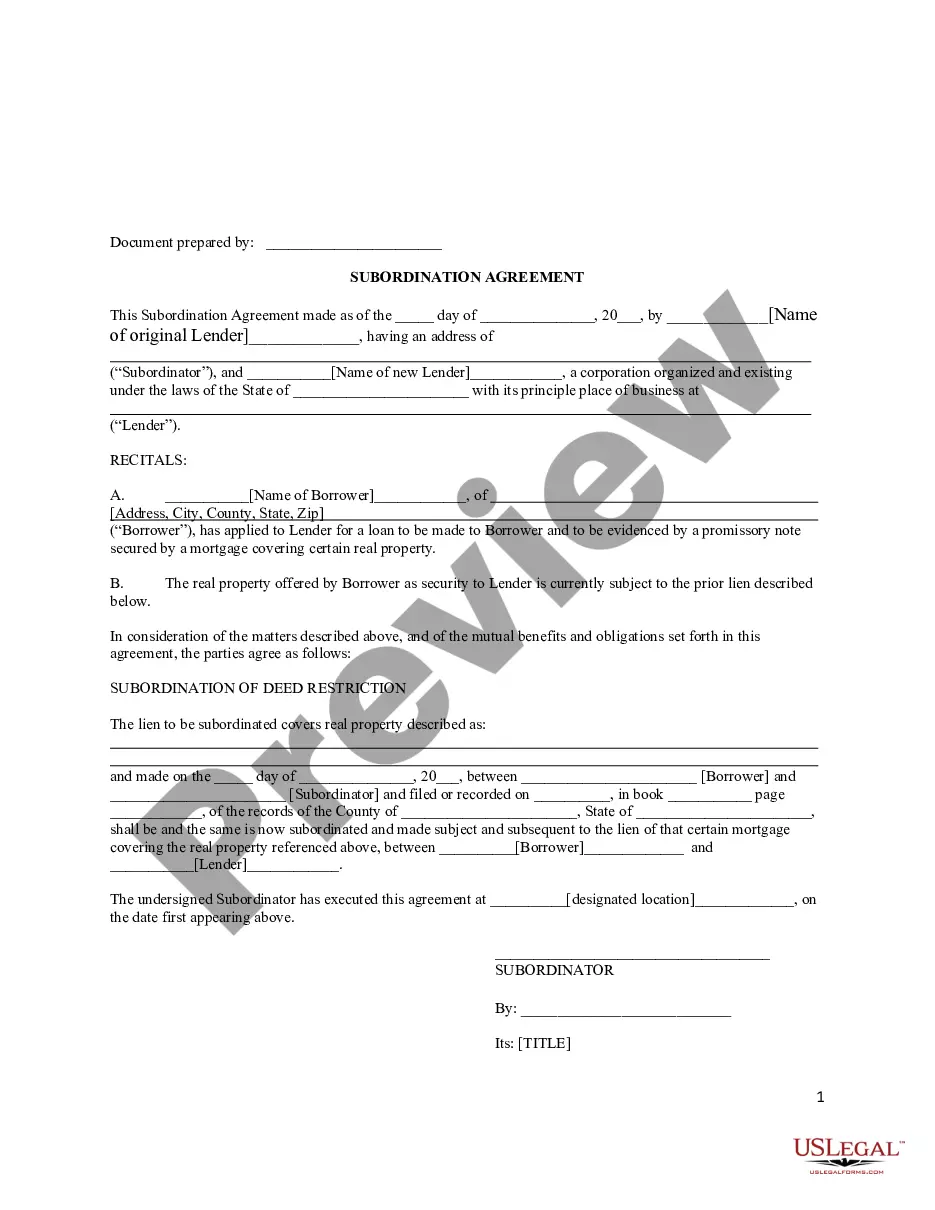
A Subordination Agreement is a legal document that establishes the priority of liens or claims against a specific asset.