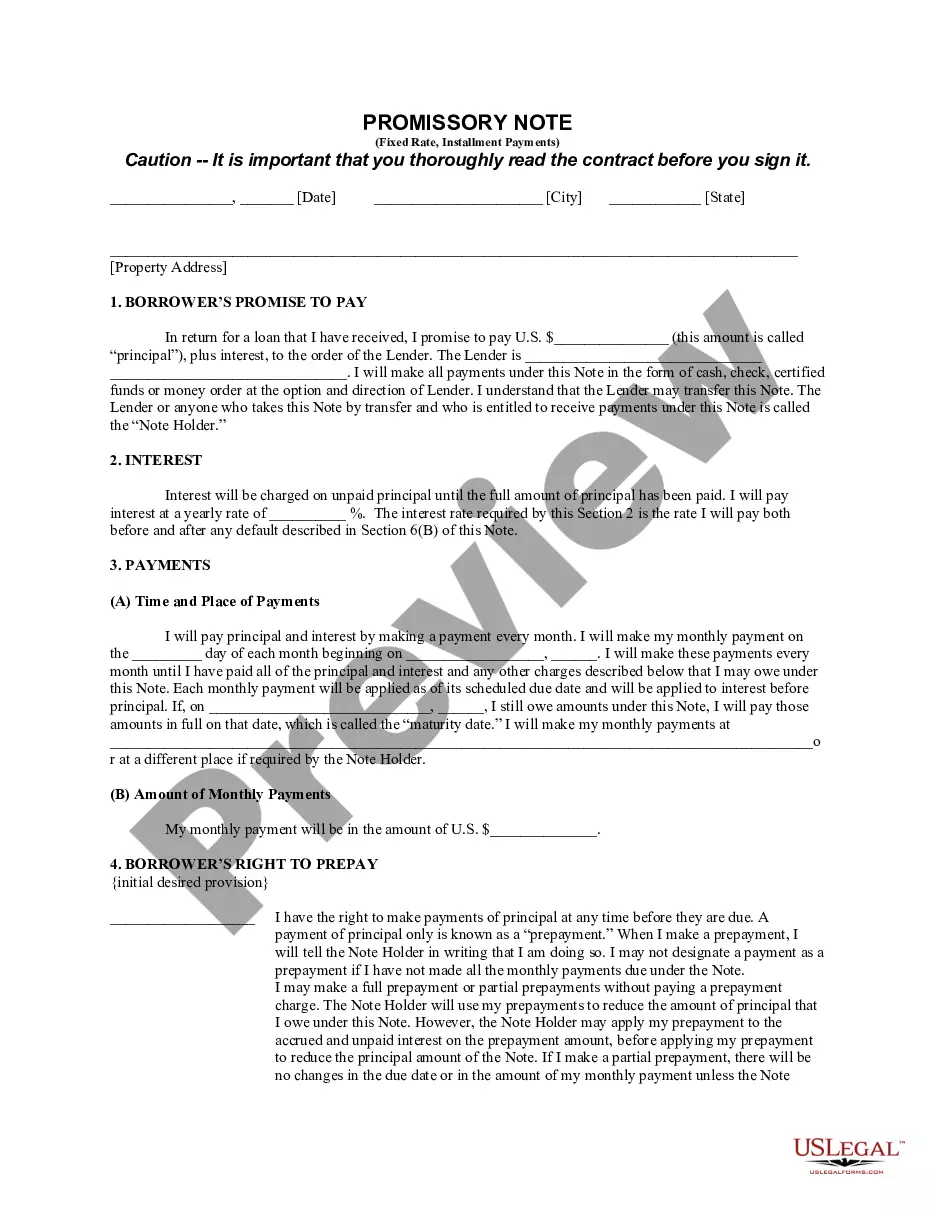
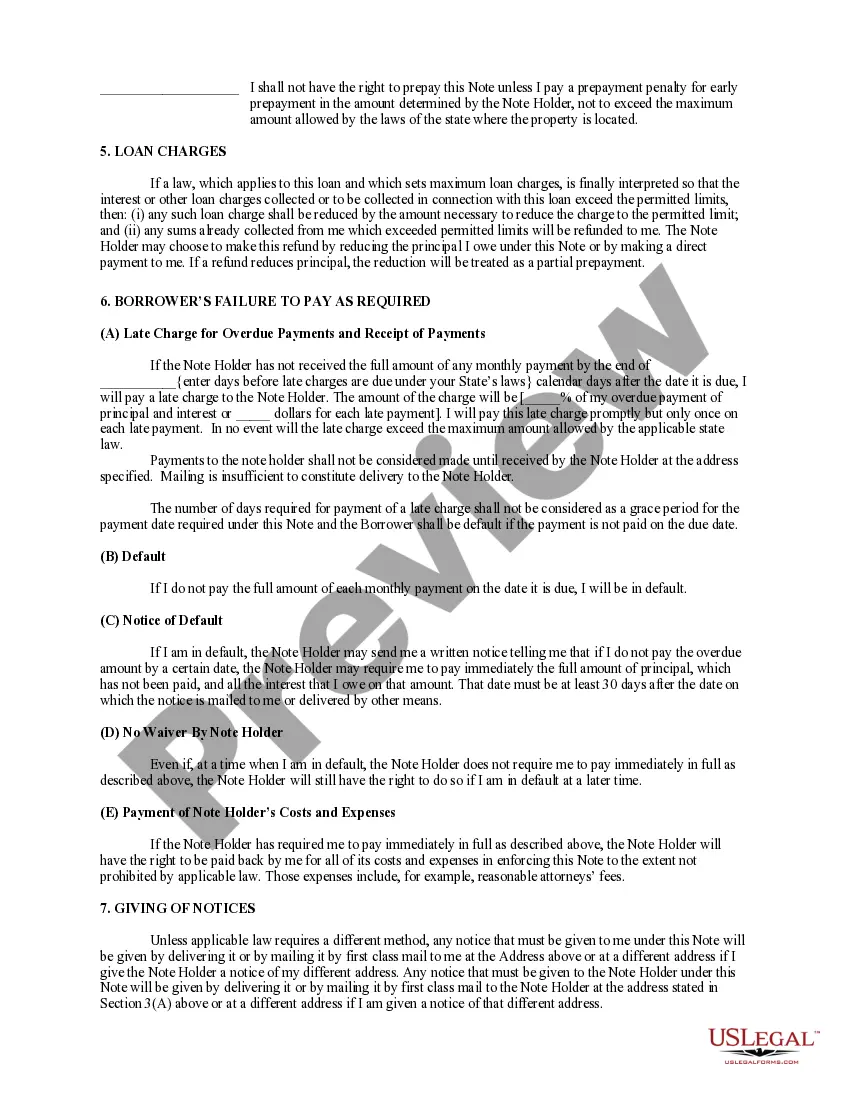
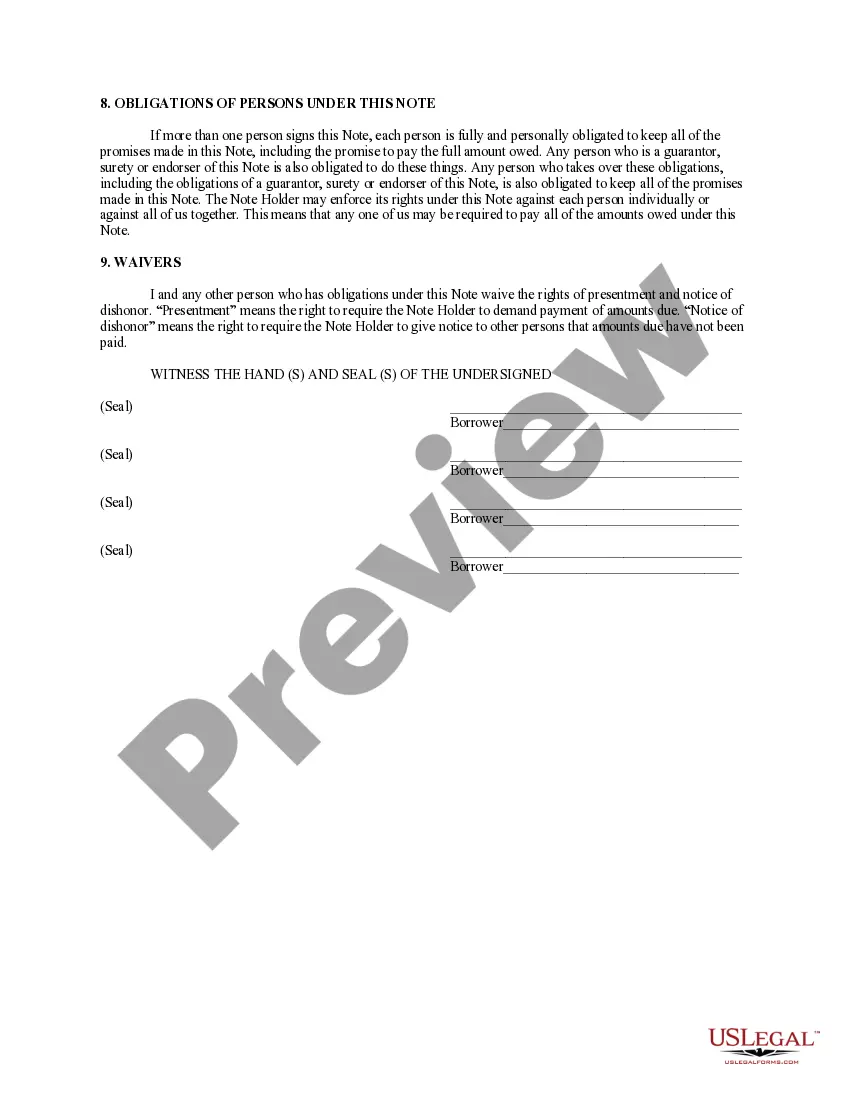
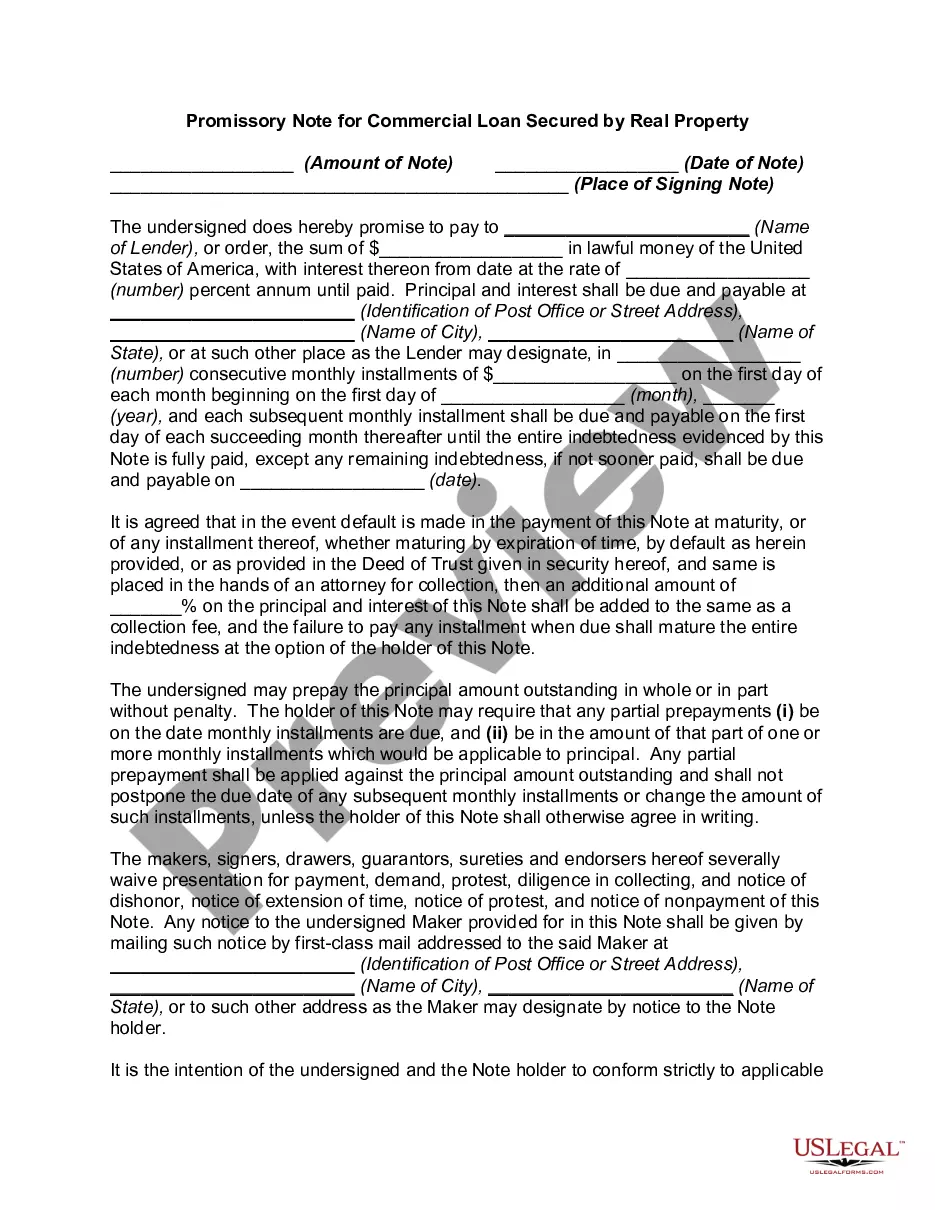
This is a Promissory Note for use in any state. The promissory note is unsecured, with a fixed interest rate, and contains a provision for installment payments.
Maryland Unsecured Installment Payment Promissory Note for Fixed Rate
Category:
State:
Multi-State
Control #:
US-NOTE-2
Format:
Word;
PDF;
Rich Text
Instant download
Description
Free preview
Get your form ready online
Our built-in tools help you complete, sign, share, and store your documents in one place.
Built-in online Word editor
Make edits, fill in missing information, and update formatting in US Legal Forms—just like you would in MS Word.
Export easily
Download a copy, print it, send it by email, or mail it via USPS—whatever works best for your next step.
E-sign your document
Sign and collect signatures with our SignNow integration. Send to multiple recipients, set reminders, and more. Go Premium to unlock E-Sign.
Notarize online 24/7
If this form requires notarization, complete it online through a secure video call—no need to meet a notary in person or wait for an appointment.
Store your document securely
We protect your documents and personal data by following strict security and privacy standards.

Make edits, fill in missing information, and update formatting in US Legal Forms—just like you would in MS Word.

Download a copy, print it, send it by email, or mail it via USPS—whatever works best for your next step.

Sign and collect signatures with our SignNow integration. Send to multiple recipients, set reminders, and more. Go Premium to unlock E-Sign.

If this form requires notarization, complete it online through a secure video call—no need to meet a notary in person or wait for an appointment.

We protect your documents and personal data by following strict security and privacy standards.
Looking for another form?



How to fill out Unsecured Installment Payment Promissory Note For Fixed Rate?
Have you found yourself in a scenario where you need documents for either business or personal reasons almost daily.
There are numerous legal document templates accessible online, but locating reliable ones isn't easy.
US Legal Forms offers a vast array of template documents, including the Maryland Unsecured Installment Payment Promissory Note for Fixed Rate, designed to comply with state and federal regulations.
Utilize US Legal Forms, the most comprehensive collection of legal documents, to save time and reduce mistakes.
The service provides professionally crafted legal document templates suitable for various purposes. Create an account on US Legal Forms and start making your life a bit easier.
- If you are already familiar with the US Legal Forms website and possess an account, simply Log In.
- Then, you can download the Maryland Unsecured Installment Payment Promissory Note for Fixed Rate template.
- If you do not have an account and wish to start using US Legal Forms, follow these steps.
- Find the document you need and ensure it is for the correct city/region.
- Use the Review button to examine the document.
- Check the details to confirm you have selected the right document.
- If the document isn’t what you’re looking for, utilize the Search field to find the document that meets your needs.
- Once you locate the appropriate document, click Get now.
- Select the pricing plan you prefer, fill in the required information to create your account, and complete the purchase using your PayPal or credit card.
- Choose a convenient file format and download your copy.
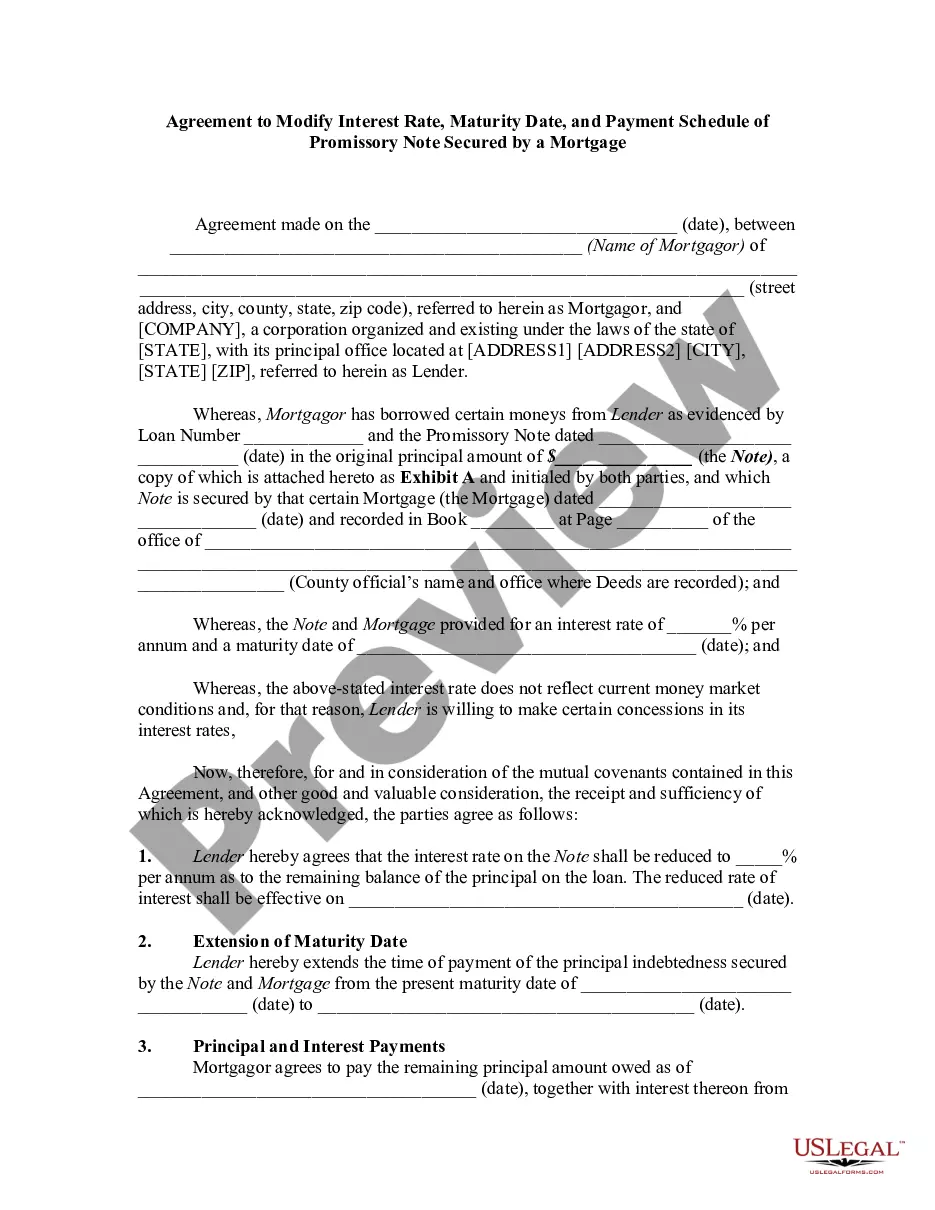
- Access all the document templates you have purchased under the My documents section. You can obtain another copy of the Maryland Unsecured Installment Payment Promissory Note for Fixed Rate anytime if needed. Just click the desired document to download or print the template.
Form popularity
FAQ
A promissory note typically includes a fixed time frame for repayment, which is essential for both parties. In a Maryland Unsecured Installment Payment Promissory Note for Fixed Rate, this fixed time helps establish a clear schedule for payments. It’s crucial to define this timeframe to ensure that expectations are aligned from the start.
Yes, a promissory note can be unsecured, which means it is not backed by collateral. A Maryland Unsecured Installment Payment Promissory Note for Fixed Rate allows borrowers to receive funds without putting up assets as security. This flexibility can be beneficial, but it also means lenders may take on more risk.
Yes, a promissory note should have a maturity date, which indicates when the final payment is due. This is particularly important in a Maryland Unsecured Installment Payment Promissory Note for Fixed Rate, as it helps both the lender and borrower keep track of the repayment schedule. Clearly stating the maturity date minimizes confusion and sets clear expectations.
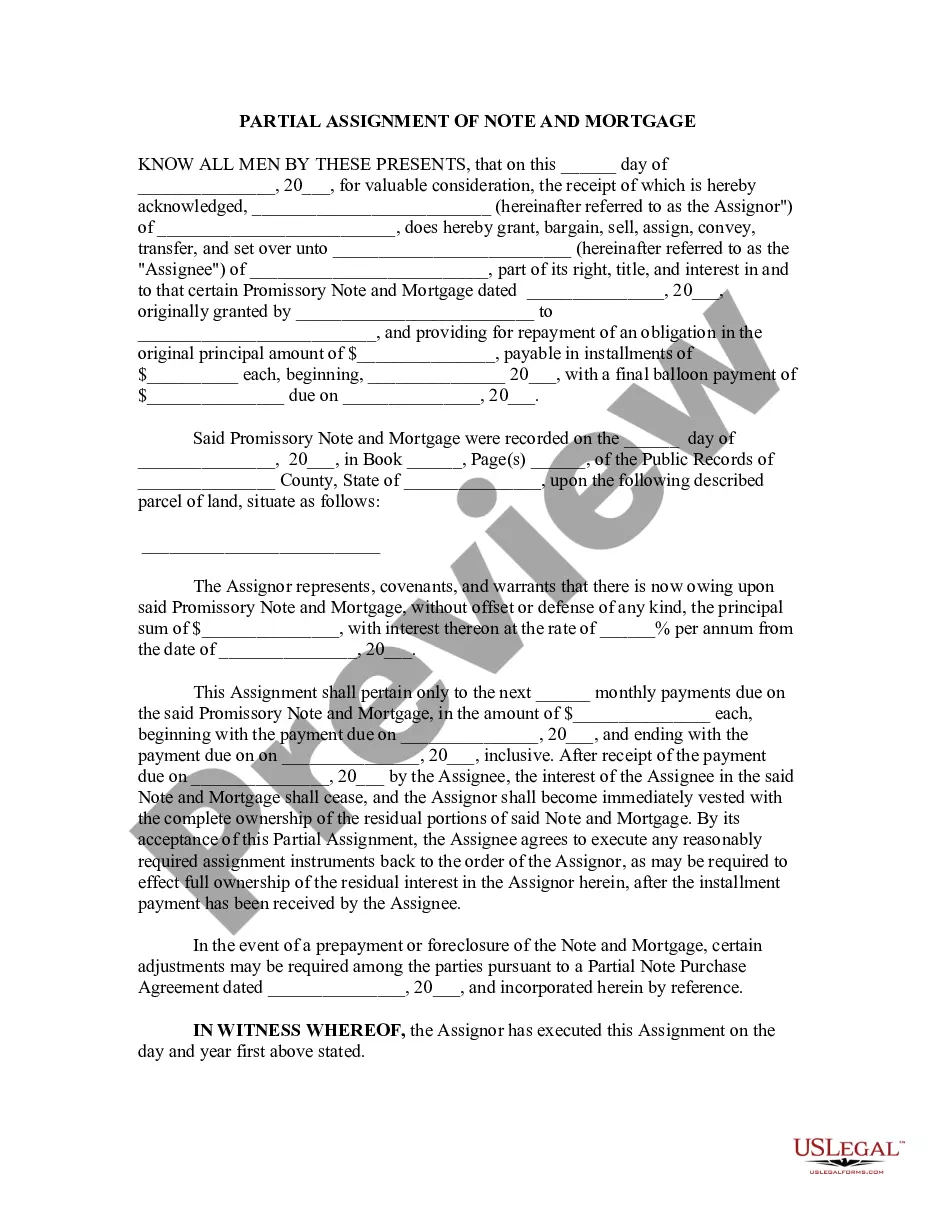
In Maryland, notarization is not required for a promissory note to be legally binding. However, having a Maryland Unsecured Installment Payment Promissory Note for Fixed Rate notarized can provide additional legal protection and help validate the document. It’s a good practice to consider notarization, especially for larger amounts.
While a promissory note can include an interest rate, it is not a strict requirement. A Maryland Unsecured Installment Payment Promissory Note for Fixed Rate can be issued either with or without interest, depending on what the parties agree upon. If you choose to include an interest rate, it should be clearly stated in the note to ensure transparency.
The time period for a promissory note can vary depending on the agreement between the parties involved. Generally, a Maryland Unsecured Installment Payment Promissory Note for Fixed Rate outlines the repayment schedule, which can range from a few months to several years. It’s important to clearly define this period within the document to avoid any misunderstandings.
In Maryland, a promissory note does not necessarily need to be notarized to be legally binding. However, having the document notarized can add an extra layer of verification and can be useful in case of disputes. It is always a good idea to consult with a platform like US Legal Forms to understand the specific requirements for a Maryland Unsecured Installment Payment Promissory Note for Fixed Rate.
To write a Maryland Unsecured Installment Payment Promissory Note for Fixed Rate, start by including the date, names of the borrower and lender, and the amount borrowed. Clearly outline the repayment terms, including the interest rate, payment schedule, and due dates. You can use an example from a trusted source, like US Legal Forms, to ensure you cover all necessary details.
An unsecured promissory note, like the Maryland Unsecured Installment Payment Promissory Note for Fixed Rate, is not backed by collateral. This means that if the borrower defaults, the lender cannot claim specific assets to recover the debt. Instead, the lender must seek repayment through legal action, which can complicate the collection process. Understanding this distinction is vital for both lenders and borrowers to manage their financial agreements effectively.