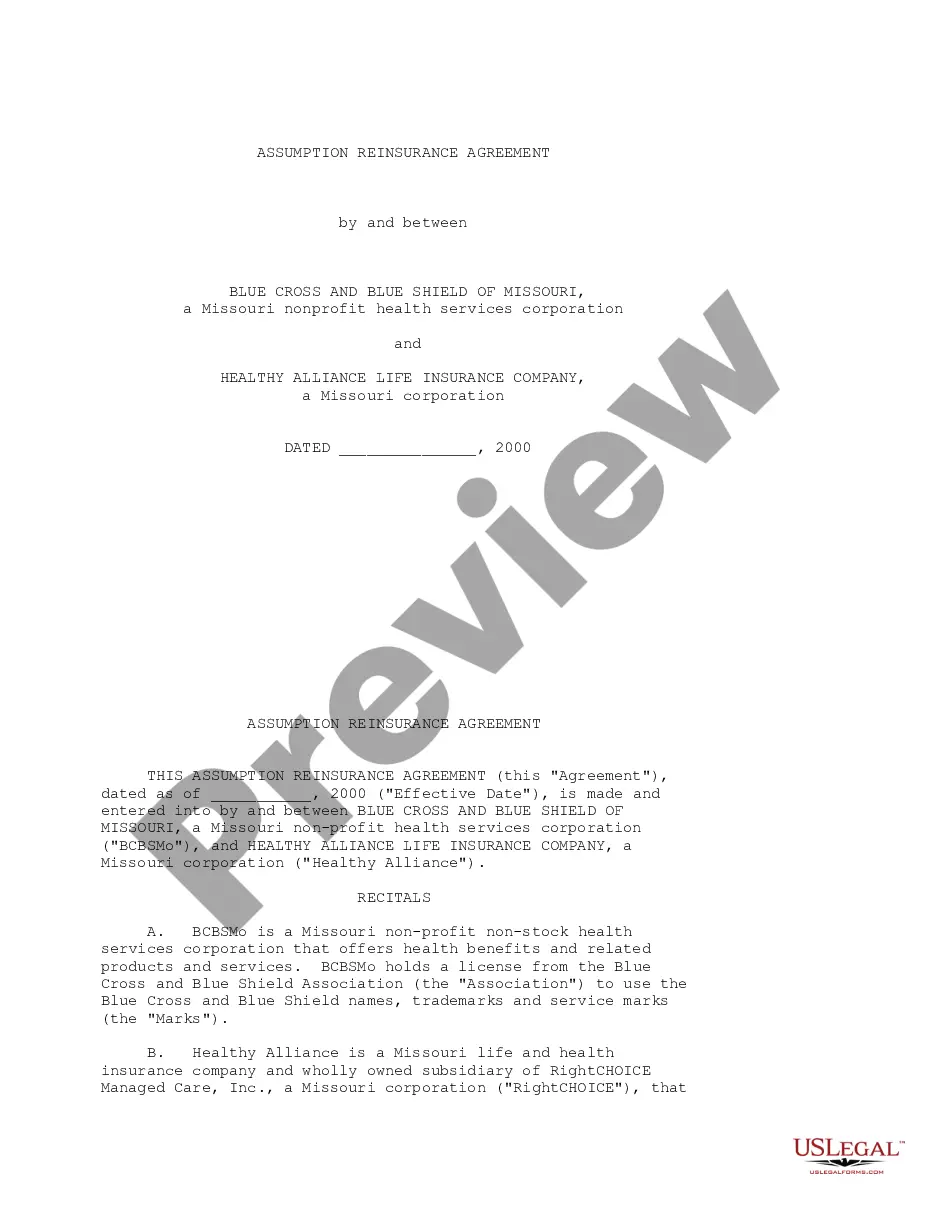
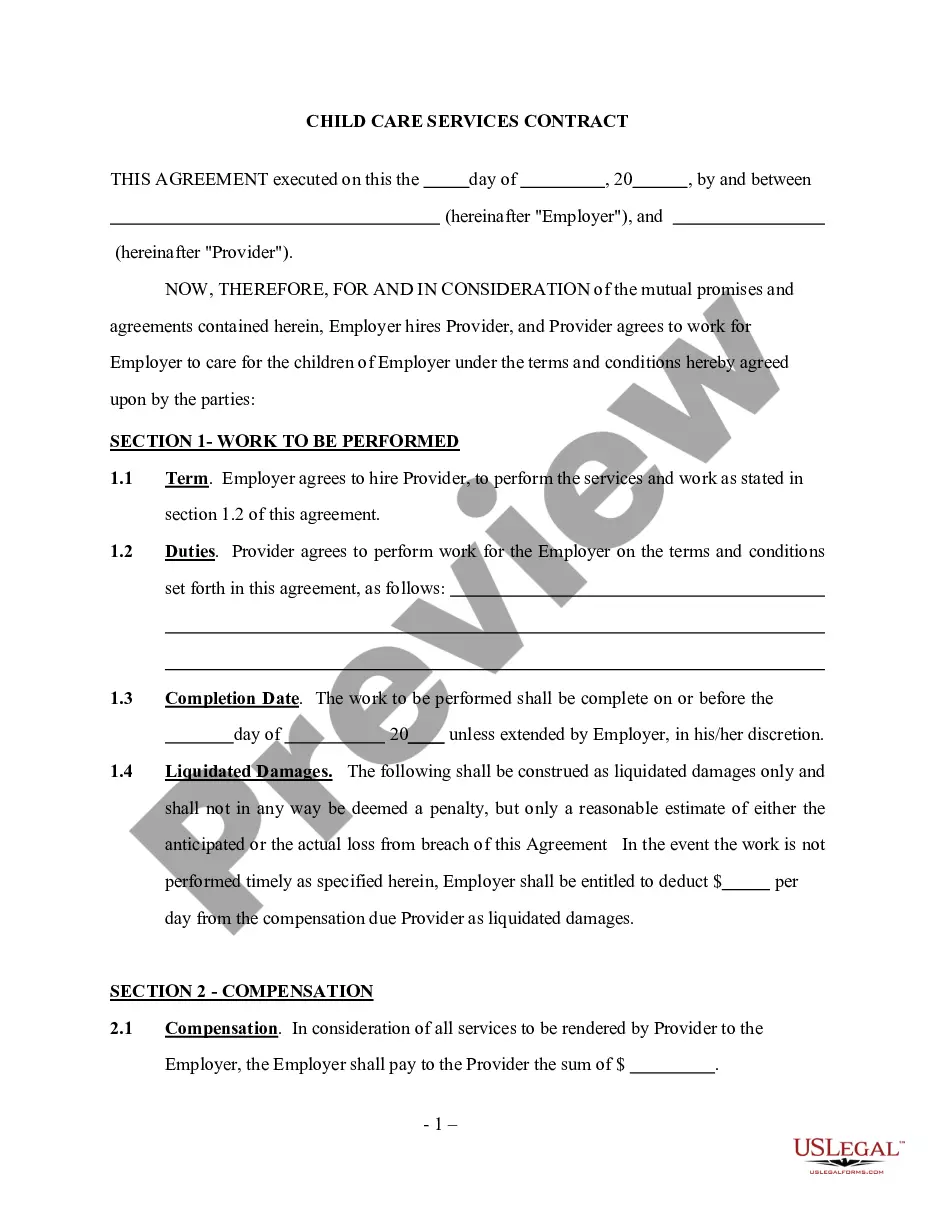
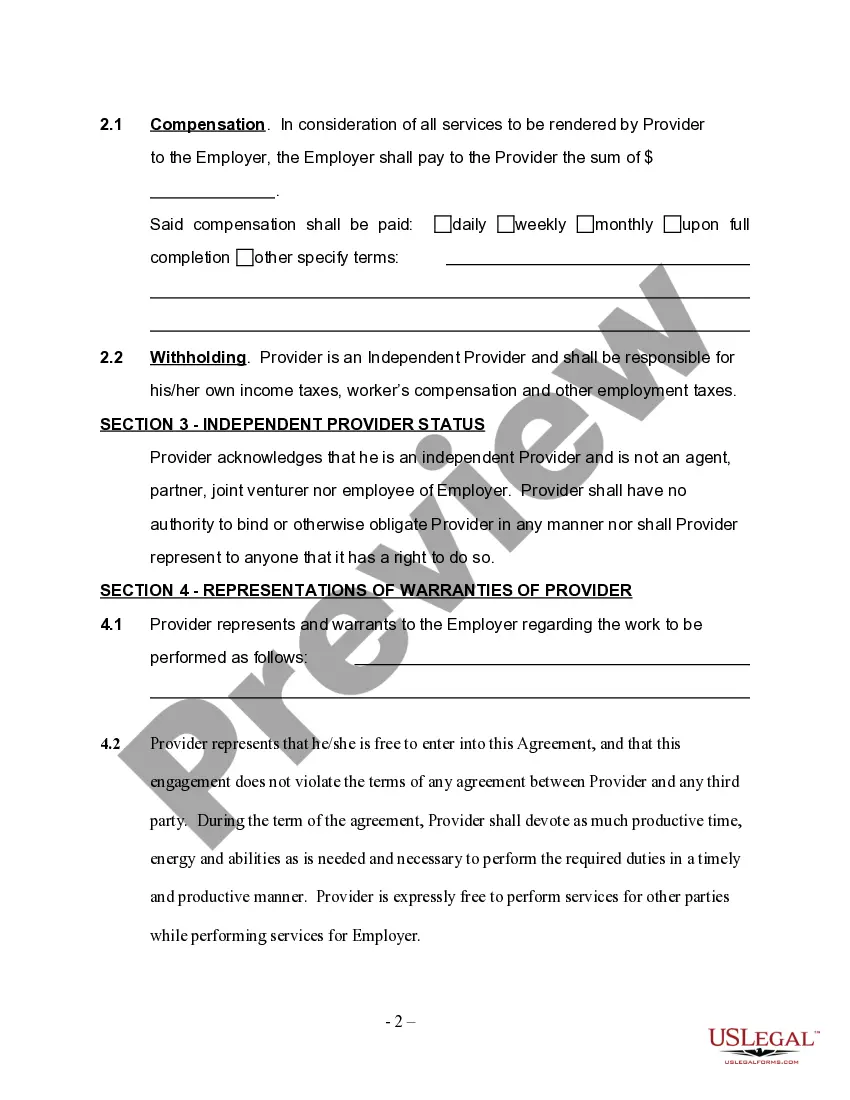
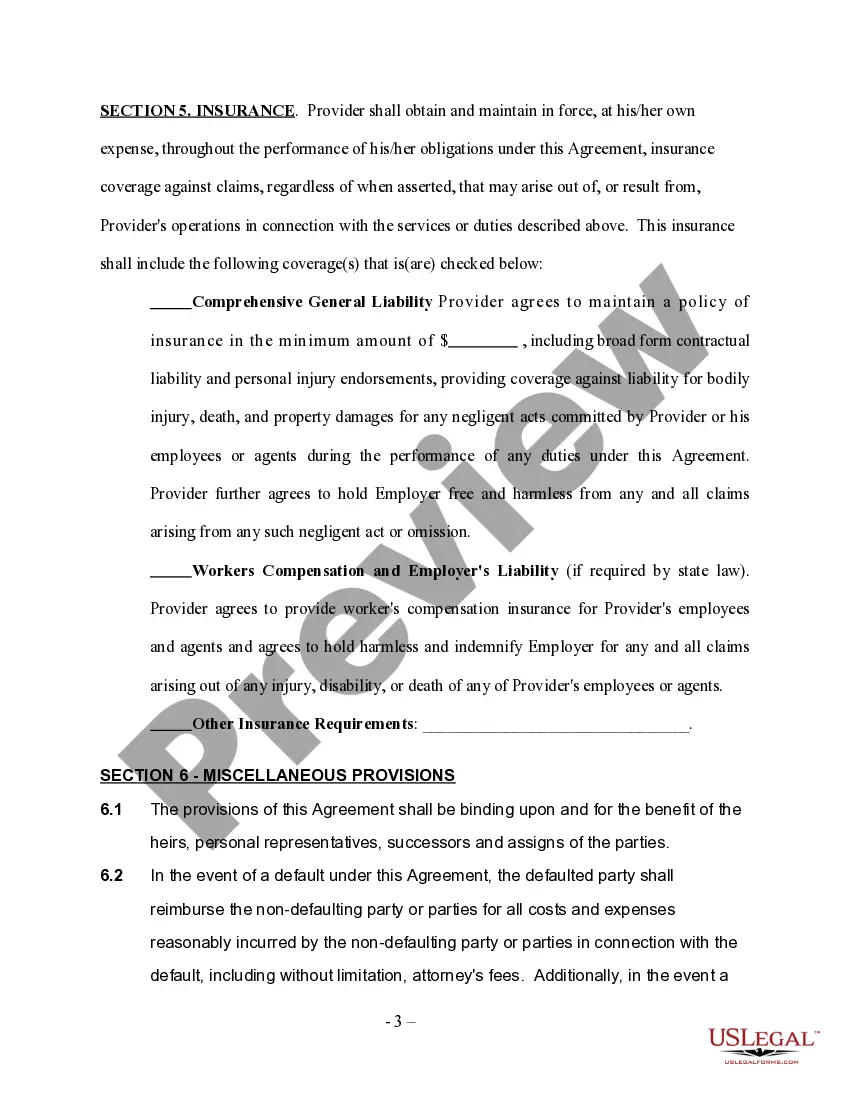
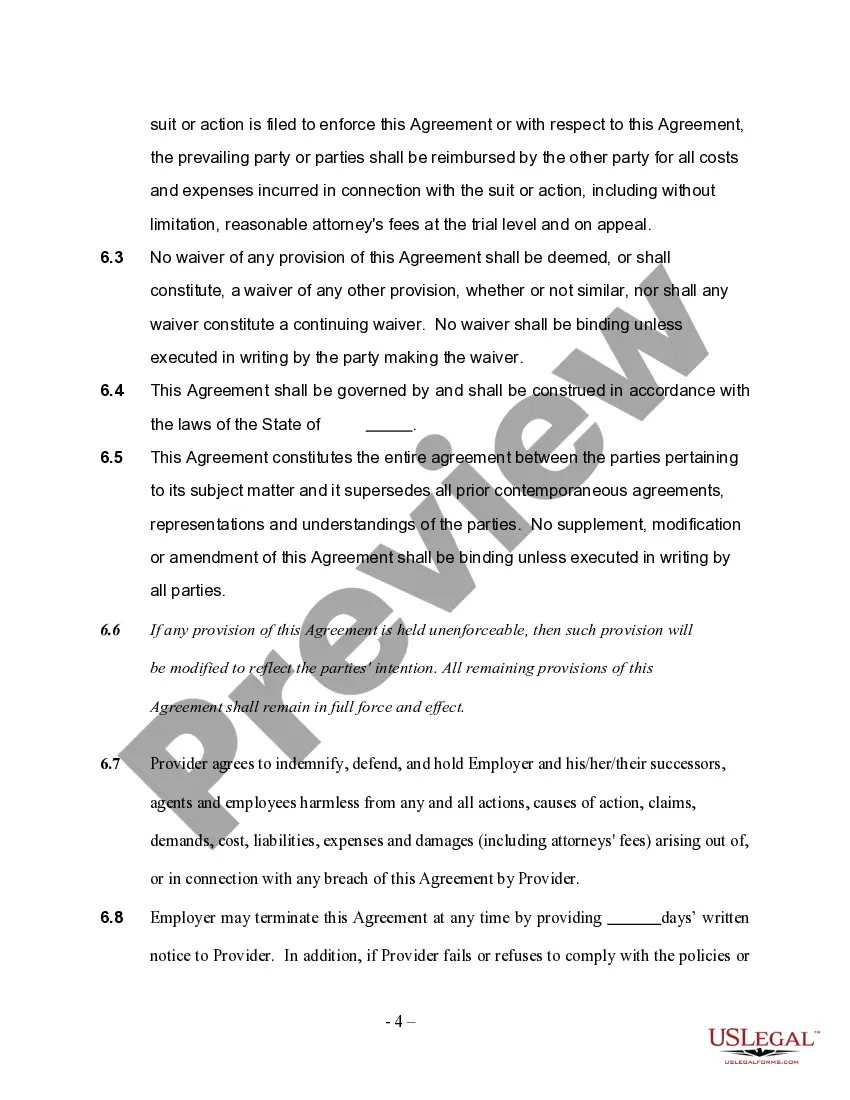
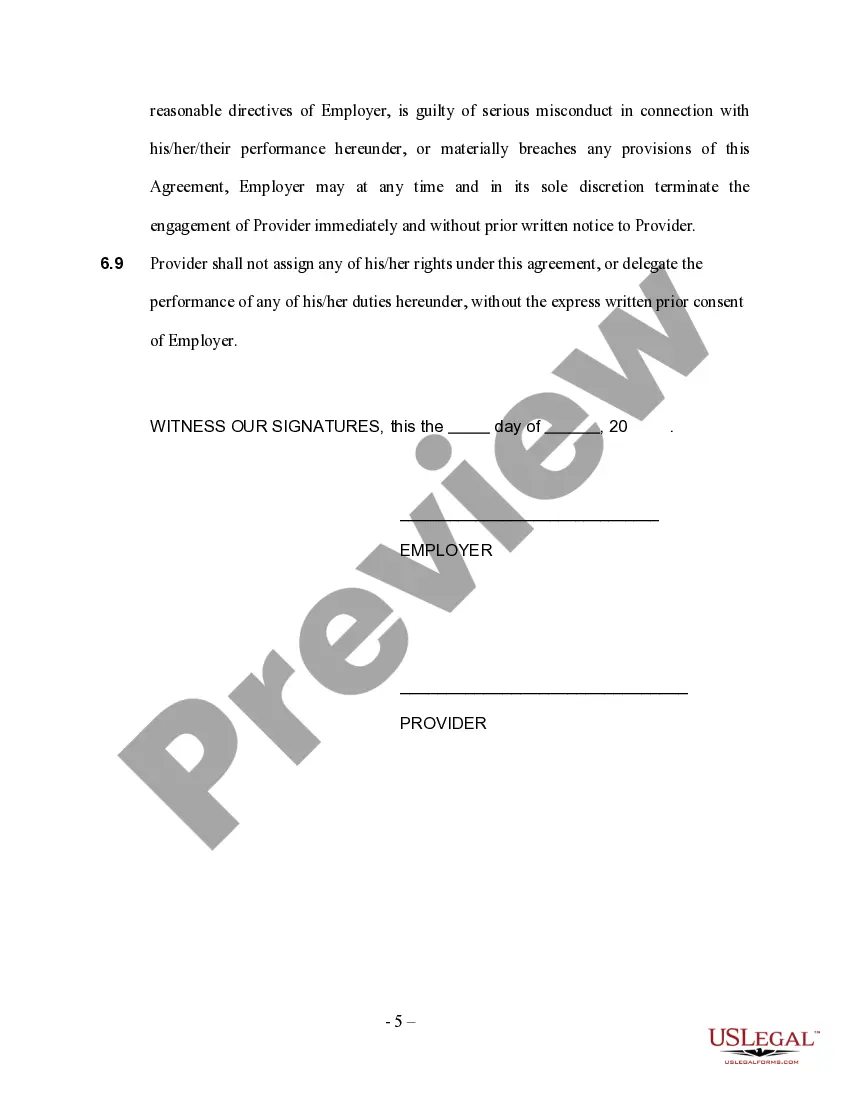
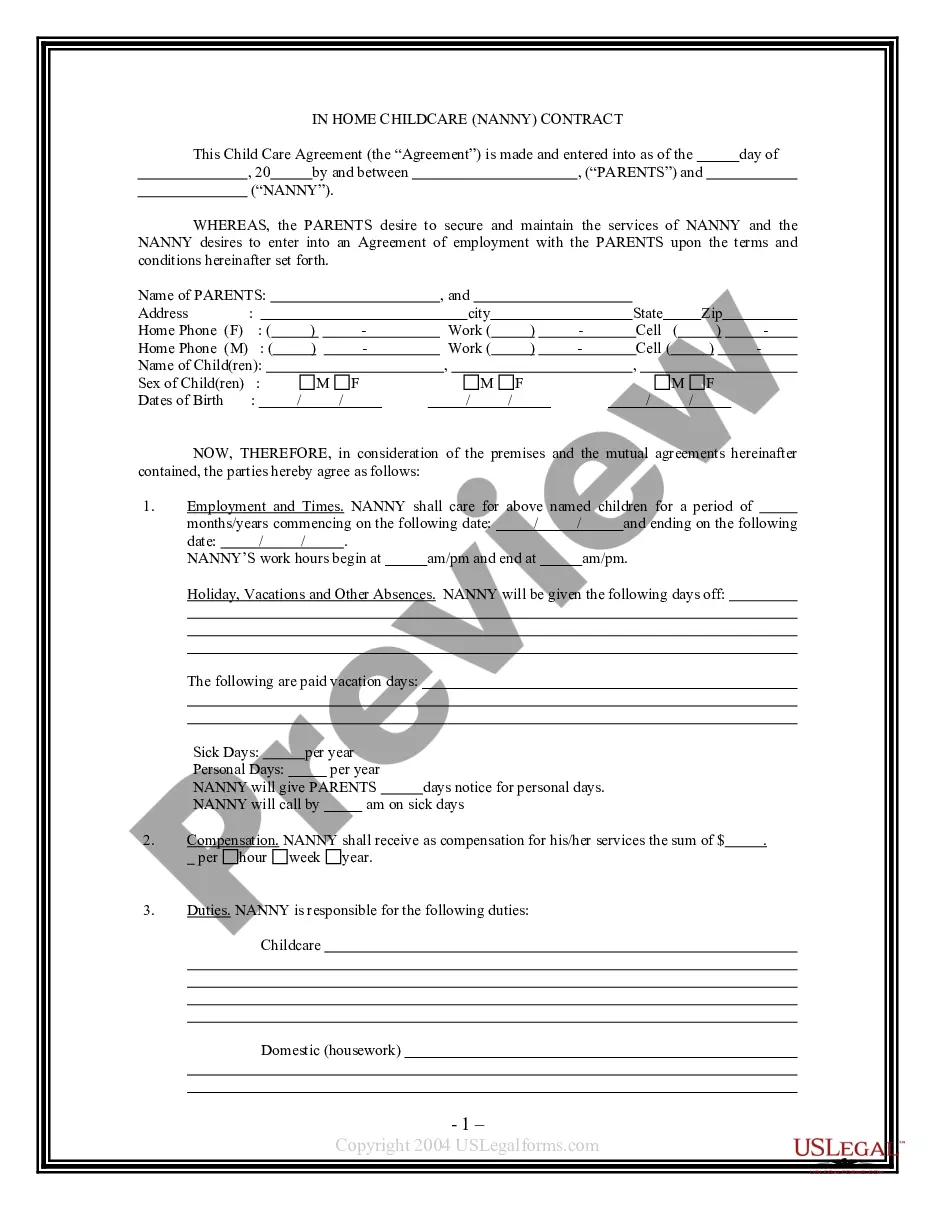
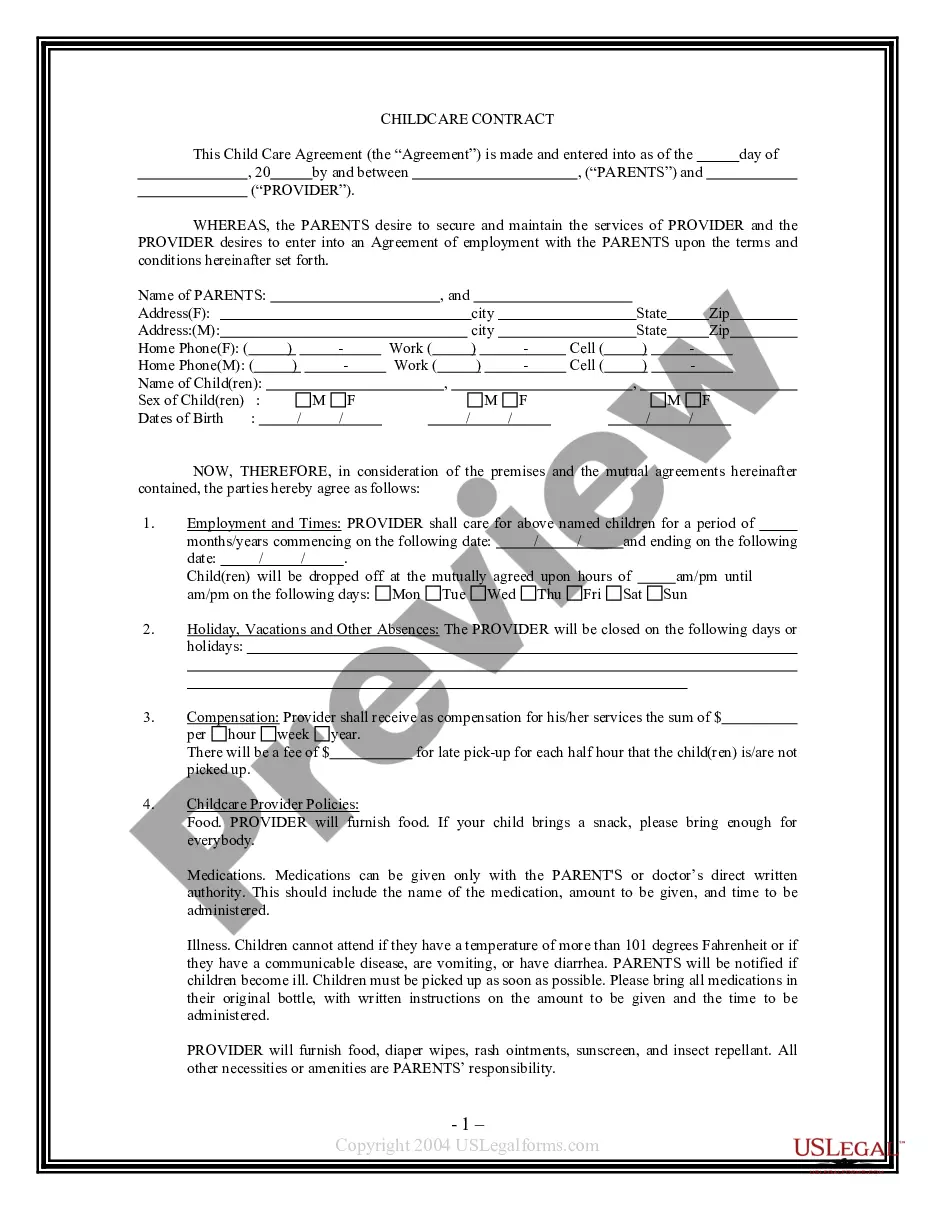
This is an agreement between an individual employer and a child care provider whereby the employer hires the provider to care for employer's children as an independent contractor.
Maryland Child Care or Day Care Services Contract - Self-Employed
State:
Multi-State
Control #:
US-INDC-06
Format:
Word;
Rich Text
Instant download
Description
Free preview
How to fill out Child Care Or Day Care Services Contract - Self-Employed?
You can spend hours online looking for the legal document template that meets the state and federal standards you require.
US Legal Forms provides an extensive collection of legal forms that are reviewed by professionals.
You can easily download or print the Maryland Child Care or Day Care Services Contract - Self-Employed from the platform.
If available, utilize the Preview button to review the document template as well.
- If you already have an account with US Legal Forms, you may Log In and click the Download button.
- Afterward, you can fill out, modify, print, or sign the Maryland Child Care or Day Care Services Contract - Self-Employed.
- Every legal document template you purchase is yours indefinitely.
- To obtain another copy of the purchased form, navigate to the My documents section and click the relevant button.
- If you are using the US Legal Forms site for the first time, follow the simple instructions below.
- First, ensure you have selected the appropriate document template for your desired area/town.
- Review the form description to confirm you have chosen the correct one.
Form popularity
FAQ
Yes, you can obtain a child care subsidy as a self-employed individual. Many states, including Maryland, offer programs designed to assist self-employed parents with day care expenses. To access these subsidies, you will typically need to demonstrate your income through documentation like tax returns or financial statements. Our Maryland Child Care or Day Care Services Contract - Self-Employed can help you navigate this process and ensure that you have the necessary records to qualify for assistance.
In Maryland, the distinction between an independent contractor and an employee revolves around control and responsibility. An independent contractor typically manages their own schedule and methods, earning income based on contractual agreements, such as the Maryland Child Care or Day Care Services Contract - Self-Employed. Conversely, employees work under their employer’s direction, receiving a regular paycheck, benefits, and tax withholdings. Understanding this difference is essential for compliance and can help ensure your business operates effectively.
Home daycare providers in Maryland can earn various incomes based on multiple factors, including location, number of children, and services offered. On average, providers may make between $25,000 to $50,000 annually. A solid understanding of the business side, including a Maryland Child Care or Day Care Services Contract - Self-Employed, can enhance your earning potential by providing clarity and professionalism.
Daycare contracts serve as formal agreements between providers and parents, outlining the terms of service, payment, and responsibilities. These contracts help protect both parties by defining expectations and handling issues such as vacation policies and emergency procedures. Utilizing a comprehensive Maryland Child Care or Day Care Services Contract - Self-Employed can simplify this process and provide peace of mind.
To open your own daycare business in Maryland, start by researching state regulations and licensing requirements. You will need a clear business plan, secure funding, and a suitable location. A Maryland Child Care or Day Care Services Contract - Self-Employed can help you outline your services, responsibilities, and policies, ensuring you meet all legal obligations.
In Maryland, you can care for up to two children who are not related to you without a childcare license. If you wish to care for more children, or for children under the age of two, you will need to obtain a Maryland Child Care or Day Care Services Contract - Self-Employed. Understanding these regulations is essential for legal compliance and ensuring the safety of the children in your care.
In Maryland, you can babysit up to two children under the age of 13 without needing a child care license. However, this rule applies only when the babysitting occurs in your home and is kept to a small number of children. If you exceed that number, you will need to consider obtaining a license to comply with state regulations. To explore more about these requirements and resources, visit US Legal Forms focused on Maryland Child Care or Day Care Services Contracts - Self-Employed.
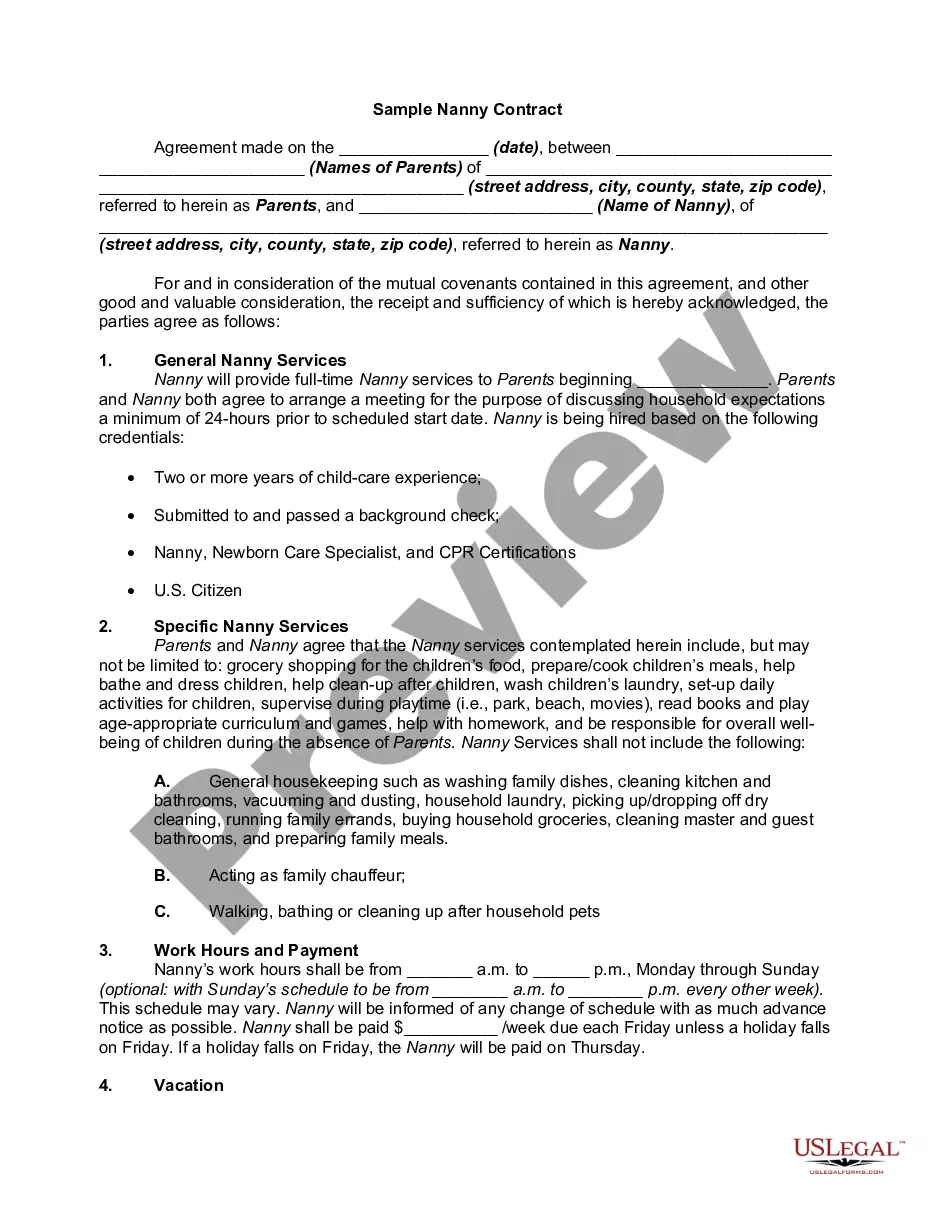
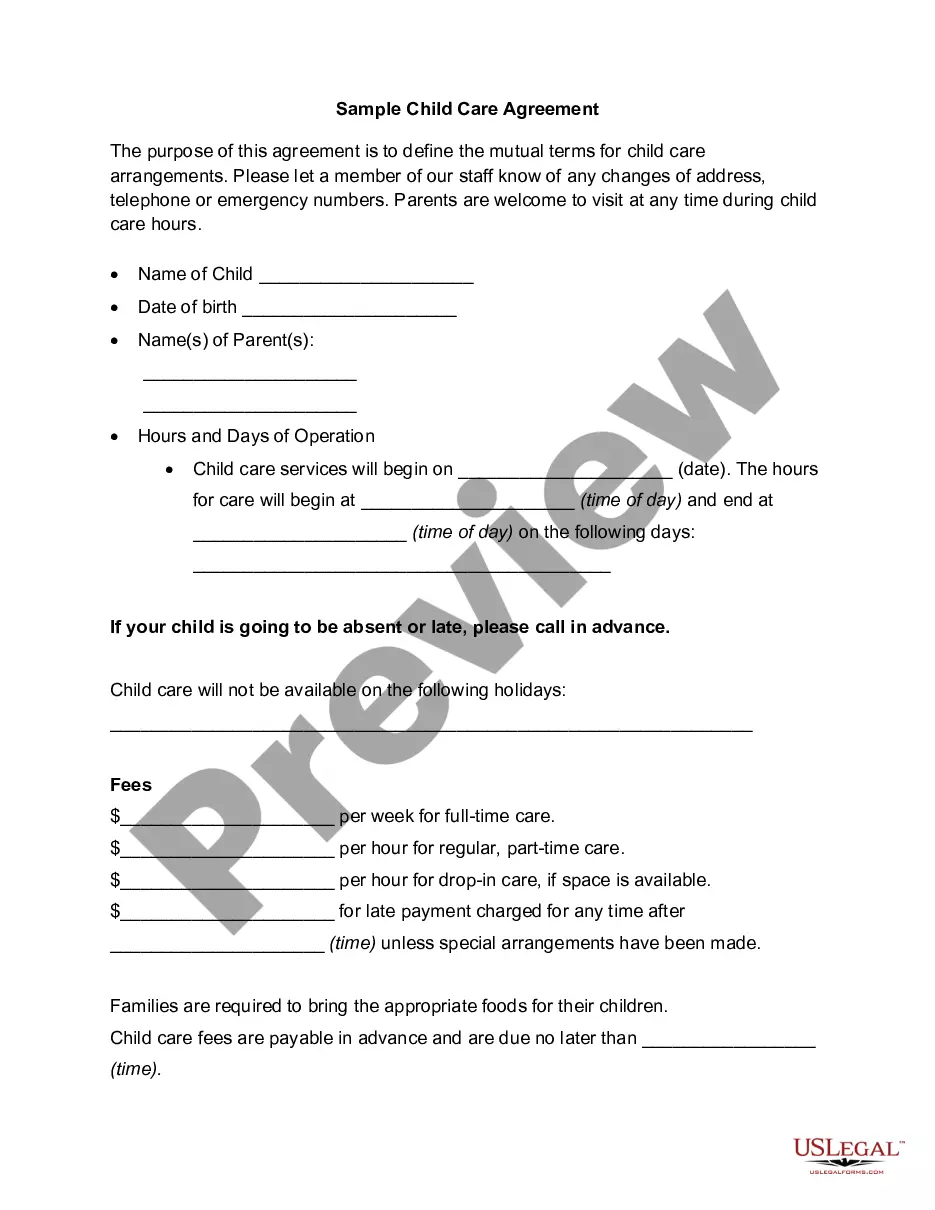
A typical daycare contract outlines the expectations and responsibilities between parents and caregivers. It usually includes details about payment schedules, termination policies, child care hours, and any additional services provided. Understanding the components of these contracts is crucial for both parties to ensure clarity. For practical examples and templates, US Legal Forms is a reliable source regarding Maryland Child Care or Day Care Services Contracts - Self-Employed.
In Maryland, the income limit for child care assistance varies based on family size and the program’s specific regulations. Typically, eligible families can have an income as much as 300% of the federal poverty level, yet it’s essential to verify current figures. These guidelines help ensure that qualified families can access support for child care costs. For complete details, refer to local resources that focus on Maryland Child Care or Day Care Services Contracts - Self-Employed.
To exit a daycare contract, first review the terms stated within the agreement. Most contracts include clauses detailing how to terminate them, which may require notice within a specific timeframe. If your reasons involve dissatisfaction or changing circumstances, communicate directly with the provider. Consider consulting resources like US Legal Forms for templates and advice on Maryland Child Care or Day Care Services Contracts - Self-Employed.