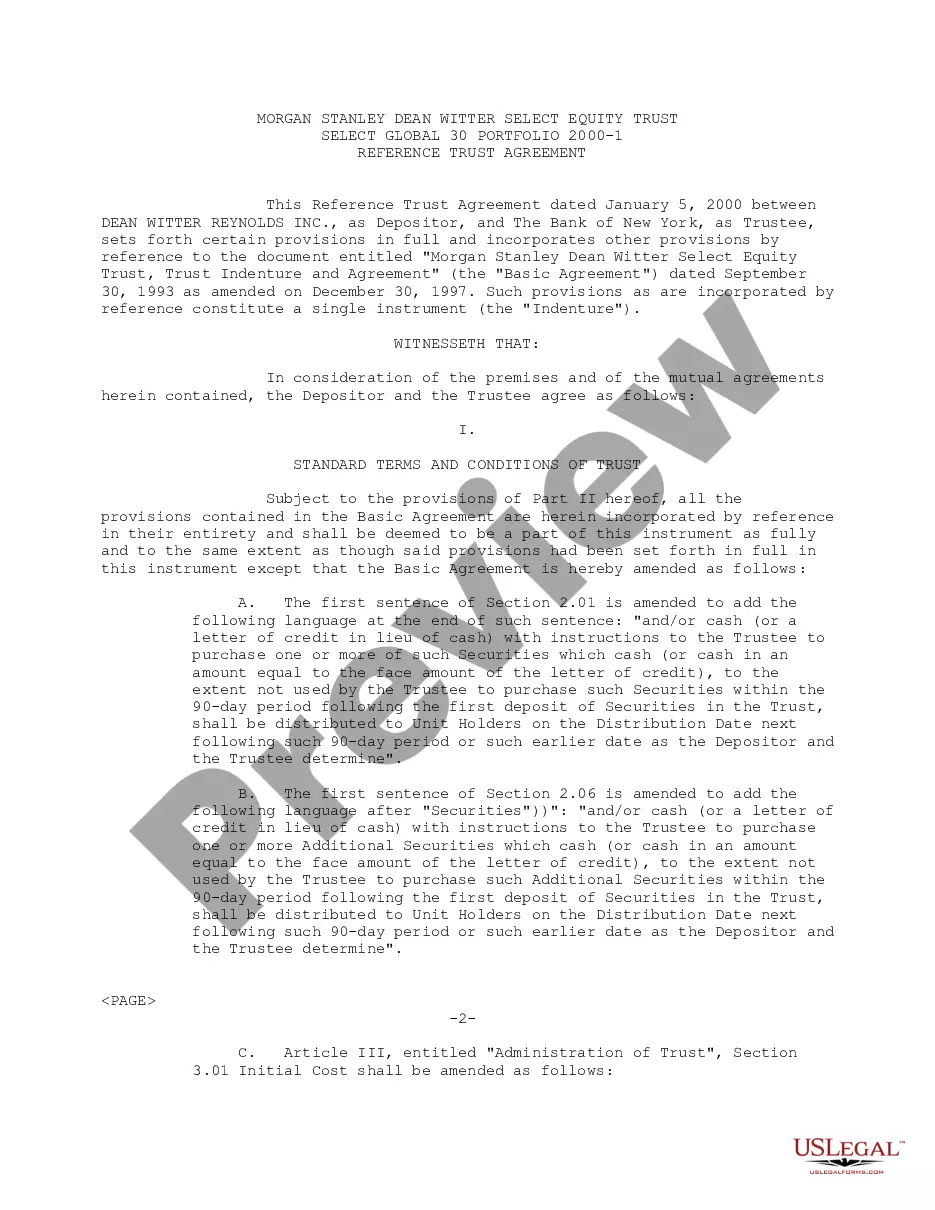
Information for Employers regarding how and when deductions can be made.
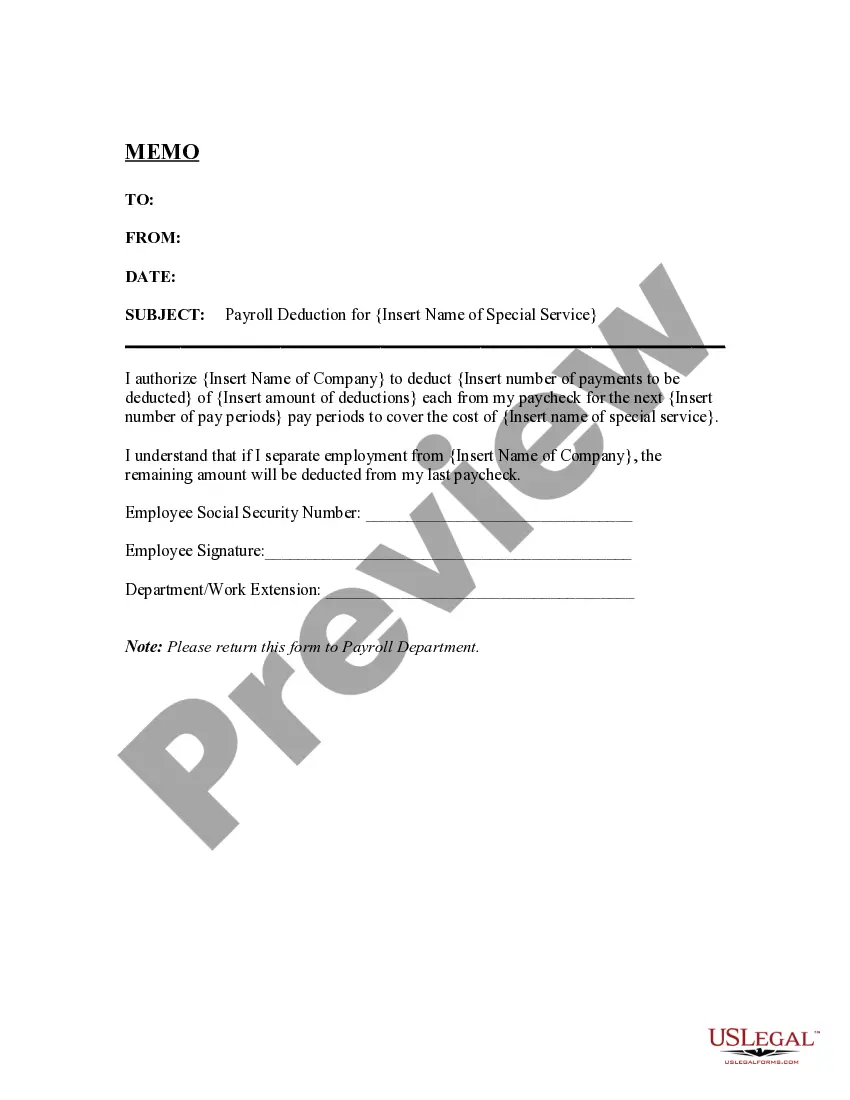
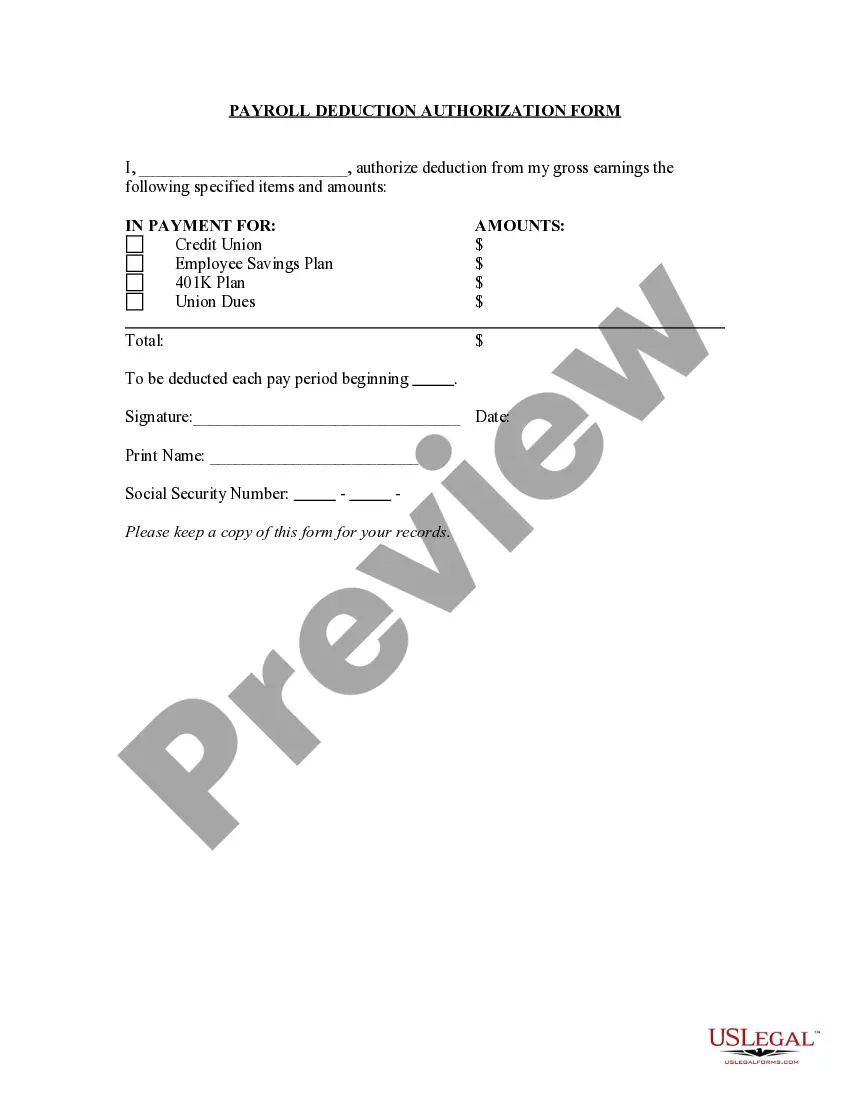
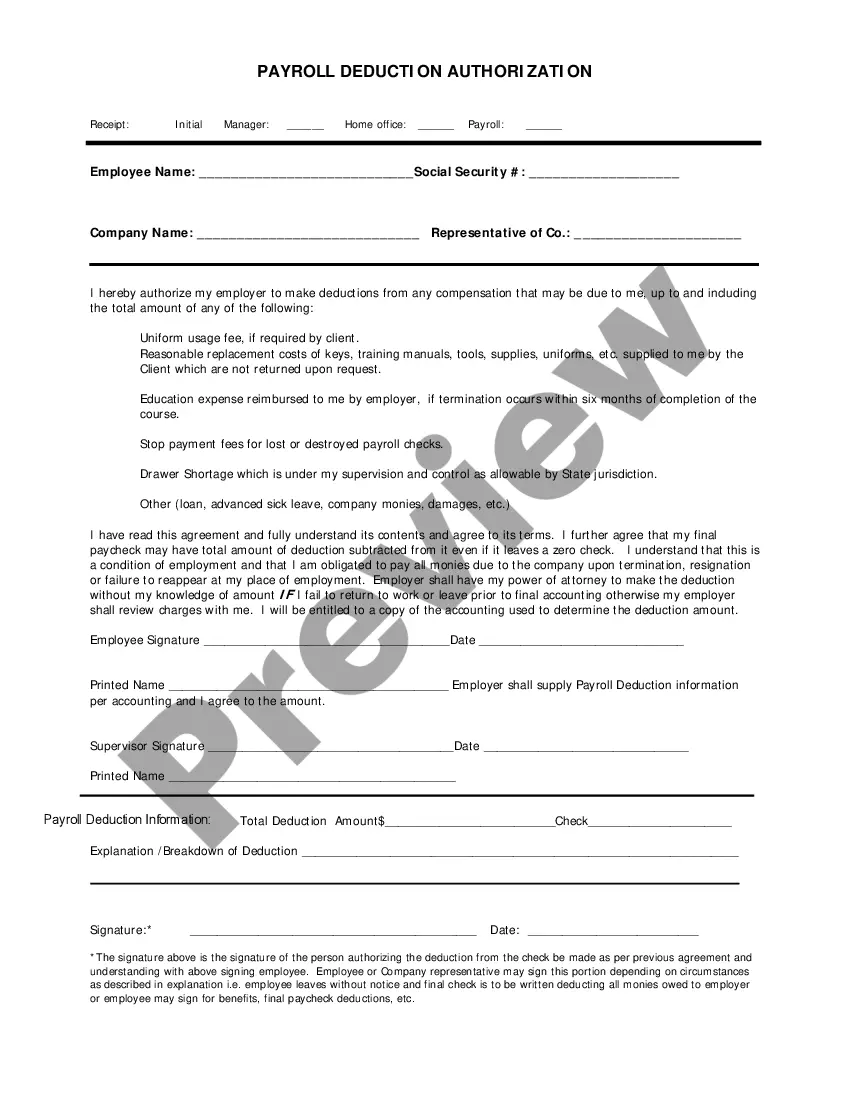
Maryland Employer Training Memo - Payroll Deductions
Instant download
Description
Free preview
Get your form ready online
Our built-in tools help you complete, sign, share, and store your documents in one place.
Built-in online Word editor
Make edits, fill in missing information, and update formatting in US Legal Forms—just like you would in MS Word.
Export easily
Download a copy, print it, send it by email, or mail it via USPS—whatever works best for your next step.
E-sign your document
Sign and collect signatures with our SignNow integration. Send to multiple recipients, set reminders, and more. Go Premium to unlock E-Sign.
Notarize online 24/7
If this form requires notarization, complete it online through a secure video call—no need to meet a notary in person or wait for an appointment.
Store your document securely
We protect your documents and personal data by following strict security and privacy standards.

Make edits, fill in missing information, and update formatting in US Legal Forms—just like you would in MS Word.

Download a copy, print it, send it by email, or mail it via USPS—whatever works best for your next step.

Sign and collect signatures with our SignNow integration. Send to multiple recipients, set reminders, and more. Go Premium to unlock E-Sign.

If this form requires notarization, complete it online through a secure video call—no need to meet a notary in person or wait for an appointment.

We protect your documents and personal data by following strict security and privacy standards.
Looking for another form?

How to fill out Employer Training Memo - Payroll Deductions?
You can spend time online trying to locate the legal document template that meets the state and federal requirements you need.
US Legal Forms offers thousands of legal templates that have been assessed by professionals.
You can download or print the Maryland Employer Training Memo - Payroll Deductions from our service.
If available, use the Preview button to look through the document template as well. In order to get another version of the form, use the Search field to find the template that fits your needs and requirements.
- If you already have a US Legal Forms account, you can Log In and click on the Download button.
- Then, you can complete, edit, print, or sign the Maryland Employer Training Memo - Payroll Deductions.
- Every legal document template you purchase is yours indefinitely.
- To obtain another copy of any purchased form, go to the My documents tab and click on the corresponding button.
- If you are using the US Legal Forms site for the first time, follow the simple instructions below.
- First, ensure that you have selected the correct document template for your region/city of choice.
- Read the form description to confirm you have selected the right form.
Form popularity
FAQ
Payroll deductions should generally be taken in a specific order, starting with legally mandated deductions, such as taxes. Next, any court-ordered deductions like garnishments follow, followed by voluntary deductions, such as retirement contributions. According to the Maryland Employer Training Memo - Payroll Deductions, following the correct order ensures compliance and fair treatment of employees.
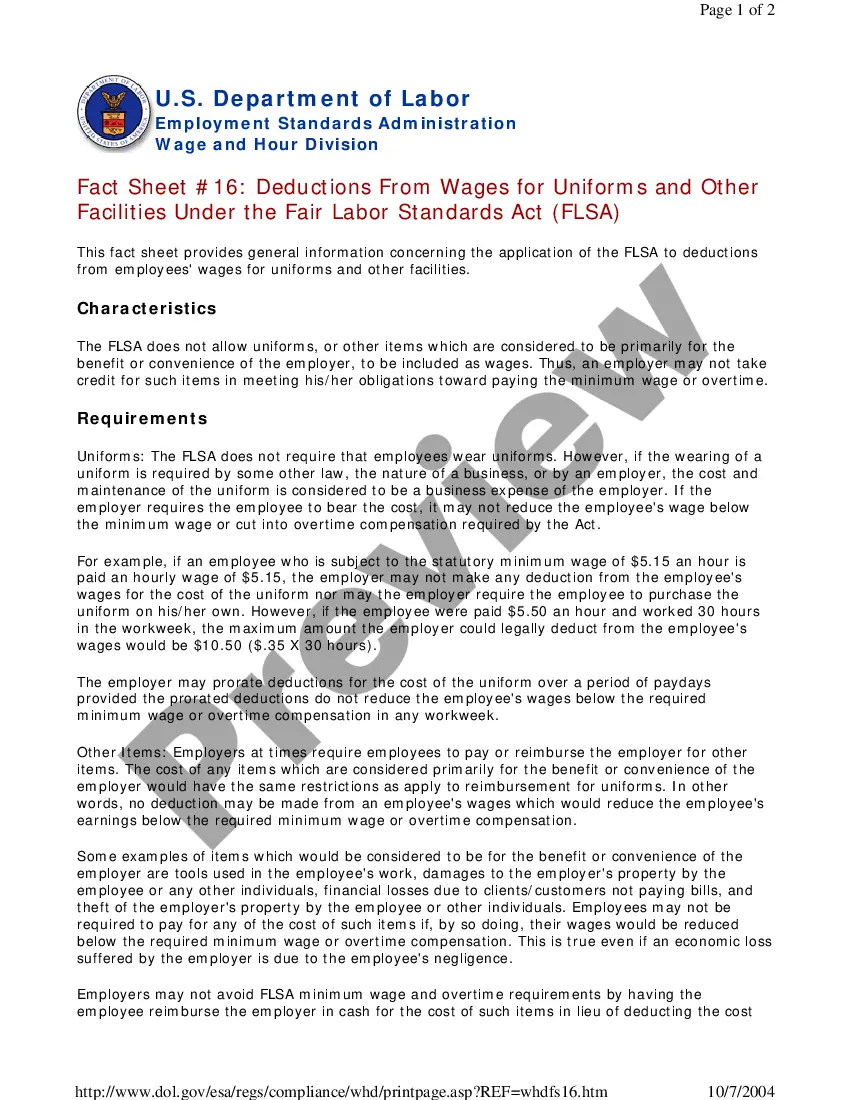
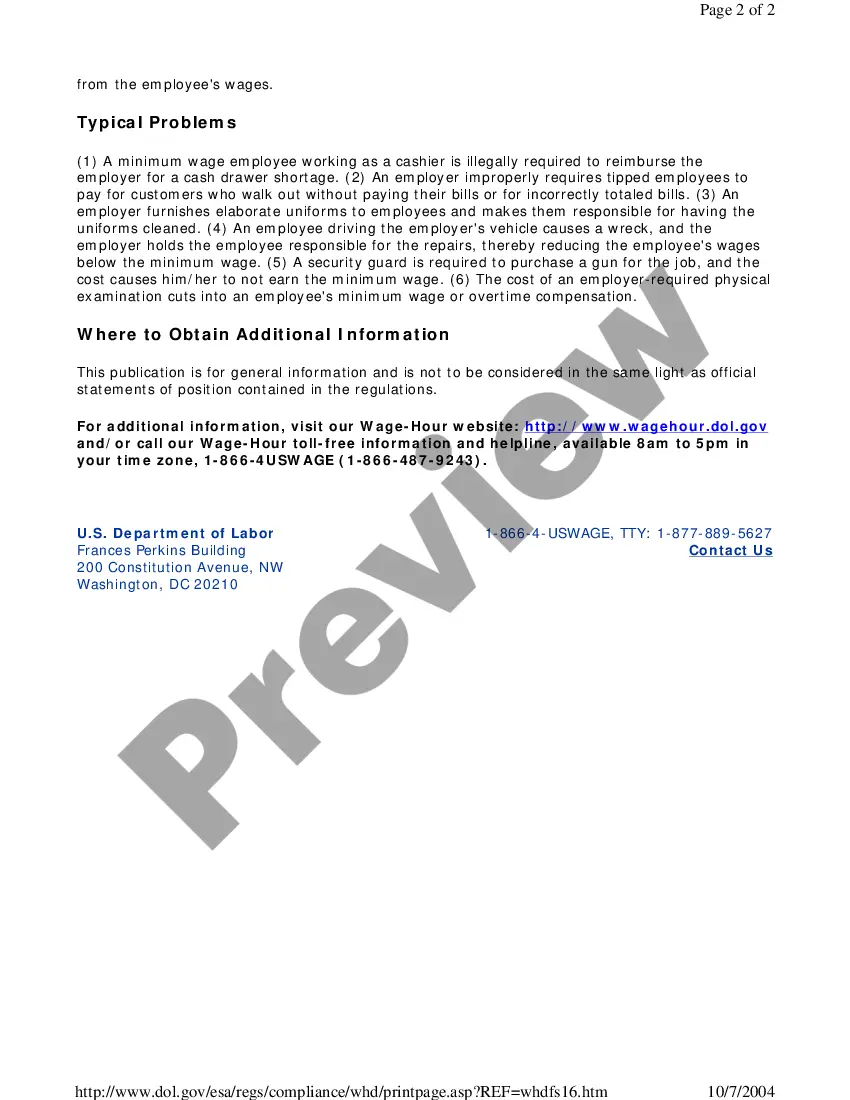
In general, employers can deduct certain expenses from wages, but they must adhere to specific regulations. According to the Maryland Employer Training Memo - Payroll Deductions, deductions for expenses like uniforms or tools can only occur if the employee agrees. It is essential for employers to ensure that these deductions do not bring an employee's earnings below minimum wage.
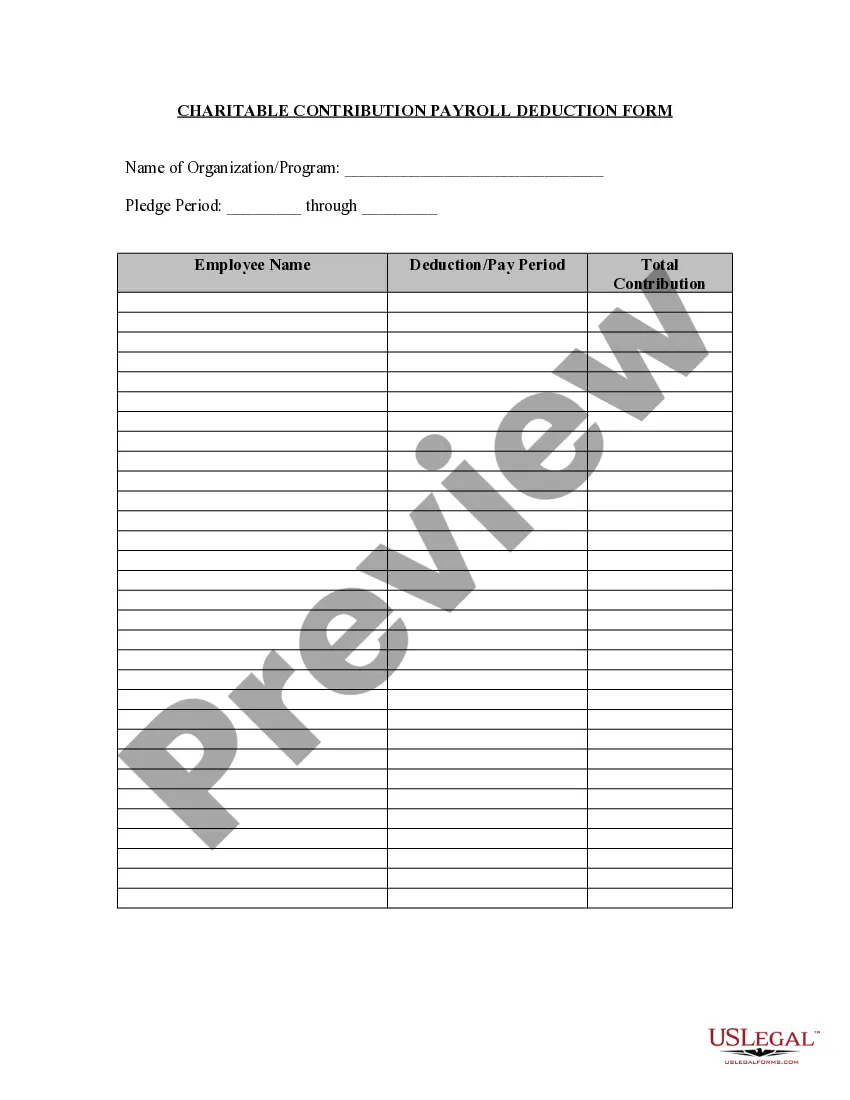
Yes, most payroll deductions must be approved by the employee in writing to protect their rights and ensure transparency. The Maryland Employer Training Memo - Payroll Deductions emphasizes the importance of having documented consent for all deductions. This approach not only builds trust but also helps avoid disputes over unauthorized deductions.
Yes, in Maryland, employers are generally required to withhold local taxes from employee paychecks. Local withholding rates may vary depending on the jurisdiction where you work. To ensure compliance, refer to the Maryland Employer Training Memo - Payroll Deductions for detailed information. Utilizing platforms like uslegalforms can help you navigate these requirements easily.
If your claim begins in: not enough wages earned in the Standard Base Period to file a monetarily valid UI claim, and there are enough wages in the Alternate Base Period. The Alternate Base Period is the last four completed calendar quarters prior to the beginning date of the claim.
The standard base period is the first four of the last five completed calendar quarters before your claim effective date. The wages you earned during those quarters are used to determine if you are monetarily eligible for unemployment insurance benefits.
An employer may not keep any part of the wage of an employee, either by withholding an entire paycheck, part of a paycheck, or by way of incremental wage deductions from several paychecks, as security against some future or contingent occurrence.
Employers can only deduct money for training courses if it was agreed in the contract or in writing beforehand. For example, an employer could ask someone to agree in writing before a training course to pay back costs if they leave within 6 months.
So can an employer withhold pay? The answer is yes, but only under certain circumstances. If the employee has breached their employment contract, the employer is legally allowed to withhold payment. This includes going on strike, choosing to work to rule, or deducting overpayment.
A. No, your employer cannot legally make such a deduction from your wages if, by reason of mistake or accident a cash shortage, breakage, or loss of company property/equipment occurs.