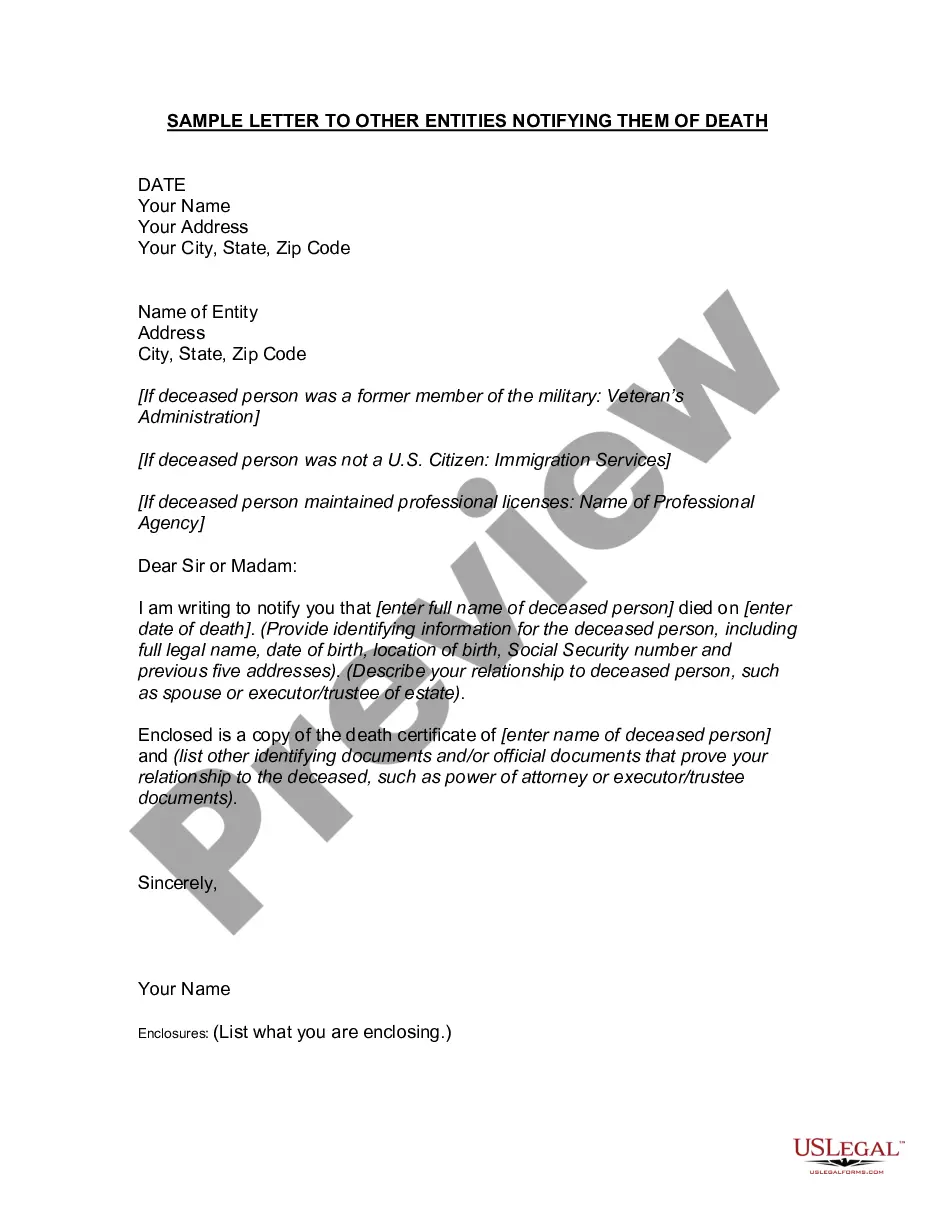
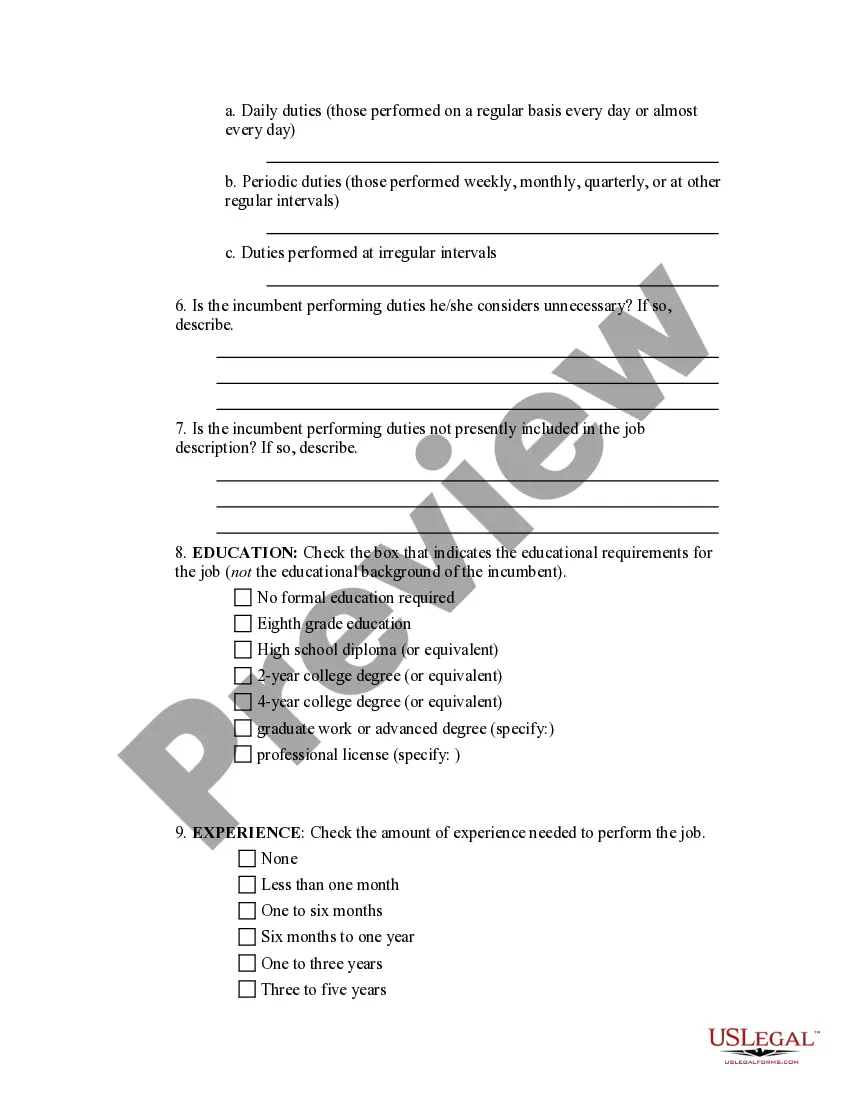
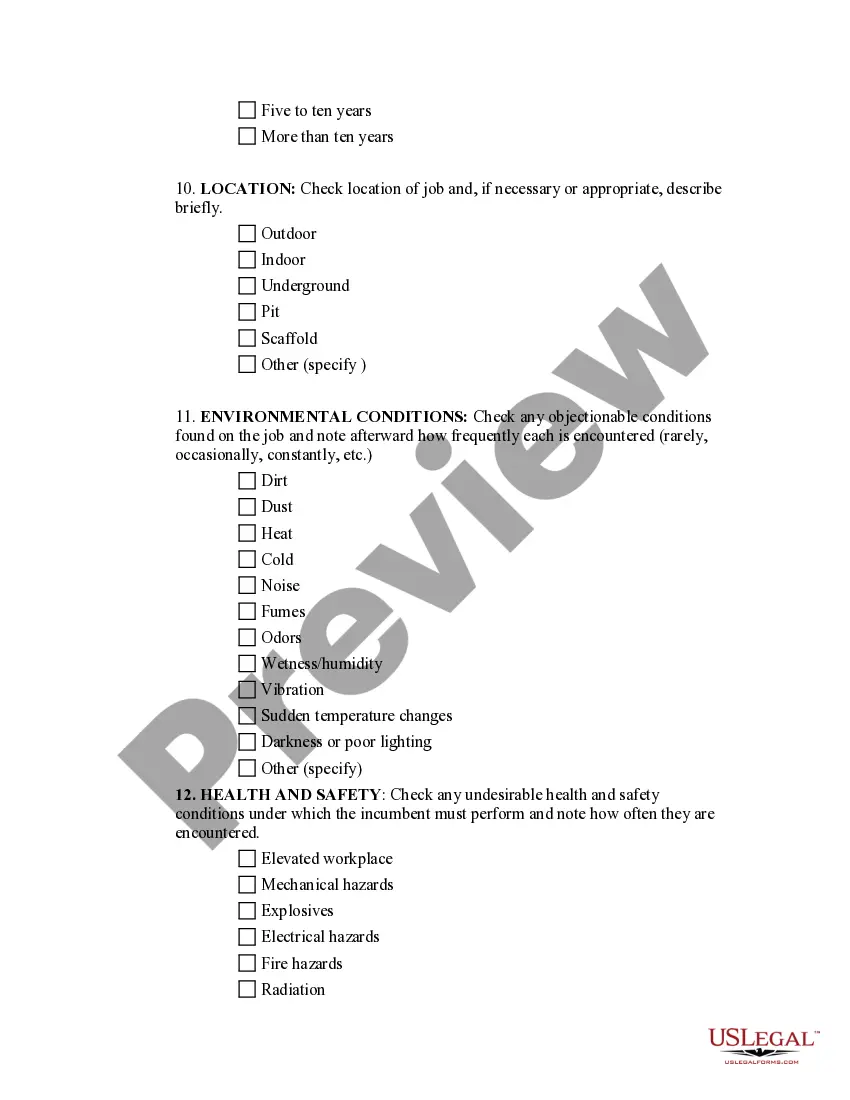
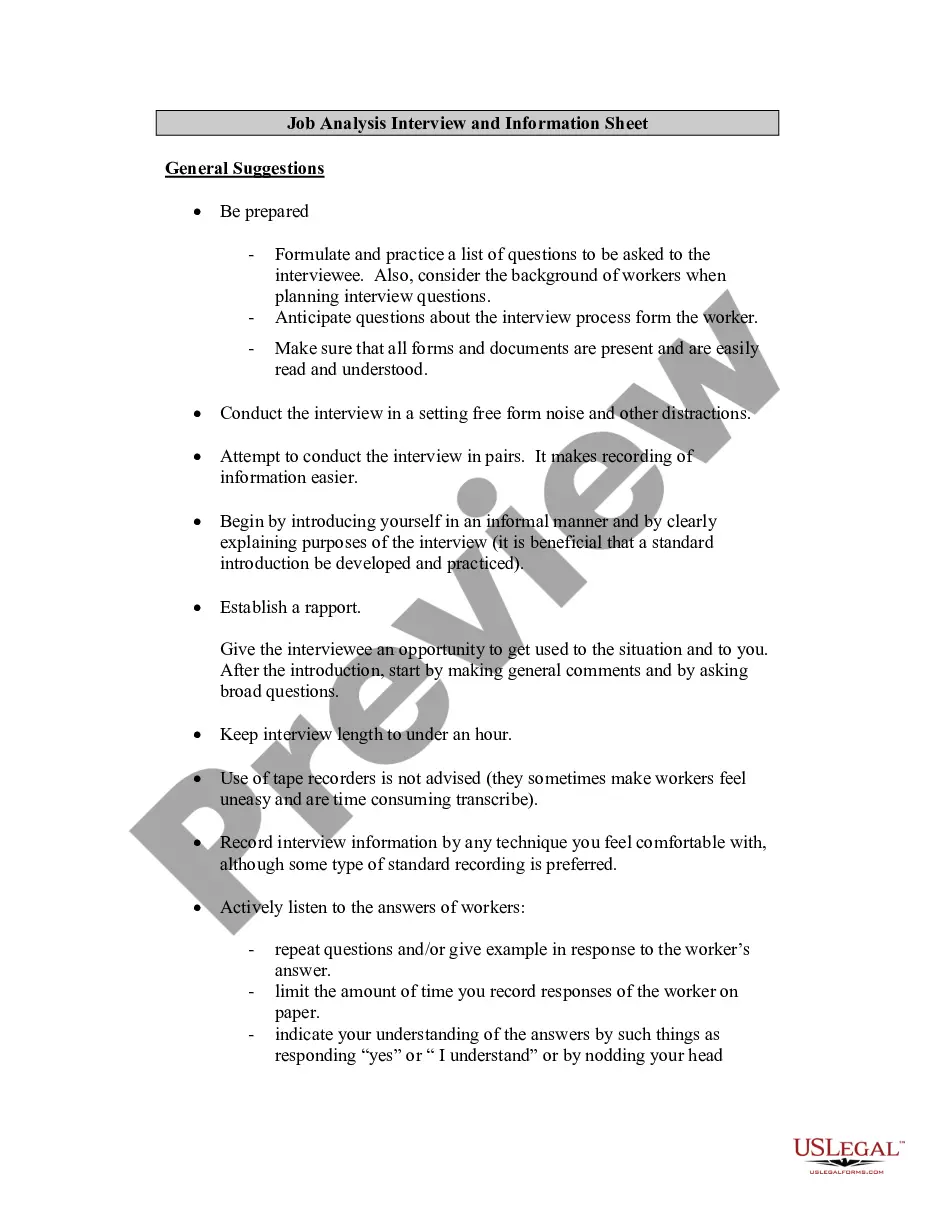
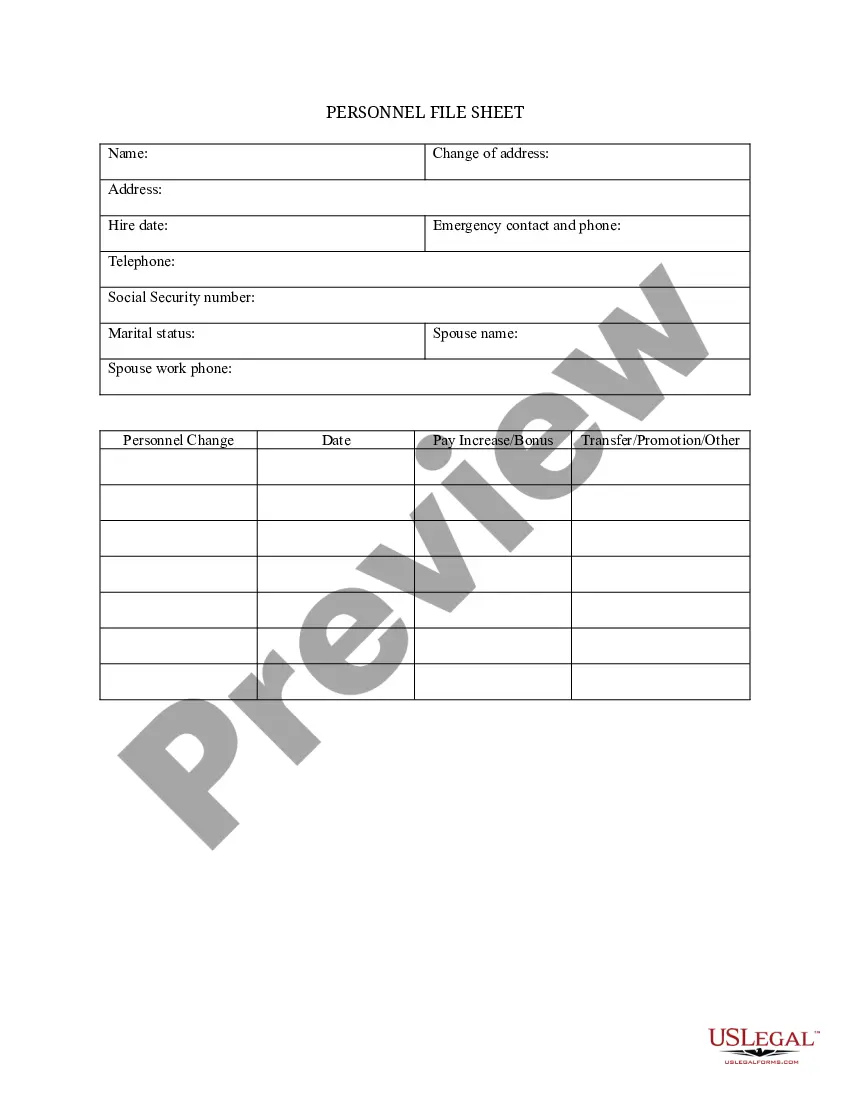
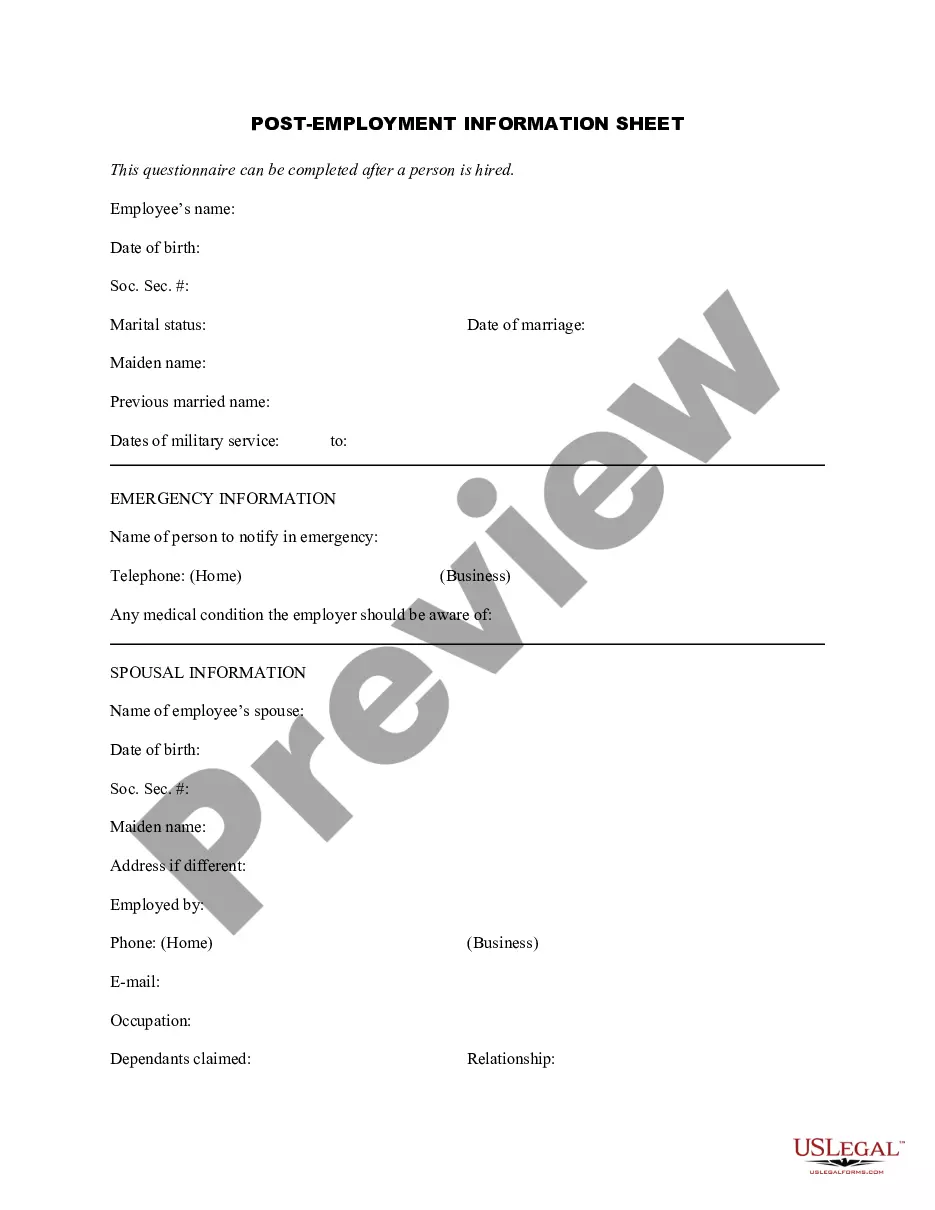
Maryland Job Analysis Information Sheet
Description
Get your form ready online
Our built-in tools help you complete, sign, share, and store your documents in one place.
Make edits, fill in missing information, and update formatting in US Legal Forms—just like you would in MS Word.
Download a copy, print it, send it by email, or mail it via USPS—whatever works best for your next step.
Sign and collect signatures with our SignNow integration. Send to multiple recipients, set reminders, and more. Go Premium to unlock E-Sign.
If this form requires notarization, complete it online through a secure video call—no need to meet a notary in person or wait for an appointment.
We protect your documents and personal data by following strict security and privacy standards.

Make edits, fill in missing information, and update formatting in US Legal Forms—just like you would in MS Word.

Download a copy, print it, send it by email, or mail it via USPS—whatever works best for your next step.

Sign and collect signatures with our SignNow integration. Send to multiple recipients, set reminders, and more. Go Premium to unlock E-Sign.

If this form requires notarization, complete it online through a secure video call—no need to meet a notary in person or wait for an appointment.

We protect your documents and personal data by following strict security and privacy standards.
Looking for another form?
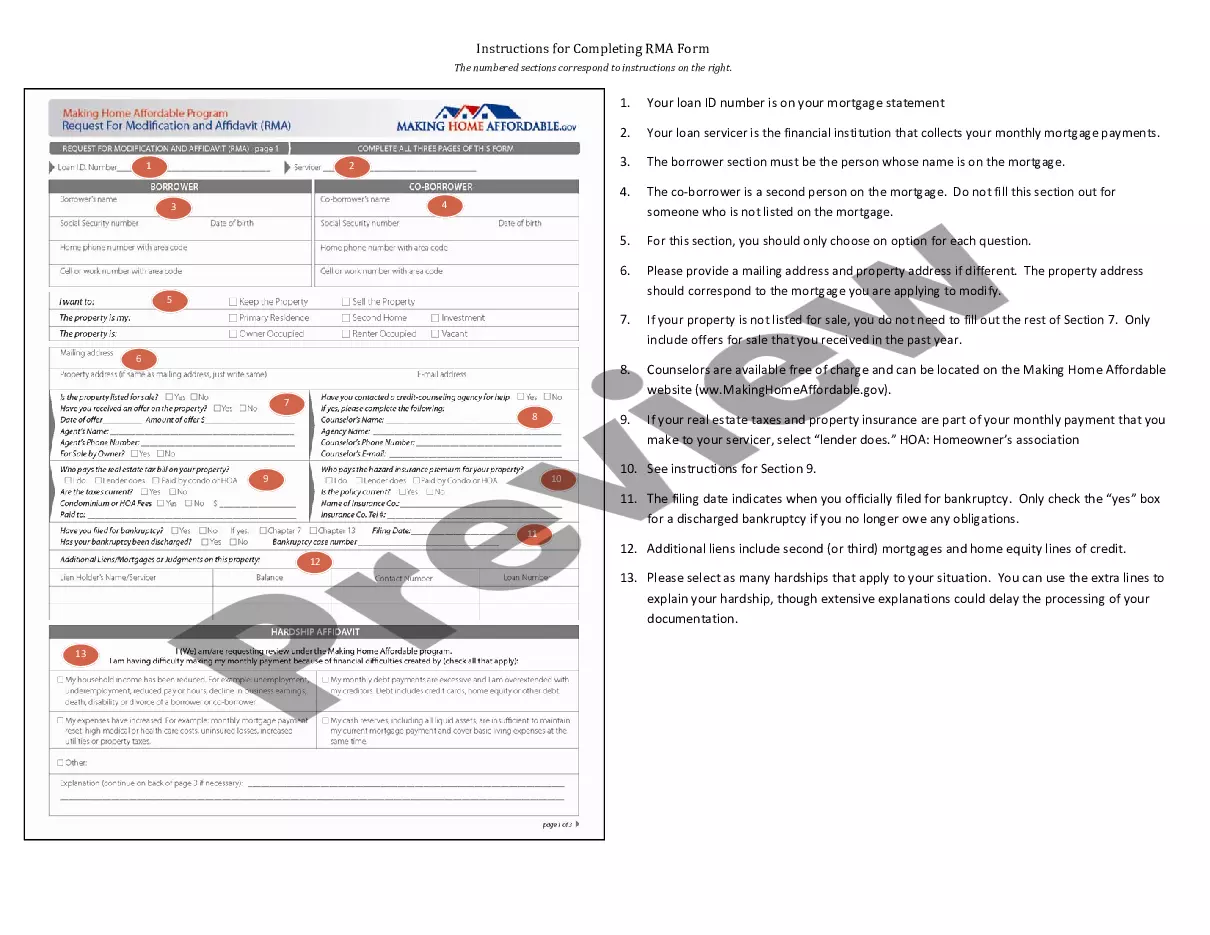
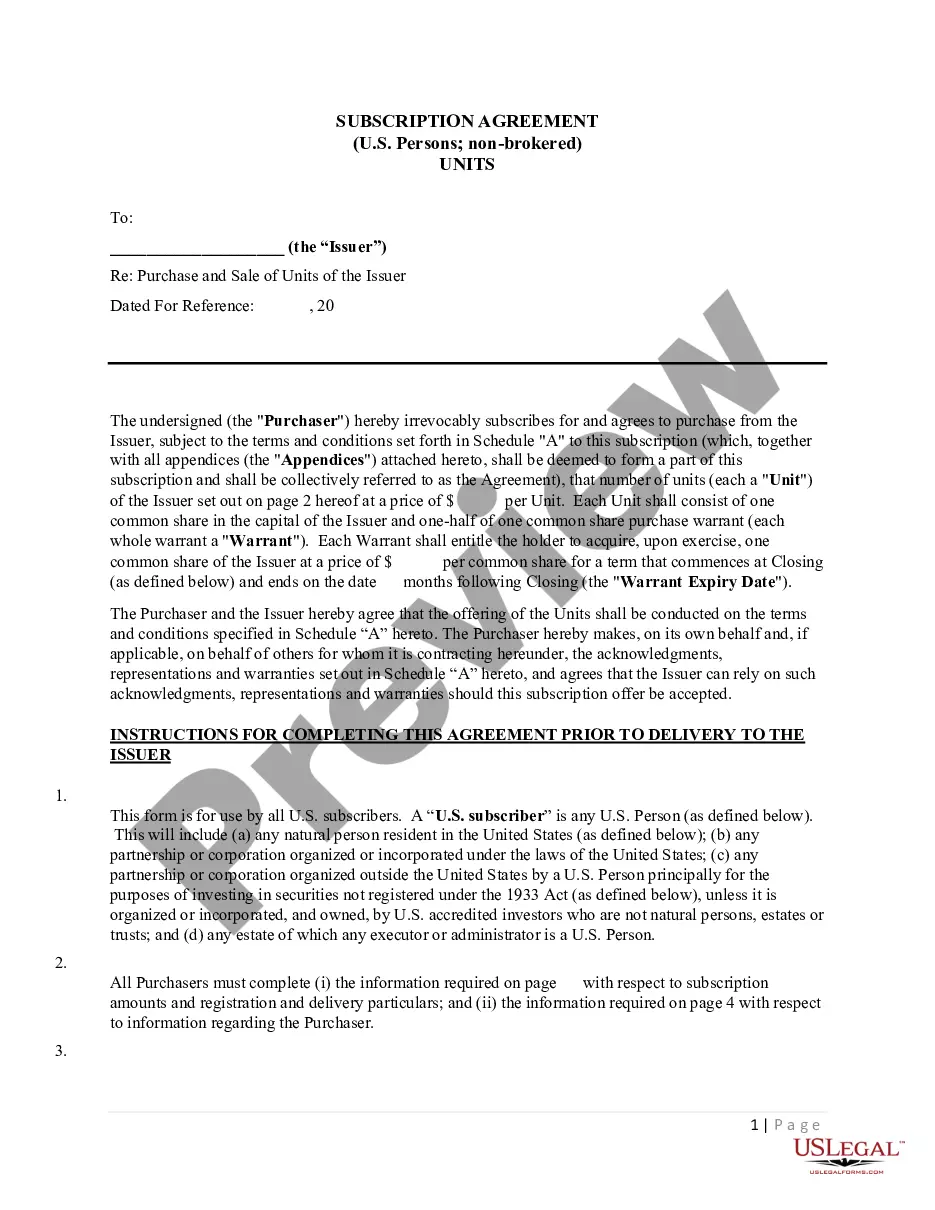
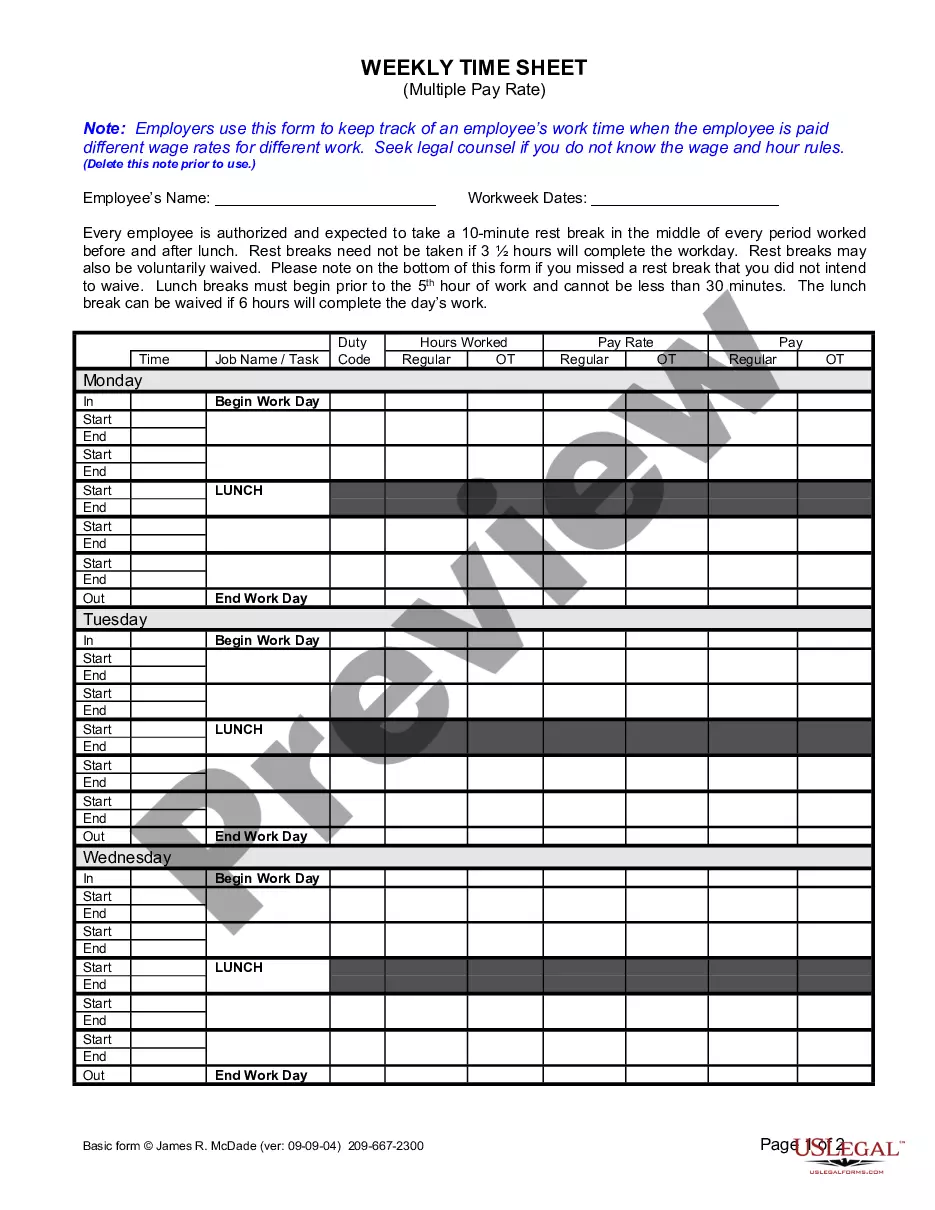
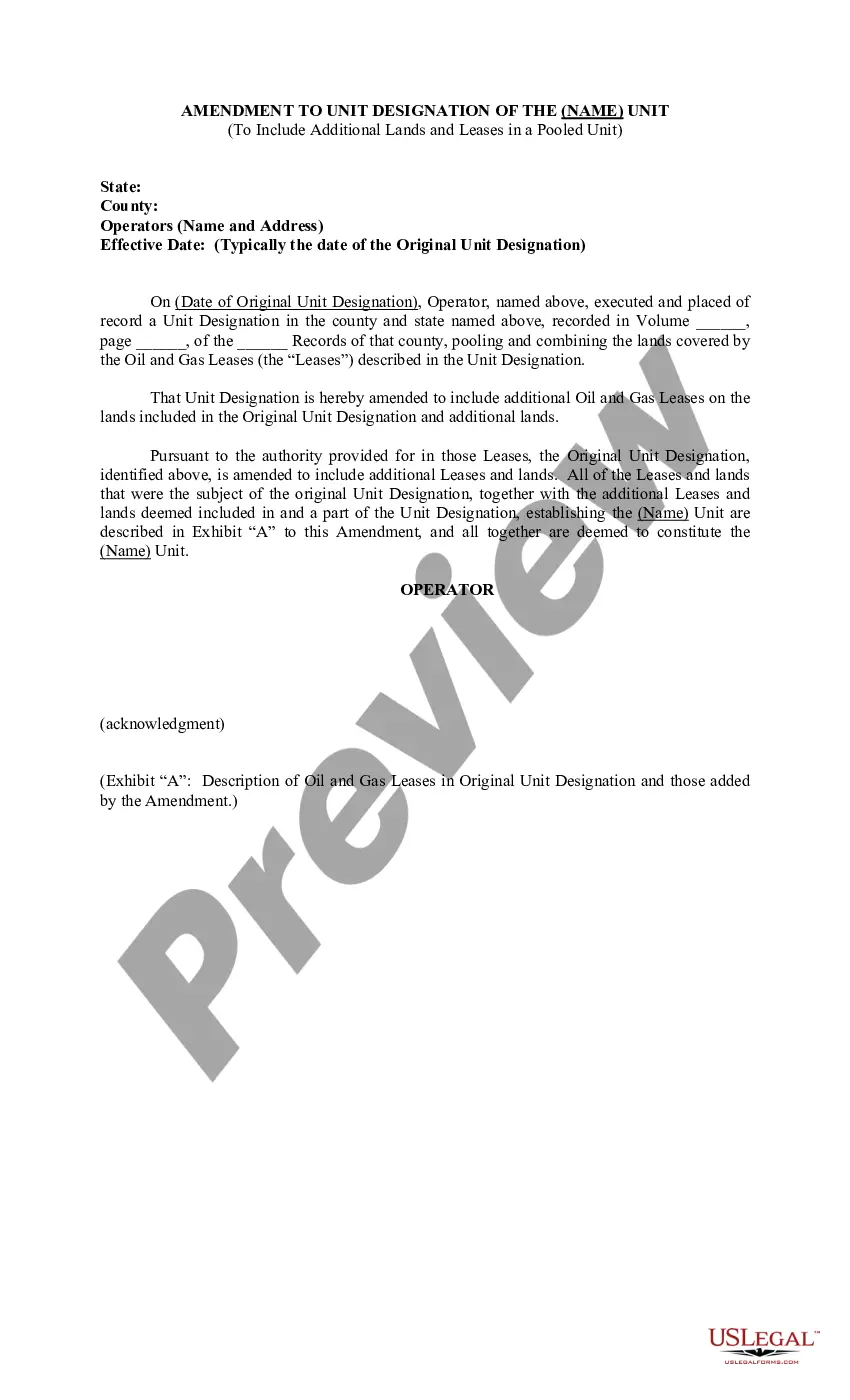

How to fill out Job Analysis Information Sheet?
You might invest hours online looking for the valid document template that meets the local and federal criteria you need.
US Legal Forms provides thousands of valid forms that are reviewed by experts.
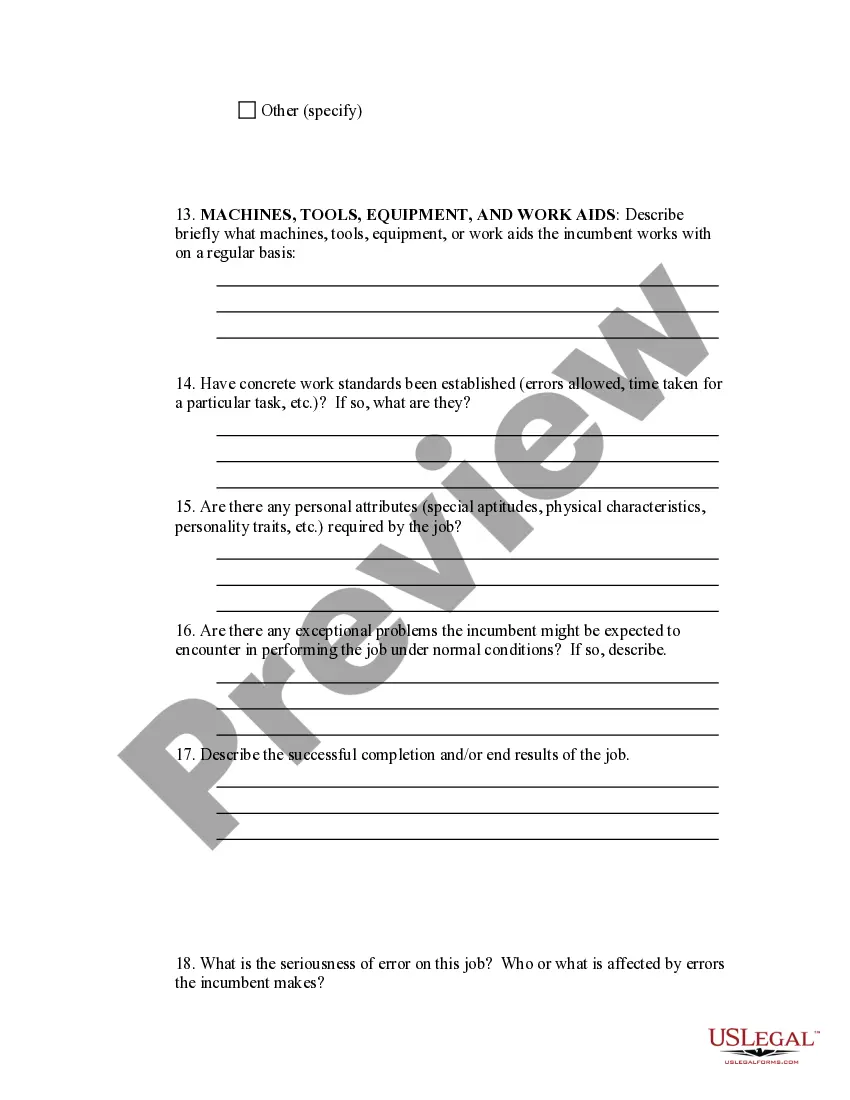
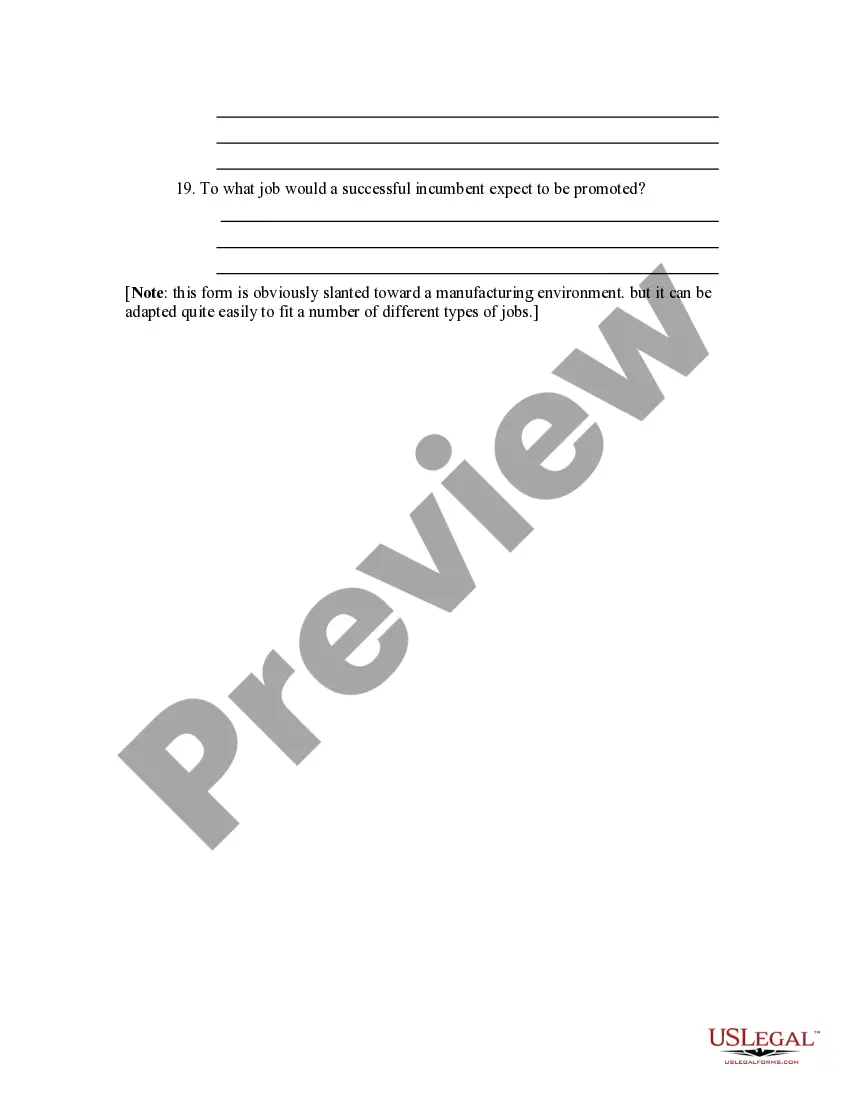
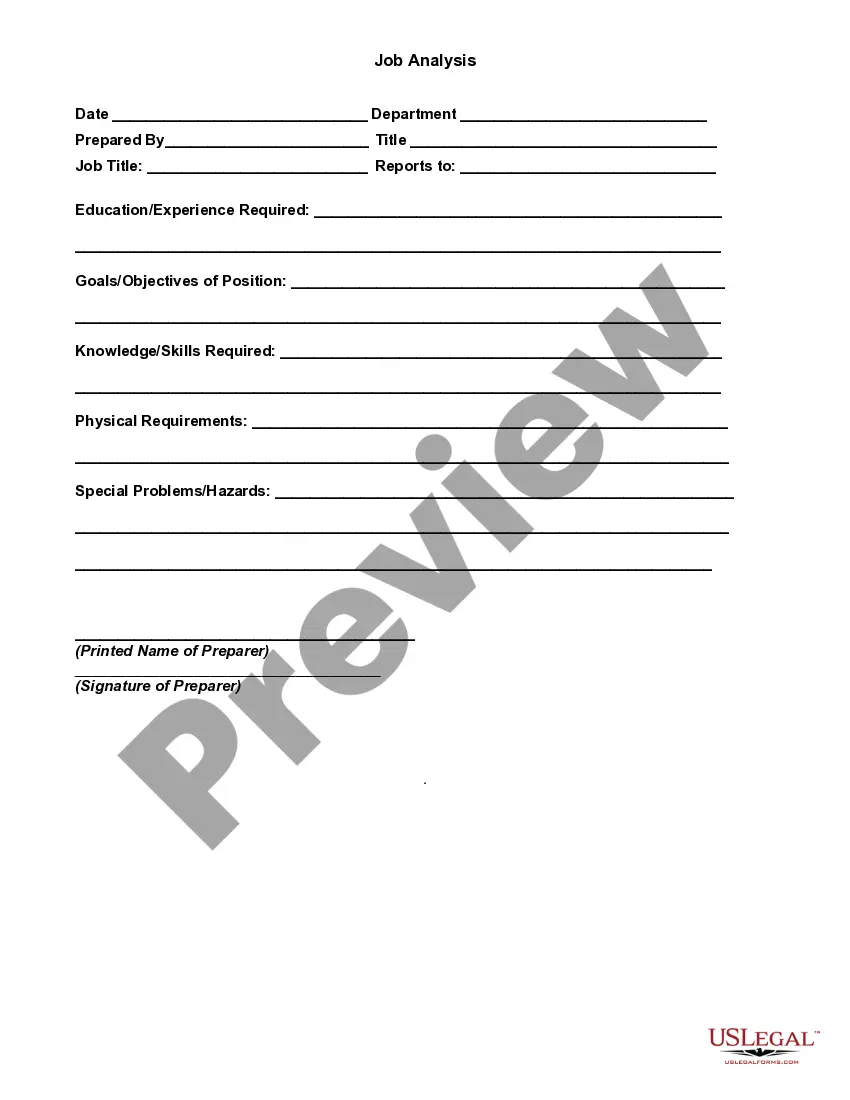
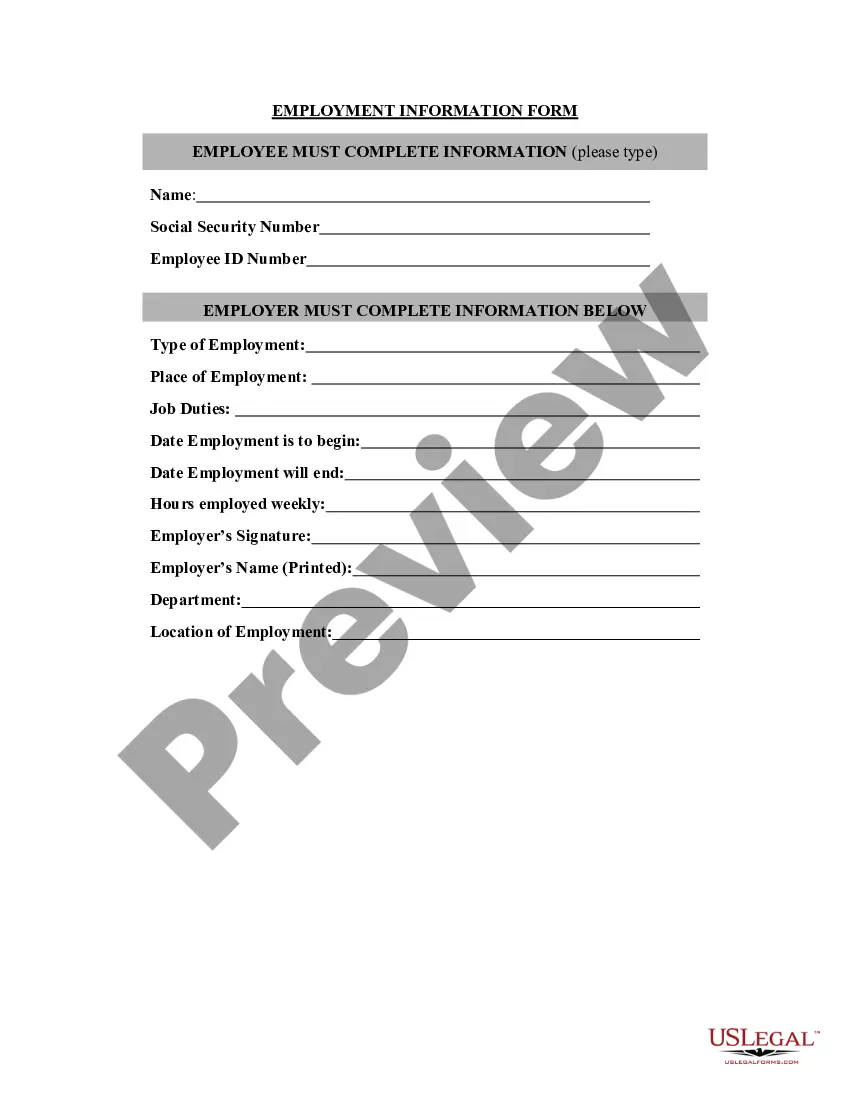
You can download or print the Maryland Job Analysis Information Sheet from my services.
If available, make use of the Preview button to view the document template as well.
- If you have a US Legal Forms account, you may sign in and click on the Obtain button.
- Then, you can fill out, modify, print, or sign the Maryland Job Analysis Information Sheet.
- Every valid document template you purchase is yours for a lifetime.
- To get an extra copy of any purchased form, navigate to the My documents section and click on the related button.
- If you are visiting the US Legal Forms website for the first time, follow the simple instructions below.
- First, ensure that you have selected the correct document template for your region/town of preference.
- Read the form details to confirm you have chosen the right one.
Form popularity
FAQ
The three main components of job analysis include tasks, knowledge, and skills. Each component provides insight into what the job entails and what is required for success in the role. A well-structured Maryland Job Analysis Information Sheet incorporates these components to give a comprehensive overview of the position.
The Job Analysis may be conducted by a member of the employer's Human Resources department. This analysis may be in conjunction with the job incumbent (if the position is not vacant), the incumbent's supervisor, and possibly subject matter experts (SMEs).
It should point out in broad terms the job's goals, responsibilities and duties. First, write down the job title and whom that person will report to. next, develop a job statement or summary describing the position's major and minor duties. Finally, define how the job relates to other positions in the company.
Job analysis is useful to identify the knowledge, skills, abilities, and other characteristics required for a role, which can then be matched with an internal hire. Job analysis can be used to improve efficiency at work by analyzing activities and optimizing the way they are conducted by people in the role.
It generally includes tracking an employee's duties and the duration of each task, observing the employee performing his or her job, interviewing the employee, managers and others who interact with the employee, and comparing the job to other jobs in the same department and job grade or job family.
Expected performance levels are often specified during a job analysis. Information obtained from a job analysis can be used to develop performance appraisal forms. An example of a job analysis-based form would be one that lists the job's tasks or behaviors and specifies the expected performance level for each.
Job analysis can be described as a six-step process as follows:Determine the purpose for conducting job analysis.Identify the jobs to be analyzed.Review relevant background data.Plan and execute the job analysis project.Write the job description and job specifications.Periodic review.
Top 5 Steps Involved in Job Analysis ProcessTime for Conducting Job Analysis:Collection of Information Relating to Jobs:Preparing Job Description Forms:Preparing Job Specifications:Preparing Report:
A job analysis report is used to understand the duties and responsibilities for a particular job and the skills and expertise needed to complete them. Businesses conduct a job analysis before they look to hire a new employee, as a job analysis forms the basis of a coherent job description.
When doing so, there are three primary types of job analysis data, namely work activities, worker attributes, and work context. In this article, we will focus mostly on work activities. The work activities form the basis for determining the worker attributes, together with the organizational culture.