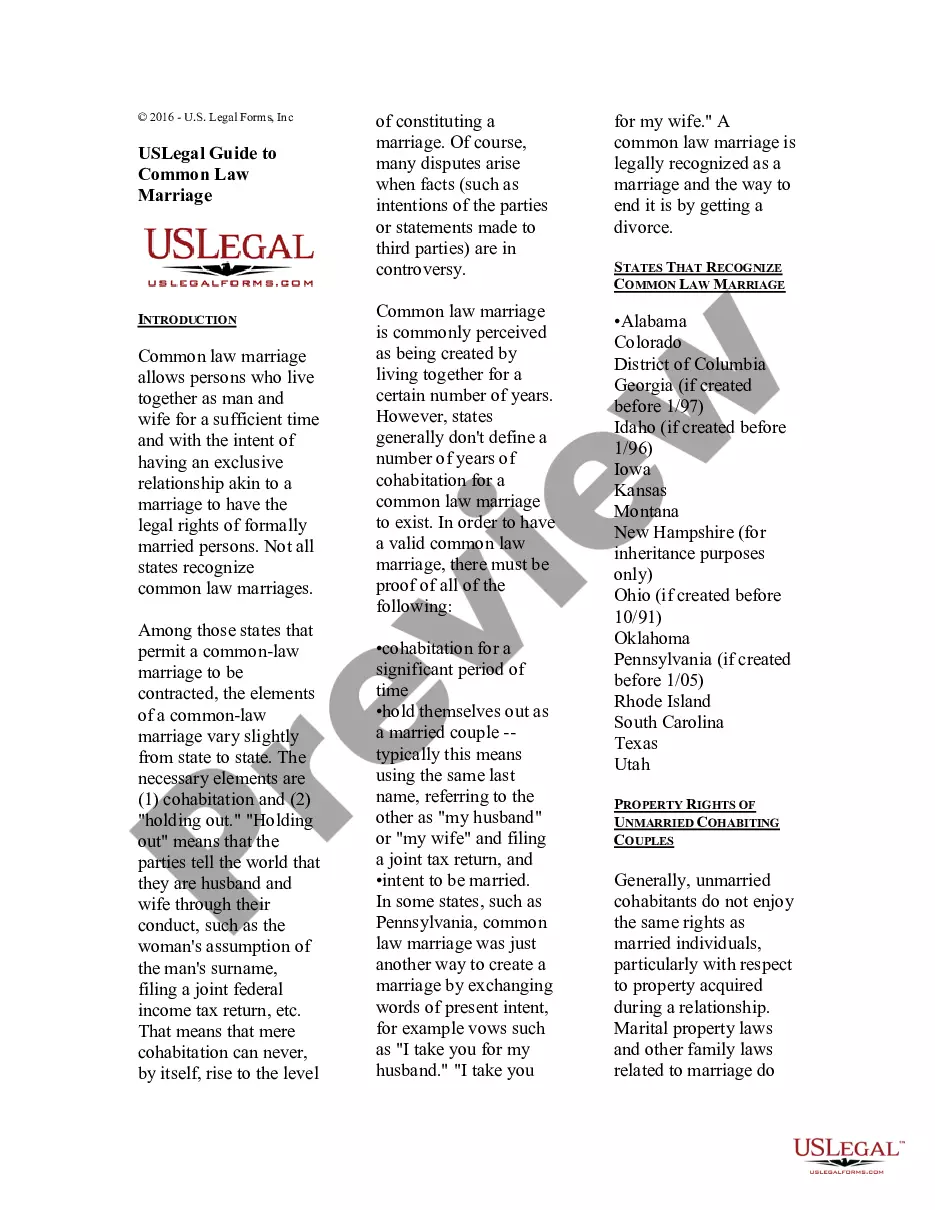
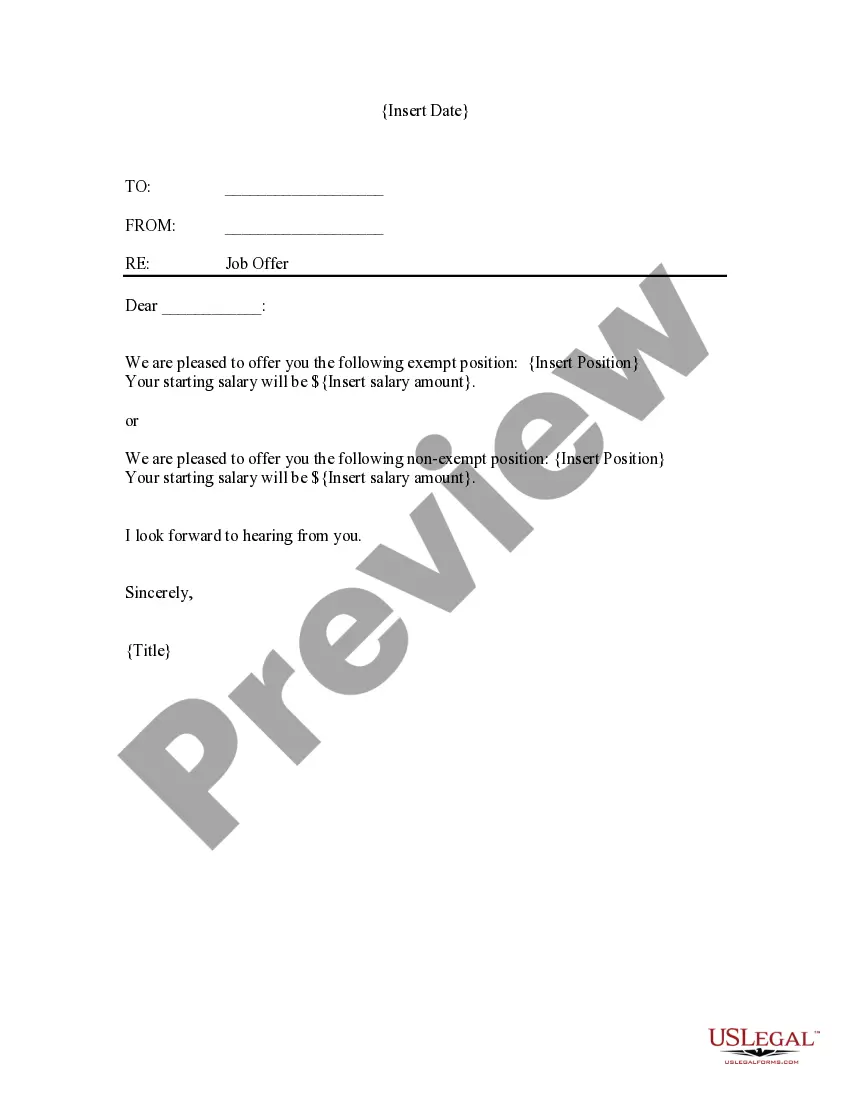
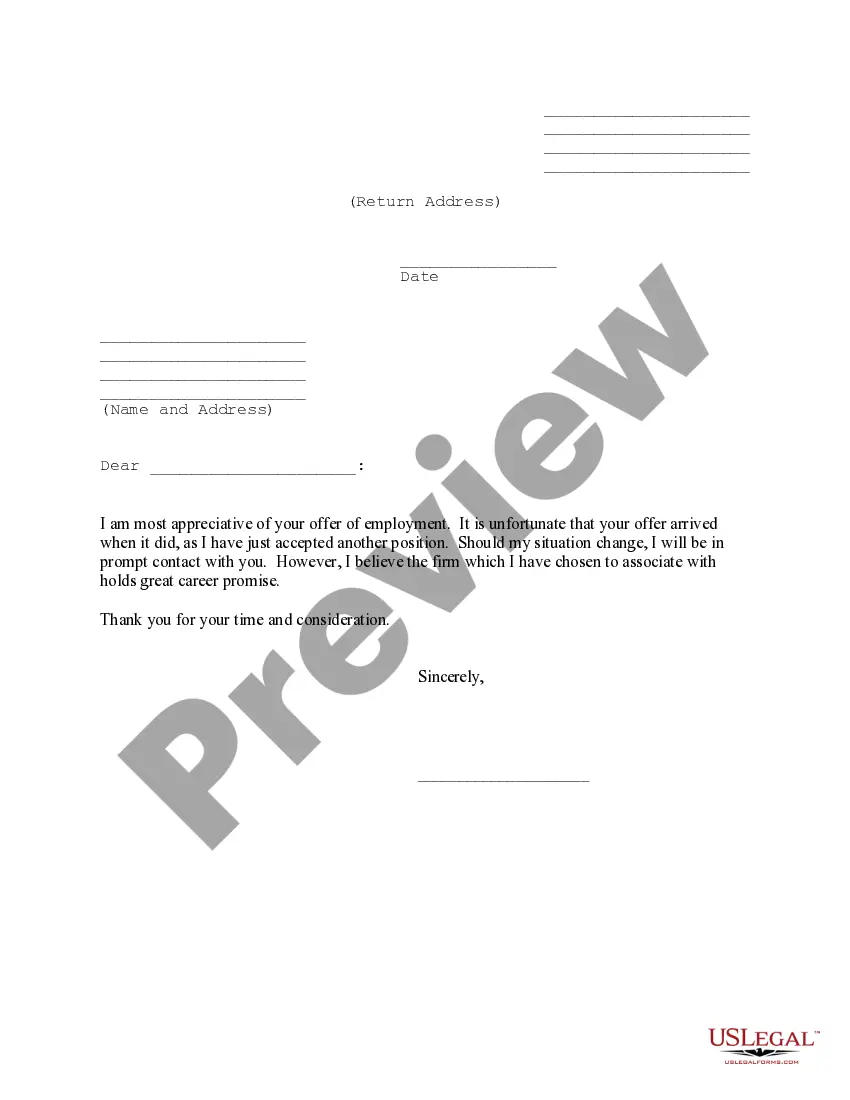
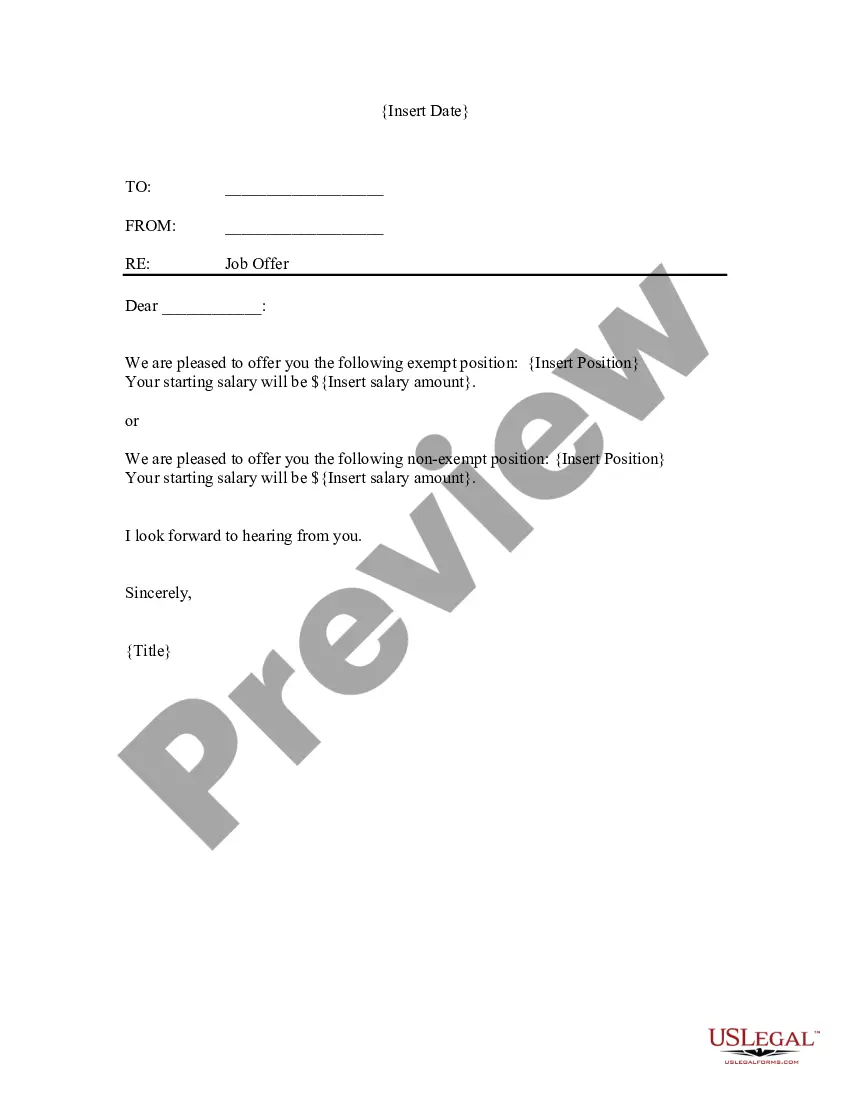
Maryland Job Offer Letter for Part Time
Description
Get your form ready online
Our built-in tools help you complete, sign, share, and store your documents in one place.
Make edits, fill in missing information, and update formatting in US Legal Forms—just like you would in MS Word.
Download a copy, print it, send it by email, or mail it via USPS—whatever works best for your next step.
Sign and collect signatures with our SignNow integration. Send to multiple recipients, set reminders, and more. Go Premium to unlock E-Sign.
If this form requires notarization, complete it online through a secure video call—no need to meet a notary in person or wait for an appointment.
We protect your documents and personal data by following strict security and privacy standards.

Make edits, fill in missing information, and update formatting in US Legal Forms—just like you would in MS Word.

Download a copy, print it, send it by email, or mail it via USPS—whatever works best for your next step.

Sign and collect signatures with our SignNow integration. Send to multiple recipients, set reminders, and more. Go Premium to unlock E-Sign.

If this form requires notarization, complete it online through a secure video call—no need to meet a notary in person or wait for an appointment.

We protect your documents and personal data by following strict security and privacy standards.
Looking for another form?
How to fill out Job Offer Letter For Part Time?
Are you caught in a circumstance where you will require documents for either business or personal purposes almost every workday.
There are numerous legal document templates accessible on the internet, but finding forms you can rely on can be challenging.
US Legal Forms offers thousands of document templates, such as the Maryland Job Offer Letter for Part Time, that are designed to comply with state and federal regulations.
Once you find the correct form, click Get now.
Choose your pricing plan, enter the required information to create your account, and pay for your order using PayPal or a credit card.
- If you are already familiar with the US Legal Forms website and have an account, simply Log In.
- Then, you can download the Maryland Job Offer Letter for Part Time template.
- If you don't have an account and wish to use US Legal Forms, follow these instructions.
- Select the form you need and confirm that it is for your specific area/state.
- Utilize the Review feature to examine the form.
- Read the description to ensure that you have selected the right form.
- If the form isn’t what you’re looking for, use the Searchbox to find the document that meets your needs.
Form popularity
FAQ
To detect a valid Maryland Job Offer Letter for Part Time, look for essential elements such as the company's name, offer terms, and position details. A genuine letter should clearly outline your job responsibilities, salary, and any benefits you will receive. Additionally, verify that the document is signed by an authorized person from the company. If you have concerns about the authenticity of the offer letter, consider consulting platforms like uslegalforms for guidance on understanding employment documentation.
3. Accept or decline the offerFormally accept the job. Directly state that you agree to the terms of the position at the beginning of your email.Express your thanks.Confirm employment details.Ask about final steps.Notify other employers.Formally decline the job.Consider providing a reason.Thank the employer.More items...?
Some important details about an offer letter are: It is NOT a legally binding contract. It does NOT include promises of future employment or wages. It includes an employment at-will statement.
Hello Rekha Any reputed Company will never issue any fake offer letter to anyone. If you want to verify , then directly you can call to HR of that company if you want to hire that employee.
Whereas an offer letter is unofficial (avoiding statements that promise future wages or employment), an employment contract is exactly the opposite, setting wages and length of employment in legally binding stone.
Unfortunately, your boss is correct. An written offer of employment does not constitue a legal contrat unless it guaranteed your employment in some way (i.e. your compensation, etc.) for a specified period of time. Further, without a written employment contract, you are an "at will" worker.
Yes, but there could be legal consequences, so an attorney's advice should always be sought before rescinding the offer. Even if an employer has stated on all offers that employment is at will and can be terminated at any time, there is the concept of the employer making a "promise" of a job.
A letter of employment, also known as an employment verification letter, is a document that confirms an individual's working status. Professionals may need to write these on behalf of their team members to provide financial information for third-party organizations, such as mortgage lenders and landlords.
Yes, you can sue your employer for false promises. Misleading statements can land an employer in court for negligent misrepresentation, fraudulent inducement, or other legal issues.
Contrary to what most people think, a signed offer letter, except in very rare instances, is not a legally binding implied contract. Candidates often think that because they have signed and accepted an offer letter, they have some sort of legal right to the job.