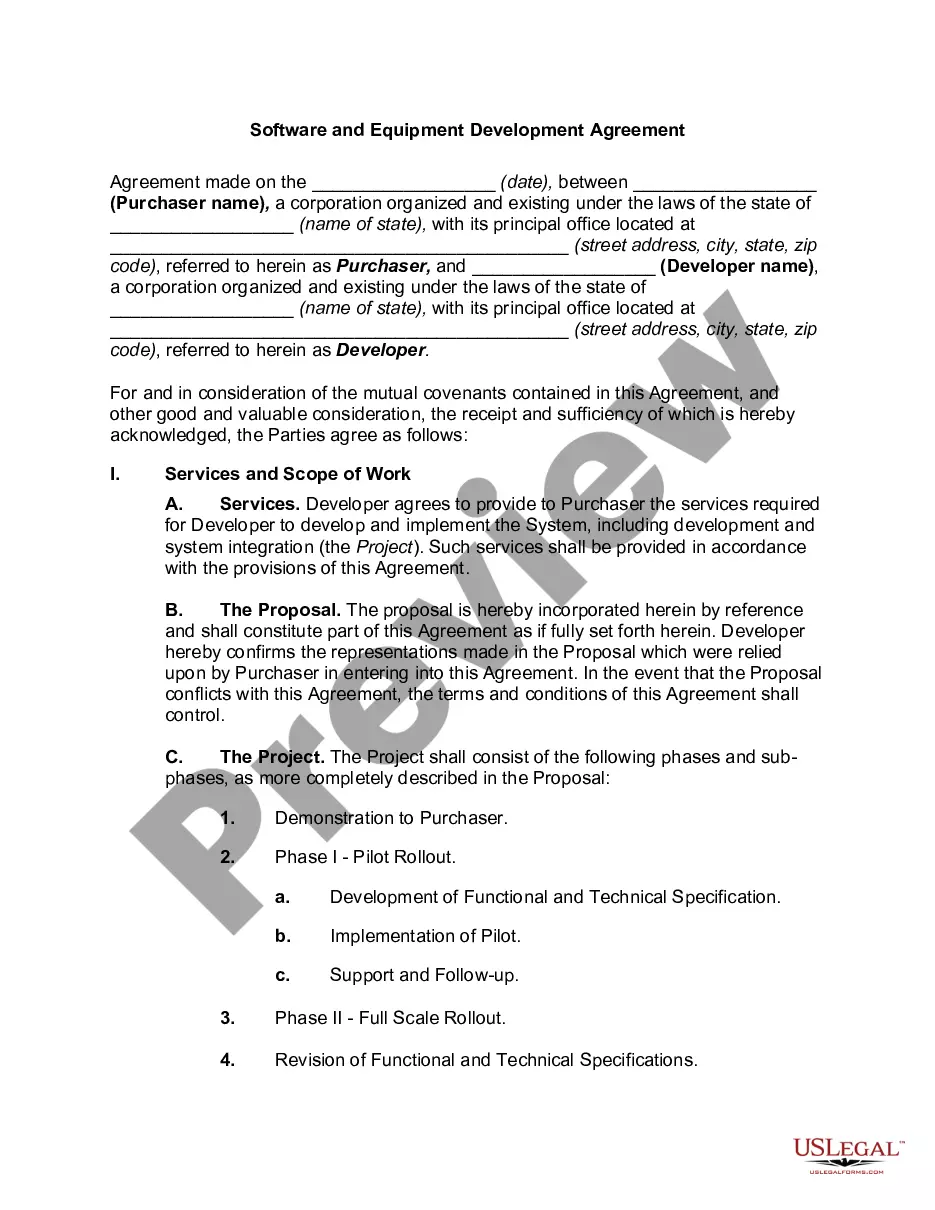
Maryland Trust Agreement for Pension Plan with Corporate Trustee
Description
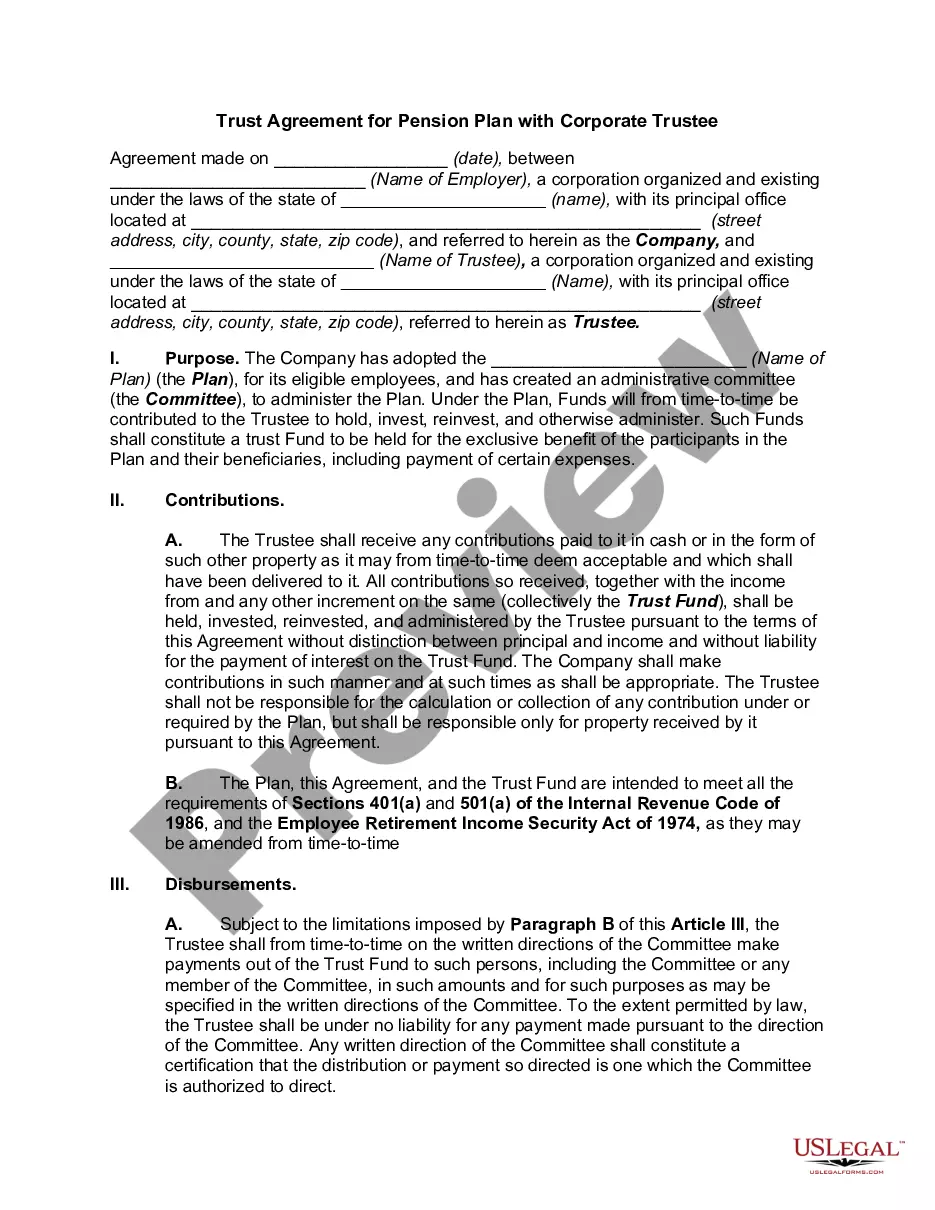
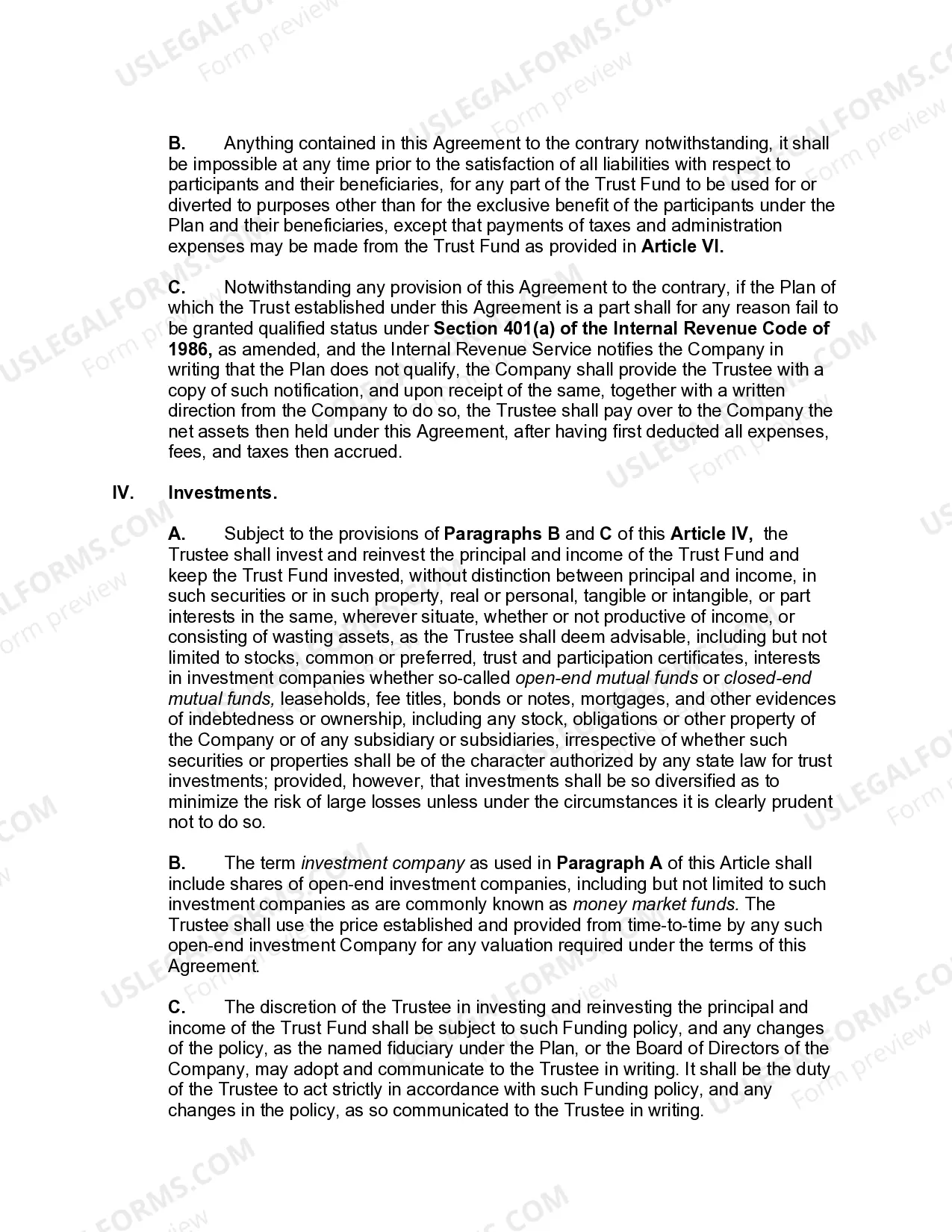
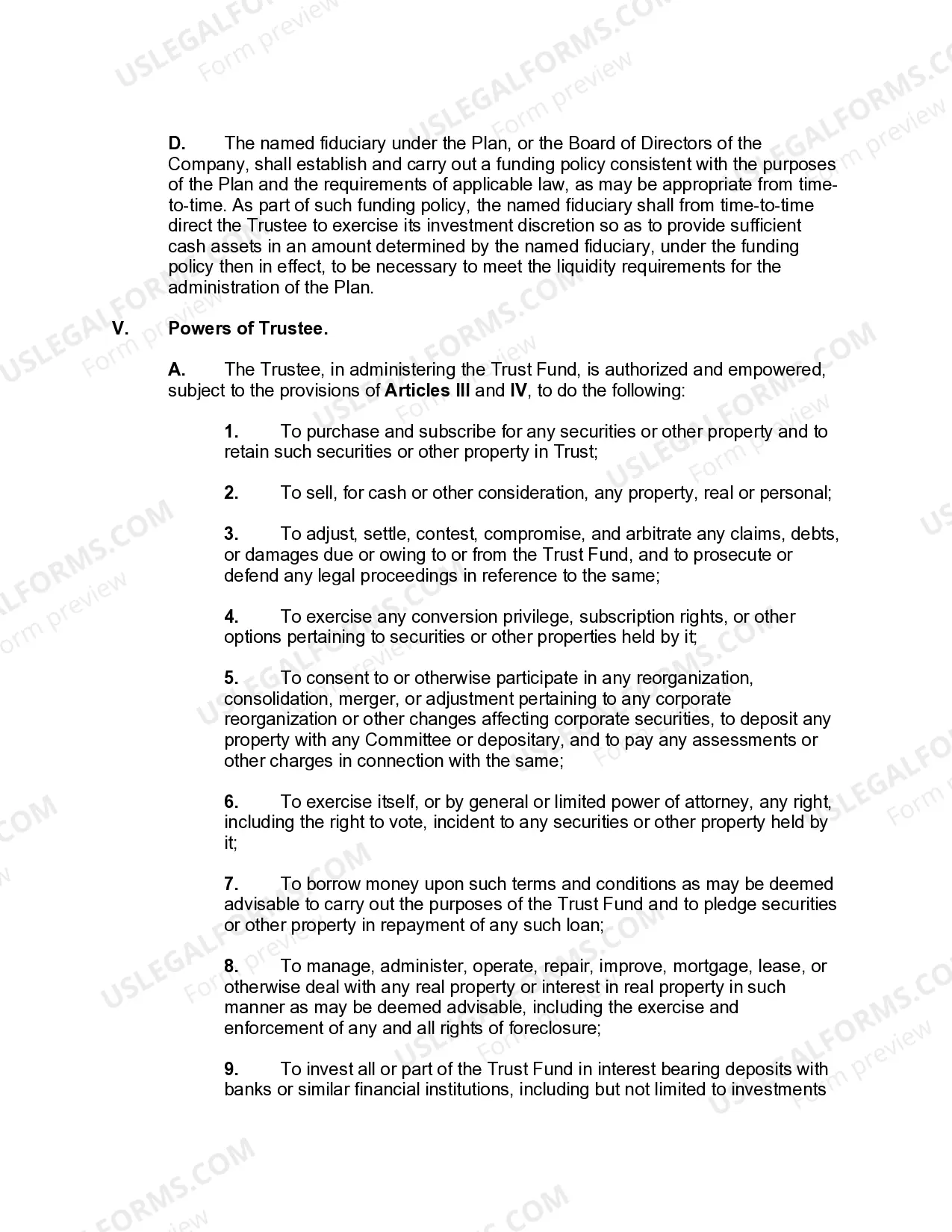
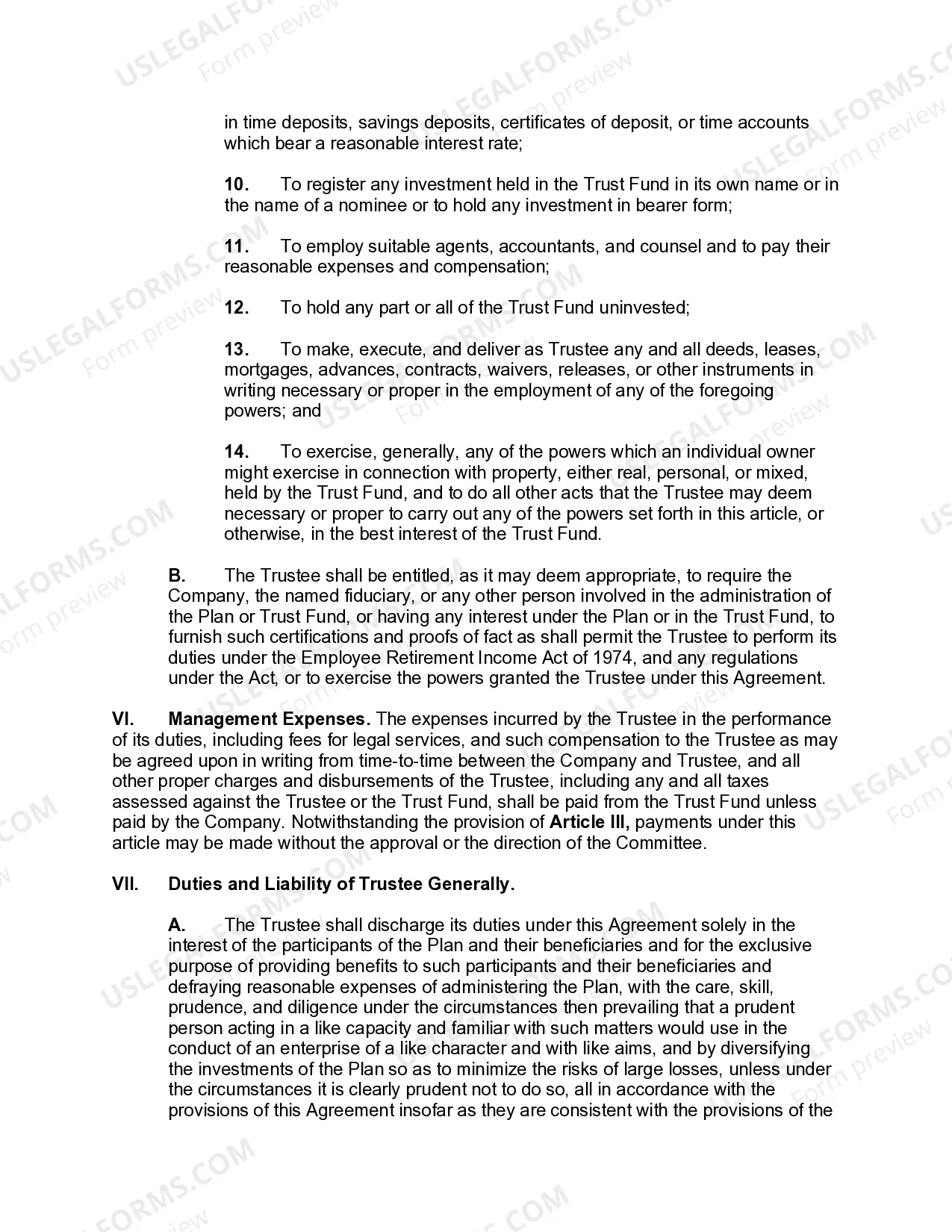
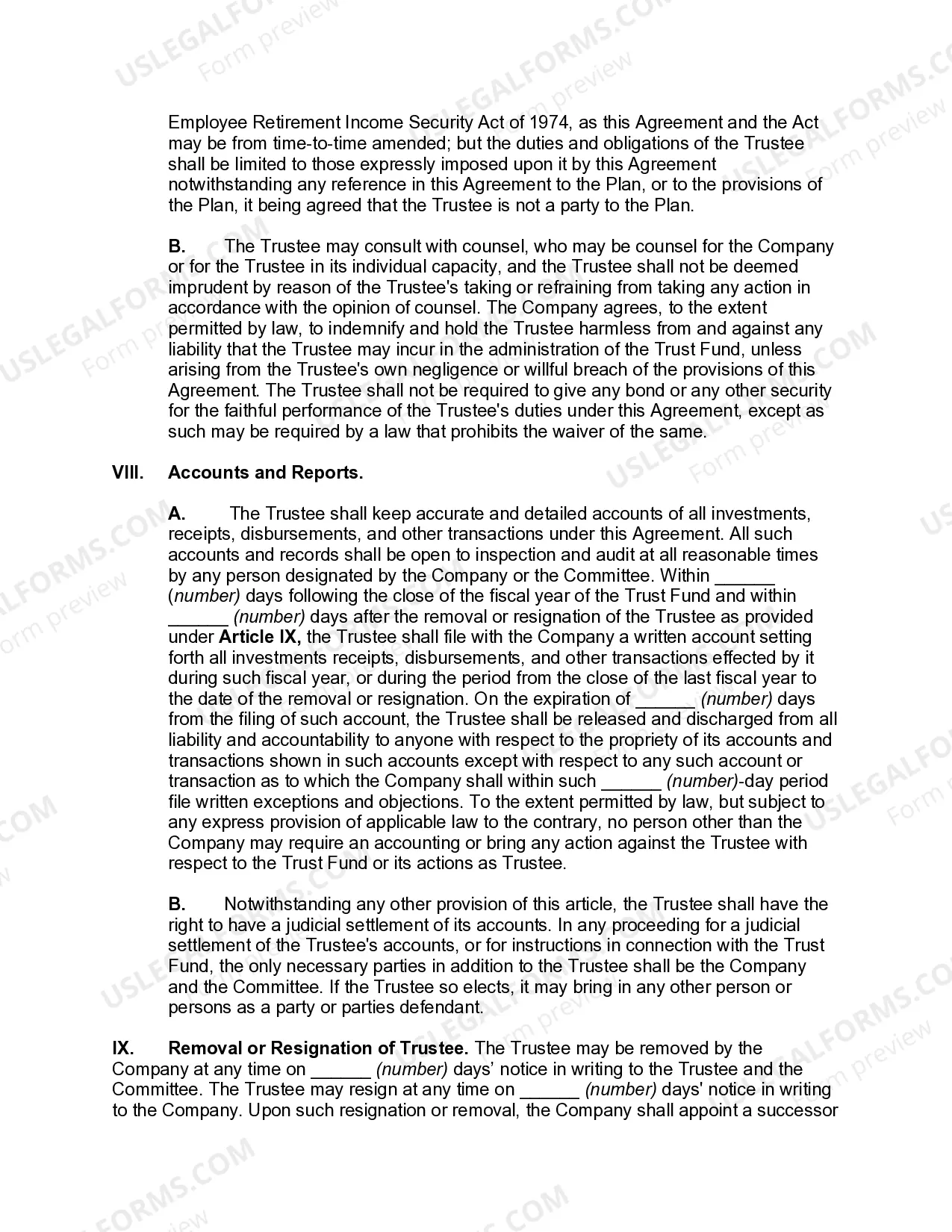
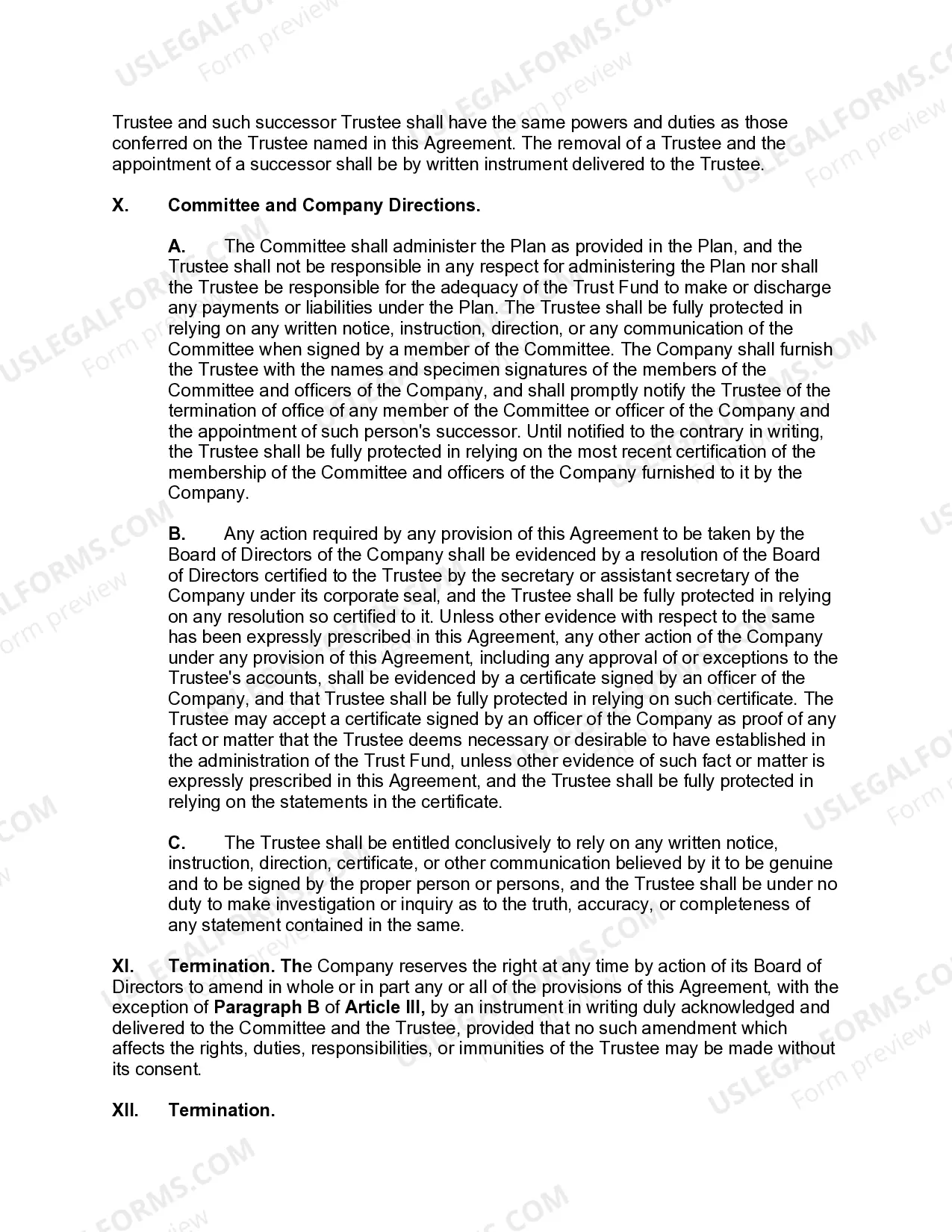
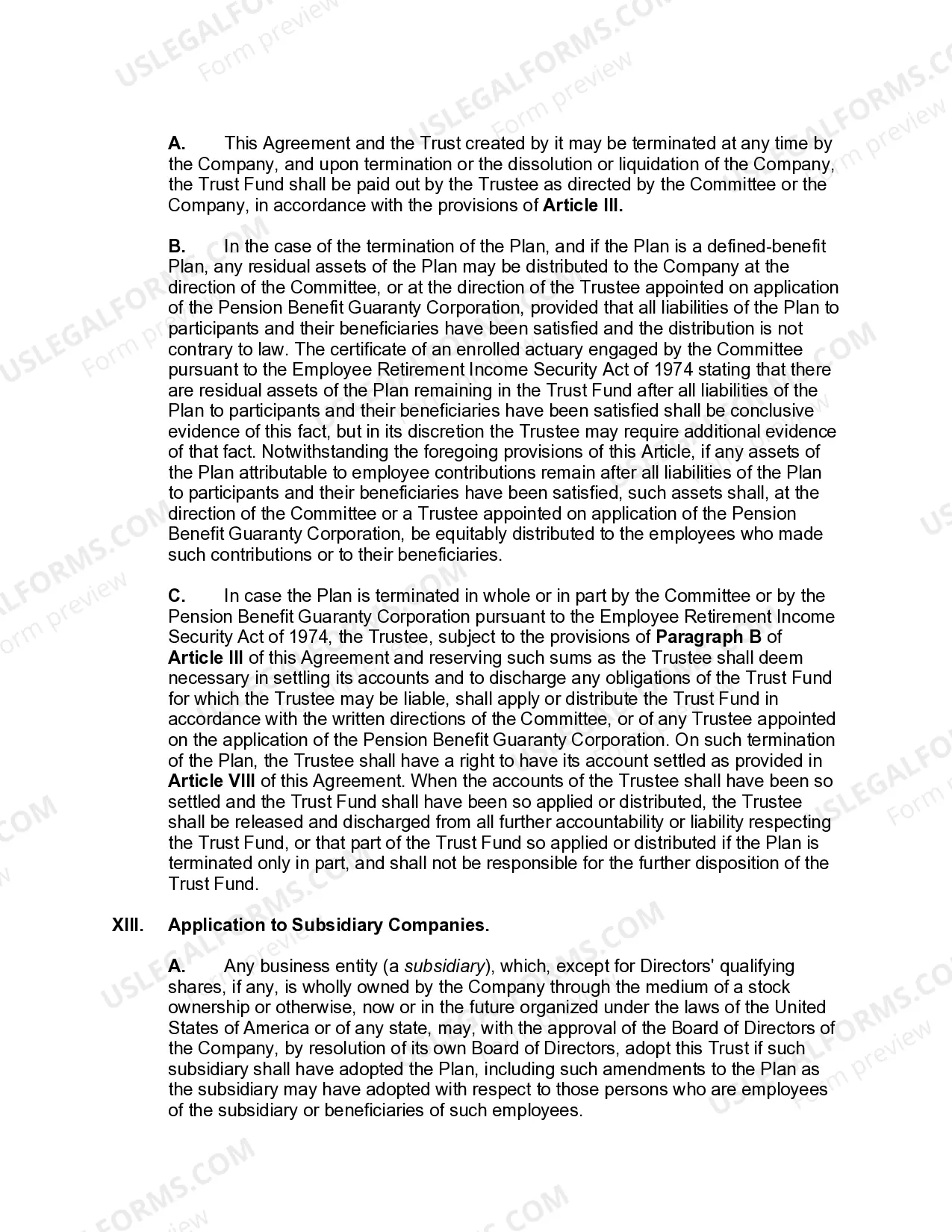
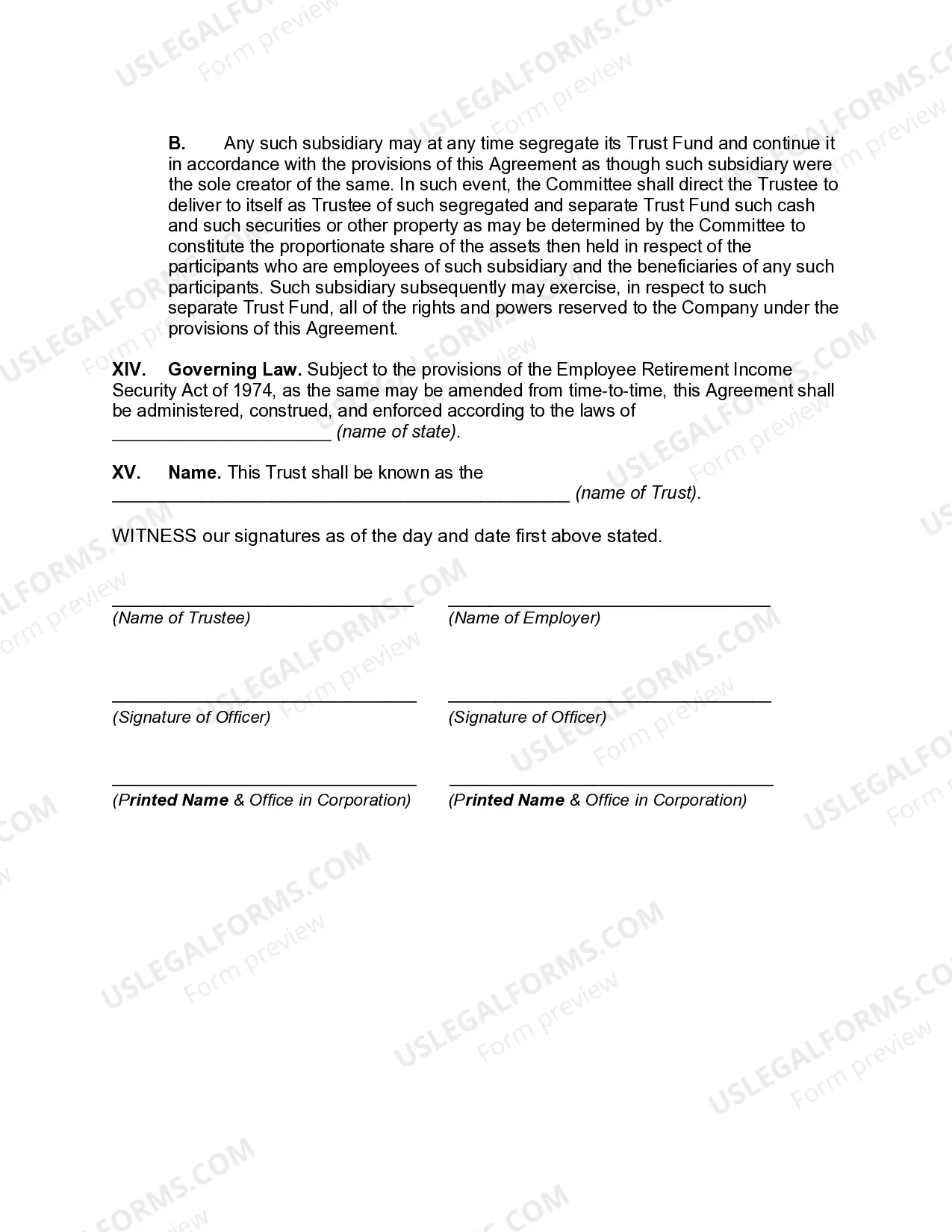
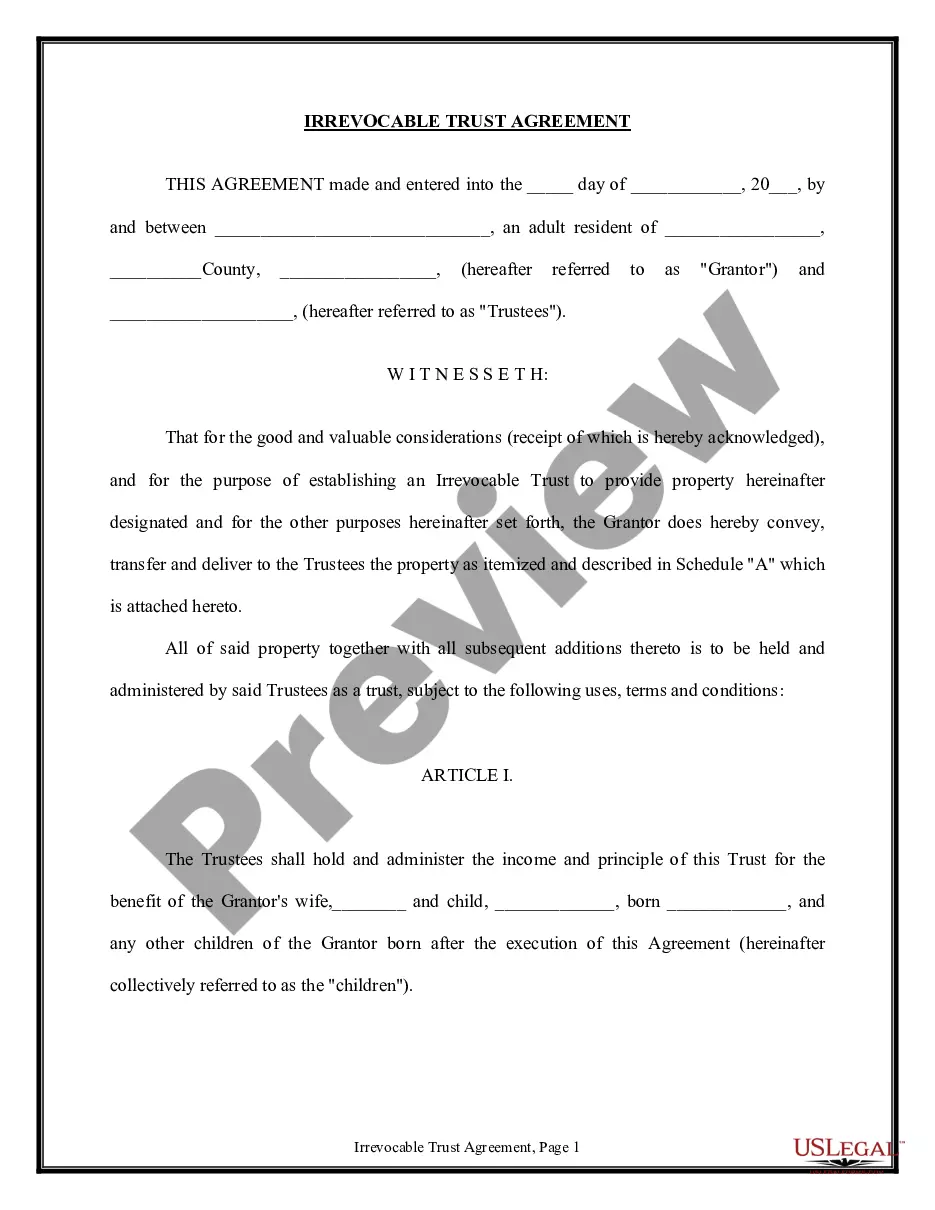
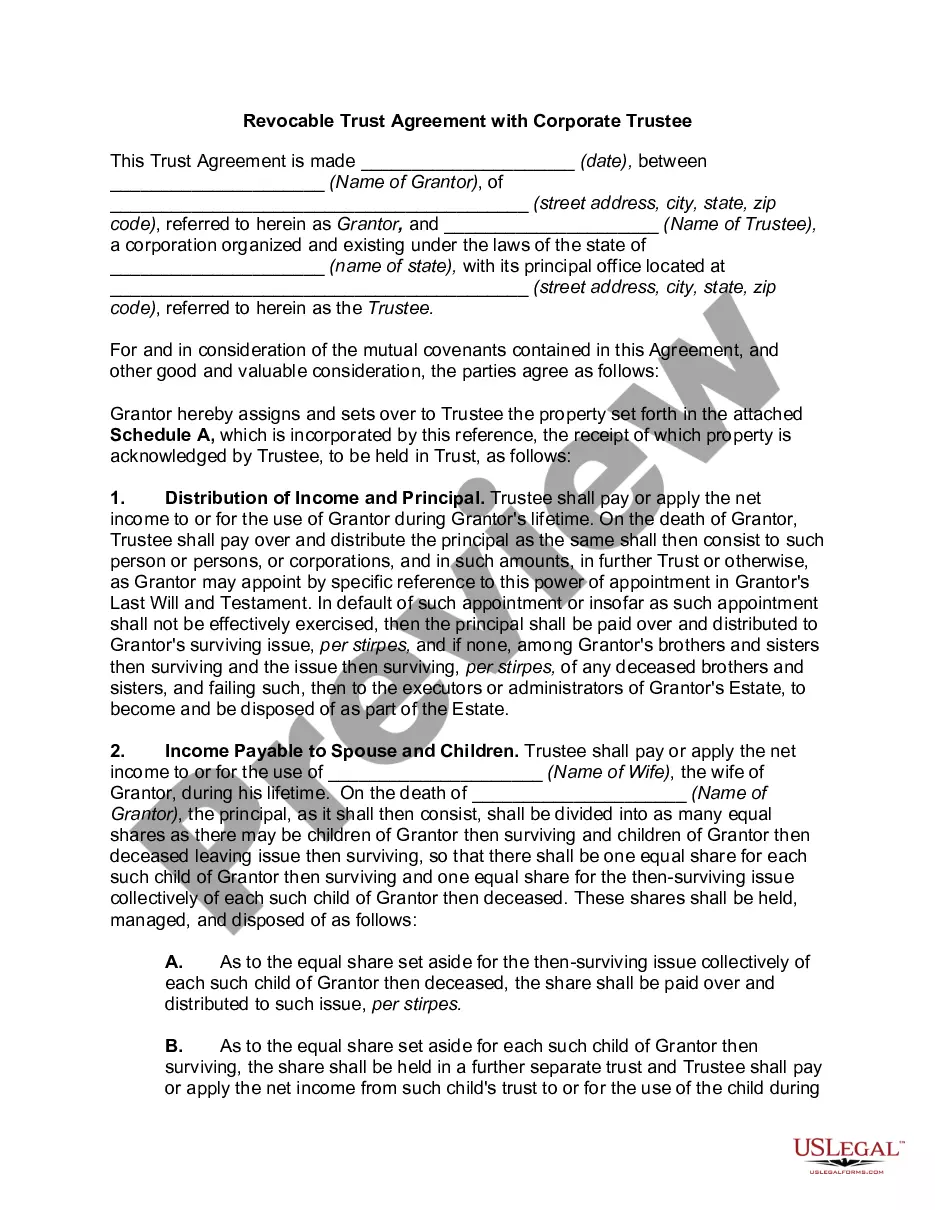
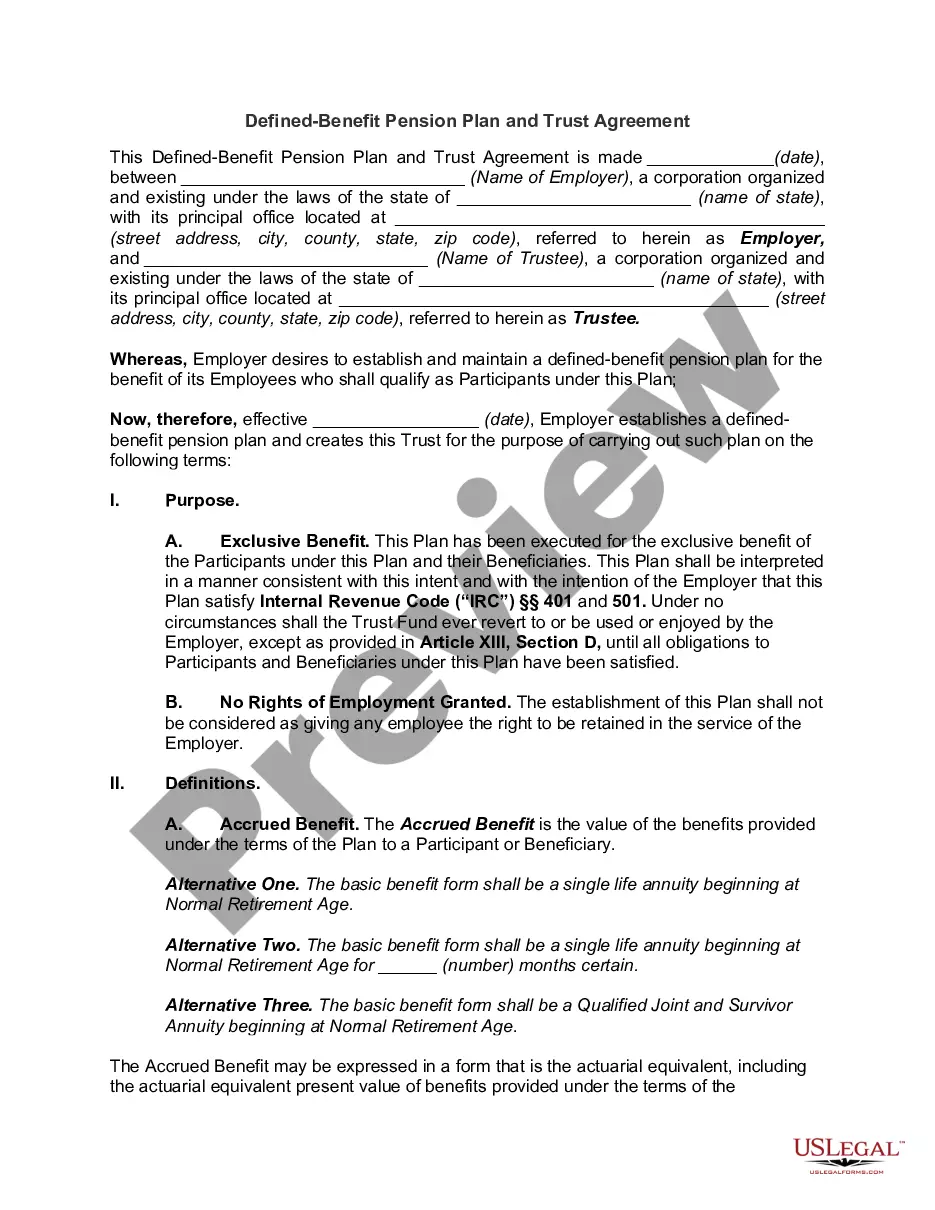
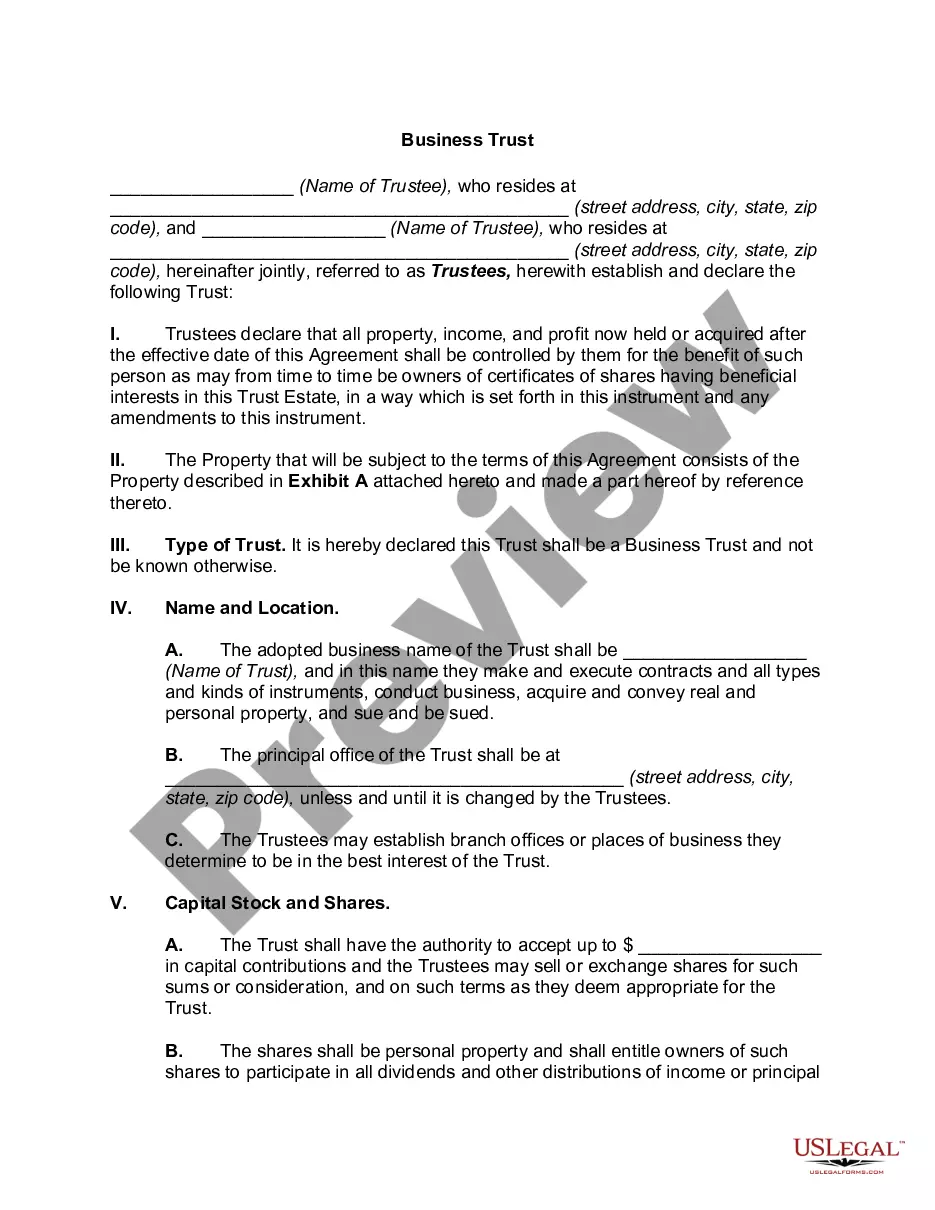
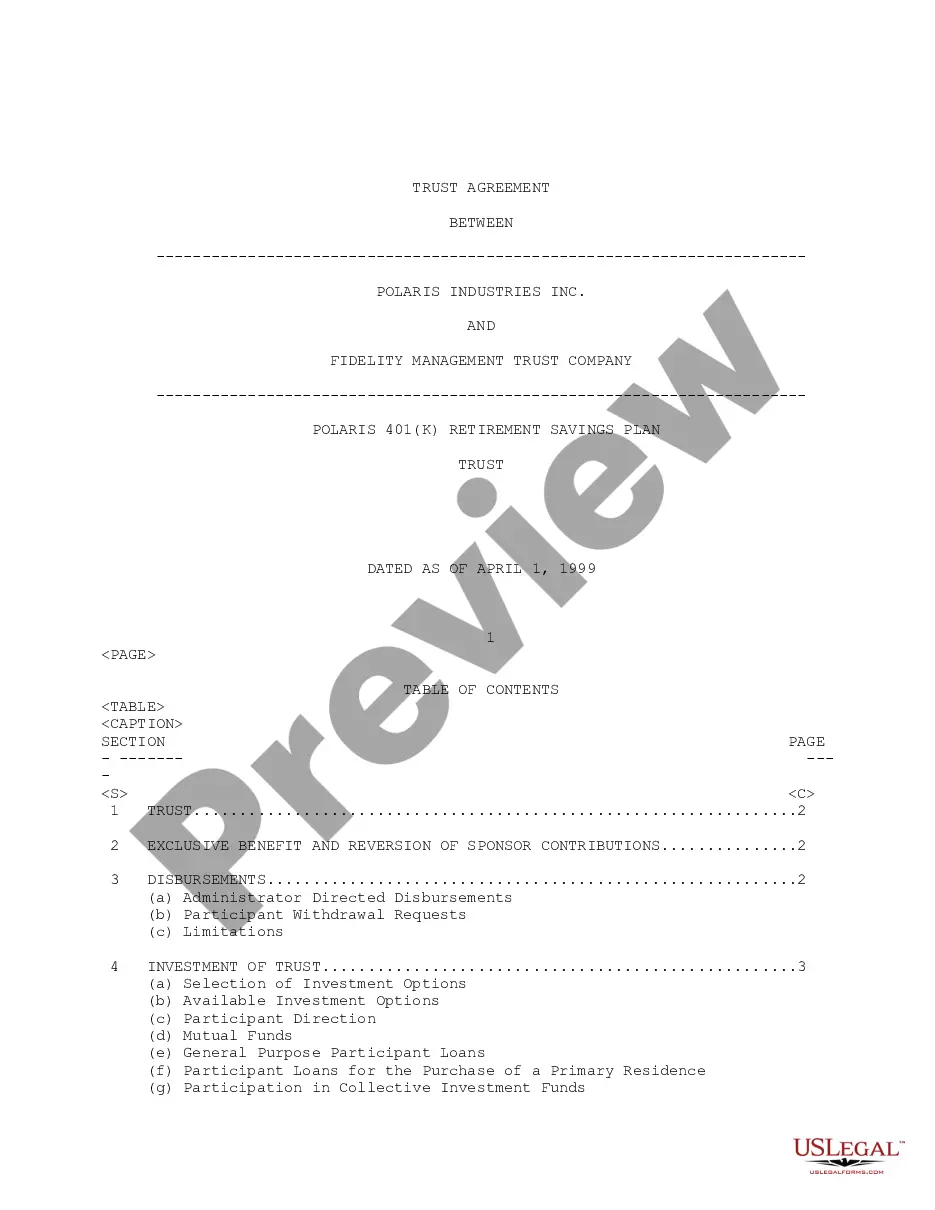

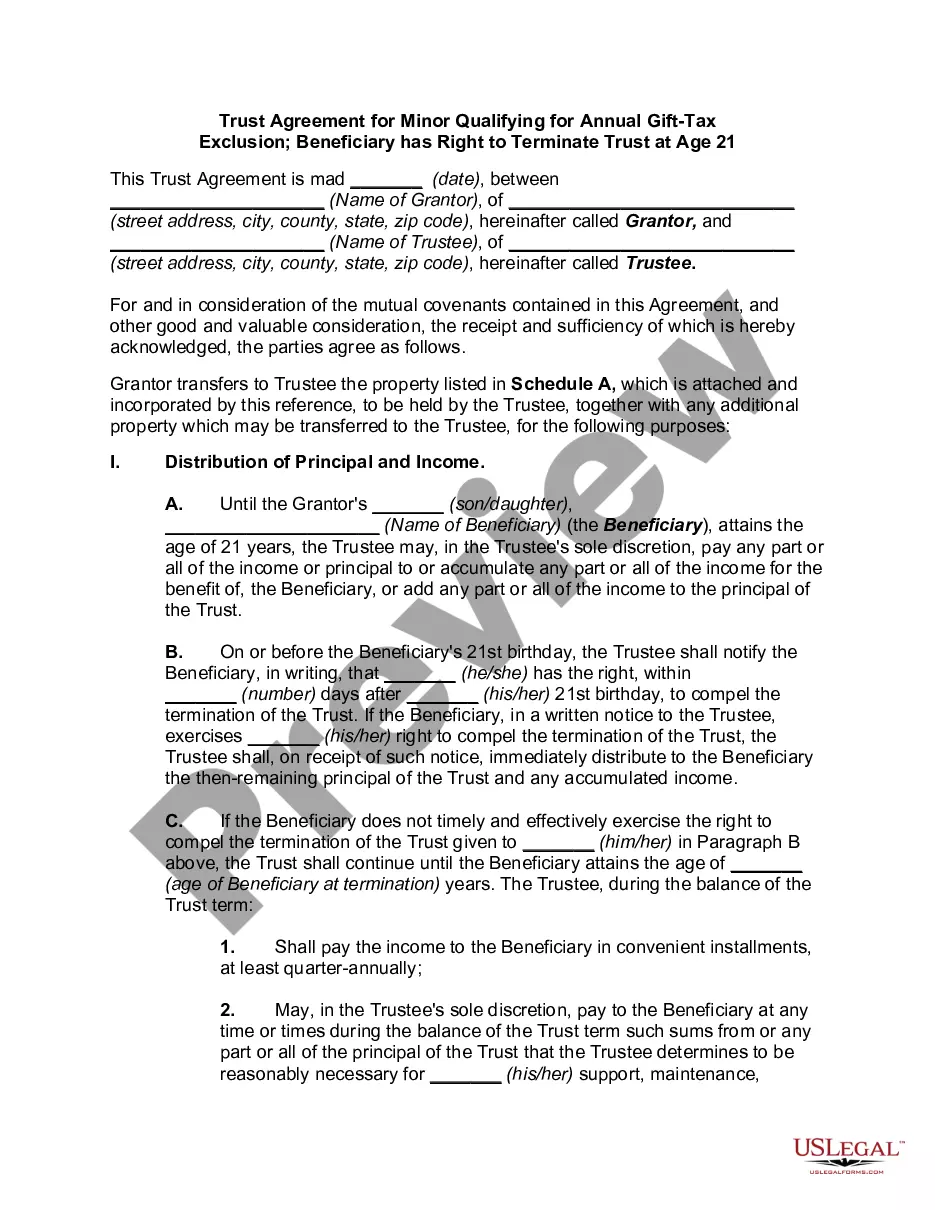
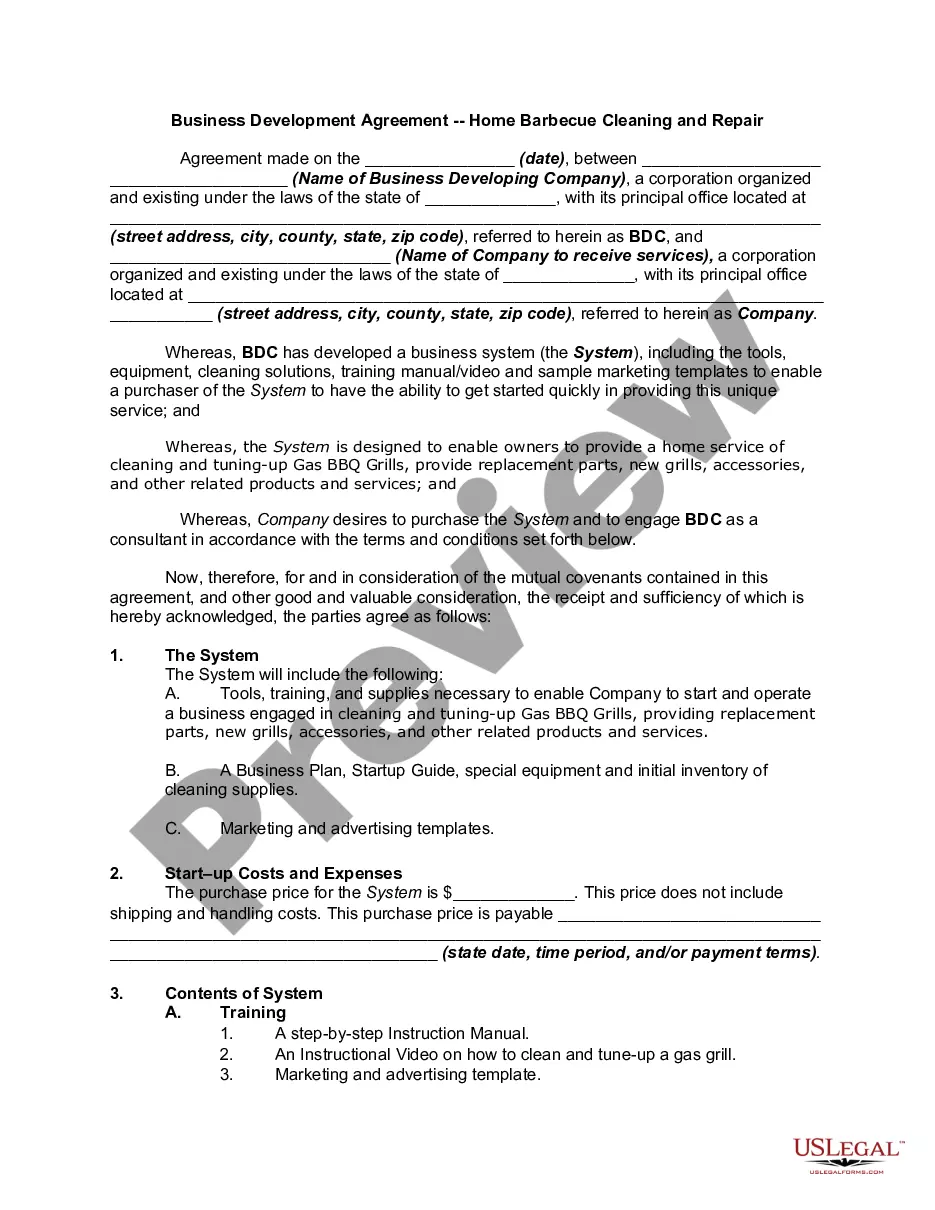

How to fill out Trust Agreement For Pension Plan With Corporate Trustee?
US Legal Forms - one of the largest collections of legal documents in the United States - offers a wide range of legal template formats that you can download or print.
On the website, you can find thousands of forms for business and personal use, organized by categories, states, or keywords. You can obtain the newest versions of forms such as the Maryland Trust Agreement for Pension Plan with Corporate Trustee in seconds.
If you already have an account, Log In and download the Maryland Trust Agreement for Pension Plan with Corporate Trustee from the US Legal Forms library. The Download button will appear on every form you view. You can access all previously saved forms in the My documents section of your account.
Complete the transaction. Use your Visa or Mastercard or PayPal account to finalize the purchase.
Select the format and download the form to your device. Make changes. Fill out, revise, print, and sign the saved Maryland Trust Agreement for Pension Plan with Corporate Trustee. Every template you add to your account has no expiration date and is yours permanently. So, if you wish to download or print another copy, simply go to the My documents section and click on the form you need. Access the Maryland Trust Agreement for Pension Plan with Corporate Trustee with US Legal Forms, one of the most extensive libraries of legal document templates. Utilize thousands of professional and state-specific templates that meet your business or personal requirements.
- If you are using US Legal Forms for the first time, here are straightforward instructions to get started.
- Ensure you have selected the correct form for your city/county.
- Click the Preview button to review the form's details.
- Read the form information to confirm that you have selected the correct document.
- If the form does not suit your needs, use the Search bar at the top of the screen to find one that does.
- If satisfied with the form, confirm your selection by clicking the Purchase now button.
- Then, choose the payment plan you prefer and provide your credentials to register for an account.
Form popularity
FAQ
Yes, a corporate trustee can be the beneficiary of the trust - as long as you include the trustee's name and their capacity.
A trustee is the person or entity entrusted to make investment decisions in the best interests of plan participants. A trustee is assigned by another fiduciary, such as the employer who sponsors the qualified retirement plan, and should be named in the plan documents. Additional restrictions apply for a trustee.
The trustee's role is to administer and distribute the assets in the trust according to your wishes, as expressed in the trust document. Trustees have the fiduciary duty, legal authority, and responsibility to manage your assets held in trust and handle day-to-day financial matters on your behalf.
To distribute real estate held by a trust to a beneficiary, the trustee will have to obtain a document known as a grant deed, which, if executed correctly and in accordance with state laws, transfers the title of the property from the trustee to the designated beneficiaries, who will become the new owners of the asset.
Corporate trustees are departments at banks or other investment firms hired to build and manage a trust. People hire corporate trustees for their professional experience in trust matters that a family member or friend may not have.
Retirement plans themselves cannot be transferred into a trust; those assets must be distributed from the plan first, which triggers income tax on the distribution. If you are older than 72 when you die, money generally must come out of your retirement plan according to the schedule that was required before your death.
Under a trust, a trustee holds and manages assets for the benefit of one or more beneficiaries. The beneficiaries may receive the benefit of the trust's assets through income and other proceeds that the trustee distributes to them. This means that the trustee has a great deal of control over the trust.
The trust allows the trustee to gift from the trust to the current beneficiary's issue up to the annual gift exclusion (currently $15K).
If you're wondering can a trust own a corporation, the answer is yes, but only specific types of trusts qualify. As a legally separate entity, a trust manages and holds specific assets for a beneficiary's benefit.
What Is a 401(k) Trustee? The trustee (or trustees) of a plan is the individual that has the primary fiduciary responsibility to ensure the plan assets are being managed in the best interest of the participants and in line with the plan document. The trustee can be held personally liable for the misuse of plan asset.