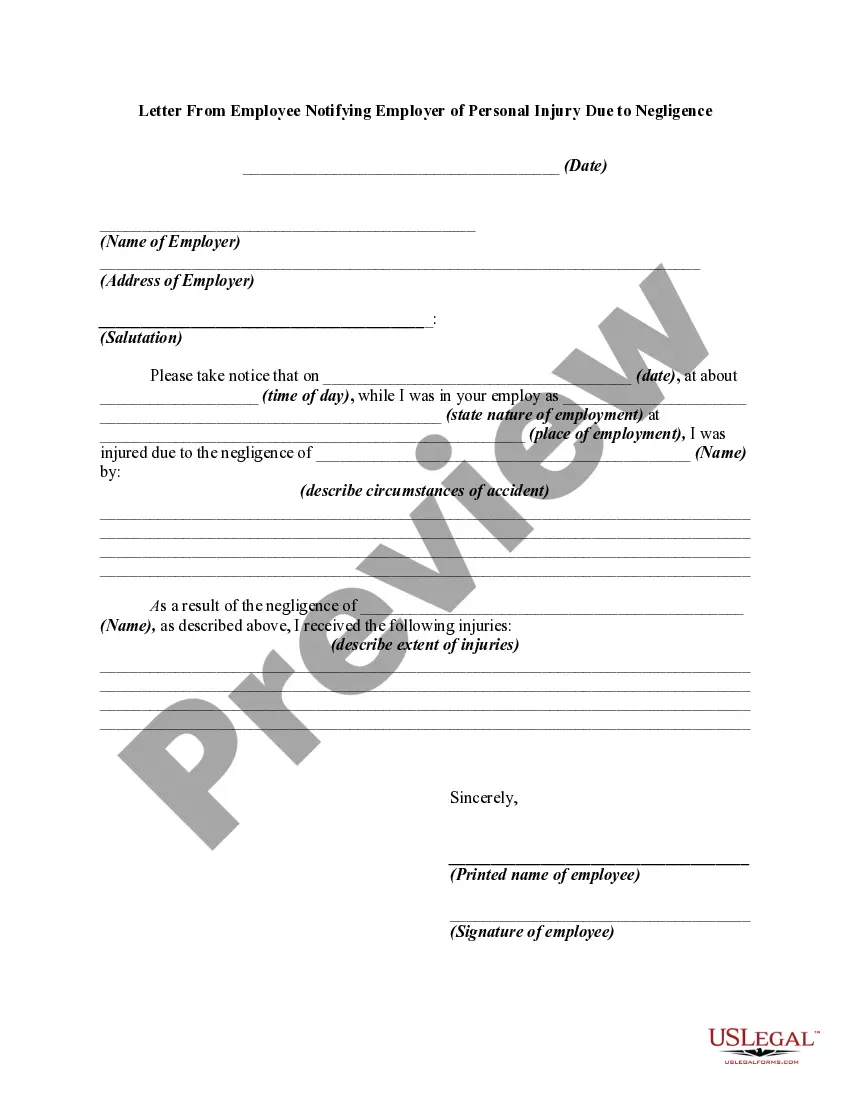
Maryland Business Trust
Description
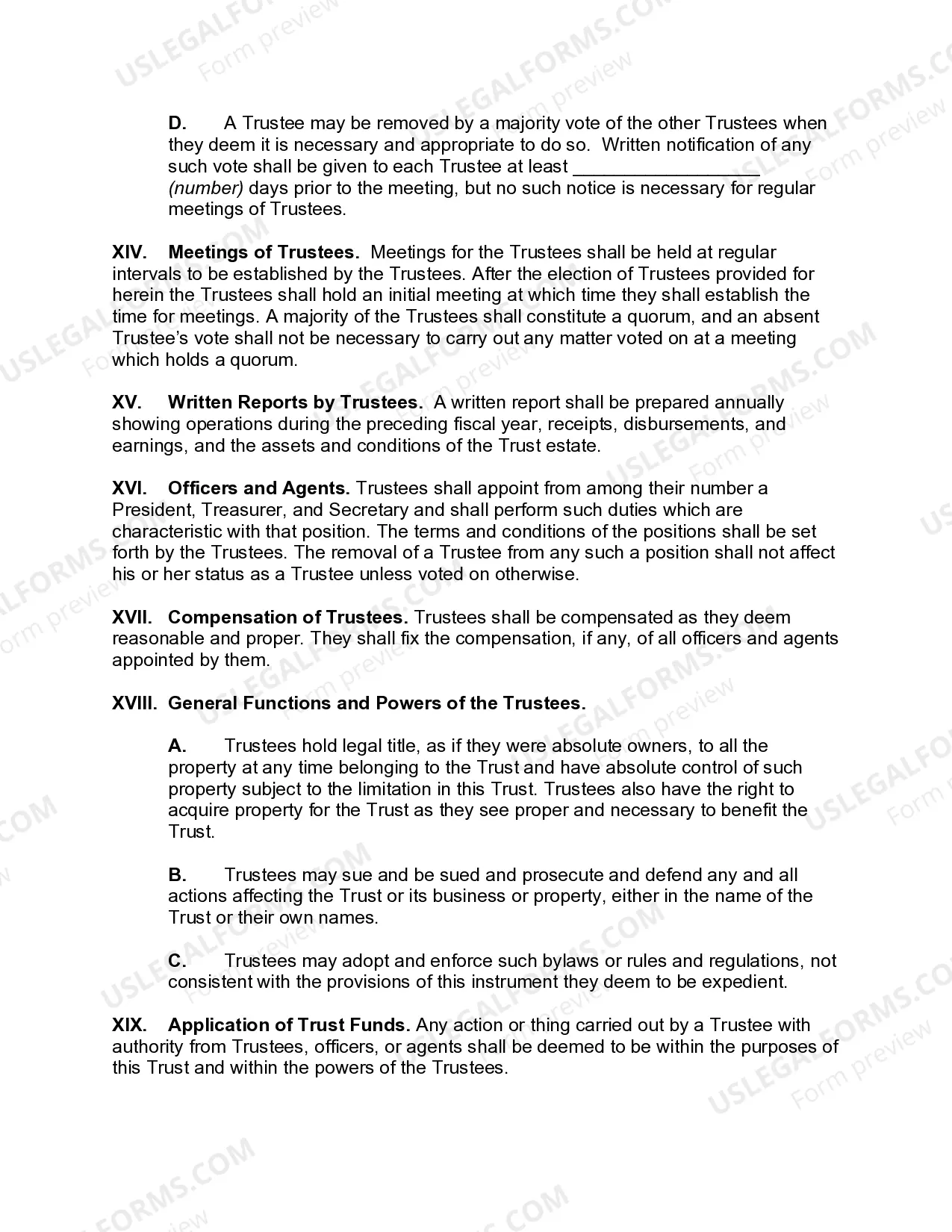
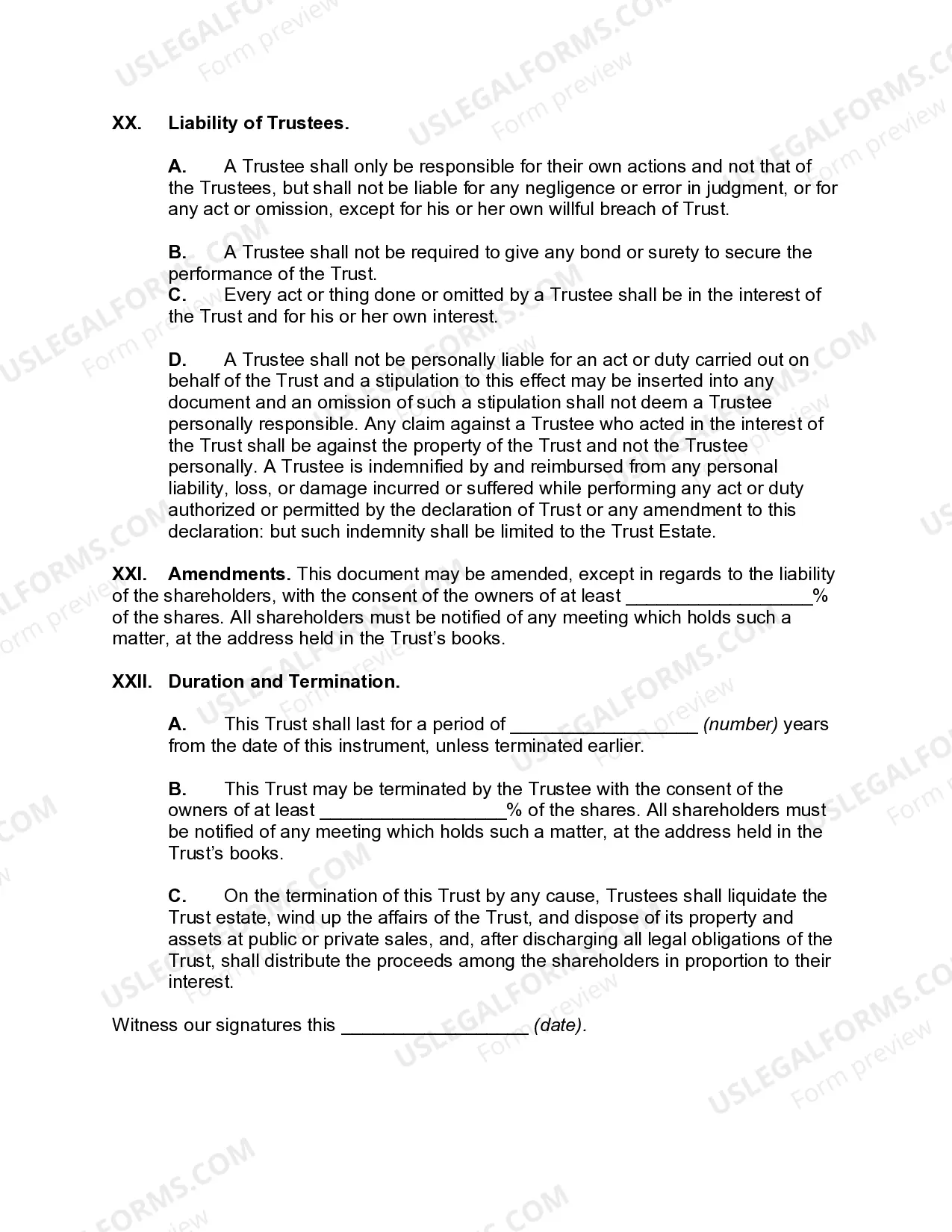
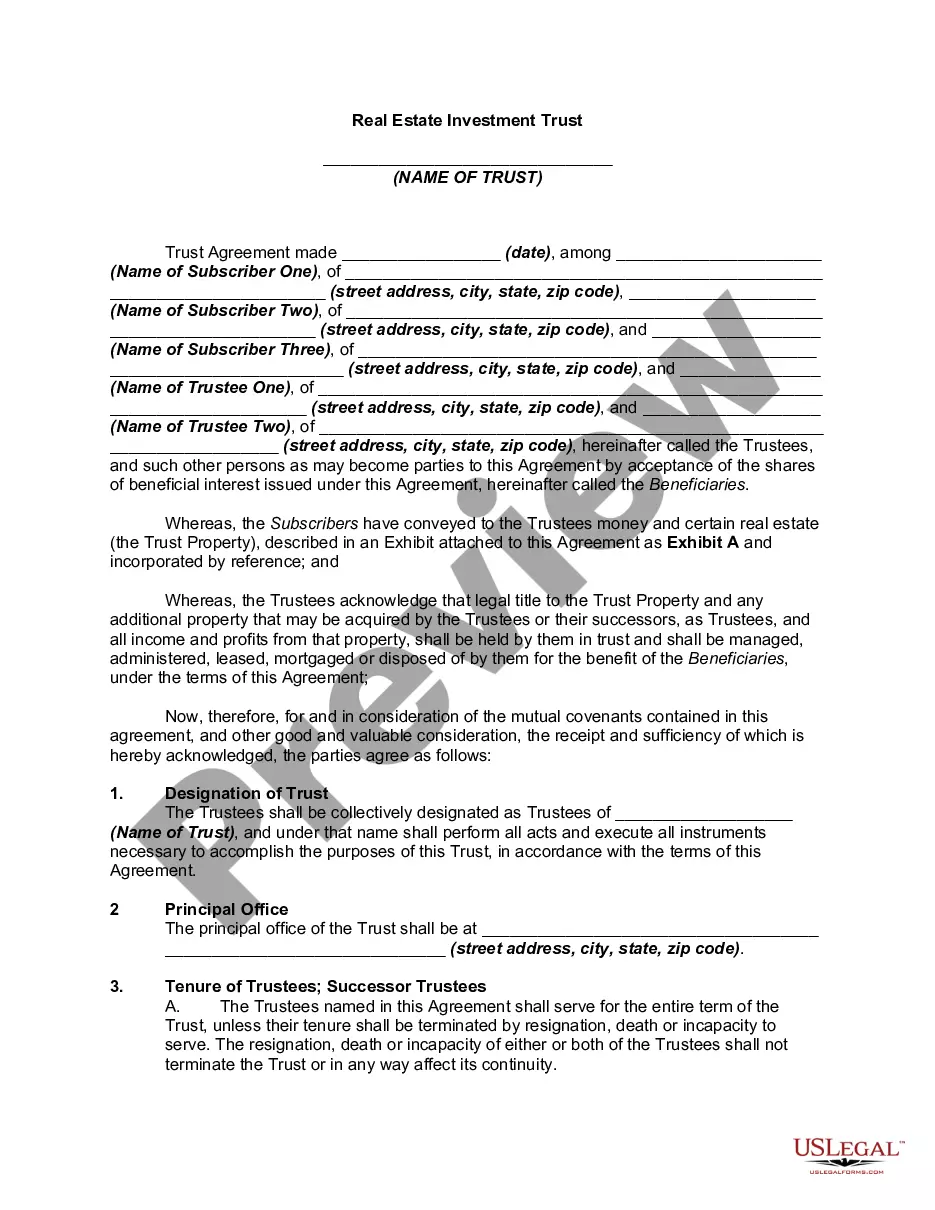
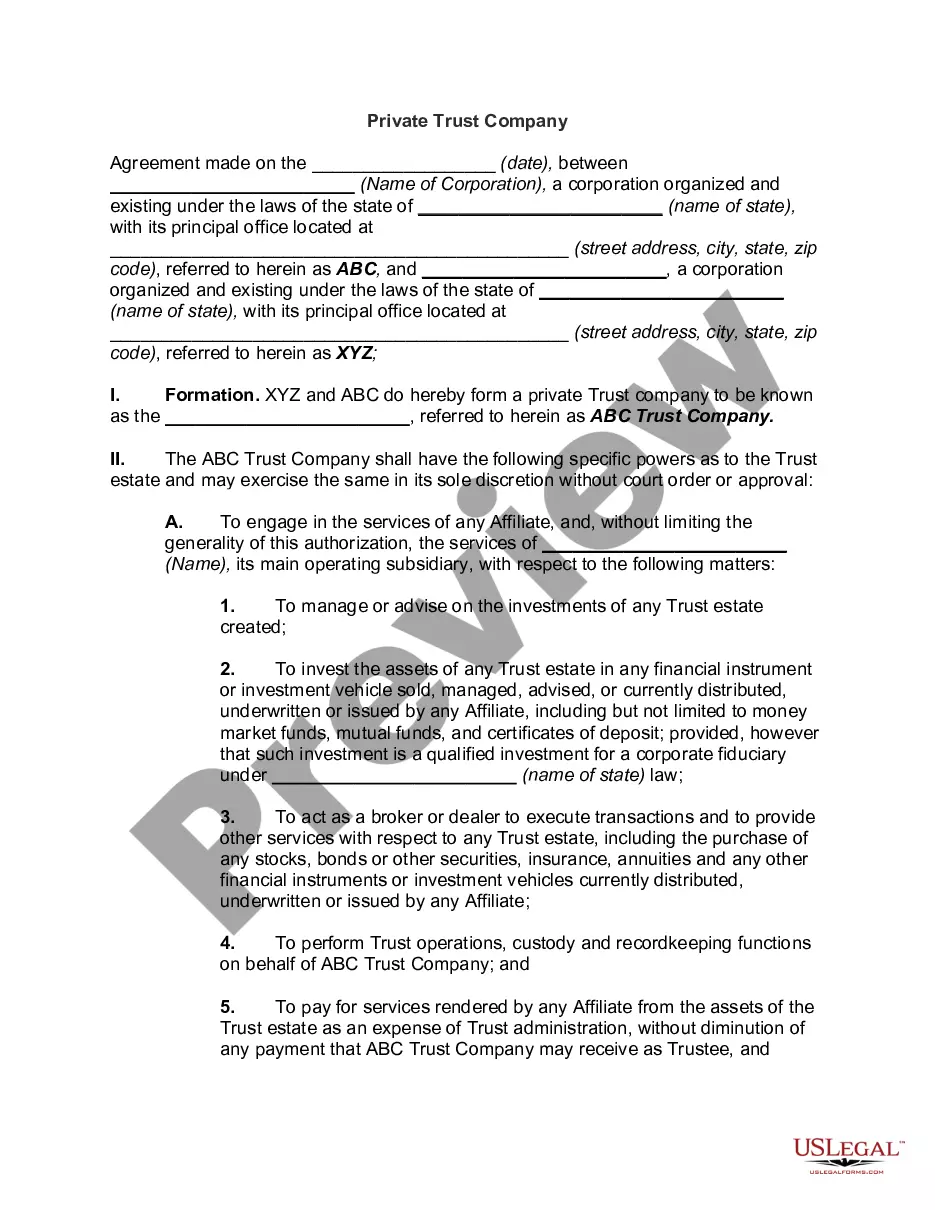
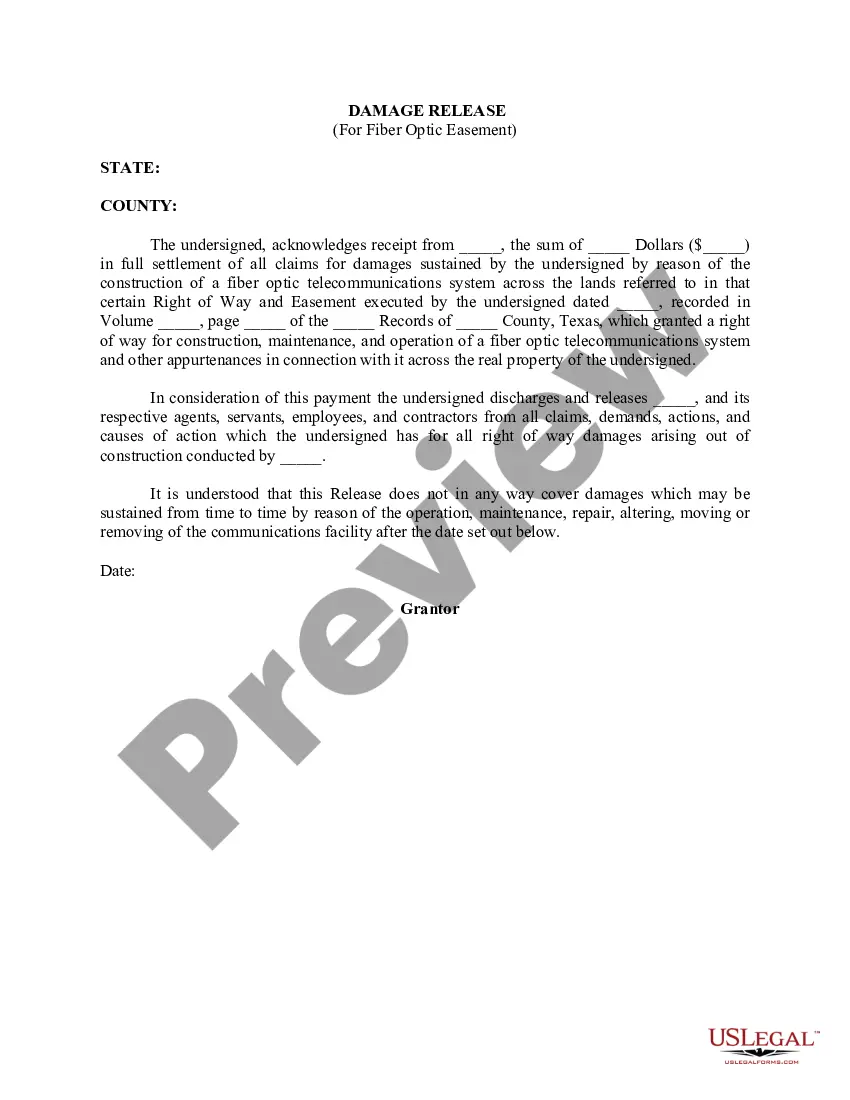
Get your form ready online
Our built-in tools help you complete, sign, share, and store your documents in one place.
Make edits, fill in missing information, and update formatting in US Legal Forms—just like you would in MS Word.
Download a copy, print it, send it by email, or mail it via USPS—whatever works best for your next step.
Sign and collect signatures with our SignNow integration. Send to multiple recipients, set reminders, and more. Go Premium to unlock E-Sign.
If this form requires notarization, complete it online through a secure video call—no need to meet a notary in person or wait for an appointment.
We protect your documents and personal data by following strict security and privacy standards.

Make edits, fill in missing information, and update formatting in US Legal Forms—just like you would in MS Word.

Download a copy, print it, send it by email, or mail it via USPS—whatever works best for your next step.

Sign and collect signatures with our SignNow integration. Send to multiple recipients, set reminders, and more. Go Premium to unlock E-Sign.

If this form requires notarization, complete it online through a secure video call—no need to meet a notary in person or wait for an appointment.

We protect your documents and personal data by following strict security and privacy standards.
Looking for another form?


How to fill out Business Trust?
Finding the appropriate legal document template can be a challenge.
Of course, there are numerous templates available online, but how can you locate the legal form you require.
Utilize the US Legal Forms platform. The service offers thousands of templates, including the Maryland Business Trust, that you can use for both business and personal needs.
If the form does not meet your requirements, use the Search field to find the appropriate form. Once you are certain the form is correct, click the Purchase now button to obtain the form. Select the pricing plan you need and enter the required information. Create your account and make the purchase using your PayPal account or credit card. Choose the document format and download the legal document template to your device. Complete, modify, print, and sign the acquired Maryland Business Trust. US Legal Forms is the largest collection of legal forms where you can find various document templates. Use the service to download professionally crafted documents that meet state requirements.
- All of the documents are reviewed by professionals and comply with state and federal regulations.
- If you are already a registered user, Log In to your account and click on the Download button to access the Maryland Business Trust.
- Use your account to browse the legal forms you may have purchased previously.
- Proceed to the My documents tab in your account and obtain another copy of the document you need.
- If you are a new user of US Legal Forms, here are simple steps to follow.
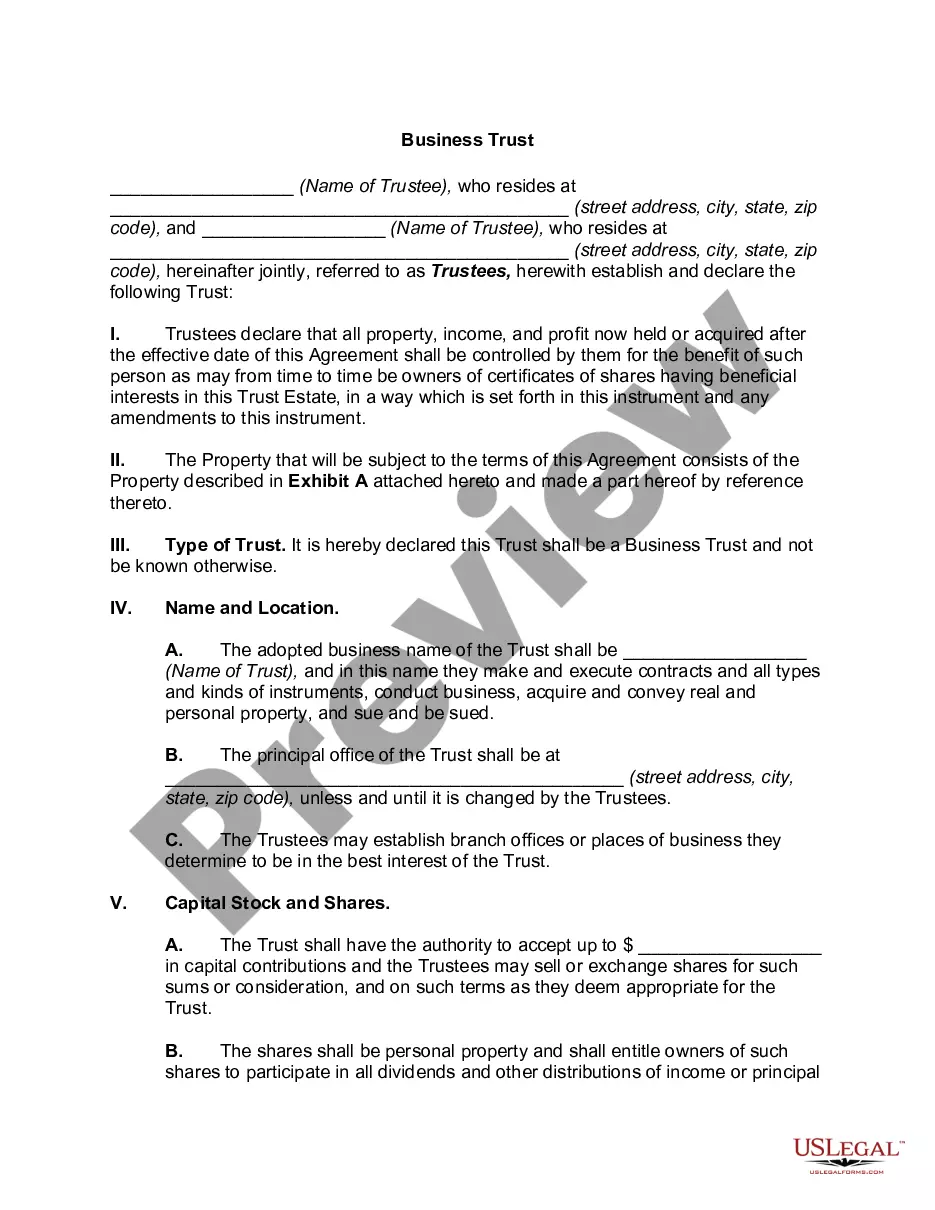
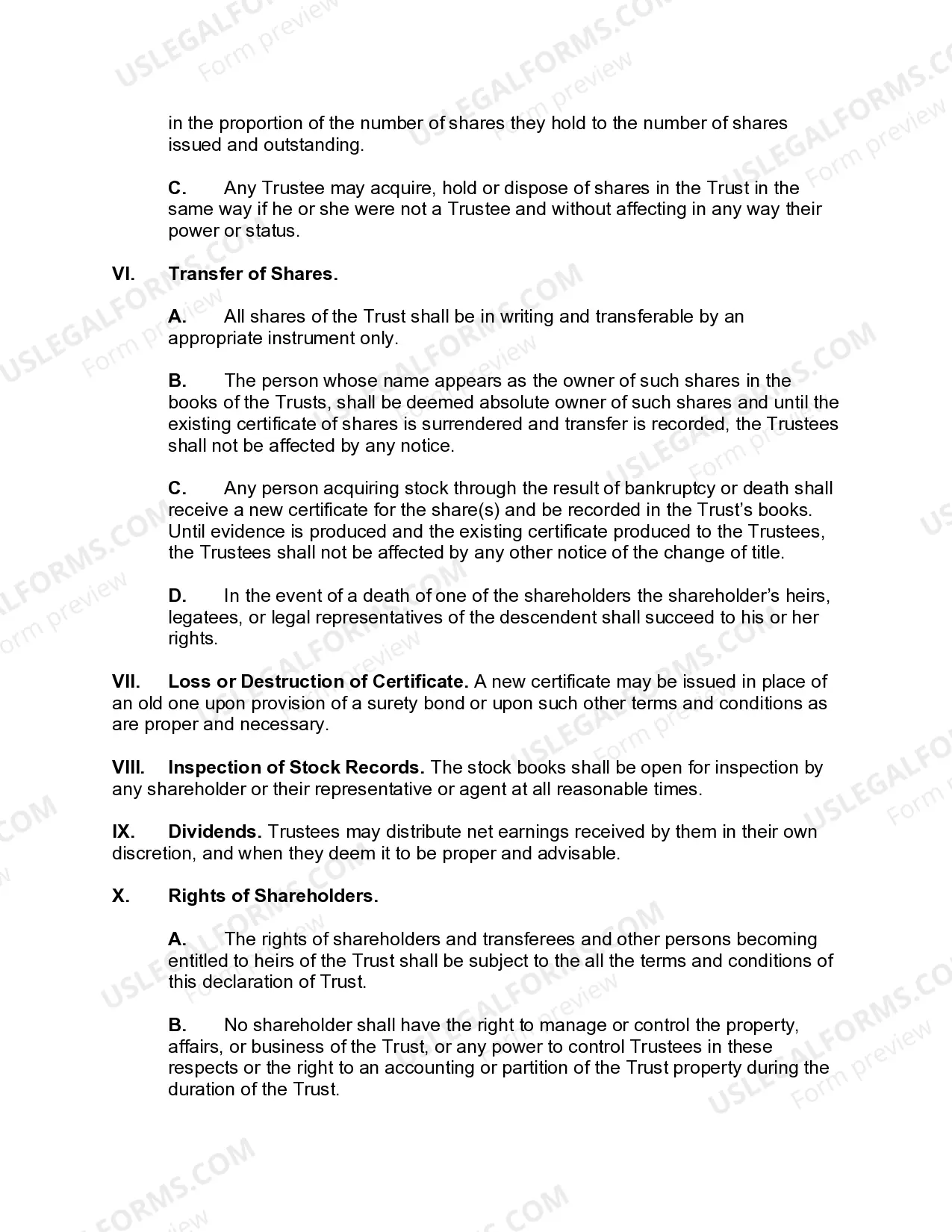
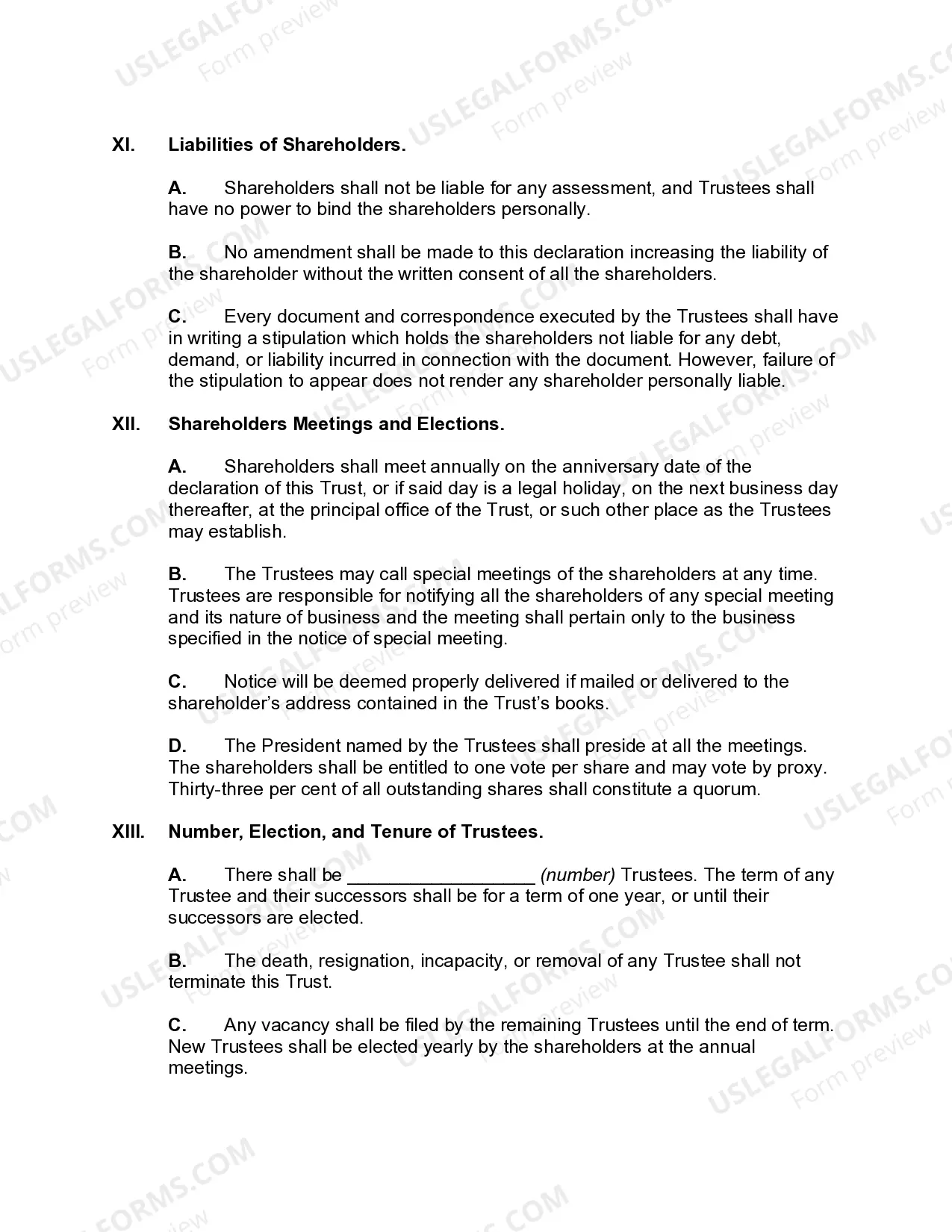
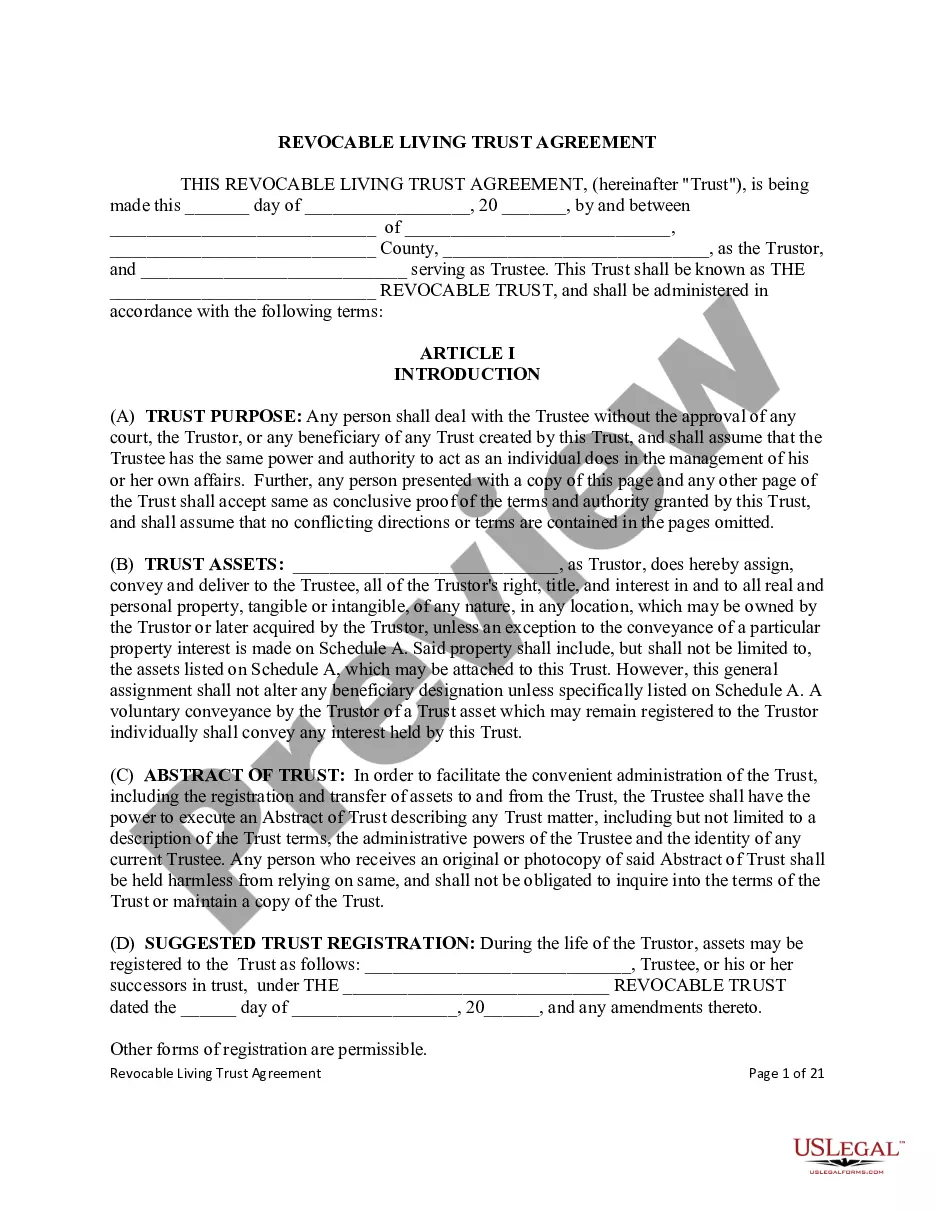
- First, ensure you have selected the correct form for your city/county. You can review the form using the Preview button and examine the form details to confirm that it is suitable for you.
Form popularity
FAQ
statutory trust is generally referred to as a common law trust. See The Law within this site for information on the common law. Statutory trusts are those, which like corporations, are established by and through a law created by the legislature of your state.
Advantages of a trust A trust provides asset protection and limits liability in relation to the business. Trusts separate the control of an asset from the owner of the asset and so may be useful for protecting the income or assets of a young person or a family unit. Trusts are very flexible for tax purposes.
There may, of course, be illegal trusts; but a trust in and by itself is not illegal: when resorted to for a proper purpose, it has been for centuries enforced by courts of justice, and is, in fact, the creature of a court of equity.
Statutory trusts involve real property that is held by a trustee with the intention of selling. Any profits from the real property including rent and sale profits go into the trust. These profits are then paid to the benefactors of the trust. This process is regulated by the Uniform Statutory Trust Entity Act (USTEA).
Trust advantages and disadvantageslimited liability is possible if a corporate trustee is appointed.the structure provides more privacy than a company.there can be flexibility in distributions among beneficiaries.trust income is generally taxed as income of an individual.
(2) "Business trust" means an unincorporated trust or association, including a Maryland real estate investment trust, a common-law trust, or a Massachusetts trust, which is engaged in business and in which property is acquired, held, managed, administered, controlled, invested, or disposed of for the benefit and profit
A statutory trust is formed by filing a certificate of trust with the State Department of Assessments and Taxation of Maryland (the SDAT) and is a separate legal entity.
How Does a Business Trust Work? A trust is an agreement that allows one party, known as a trustee, to hold, manage, and direct assets or property on behalf of another party, called the beneficiary. In a business trust, a trustee manages a business and conducts transactions for the benefit of its beneficiaries.
A trustee is the legal owner of the assets held in the trust which are managed by the trustees for the benefit of the beneficiaries of the trust in question. Trustees receive their powers from the trust instrument and/or from statute.
The rules of intestacy can provide for assets to be held in a 'statutory trust' (a 'trust for sale' TSEM6123). Most commonly, it occurs where the assets exceed a fixed sum (set by statute), and the deceased left a widow and issue. The widow is entitled to the fixed sum. Half of the excess is held on a statutory trust.