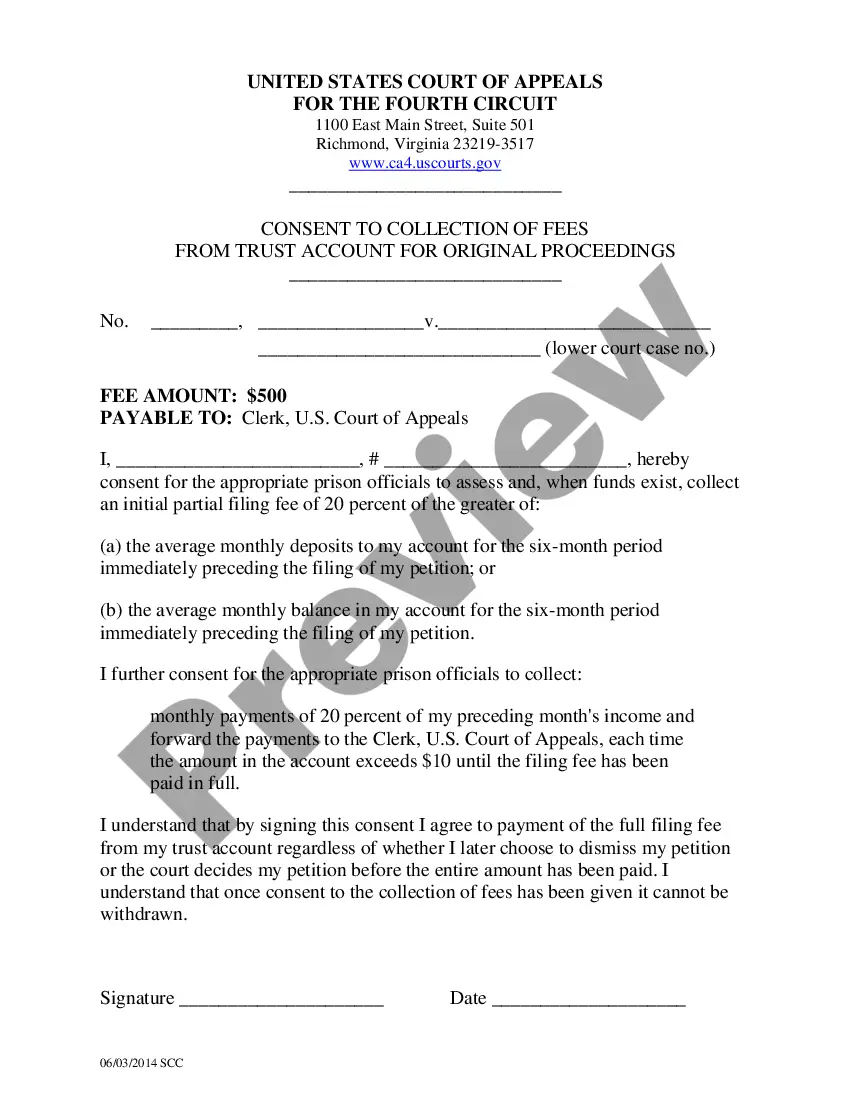
Maryland Emergency Motion to Remand Cause
Description
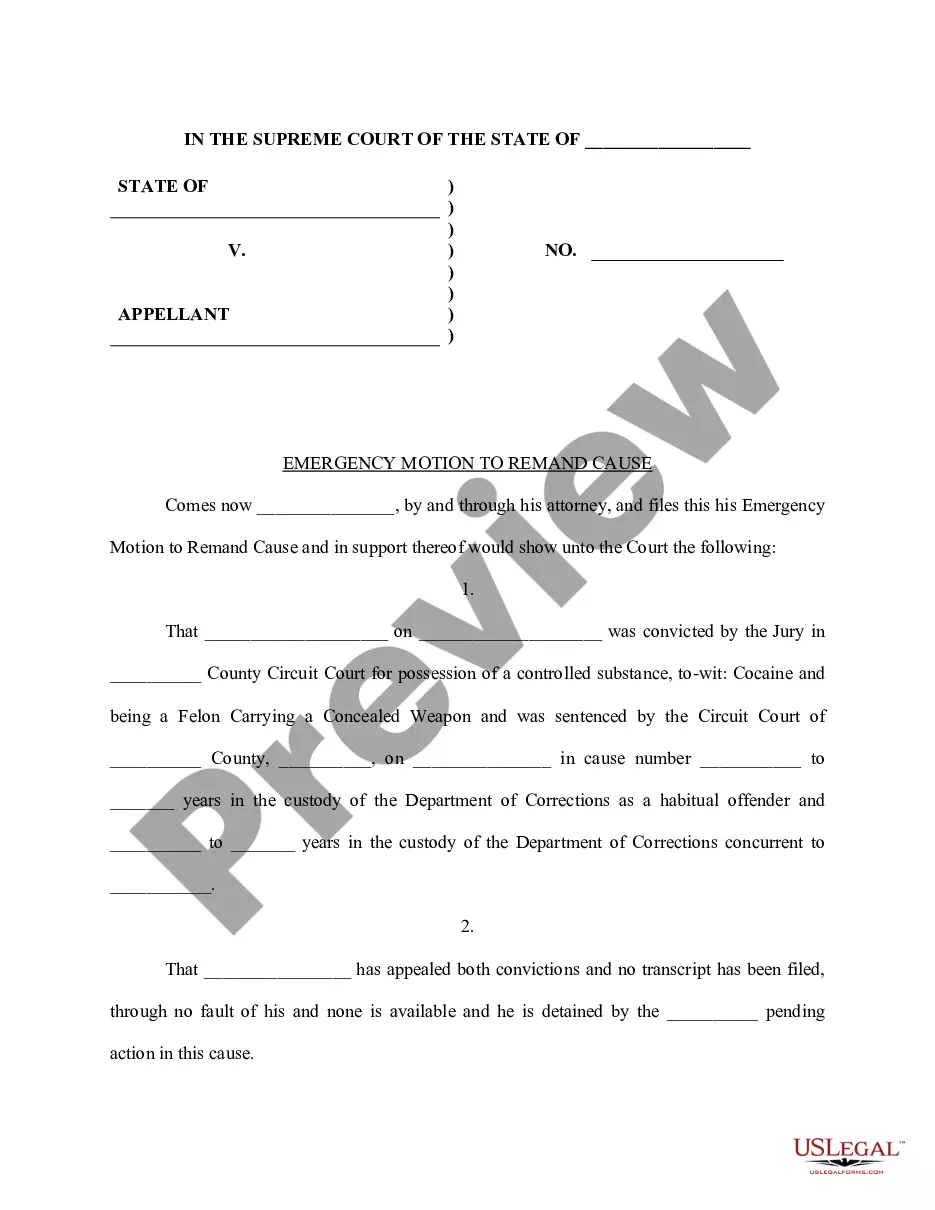
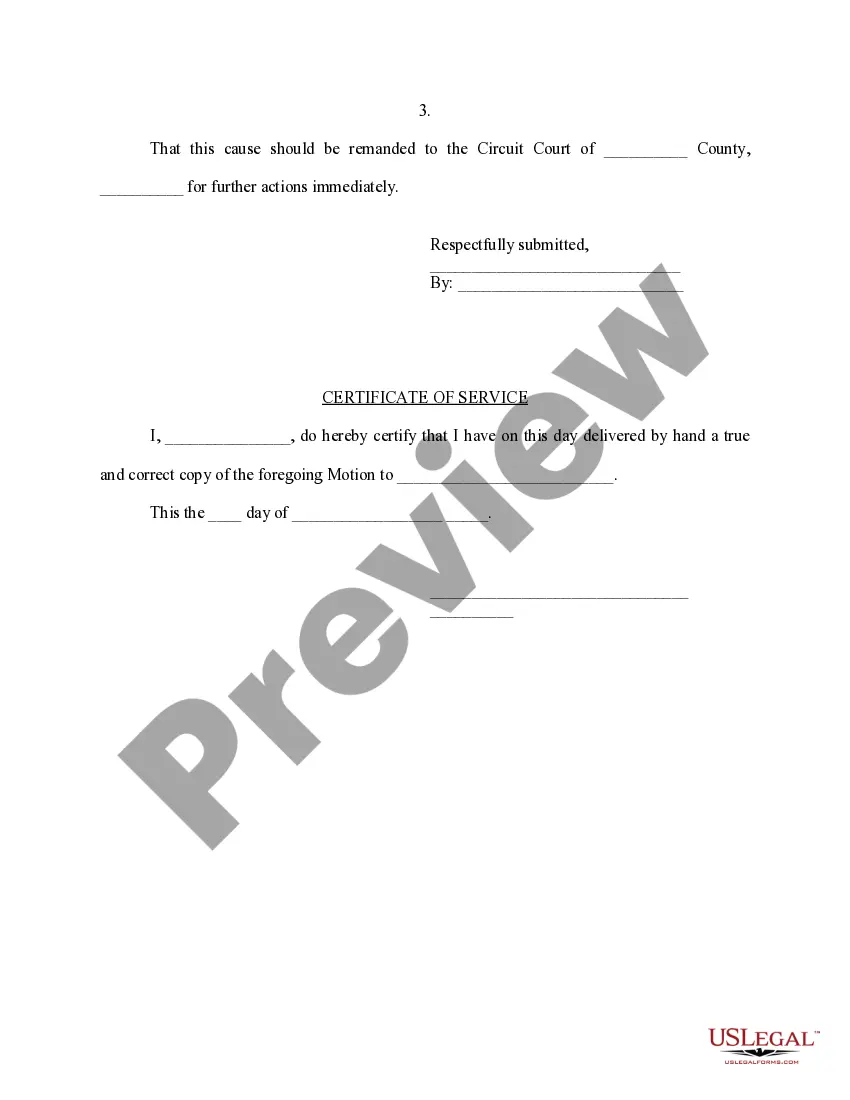
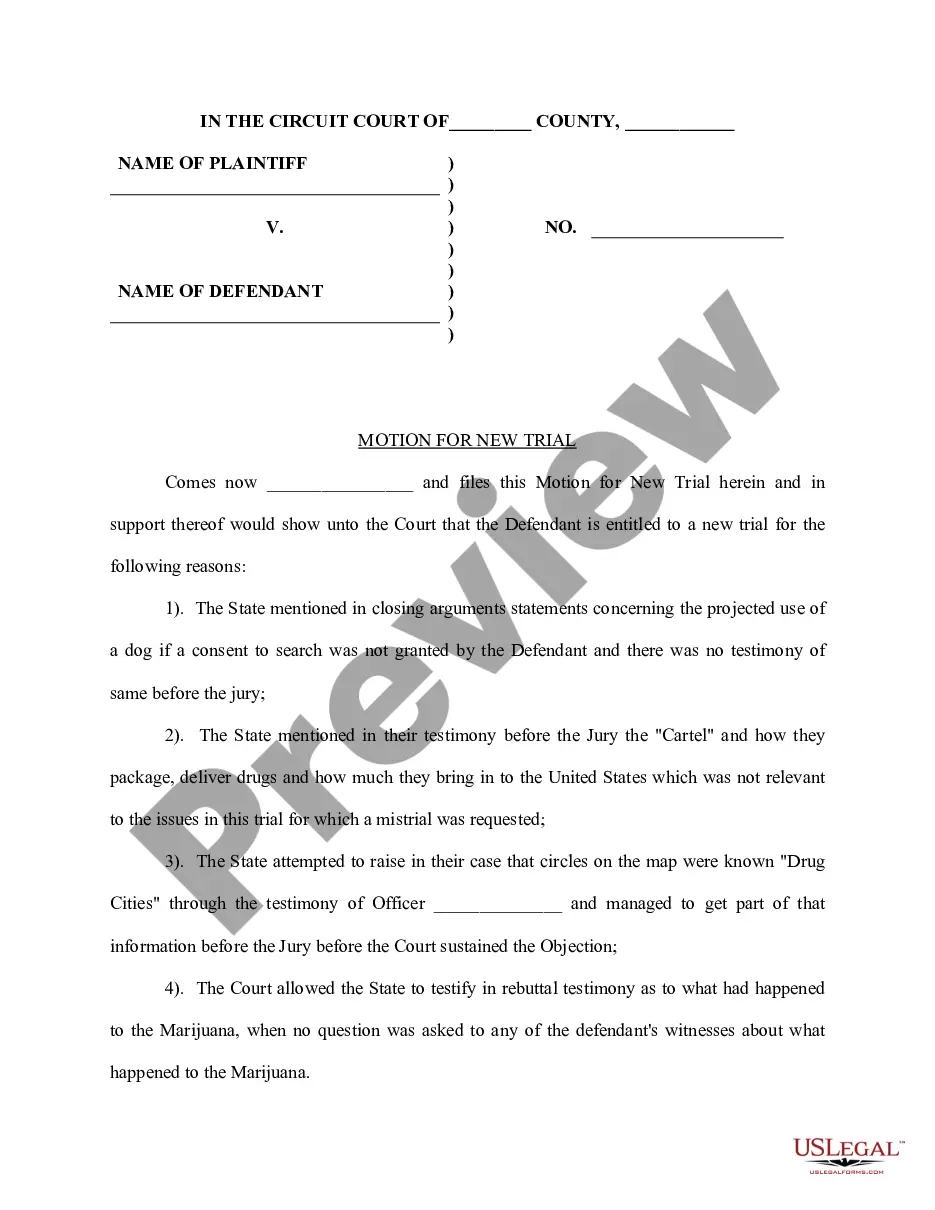
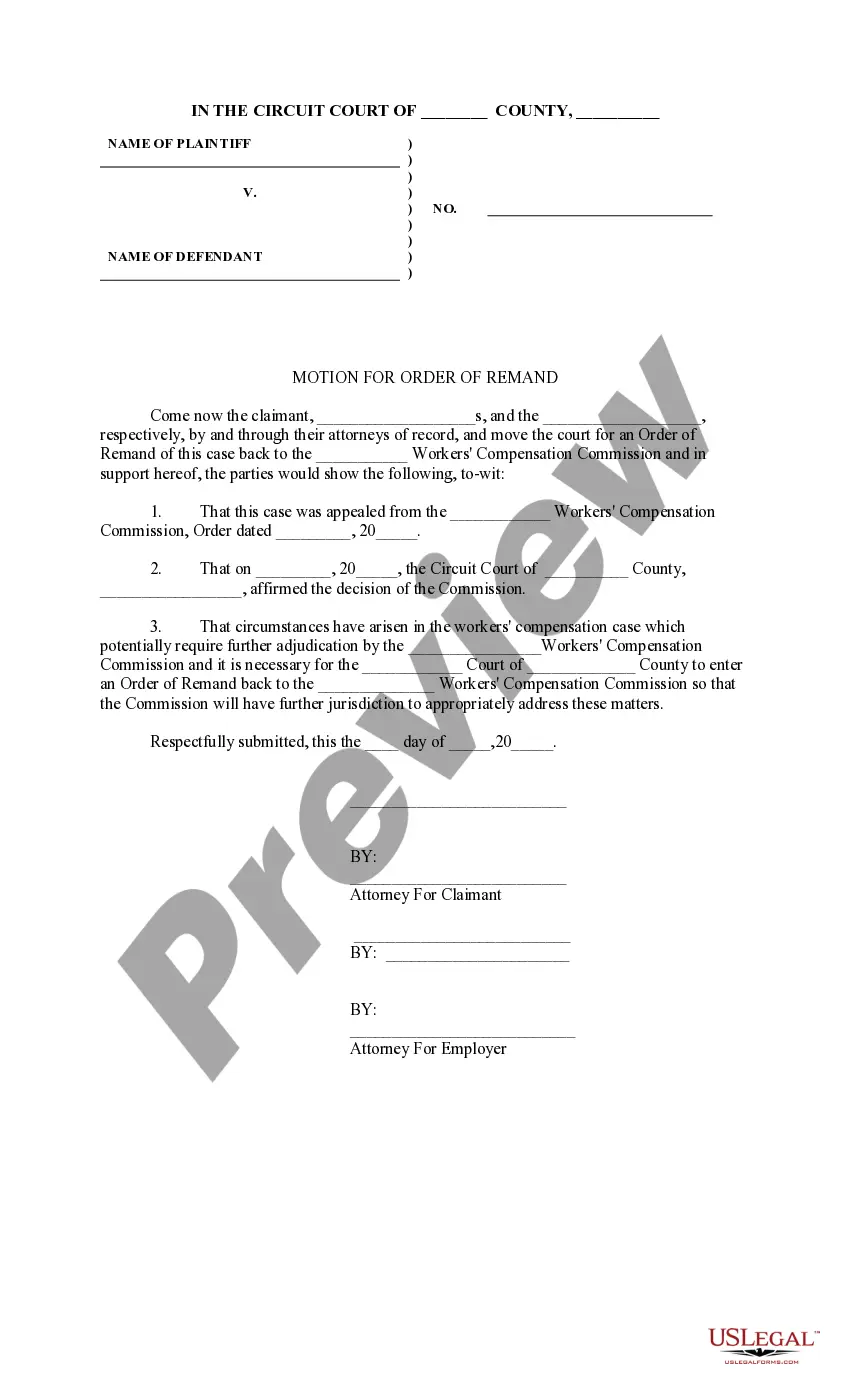
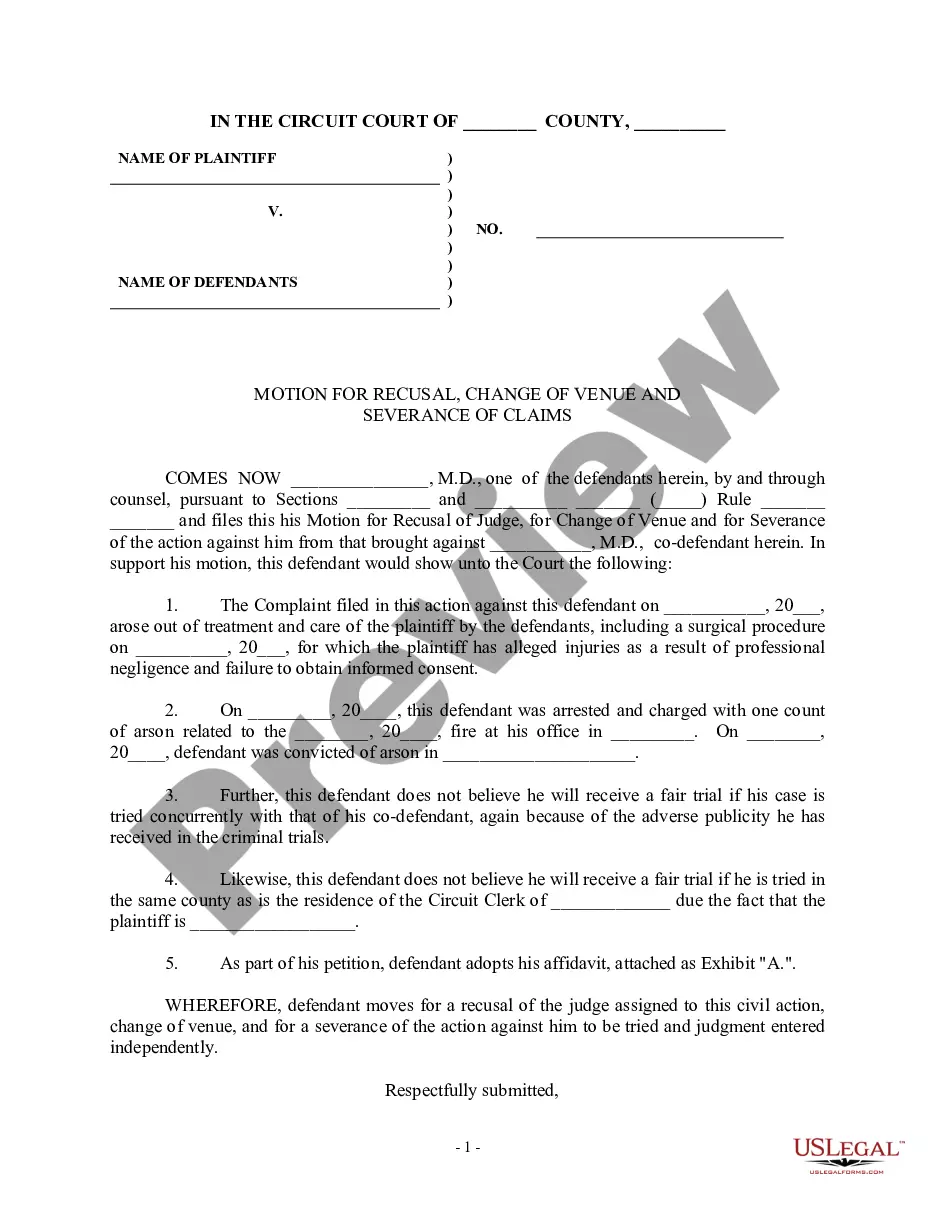


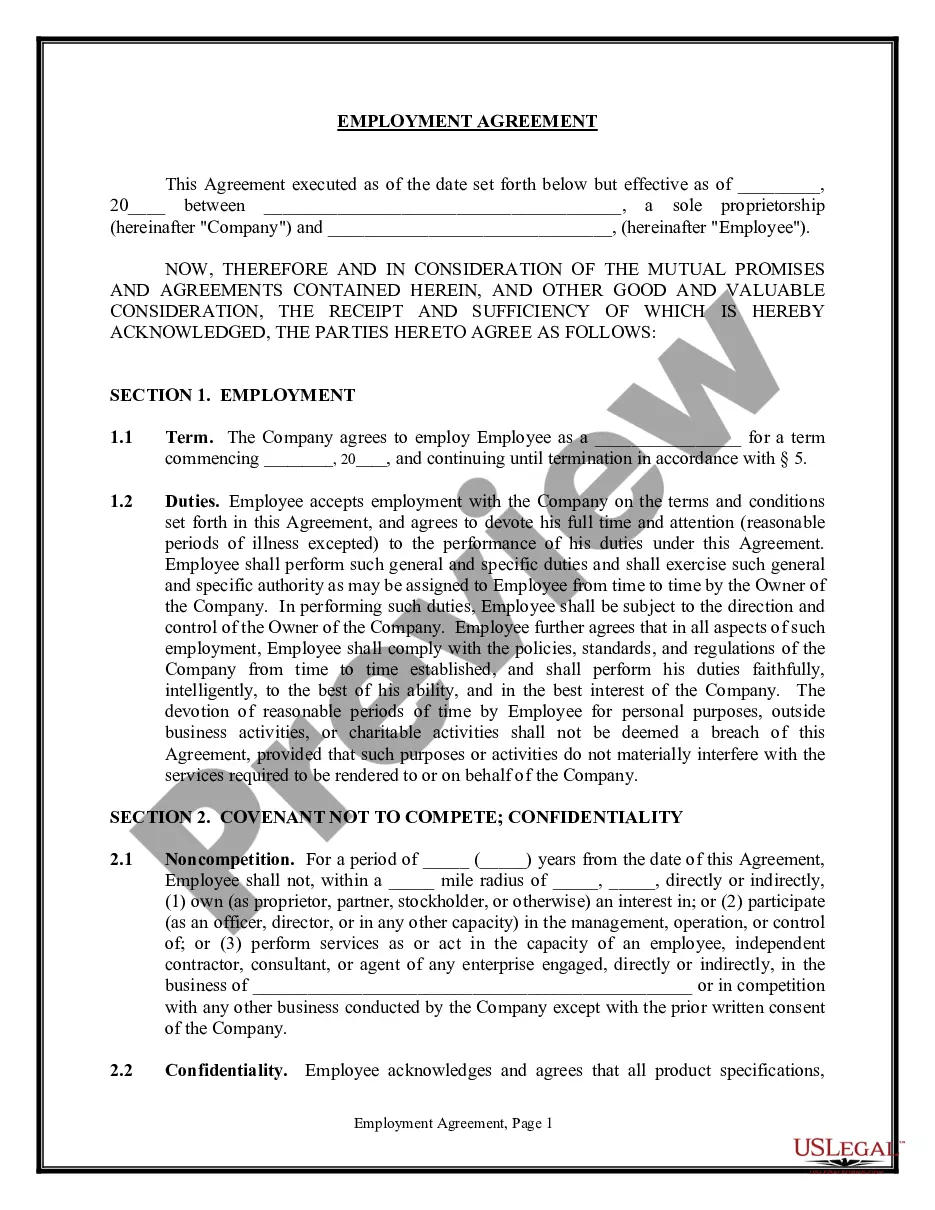



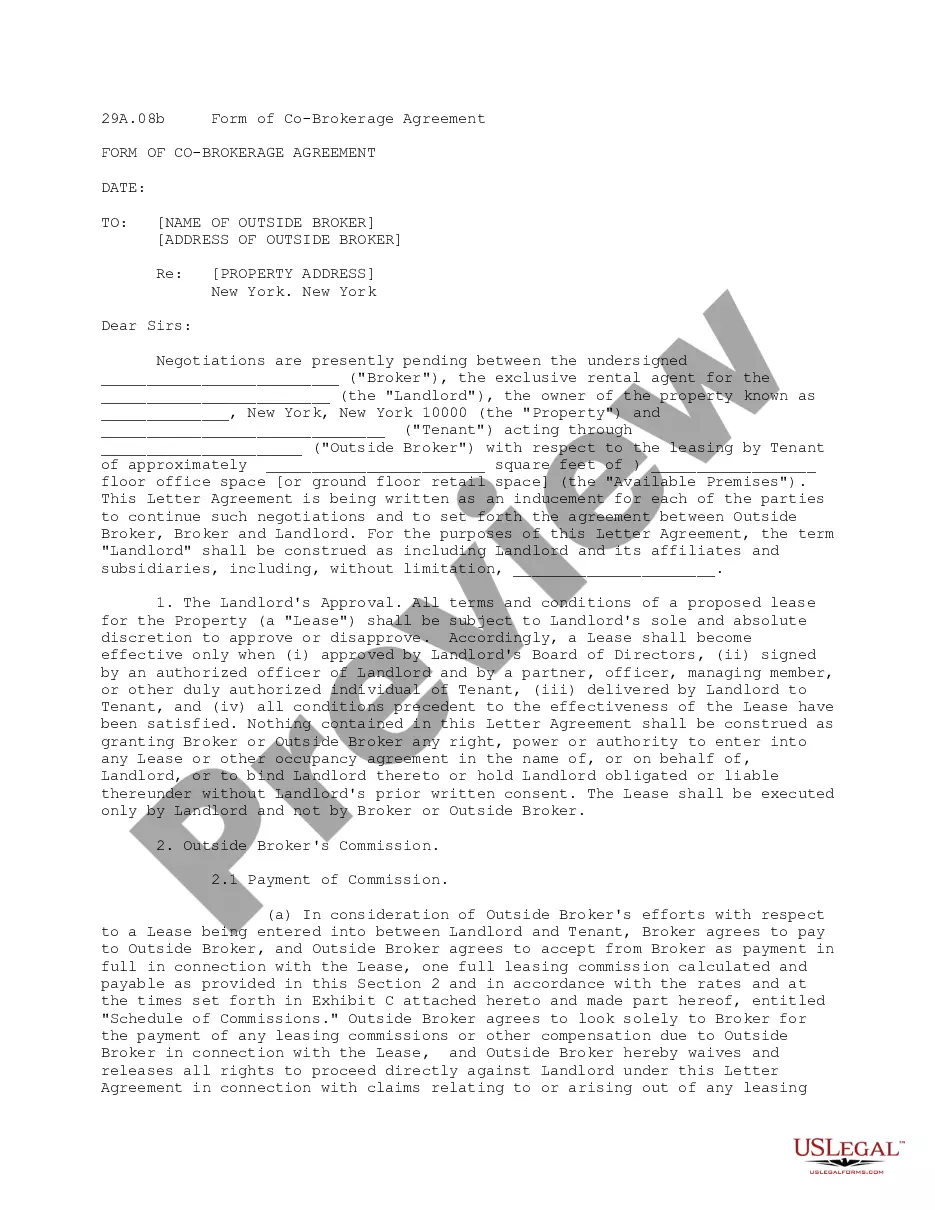

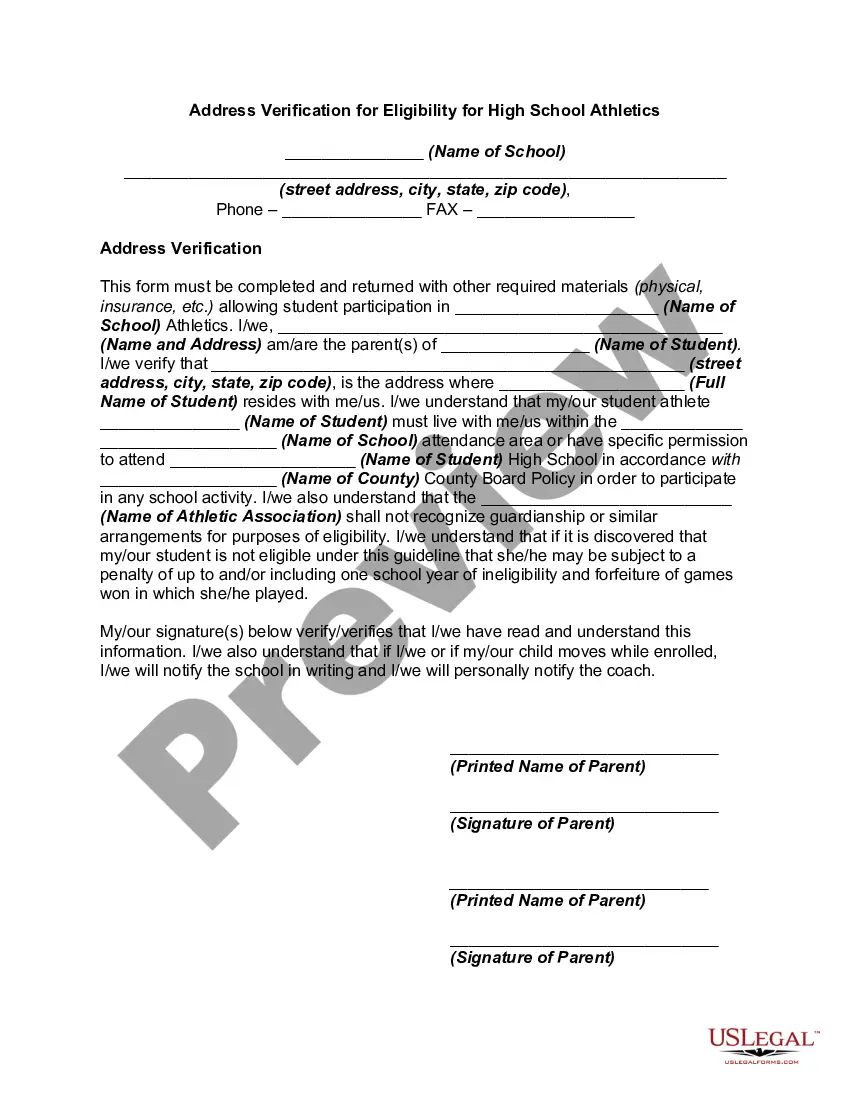
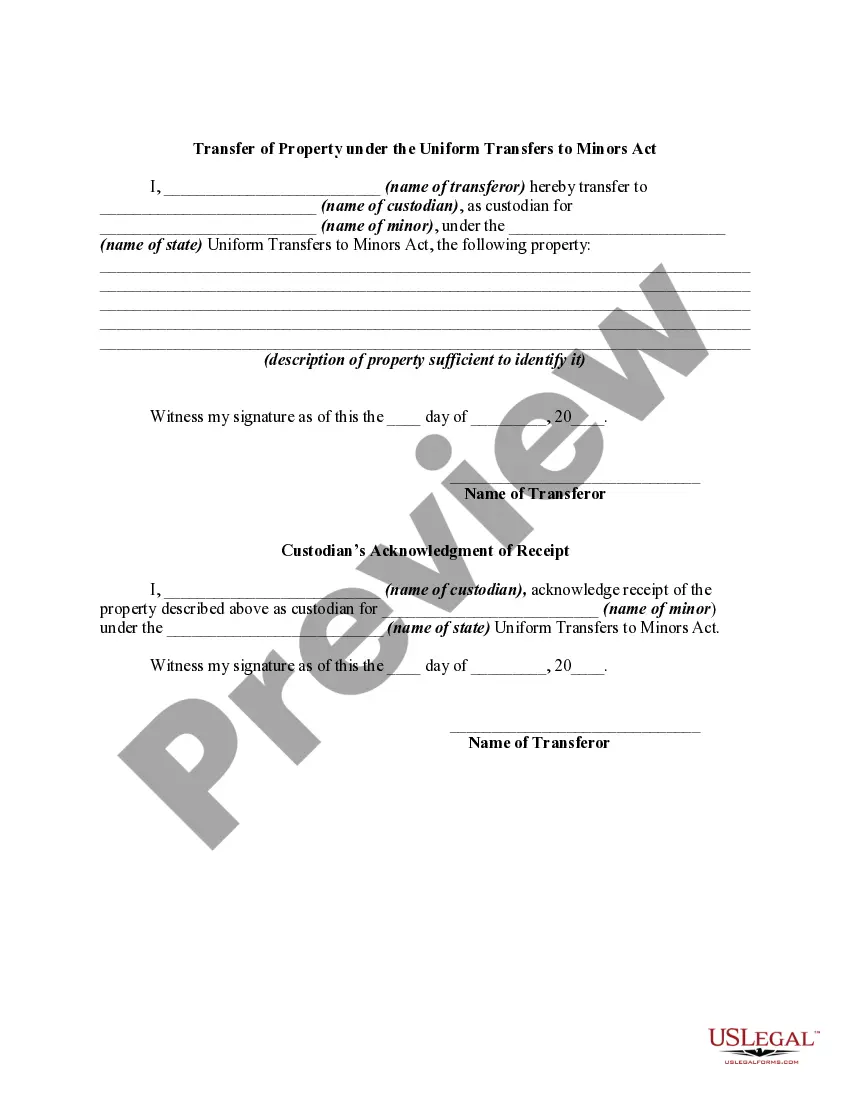
How to fill out Emergency Motion To Remand Cause?
Finding the appropriate legal document template can be challenging. Clearly, there are numerous templates accessible online, but how will you find the legal form you require? Utilize the US Legal Forms website. The service offers a multitude of templates, such as the Maryland Emergency Motion to Remand Cause, that can be employed for both business and personal purposes. All documents are reviewed by professionals and comply with federal and state requirements.
If you are already a registered user, Log In to your account and click the Download button to obtain the Maryland Emergency Motion to Remand Cause. Use your account to browse the legal documents you have previously purchased. Visit the My documents tab of your account and download another copy of the document you need.
If you are a new user of US Legal Forms, here are simple instructions for you to follow: First, ensure you have selected the correct form for your jurisdiction/area. You can preview the form using the Review button and read the form description to confirm it is indeed the right one for you. If the form does not meet your requirements, use the Search field to find the appropriate form. Once you are certain the form is correct, click the Get now button to obtain the form. Choose the pricing plan you need and enter the required information. Create your account and pay for your order using your PayPal account or credit card. Select the file format and download the legal document template to your device. Complete, modify, print, and sign the received Maryland Emergency Motion to Remand Cause.
Make use of US Legal Forms to simplify your search for the right legal documentation.
- US Legal Forms is the largest collection of legal documents where you can find various document templates.
- Utilize the service to obtain professionally crafted paperwork that adheres to state standards.
- Access a wide range of templates for personal and business use.
- All documents are vetted by experts to ensure compliance.
- Easily manage and retrieve your purchased forms with your account.
- Follow straightforward instructions for new users to navigate the platform.
Form popularity
FAQ
Rule 2-403(a) allows a court, on motion, to restrict the scope of discovery otherwise permitted under Rule 2-402(a). Under Rule 2-403(a), the court may enter a protective order ?to protect a party from annoyance, embarrassment, oppression, or undue burden or expense.? P.
See 28 U.S.C. § 1332. One seemingly simple way to destroy diversity jurisdiction and curb federal power is to name a non-diverse defendant?with sometimes limited ties to the litigation?among otherwise diverse defendants, for the sole purpose of defeating a motion for removal (i.e., improper joinder).
The amended complaint shall be filed within 30 days after entry of the order or within such other time as the court may fix. If leave to amend is granted and the plaintiff fails to file an amended complaint within the time prescribed, the court, on motion, may enter an order dismissing the action.
Rule 2-323 - Answer (a) Content. A claim for relief is brought to issue by filing an answer. Every defense of law or fact to a claim for relief in a complaint, counterclaim, cross-claim, or third-party claim shall be asserted in an answer, except as provided by Rule 2-322.
On motion of any party, the court may transfer any action to any other circuit court where the action might have been brought if the transfer is for the convenience of the parties and witnesses and serves the interests of justice.
A federal judge can remand a case without any request by the plaintiff if the judge does not believe federal jurisdiction has been properly established by the defendant. A plaintiff can also move to have the case remanded to state court if the plaintiff does not believe federal jurisdiction exists.
A motion to remand seeks to return jurisdiction of a case pending before the Board to the immigration judge. Parties may, in appropriate circumstances, move to remand proceedings to the immigration judge to consider newly available evidence or newly acquired eligibility for relief.
Maryland Affirmative Defenses Under Rule 2-323(g) Affirmative defenses in legal proceedings are assertions made by a defendant that, if proven, can mitigate or excuse their liability for the plaintiff's claims.