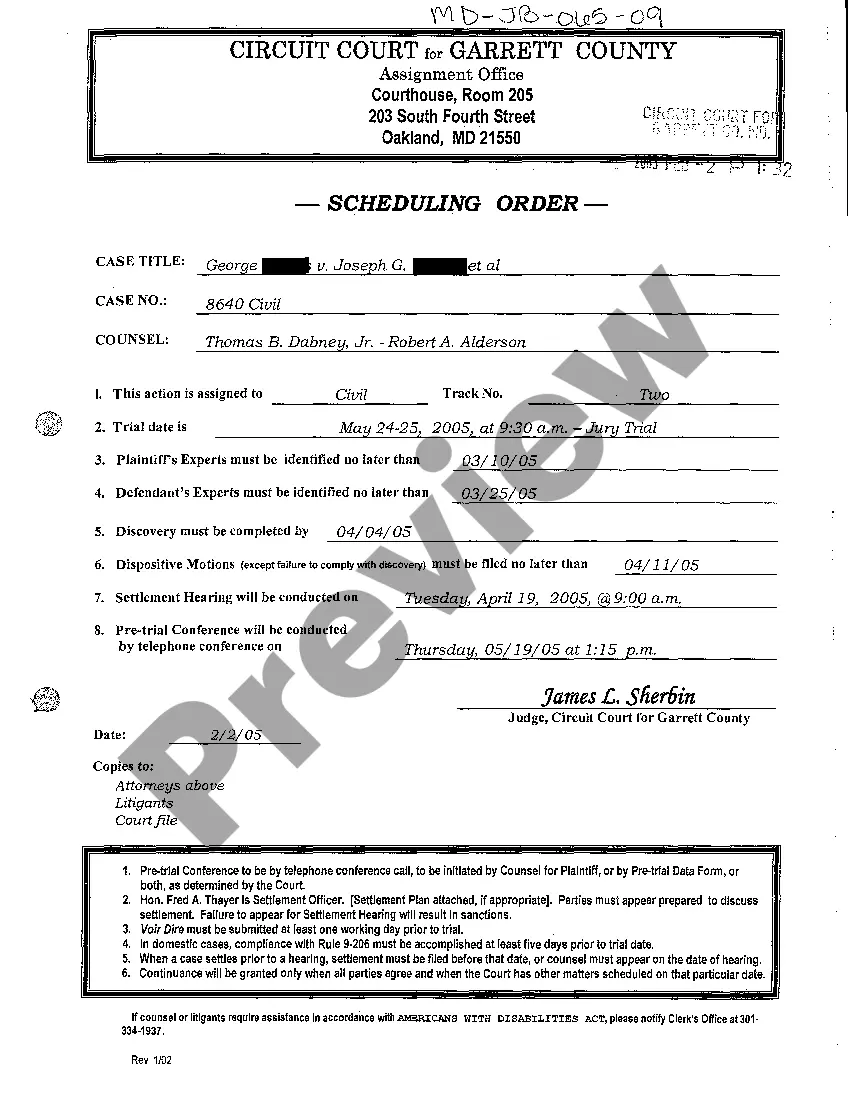
Maryland Scheduling Order
Description
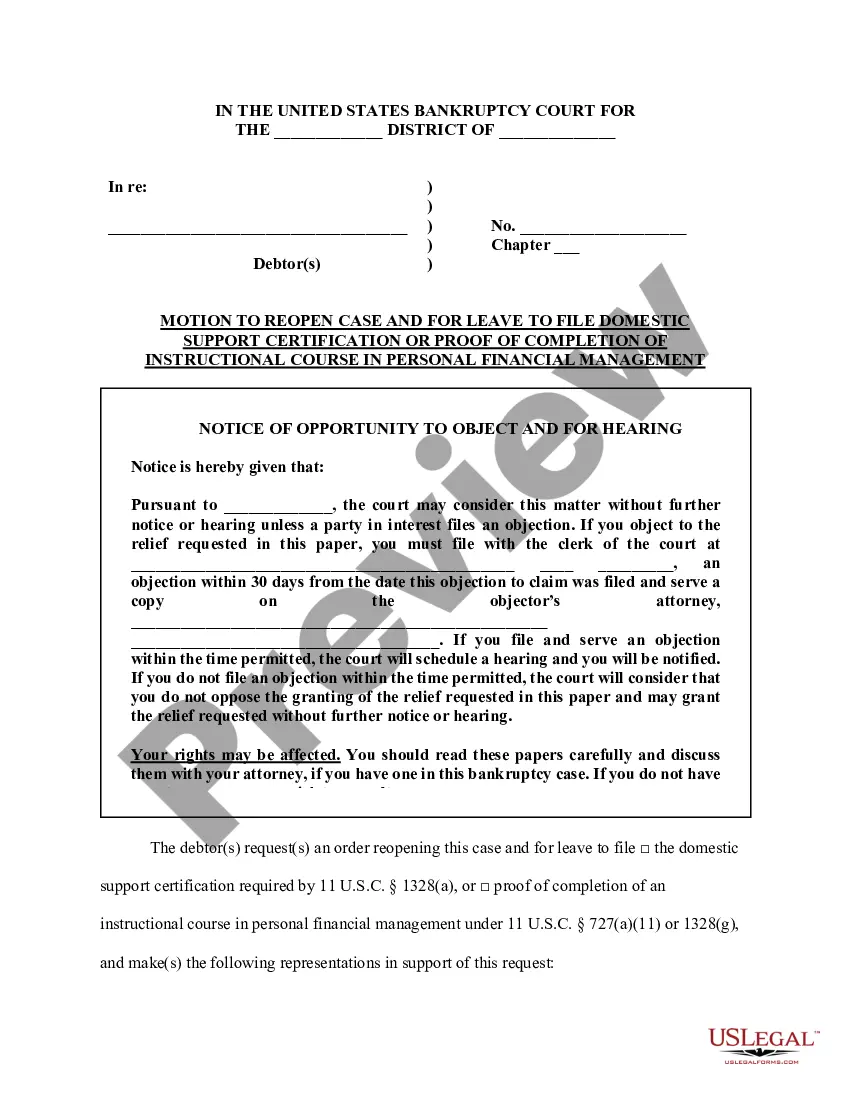
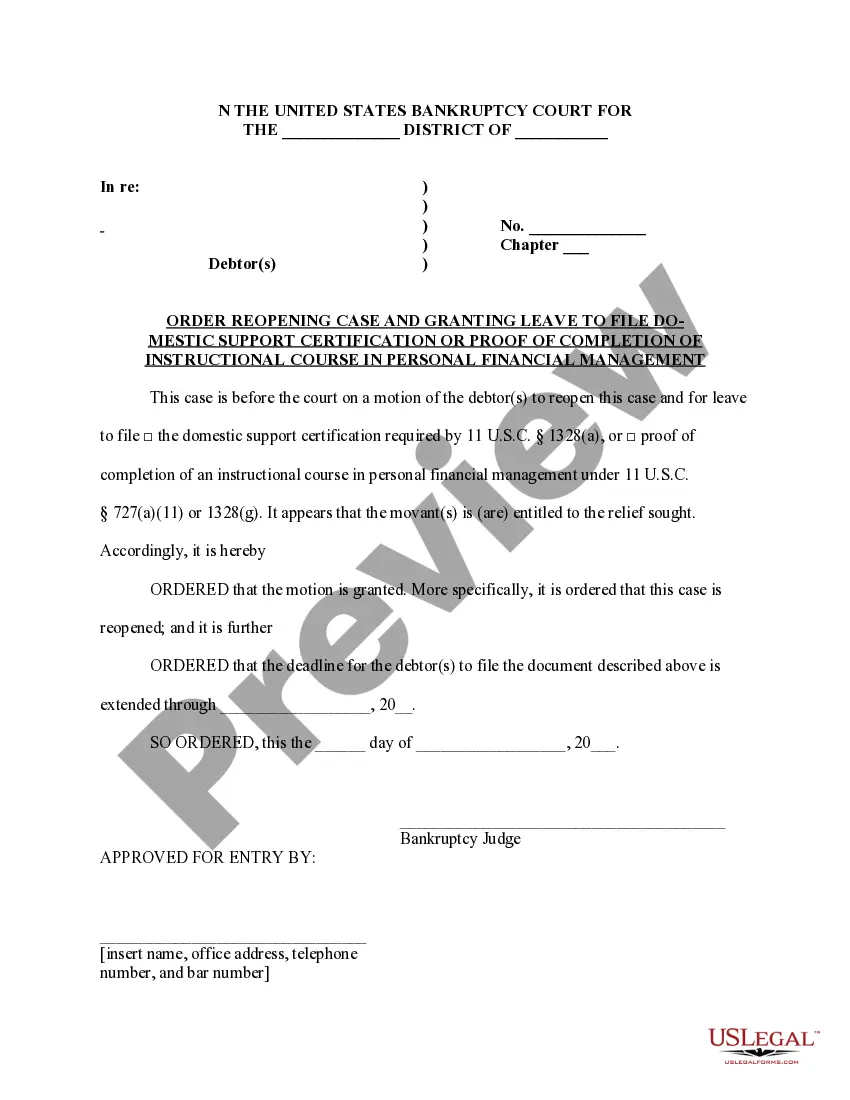
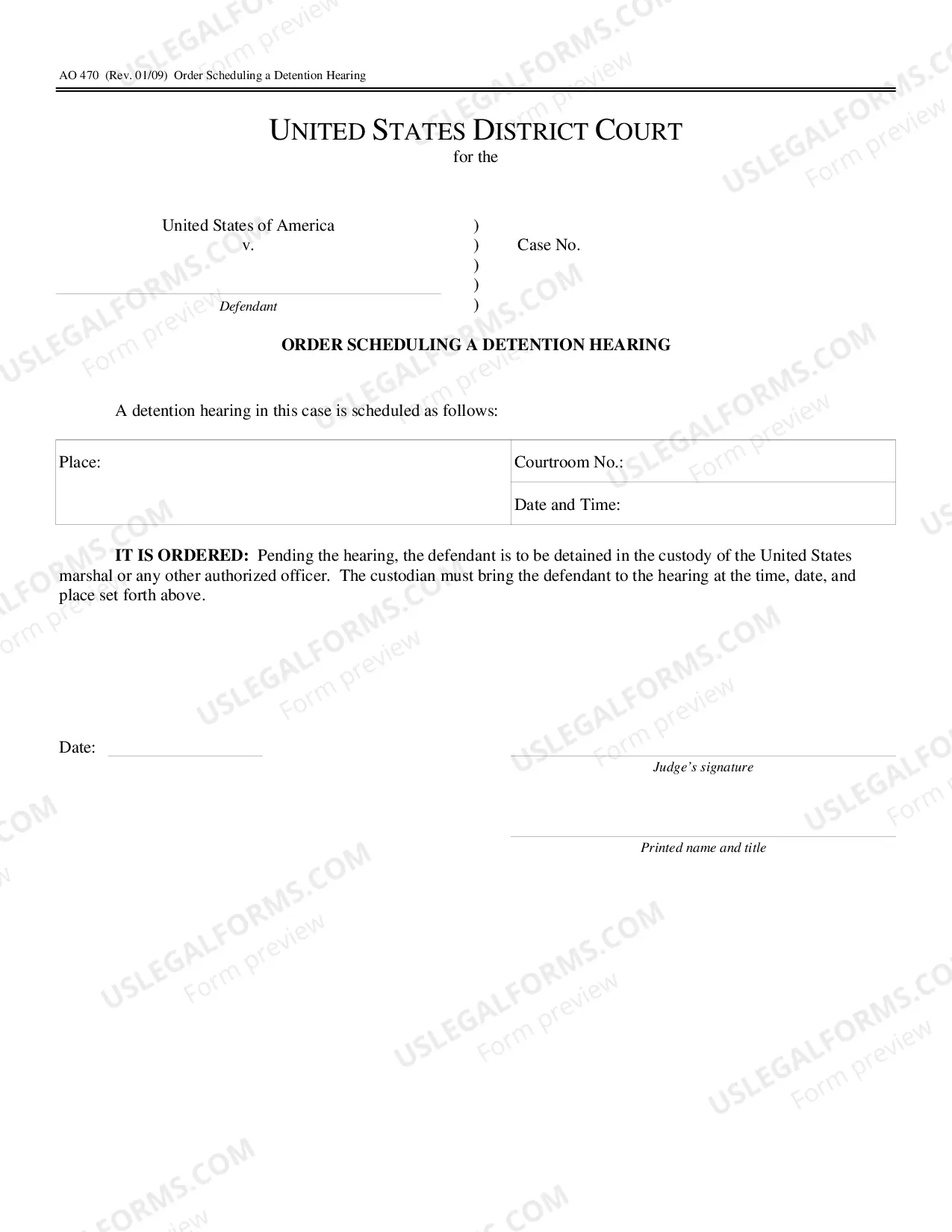
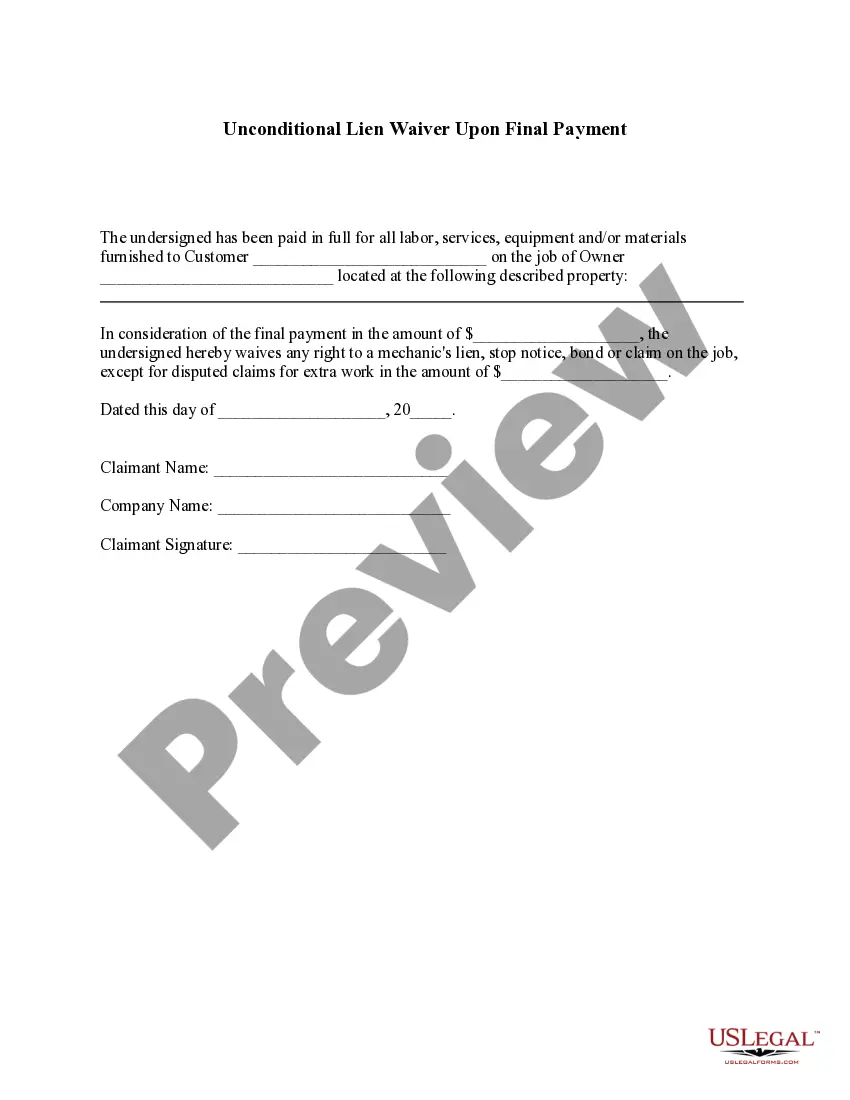
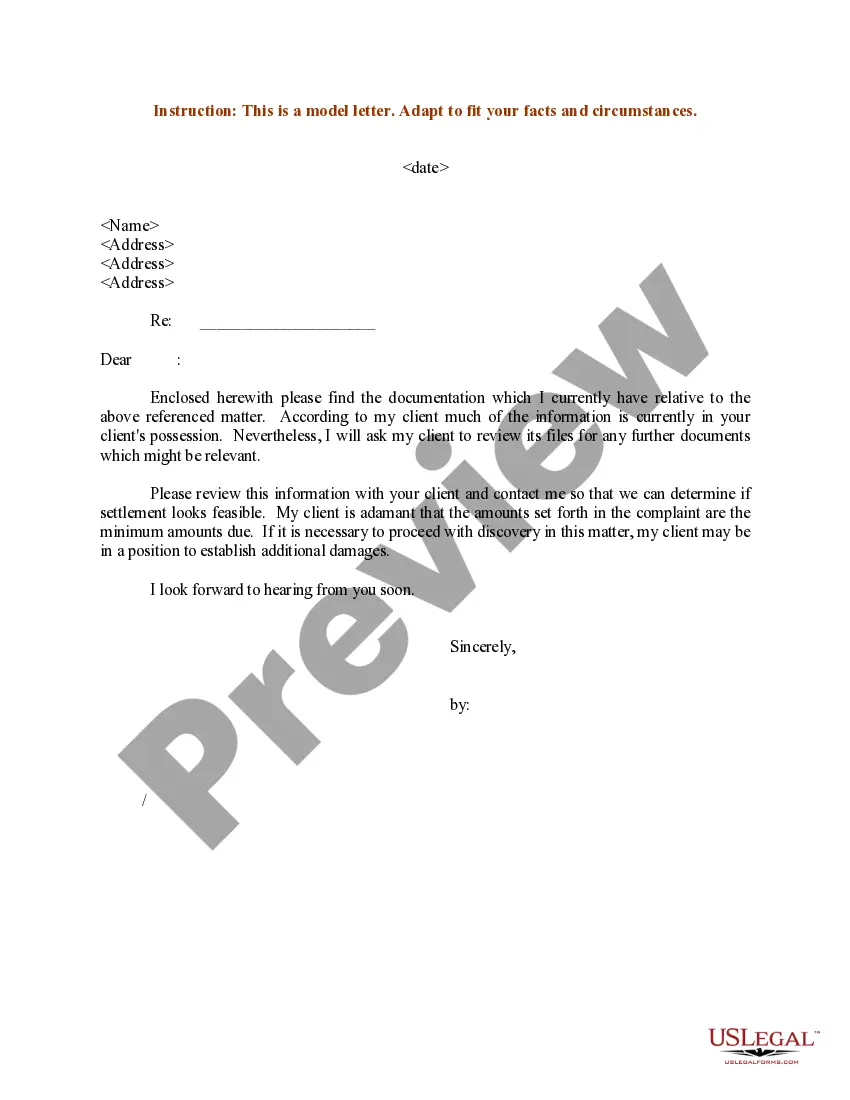
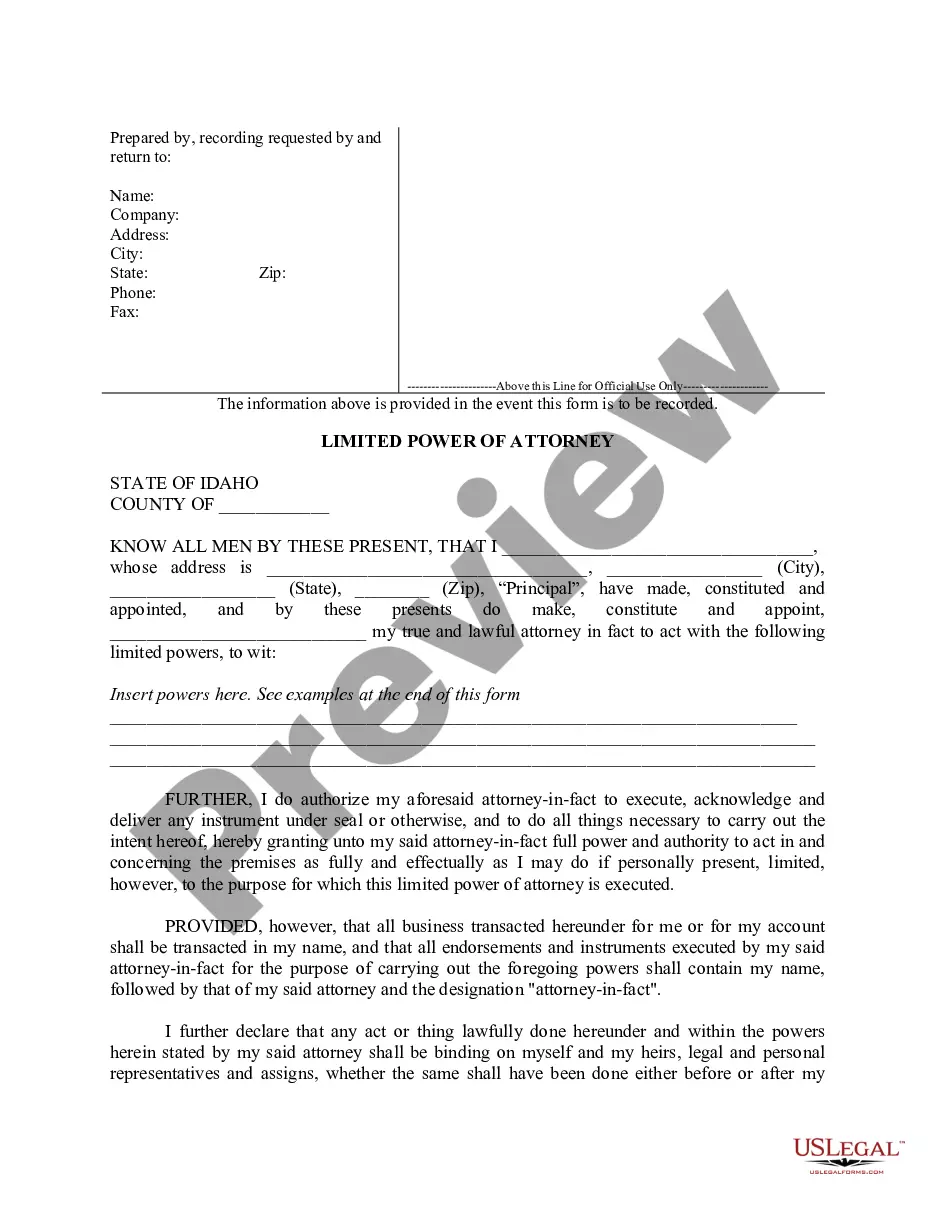
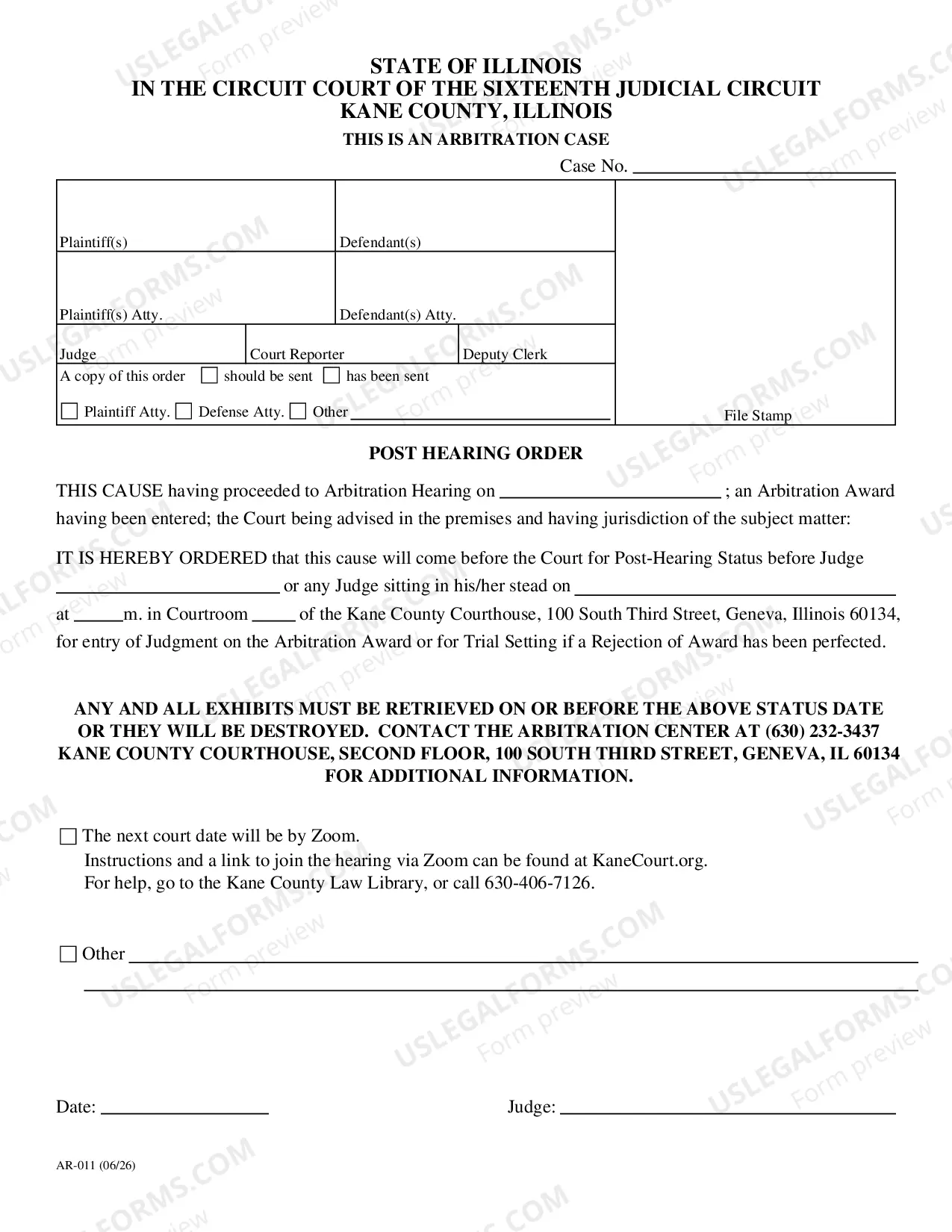
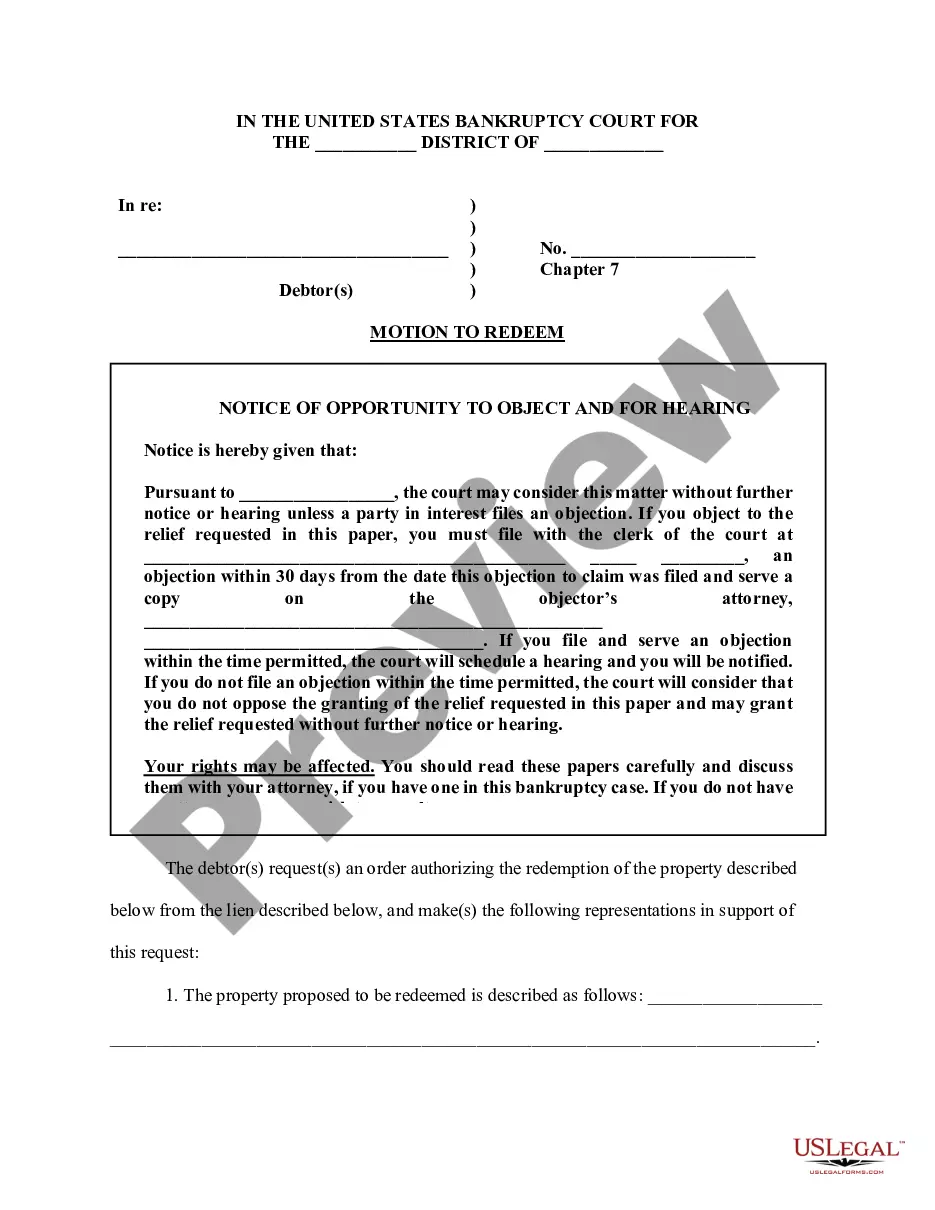

How to fill out Maryland Scheduling Order?
Greetings to the most exceptional legal documents repository, US Legal Forms.
Here, you can obtain any template such as Maryland Scheduling Order formats and download them (as many as you desire).
Prepare formal documents within a few hours, rather than days or even weeks, without spending a fortune on an attorney.
- Retrieve your state-specific template in just a few clicks and feel confident knowing it was crafted by our state-licensed attorneys.
- If you’re an existing subscribed user, simply Log In to your account and then click Download next to the Maryland Scheduling Order you need.
- Since US Legal Forms is an online service, you will always have access to your saved templates, regardless of the device you’re using.
- Locate them in the My documents section.
- If you don't have an account yet, what are you waiting for.
- Follow our instructions below to get started.
- If this is a state-specific document, verify its validity in the state where you reside.
- Check the description (if available) to determine if it’s the correct template.
- Explore additional details using the Preview feature.
- If the sample meets all your requirements, click Buy Now.
- To create an account, select a pricing option.
- Use a credit card or PayPal account to sign up.
- Save the document in your desired format (Word or PDF).
- Print the document and complete it with your or your business’s information.
- Once you’ve filled out the Maryland Scheduling Order, send it to your attorney for validation.
- It’s an additional task but a necessary one to ensure you’re completely protected.
- Join US Legal Forms today and gain access to countless reusable templates.
Form popularity
FAQ
The 2-341 rule in Maryland refers to court procedures regarding scheduling orders for cases. This rule outlines how parties must submit a proposed scheduling order to the court, promoting orderly case management. Understanding this rule is important as it plays a significant role in establishing the Maryland Scheduling Order. By following the rule closely, you can ensure that your case maintains its momentum and adheres to court expectations.
A scheduling order is a court order designed to manage the flow of a case from the date it is entered through the beginning of trial.
At the Scheduling Conference, the parties shall be prepared to discuss all aspects of the Adversary Proceeding and the Joint Report including, among other things: a. formulating and simplifying the issues, and eliminating frivolous claims and defenses; b. amending the pleadings if necessary or desirable; c.
The Scheduling Conference is the Court's way to begin tracking their divorce, property, custody and/or child support case, and to schedule the steps in their case's development. Typically, a Master will conduct the Scheduling Conference.
At the Scheduling Conference, the Judge or Magistrate may order you to participate in one or more programs offered by or through the Circuit Court. Each step in the development of your case has been designed to offer information, counseling and support to make your own decisions.