Massachusetts Waiver and Release From Liability For Minor Child for Skeet Shooting
Description
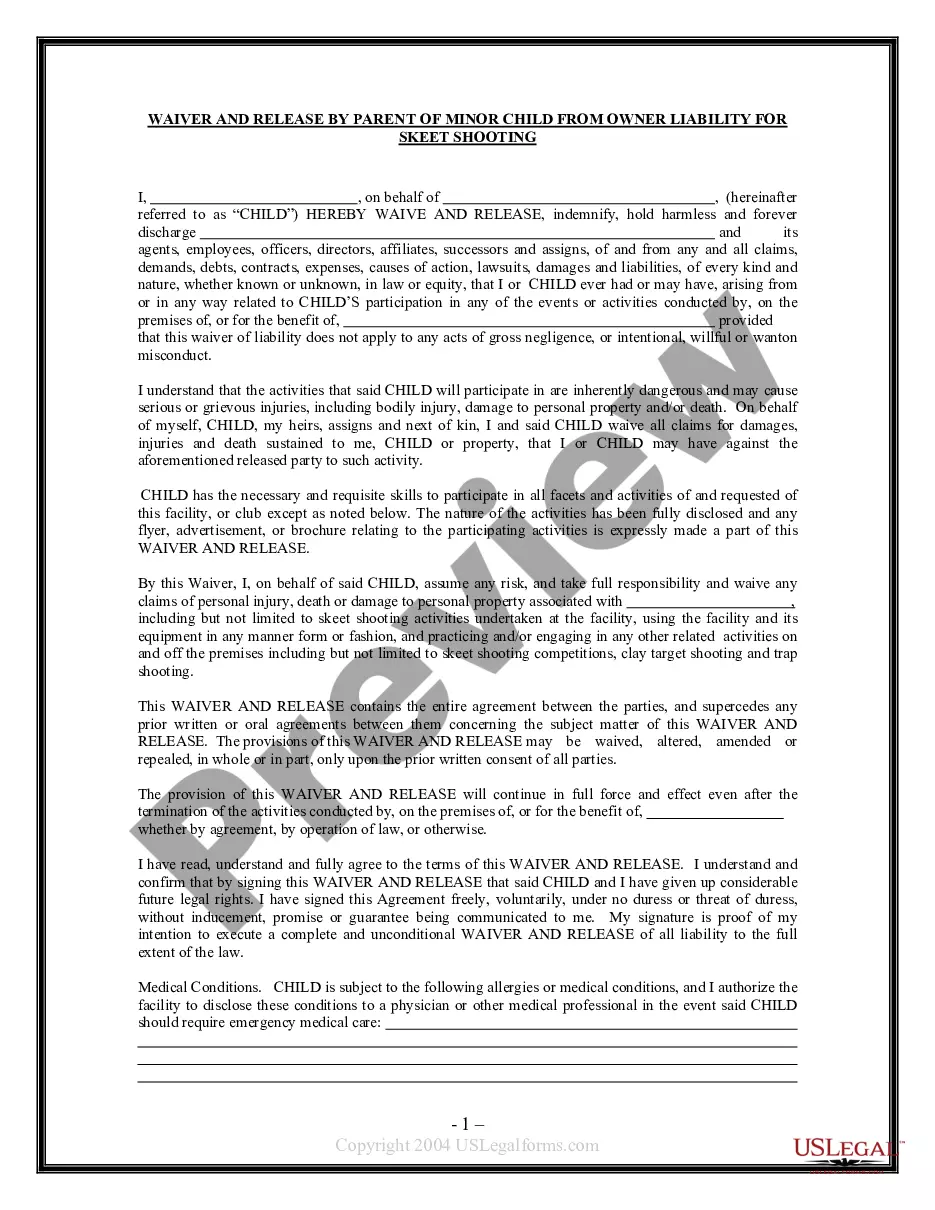
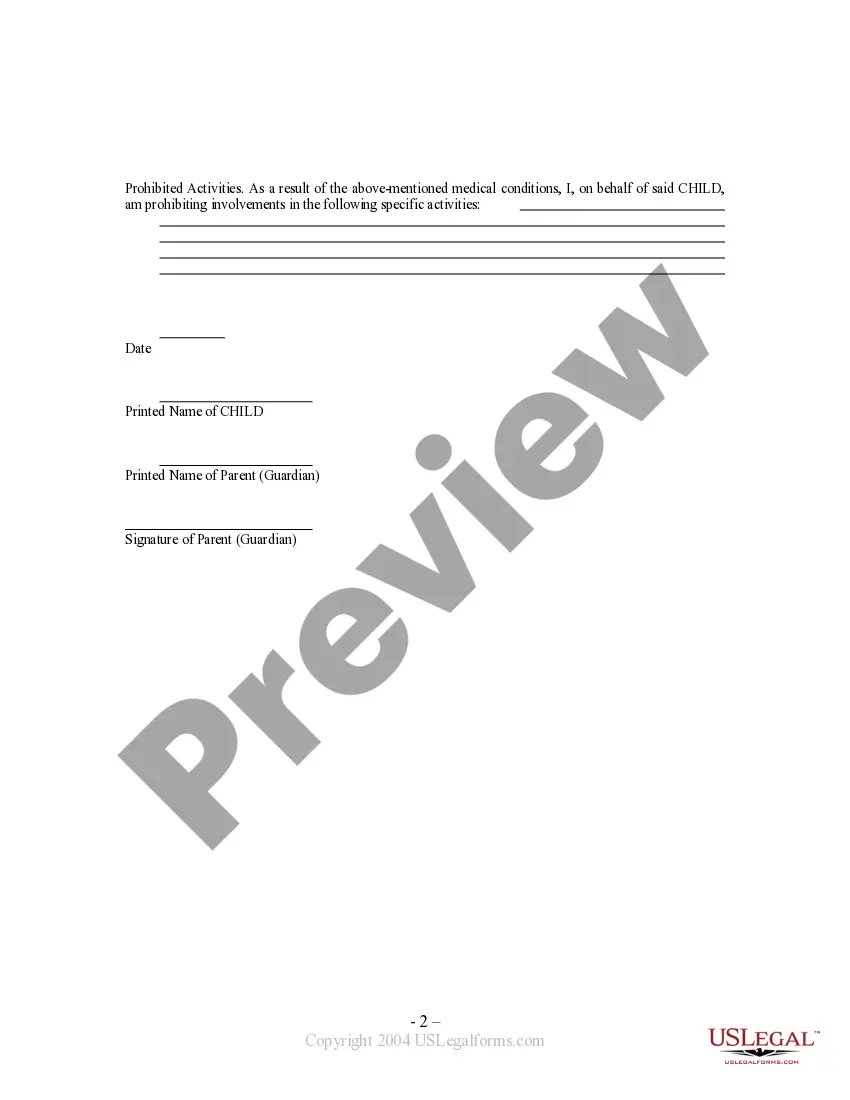
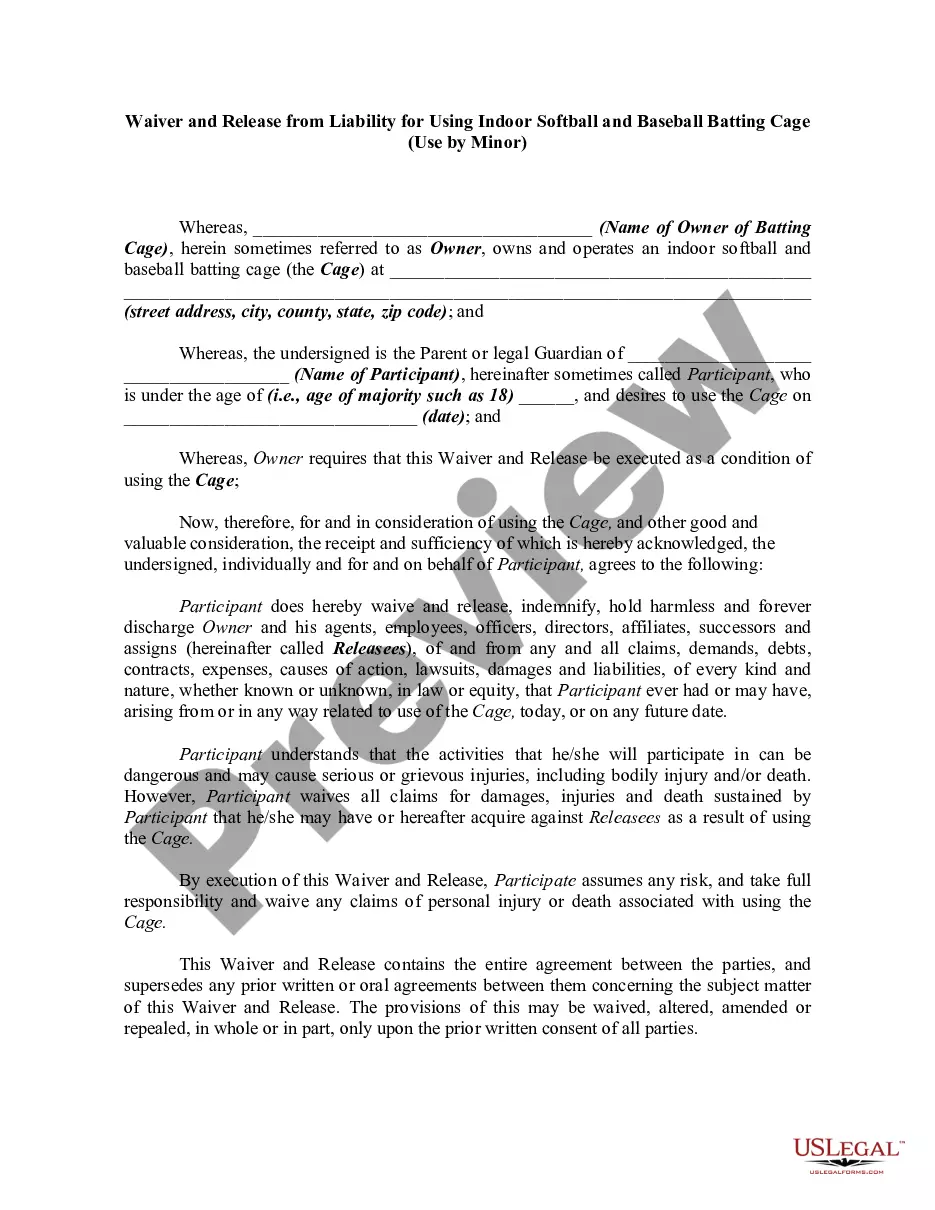
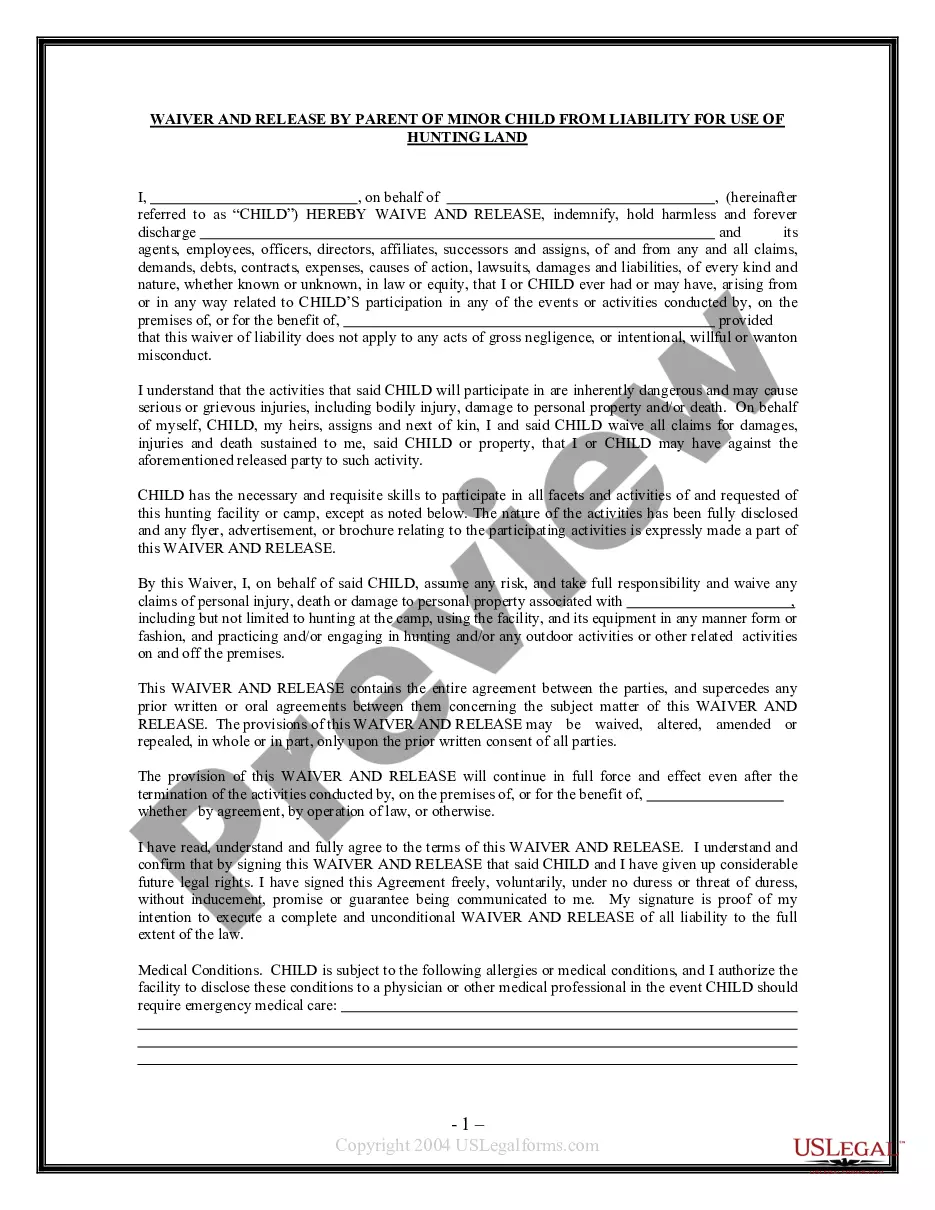
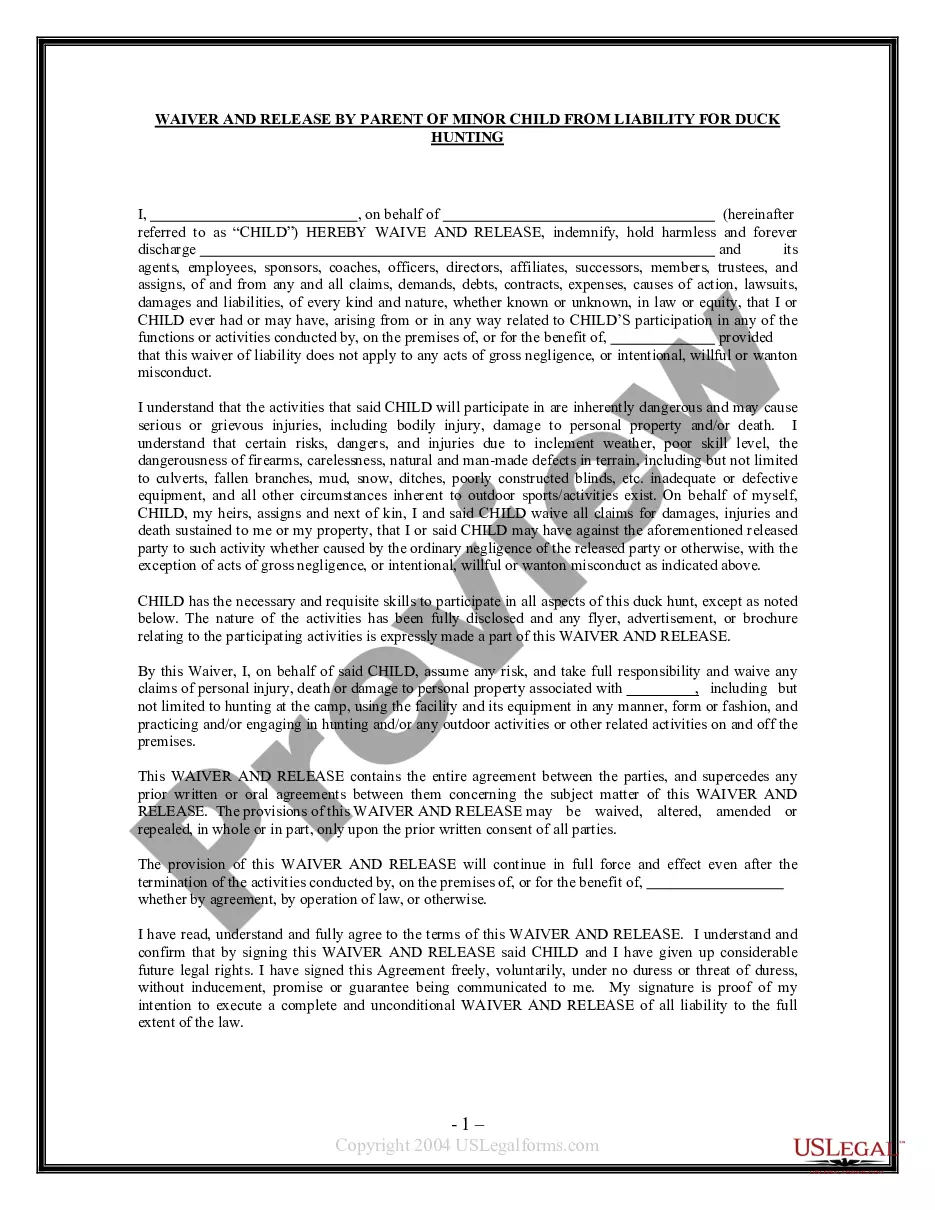
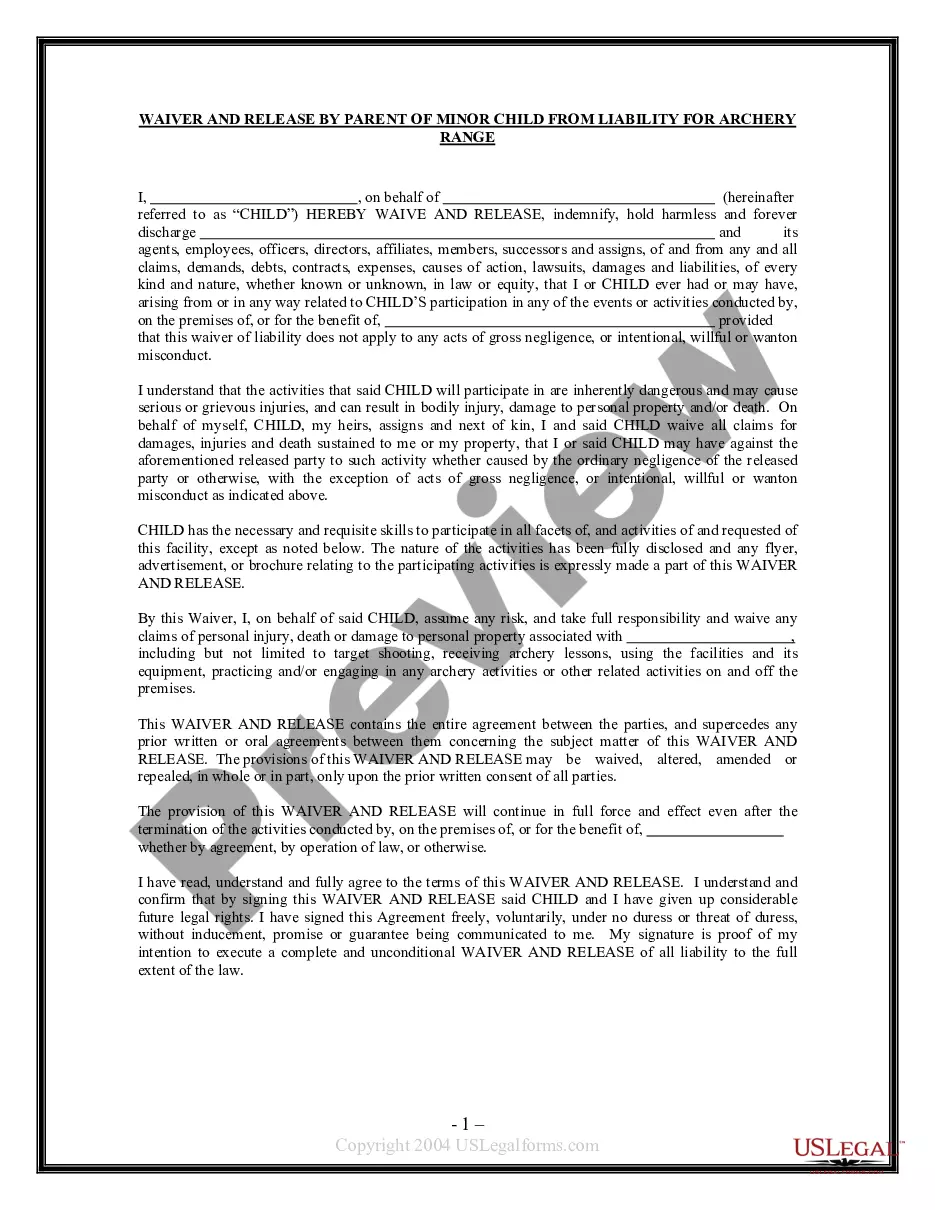
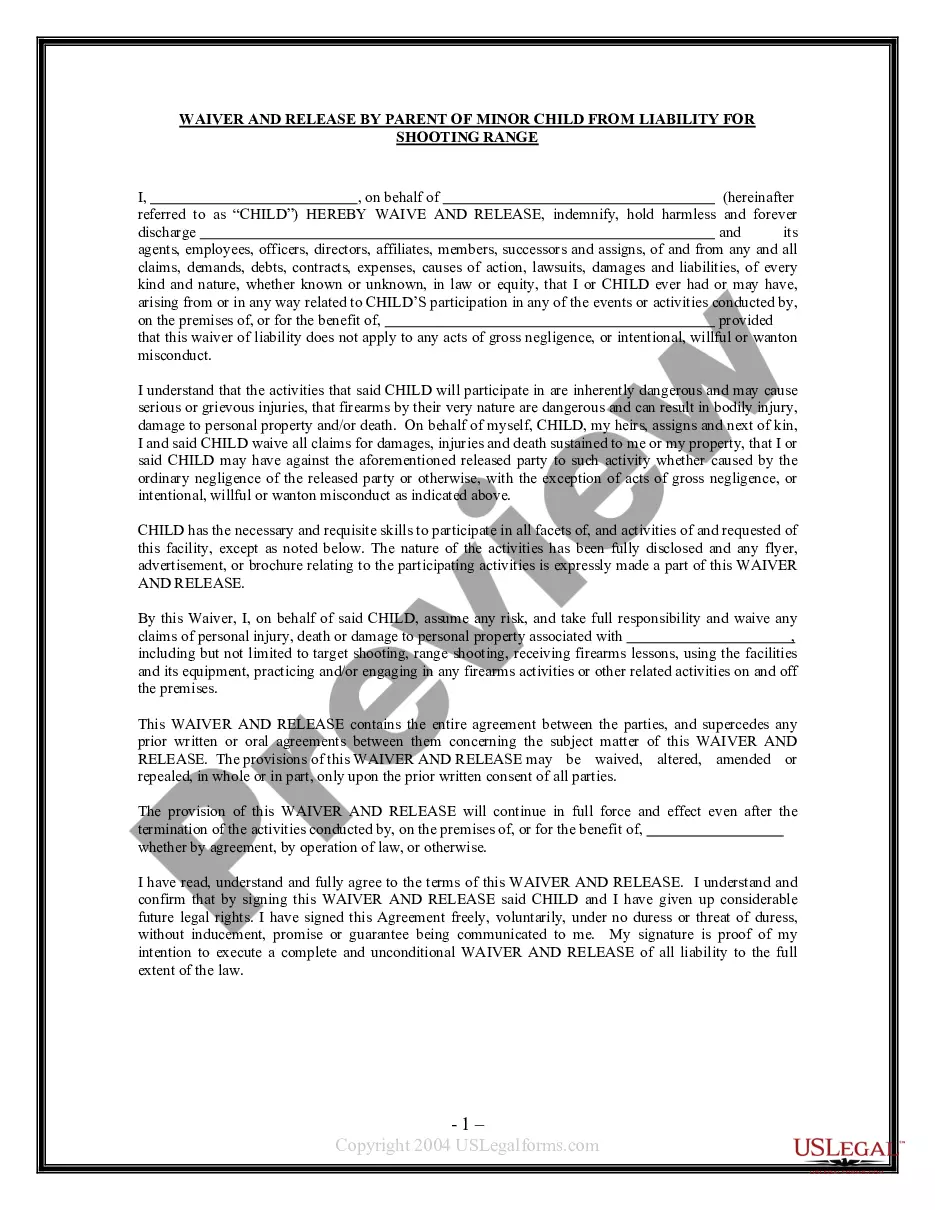
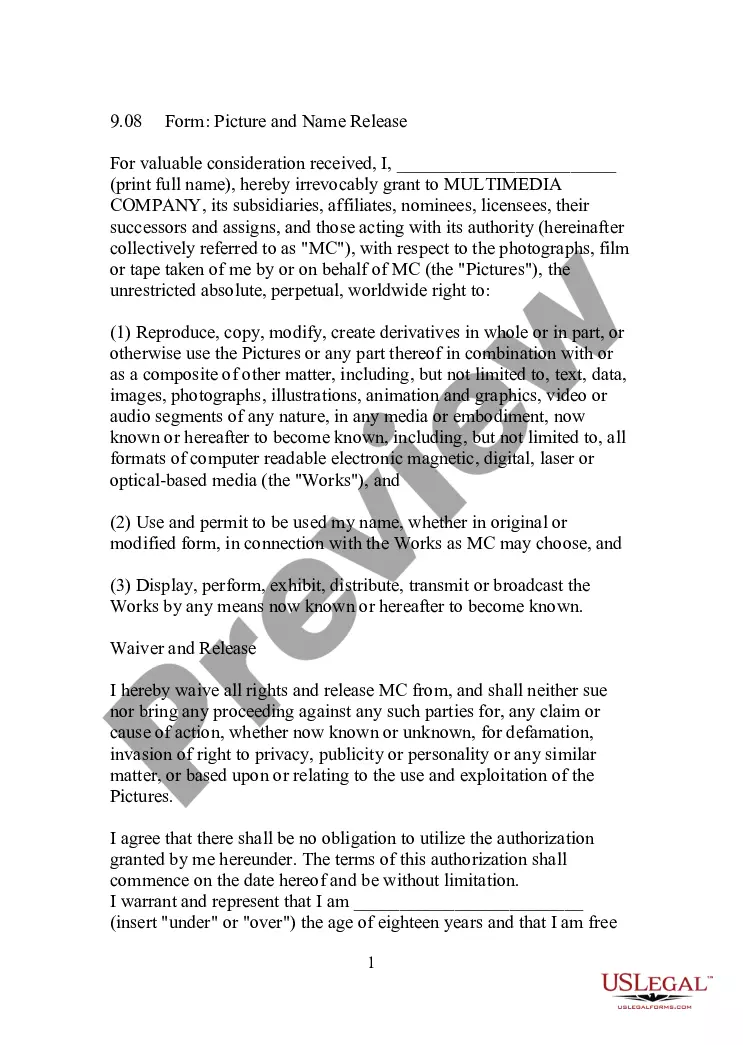
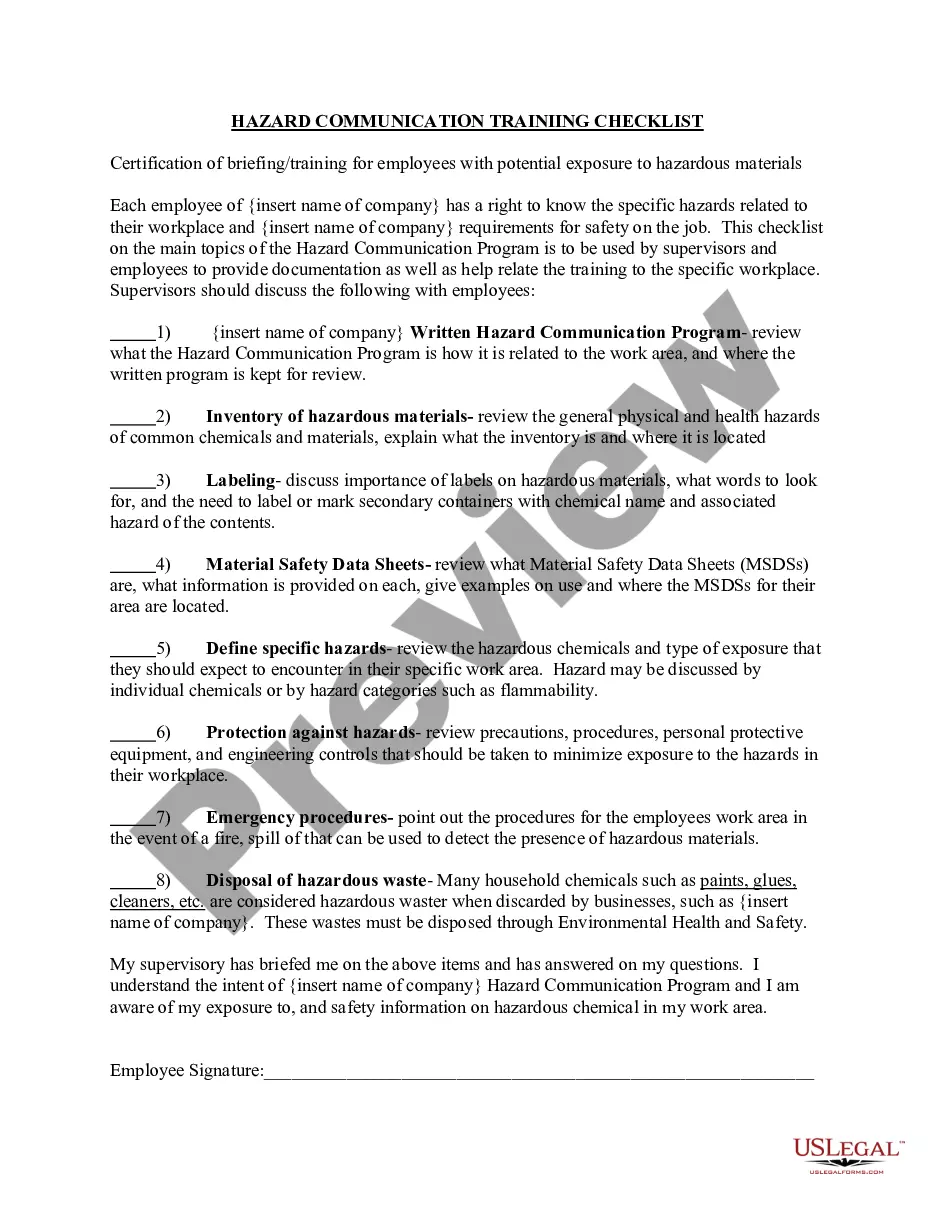
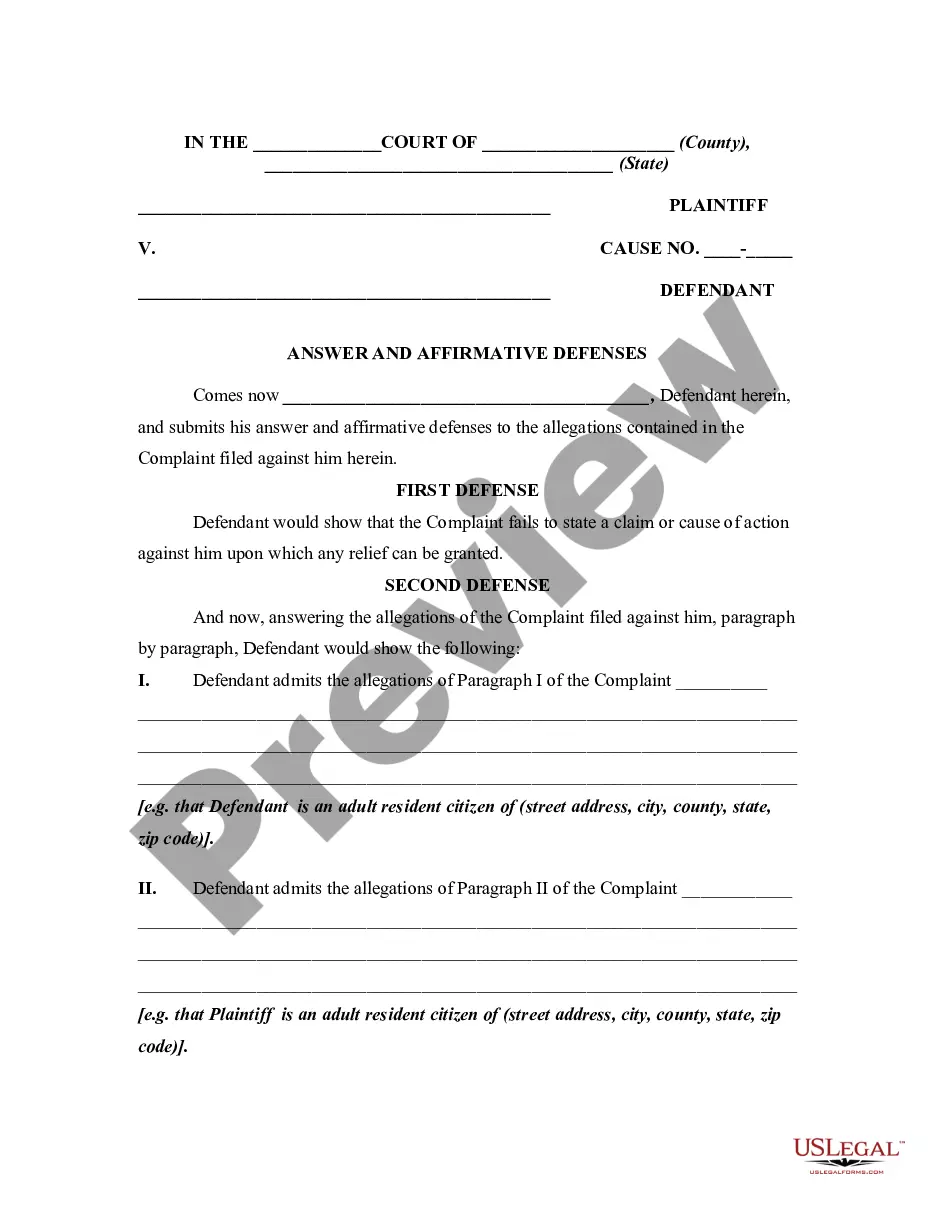
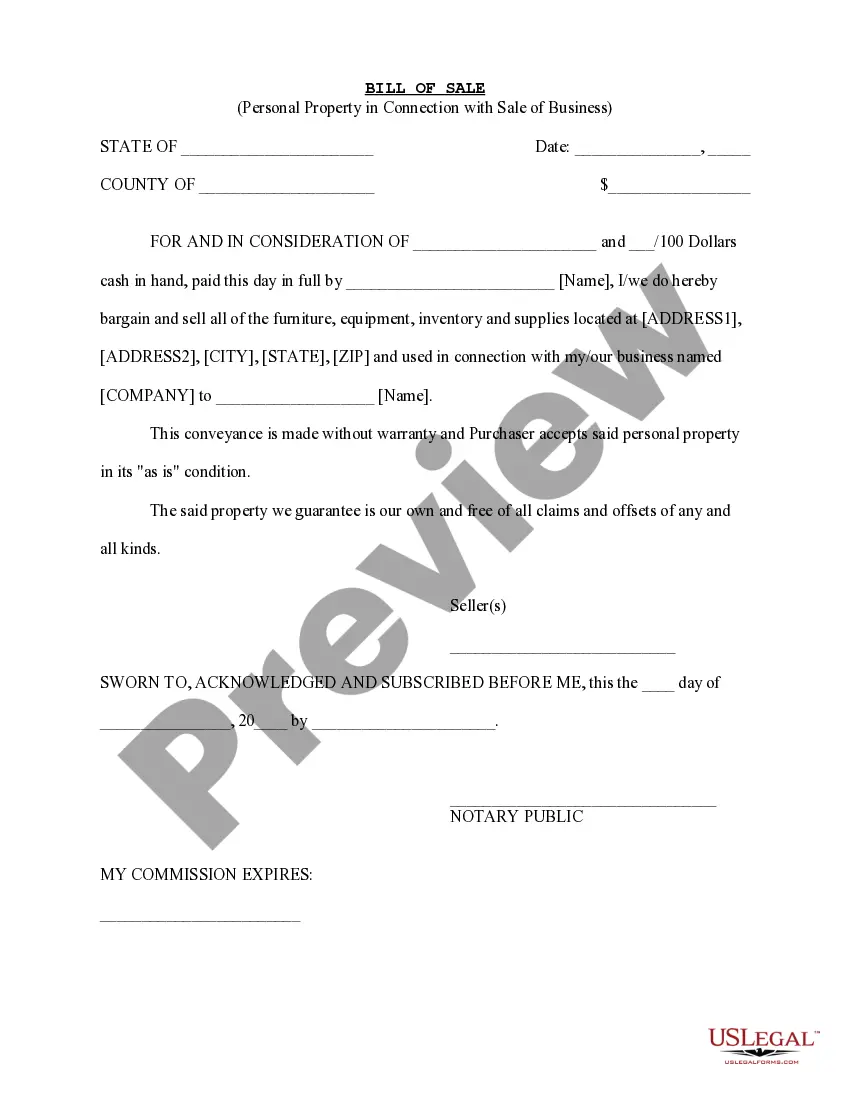
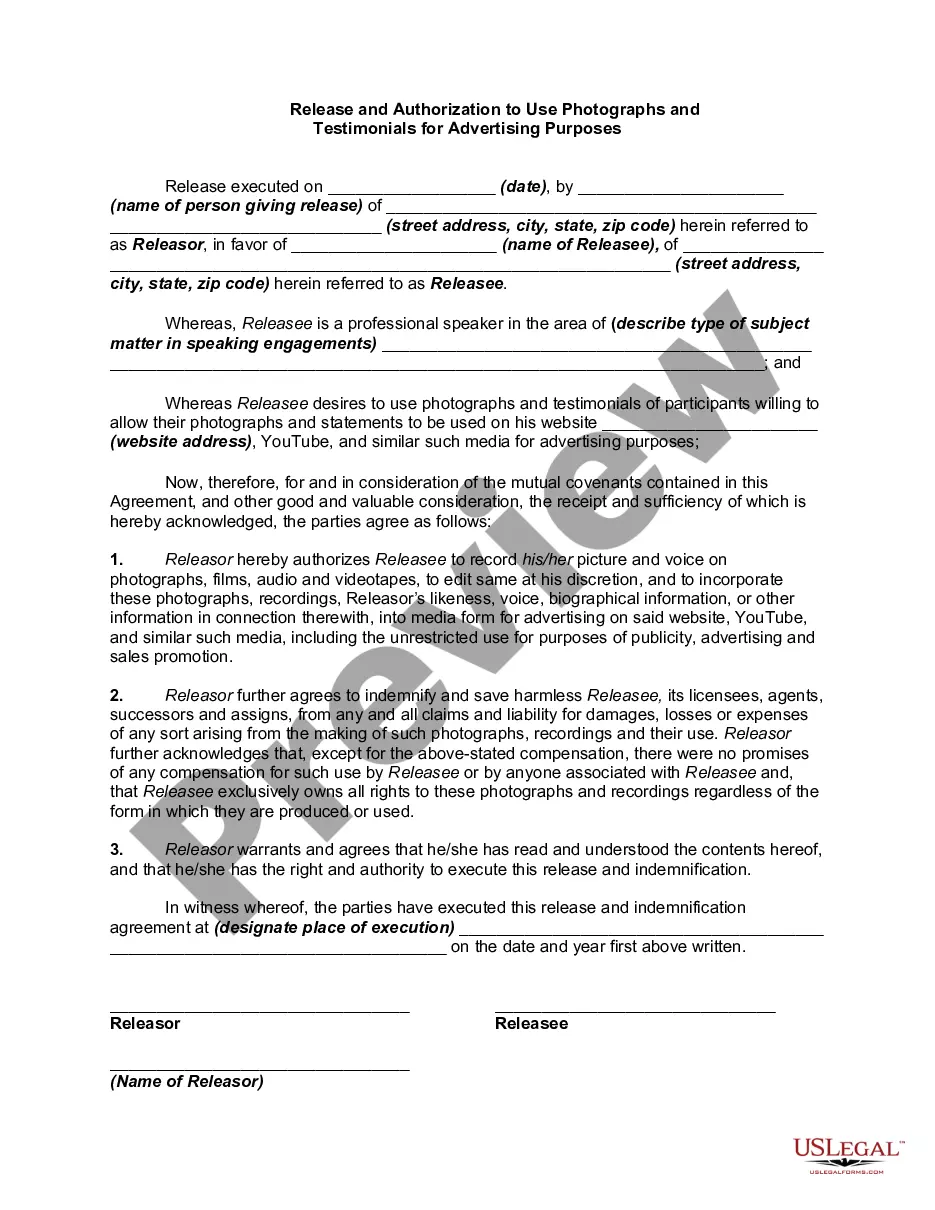
How to fill out Waiver And Release From Liability For Minor Child For Skeet Shooting?
US Legal Forms - one of the largest collections of legal documents in the United States - provides a broad array of legal form templates that you can obtain or print. By using the website, you will discover thousands of forms for business and personal purposes, organized by categories, states, or keywords. You can find the most recent versions of forms such as the Massachusetts Waiver and Release From Liability For Minor Child for Skeet Shooting in moments.
If you already have a monthly subscription, Log In and access the Massachusetts Waiver and Release From Liability For Minor Child for Skeet Shooting from the US Legal Forms library. The Download button will appear on each form you view. You can access all previously downloaded forms in the My documents tab of your account.
If you are using US Legal Forms for the first time, here are simple instructions to get started: Make sure you have selected the correct form for your area/region. Click the Preview button to review the form’s details. Read the form description to ensure you have chosen the right form. If the form does not meet your needs, use the Search field at the top of the screen to find one that does. When you are satisfied with the form, confirm your choice by clicking the Get now button. Then, select the payment plan you prefer and provide your credentials to register for an account. Process the payment. Use your credit card or PayPal account to complete the transaction. Choose the format and download the form to your device. Make edits. Fill out, modify, and print and sign the downloaded Massachusetts Waiver and Release From Liability For Minor Child for Skeet Shooting.
- Every template you added to your account has no expiration date and is yours permanently.
- So, if you wish to obtain or print another copy, simply navigate to the My documents section and click on the form you need.
- Access the Massachusetts Waiver and Release From Liability For Minor Child for Skeet Shooting with US Legal Forms, one of the most extensive libraries of legal document templates.
- Utilize thousands of professional and state-specific templates that meet your business or personal needs and requirements.
Form popularity
FAQ
If the risks are specifically outlined in the waiver, chances are you will experience them. If nothing else, reading the waiver will prepare you for the activity, which may help you avoid injuries. The document will also state that signing the waiver releases the company of any injury liability.
Under Massachusetts Law Parties Cannot Waive the Right to Recover for Gross Negligence. People are often asked to sign waivers before engaging in activities that may be perceived as dangerous.
What is a Waiver And Release Agreement? A waiver and release agreement is a legal document that releases a party from liability and creates an enforceable promise for one party to not take legal action against another.
Liability waivers are enforceable in California solely to the extent they shift to the customer the risk of ordinary negligence. Under California law, a liability waiver cannot excuse an injury caused by a defendant's gross negligence, recklessness or intentionally wrongful act.
In theory, that is exactly the effect a waiver has. They are intended to be legally binding contracts by which you waive your right to sue an individual or organization for injuries or losses you sustain, even if such injury or loss was due to their negligence.
Additionally, to be enforceable in California a waiver of liability must be clear, unambiguous, and explicit in expressing the parties' intent. This means waivers printed in faint or small font, or in an inconspicuous place (deep in a document, on the back of a page, etc.), are less likely to be held enforceable.
Massachusetts has a Comparative Negligence Law which applies when: The defendant raises the issue of your negligence, and. The defendant proves by a preponderance of evidence that you were negligent and your negligence contributed to the cause of your injuries.
A liability waiver, or release waiver, is a legal document that a company or organization requires members of the public to sign in order to protect their organization from being sued if you sustain an injury.
Liability waivers are enforceable in California solely to the extent they shift to the customer the risk of ordinary negligence. Under California law, a liability waiver cannot excuse an injury caused by a defendant's gross negligence, recklessness or intentionally wrongful act.
Massachusetts negligence laws incorporate the doctrine of contributory negligence that reduces damages rewards for plaintiffs (individuals who file the lawsuit) who are partially at fault for the incident that causes their injuries.