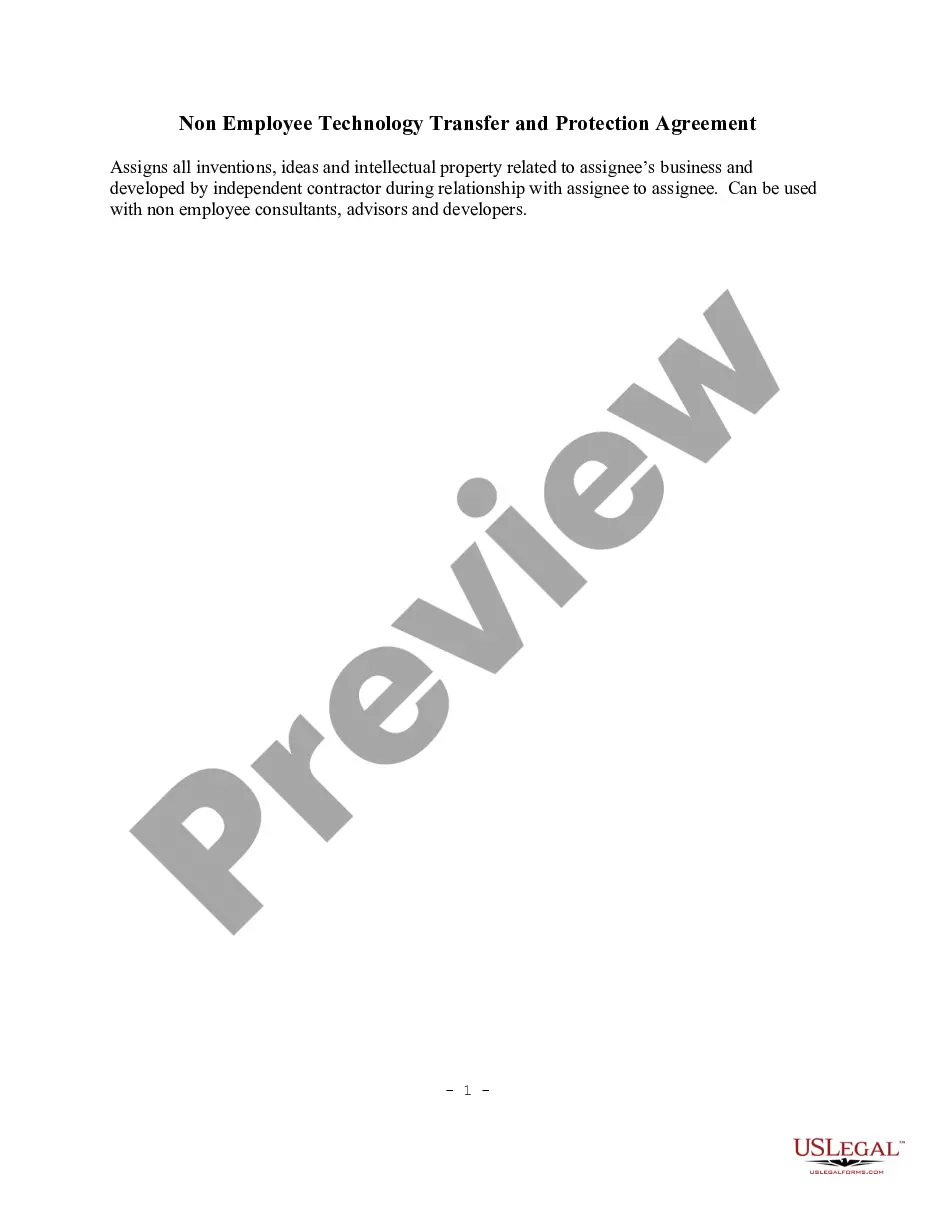
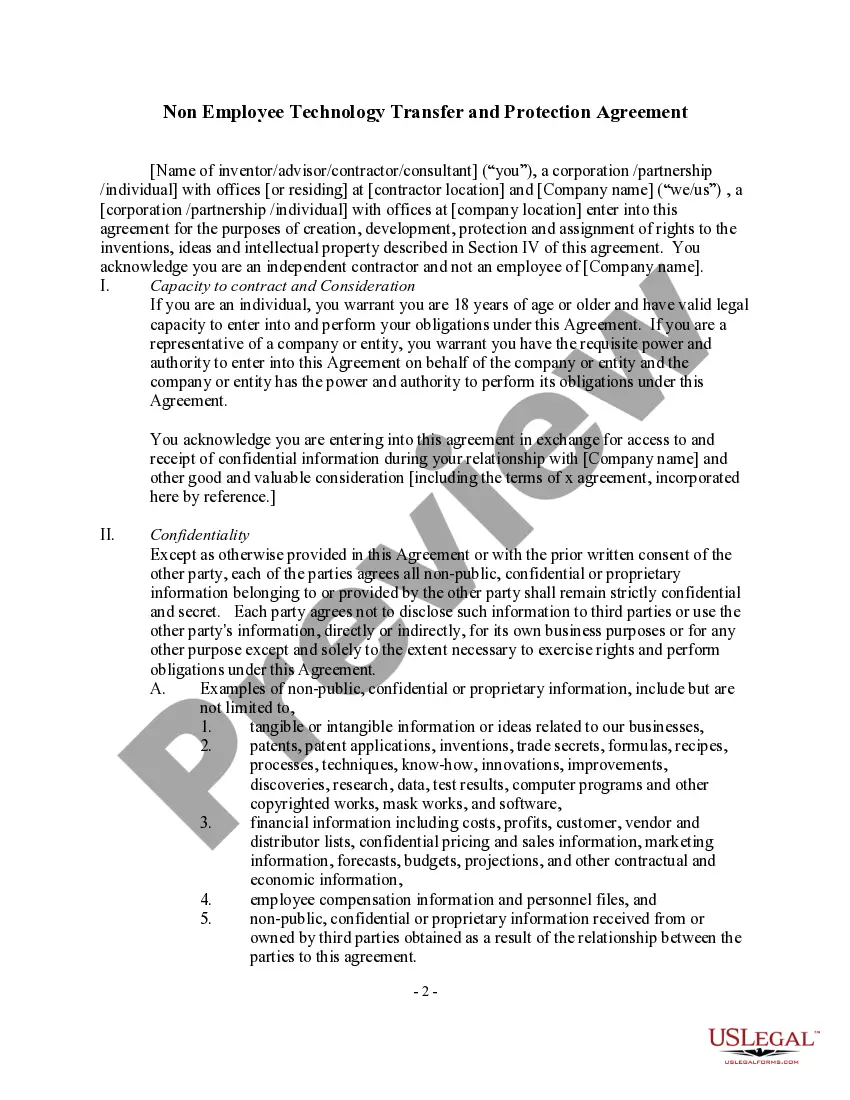
Massachusetts Non Employee Technology Transfer And Protection Agreement
Description
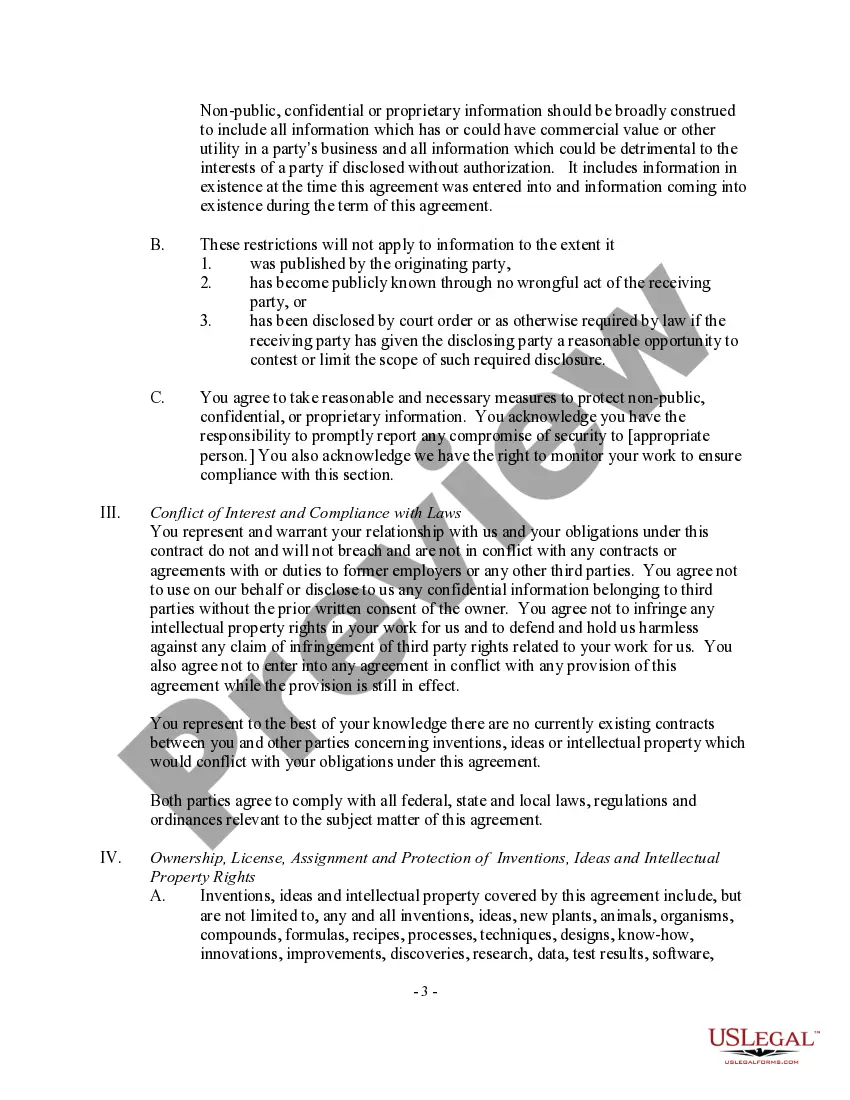
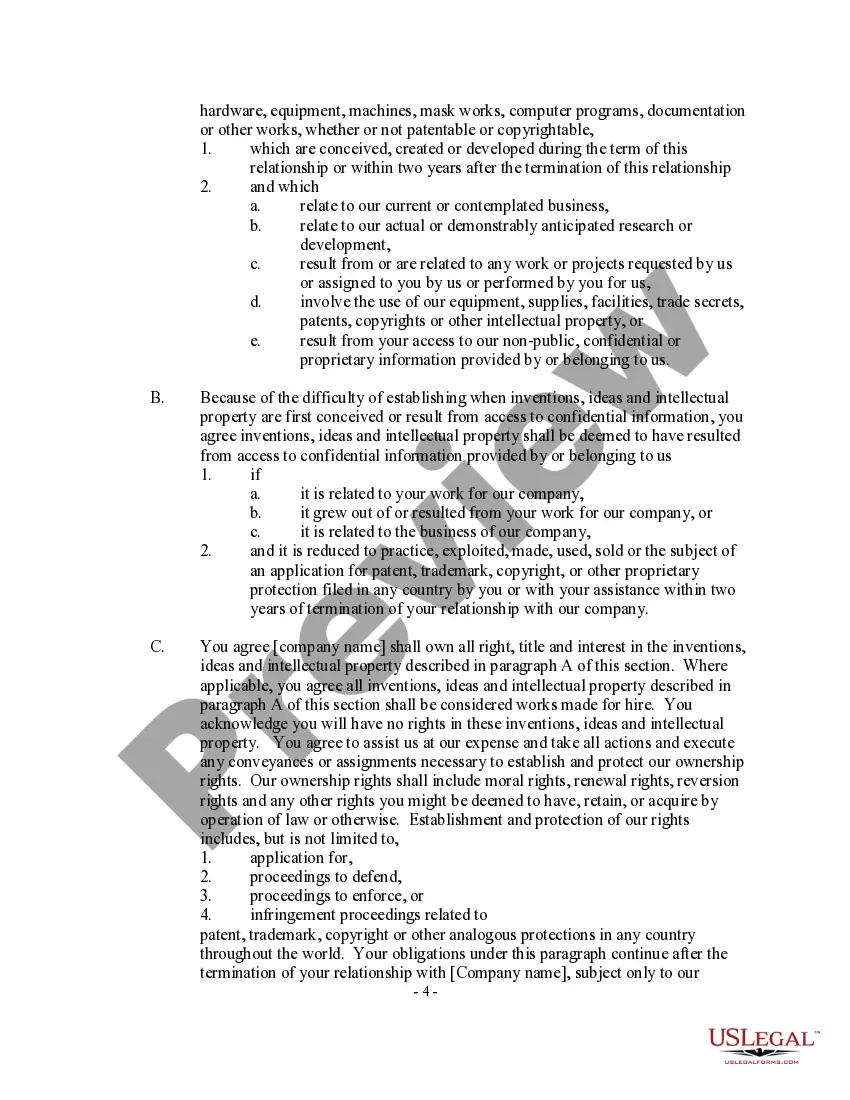
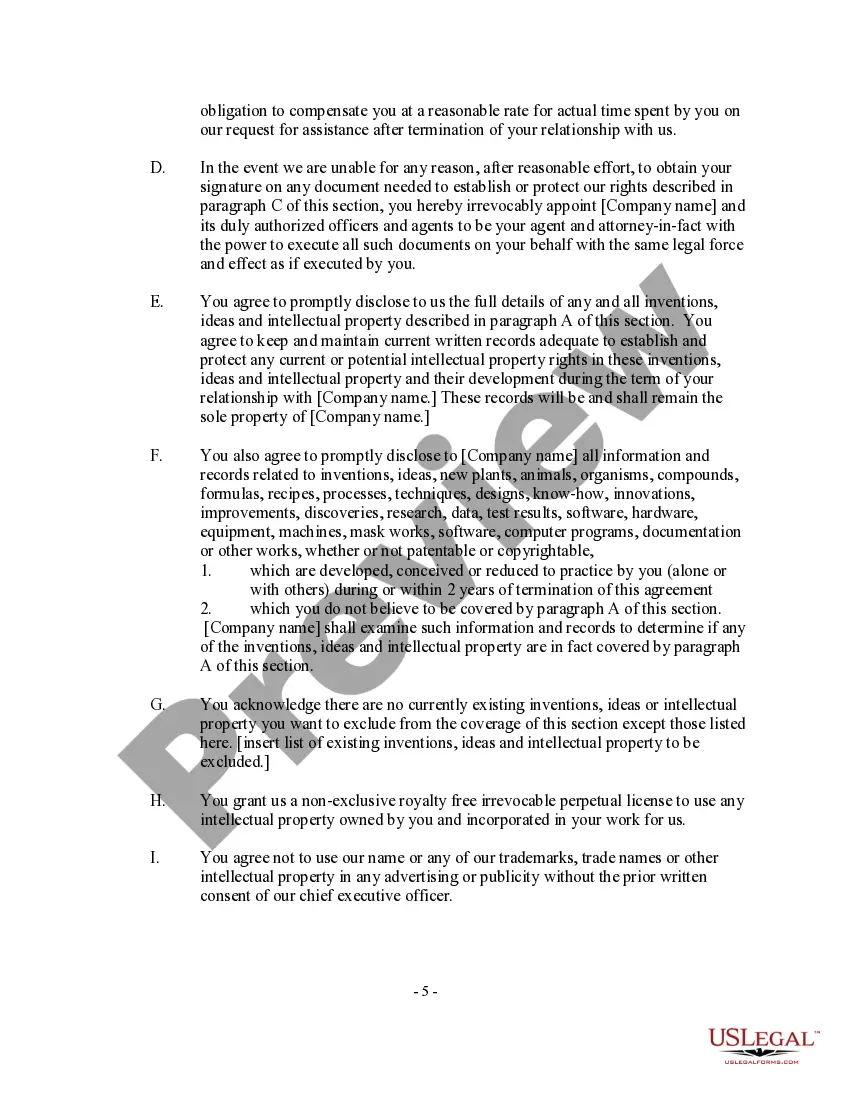
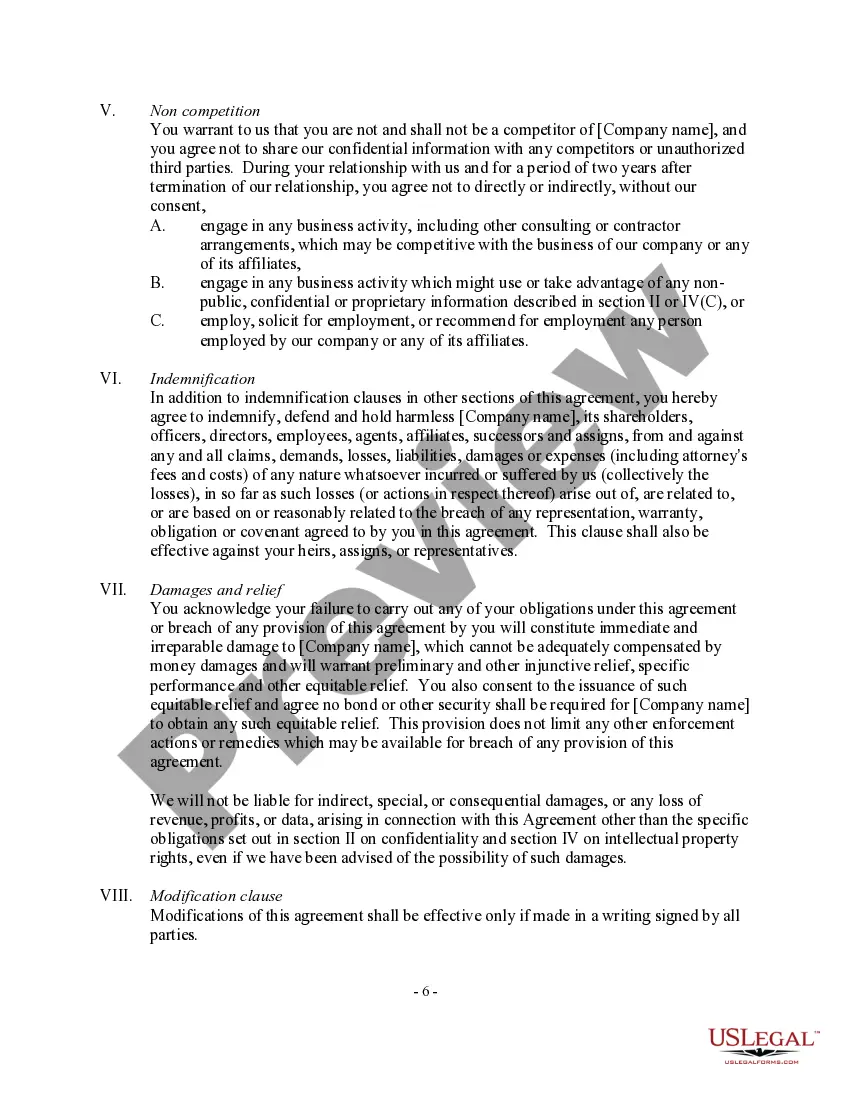
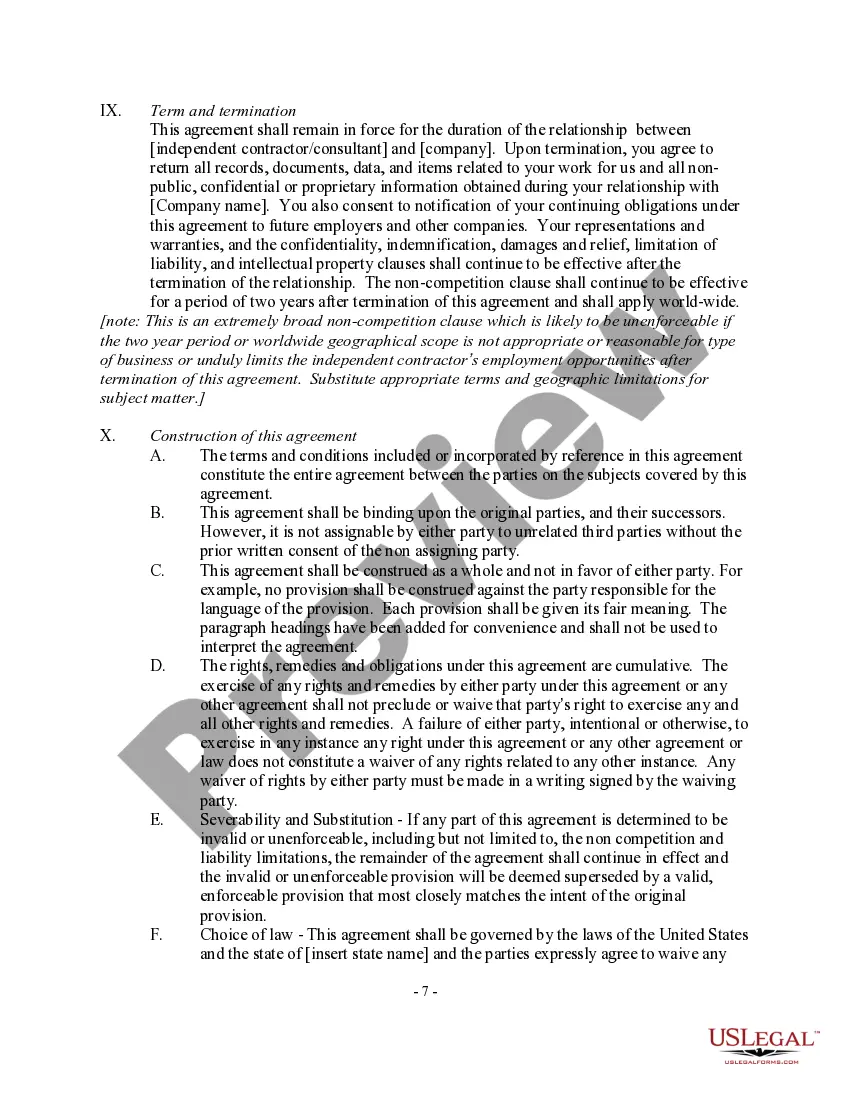
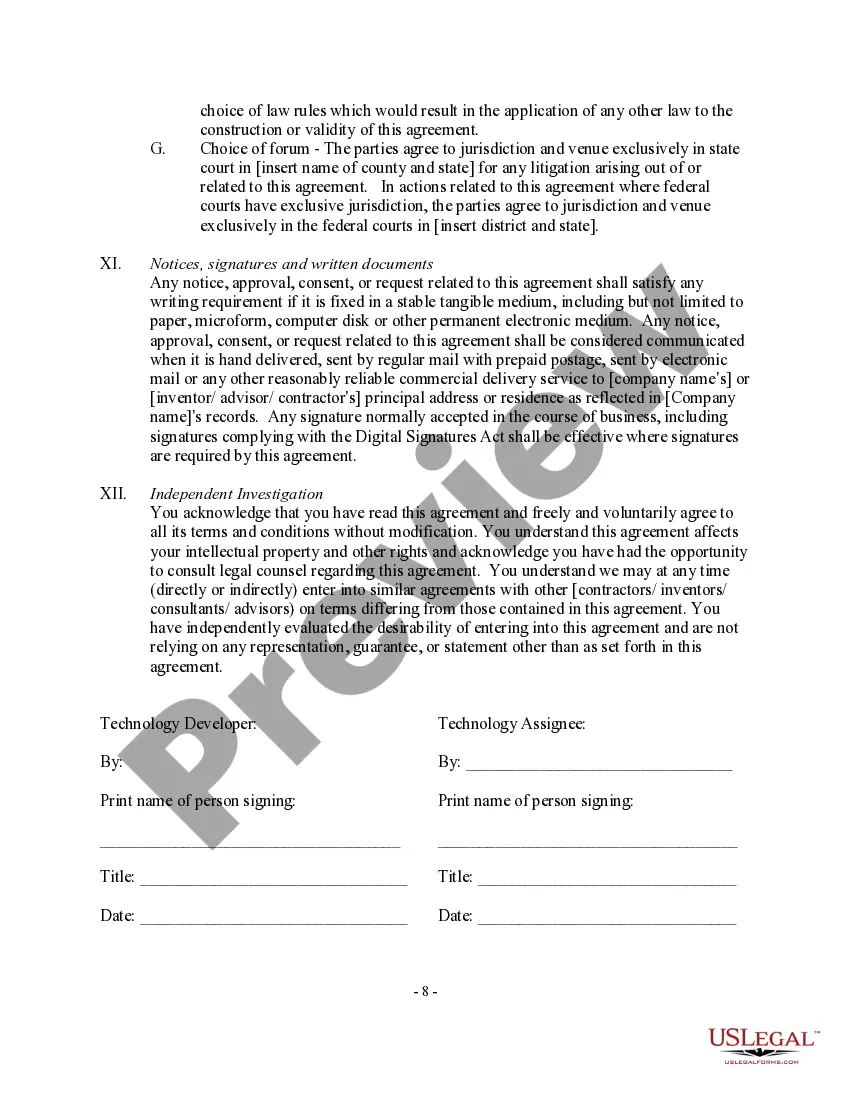
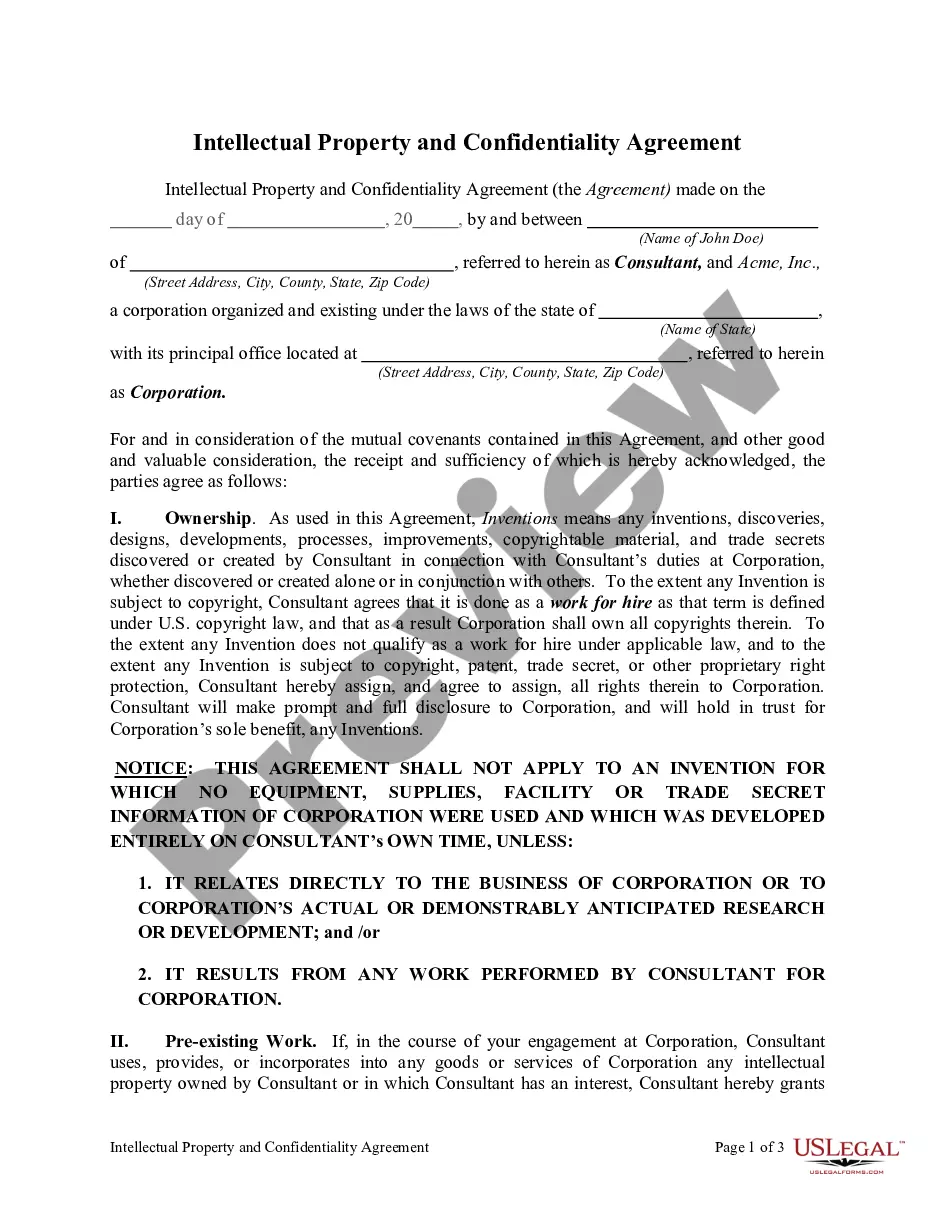
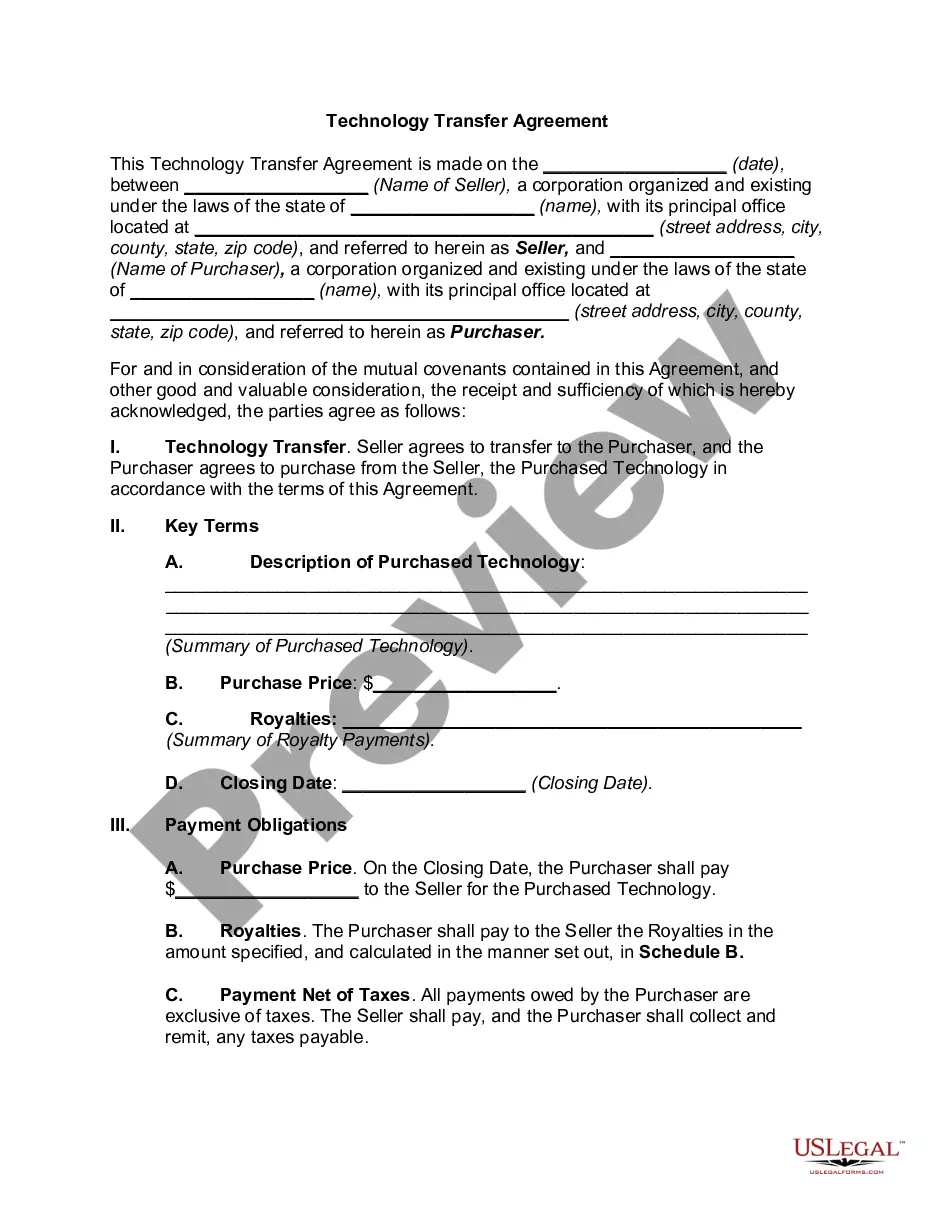
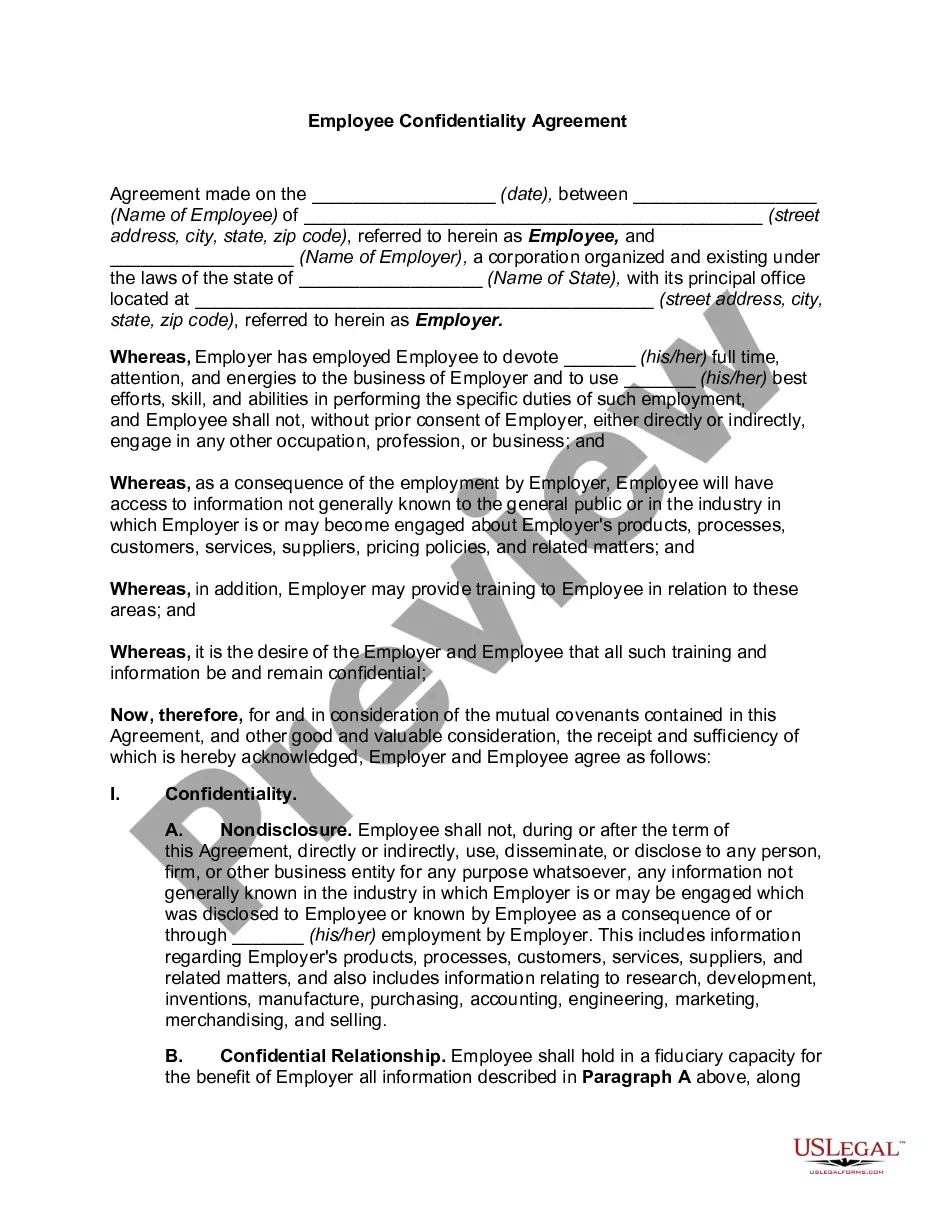
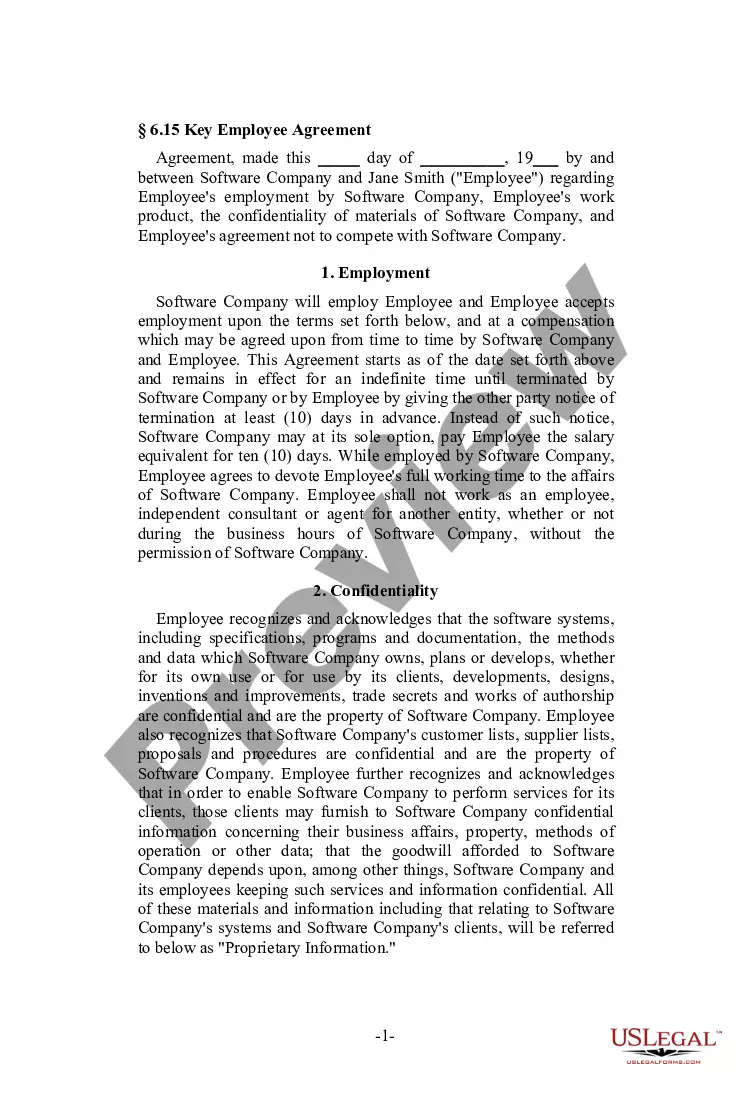
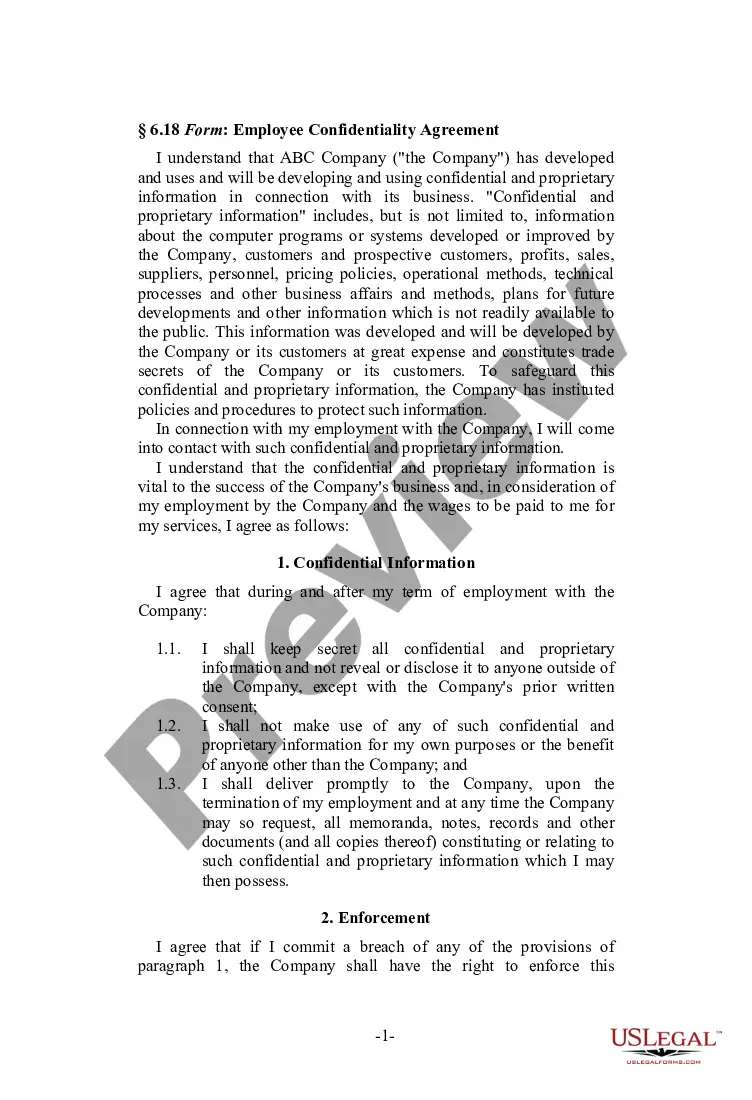
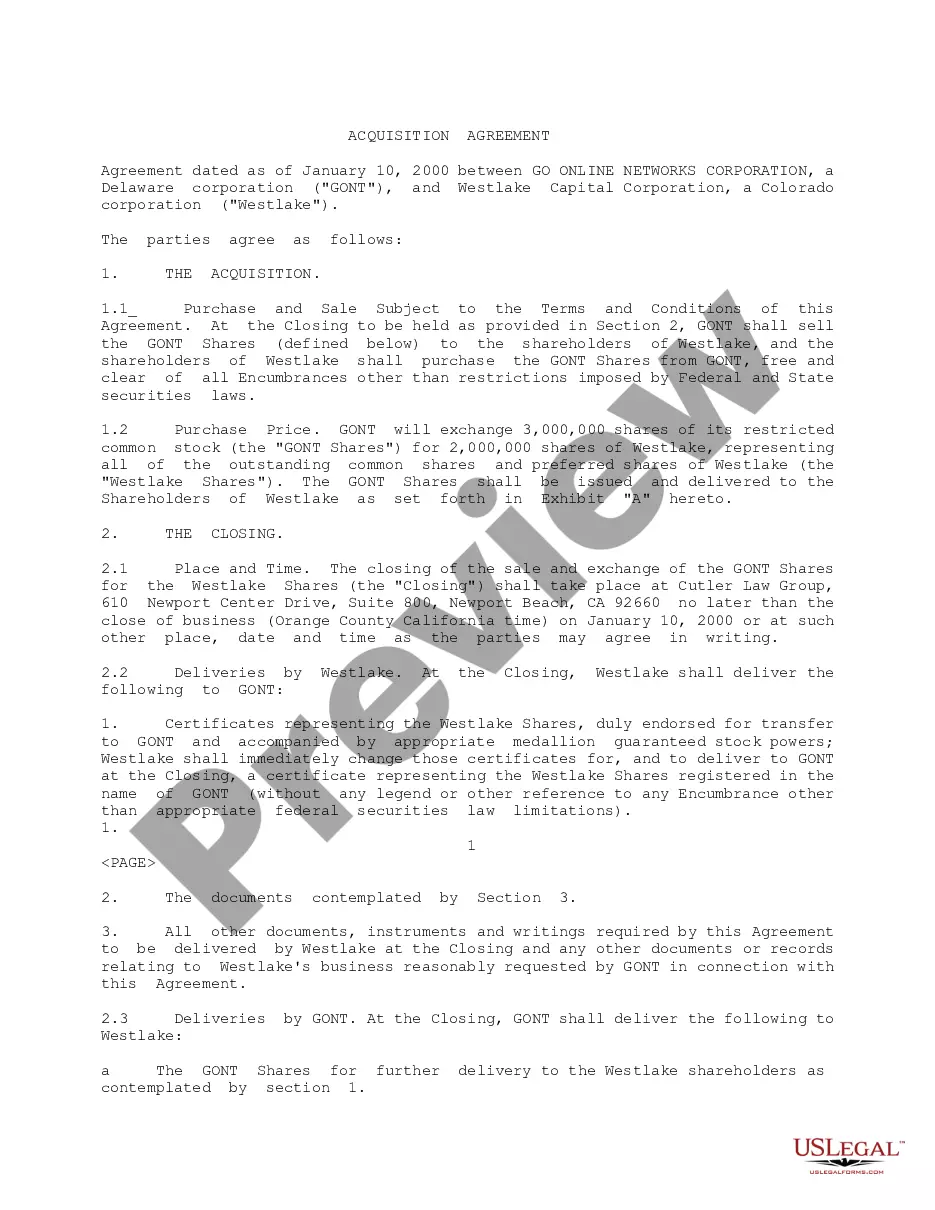
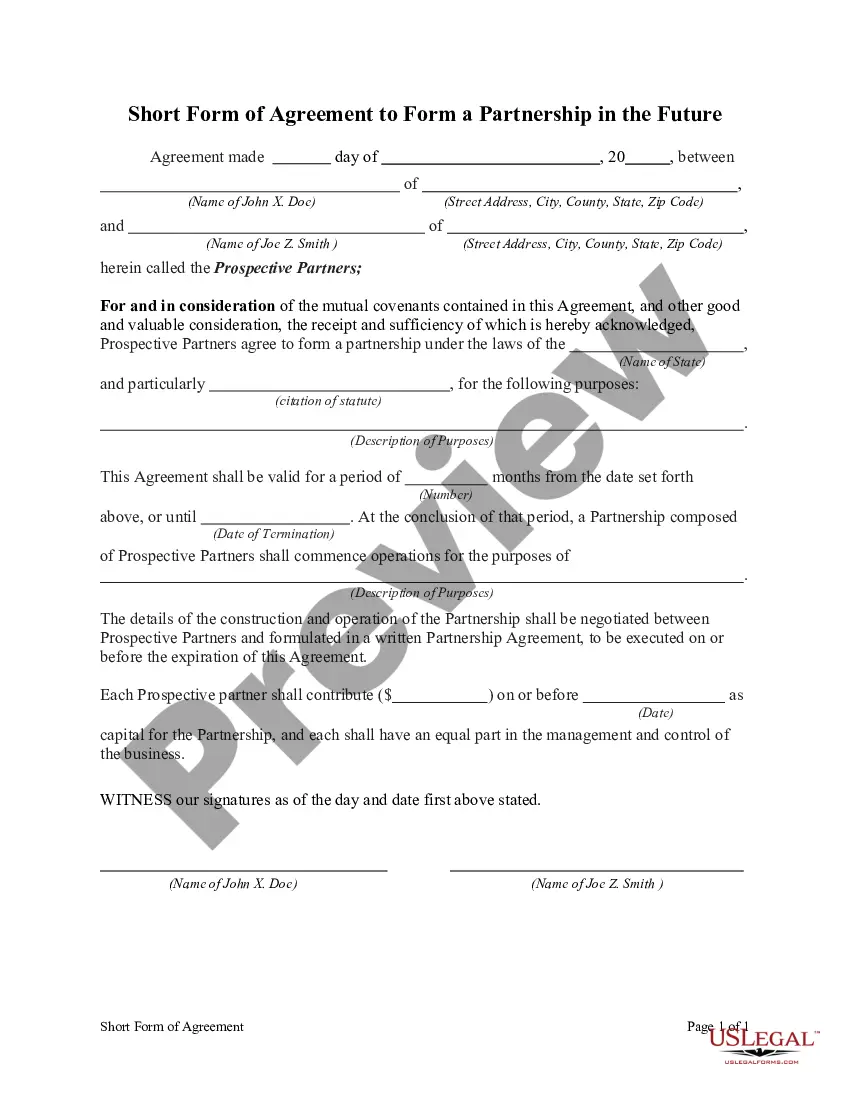
How to fill out Non Employee Technology Transfer And Protection Agreement?
Are you in a situation where you require documents for both organizational or personal use nearly every day.
There are numerous legal document templates accessible online, but finding ones you can depend on is not simple.
US Legal Forms provides a vast array of template options, including the Massachusetts Non Employee Technology Transfer And Protection Agreement, which can be tailored to satisfy state and federal regulations.
Utilize US Legal Forms, one of the most extensive collections of legal documents, to save time and avoid mistakes.
The service offers properly crafted legal document templates that can be used for a variety of purposes. Create an account on US Legal Forms and start simplifying your life.
- If you are already familiar with the US Legal Forms website and have an account, just Log In.
- After that, you can download the Massachusetts Non Employee Technology Transfer And Protection Agreement template.
- If you do not have an account and wish to start using US Legal Forms, follow these steps.
- Find the form you need and ensure it is for the correct city/region.
- Utilize the Preview feature to review the document.
- Check the description to make sure you have selected the correct form.
- If the form is not what you are looking for, use the Search field to find the form that meets your needs and requirements.
- Once you find the right form, click Buy now.
- Select the pricing plan you prefer, complete the necessary information to create your account, and pay for your order using your PayPal or credit card.
- Choose a convenient file format and download your copy.
- Access all the document templates you have purchased in the My documents menu. You can obtain an additional copy of the Massachusetts Non Employee Technology Transfer And Protection Agreement at any time, if required. Simply click the desired form to download or print the document template.
Form popularity
FAQ
The five major types of technology transfer agreements include licensing agreements, research collaboration agreements, material transfer agreements, joint development agreements, and confidentiality agreements. Each type serves a unique purpose in facilitating the sharing and protection of technology and intellectual property. Understanding these agreements is vital for anyone engaged in technology transfer, especially in the context of a Massachusetts Non Employee Technology Transfer And Protection Agreement. Utilizing a platform like USLegalForms can simplify the process of drafting these agreements.
A technology transfer agreement is a legal contract that outlines the terms under which one party can transfer technology, knowledge, or intellectual property to another party. This agreement is essential for ensuring that proprietary information is protected while allowing for collaboration and innovation. If you are involved in technology development, a Massachusetts Non Employee Technology Transfer And Protection Agreement can help safeguard your interests.
The MIT inventions and proprietary information agreement is a legal document that safeguards the intellectual property created by researchers and staff at MIT. It establishes ownership rights and outlines how inventions and proprietary information will be managed. This agreement is crucial for protecting the interests of both the institution and the individuals involved in innovative projects. If you are considering a Massachusetts Non Employee Technology Transfer And Protection Agreement, understanding this framework can be beneficial.
The Massachusetts Noncompetition Agreement Act governs the use of noncompete agreements in the state. This law sets specific guidelines regarding when and how these agreements can be enforced, ensuring fairness for both employers and employees. One important aspect of this act relates to the Massachusetts Non Employee Technology Transfer And Protection Agreement, which helps protect sensitive information shared between parties. Understanding this act can help you navigate the complexities of these agreements effectively.
compete agreement can limit your ability to work for a competitor, depending on its terms. The Massachusetts Non Employee Technology Transfer And Protection Agreement dictates that such restrictions must be reasonable and not overly broad. If you are facing challenges due to a noncompete, it's important to understand your rights and options. Utilizing resources from uslegalforms can provide valuable insights and templates to help you address any noncompete concerns effectively.
Non-compete agreements can hold up in court, provided they meet the legal standards set by Massachusetts law. The Massachusetts Non Employee Technology Transfer And Protection Agreement outlines the necessary conditions for enforceability, including the need for a legitimate business interest. Courts evaluate the reasonableness of these agreements, so having clear terms and justifications is crucial. If you find yourself dealing with a noncompete issue, seeking guidance from uslegalforms can help you navigate the complexities.
Yes, noncompete agreements are enforceable in Massachusetts, but they must meet specific legal criteria. According to the Massachusetts Non Employee Technology Transfer And Protection Agreement, these agreements must be reasonable in scope, duration, and geographic area. Additionally, they must be supported by adequate consideration, meaning you must receive something of value in exchange for signing the agreement. It's essential to consult with a legal expert to ensure that your noncompete agreement complies with state laws.