Massachusetts Landlord Tenant Investment Trust REIT Due Diligence Supplemental Checklist
Description


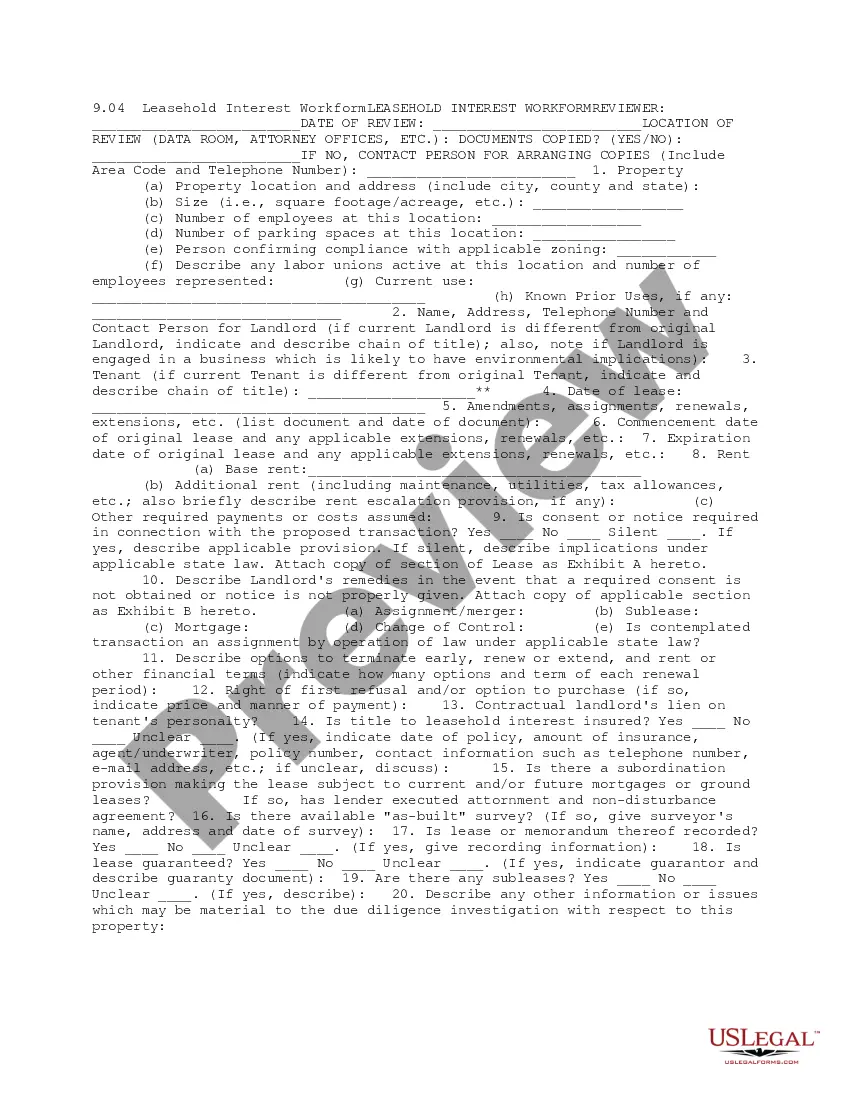
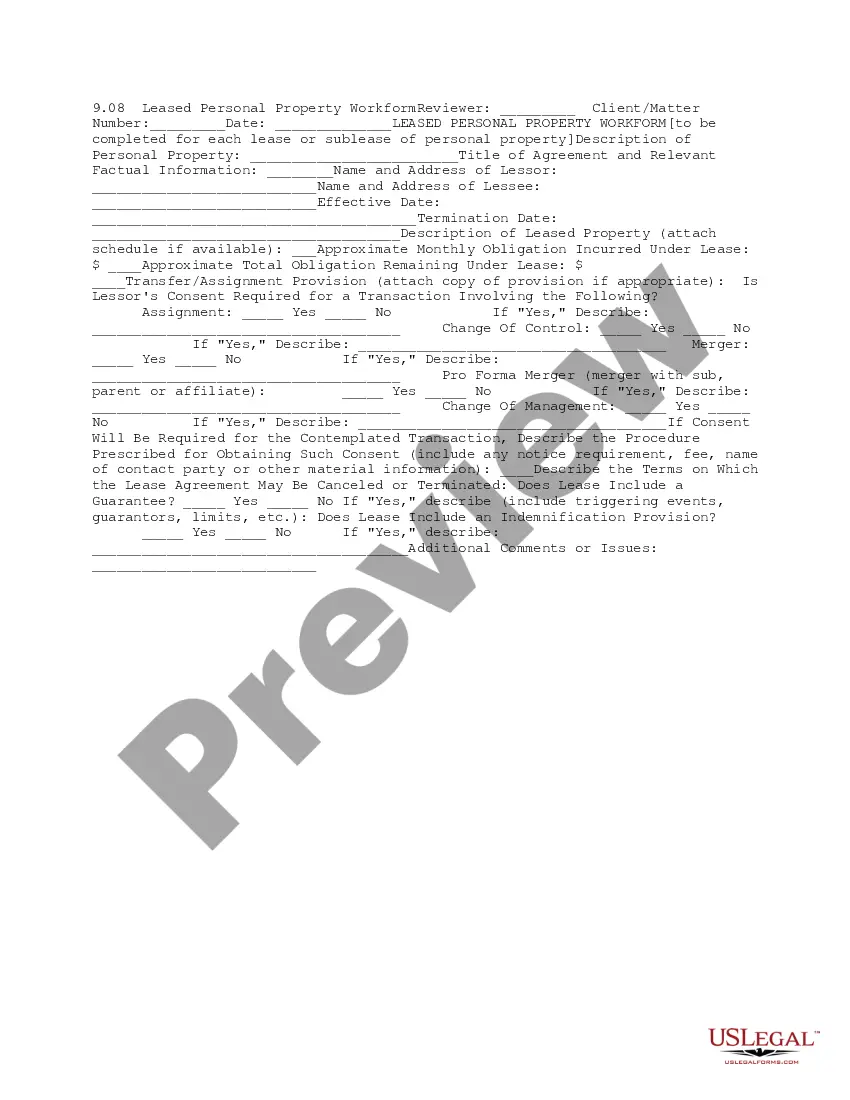
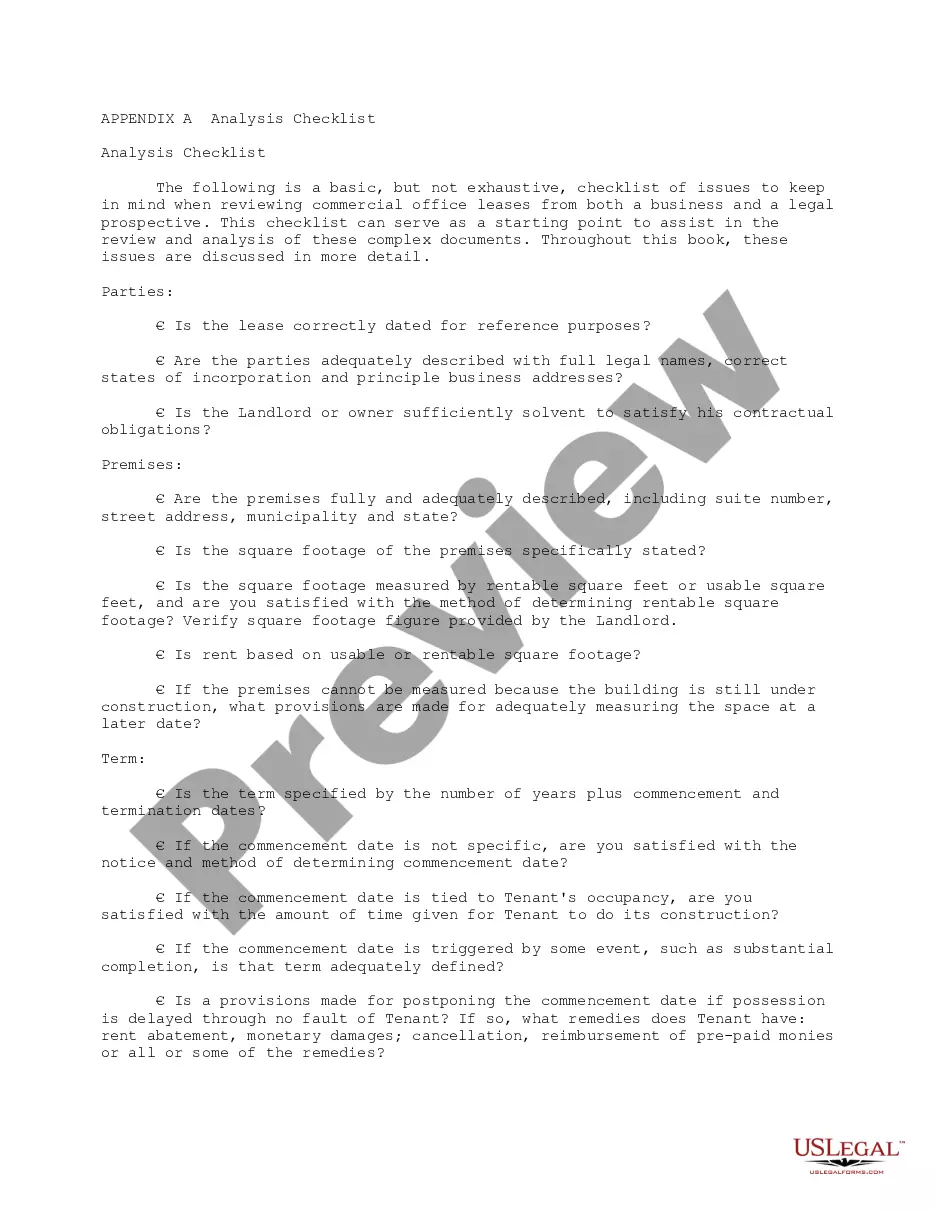

How to fill out Landlord Tenant Investment Trust REIT Due Diligence Supplemental Checklist?
Are you presently in a situation where you require documentation for potential business or particular purposes nearly every day.
There are numerous legal document templates available online, but locating ones you can trust is challenging.
US Legal Forms offers thousands of document templates, including the Massachusetts Landlord Tenant Investment Trust REIT Due Diligence Supplemental Checklist, that are crafted to comply with state and federal regulations.
Once you find the correct document, click Get Now.
Select your desired pricing plan, provide the necessary details to create your account, and complete the purchase using PayPal or a credit card. Choose a preferred file format and download your copy. You can find all the document templates you have purchased in the My documents section. You can obtain another copy of the Massachusetts Landlord Tenant Investment Trust REIT Due Diligence Supplemental Checklist at any time if needed. Just select the required template to download or print the document. Utilize US Legal Forms, the most extensive collection of legal templates, to save time and avoid mistakes. The service provides professionally crafted legal document templates that can be used for various purposes. Create your account on US Legal Forms and start simplifying your life.
- If you are already familiar with the US Legal Forms website and have an account, simply Log In.
- After logging in, you can download the Massachusetts Landlord Tenant Investment Trust REIT Due Diligence Supplemental Checklist template.
- If you do not have an account and wish to start using US Legal Forms, follow these steps.
- Find the template you need and ensure it is specific to your location/region.
- Use the Preview button to review the document.
- Check the description to confirm that you have selected the correct template.
- If the template isn't what you're looking for, utilize the Search field to find the document that suits your needs.
Form popularity
FAQ
If your investment account includes REITs, you will likely receive a 1099 form summarizing your dividends and interest payments for the tax year. This documentation helps you accurately report your income when filing taxes. When integrating this information with the Massachusetts Landlord Tenant Investment Trust REIT Due Diligence Supplemental Checklist, you can gain better insights into your financial standing and obligations.
REIT investors typically receive a variety of documents, including periodic reports, performance updates, and tax documents. These materials ensure that you stay informed about your investment's progress and any distributions you may receive. As you utilize the Massachusetts Landlord Tenant Investment Trust REIT Due Diligence Supplemental Checklist, make sure to review these documents carefully for a complete understanding of your investment.
Most REITs issue 1099 forms instead of K1s, making tax reporting simpler for investors. The 1099 form provides details about dividends and interest income earned during the tax year. When evaluating your investments, particularly using the Massachusetts Landlord Tenant Investment Trust REIT Due Diligence Supplemental Checklist, it is essential to consider how the tax implications affect your investment strategy.
Investor documents are critical papers that provide detailed information about the investment opportunity, including performance metrics and risk factors. These documents can include the offering memorandum, subscription agreements, and financial statements. By reviewing these materials, you can better navigate the Massachusetts Landlord Tenant Investment Trust REIT Due Diligence Supplemental Checklist, ensuring a wise investment decision.
A REIT, or Real Estate Investment Trust, allows investors to access a diversified portfolio of real estate properties without needing to buy physical assets. By investing in a REIT, you benefit from collective investment in income-producing properties like apartments, office buildings, and shopping centers. This approach offers a simpler way to diversify your investments while focusing on the Massachusetts Landlord Tenant Investment Trust REIT Due Diligence Supplemental Checklist for thorough analysis.
The 95 income test requires that at least 95% of a REIT's gross income must come from qualifying sources, such as rents, revenue from real estate sales, or interest from mortgages. This test ensures that the majority of income aligns with REIT regulations, as explained in the Massachusetts Landlord Tenant Investment Trust REIT Due Diligence Supplemental Checklist. Staying informed on this test helps investors maintain compliance and optimize tax advantages.
The 75 rule in real estate often refers to the requirement that a REIT must derive at least 75% of its gross income from real estate sources. This means rental income, interest on mortgages, and gains from property sales fall under the category. Understanding this rule is vital for investors utilizing the Massachusetts Landlord Tenant Investment Trust REIT Due Diligence Supplemental Checklist to ensure a sound investment strategy.
The 75% REIT asset test mandates that at least 75% of the total assets owned by a REIT must consist of real estate assets. This includes properties and interests in real estate, as stated in the Massachusetts Landlord Tenant Investment Trust REIT Due Diligence Supplemental Checklist. Ensuring compliance with this test is crucial for maintaining REIT status and benefiting from tax exemptions.
The three P's of due diligence are property, people, and purpose. First, you assess the property's condition and legal standing. Next, you evaluate the capabilities and backgrounds of the people involved in the transaction. Lastly, understand the purpose behind the investment to ensure alignment with your goals outlined in the Massachusetts Landlord Tenant Investment Trust REIT Due Diligence Supplemental Checklist.
To qualify as a Real Estate Investment Trust, certain essential requirements must be met. This includes investing at least 75% of total assets in real estate and generating at least 75% of its gross income from real estate-related activities. Moreover, distributing at least 90% of its taxable income to shareholders is crucial. Following the Massachusetts Landlord Tenant Investment Trust REIT Due Diligence Supplemental Checklist will provide guidance in fulfilling these crucial criteria.