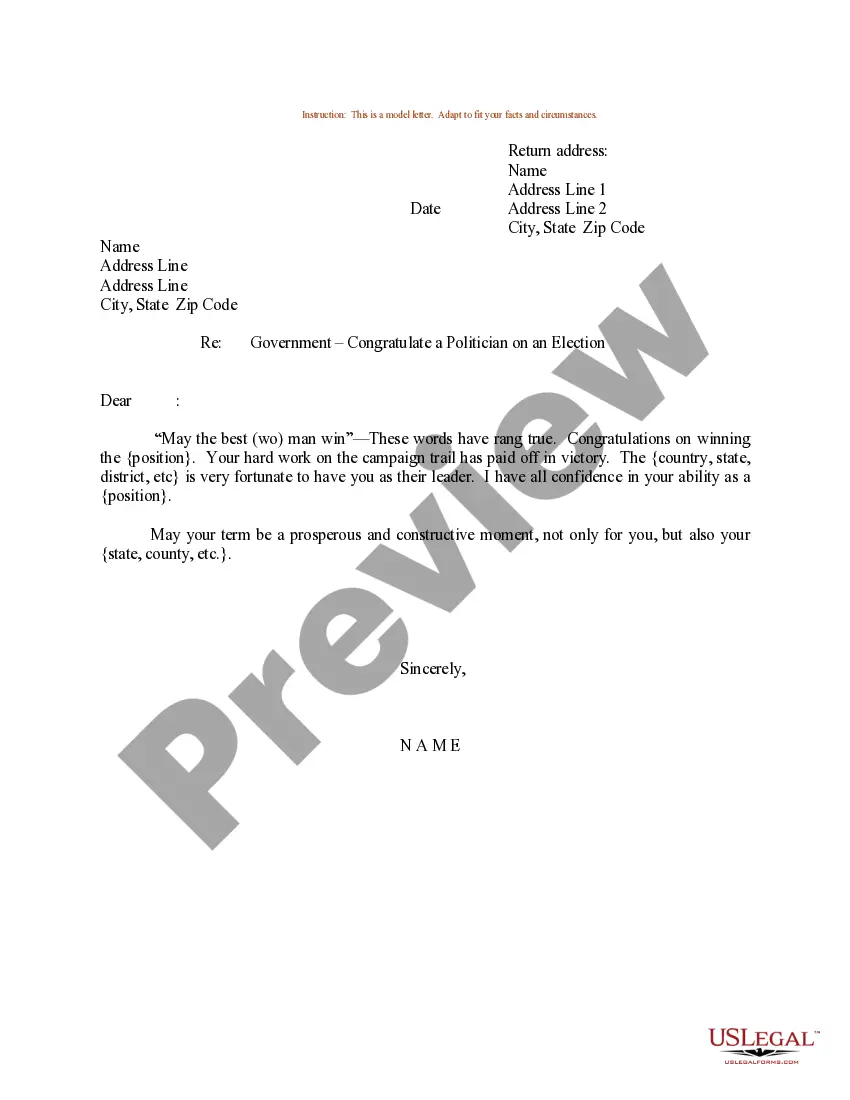
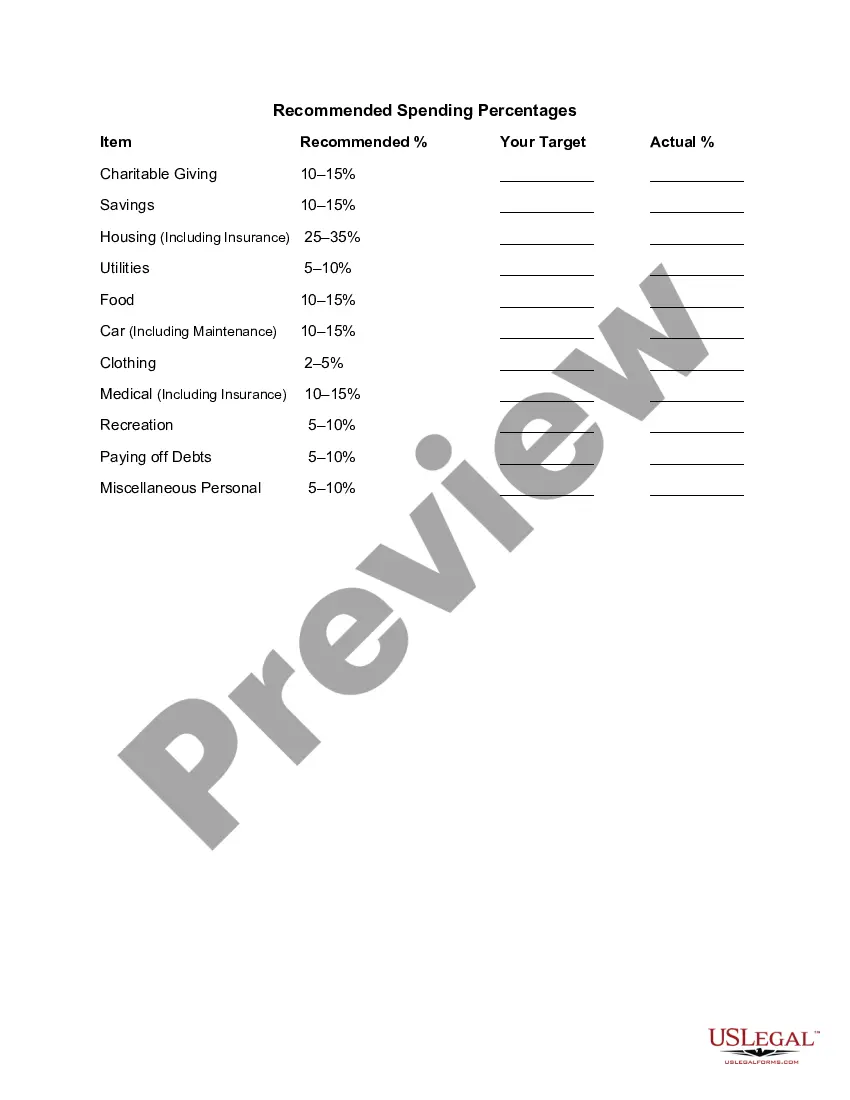
Massachusetts Recommended Spending Percentages
Description
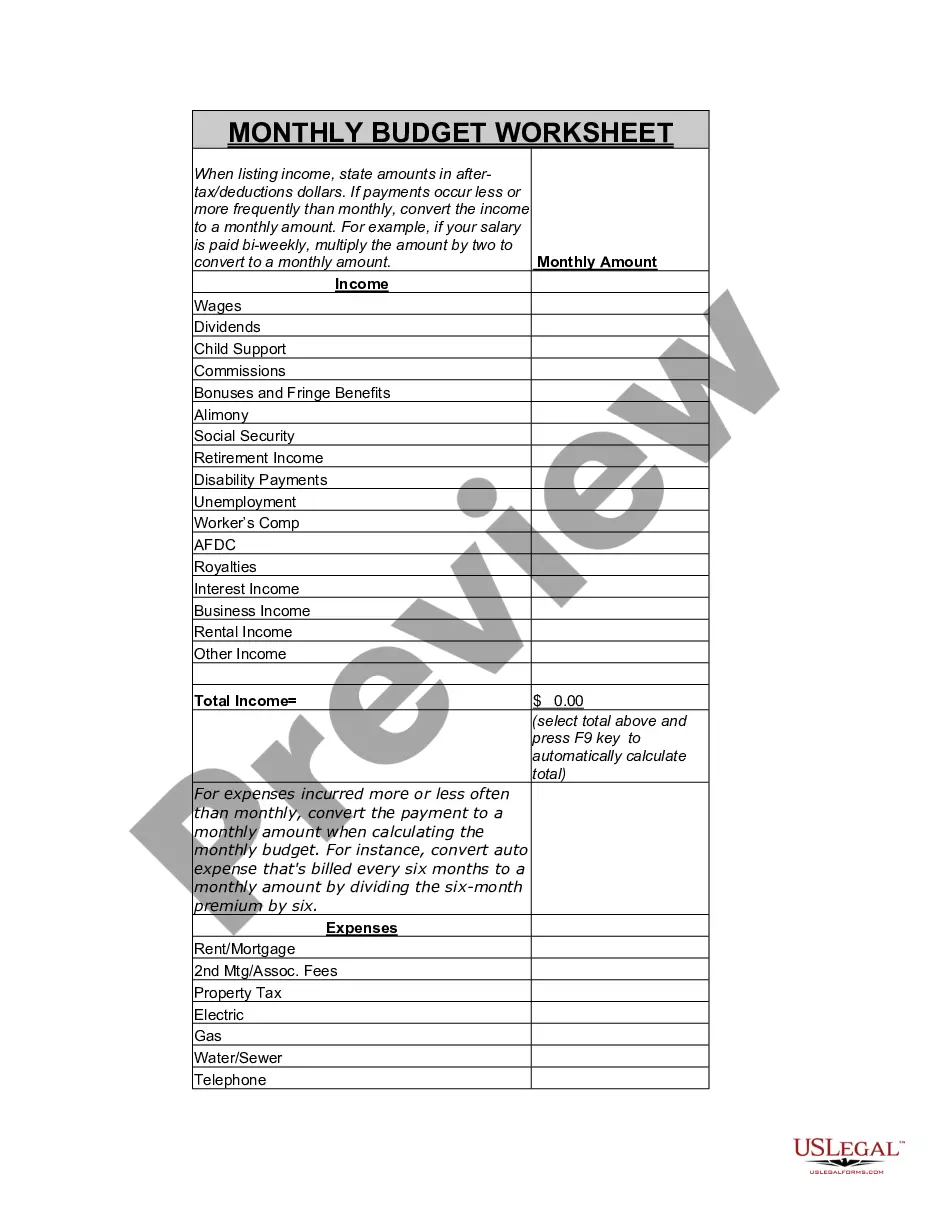
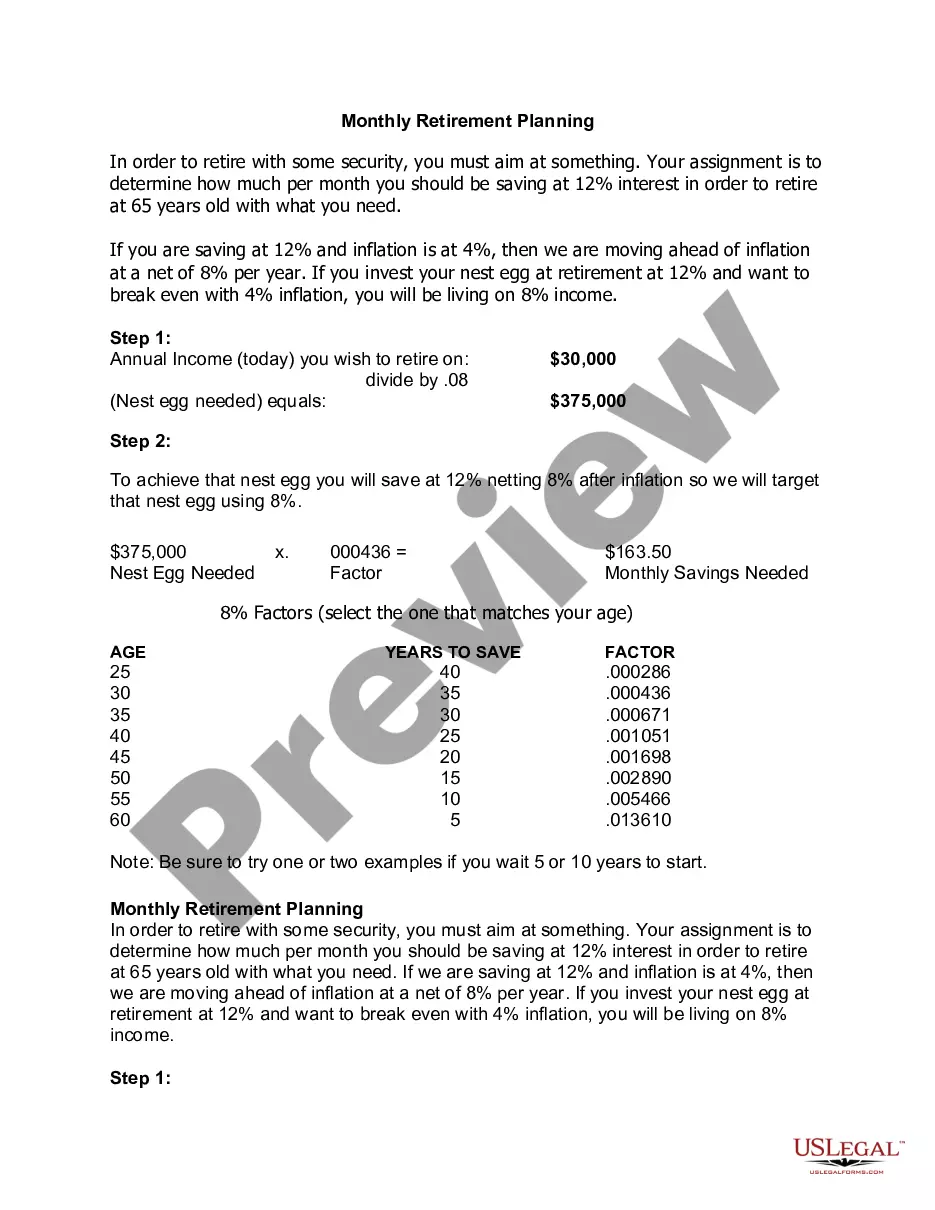
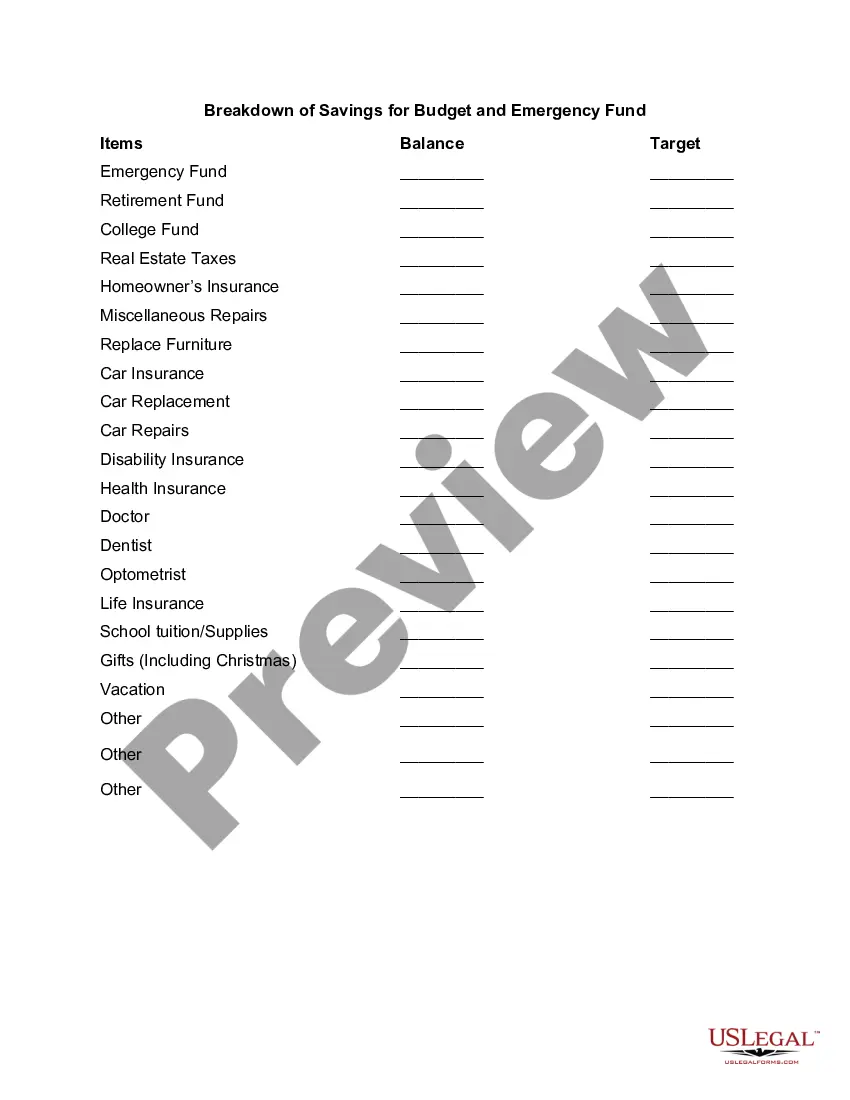
Get your form ready online
Our built-in tools help you complete, sign, share, and store your documents in one place.
Make edits, fill in missing information, and update formatting in US Legal Forms—just like you would in MS Word.
Download a copy, print it, send it by email, or mail it via USPS—whatever works best for your next step.
Sign and collect signatures with our SignNow integration. Send to multiple recipients, set reminders, and more. Go Premium to unlock E-Sign.
If this form requires notarization, complete it online through a secure video call—no need to meet a notary in person or wait for an appointment.
We protect your documents and personal data by following strict security and privacy standards.

Make edits, fill in missing information, and update formatting in US Legal Forms—just like you would in MS Word.

Download a copy, print it, send it by email, or mail it via USPS—whatever works best for your next step.

Sign and collect signatures with our SignNow integration. Send to multiple recipients, set reminders, and more. Go Premium to unlock E-Sign.

If this form requires notarization, complete it online through a secure video call—no need to meet a notary in person or wait for an appointment.

We protect your documents and personal data by following strict security and privacy standards.
Looking for another form?




How to fill out Recommended Spending Percentages?
You might spend time online searching for the legal document template that meets the federal and state requirements you need.
US Legal Forms offers thousands of legal forms that have been vetted by experts.
You can easily obtain or print the Massachusetts Recommended Spending Percentages from our services.
If available, use the Preview button to review the document template as well. To obtain another version of the form, use the Search field to find the template that fits your preferences and requirements.
- If you already possess a US Legal Forms account, you can Log In and click on the Get button.
- Then, you can complete, modify, print, or sign the Massachusetts Recommended Spending Percentages.
- Every legal document template you purchase belongs to you for life.
- To retrieve another copy of the purchased form, visit the My documents section and click the corresponding button.
- If you are using the US Legal Forms website for the first time, follow these simple instructions.
- First, confirm that you have selected the correct document template for your desired area/city.
- Review the form description to ensure you have chosen the appropriate form.
Form popularity
FAQ
This category includes entitlement programs such as Social Security, Medicare, and unemployment compensation. It also includes welfare programs such as Medicaid. Social Security will be the biggest expense, budgeted at $1.196 trillion. It's followed by Medicare at $766 billion and Medicaid at $571 billion.
This makes it one of the most expensive places in the country to eat. The average person in Boston should budget around $349 every month for food. If you're dining out, expect to pay between $15 and $40 per person, depending on the type of restaurant.
Section 9C of Chapter 29 of the Massachusetts General Laws requires that when projected revenue is less than projected spending, the Governor must act to ensure that the budget is brought into balance. The state's constitution requires a balanced budget.
Balanced Budget Requirements (BBRs) are constitutional or statutory rules that prohibit states from spending more than they collect in revenue. They vary in stringency and design, and some research finds that stricter BBRs can produce tighter state fiscal outcomes, such as reduced spending and smaller deficits.
Revenues come mainly from tax collections, licensing fees, federal aid, and returns on investments. Expenditures generally include spending on government salaries, infrastructure, education, public pensions, public assistance, corrections, Medicaid, and transportation.
Most of local government spending is on services like water, electricity, sewage, waste removal, roads and facilities.
As Figure A suggests, Social Security is the single largest mandatory spending item, taking up 38% or nearly $1,050 billion of the $2,736 billion total. The next largest expenditures are Medicare and Income Security, with the remaining amount going to Medicaid, Veterans Benefits, and other programs.
Military (Discretionary)Social Security, Unemployment, and Labor (Mandatory)Medicare and Health (Mandatory)Government (Discretionary)Education (Discretionary) Whether you owe money to the IRS or you have a State tax debt, our staff of Enrolled Agents and Tax Professionals can help you!
Every U.S. state other than Vermont has some form of balanced budget provision that applies to its operating budget. The precise form of this provision varies from state to state. Indiana has a state debt prohibition with an exception for "temporary and casual deficits," but no balanced budget requirement.
Charlie Baker proposes $48.5 billion budget for Massachusetts in the next fiscal year. Updated: Jan. 26, 2022, p.m. Published: Jan.