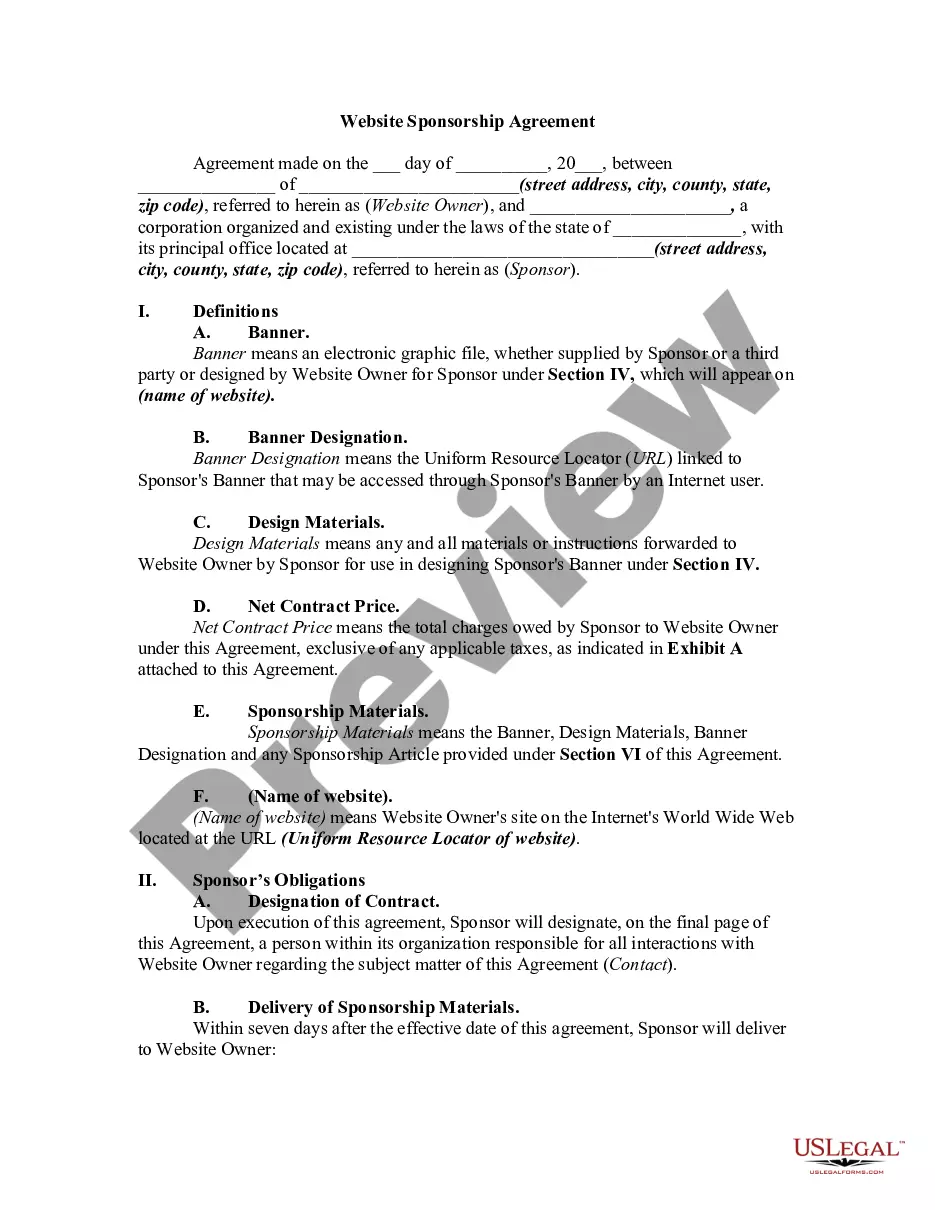
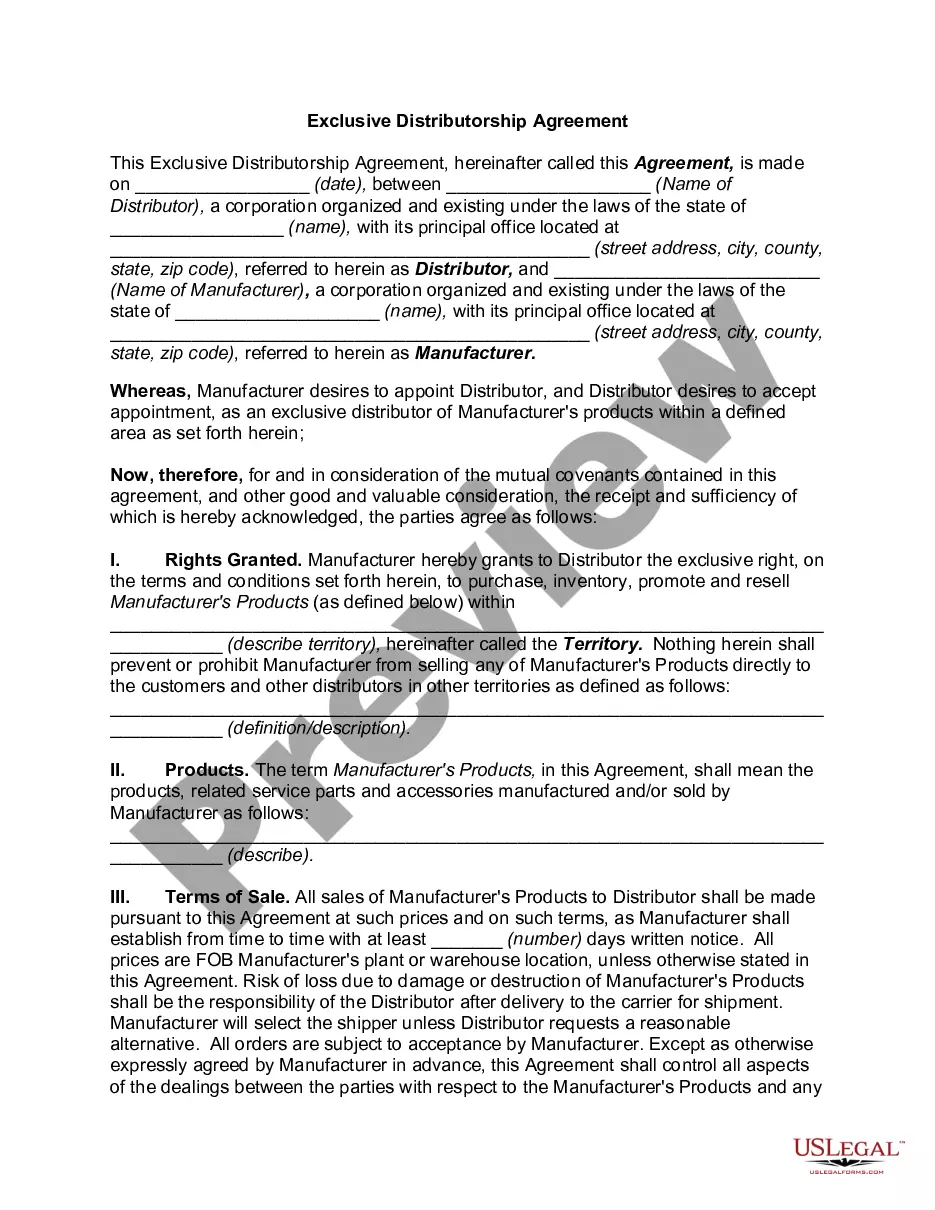
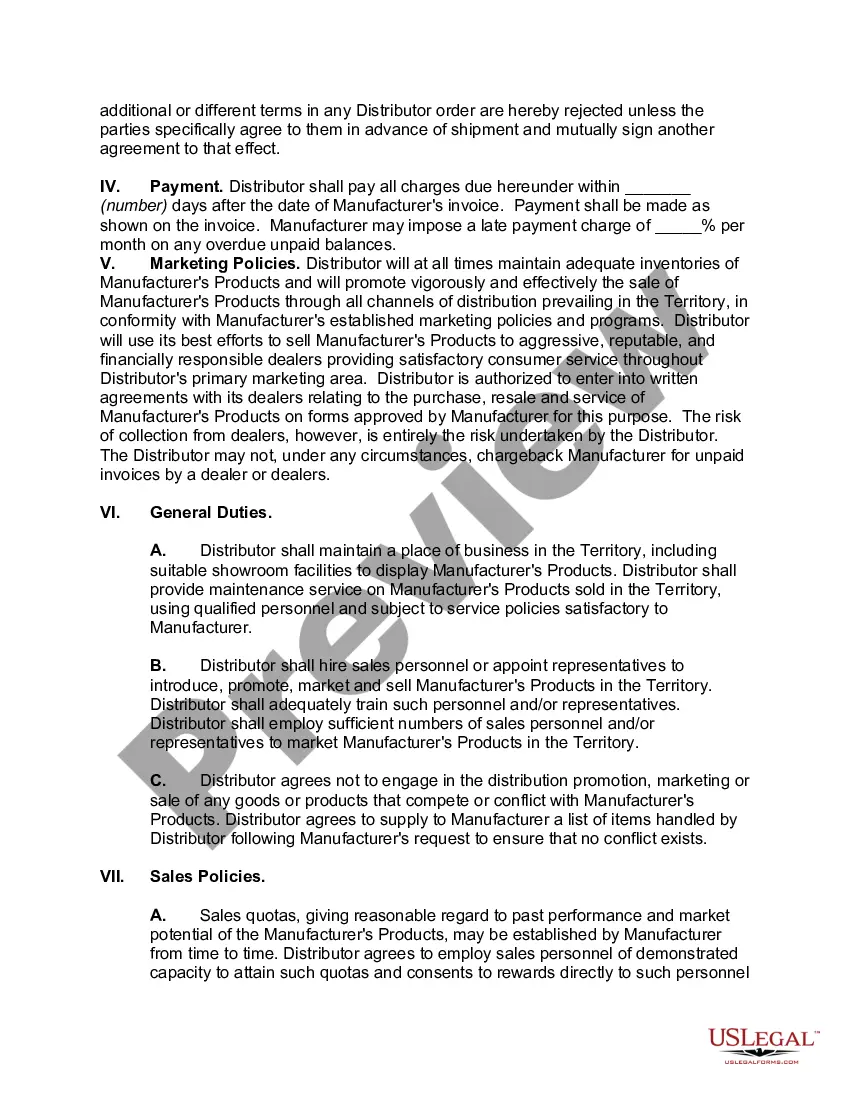
Massachusetts Exclusive Distributorship Agreement
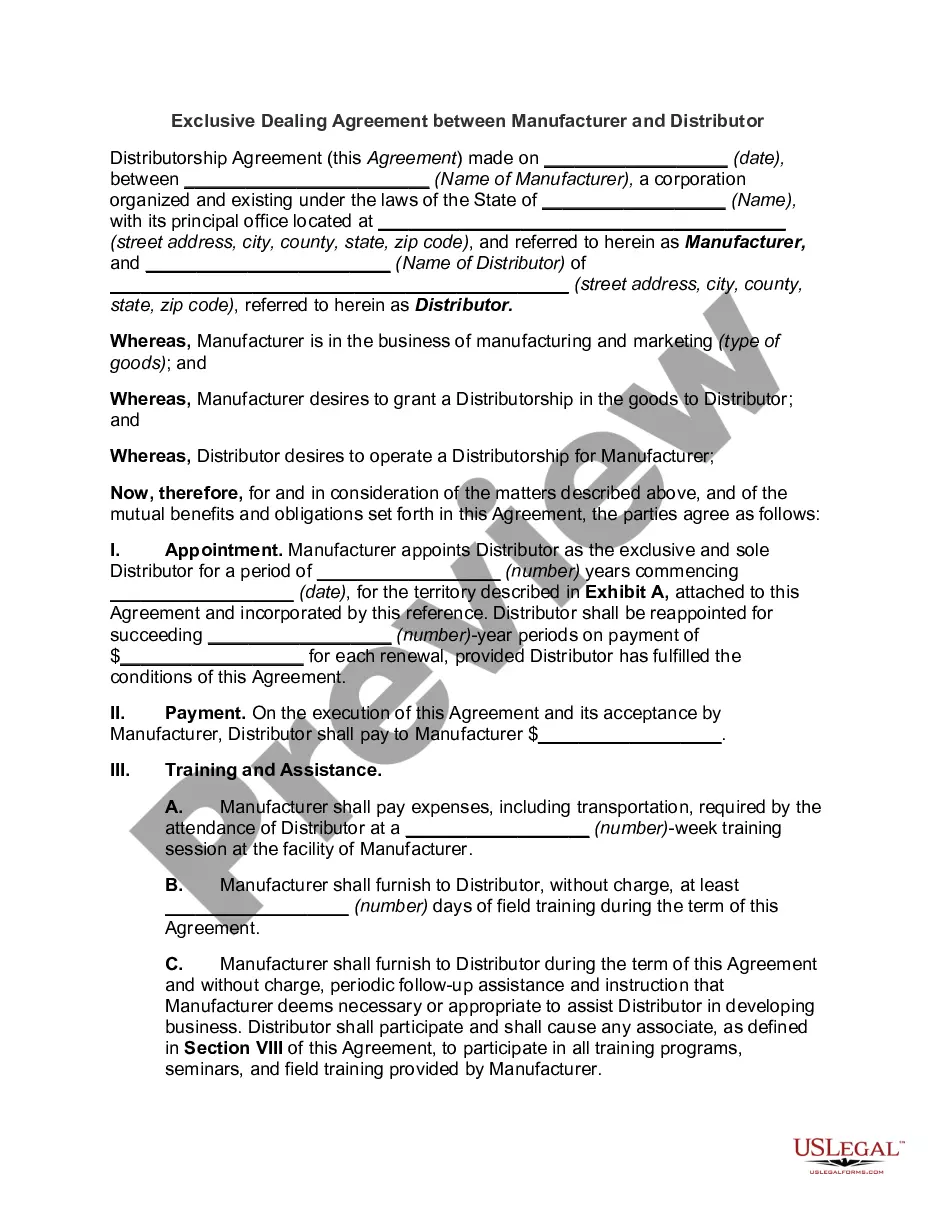
Description
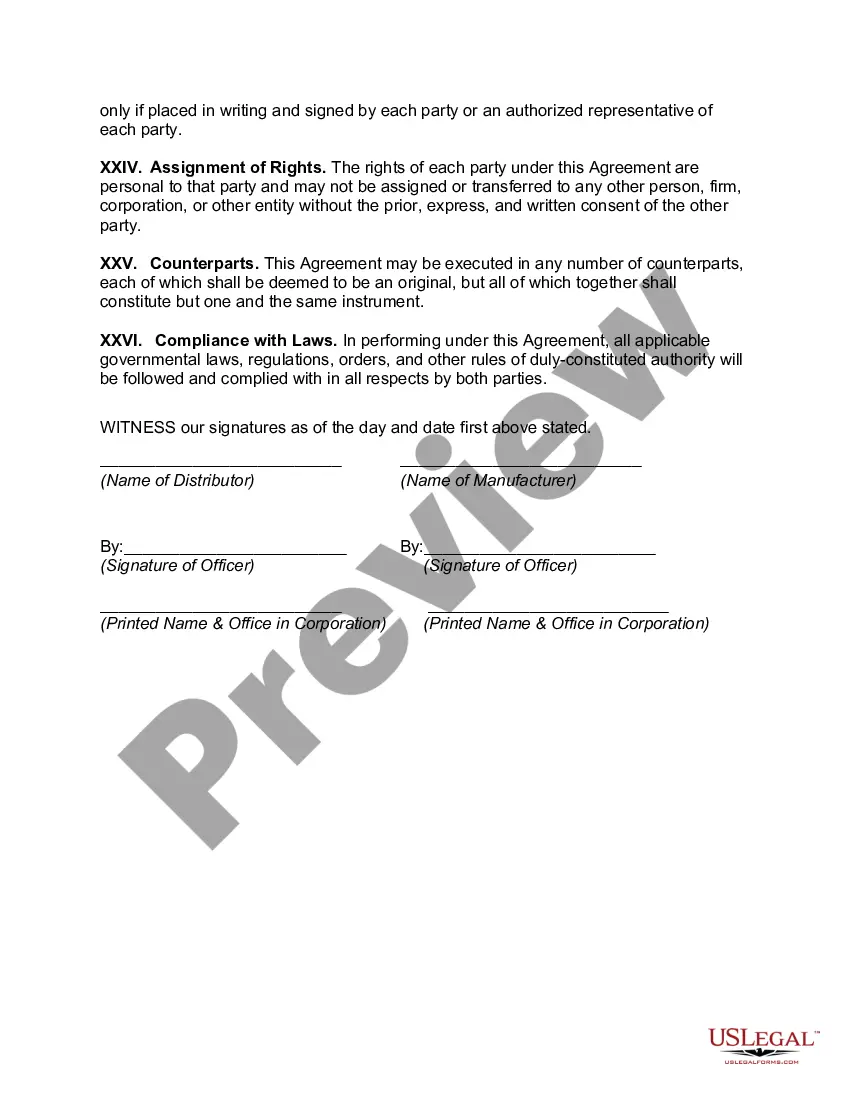
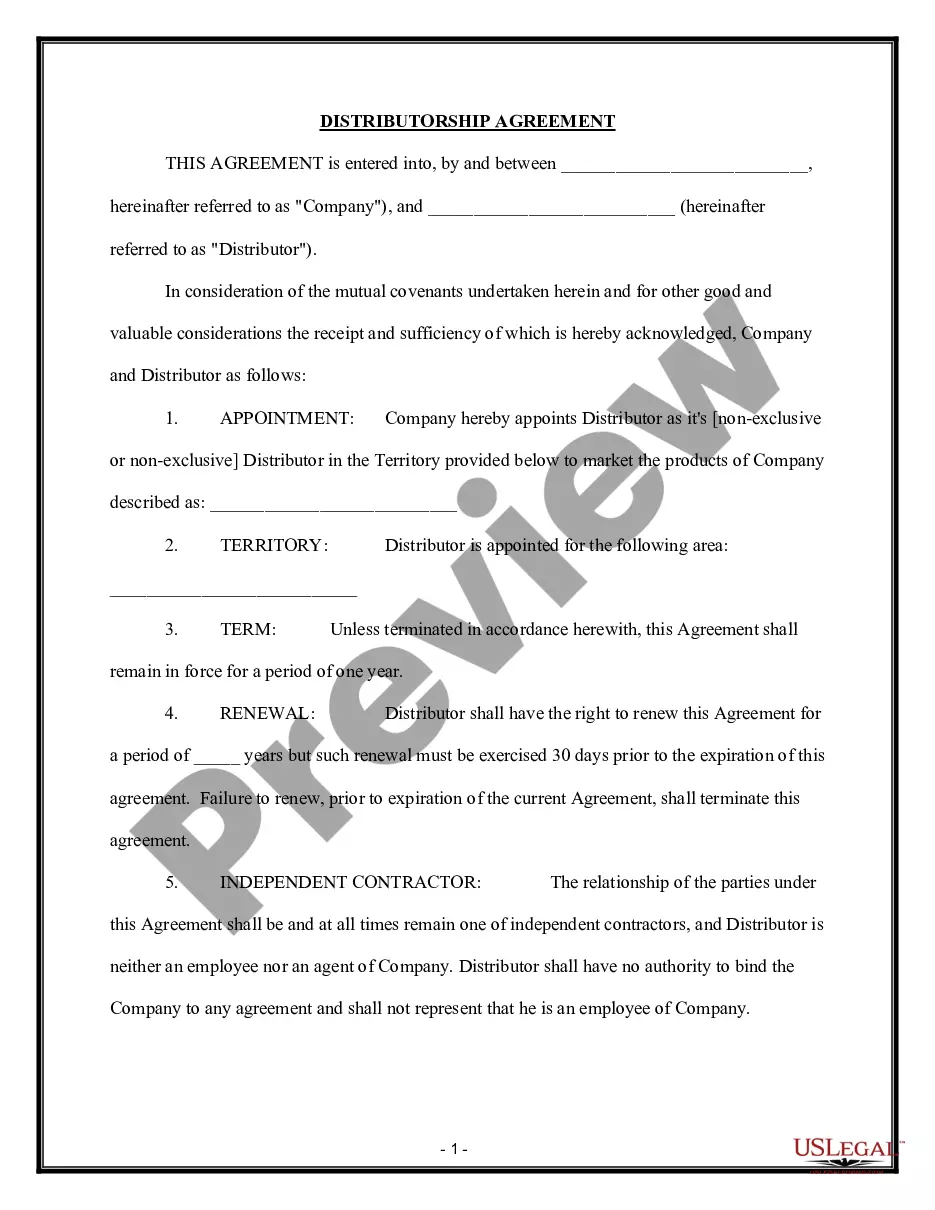
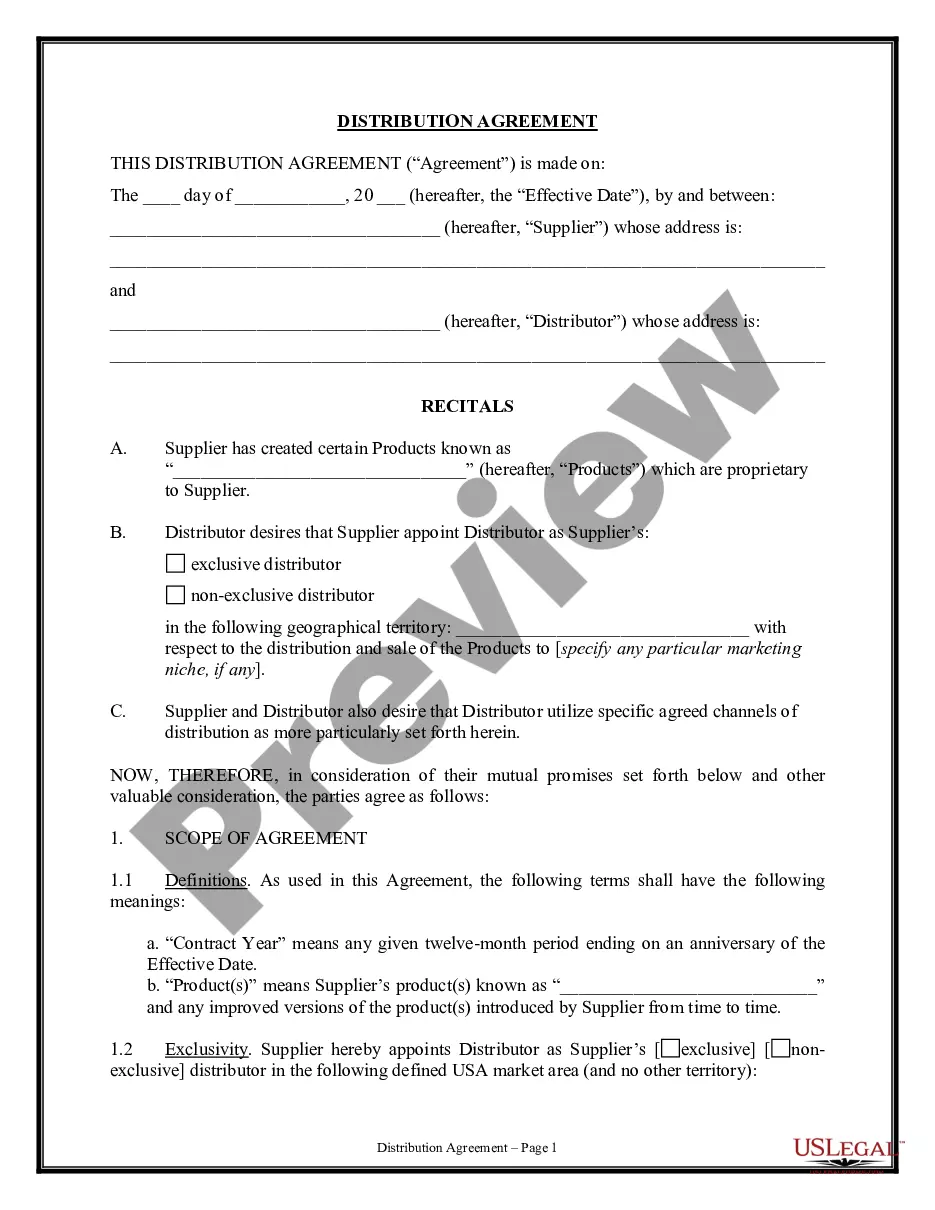
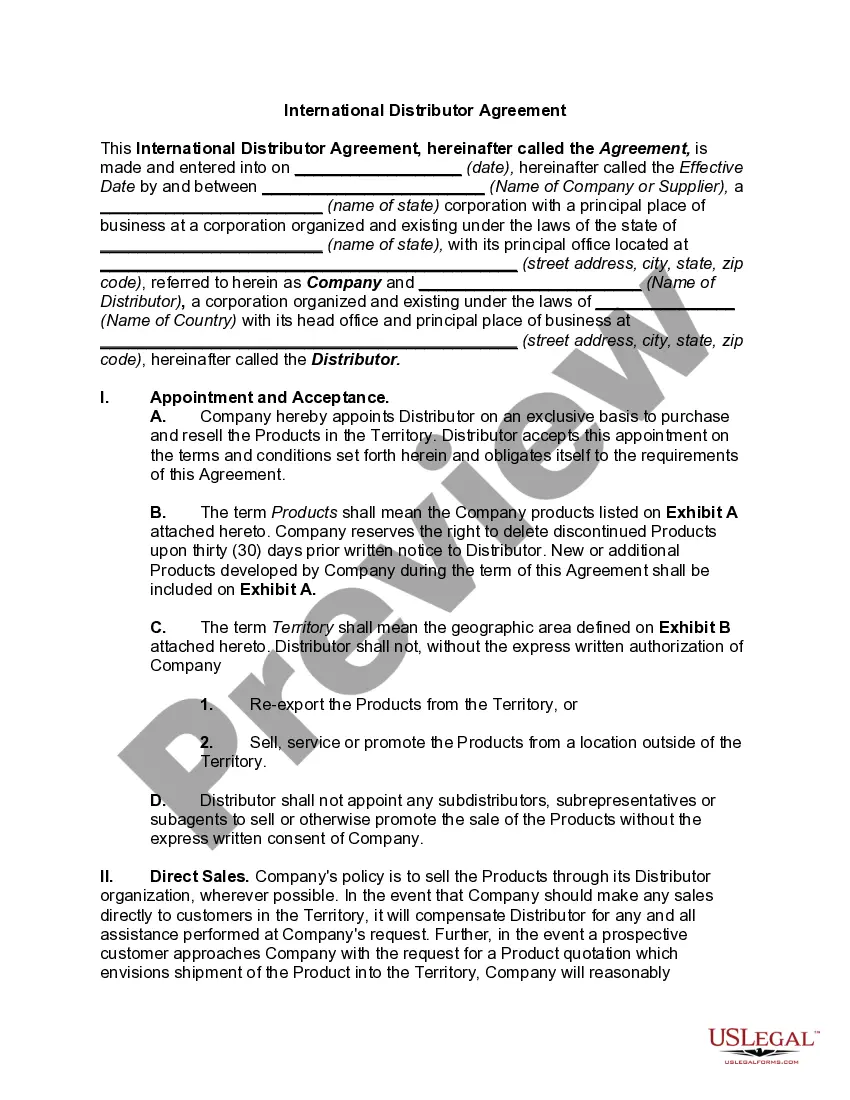
Get your form ready online
Our built-in tools help you complete, sign, share, and store your documents in one place.
Make edits, fill in missing information, and update formatting in US Legal Forms—just like you would in MS Word.
Download a copy, print it, send it by email, or mail it via USPS—whatever works best for your next step.
Sign and collect signatures with our SignNow integration. Send to multiple recipients, set reminders, and more. Go Premium to unlock E-Sign.
If this form requires notarization, complete it online through a secure video call—no need to meet a notary in person or wait for an appointment.
We protect your documents and personal data by following strict security and privacy standards.

Make edits, fill in missing information, and update formatting in US Legal Forms—just like you would in MS Word.

Download a copy, print it, send it by email, or mail it via USPS—whatever works best for your next step.

Sign and collect signatures with our SignNow integration. Send to multiple recipients, set reminders, and more. Go Premium to unlock E-Sign.

If this form requires notarization, complete it online through a secure video call—no need to meet a notary in person or wait for an appointment.

We protect your documents and personal data by following strict security and privacy standards.
Looking for another form?



How to fill out Exclusive Distributorship Agreement?
It is feasible to spend hours online searching for the legal document template that suits the state and federal requirements you need.
US Legal Forms offers a vast array of legal documents that have been vetted by professionals.
You can easily download or print the Massachusetts Exclusive Distributorship Agreement from the service.
If available, use the Preview button to view the document template as well.
- If you already have a US Legal Forms account, you can sign in and click on the Download button.
- Then, you can complete, edit, print, or sign the Massachusetts Exclusive Distributorship Agreement.
- Every legal document template you obtain is yours indefinitely.
- To get another copy of a purchased form, visit the My documents tab and click on the corresponding button.
- If you are accessing the US Legal Forms website for the first time, follow the simple instructions below.
- First, ensure you have selected the correct document template for the state/region of your choice.
- Review the form description to confirm you have chosen the right template.
Form popularity
FAQ
The main difference between exclusive and non-exclusive distributors lies in the distribution rights granted. An exclusive distributor holds the sole rights to sell a manufacturer's products within a specific territory, which can create a strong market advantage. On the other hand, non-exclusive distributors can sell products alongside other distributors, leading to potential competition. Understanding these distinctions is essential when drafting a Massachusetts Exclusive Distributorship Agreement.
Exclusive distribution definition is a kind of distribution a manufacturer or supplier authorizes only one distributor to carry out within a definite region. Such a distributor becomes the sole authorized seller of the manufacturer's specific products.
Exclusive distribution is a distribution strategy whereby a producer sells its products or services in only one retail outlet in a specific geographical area.
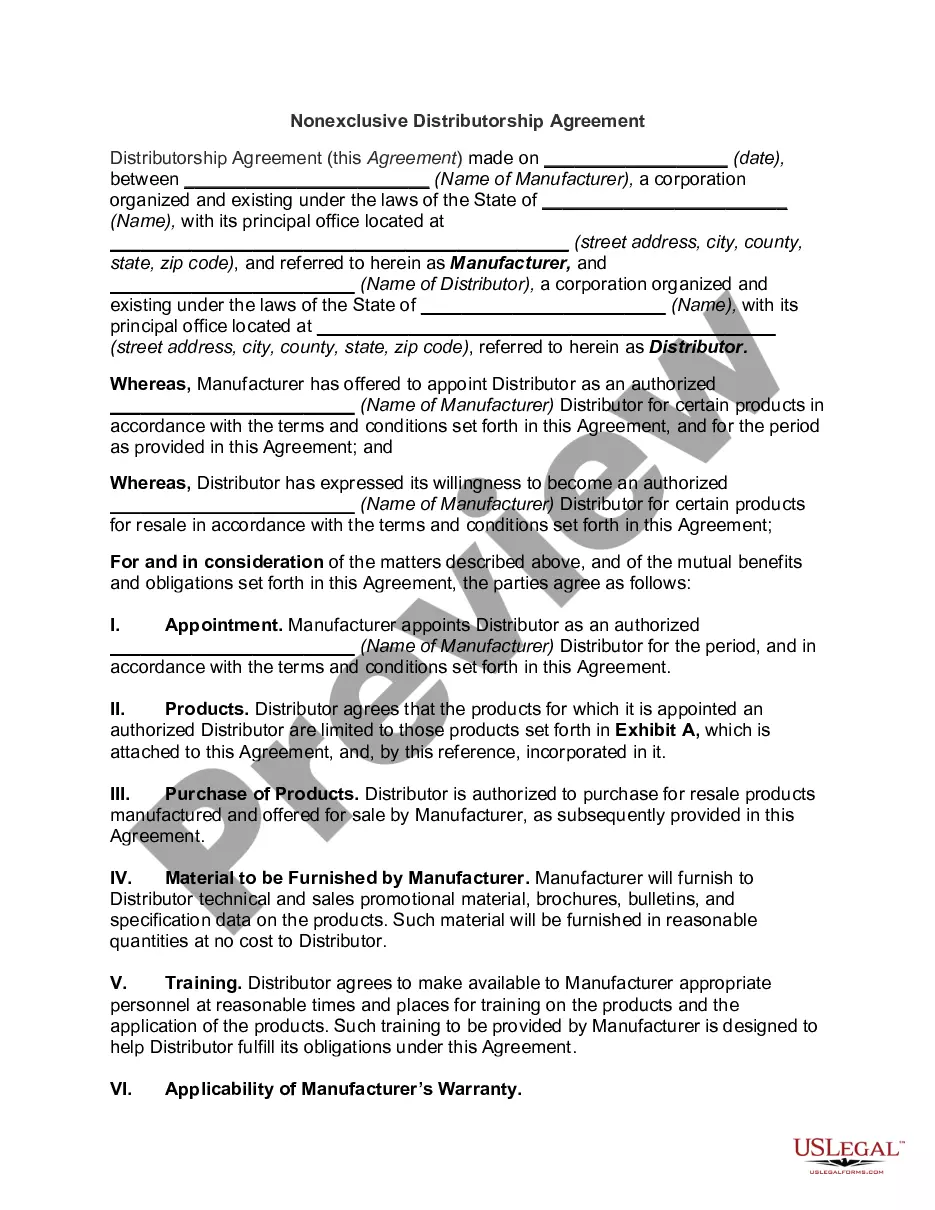
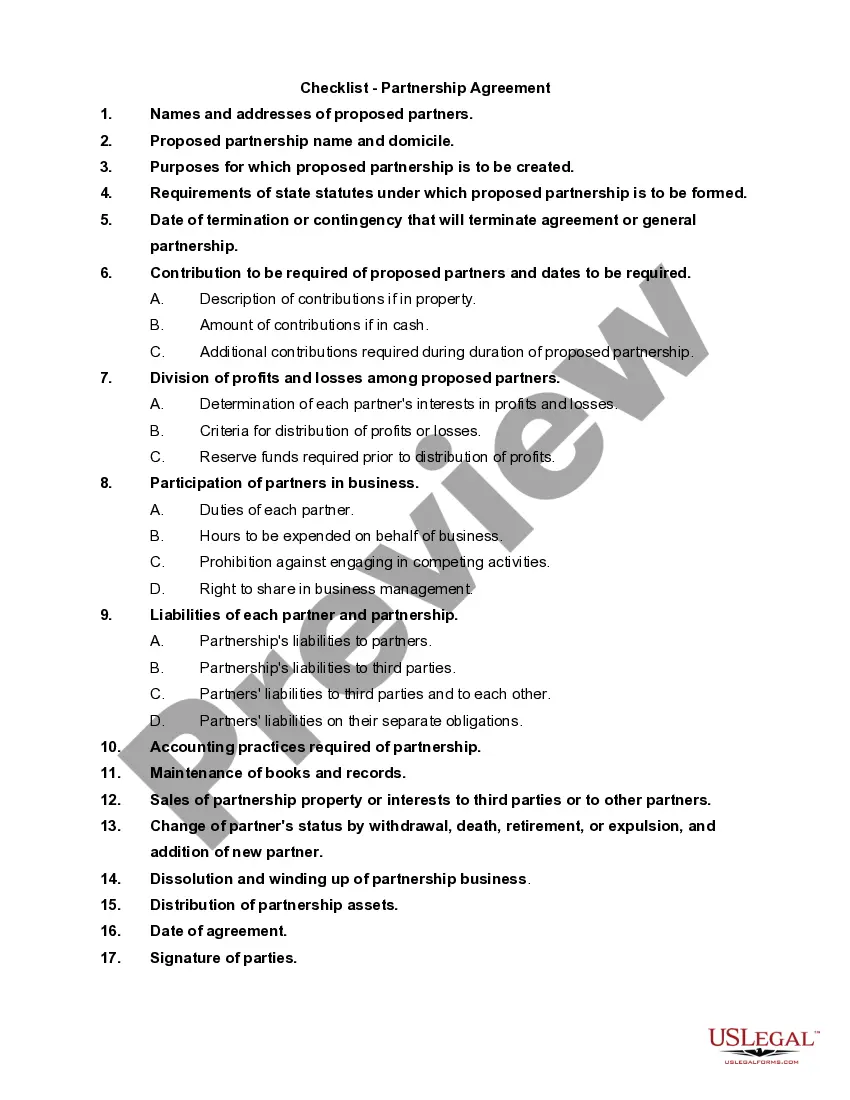
Parts of a Distribution AgreementNames and addresses of both parties.Sale terms and conditions.Contract effective dates.Marketing and intellectual property rights.Defects and returns provisions.Severance terms.Returned goods credits and costs.Exclusivity from competing products.More items...
Exclusive distribution is a distribution strategy whereby a producer sells its products or services in only one retail outlet in a specific geographical area.
A distribution agreement, also known as a distributor agreement, is a contract between a supplying company with products to sell and another company that markets and sells the products. The distributor agrees to buy products from the supplier company and sell them to clients within certain geographical areas.
Since 1977 the courts have held that vertical non-price restrictions - - such as exclusive distributorship agreements - - are not per se (or always) illegal under the antitrust laws.
Exclusive dealing or requirements contracts between manufacturers and retailers are common and are generally lawful.
An exclusive distribution agreement is an agreement between a distributor company and a supplier company that grants the distributor exclusive rights to sell the suppliers goods. This means that the supplier agrees to now allow another distributor to sell its goods for the duration of the agreement.
Territory: The agreement should specifically define the area in which the distributor is permitted to sell and promote the products. b. Products: The agreement should specify what products, product lines, or brands are included under the agreement.