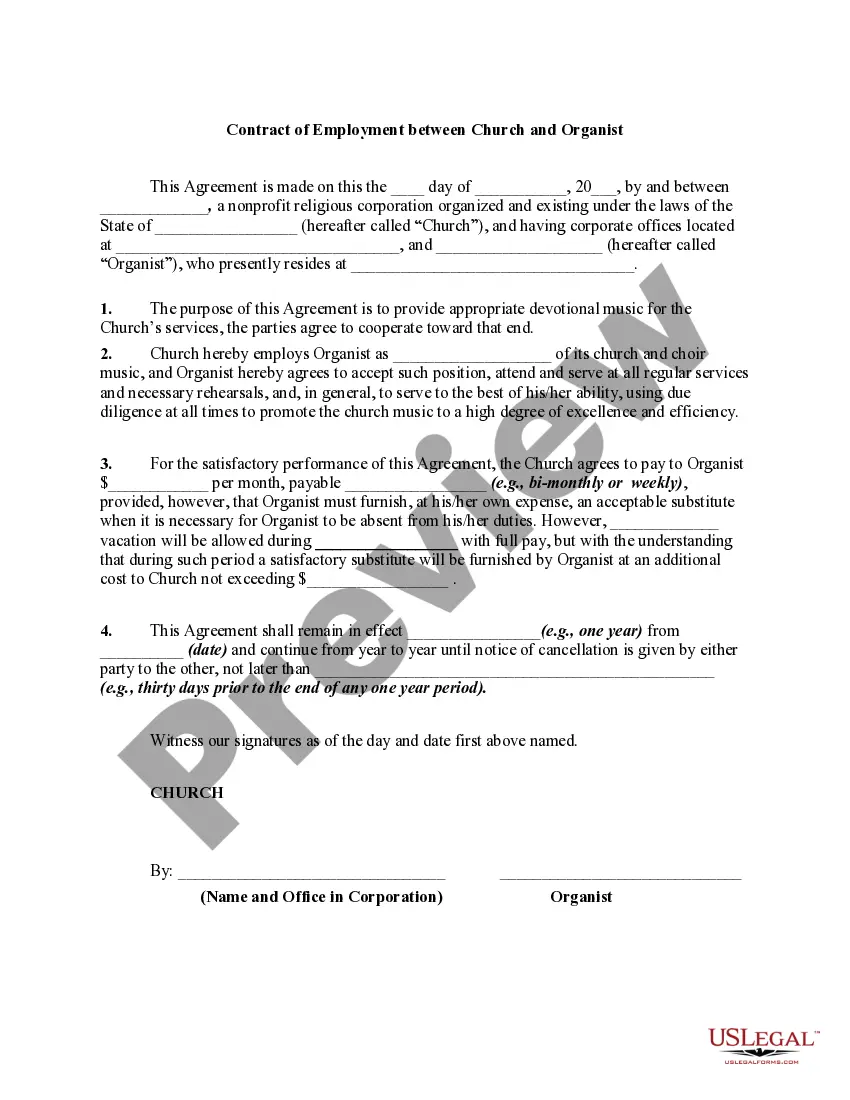
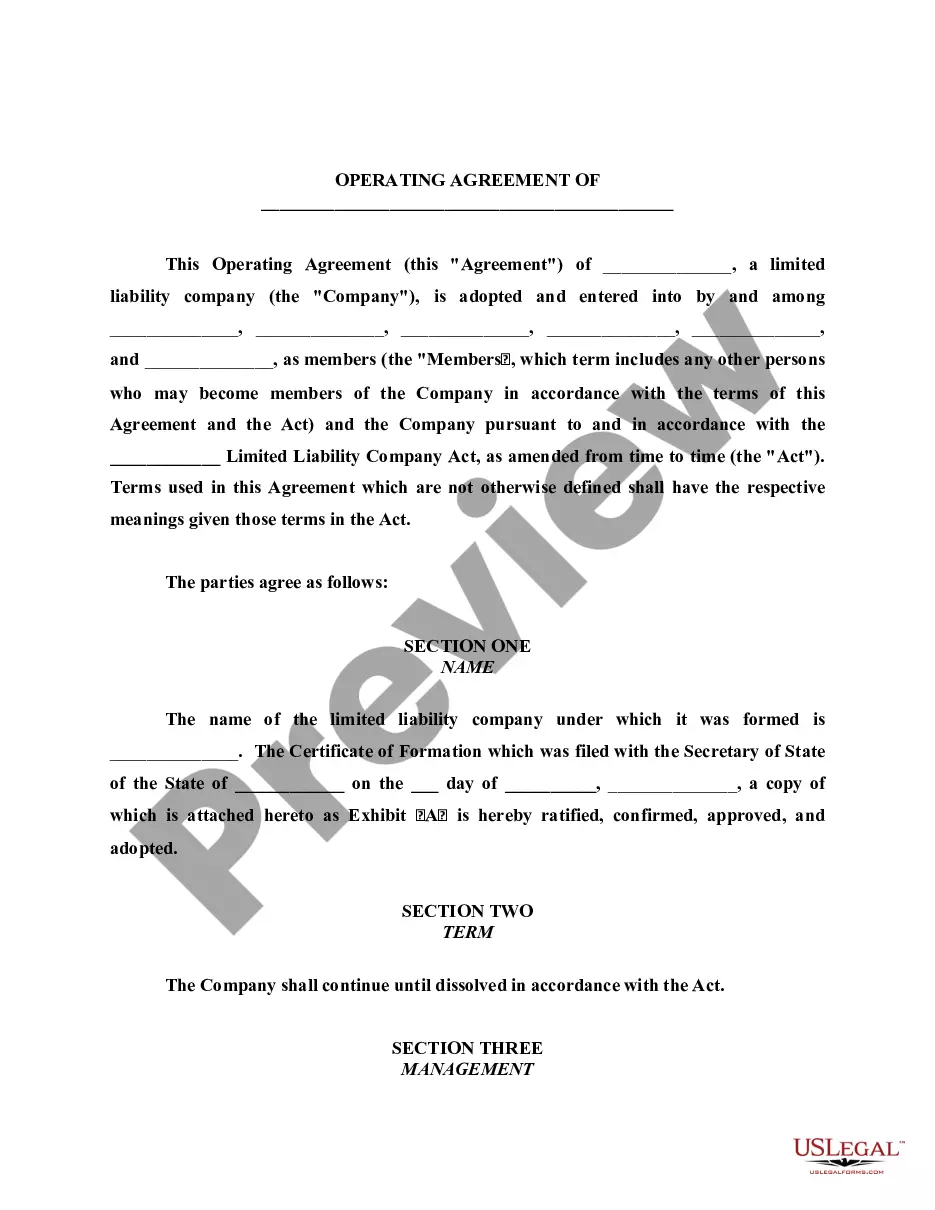
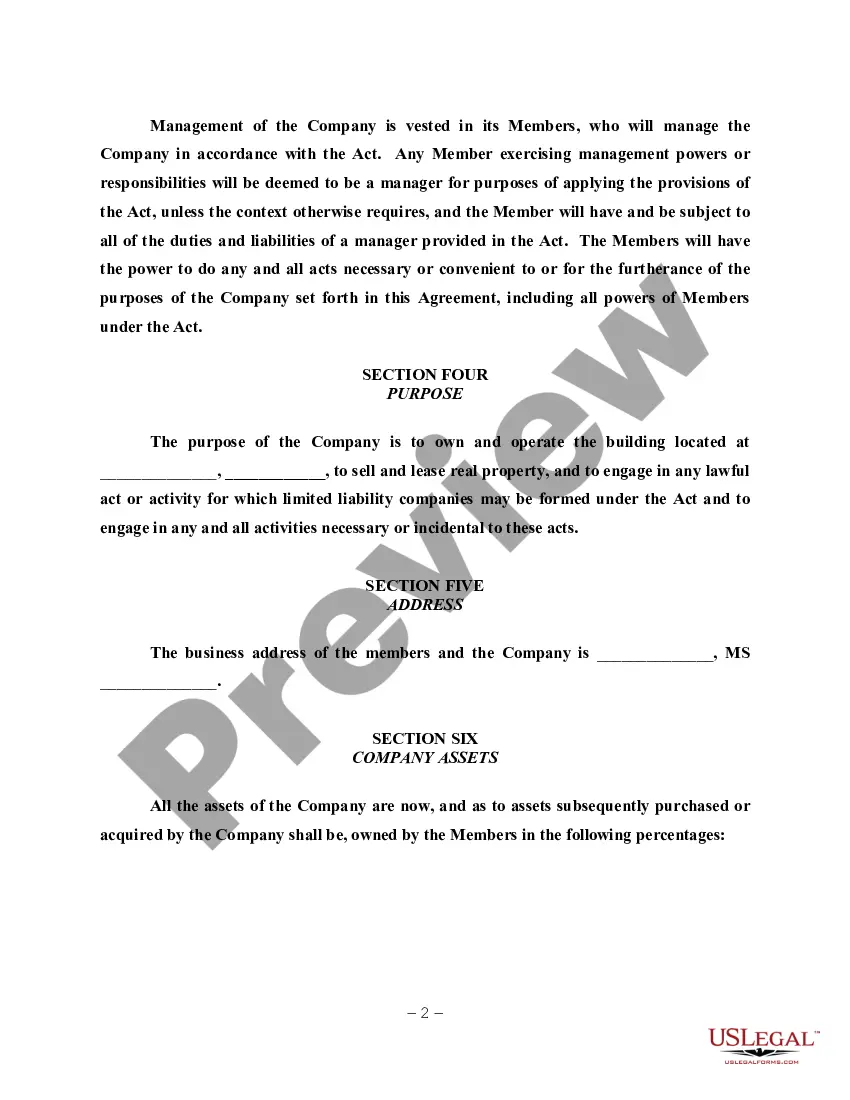
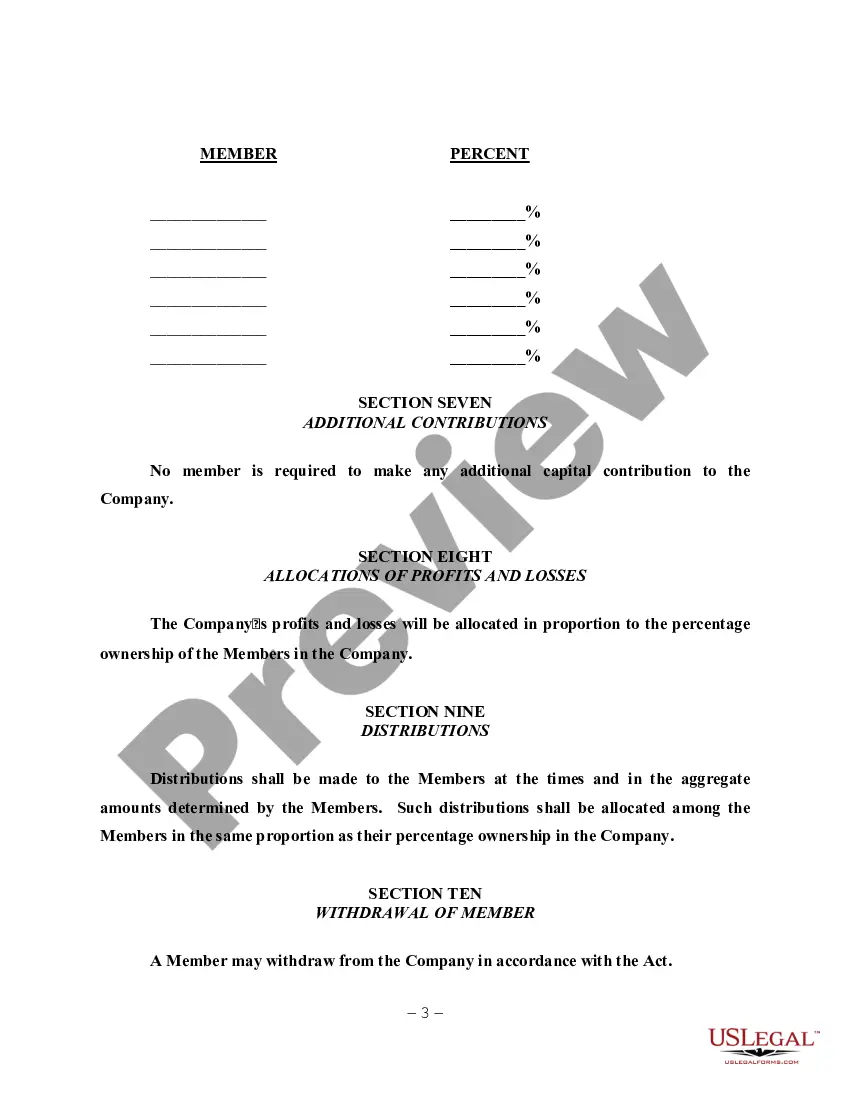
Massachusetts LLC Operating Agreement for Married Couple
Description
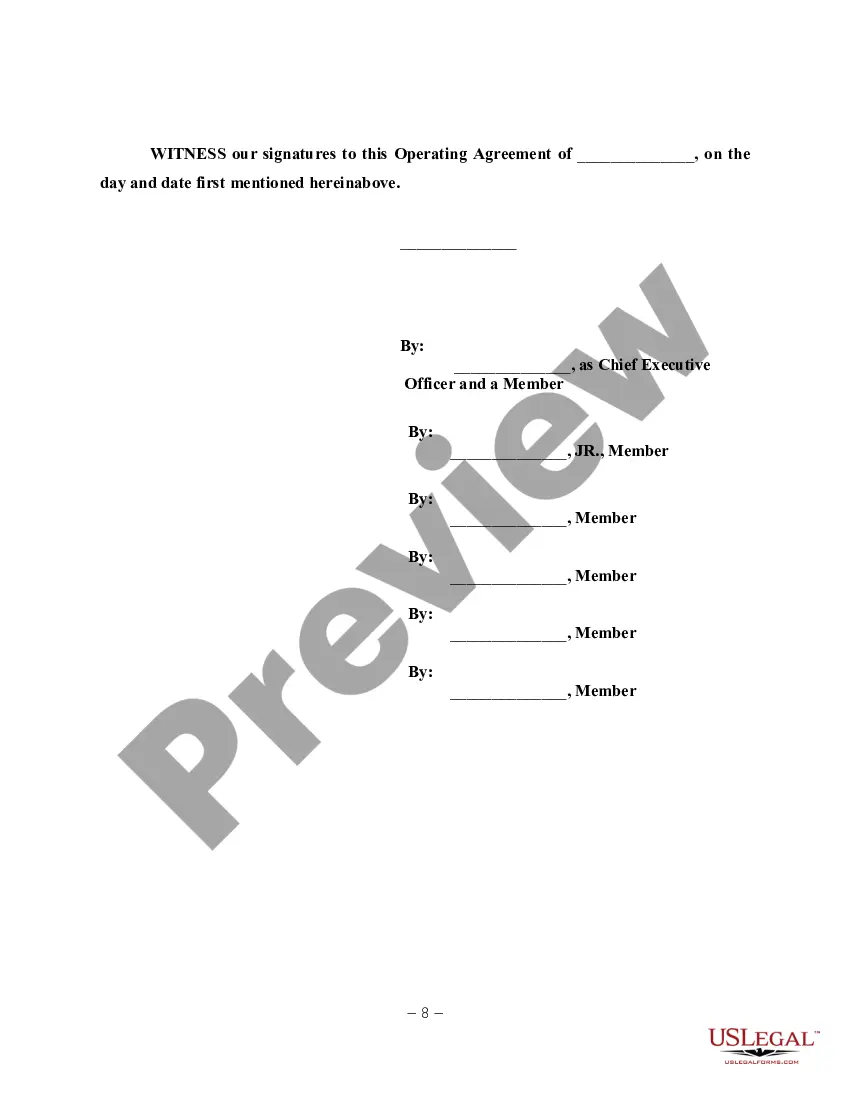
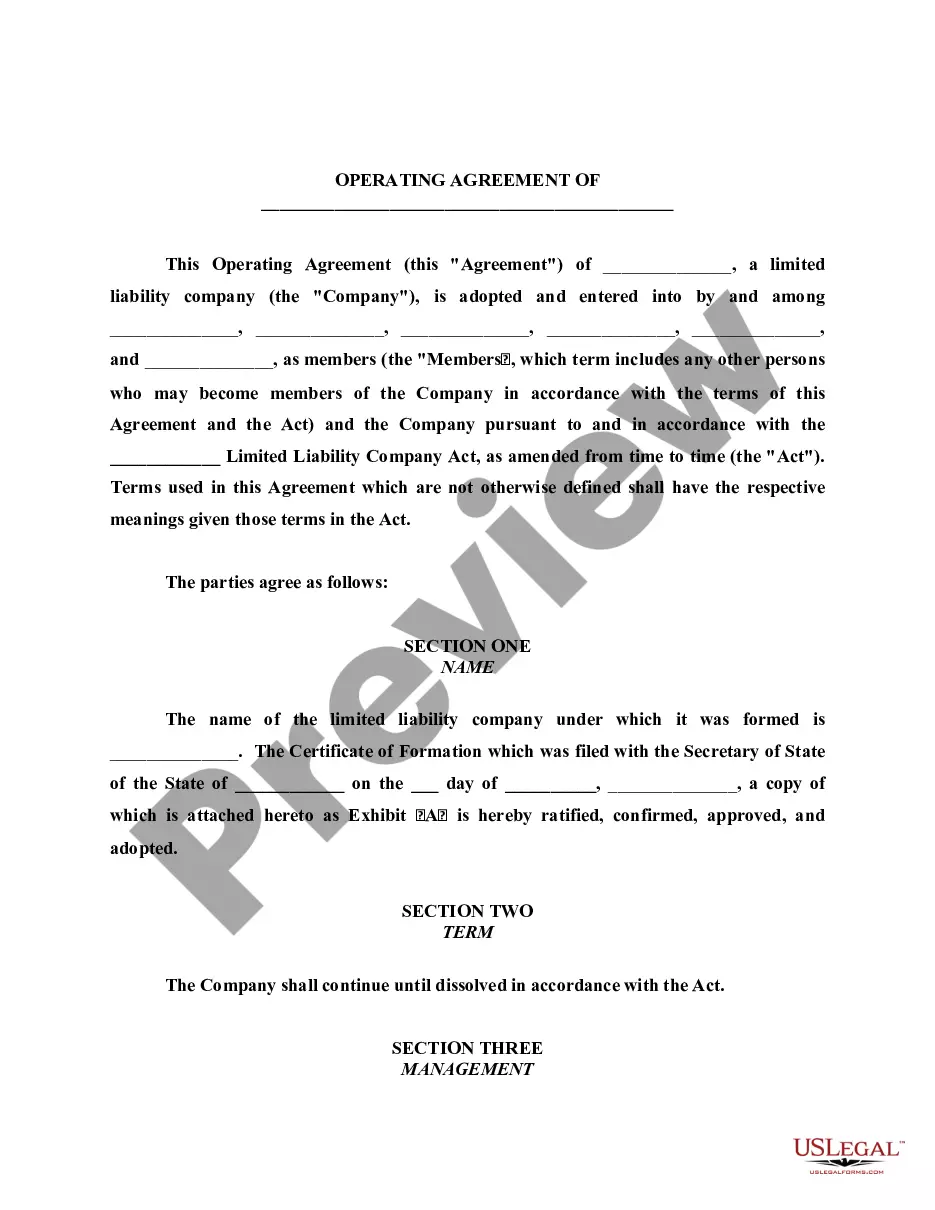
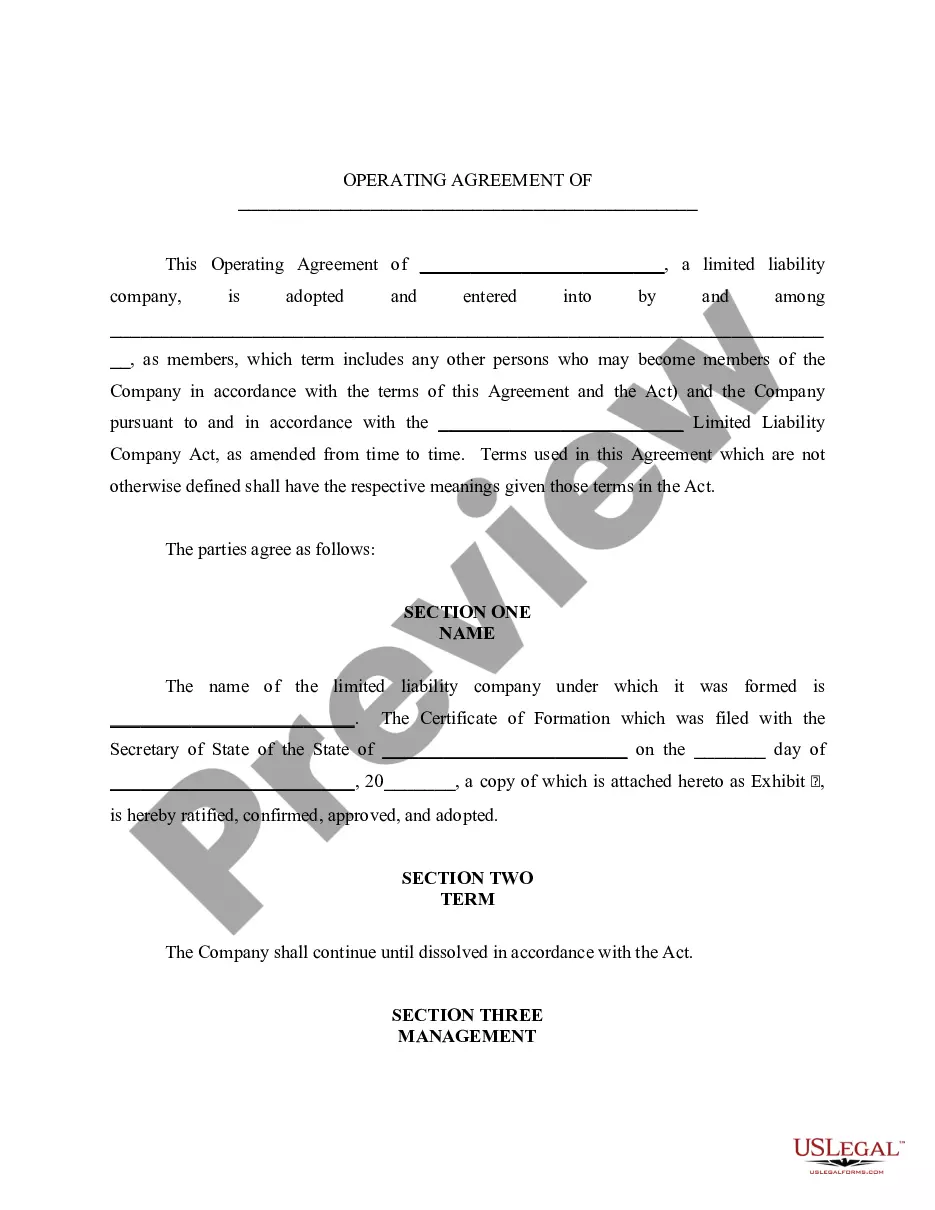
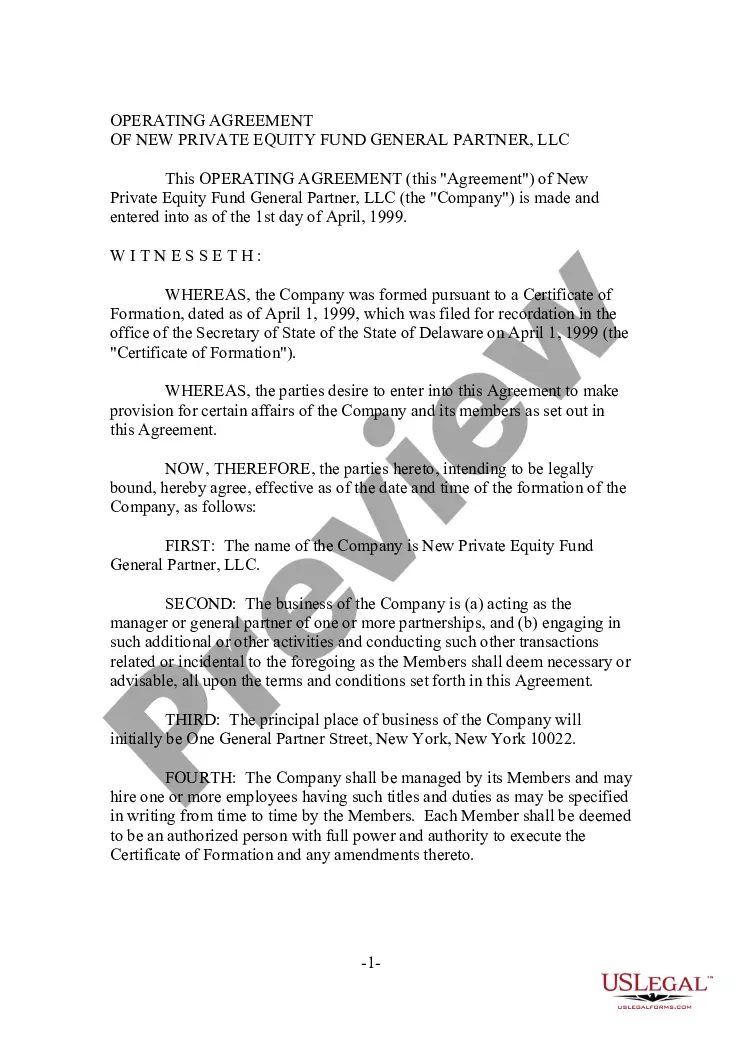
Get your form ready online
Our built-in tools help you complete, sign, share, and store your documents in one place.
Make edits, fill in missing information, and update formatting in US Legal Forms—just like you would in MS Word.
Download a copy, print it, send it by email, or mail it via USPS—whatever works best for your next step.
Sign and collect signatures with our SignNow integration. Send to multiple recipients, set reminders, and more. Go Premium to unlock E-Sign.
If this form requires notarization, complete it online through a secure video call—no need to meet a notary in person or wait for an appointment.
We protect your documents and personal data by following strict security and privacy standards.

Make edits, fill in missing information, and update formatting in US Legal Forms—just like you would in MS Word.

Download a copy, print it, send it by email, or mail it via USPS—whatever works best for your next step.

Sign and collect signatures with our SignNow integration. Send to multiple recipients, set reminders, and more. Go Premium to unlock E-Sign.

If this form requires notarization, complete it online through a secure video call—no need to meet a notary in person or wait for an appointment.

We protect your documents and personal data by following strict security and privacy standards.
Looking for another form?
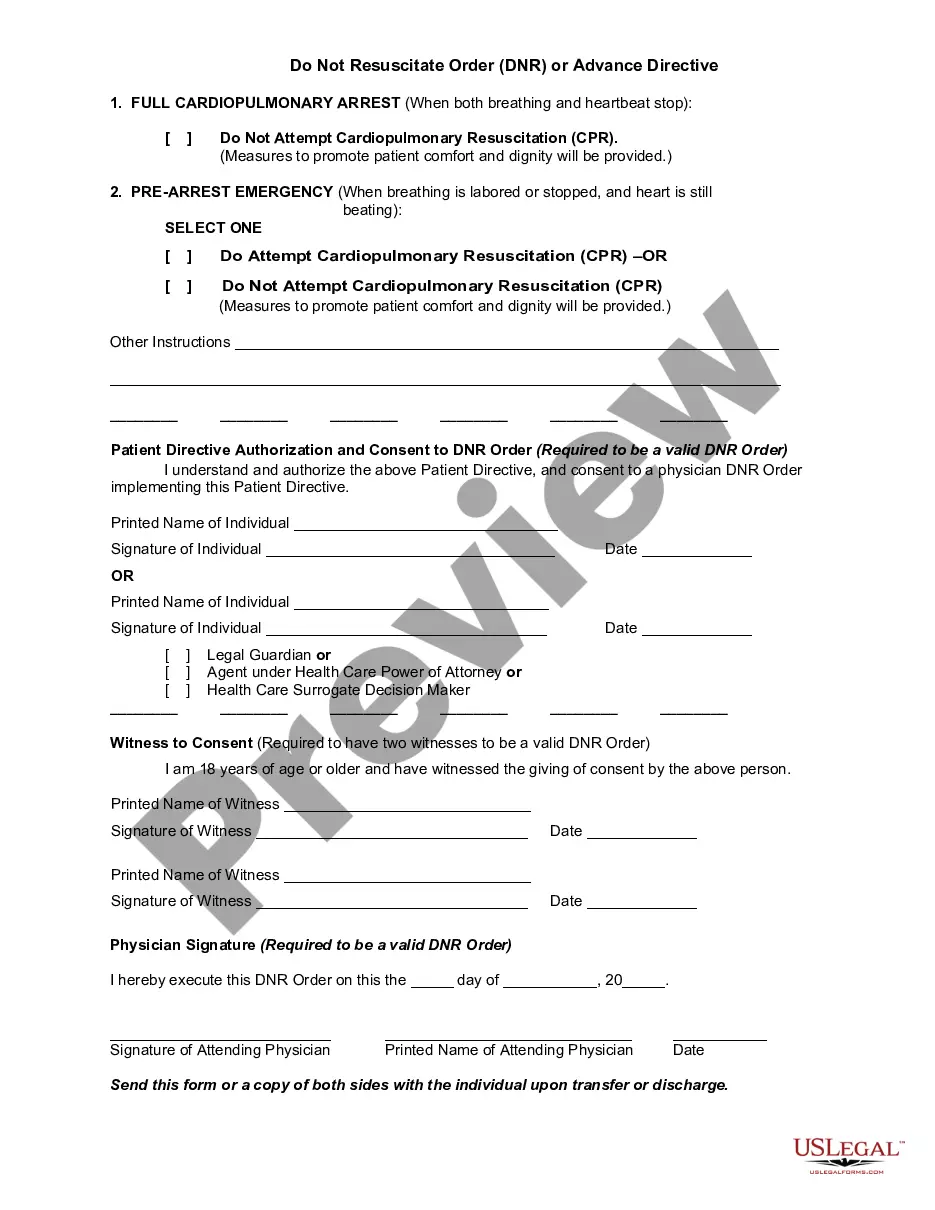

How to fill out LLC Operating Agreement For Married Couple?
Locating the appropriate authentic document template can be challenging.
Of course, there are numerous templates accessible online, but how can you discover the authentic form you require.
Utilize the US Legal Forms site. This service provides countless templates, such as the Massachusetts LLC Operating Agreement for Married Couples, that can be utilized for both business and personal purposes.
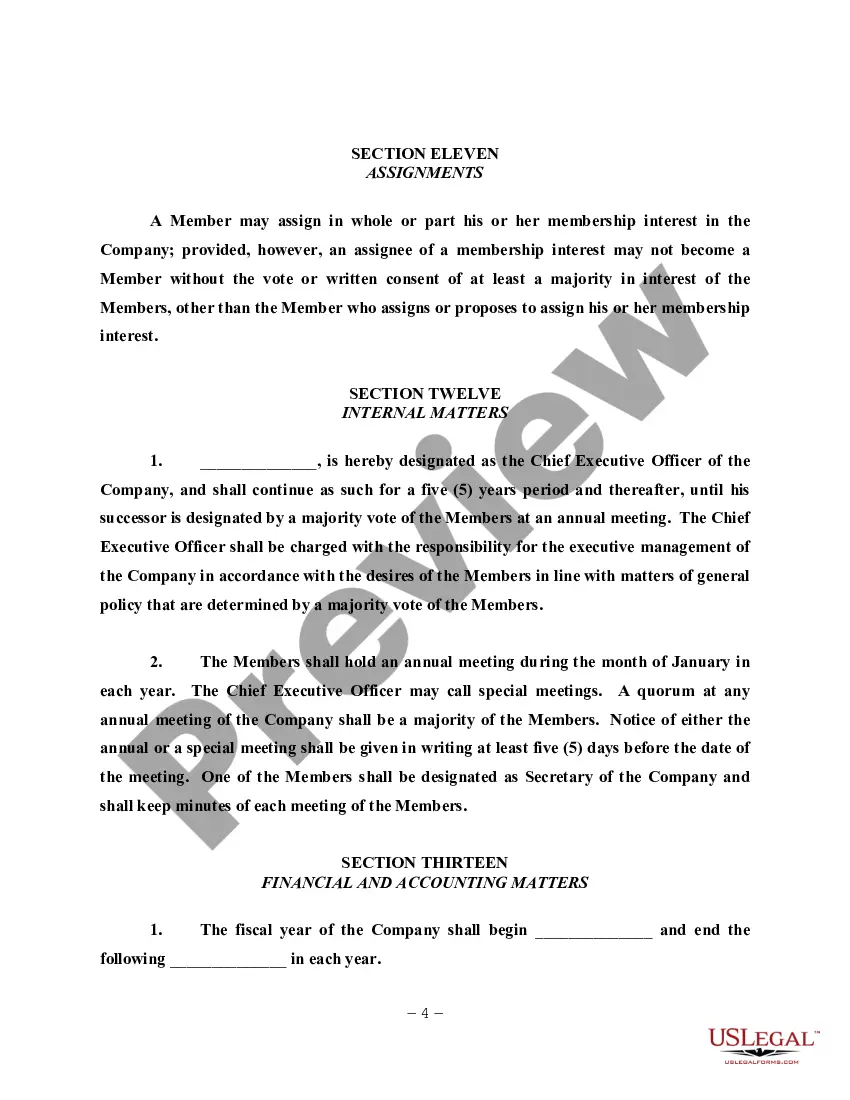
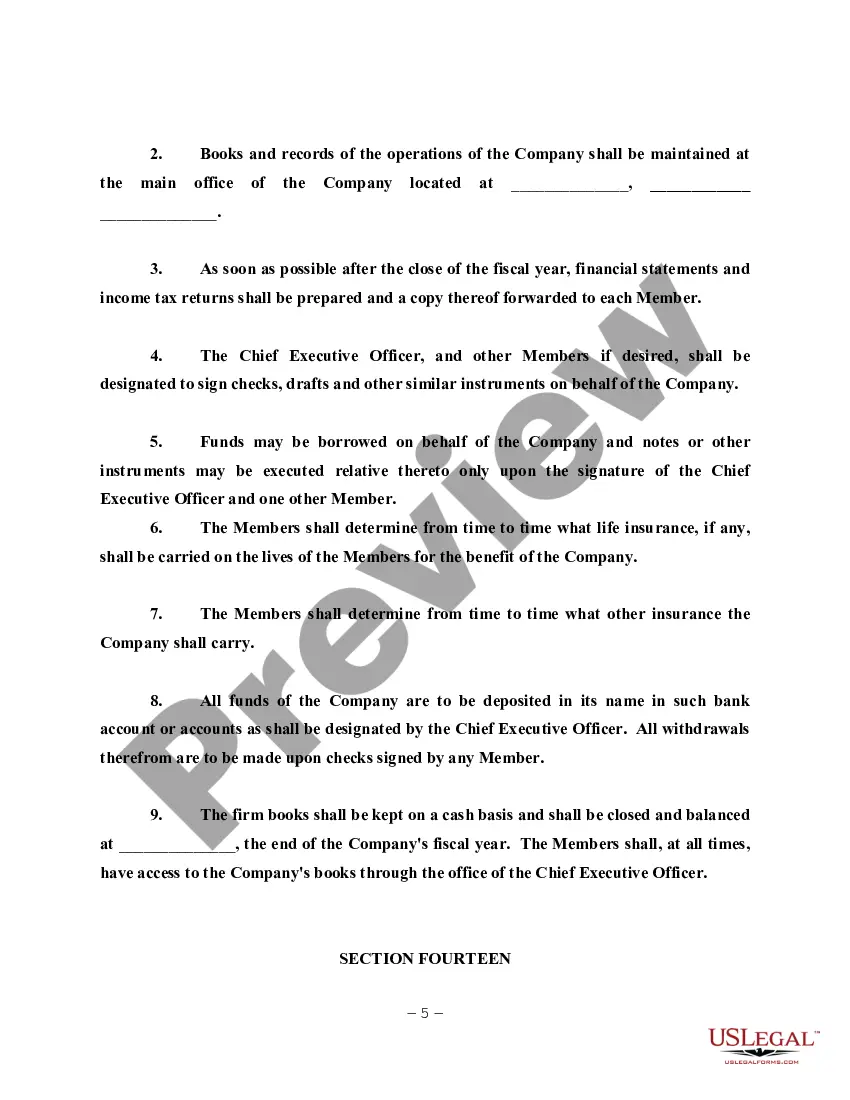
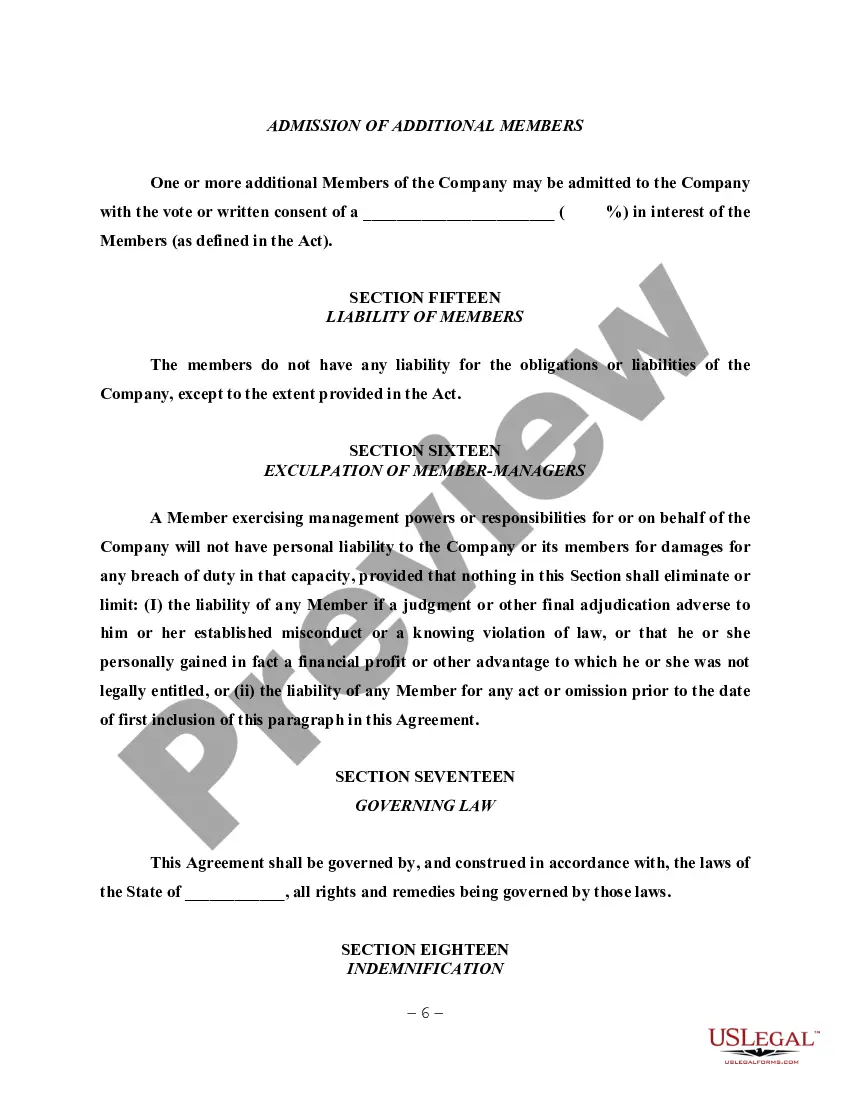
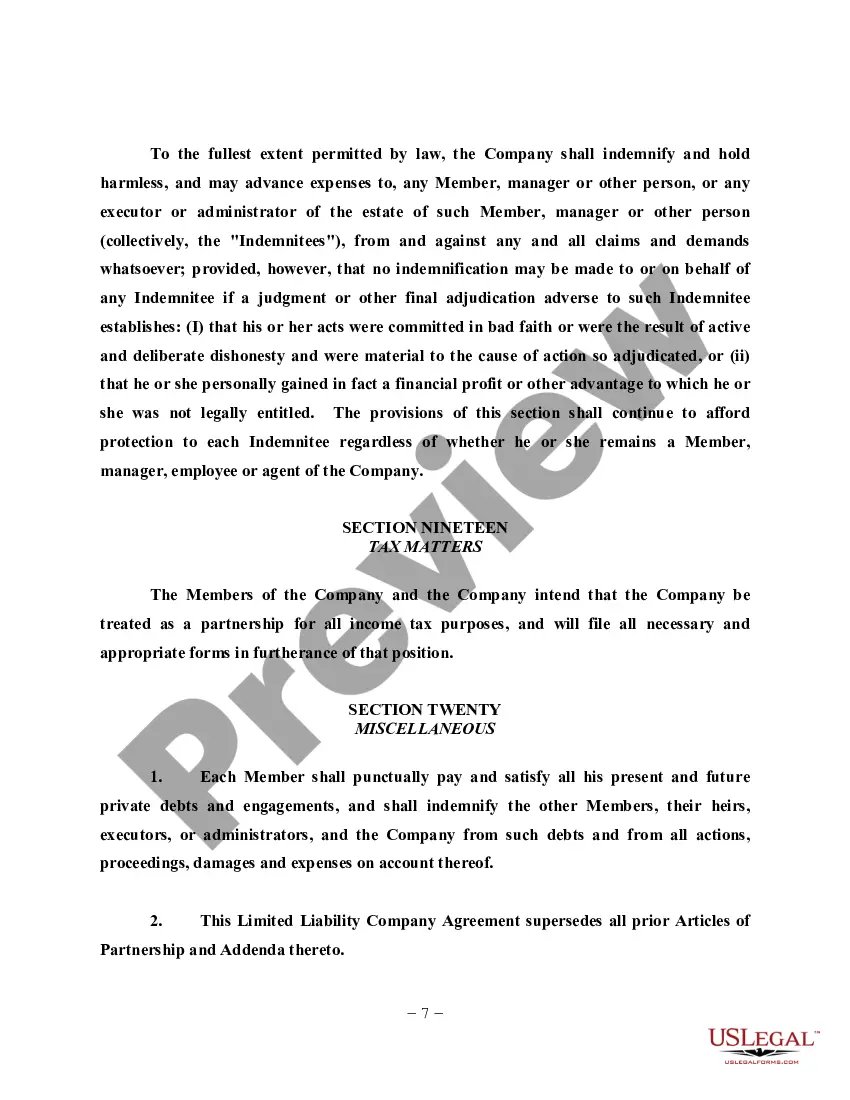
You can view the form using the Preview button and read the form description to confirm this is the right one for you.
- All of the forms are reviewed by professionals and comply with state and federal regulations.
- If you are already registered, sign in to your account and then click the Get button to obtain the Massachusetts LLC Operating Agreement for Married Couples.
- Use your account to browse the legal forms you have previously purchased.
- Navigate to the My documents section of your account and retrieve another copy of the document you desire.
- If you are a new user of US Legal Forms, here are simple steps you can follow.
- First, ensure you have chosen the correct form for your city/state.
Form popularity
FAQ
The straightforward answer is no: You are not required to name your spouse anywhere in the LLC documents, especially if they aren't directly involved in the business. However, there are some occasions where it may be helpful or necessary to include your spouse.
Since the default rule for multi-members LLCs is that the LLC is treated as a partnership, an LLC composed solely of a husband and wife will be a partnership for tax purposes unless the members choose to have it elect to be treated as a corporation. There is one exception to the general rule, however.
The straightforward answer is no: You are not required to name your spouse anywhere in the LLC documents, especially if they aren't directly involved in the business. However, there are some occasions where it may be helpful or necessary to include your spouse.
If your LLC has one owner, you're a single member limited liability company (SMLLC). If you are married, you and your spouse are considered one owner and can elect to be treated as an SMLLC.
If an LLC is owned by a husband and wife in a non-community property state the LLC should file as a partnership. However, in community property states you can have your multi-member (husband and wife owners) and that LLC can get treated as a SMLLC for tax purposes.
member LLC is a limited liability company with a single owner, and LLCs refer to owners as members. Singlemember LLCs are disregarded entities. A disregarded entity is ignored by the IRS for tax purposes, and the IRS collects the business's taxes through the owner's personal tax return.
Overview. If your LLC has one owner, you're a single member limited liability company (SMLLC). If you are married, you and your spouse are considered one owner and can elect to be treated as an SMLLC.
Since the default rule for multi-members LLCs is that the LLC is treated as a partnership, an LLC composed solely of a husband and wife will be a partnership for tax purposes unless the members choose to have it elect to be treated as a corporation. There is one exception to the general rule, however.
If your LLC has one owner, you're a single member limited liability company (SMLLC). If you are married, you and your spouse are considered one owner and can elect to be treated as an SMLLC.
Note: If an LLC is owned by husband and wife in a non-community property state, the LLC should file as a partnership. LLCs owned by a husband and wife are not eligible to be "qualified joint ventures" (which can elect not be treated as partnerships) because they are state law entities.