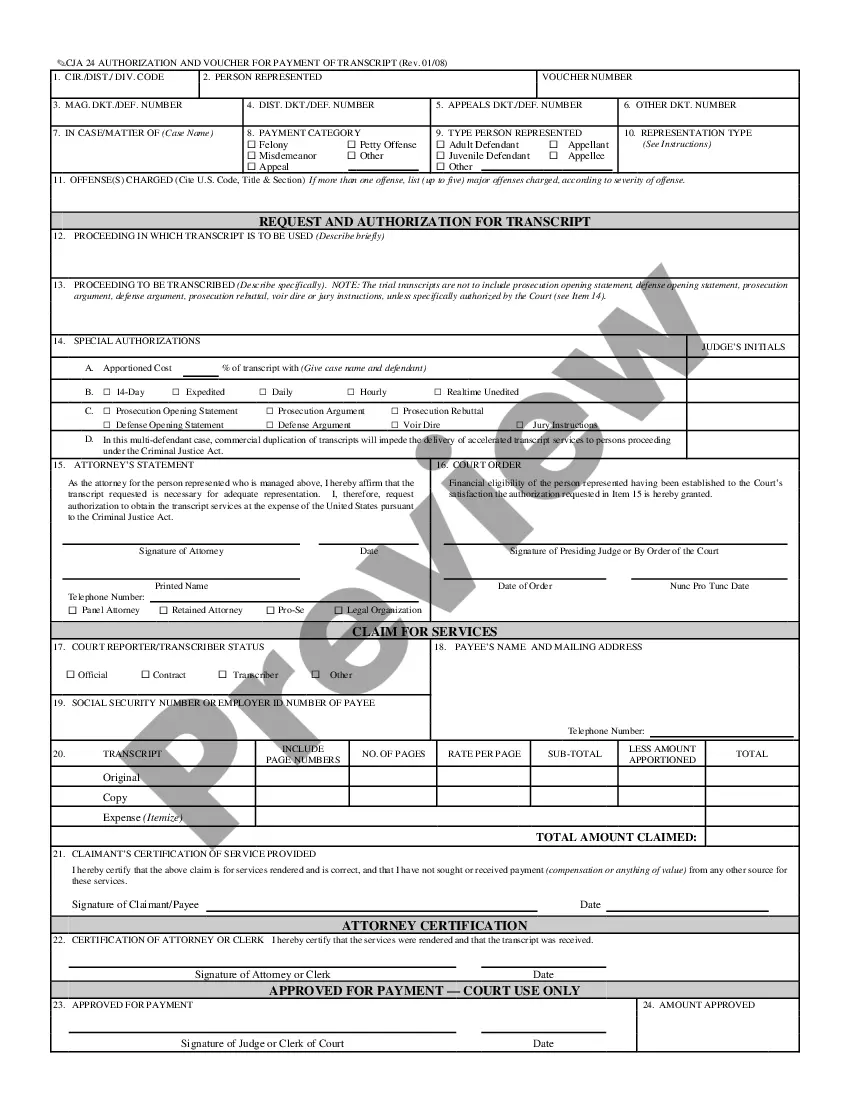
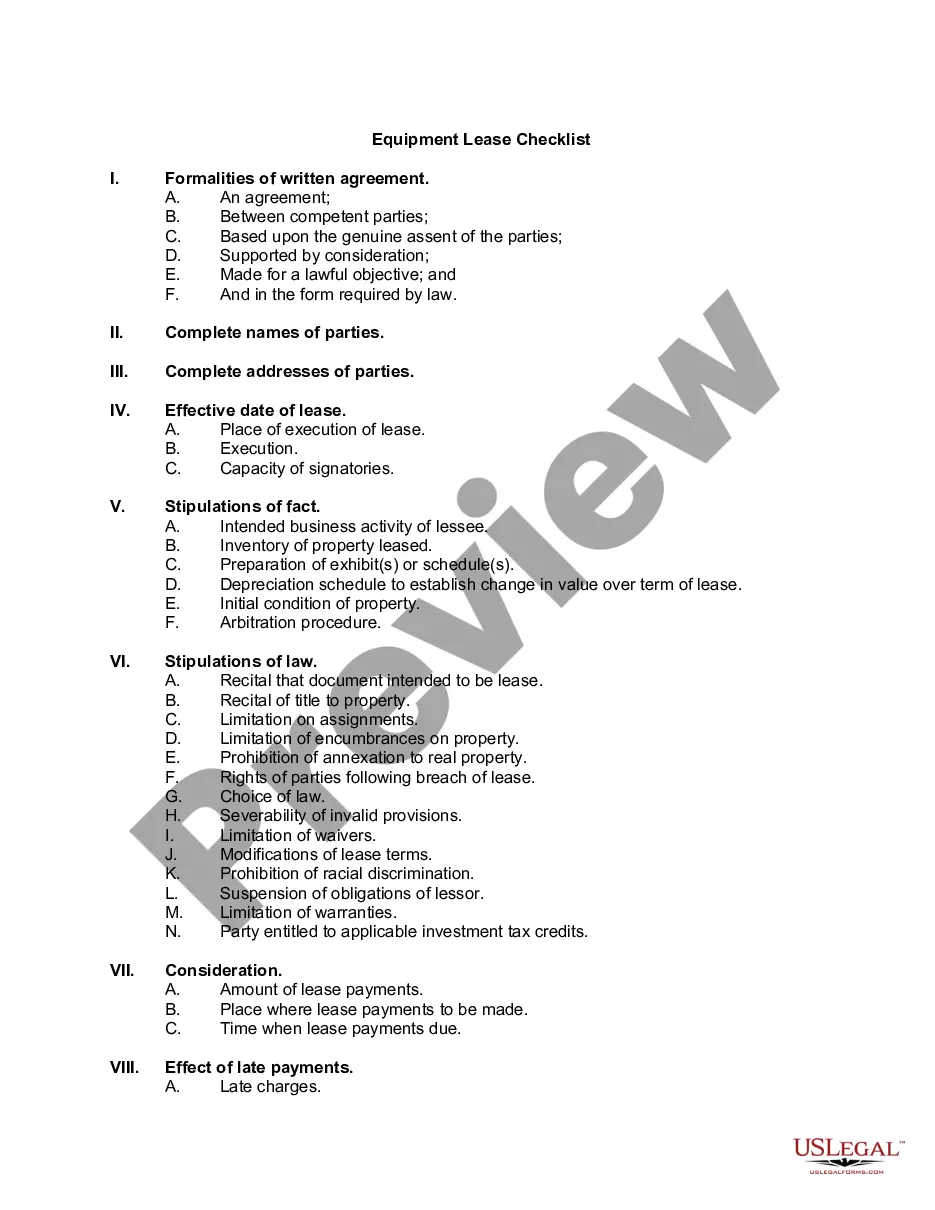
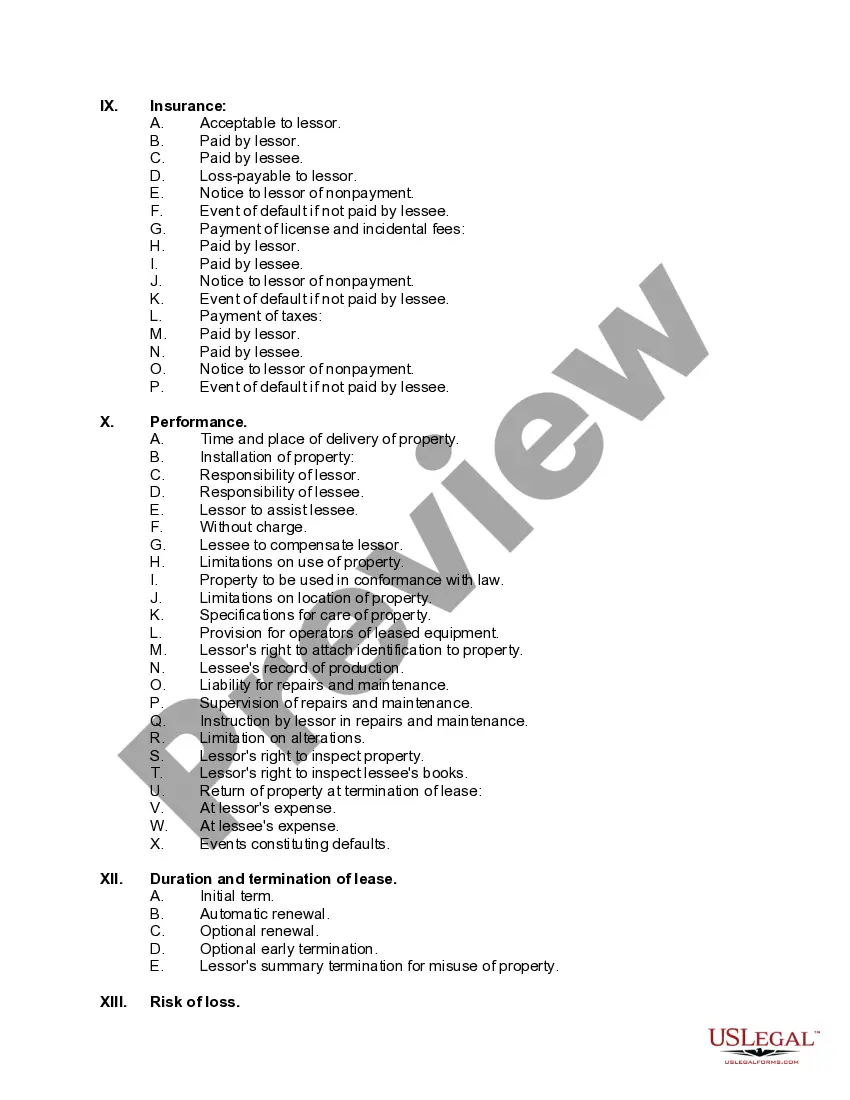
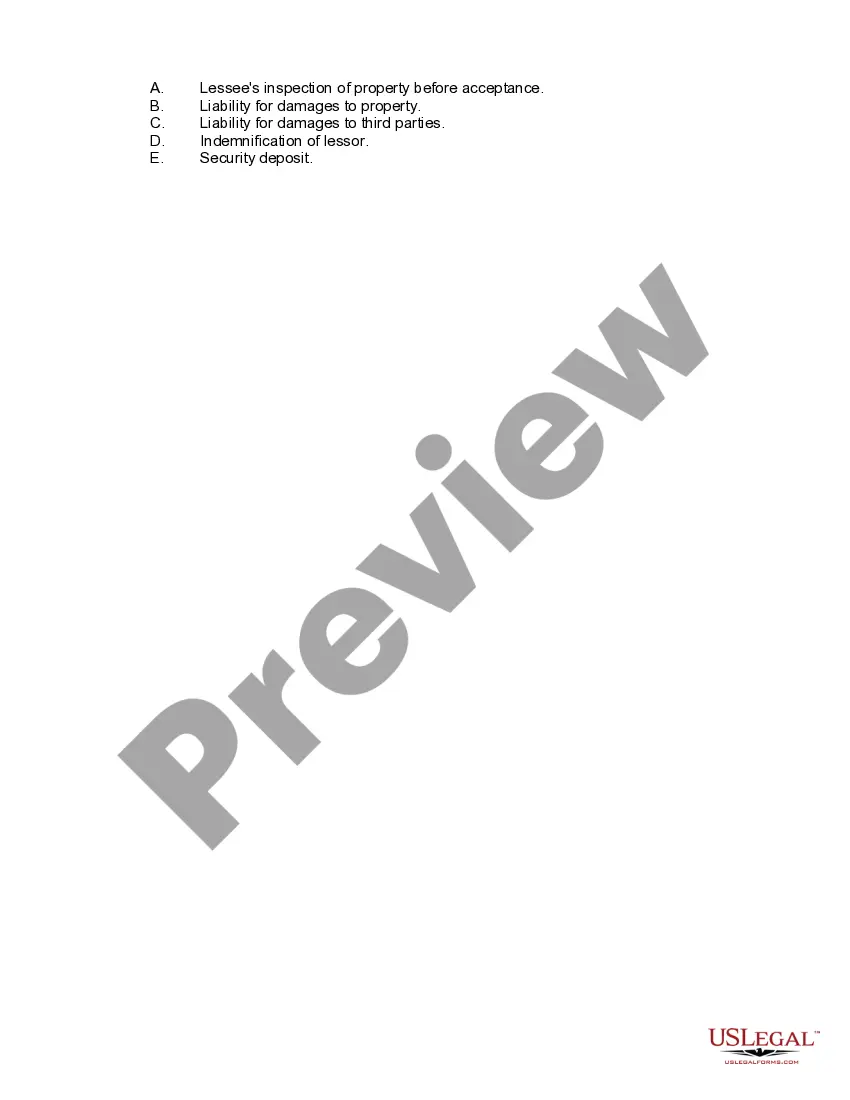
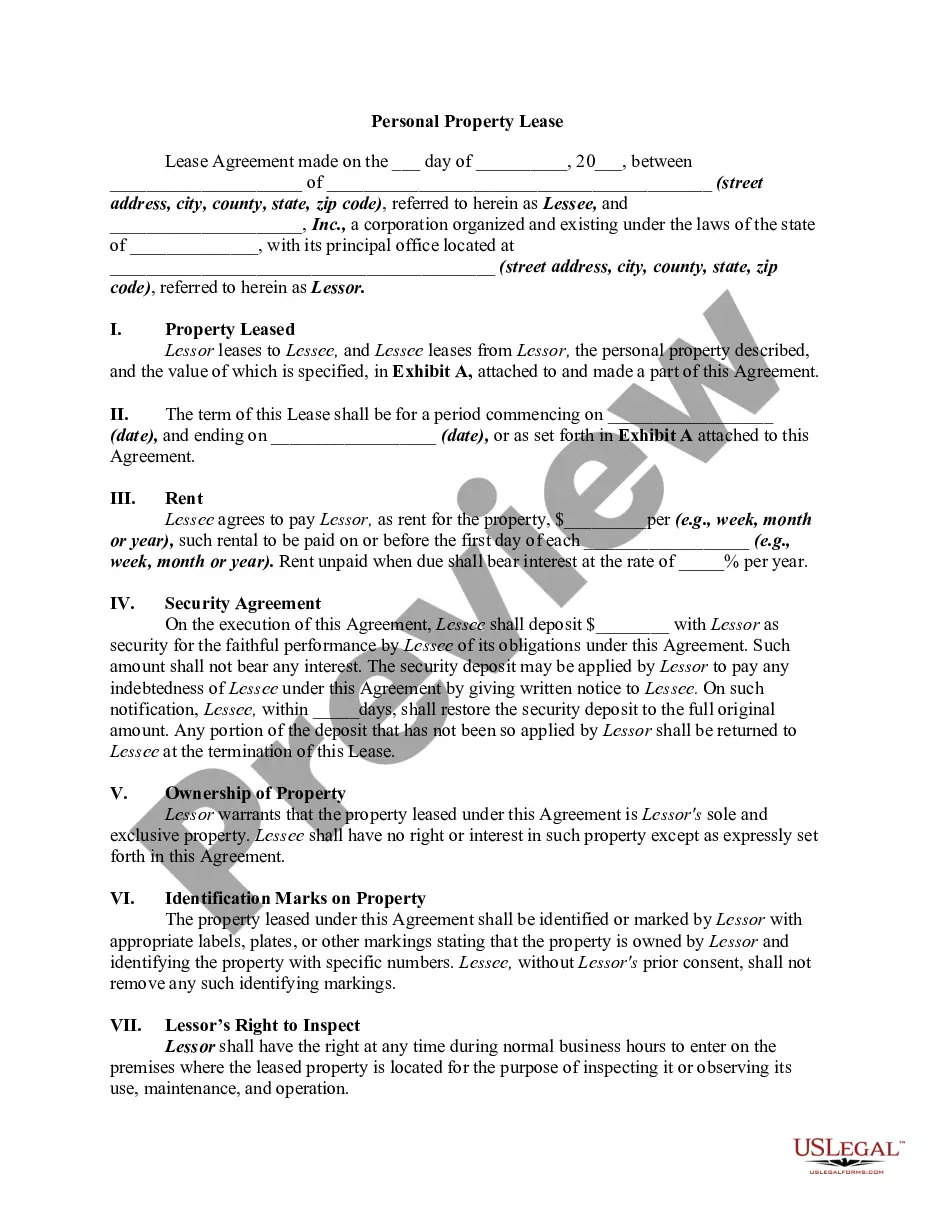
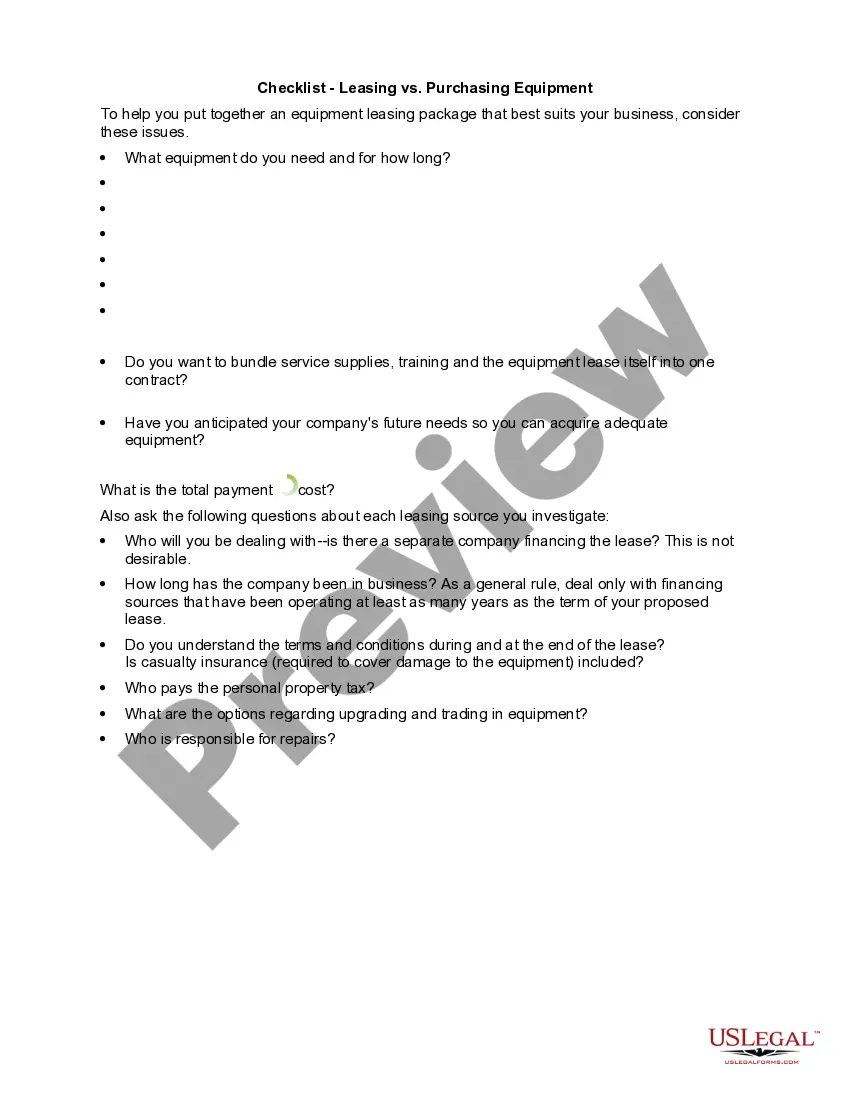
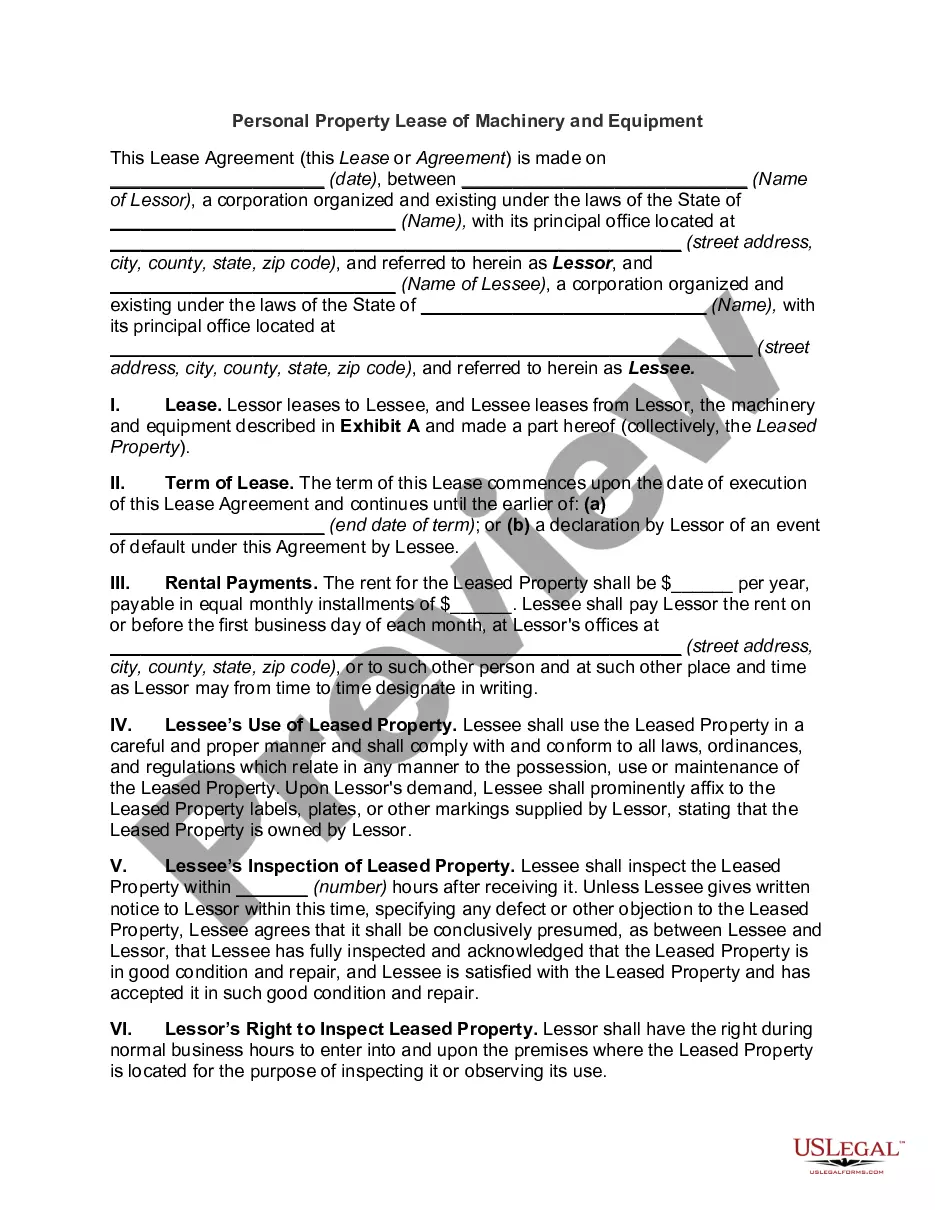
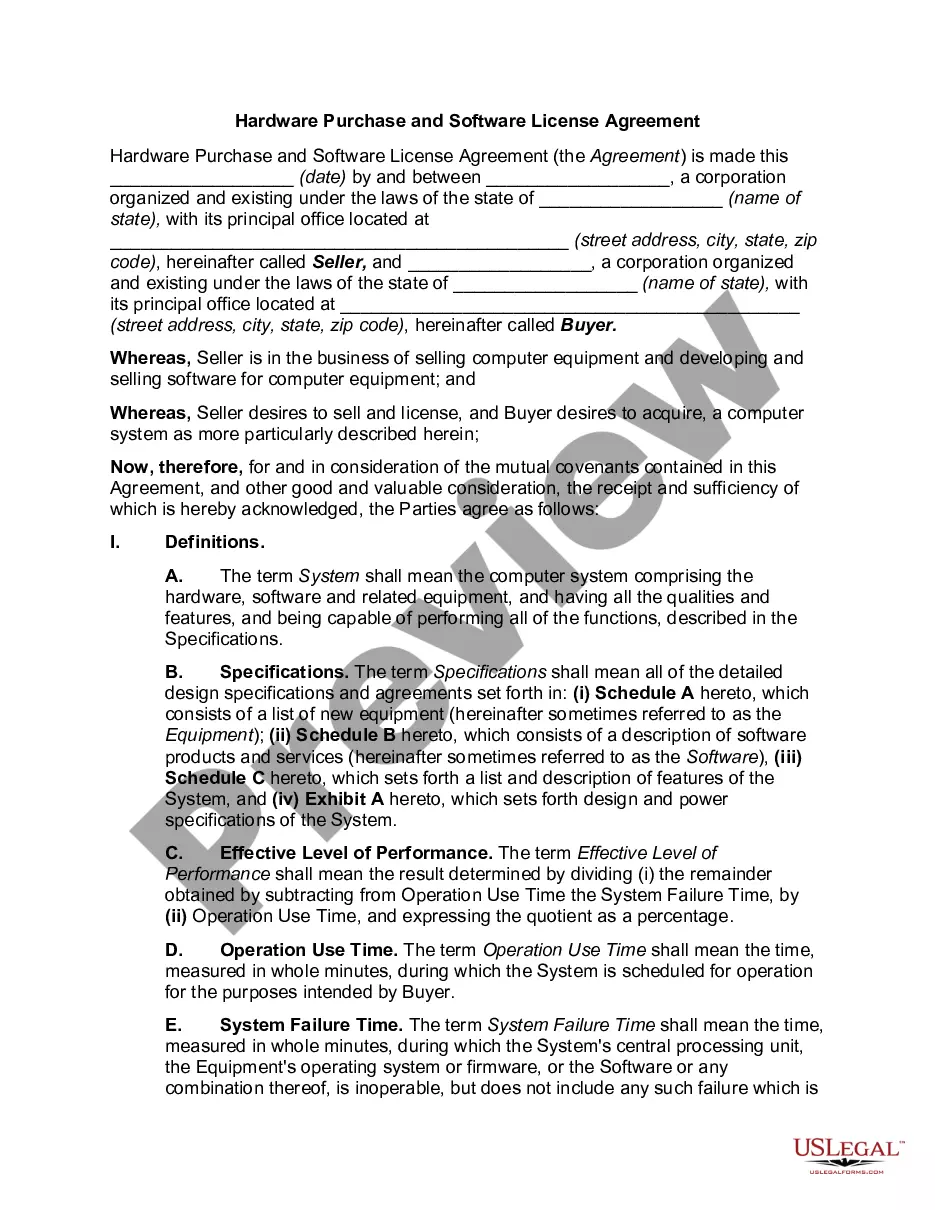
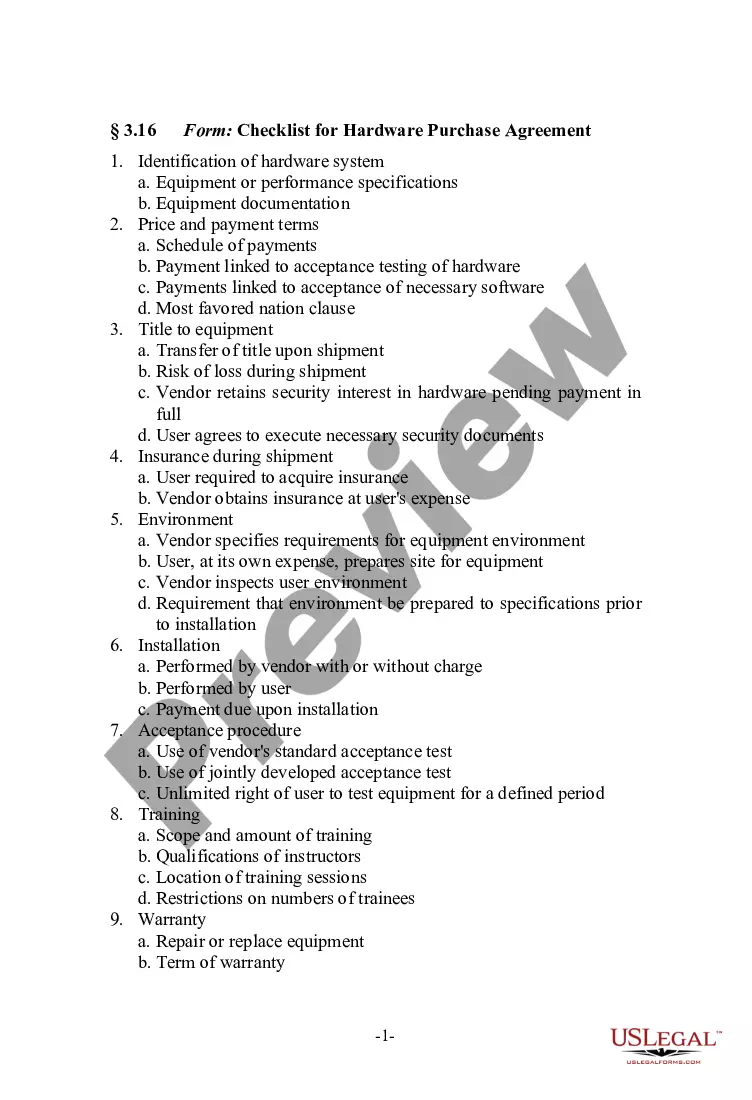
Massachusetts Equipment Lease Checklist
Description
Get your form ready online
Our built-in tools help you complete, sign, share, and store your documents in one place.
Make edits, fill in missing information, and update formatting in US Legal Forms—just like you would in MS Word.
Download a copy, print it, send it by email, or mail it via USPS—whatever works best for your next step.
Sign and collect signatures with our SignNow integration. Send to multiple recipients, set reminders, and more. Go Premium to unlock E-Sign.
If this form requires notarization, complete it online through a secure video call—no need to meet a notary in person or wait for an appointment.
We protect your documents and personal data by following strict security and privacy standards.
Make edits, fill in missing information, and update formatting in US Legal Forms—just like you would in MS Word.
Download a copy, print it, send it by email, or mail it via USPS—whatever works best for your next step.
Sign and collect signatures with our SignNow integration. Send to multiple recipients, set reminders, and more. Go Premium to unlock E-Sign.
If this form requires notarization, complete it online through a secure video call—no need to meet a notary in person or wait for an appointment.
We protect your documents and personal data by following strict security and privacy standards.
Looking for another form?
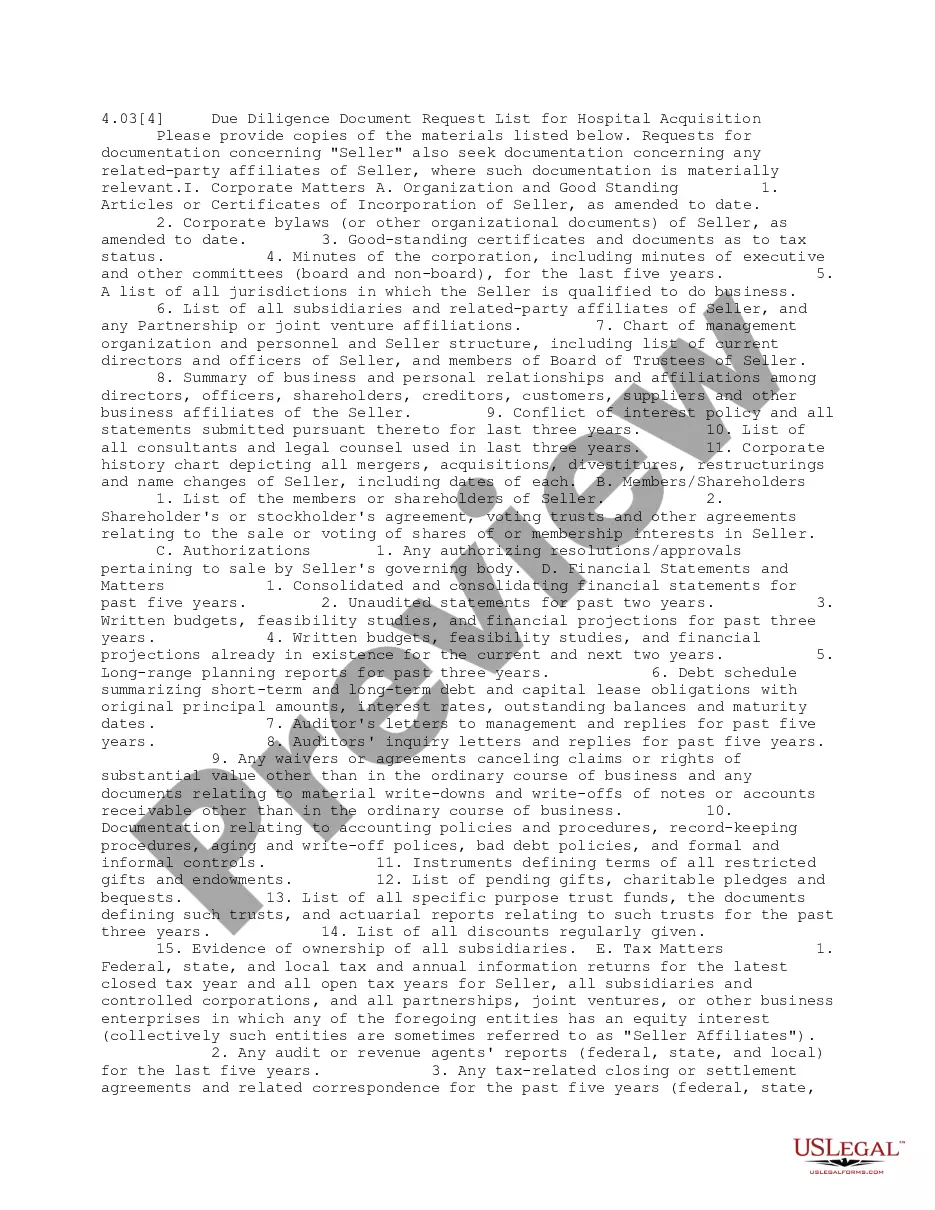
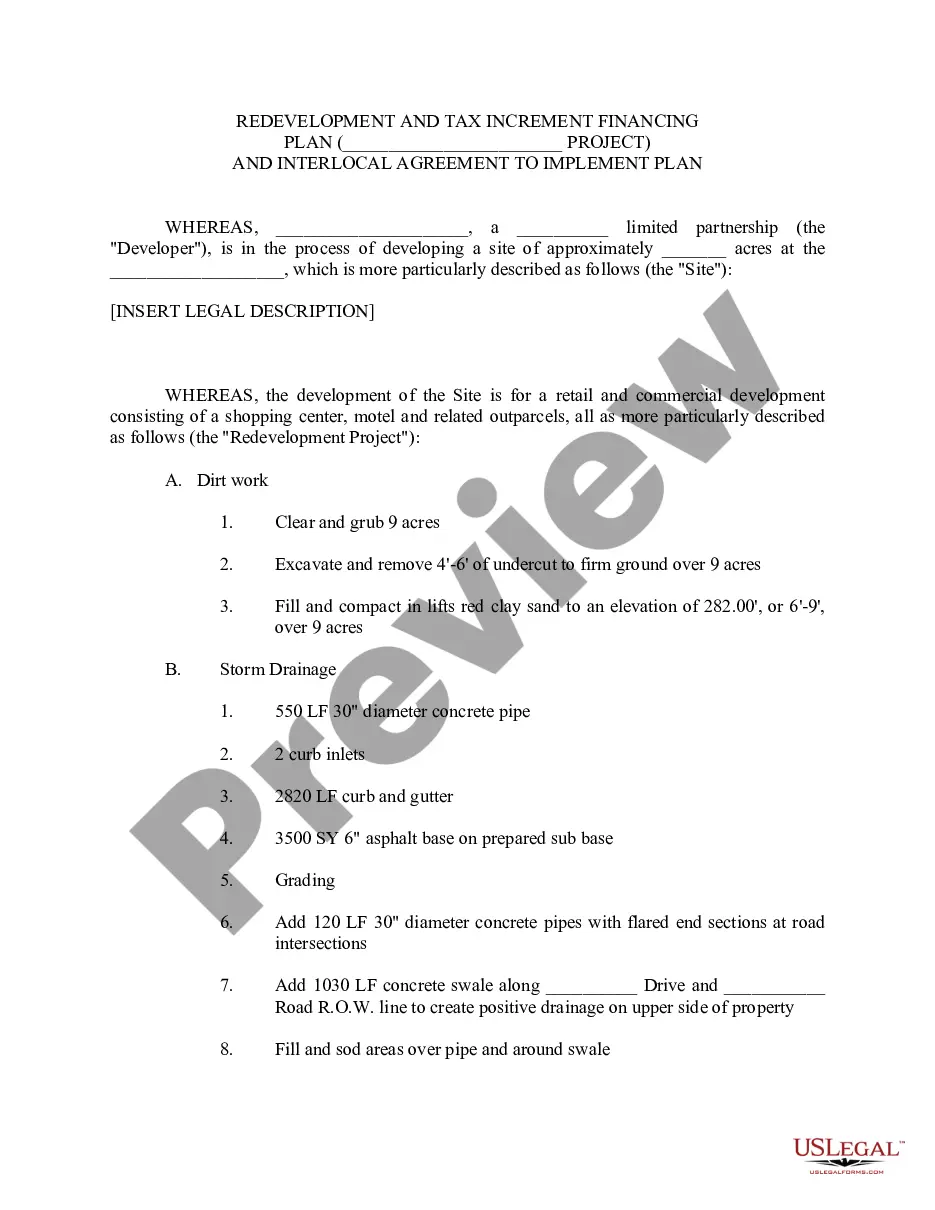







How to fill out Equipment Lease Checklist?
US Legal Forms - among the most prominent repositories of legal forms in the USA - offers a diverse range of legal document templates that you can download or create.
Utilizing the platform, you can access thousands of forms for business and personal purposes, organized by categories, states, or keywords. You can find the latest versions of forms such as the Massachusetts Equipment Lease Checklist in moments.
If you have a monthly subscription, Log In to retrieve the Massachusetts Equipment Lease Checklist from the US Legal Forms database. The Download feature will appear on every form you view. You can access all previously obtained forms in the My documents section of your account.
- Ensure you have selected the correct form for your city/region.
- Click the Review button to examine the form's content.
- Read the form description to confirm that you have chosen the right document.
- If the form does not meet your requirements, utilize the Search box at the top of the page to find the appropriate one.
- If you are satisfied with the form, confirm your selection by clicking the Purchase now button.
- Then, select the payment plan you prefer and provide your details to register for an account.
Form popularity
FAQ
A lease does not need to be notarized to be legal in Massachusetts. As long as both parties sign the lease and have a clear understanding of the terms, the lease remains enforceable. Nonetheless, notarization can provide additional protection, so consider referring to the Massachusetts Equipment Lease Checklist for clarity on when this step may be advisable.
To create an effective equipment rental agreement, begin by detailing the equipment being rented and its condition. Include the duration of the agreement, payment terms, and responsibilities related to maintenance and repairs. Crafting your agreement using the Massachusetts Equipment Lease Checklist can help ensure you address essential considerations and create a robust contract.
Yes, a handwritten lease can be legal in Massachusetts, provided it includes all necessary components that define a lease agreement. It must clearly delineate the terms, responsibilities, and obligations of both the lessor and lessee. However, to strengthen your case and prevent issues, refer to the Massachusetts Equipment Lease Checklist for comprehensive content suggestions and crucial clauses.
A lease becomes legally binding in Massachusetts when both parties agree to the terms outlined in the lease and exchange consideration, which is typically the payment for use of the equipment. Each party's signature signifies their acceptance of the terms, making the agreement enforceable in a court of law. Therefore, it is vital to align with the Massachusetts Equipment Lease Checklist to ensure all legal requirements are satisfied.
Setting up an equipment lease involves several clear steps. First, define the type of equipment and its intended use. Next, draft the lease agreement outlining payment schedules, duration, and terms of equipment maintenance. For a comprehensive approach, use the Massachusetts Equipment Lease Checklist to guide you through each aspect to ensure all crucial elements are included.
Red flags in a lease agreement may include unclear terms, hidden fees, or lack of a clear description of the responsibilities of each party. Be cautious if the lease lacks mutual consent, or if the payment terms seem misleading. Additionally, vague clauses can lead to misunderstandings. Utilize the Massachusetts Equipment Lease Checklist to identify potential red flags before you sign any lease.
In Massachusetts, notarization of a lease is generally not required for it to be legally binding. However, having a lease notarized can provide an added layer of authenticity and security, especially in disputes. It's important to consult the Massachusetts Equipment Lease Checklist to understand when notarization may benefit your lease agreement.
A lease becomes a legal document when it meets specific criteria established by law. Primarily, it includes essential terms such as the identity of the parties involved, a description of the leased equipment, and the rental payment schedule. Proper execution of the lease, alongside the intent to create a legally binding agreement, is also crucial. You can refer to the Massachusetts Equipment Lease Checklist to ensure your lease complies with legal standards.
The purpose of a master lease agreement is to provide an overarching set of terms that apply to multiple lease transactions. This approach offers efficiency and consistency in managing equipment leases. Moreover, it simplifies negotiations and documentation for each individual lease. You can explore this concept further in our Massachusetts Equipment Lease Checklist.
A master terms agreement sets the general conditions that apply to future specific agreements, including leases. This document outlines the fundamental obligations of both parties and creates a consistent framework for transactions. By establishing clear terms from the start, businesses can minimize misunderstandings. Check our Massachusetts Equipment Lease Checklist for further information.