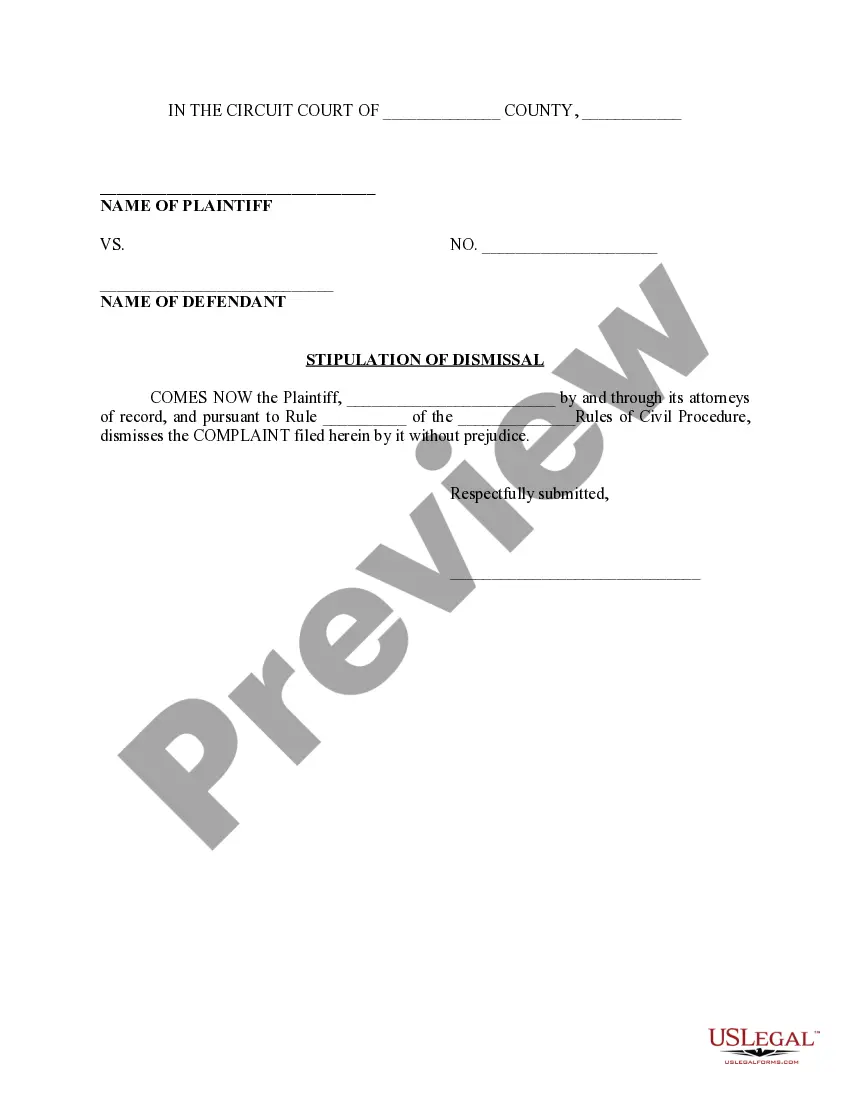
Massachusetts Stipulation for Dismissal
Description
Get your form ready online
Our built-in tools help you complete, sign, share, and store your documents in one place.
Make edits, fill in missing information, and update formatting in US Legal Forms—just like you would in MS Word.
Download a copy, print it, send it by email, or mail it via USPS—whatever works best for your next step.
Sign and collect signatures with our SignNow integration. Send to multiple recipients, set reminders, and more. Go Premium to unlock E-Sign.
If this form requires notarization, complete it online through a secure video call—no need to meet a notary in person or wait for an appointment.
We protect your documents and personal data by following strict security and privacy standards.

Make edits, fill in missing information, and update formatting in US Legal Forms—just like you would in MS Word.

Download a copy, print it, send it by email, or mail it via USPS—whatever works best for your next step.

Sign and collect signatures with our SignNow integration. Send to multiple recipients, set reminders, and more. Go Premium to unlock E-Sign.

If this form requires notarization, complete it online through a secure video call—no need to meet a notary in person or wait for an appointment.

We protect your documents and personal data by following strict security and privacy standards.
Looking for another form?
How to fill out Stipulation For Dismissal?
Selecting the optimal sanctioned document template can be challenging. Clearly, there are numerous designs available online, but how can you find the sanctioned form you require? Utilize the US Legal Forms website. The service provides thousands of designs, including the Massachusetts Stipulation for Dismissal, which can be utilized for both business and personal purposes. All forms are vetted by professionals and comply with state and federal regulations.
If you are already registered, Log In to your account and click on the Download button to access the Massachusetts Stipulation for Dismissal. Use your account to browse through the legal forms you have previously obtained. Navigate to the My documents tab of your account and retrieve another copy of the document you need.
If you are a new user of US Legal Forms, here are simple instructions for you to follow: First, ensure you have selected the correct form for your city/county. You can view the form using the Review button and read the form details to confirm it is suitable for you. If the form does not meet your requirements, use the Search field to locate the appropriate form. Once you are confident the form will work, select the Buy now button to obtain the form. Choose the payment plan you prefer and enter the required information. Create your account and complete the purchase using your PayPal account or Visa or Mastercard. Select the file format and download the legal document template onto your device. Complete, modify, and print and sign the acquired Massachusetts Stipulation for Dismissal. US Legal Forms is the premier repository of legal forms from which you can find various document templates. Utilize the service to download properly crafted documents that meet state standards.
Make use of the service to download properly crafted documents that meet state standards.
- Selecting the optimal sanctioned document template can be challenging.
- Clearly, there are numerous designs available online.
- Utilize the US Legal Forms website.
- The service provides thousands of designs.
- All forms are vetted by professionals.
- US Legal Forms is the premier repository of legal forms.
Form popularity
FAQ
A User whose filing is made untimely as a result of a technological failure of the Provider may seek appropriate relief from the court. The court may enter an order permitting the document to be deemed filed or served as of the date it was first attempted to be transmitted electronically.
Rule 41(b)(2) provides for involuntary dismissal upon motion of the defendant on one of two grounds: (1) failure to comply with the rules or any order of the court; or (2) in an action tried without a jury, if, upon the facts and the law, the plaintiff has shown no right to relief.
An application for leave to appeal under Rule 15(a)(2) shall be made by filing within thirty days of the date of entry of the order being appealed, or such additional time as either the trial judge or the single justice of the Supreme Judicial Court shall order, (a) a notice of appeal in the trial court, and (b) an ...
A party may amend his pleading once as a matter of course at any time before a responsive pleading is served and prior to entry of an order of dismissal or, if the pleading is one to which no responsive pleading is permitted and the action has not been placed upon the trial calendar, he may so amend it at any time ...
A party may amend the party's pleading once as a matter of course at any time before a responsive pleading is served or, if the pleading is one to which no responsive pleading is permitted and the action has not been placed upon the trial calendar, the party may so amend it at any time within 20 days after it is served ...
Rule 7 reflects the belief that extensive and complex pleadings are not desirable as a vehicle for the narrowing of issues in a case and that this function can be better performed by discovery and the use of the pretrial conference.
A: A judge can dismiss a case without prejudice if they detect legal errors that prevent the case from going forward. However, dismissing the case without prejudice allows the two sides to correct those errors and re-file the case.
If you were sued before filing bankruptcy, you may receive a ?Stipulation for Dismissal? or similar document from the creditor that sued you at some point after filing your Chapter 7 case. It's basically an ?agreement? letting the judge know that the court can dismiss (end/close) the case pending against you.