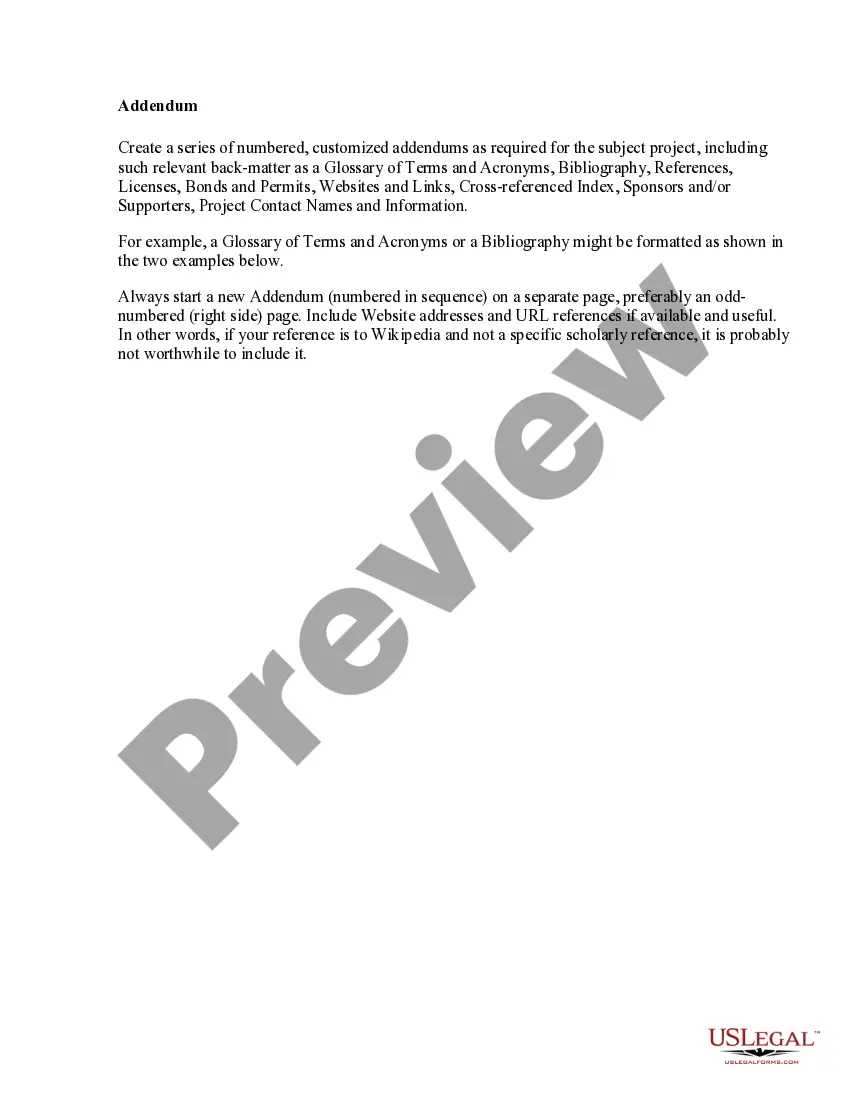
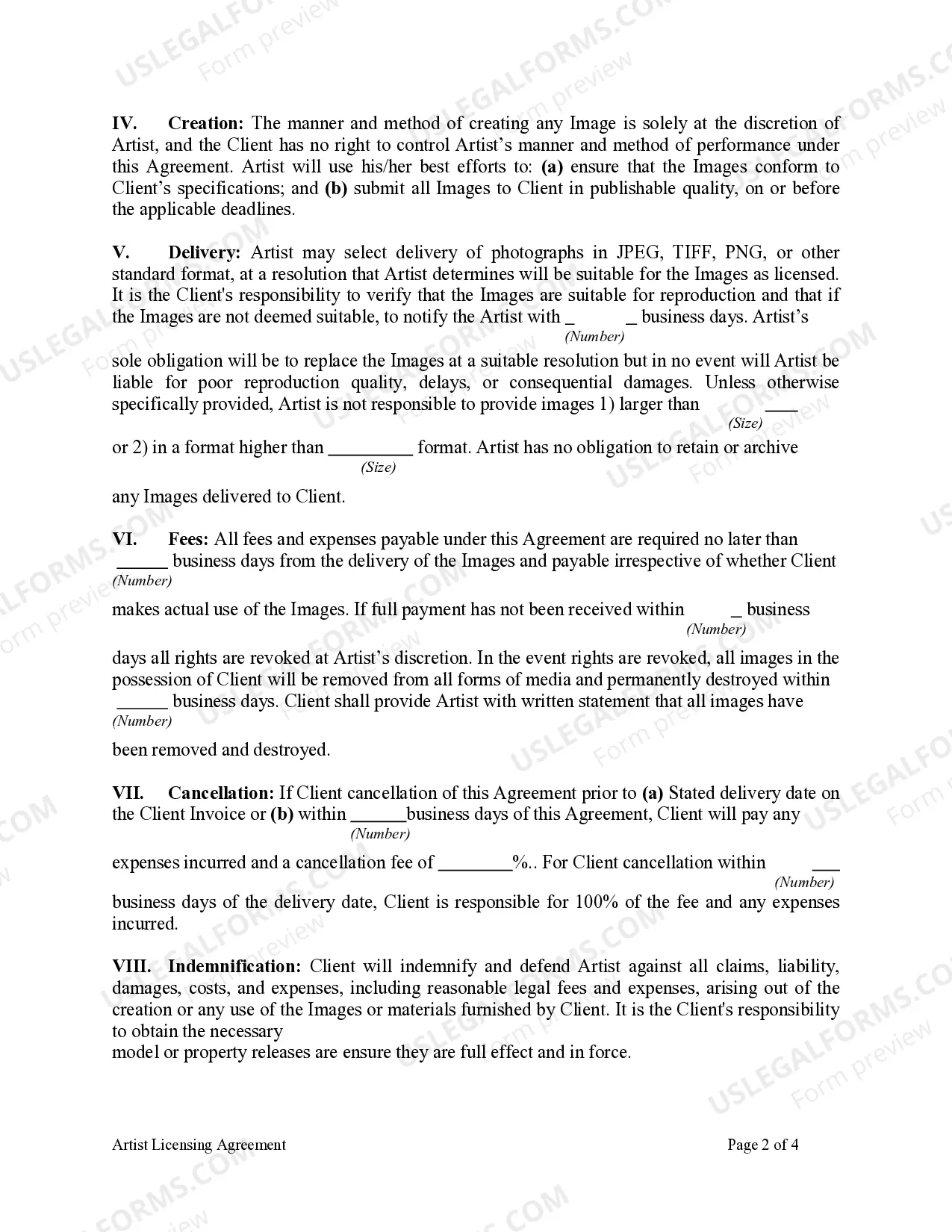
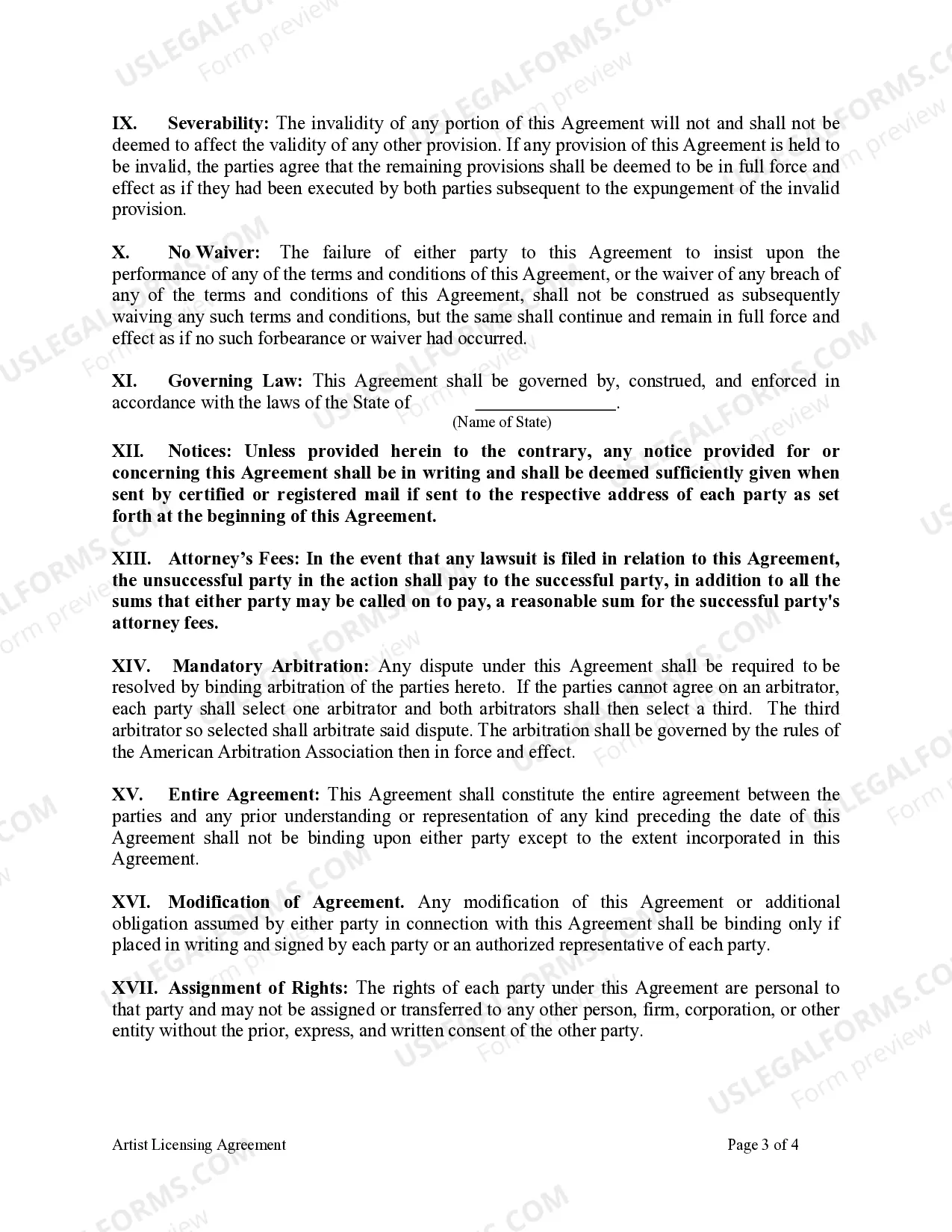
Massachusetts Artist Licensing Agreement
Description
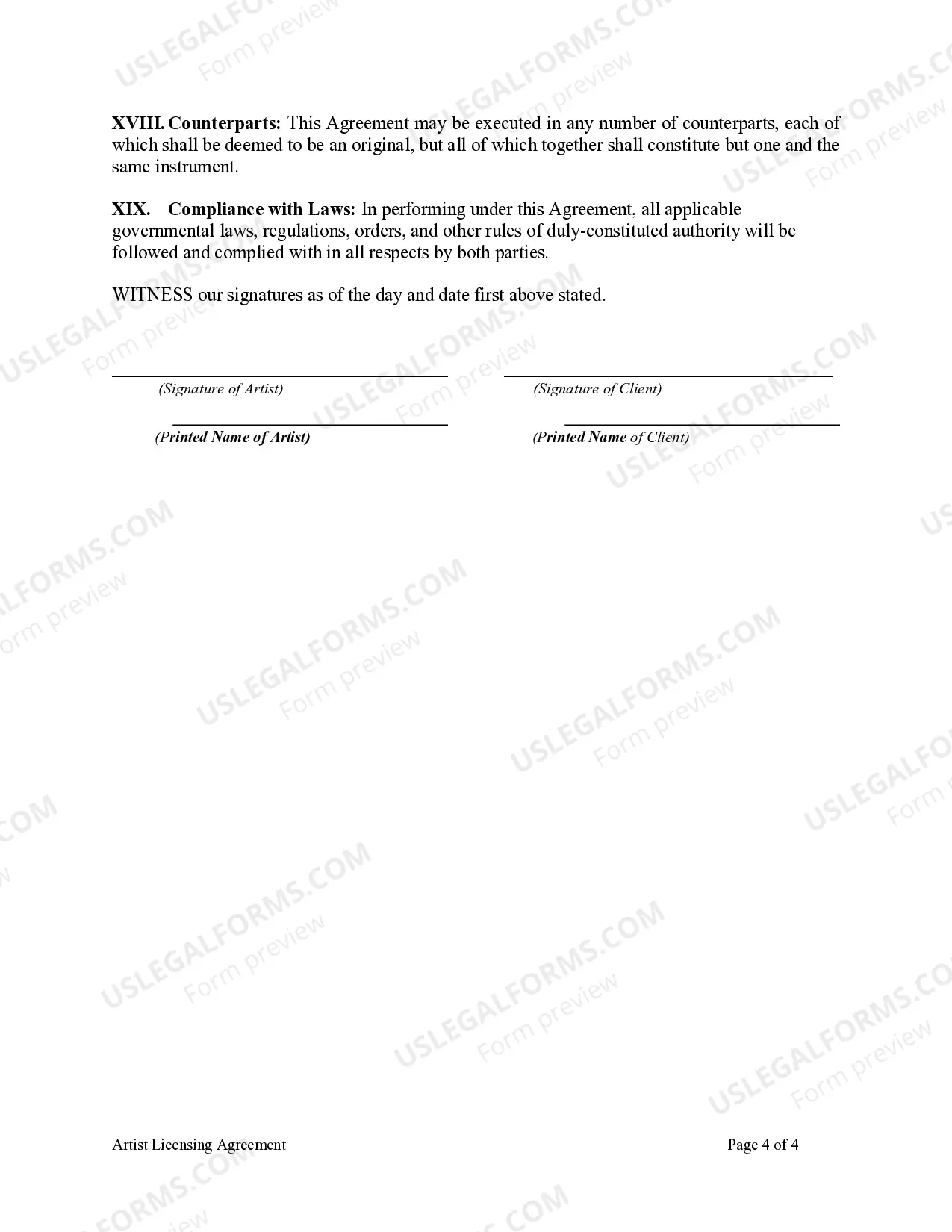
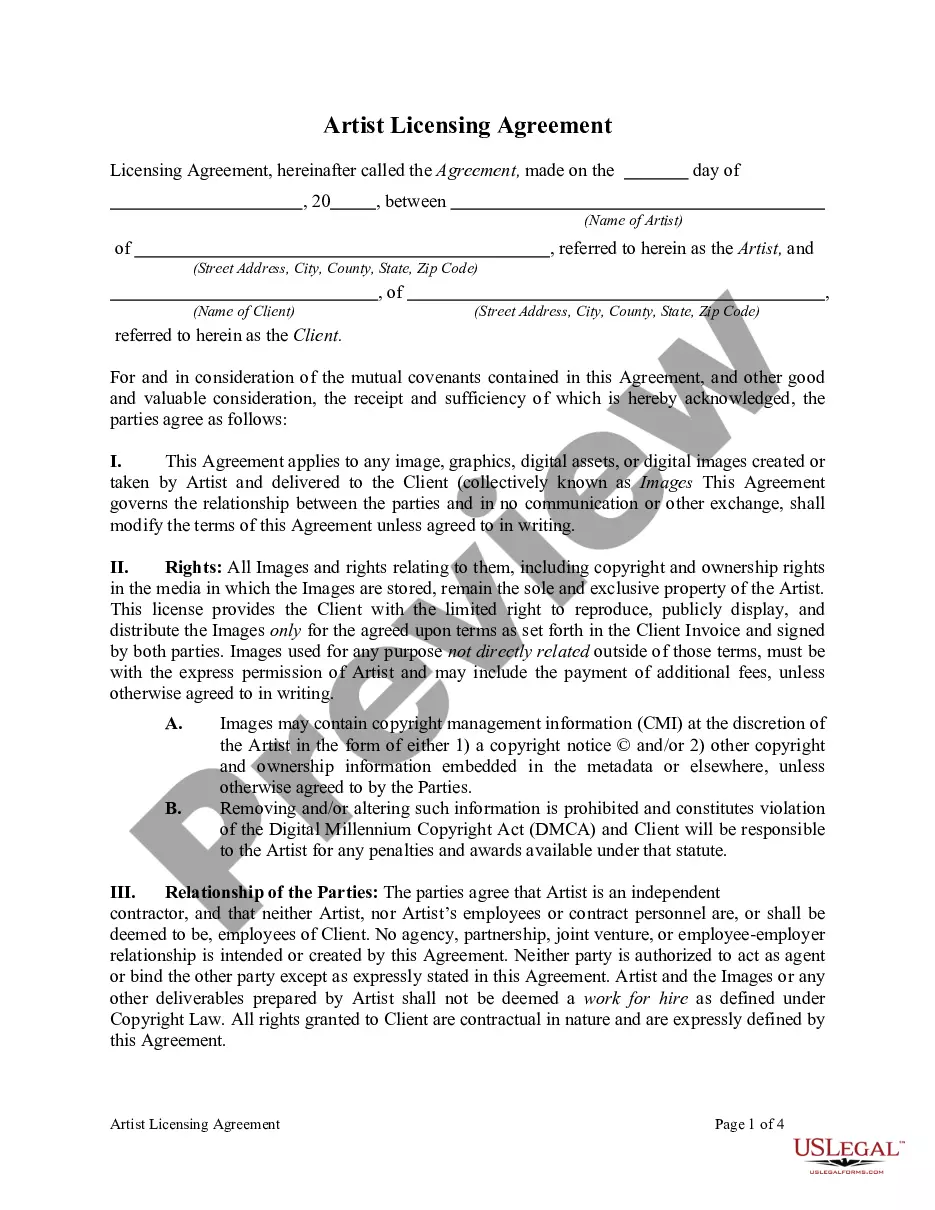
Get your form ready online
Our built-in tools help you complete, sign, share, and store your documents in one place.
Make edits, fill in missing information, and update formatting in US Legal Forms—just like you would in MS Word.
Download a copy, print it, send it by email, or mail it via USPS—whatever works best for your next step.
Sign and collect signatures with our SignNow integration. Send to multiple recipients, set reminders, and more. Go Premium to unlock E-Sign.
If this form requires notarization, complete it online through a secure video call—no need to meet a notary in person or wait for an appointment.
We protect your documents and personal data by following strict security and privacy standards.

Make edits, fill in missing information, and update formatting in US Legal Forms—just like you would in MS Word.

Download a copy, print it, send it by email, or mail it via USPS—whatever works best for your next step.

Sign and collect signatures with our SignNow integration. Send to multiple recipients, set reminders, and more. Go Premium to unlock E-Sign.

If this form requires notarization, complete it online through a secure video call—no need to meet a notary in person or wait for an appointment.

We protect your documents and personal data by following strict security and privacy standards.
Looking for another form?






How to fill out Artist Licensing Agreement?
Are you presently in the circumstance where you require documents for either business or personal purposes almost every day.
There are numerous legal document templates accessible online, but locating versions you can rely on is challenging.
US Legal Forms provides a vast selection of template forms, such as the Massachusetts Artist Licensing Agreement, designed to comply with federal and state regulations.
Once you find the appropriate form, click Get now.
Select the pricing plan you prefer, fill out the necessary information to create your account, and complete the order using your PayPal or credit card.
- If you are already familiar with the US Legal Forms website and possess an account, simply Log In.
- Then, you can download the Massachusetts Artist Licensing Agreement template.
- If you do not have an account and wish to start using US Legal Forms, follow these steps.
- Find the form you need and ensure it is for your correct city/state.
- Use the Preview button to review the form.
- Check the summary to confirm that you have selected the right form.
- If the form does not match what you are looking for, utilize the Search area to find the form that fits your needs and requirements.
Form popularity
FAQ
How to begin licensing your art Do the research. Read books, websites and blogs such as MariaBrophy.com, Theabundantartist.com and ArtsyShark.com on how artists can license their art. ... Know your market. ... Make the pitch. ... Create a plan. ... Mock-up a catalog. ... Follow up. ... Use social media. ... License the work yourself.
Hear this out loud PauseRoyalty rates are typically 5-10% of a retail price, or 15-20% of a wholesale price. However, these are usually subject to agreement. An advance payment of 25% is often used for higher value licenses.
A small (limited) license may be around 50-100% of the Artwork Creation fee. (So, perhaps a 12 month license, or a very small production run of promotional items, regional use only.) A non-exclusive or mid-sized license may be around 75-200% of the Artwork Creation fee. (Yes, this is a wide range.
Hear this out loud PauseEnjoy the benefits of licensing. "This means an artist can do some upfront work to arrange the licensing deal, and then get recurring income with little to no follow-up work, sometimes, for years." It's quite possible to earn thousands of dollars a year from one piece of art with the right licensing deal.
Art Licensing is usually a royalty range of 3-10%. Brand and character licensing can go as high as 15%. 2) Where it's sold determines the percentage as well.
Hear this out loud PauseThe percentage will vary, but it is usually 10 percent or less unless the licensee is selling posters or prints of the artwork. Sometimes royalties are calculated not ing to net sales but ing to the total number of products that are sold or manufactured. This is known as a per unit royalty. Did You Know?
With a commercial license, the artist retains ownership and copyright of the work, and can continue to use it for other purposes or license it to other clients. An exclusive license, on the other hand, grants permission to use the artist's work exclusively to one particular client or licensee.