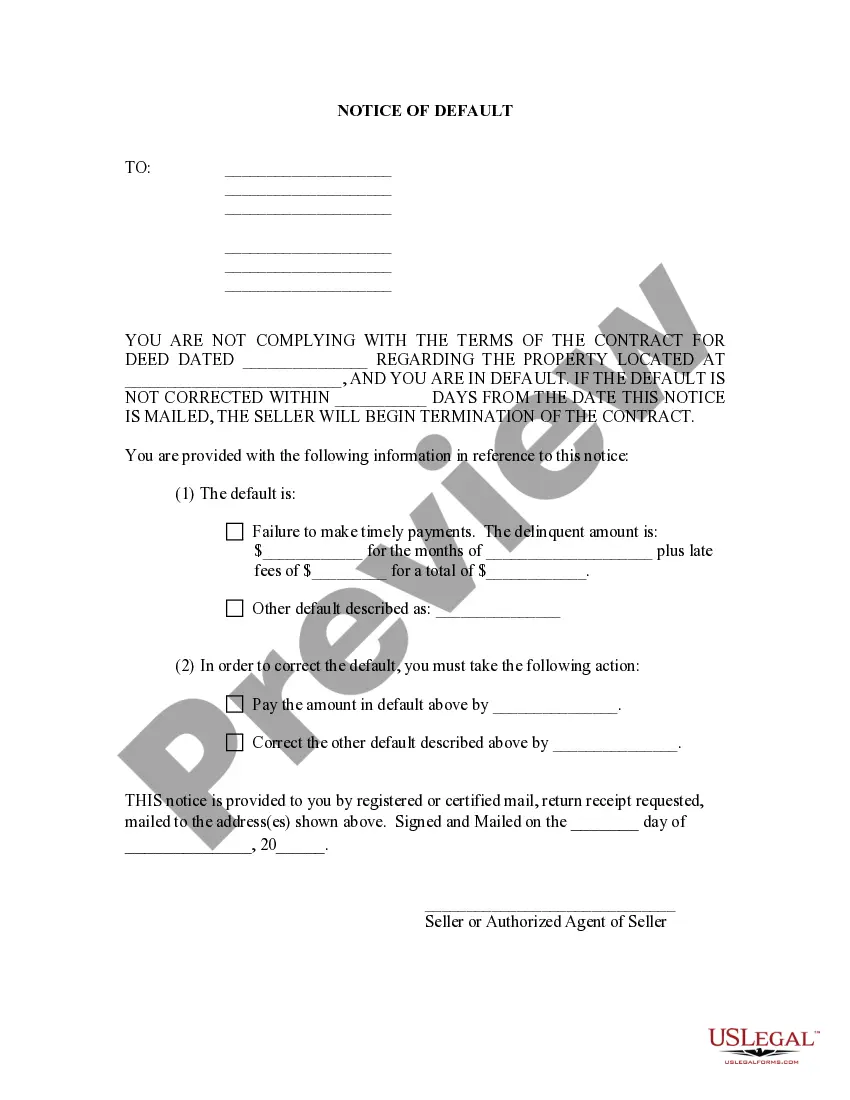
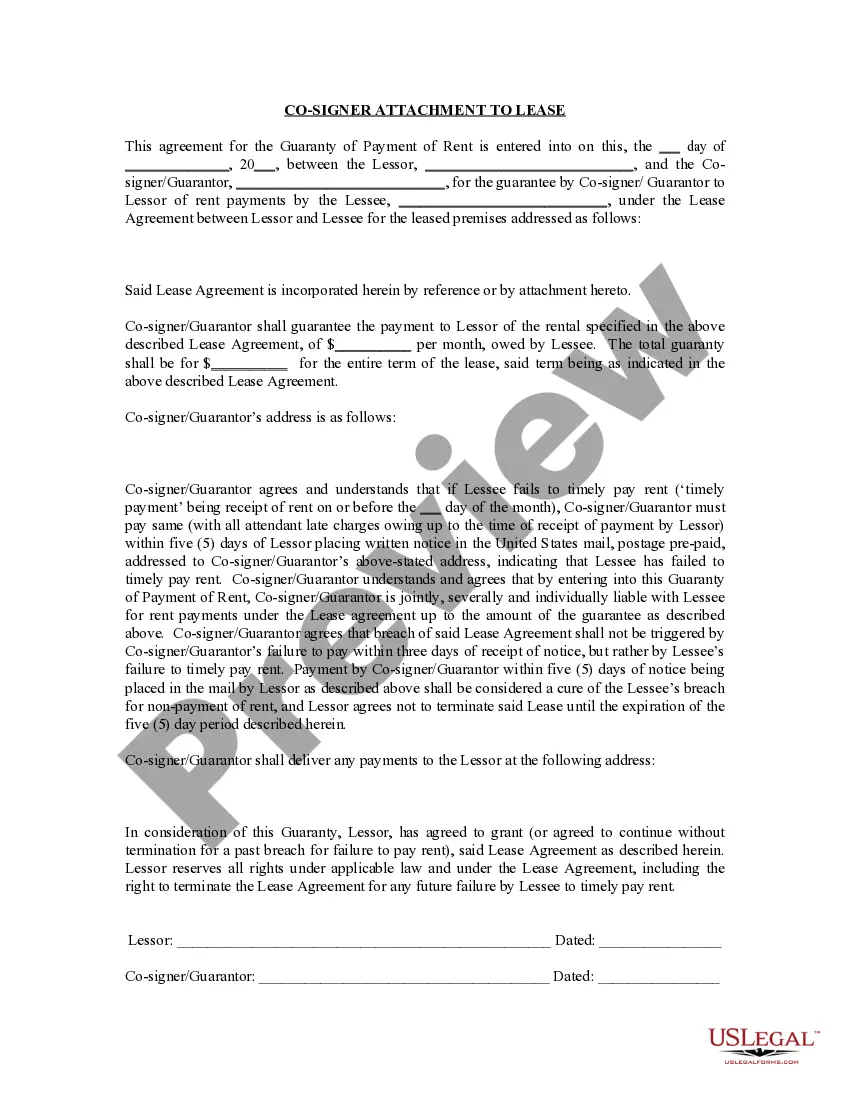
Massachusetts Guaranty Attachment to Lease for Guarantor or Cosigner
About this form
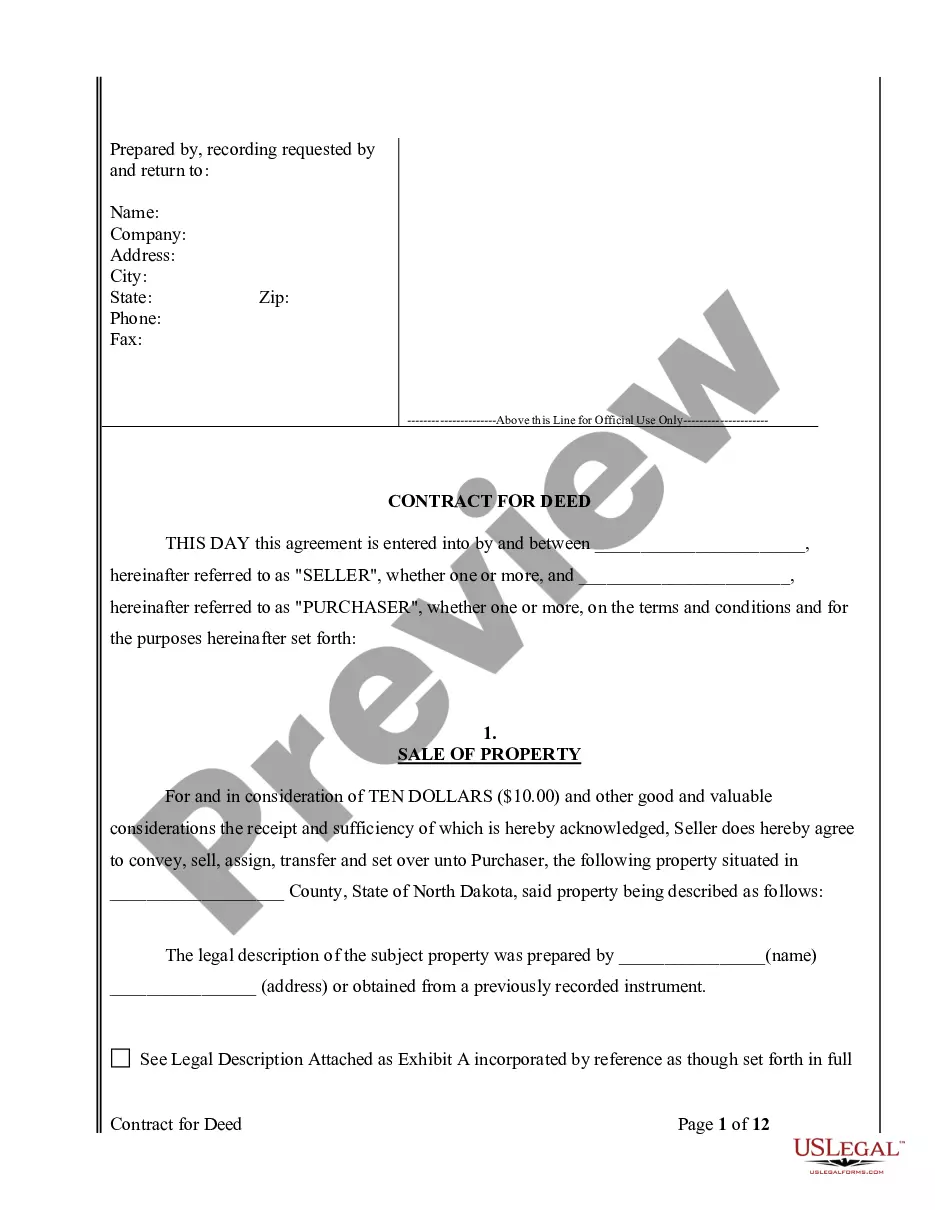
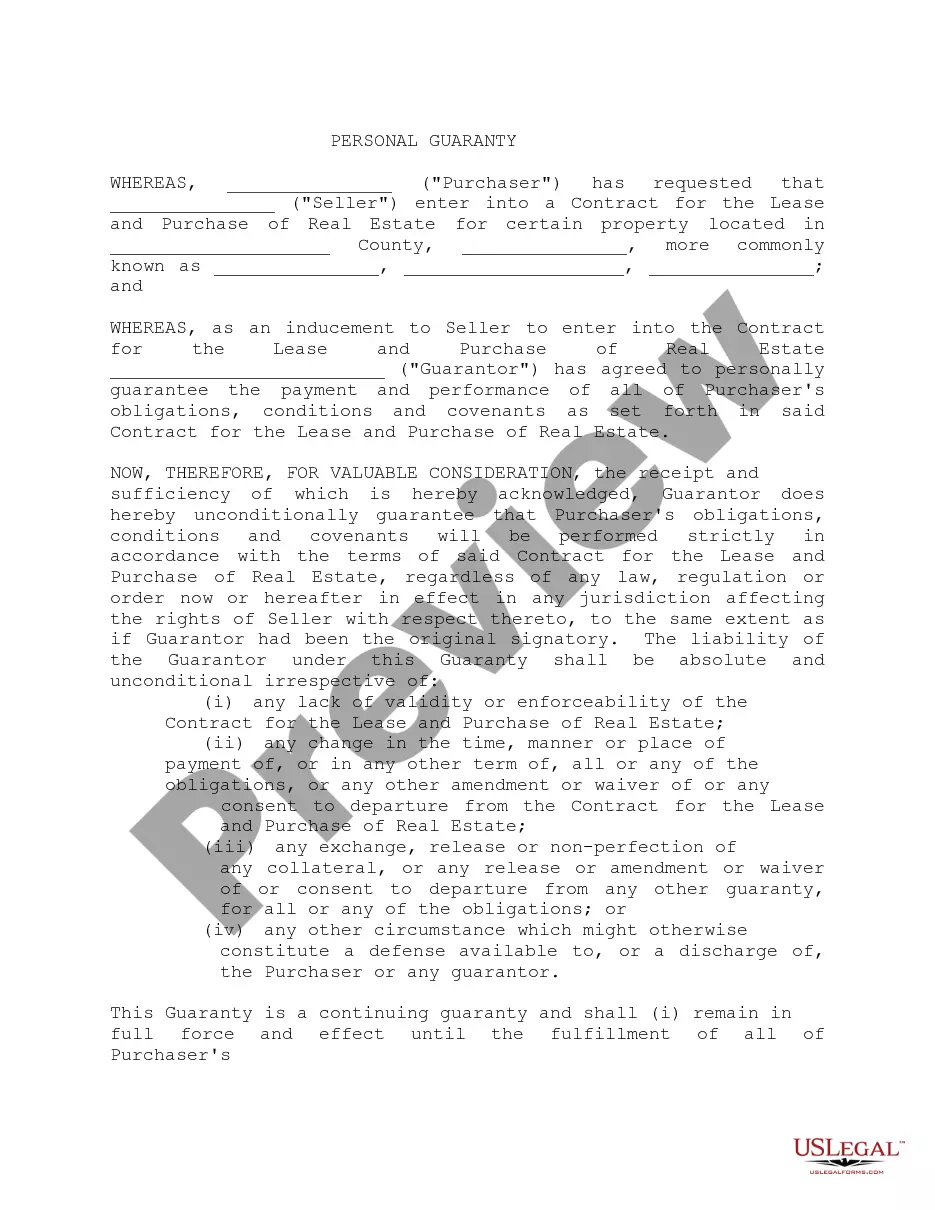
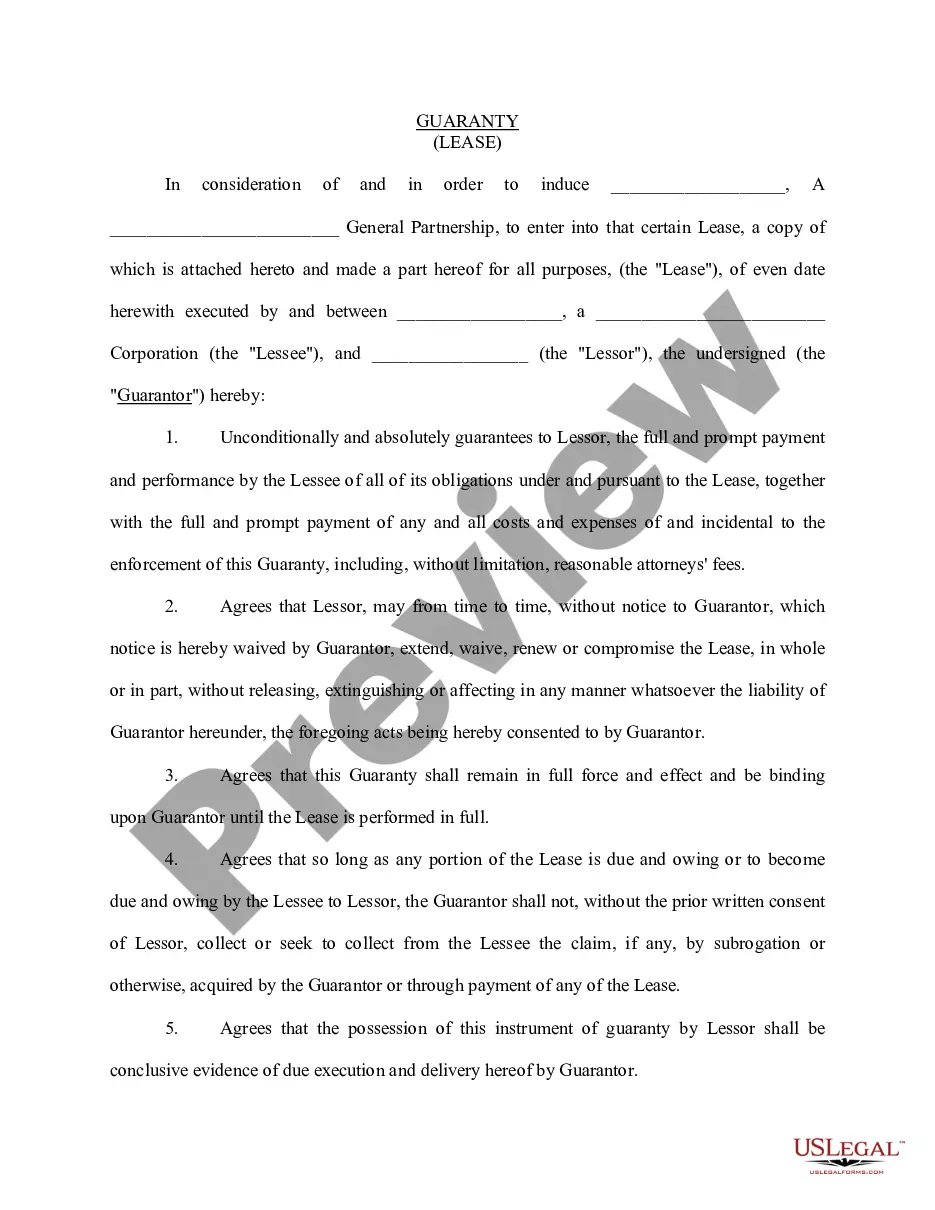
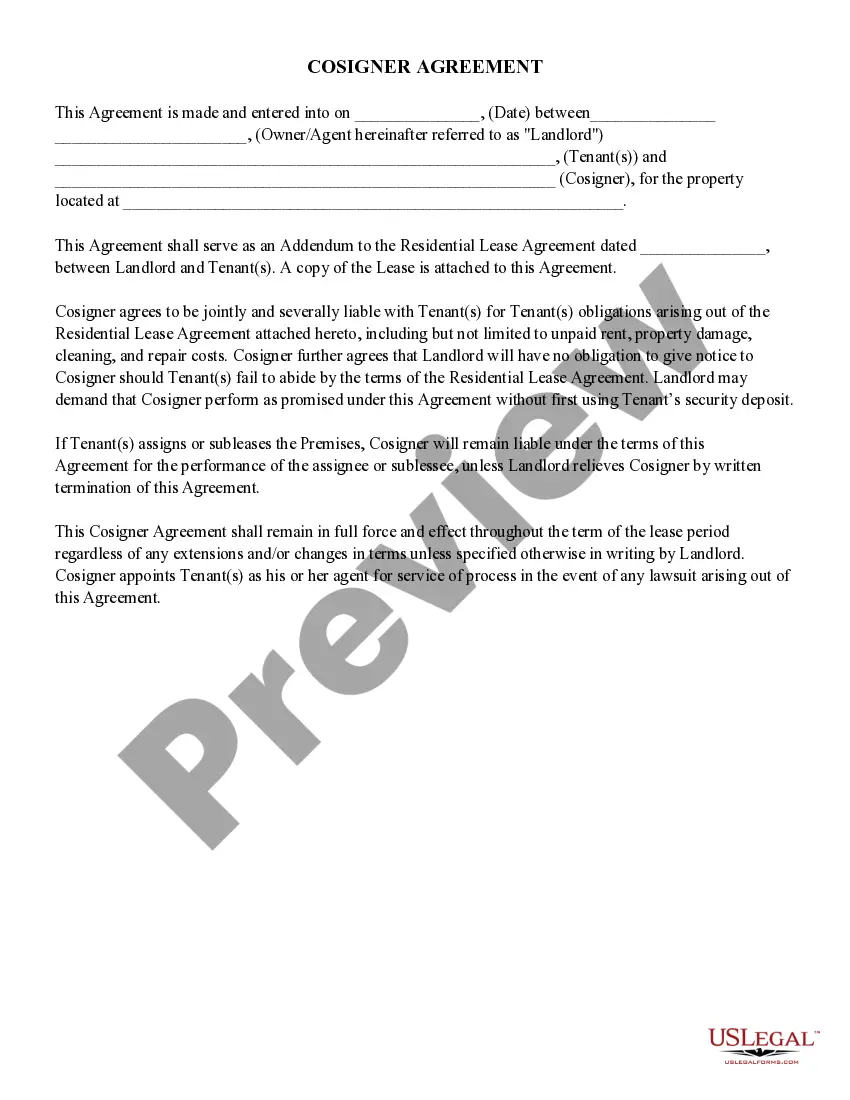
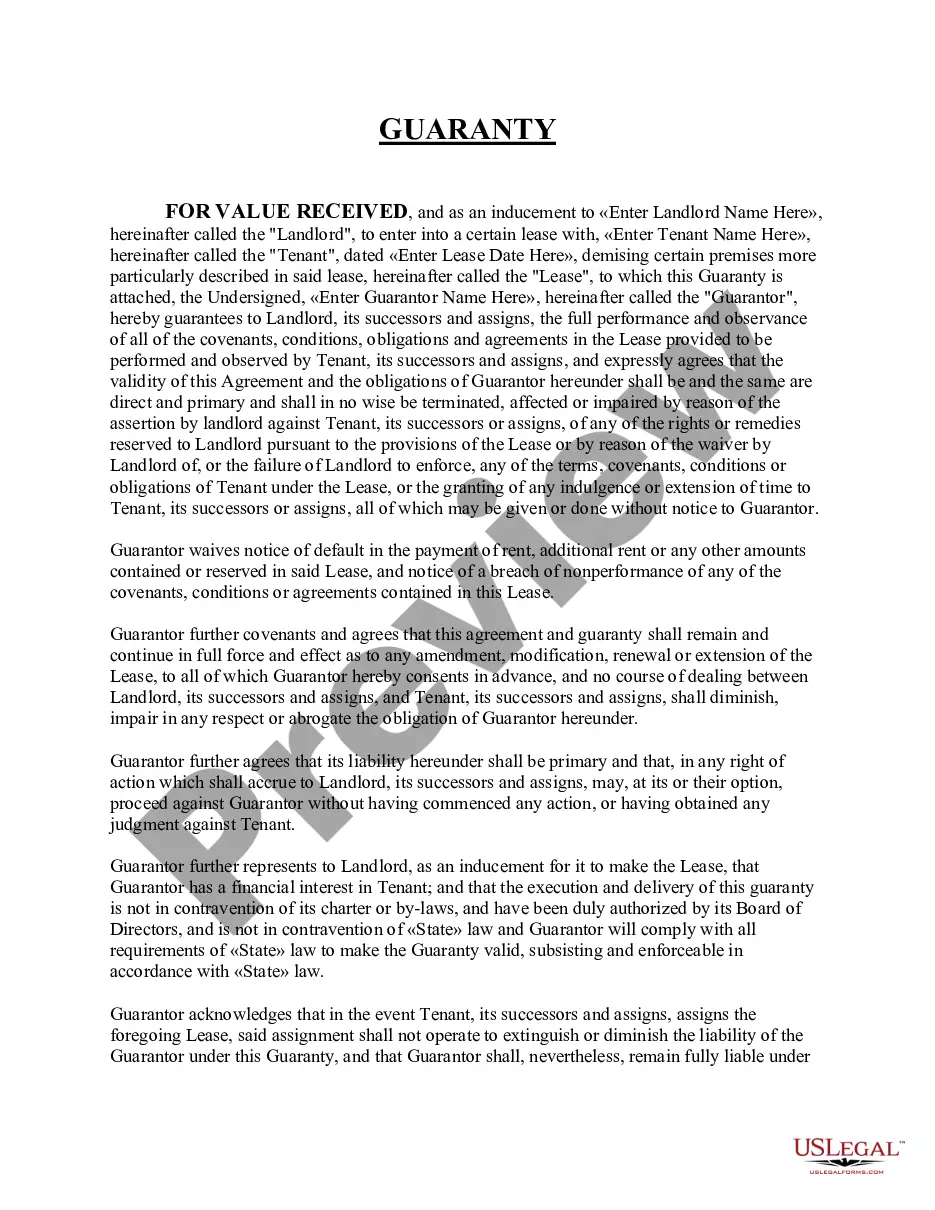
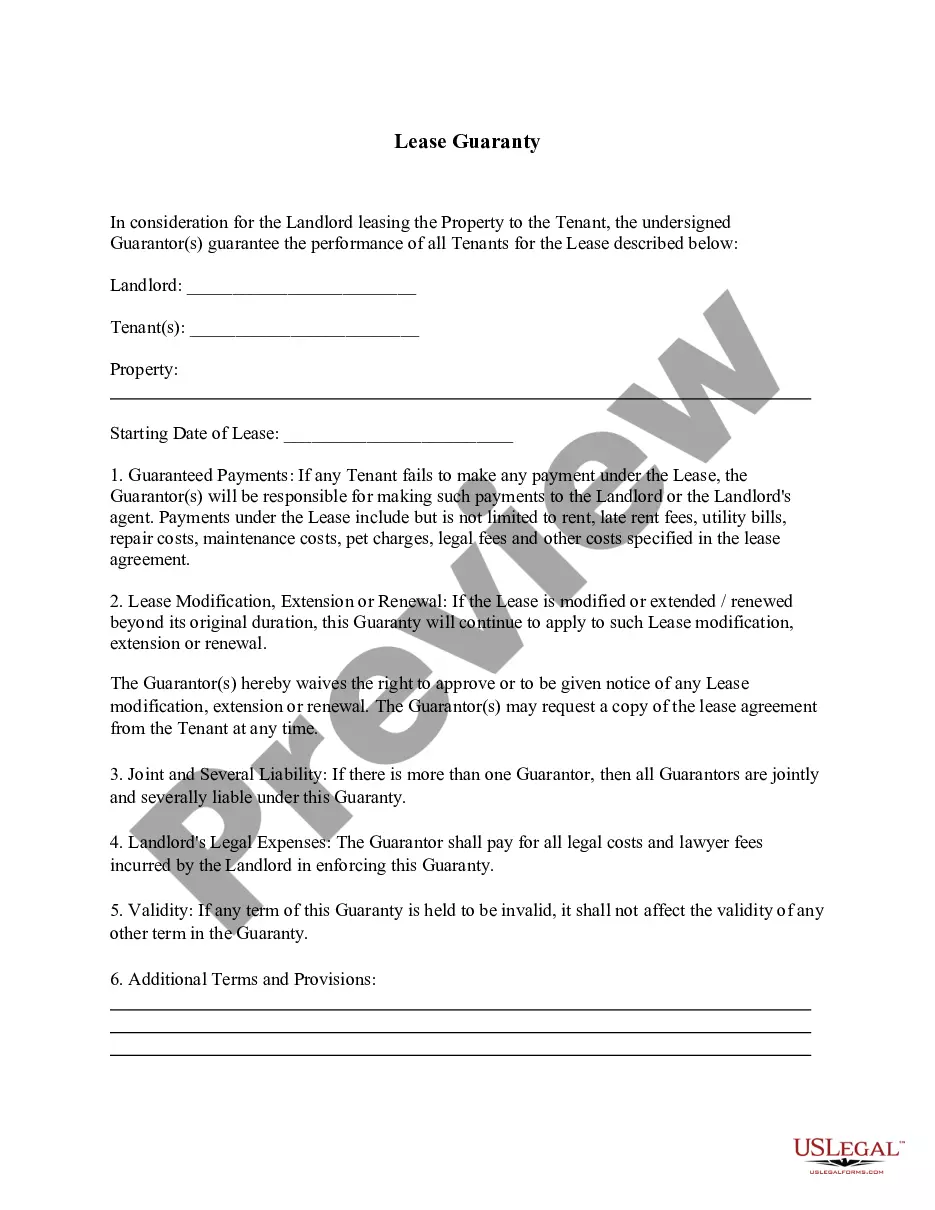
The Guaranty Attachment to Lease for Guarantor or Cosigner is a legal document that serves as an agreement where a third party, known as the guarantor, co-signs a lease on behalf of the tenant. This form obligates the guarantor to pay rent in case the tenant fails to do so. It ensures that landlords have additional security in collecting rent, distinct from the primary lease agreement that only involves the tenant. The guaranty acts as a safety net for landlords, allowing them to pursue the guarantor for any unpaid rent after attempting to collect from the tenant.
What’s included in this form
- Identification of the co-signer or guarantor and their address.
- Details about the lessor (landlord) including their name and address.
- Signature and date fields for both the co-signer and the lessor to formalize the agreement.
- Clear obligations stating that the guarantor must cover unpaid rent if the tenant defaults.
Common use cases
This form should be used when a landlord requires a third party to guarantee the lease agreement for a tenant, particularly in situations where the tenant may lack sufficient credit history or income. Some common scenarios include when the tenant is a student, someone with a historically low credit score, or when the tenant is new to renting and does not have an established rental history. Utilizing this form provides the landlord with a financial assurance that the rent will be paid, even if the primary tenant fails to make payments.
Who should use this form
This form is intended for:
- Landlords who want to secure their rental agreements with a financial guarantee.
- Tenants who may not qualify for a lease on their own and need a guarantor.
- Guarantors who are willing to take on the financial responsibility of ensuring the rental payments are made.
Steps to complete this form
- Identify the parties involved, including the tenant, landlord, and guarantor.
- Fill in the address of the co-signer or guarantor accurately.
- Enter the name and address of the lessor (landlord).
- Include dates to indicate when the agreement is being executed.
- Ensure both the guarantor and landlord sign and date the document to make it legally binding.
Does this form need to be notarized?
This form does not typically require notarization unless specified by local law. However, landlords and guarantors should check their local regulations to confirm. If notarization is required, it is crucial to have the document signed in the presence of a notary public for it to be legally binding.
Get your form ready online
Our built-in tools help you complete, sign, share, and store your documents in one place.
Make edits, fill in missing information, and update formatting in US Legal Forms—just like you would in MS Word.
Download a copy, print it, send it by email, or mail it via USPS—whatever works best for your next step.
Sign and collect signatures with our SignNow integration. Send to multiple recipients, set reminders, and more. Go Premium to unlock E-Sign.
If this form requires notarization, complete it online through a secure video call—no need to meet a notary in person or wait for an appointment.
We protect your documents and personal data by following strict security and privacy standards.

Make edits, fill in missing information, and update formatting in US Legal Forms—just like you would in MS Word.

Download a copy, print it, send it by email, or mail it via USPS—whatever works best for your next step.

Sign and collect signatures with our SignNow integration. Send to multiple recipients, set reminders, and more. Go Premium to unlock E-Sign.

If this form requires notarization, complete it online through a secure video call—no need to meet a notary in person or wait for an appointment.

We protect your documents and personal data by following strict security and privacy standards.
Mistakes to watch out for
- Failing to include all party names and addresses accurately.
- Not obtaining signatures from both the guarantor and the landlord.
- Leaving out date fields, which can lead to disputes over when the agreement was made.
- Not reviewing state-specific requirements that may alter the execution of the form.
Why use this form online
- Convenient access, allowing for quick completion from any location.
- Easily editable to ensure all information is correct before downloading.
- Reliable templates drawn up by licensed attorneys to ensure legal compliance.
Key takeaways
- The Guaranty Attachment to Lease for Guarantor or Cosigner ensures a third party is responsible for rent payments if the tenant cannot fulfill their obligations.
- This form is particularly useful for those without a strong credit history or rental background.
- Completing the form requires careful attention to detail, including correct signatures and dates.
Looking for another form?
Form popularity
FAQ
The most simple way to get out of being someone's guarantor is for the main borrower to pay off their loan and essentially, terminate the agreement.
The guarantor is as responsible for the lease as the tenant.If a tenant decides to sublet their apartment to someone else, the original guarantor is still responsible for the rent and subsequent lease renewals. In this case, the lease guarantor should ask the landlord to remove them from the lease.
Guarantors sign the lease and are responsible for the payments under the law, but they don't occupy the apartment nor are they entitled to occupy it.
Note that the guarantor must always see and approve the tenancy agreement before he signs this is not a problem if the guarantee is part of the tenancy agreement.A guarantor cannot be forced to pay up in respect of a tenancy agreement he has never seen.
Ask the owner whether he allows for co-signers. Schedule a meeting with the owner and your co-signer. Sign the lease or rental agreement once the co-signer passes the property owner's requirements. Ask the landlord whether he objects to another tenant moving into the home.
A guarantor is a third party who 'guarantees' a loan, mortgage or rental agreement. This means they agree to repay the total amount owed if the borrower or renter can't pay what they owe. By guaranteeing the agreement, you become responsible for any arrears that occur.
While a co-signer is responsible for the rent at the moment it is due, a guarantor only has to pay once the person on the agreement fails to do so. A guarantor won't have any right to live in the apartment "because you are only going to be liable for anything if the tenant stops paying," says Cohen.
When The Lease Is Up When having a guarantor on the lease, the best way to be able to have him removed as soon as possible is to set a good payment record with the landlord.
Business owners are often required to give a personal guarantee to get a business loan or to lease commercial space for their business. Most business advisors say you should keep business and personal financial matters separate, and the loan is for the business, not for the individual.