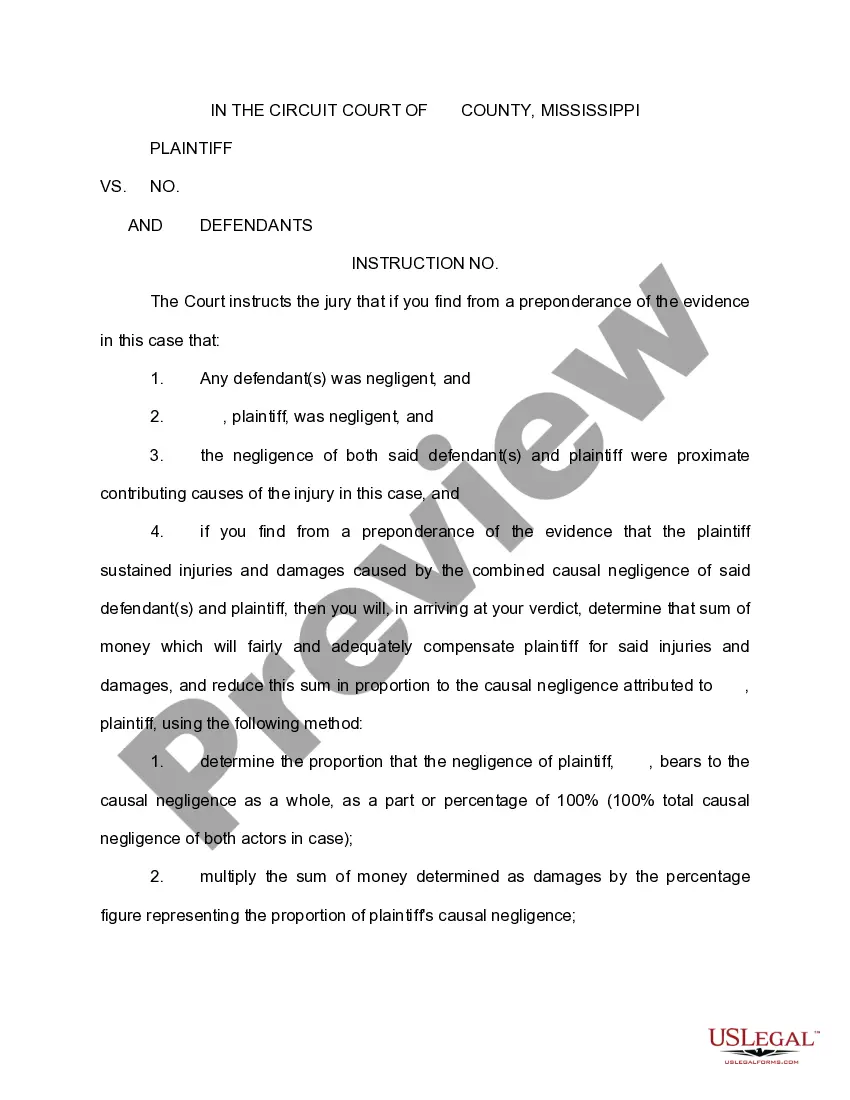
Louisiana Commercial Lease
What is this form?
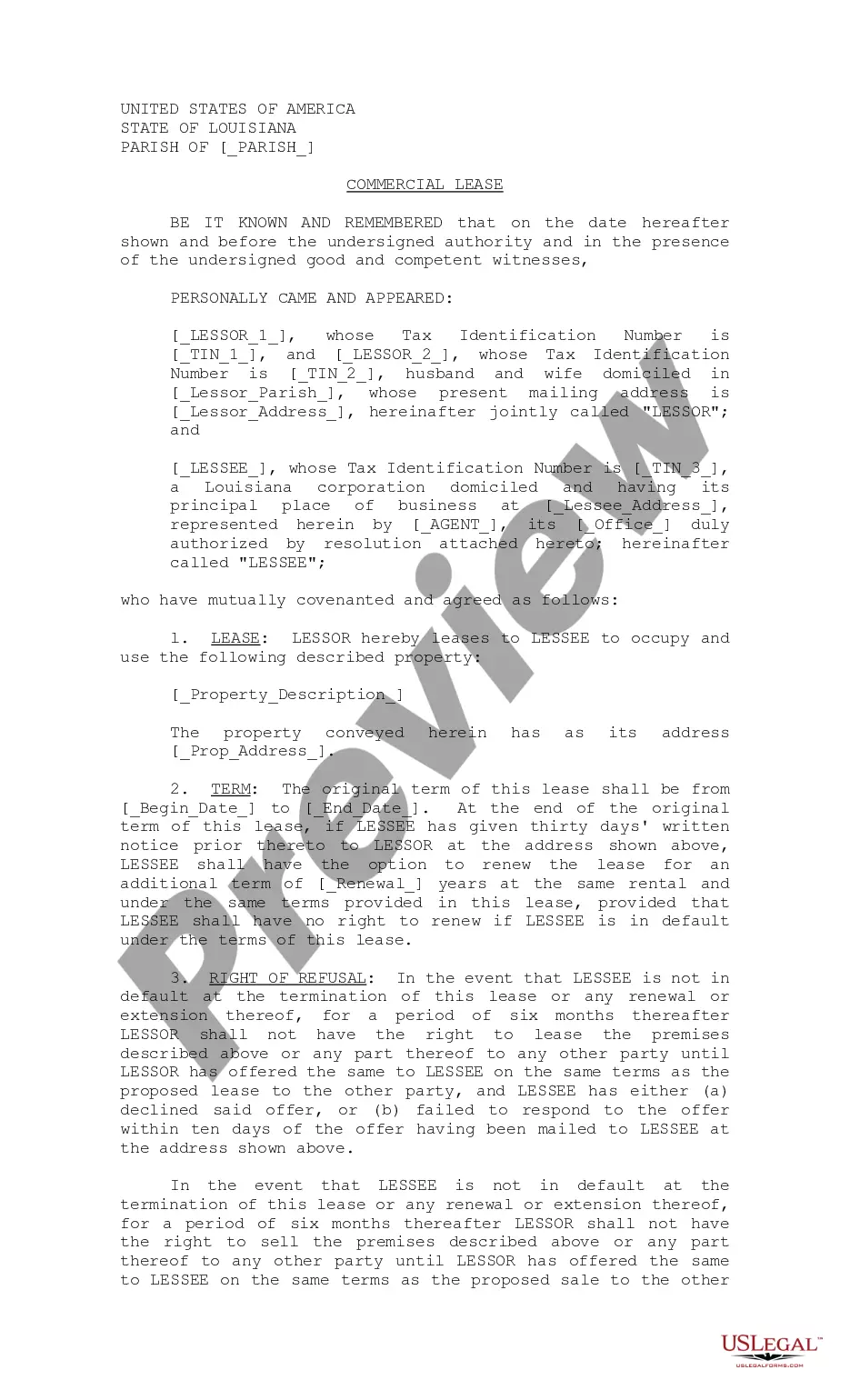
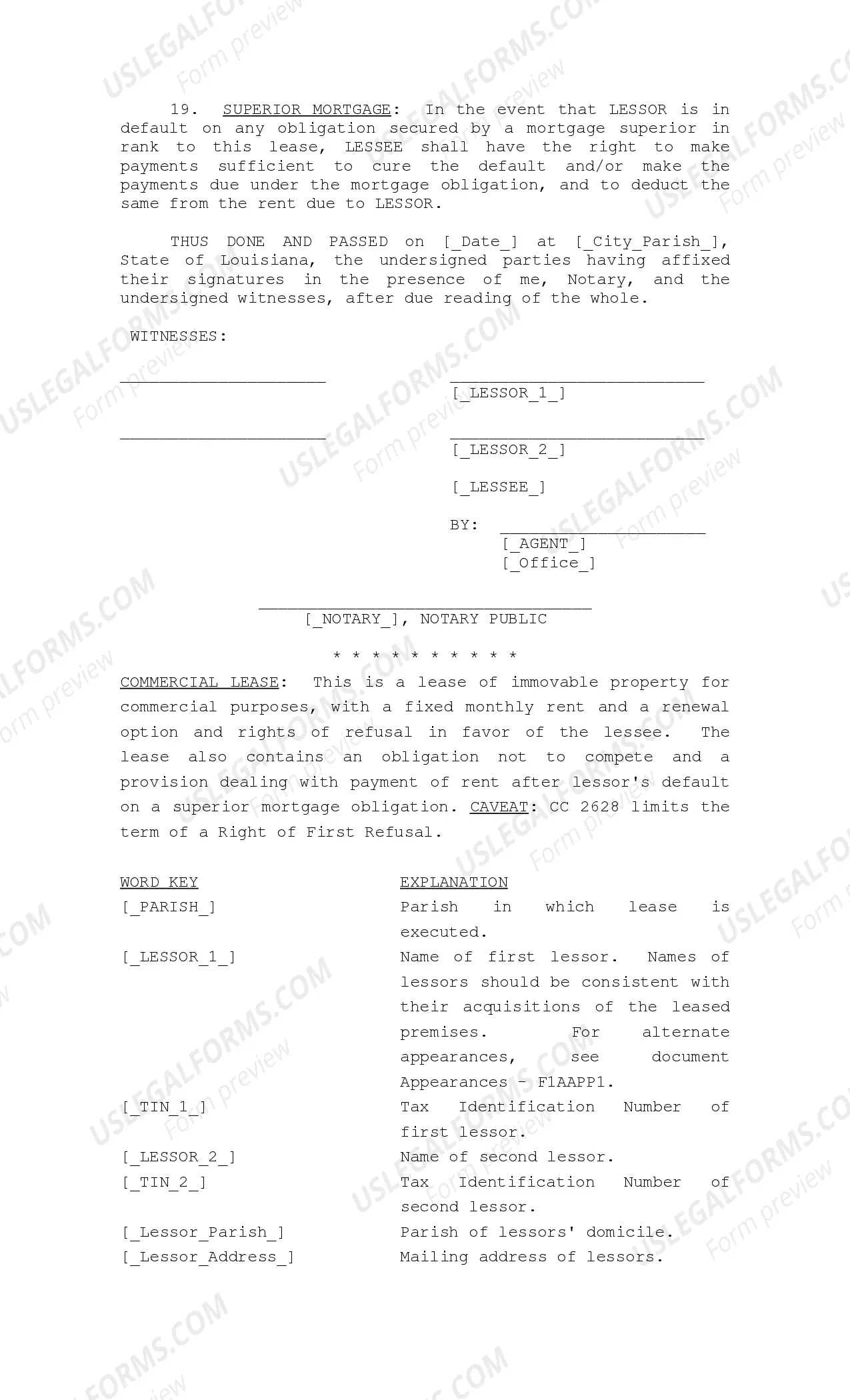
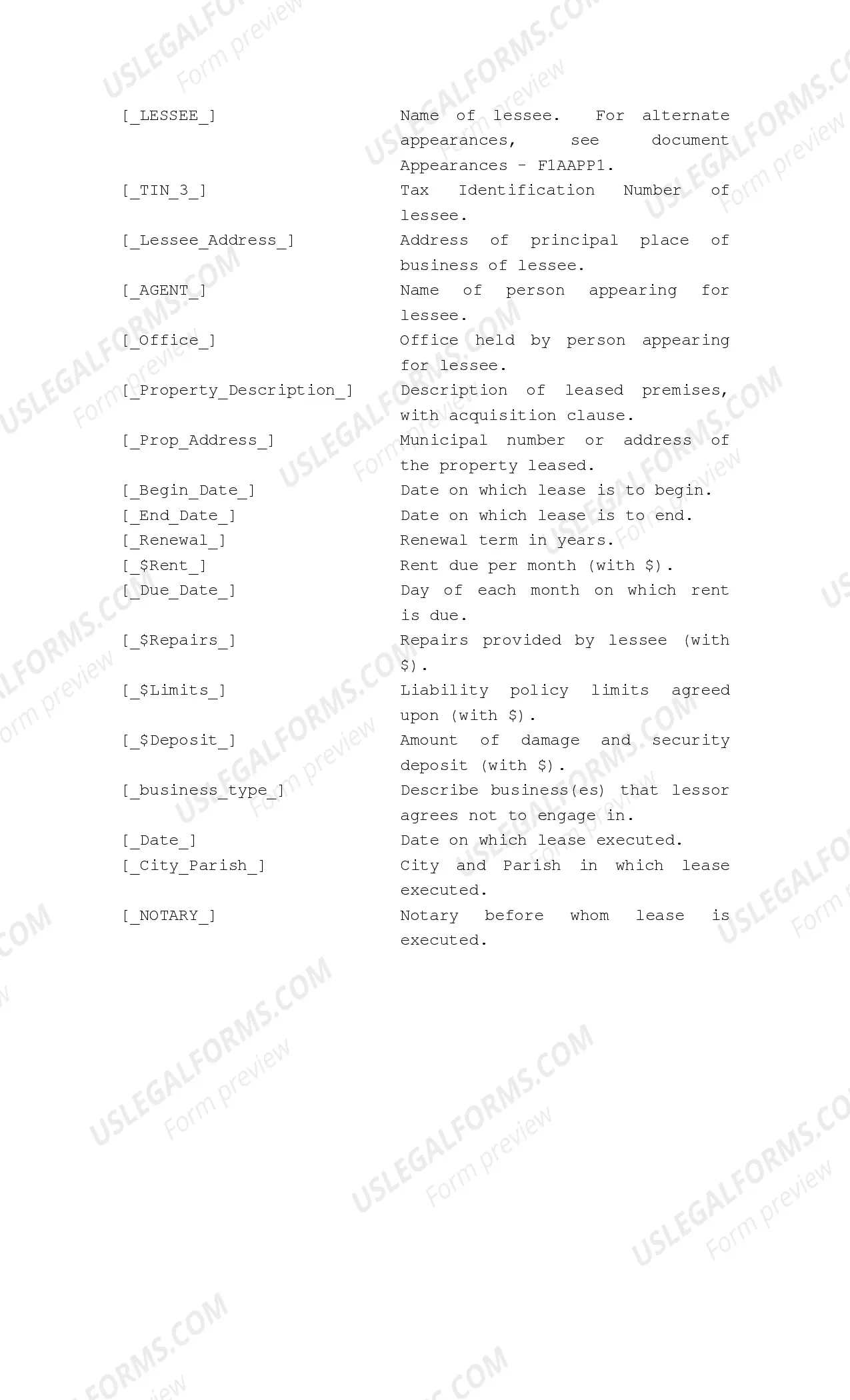
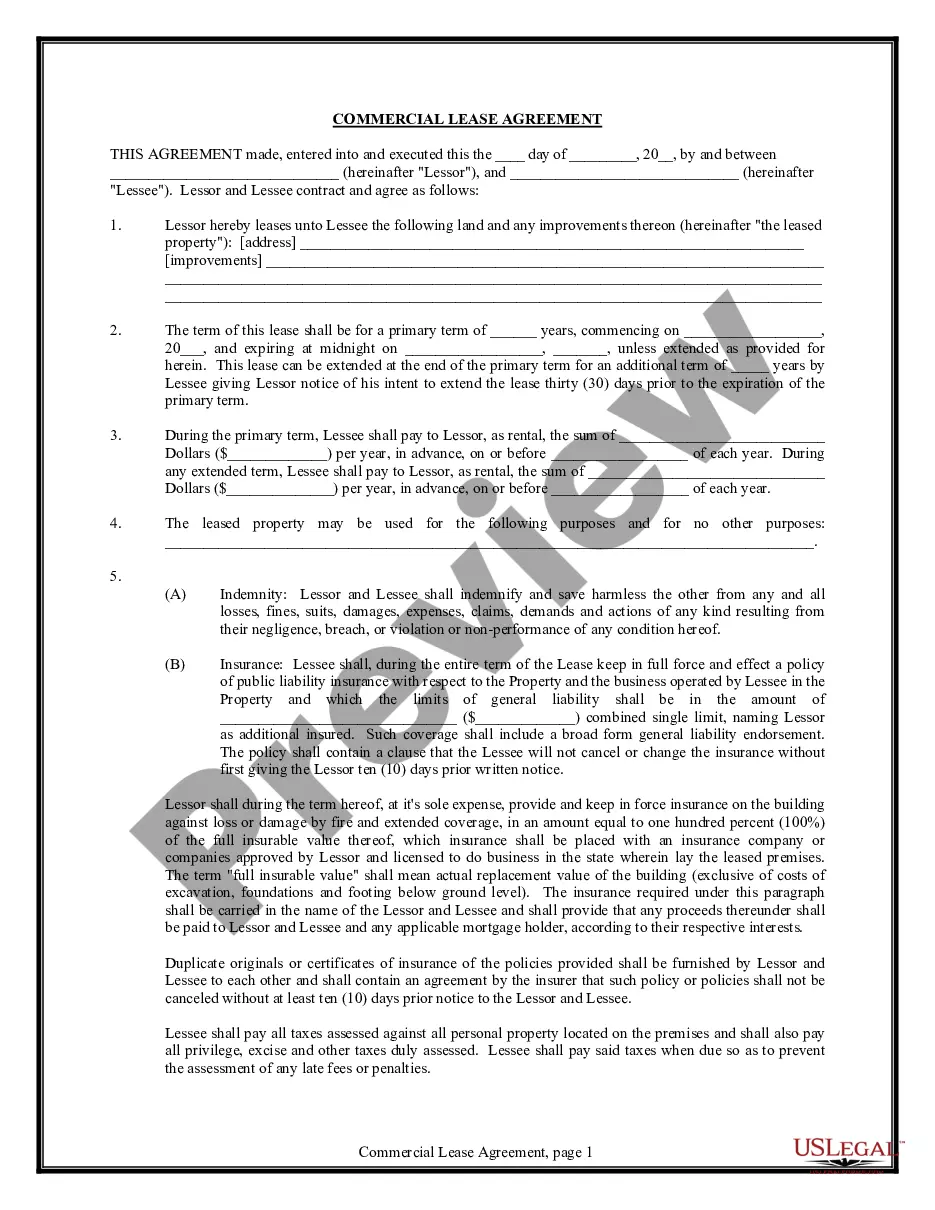
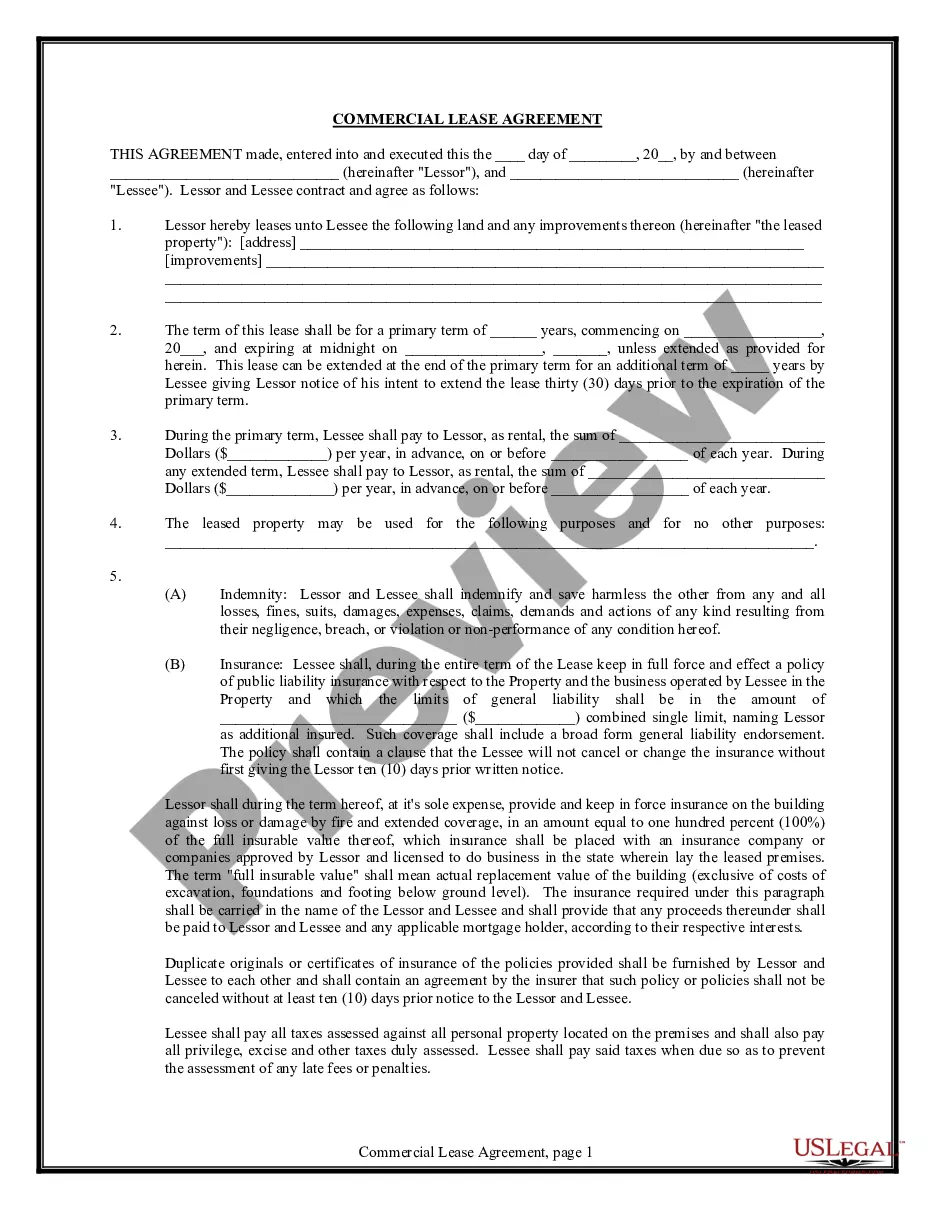
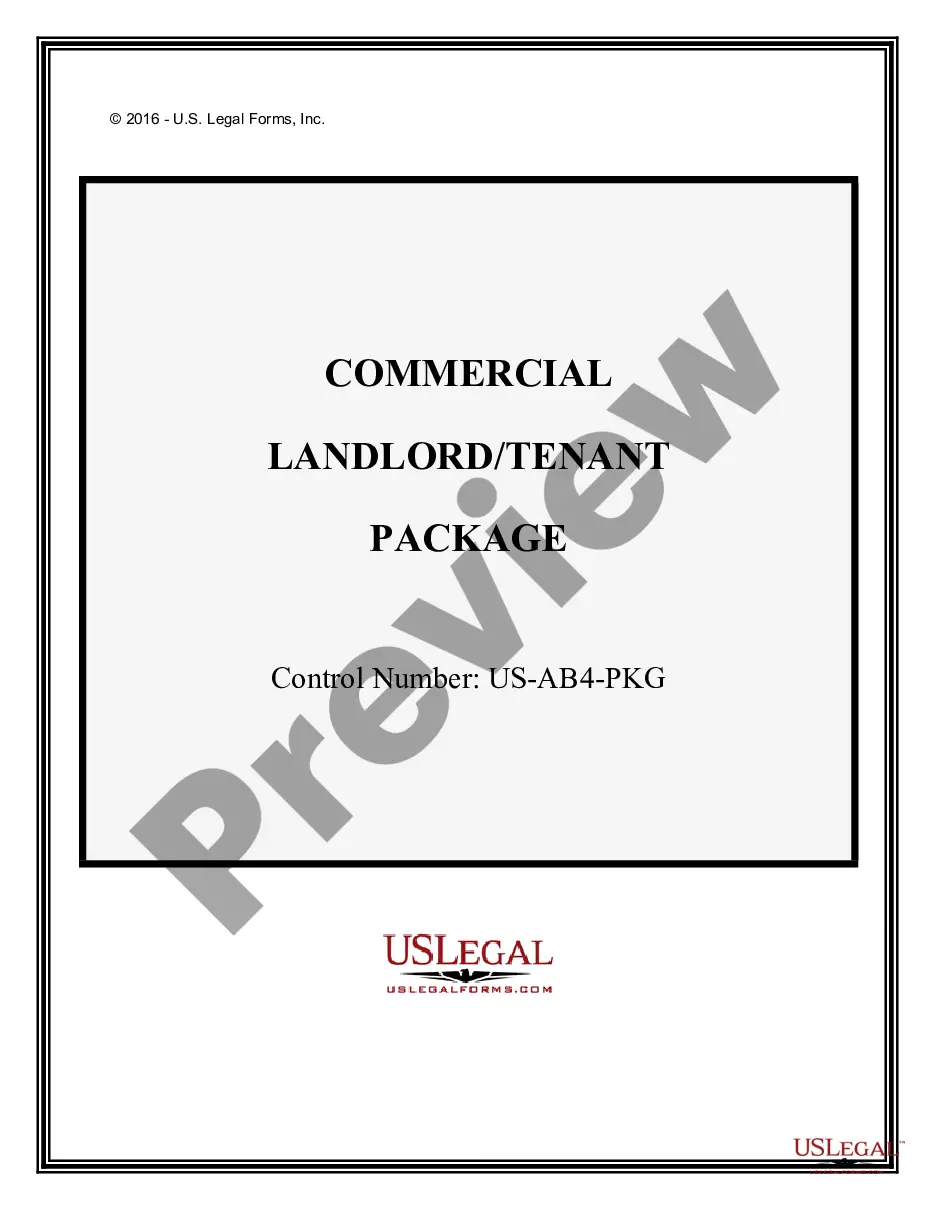
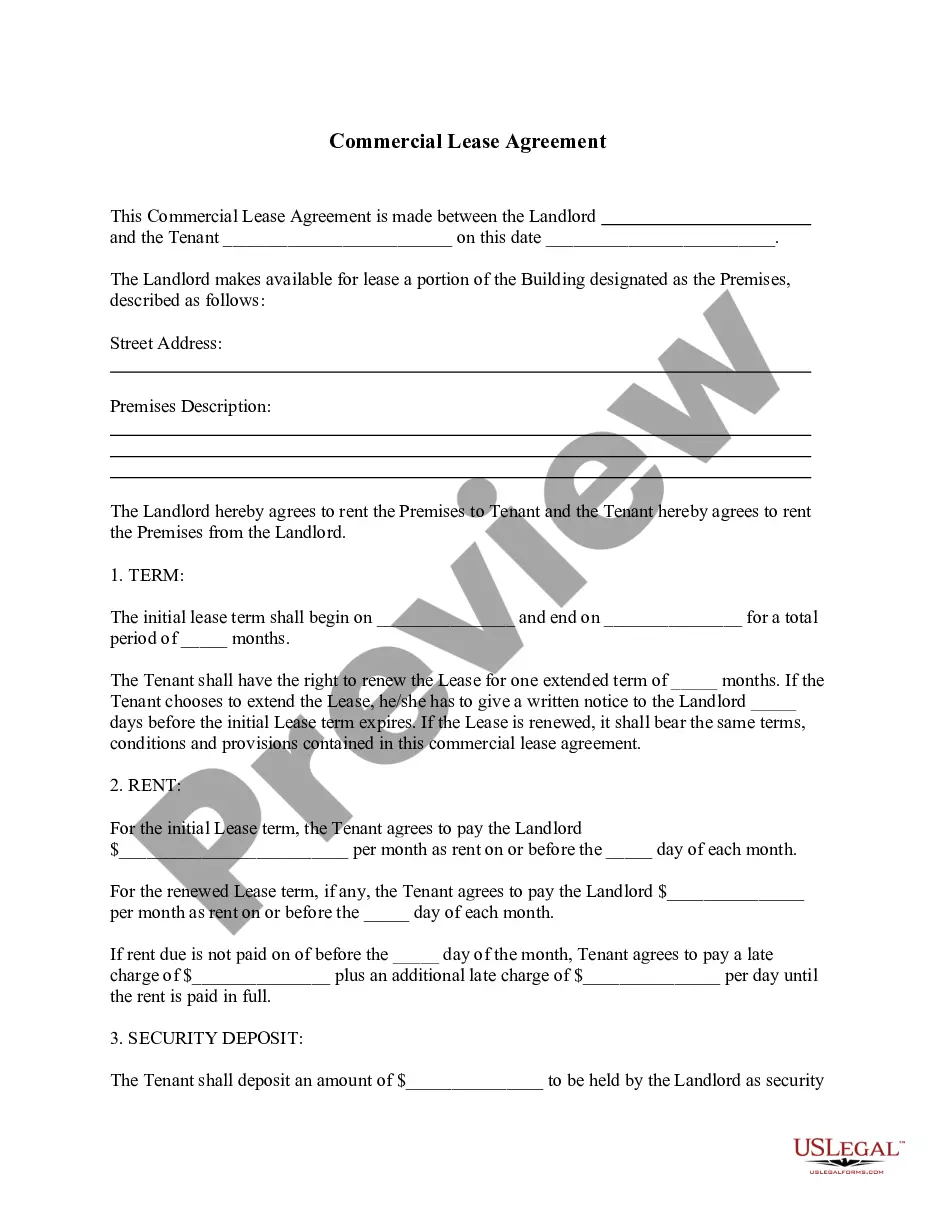
This Commercial Lease is a legal document that outlines the terms and conditions for renting commercial property. Unlike residential leases, this form addresses specific needs for business use, including rent obligations, lease terms, and rights of refusal for the lessee. It ensures both lessor and lessee understand their responsibilities and protections under the agreement.
Key components of this form
- Lease agreement details, specifying the property to be leased.
- Term of lease, including start and end dates, with renewal options.
- Right of refusal for lessee in case of property sale or lease to another party.
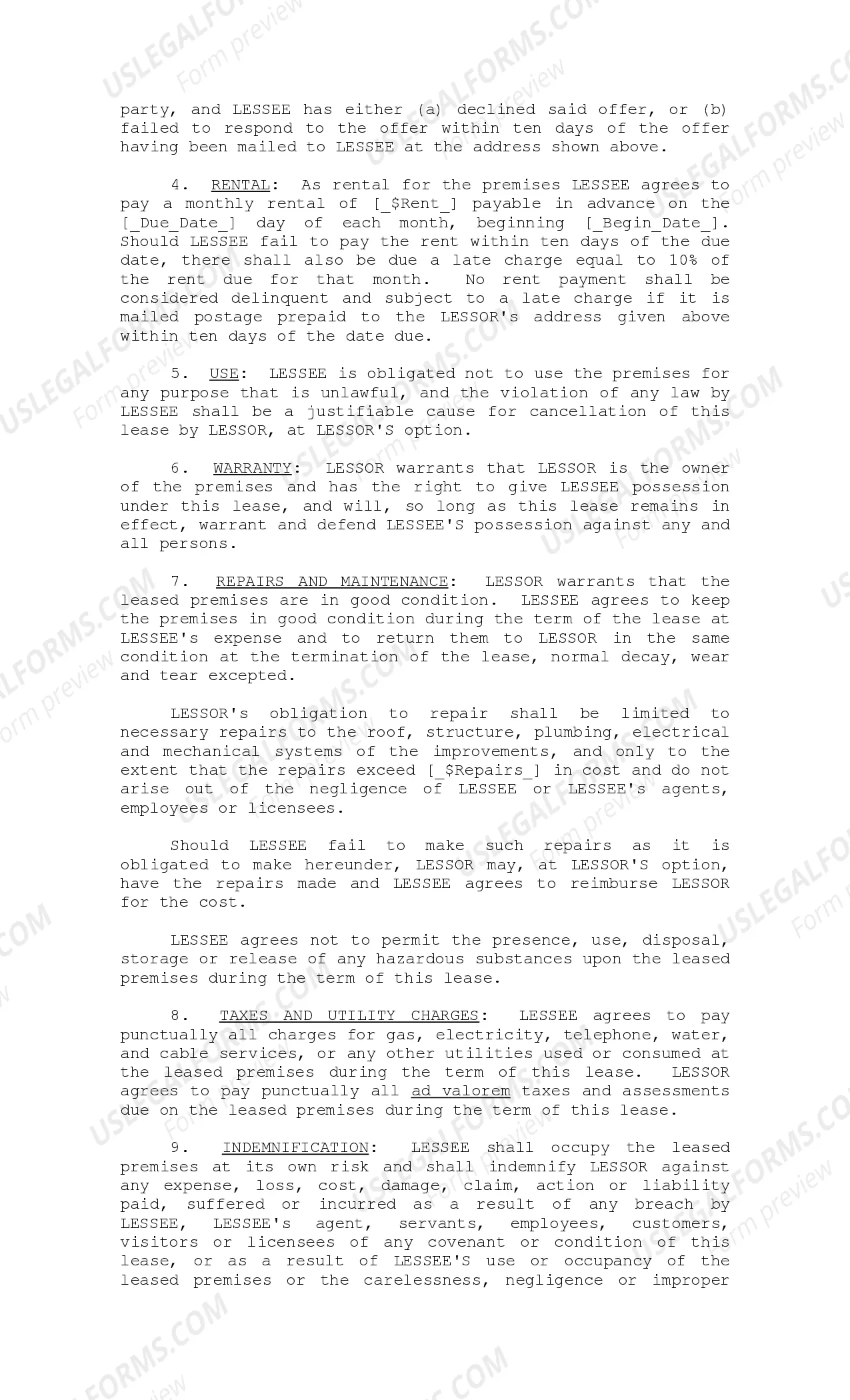
- Rental terms, including payment due date and late fees.
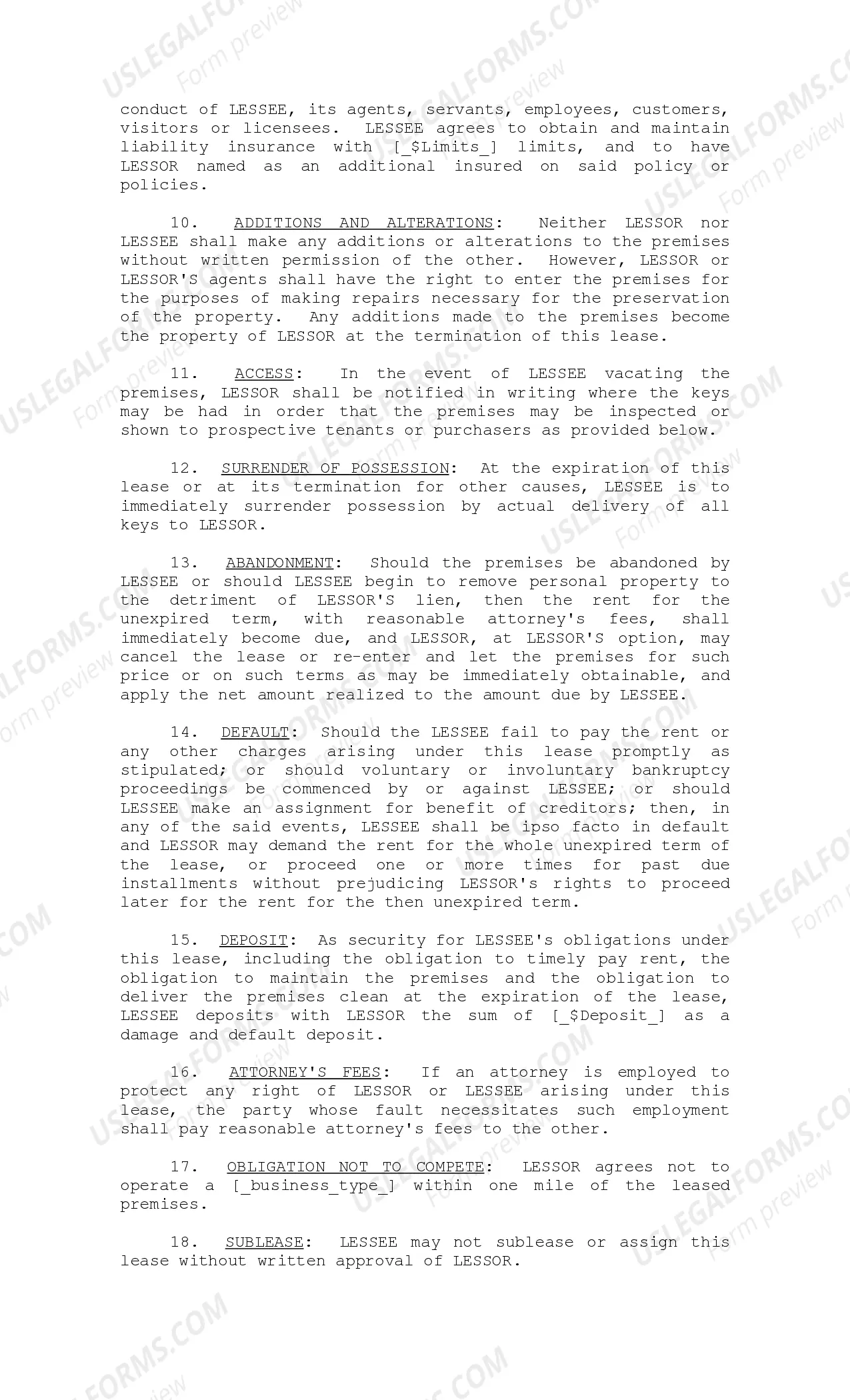
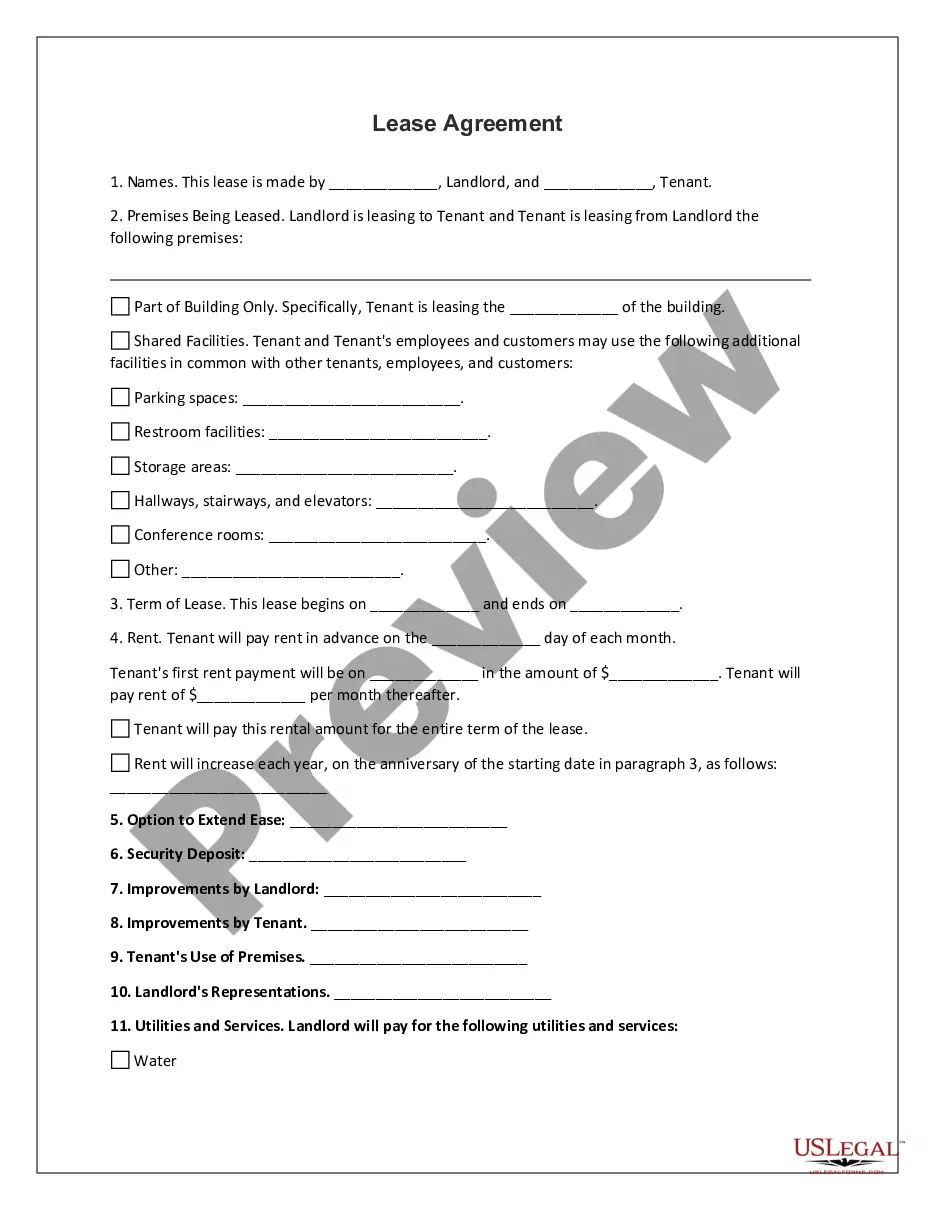
- Use restrictions and obligations regarding the property condition and repairs.
- Indemnification clauses to protect lessor from liabilities related to lessee's use of the property.
Common use cases
This form should be used when a business is renting commercial space and both parties need a clear agreement on rental terms, property use, and obligations. Situations may include starting a new business in a rented storefront, leasing office space for an existing firm, or negotiating specific rights regarding future property transactions.
Who this form is for
- Business owners looking to lease commercial property.
- Landlords and property owners wanting a comprehensive lease agreement.
- Real estate professionals involved in leasing commercial properties.
- Corporations or partnerships requiring formal documentation for commercial property use.
Steps to complete this form
- Identify and enter the names and tax identification numbers of the lessor(s) and lessee.
- Provide a detailed description of the property being leased.
- Specify the lease term, including the start and end dates and any renewal terms.
- Clearly indicate the rental amount and payment due date each month.
- Include any relevant clauses, such as the right of refusal and obligations not to compete.
Notarization requirements for this form
To make this form legally binding, it must be notarized. Our online notarization service, powered by Notarize, lets you verify and sign documents remotely through an encrypted video session.
Get your form ready online
Our built-in tools help you complete, sign, share, and store your documents in one place.
Make edits, fill in missing information, and update formatting in US Legal Forms—just like you would in MS Word.
Download a copy, print it, send it by email, or mail it via USPS—whatever works best for your next step.
Sign and collect signatures with our SignNow integration. Send to multiple recipients, set reminders, and more. Go Premium to unlock E-Sign.
If this form requires notarization, complete it online through a secure video call—no need to meet a notary in person or wait for an appointment.
We protect your documents and personal data by following strict security and privacy standards.

Make edits, fill in missing information, and update formatting in US Legal Forms—just like you would in MS Word.

Download a copy, print it, send it by email, or mail it via USPS—whatever works best for your next step.

Sign and collect signatures with our SignNow integration. Send to multiple recipients, set reminders, and more. Go Premium to unlock E-Sign.

If this form requires notarization, complete it online through a secure video call—no need to meet a notary in person or wait for an appointment.

We protect your documents and personal data by following strict security and privacy standards.
Common mistakes to avoid
- Failing to specify the exact property description, leading to ambiguity.
- Not understanding the implications of the right of first refusal.
- Overlooking the necessary details about maintenance responsibilities, which can lead to disputes.
Why use this form online
- Convenience of completing the form from any location, at any time.
- Editability to customize the agreement to specific business needs.
- Access to templates created by licensed attorneys, ensuring legal compliance.
Summary of main points
- A commercial lease is essential for defining the terms of rental agreements between landlords and businesses.
- Key components include rental payments, lease duration, and maintenance responsibilities.
- Notarization is required for the lease to be legally recognized in Louisiana.
- Using an online form can simplify the process of drafting and understanding commercial leases.
Looking for another form?

Form popularity
FAQ
A Triple Net Lease (NNN Lease) is the most common type of lease in commercial buildings. In a NNN lease, the rent does not include operating expenses. Operating expenses include utilities, maintenance, property taxes, insurance and property management.
Just like a residential rental or lease, your commercial landlord is going to insist on a security deposit. The security deposit can be used by the landlord for a number of reasons, but most commonly it will be used to cover any damage at the end of your lease if you do not renew your agreement.
A security deposit is a payment a tenant makes to the landlord before the lease begins. This payment does not go towards rent, but rather is held by the landlord as security against future unknowns that may occur during the lease term.
7. What is a Security Deposit? A security deposit is typically an amount equivalent to one or two month's rent, which is deposited by the tenant to secure, as far as money can, the tenant's performance of the tenant's obligations under the Lease.
Bank references. Current credit reports/scores from all three reporting bureaus. Previous/current landlord references (for an existing business moving to a new location) Personal and corporate financial statement(s) A copy of your business plan. Business bank statement(s) Prior tax returns.
A security deposit is typically an amount equivalent to one or two month's rent, which is deposited by the tenant to secure, as far as money can, the tenant's performance of the tenant's obligations under the Lease.
If the commercial tenant is a shell corporation and/or does not have any assets of value, the commercial tenant may choose to walk away from its commercial lease obligations.Often the landlord will require guarantees in order to prevent a commercial tenant from walking away from its lease obligations.
The process for retailers qualifying for a commercial lease can vary from landlord to landlord. Landlords consider several factors including tenant mix, personal credit history of the owner, company balance sheet, profit and loss statements, open credit lines, and growth projections.
Every commercial tenant doesn't necessarily need a sterling credit history to lease space from you. But it's good to know what you're getting into ahead of time. Assessing credit helps you know when to add appropriate protections into a tenant's lease agreement.