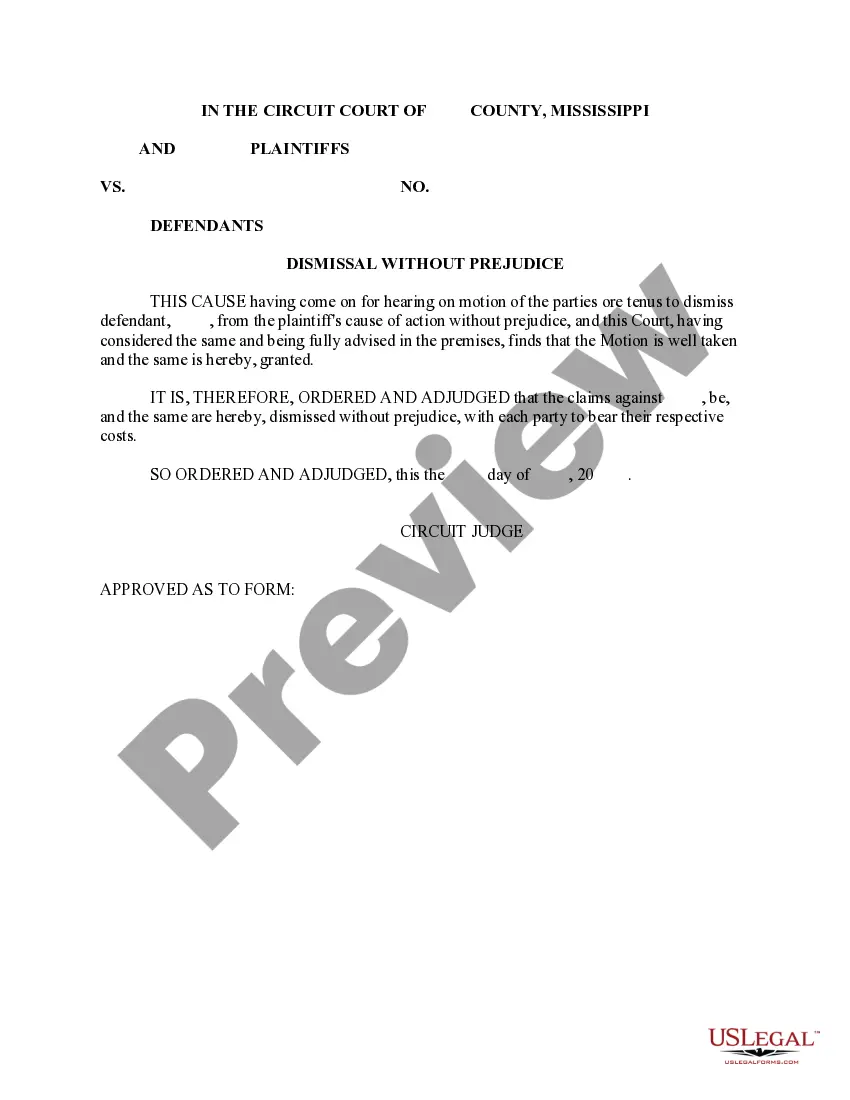
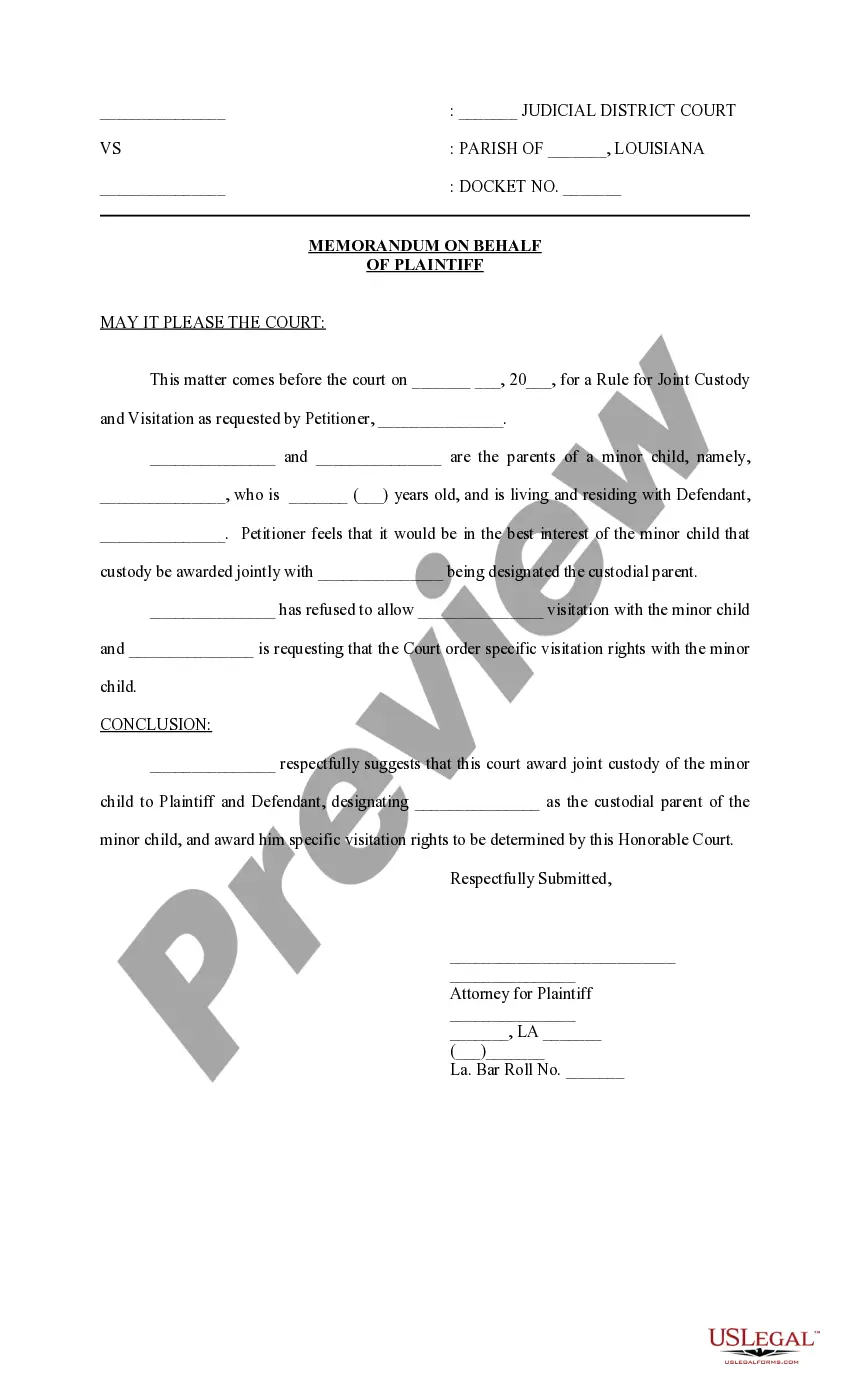
Louisiana Memorandum on Behalf of Plaintiff for Custody
What this document covers
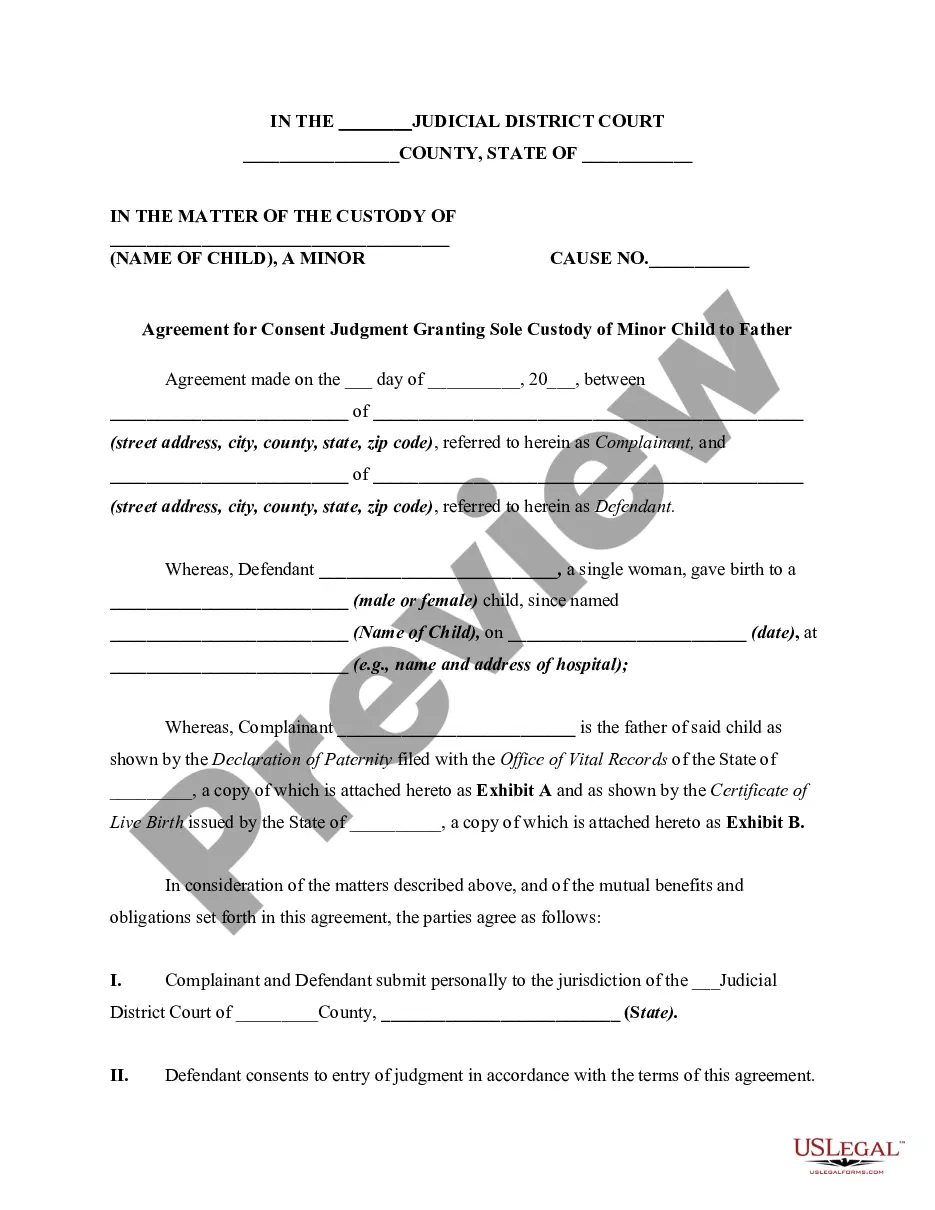
The Memorandum on Behalf of Plaintiff for Custody is a legal document used in custody cases. This form allows a plaintiff to request joint custody of a minor child while designating the defendant as the custodial parent. It also outlines the plaintiff's need for established visitation rights, especially when the current custodial parent has denied access. This form distinguishes itself by focusing on joint custody arrangements rather than sole custody requests.
What’s included in this form
- Identification of the parties involved, including the plaintiff and defendant.
- Details regarding the minor child, including age and current living situation.
- Request for joint custody with the designation of the custodial parent.
- Specific requests for visitation rights, outlining the need for court intervention.
- Conclusion requesting the court's approval of the custody arrangement.
Common use cases
This memorandum is necessary in situations where a plaintiff wants to modify existing custody arrangements, typically when the defendant has sole custody and is restricting visitation. It is used when the plaintiff believes that joint custody would serve the best interests of the child, particularly in cases of discord regarding visitation rights.
Intended users of this form
- Individuals seeking joint custody of their children.
- Parents who have been denied visitation rights and seek legal intervention.
- Those involved in a custody dispute with the other parent.
Steps to complete this form
- Identify and enter the names of the plaintiff and defendant.
- Provide the name and age of the minor child involved.
- Clearly state the request for joint custody and outline the desired visitation rights.
- Complete the conclusion section by summarizing the requests for the court.
- Sign and date the memorandum in the designated areas.
Is notarization required?
This form does not typically require notarization unless specified by local law. However, it is advisable to check with local court procedures to ensure compliance.
Get your form ready online
Our built-in tools help you complete, sign, share, and store your documents in one place.
Make edits, fill in missing information, and update formatting in US Legal Forms—just like you would in MS Word.
Download a copy, print it, send it by email, or mail it via USPS—whatever works best for your next step.
Sign and collect signatures with our SignNow integration. Send to multiple recipients, set reminders, and more. Go Premium to unlock E-Sign.
If this form requires notarization, complete it online through a secure video call—no need to meet a notary in person or wait for an appointment.
We protect your documents and personal data by following strict security and privacy standards.

Make edits, fill in missing information, and update formatting in US Legal Forms—just like you would in MS Word.

Download a copy, print it, send it by email, or mail it via USPS—whatever works best for your next step.

Sign and collect signatures with our SignNow integration. Send to multiple recipients, set reminders, and more. Go Premium to unlock E-Sign.

If this form requires notarization, complete it online through a secure video call—no need to meet a notary in person or wait for an appointment.

We protect your documents and personal data by following strict security and privacy standards.
Common mistakes to avoid
- Failing to accurately identify all parties involved.
- Not providing sufficient details about the child's current living situation.
- Omitting specific requests for visitation rights.
- Neglecting to sign the document or provide the required date.
Why use this form online
- Convenient access to a step-by-step guide for completion.
- Editability allows customization to fit specific legal circumstances.
- Reliability from templates drafted by licensed attorneys.
Legal use & context
- This memorandum serves as an official request to the court regarding custody and visitation matters.
- It is a necessary document in pursuing joint custody and ensuring visitation rights are legally acknowledged.
- Properly filing this form can lead to a court hearing where these custody concerns will be addressed.
Main things to remember
- The form is designed for parents seeking joint custody and visitation rights.
- Accurate completion is essential to effectively communicate your requests to the court.
- Be aware of state-specific laws that may impact your custody case.
- Consider the benefits of obtaining legal assistance if needed.
Looking for another form?
Form popularity
FAQ
One of the biggest mistakes individuals make in a custody battle is failing to keep the child's best interests as the top priority. It is essential to focus on providing a stable, loving environment for the child. Often, emotions can drive decisions that are not beneficial, leading to complications. A Louisiana Memorandum on Behalf of Plaintiff for Custody can help summarize your stance clearly and effectively, aiding in the court's understanding of your priorities.
Issues: In most states, parties can ask for temporary orders as to child support, parenting time schedules, decision making for the children, use and possession of property, including the marital residence or other properties, use and possession of cars, payment of expenses (including attorney fees) and debt, as well
The first step is to obtain a temporary custody order as soon as possible to make sure you can keep your child safe. You must prove to the judge, through affidavits, medical records, police reports, etc., that your child is in immediate danger of irreparable harm to be granted a temporary custody order.
Evidence of parenting ability: Courts look for evidence that the parent requesting custody is genuinely able to meet the child's physical and emotional needs, including food, shelter, clothing, medical care, education, emotional support, and parental guidance.
Typically, a temporary orders hearing will be handled in one of two ways, either by calling witnesses (including the parties) to the stand and asking them questions aimed at eliciting direct testimony from them (referred to as an evidentiary hearing) or by your attorney offering summaries of what witnesses would say,
Factors that can lead a court to deem a parent unfit include: Instances of abuse or neglect; Willing failure to provide the child with basic necessities or needs; Abandonment of the child or children; or.
Write a detailed history about your marital relationship, which should include dates and facts that support your case. Do not forget to pick the pictures, videos and other visual aids that you will present before the court as evidence.
Has one parent been the primary caretaker, or have the parents shared the responsibility? What is the mental and physical health status of the parents? Will the child be in a stable home environment?
What Custody May Look Like. A judge might award one parent sole temporary custody. This means that parent is solely responsible for making any and all decisions on behalf of the child. The other parent may or may not have access to your child. It's also possible that joint temporary custody is rewarded.