Louisiana Inventory and Appraisal of Property
What this document covers
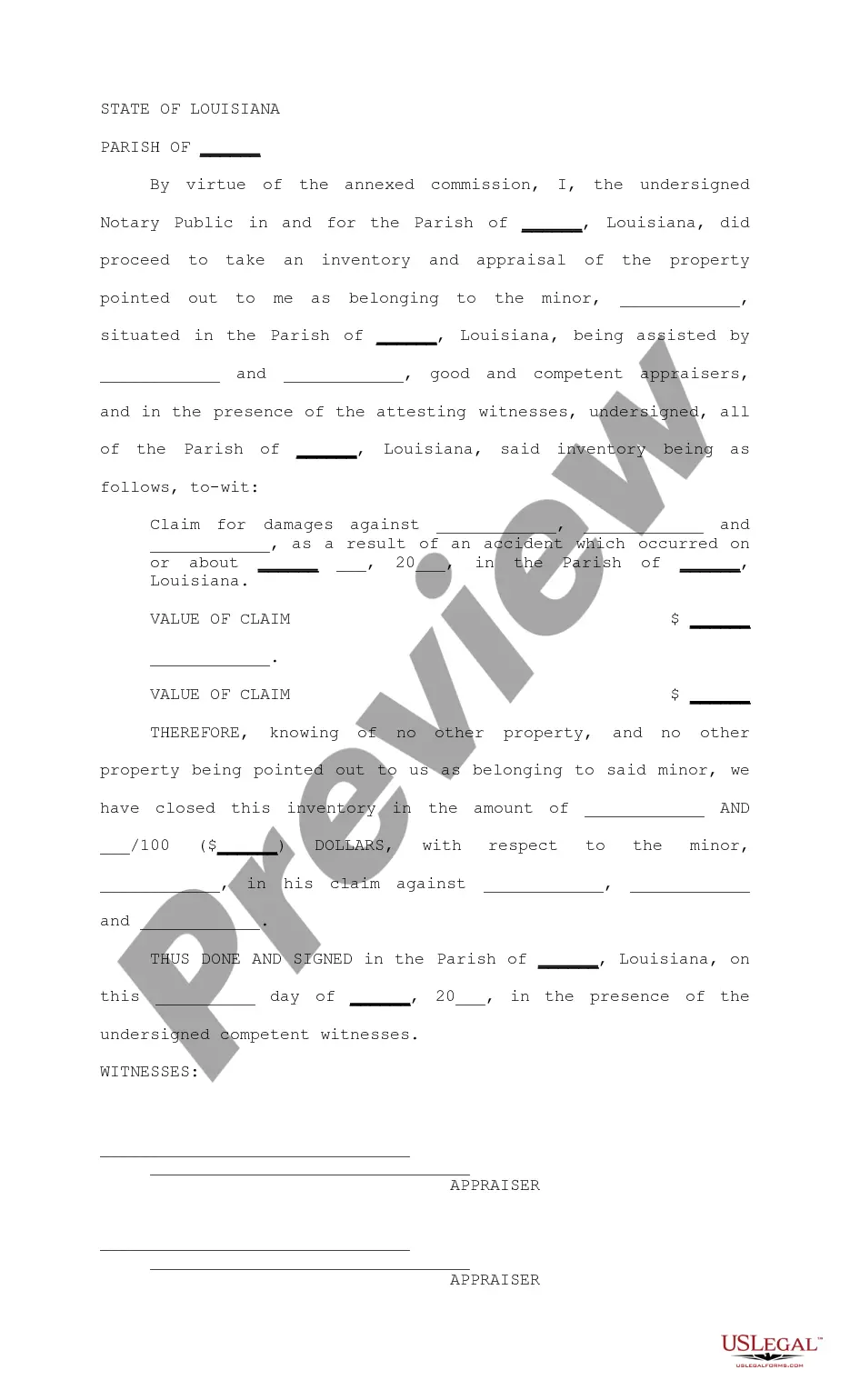
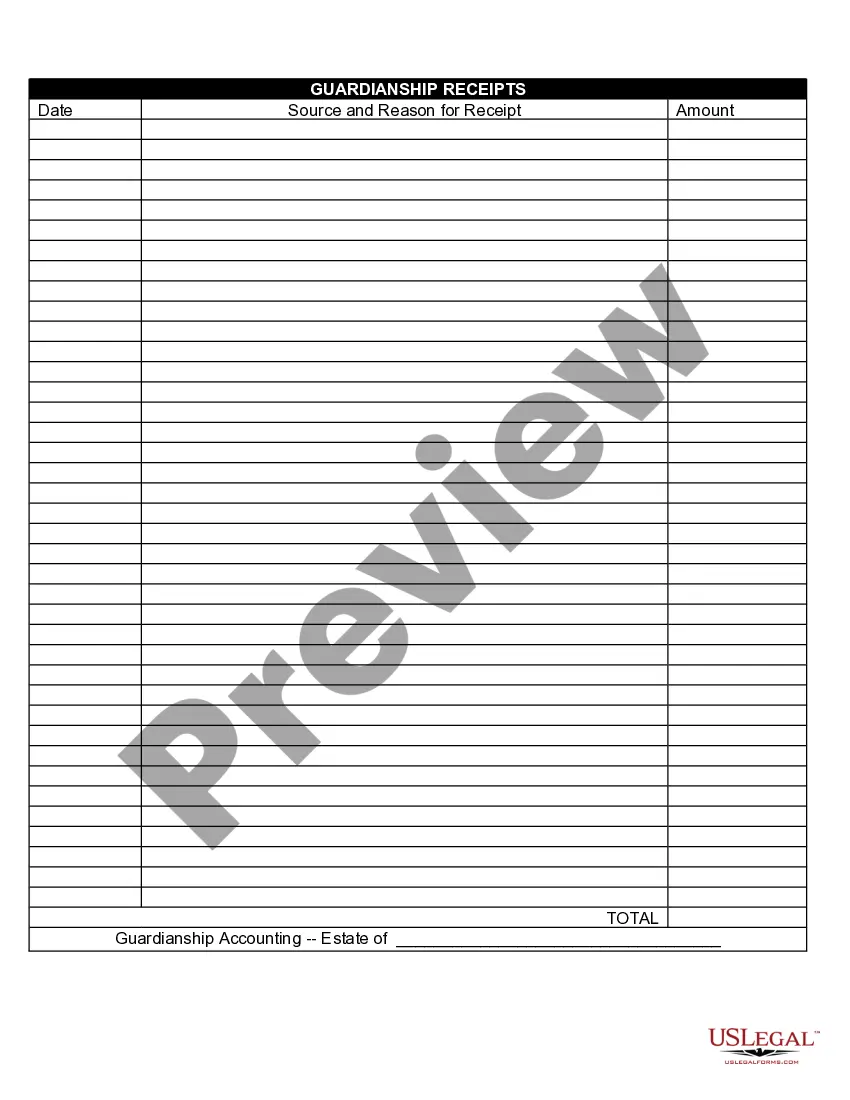
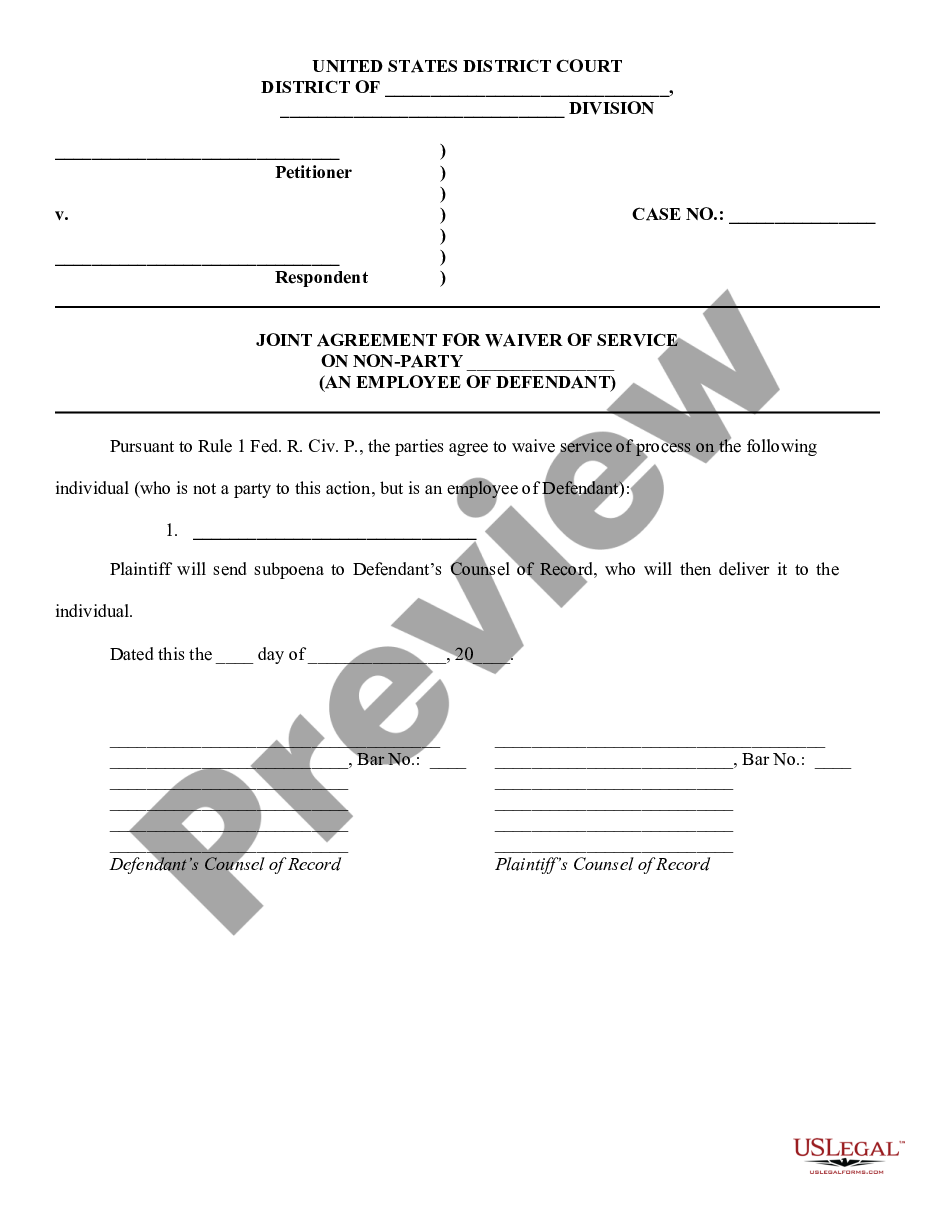
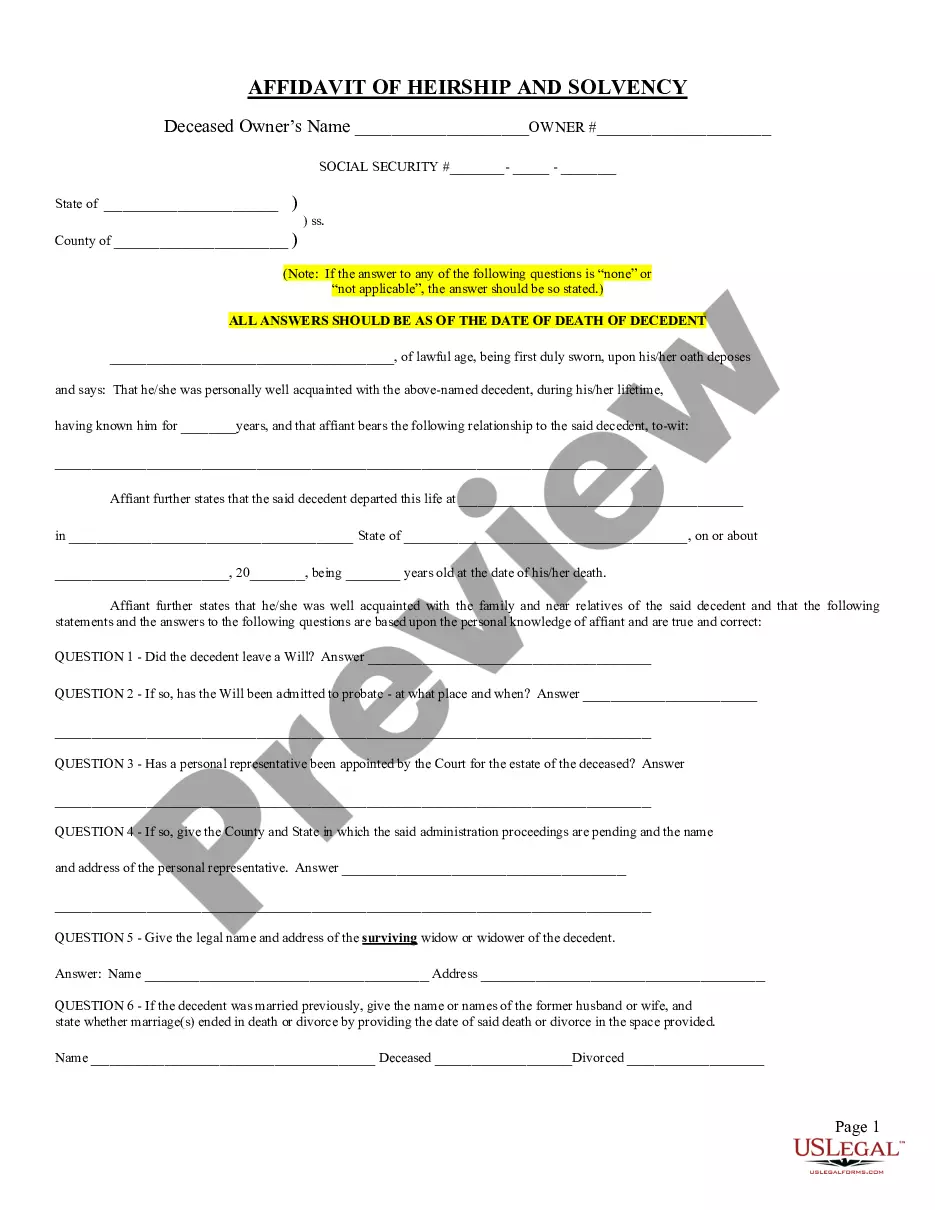
The Inventory and Appraisal of Property is a legal document used to compile a list and assess the value of property belonging to a minor. This form is specific to claims for damages related to accidents and requires the involvement of two appraisers. It is crucial for documenting the minor's asset in a formal and legally recognized manner.
Key components of this form
- Identification of the minor and the property in question.
- Details of claims for damages, including the parties involved and the nature of the accident.
- Assessment and valuation of the claims by two competent appraisers.
- Signature requirements for the appraisers, witnesses, and Notary Public.
- Date and location where the inventory and appraisal is executed.
When to use this document
This form is used when a minor has a claim for damages resulting from an accident, and there is a need to formally assess the value of such claims. It can be utilized during legal proceedings or when settling a claim to ensure the minor's interests are adequately represented and protected.
Who should use this form
- Guardians or parents of a minor involved in an accident.
- Legal representatives handling claims on behalf of a minor.
- Individuals responsible for managing the minor's financial interests.
- Appraisers tasked with valuing the claims for the minor.
Steps to complete this form
- Identify the minor and list their property, including accident-related claims.
- Specify the details of the appraisers conducting the inventory and appraisal.
- Enter the value of each claim as determined by the appraisers.
- Ensure the document is signed by the appraisers, witnesses, and Notary Public.
- Record the date and location of completion accurately.
Does this form need to be notarized?
This form needs to be notarized to ensure legal validity. US Legal Forms provides secure online notarization powered by Notarize, allowing you to complete the process through a verified video call, available anytime.
Get your form ready online
Our built-in tools help you complete, sign, share, and store your documents in one place.
Make edits, fill in missing information, and update formatting in US Legal Forms—just like you would in MS Word.
Download a copy, print it, send it by email, or mail it via USPS—whatever works best for your next step.
Sign and collect signatures with our SignNow integration. Send to multiple recipients, set reminders, and more. Go Premium to unlock E-Sign.
If this form requires notarization, complete it online through a secure video call—no need to meet a notary in person or wait for an appointment.
We protect your documents and personal data by following strict security and privacy standards.

Make edits, fill in missing information, and update formatting in US Legal Forms—just like you would in MS Word.

Download a copy, print it, send it by email, or mail it via USPS—whatever works best for your next step.

Sign and collect signatures with our SignNow integration. Send to multiple recipients, set reminders, and more. Go Premium to unlock E-Sign.

If this form requires notarization, complete it online through a secure video call—no need to meet a notary in person or wait for an appointment.

We protect your documents and personal data by following strict security and privacy standards.
Common mistakes to avoid
- Failing to have the document notarized when required.
- Leaving out necessary signatures from appraisers or witnesses.
- Incorrectly reporting the values of claims, leading to discrepancies.
Why use this form online
- Convenient access to legal templates anytime, anywhere.
- Edit and customize the form to fit specific needs easily.
- Reliable templates drafted by licensed attorneys to ensure legal compliance.
Looking for another form?
Form popularity
FAQ
To obtain a judgment of possession in Louisiana, you must file a petition with the appropriate court, demonstrating your right to the property as an heir or legatee. This process also involves submitting a Louisiana Inventory and Appraisal of Property to define the assets and verify ownership. Once approved, you will receive the judgment that formally grants possession of the property.
It includes land and buildings, for example. Personal property typically includes furniture, fixtures, tools, vehicles, and machinery and equipment. All of these items can be moved.
An assessed value is the dollar value assigned to a property to measure applicable taxes. Assessed valuation determines the value of a residence for tax purposes and takes comparable home sales and inspections into consideration.
Every business has furniture, fixtures, equipment, inventory or other components owned by the company that lend themselves to the production of income. This is considered business personal property, and it is taxable in many jurisdictions.
Fixed assets are owned by the business and used to generate revenue, while inventory is a current asset because it is reasonable to expect it can be converted into cash within one business year. From an accounting perspective, fixed assets and inventory stock both represent property that a company owns.
Personal property is a class of property that can include any asset other than real estate. The distinguishing factor between personal property and real estate, or real property, is that personal property is movable; that is, it isn't fixed permanently to one particular location.
The two types you'll most likely encounter are market value and assessed value. Market value is the estimated amount active buyers would currently be willing to pay for your home.Assessed value, on the other hand, takes the market value and puts it in the context of your property taxes.
The Louisiana constitution provides that property shall be valued on the basis of either fair market price or use value.The following types of property are assessed at a percentage of fair market value: residential 10%, commercial 15%, and public service 25%.
Tangible personal property taxes are levied on property that can be moved or touched, such as business equipment, machinery, inventory, and furniture.