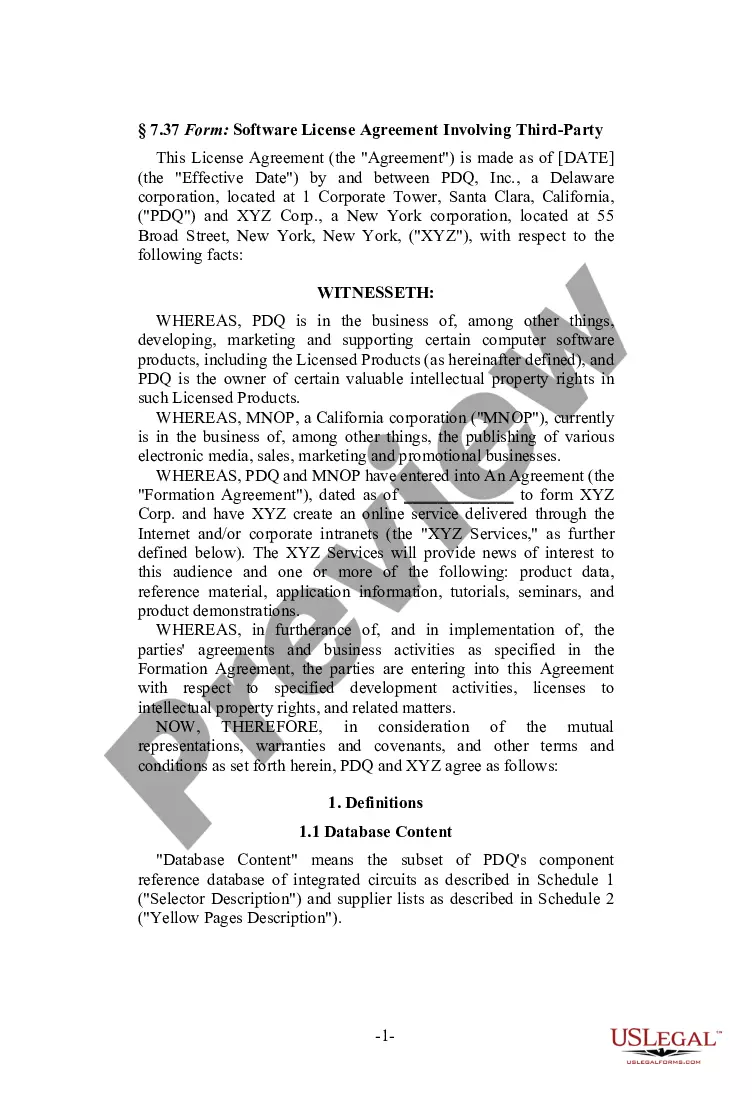
This due diligence form entails policies and procedures for the identification, retention, storage, protection and disposal of company records. This Records Retention Policy is intended to ensure that the company's records management policies adhere to customer, legal and business requirements and are conducted in a cost-efficient manner.
Kentucky Records Retention Policy
Category:
State:
Multi-State
Control #:
US-DD0717
Format:
Word;
PDF;
Rich Text
Instant download
Description
Free preview












How to fill out Records Retention Policy?
US Legal Forms - one of the foremost libraries of legal documents in the United States - offers a variety of legal template files that you can download or print.
By utilizing the website, you can access thousands of forms for business and personal purposes, organized by categories, claims, or keywords. You will find the latest versions of forms similar to the Kentucky Records Retention Policy in moments.
If you already hold a subscription, Log In and download the Kentucky Records Retention Policy from your US Legal Forms library. The Obtain button will appear on every type of form you encounter. You have access to all previously acquired forms in the My documents section of your account.
Process the purchase. Utilize your Visa or Mastercard or PayPal account to complete the transaction.
Select the format and download the form to your device. Edit. Fill out, modify, print, and sign the downloaded Kentucky Records Retention Policy. Every template you added to your account has no expiration date and is yours indefinitely. Therefore, if you wish to download or print another copy, simply visit the My documents section and click on the form you desire. Access the Kentucky Records Retention Policy with US Legal Forms, one of the largest collections of legal document templates. Utilize thousands of professional and state-specific templates that fulfill your business or personal requirements.
- If you want to use US Legal Forms for the first time, here are straightforward steps to get you started.
- Ensure you have selected the correct form for your city/region.
- Click the Preview button to review the form's content.
- Review the form description to confirm you have chosen the appropriate document.
- If the form does not meet your requirements, use the Search box at the top of the screen to find one that does.
- If you are satisfied with the form, confirm your selection by clicking the Purchase now button.
- Next, choose your preferred pricing plan and provide your credentials to register for an account.
Form popularity
FAQ
Developing a records retention schedule requires several methodical steps. First, you must analyze your records to determine their value and compliance requirements under the Kentucky Records Retention Policy. Then, categorize records based on their type and the corresponding retention periods, ensuring you document everything clearly for consistency and clarity.
Under the Kentucky Records Retention Policy, records relating to major business transactions, legal files, and certain employee documents may need to be kept for ten years. This long-term retention protects against potential future disputes and ensures compliance with various regulations. It is vital to consult specific guidelines to know which records to retain for this duration.
The 7-year retention rule refers to the common practice of retaining certain financial records for seven years under the Kentucky Records Retention Policy. This timeframe is crucial as it allows organizations to comply with tax regulations, audit requirements, and potential legal issues. Be sure to identify which records fall under this rule to ensure compliance.
The first step in developing a record retention program is to conduct a comprehensive records inventory. This involves examining all types of records your organization holds under the Kentucky Records Retention Policy. By understanding what records you have, you can create an effective retention plan tailored to your organization’s needs.
The record retention process involves several key steps that align with the Kentucky Records Retention Policy. First, organizations must identify and classify records based on their legal requirements. Next, implement a systematic approach for storing, accessing, and disposing of these records once they reach the end of their retention period.
The first step in establishing a Kentucky Records Retention Policy is to assess your organization’s specific needs. You should identify the types of records you possess and their legal and regulatory obligations. This foundational understanding will guide you in categorizing records and determining appropriate retention periods.
According to the Kentucky Records Retention Policy, medical records must typically be kept for at least five years after the last patient encounter. However, some documents may need to be retained for a longer duration, depending on specific regulations or the nature of the records. It’s crucial to stay compliant with state laws and guidelines regarding records retention. For efficient management of your records, consider using USLegalForms, which provides resources to help you navigate these policies effectively.
To create a retention policy, begin by reviewing applicable laws and regulations, such as the Kentucky Records Retention Policy, to understand required retention periods. Next, identify all types of records your organization keeps, determine storage methods, and assign retention durations. Finally, gather input from relevant departments to draft a clear, actionable policy that suits all users' needs.
A record retention policy typically includes categories of records, the duration for which each record must be retained, and instructions on how to dispose of records securely. Additionally, the policy may outline responsibilities for maintaining the records, ensuring compliance with the Kentucky Records Retention Policy. This comprehensive approach enables organizations to manage their records effectively while mitigating legal risks.
Writing a retention policy involves assessing the types of records your organization maintains and determining how long each type should be kept based on legal and business needs. Start by referencing the Kentucky Records Retention Policy to ensure compliance, then draft clear guidelines and procedures for retention and disposal. Engaging stakeholders throughout the process can help create a policy that meets everyone's needs.