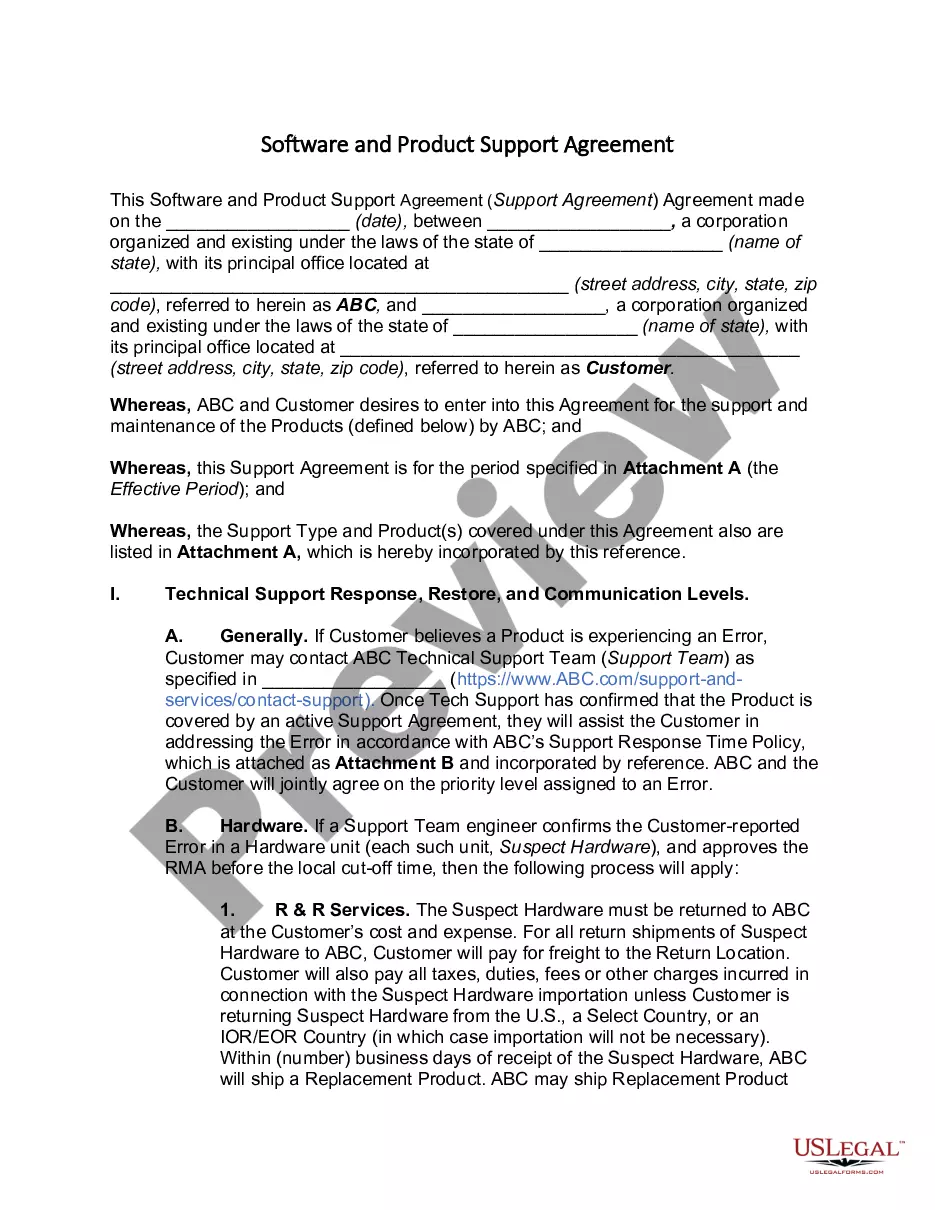
Kentucky Service Contract for Development and Design
Description

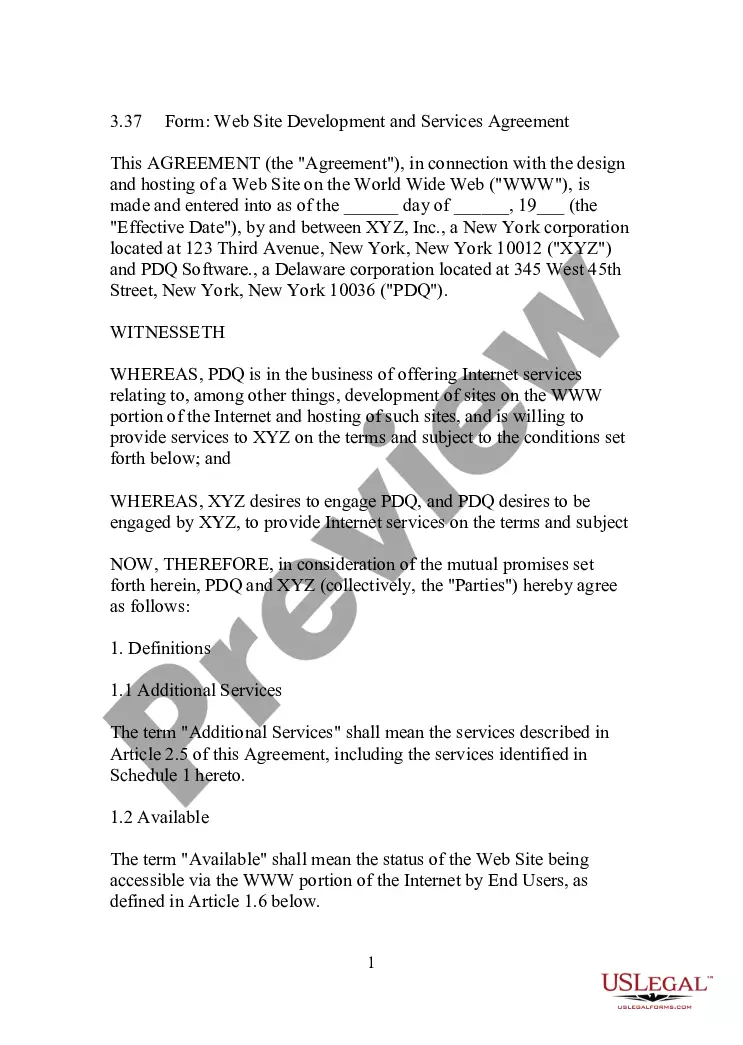
Get your form ready online
Our built-in tools help you complete, sign, share, and store your documents in one place.
Make edits, fill in missing information, and update formatting in US Legal Forms—just like you would in MS Word.
Download a copy, print it, send it by email, or mail it via USPS—whatever works best for your next step.
Sign and collect signatures with our SignNow integration. Send to multiple recipients, set reminders, and more. Go Premium to unlock E-Sign.
If this form requires notarization, complete it online through a secure video call—no need to meet a notary in person or wait for an appointment.
We protect your documents and personal data by following strict security and privacy standards.

Make edits, fill in missing information, and update formatting in US Legal Forms—just like you would in MS Word.

Download a copy, print it, send it by email, or mail it via USPS—whatever works best for your next step.

Sign and collect signatures with our SignNow integration. Send to multiple recipients, set reminders, and more. Go Premium to unlock E-Sign.

If this form requires notarization, complete it online through a secure video call—no need to meet a notary in person or wait for an appointment.

We protect your documents and personal data by following strict security and privacy standards.
Looking for another form?
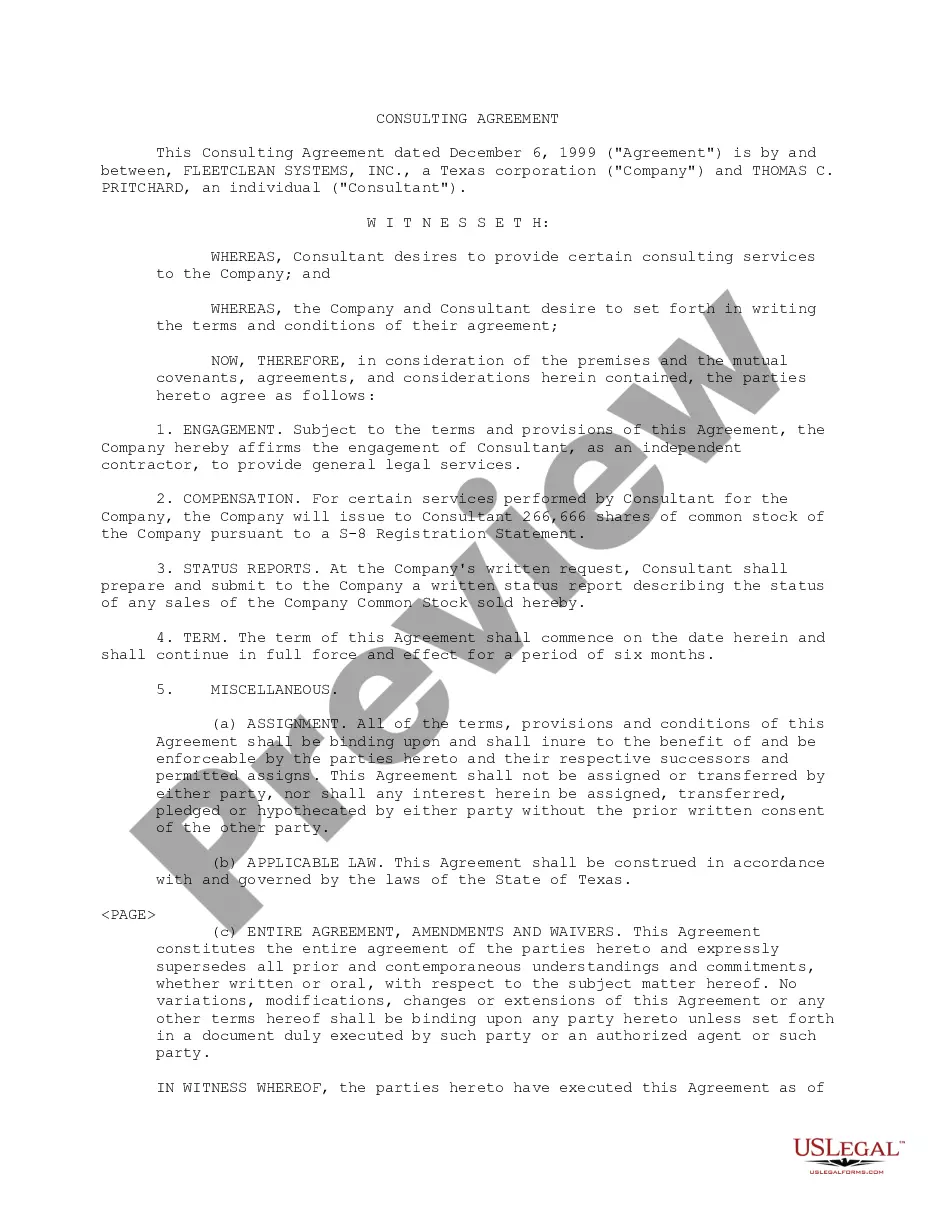

How to fill out Service Contract For Development And Design?
Selecting the appropriate legal document template can be quite challenging.
Clearly, a multitude of templates exists online, but how can you locate the legal form you require.
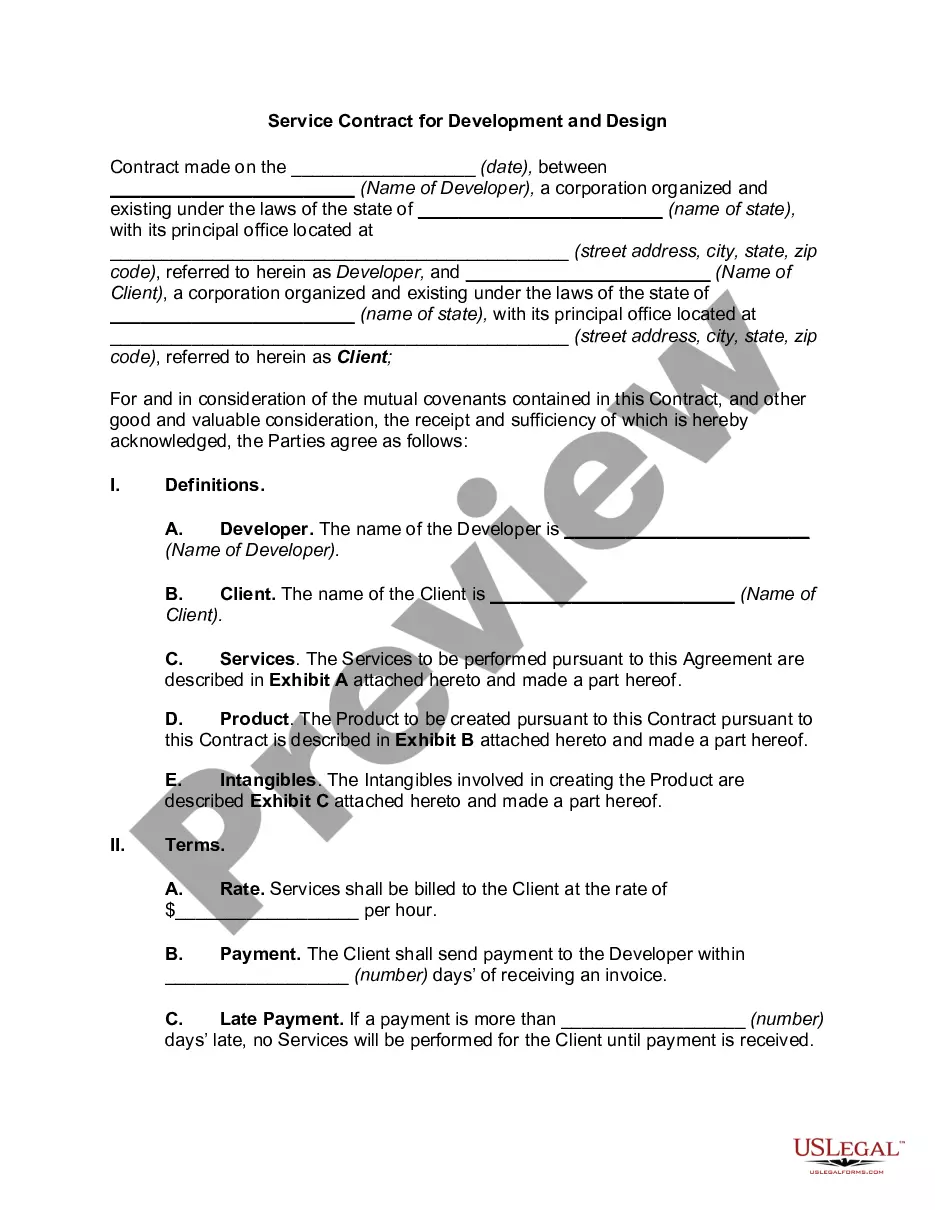
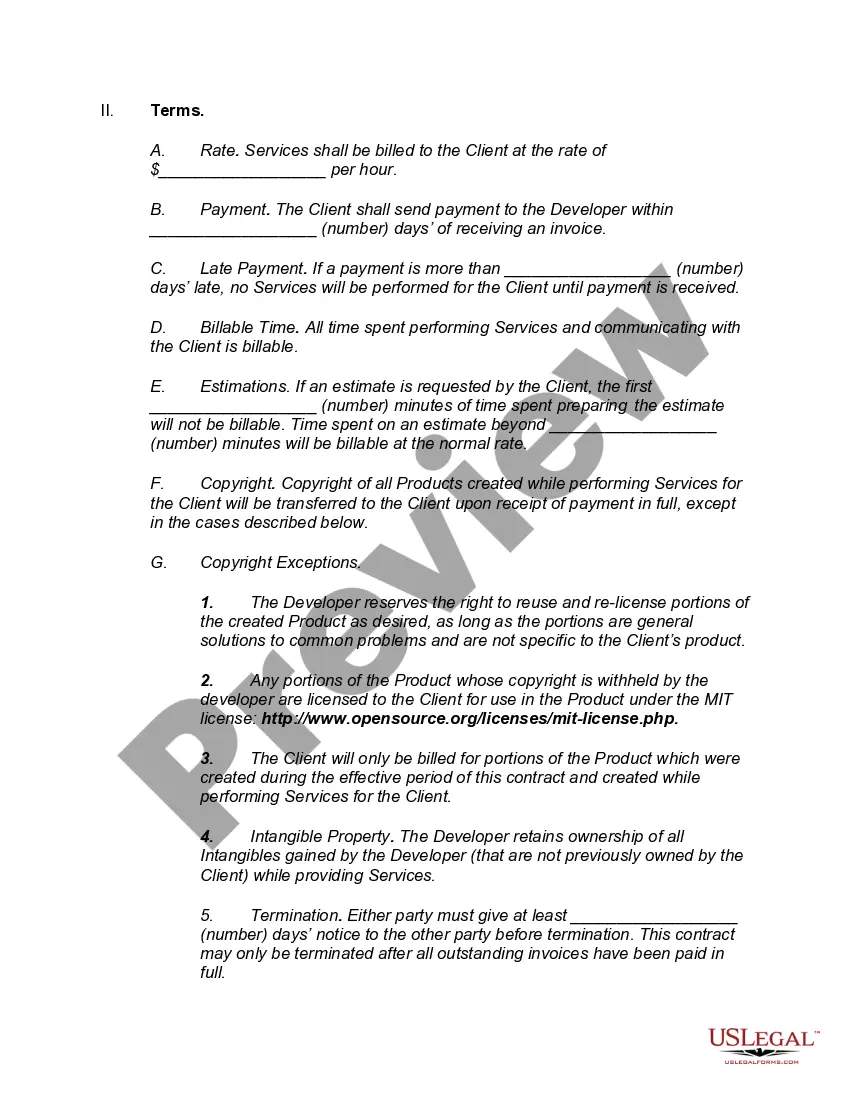
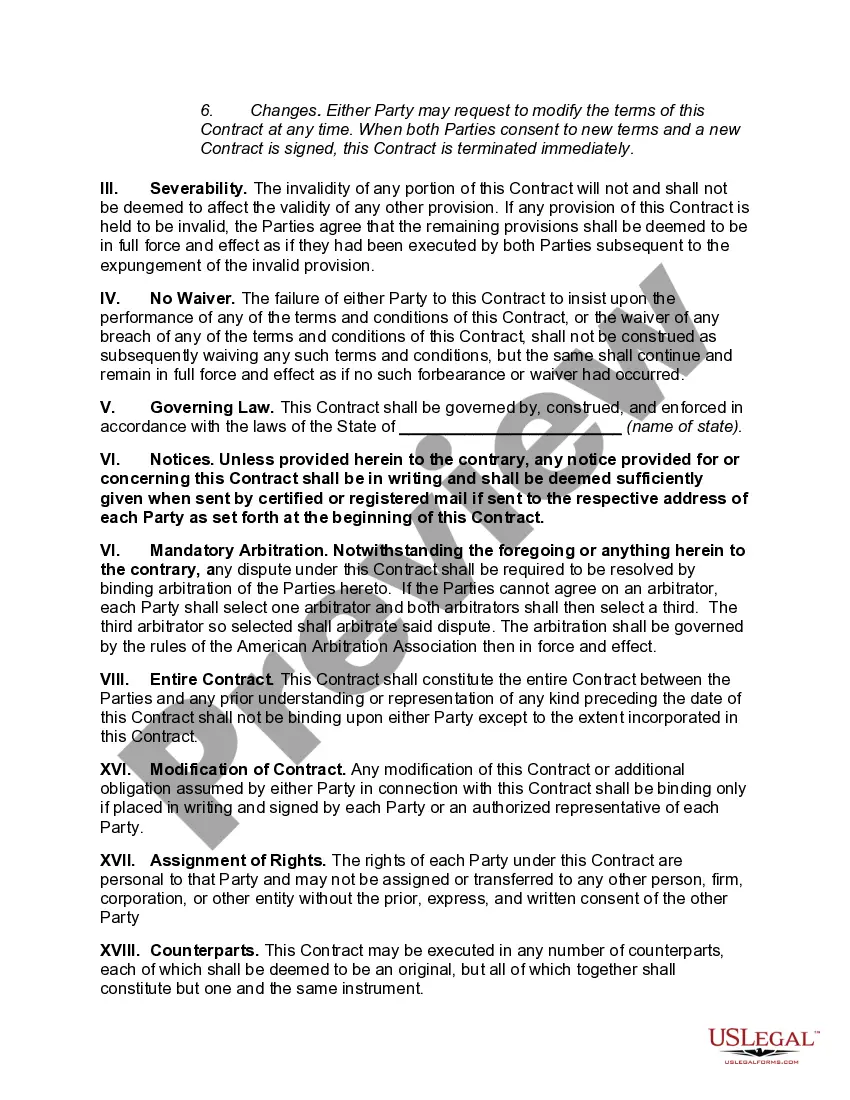
Utilize the US Legal Forms website. The platform offers thousands of templates, such as the Kentucky Service Contract for Development and Design, that you can employ for both business and personal purposes.
You can review the form using the Review button and examine the form details to ensure it meets your requirements.
- All the forms are verified by experts and comply with state and federal regulations.
- If you are already registered, Log In to your account and click on the Download button to access the Kentucky Service Contract for Development and Design.
- Use your account to browse through the legal forms you have previously obtained.
- Visit the My documents section of your account to download another copy of the document you need.
- If you are a new user of US Legal Forms, here are straightforward steps for you to follow.
- First, ensure that you have selected the correct form for your municipality.
Form popularity
FAQ
1 is required for all projects that: 1. Uses a restricted fund source (Support Education Excellence in Kentucky (SEEK) capital outlay funds, Facility Support Program of Kentucky (FSPK) funds (KRS 157.620), School Facilities Construction Commission (SFCC) funds or building funds (KRS 160.476) or 2.
Kentucky Model Procurement Code The Commonwealth of Kentucky was the first state to adopt Model Procurement Code legislation (KRS 45A), which sets out the methods by which Kentucky state government must bid, negotiate and award contracts.
Designbuild (or design/build, and abbreviated DB or D/B accordingly) is a project delivery system used in the construction industry. It is a method to deliver a project in which the design and construction services are contracted by a single entity known as the designbuilder or designbuild contractor.
Time and materials contracts As opposed to lump sum contracts, time and materials (T&M) contracts work best for projects in which the scope of work is not well-defined. Time and materials contracts reimburse contractors for the cost of materials and establish an hourly or daily pay rate.
Use of the Design-Build family of AIA Contract Documents is appropriate when the project delivery method is design-build. In design-build project delivery, the owner enters into a contract with a design-builder who is obligated to design and construct the project.
The three most common contract types include:Fixed-price contracts.Cost-plus contracts.Time and materials contracts.
Use of the Design-Build family of AIA Contract Documents is appropriate when the project delivery method is design-build. In design-build project delivery, the owner enters into a contract with a design-builder who is obligated to design and construct the project.
Design Contract means any contract or agreement relating to the architecture, design, engineering or planning of a Project or portion thereof.
The design-build process can be broken down into five main steps: team selection, project planning, design, GMP/bidding, and construction. For the most part, these steps will happen sequentially, but not necessarily independent of one another. The project planning, design, and bidding phases may overlap.
The successful proposer is selected based on a number of factors including past experience, ability to innovate, cost, and any other specific factor the Owner chooses (e.g. the number of local sub-contractors used, the environmental approach, etc.).