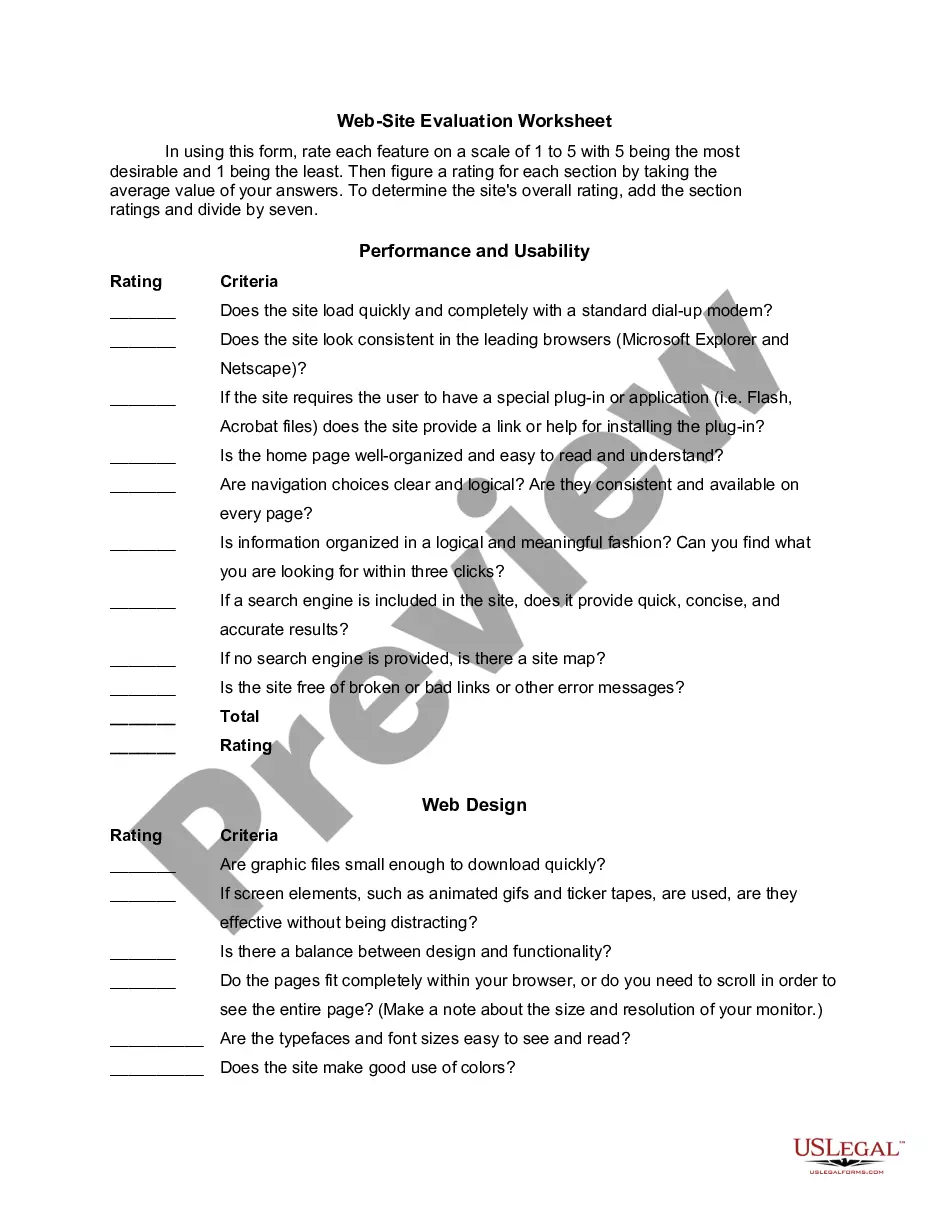
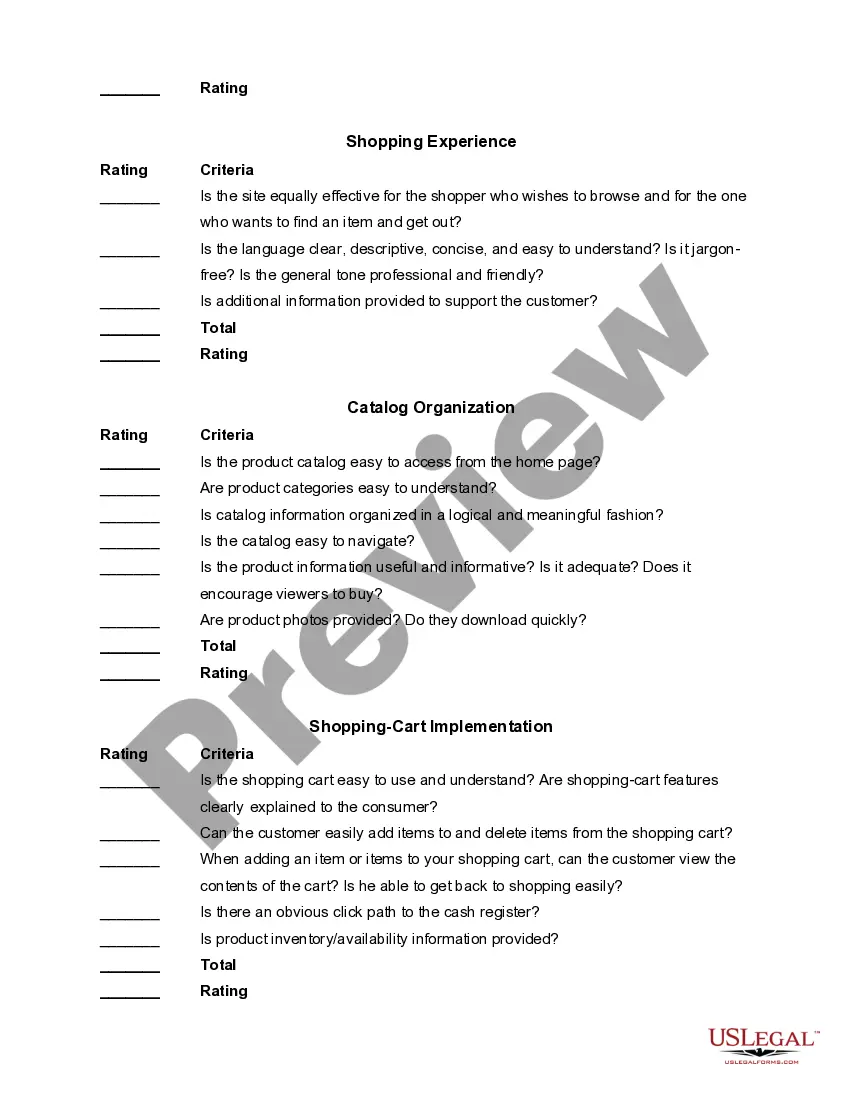
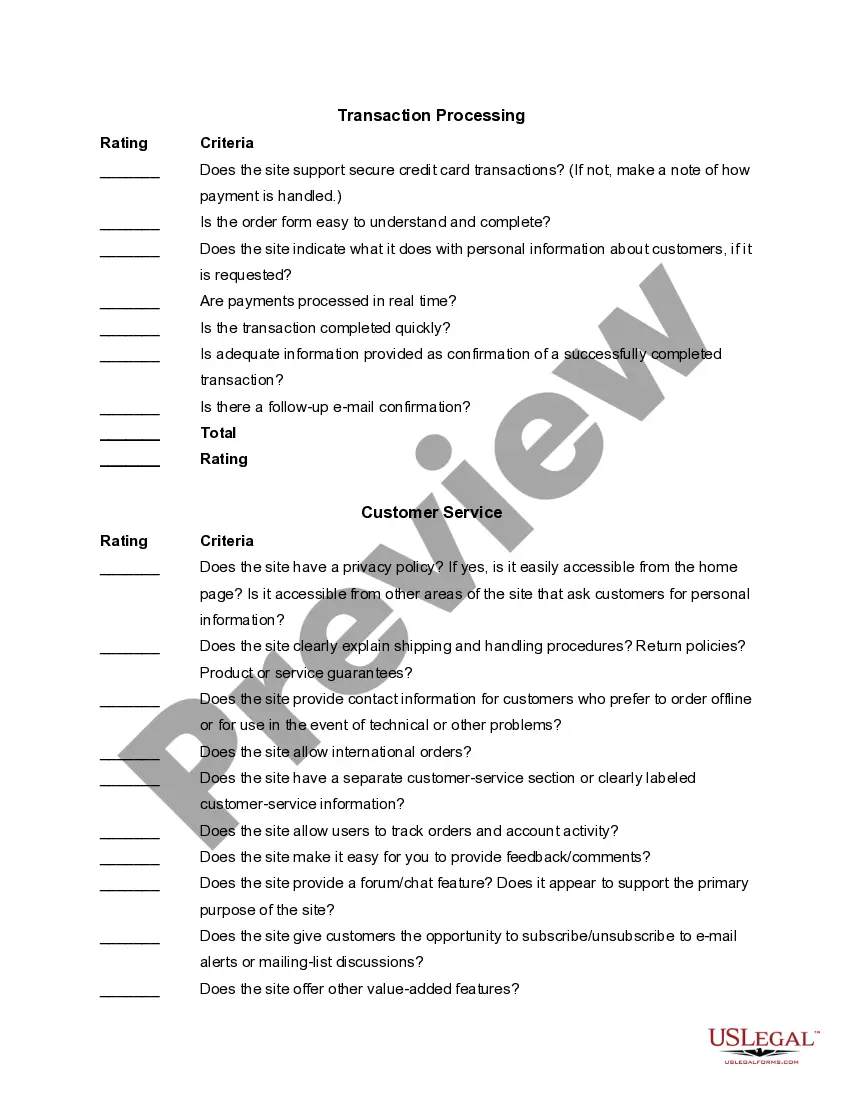
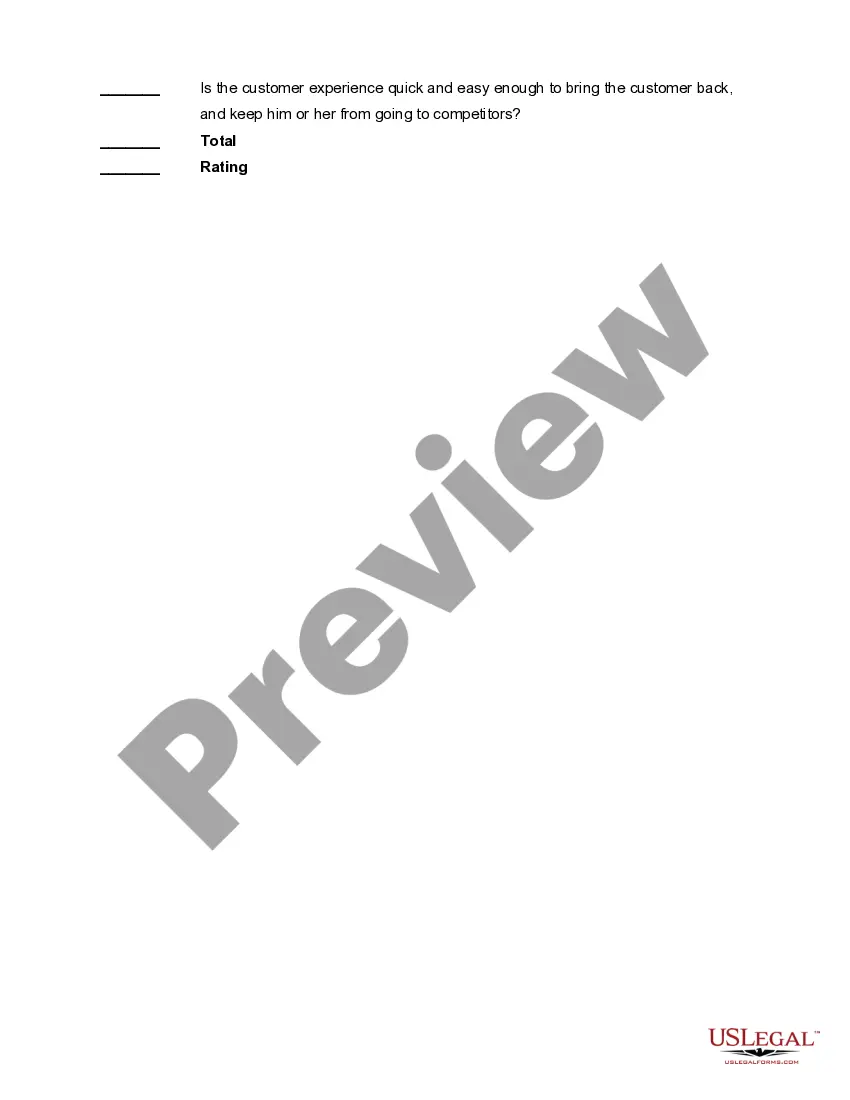
Kentucky Web-Site Evaluation Worksheet
Description
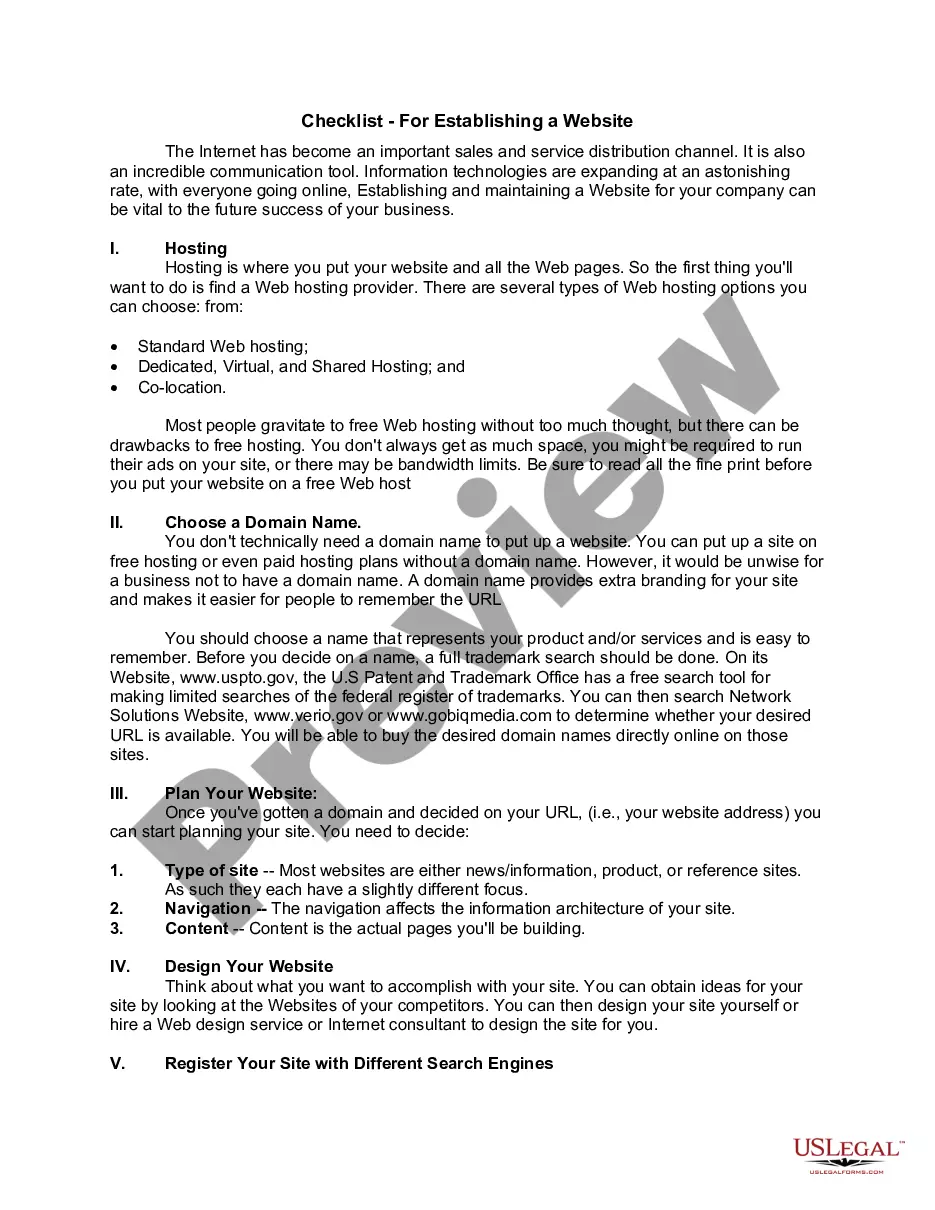
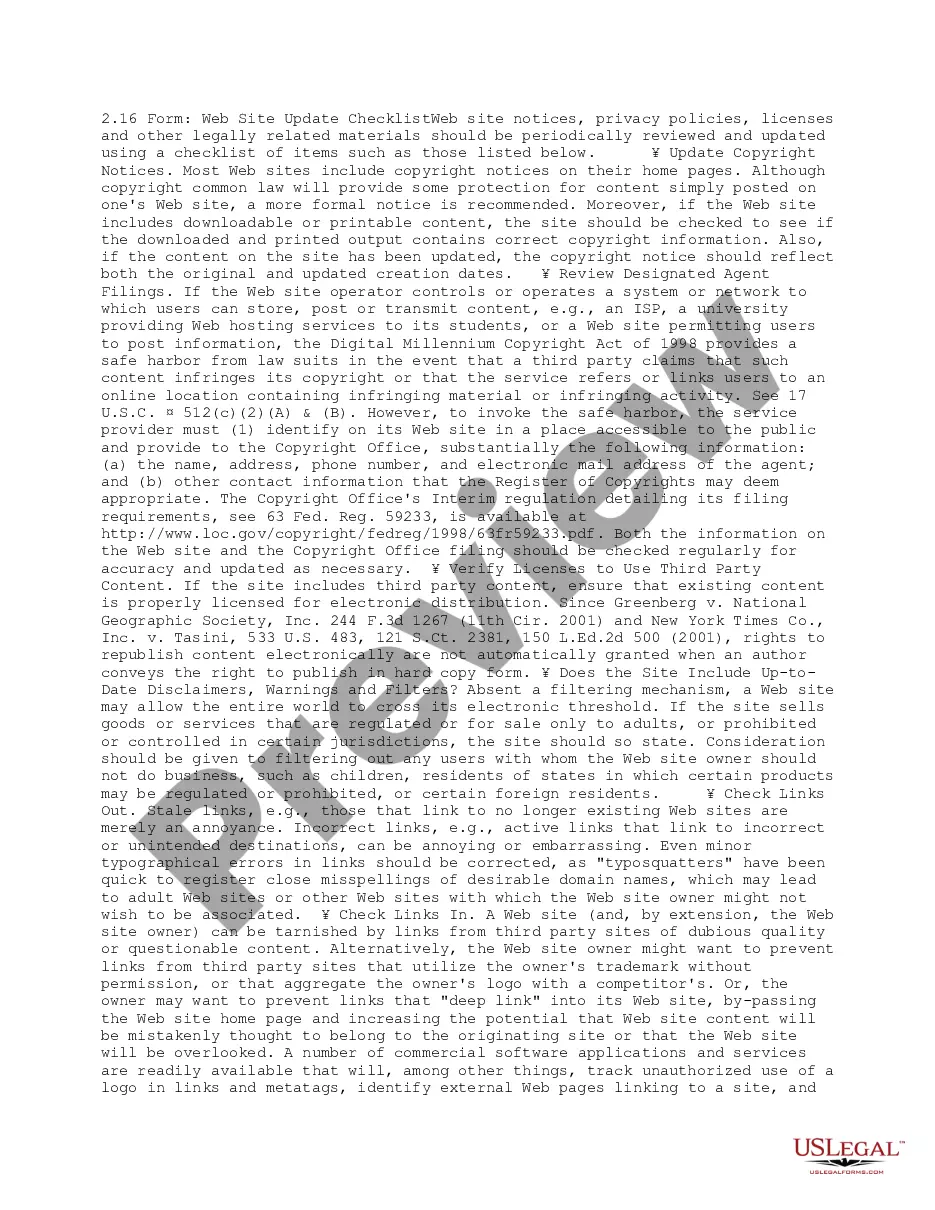
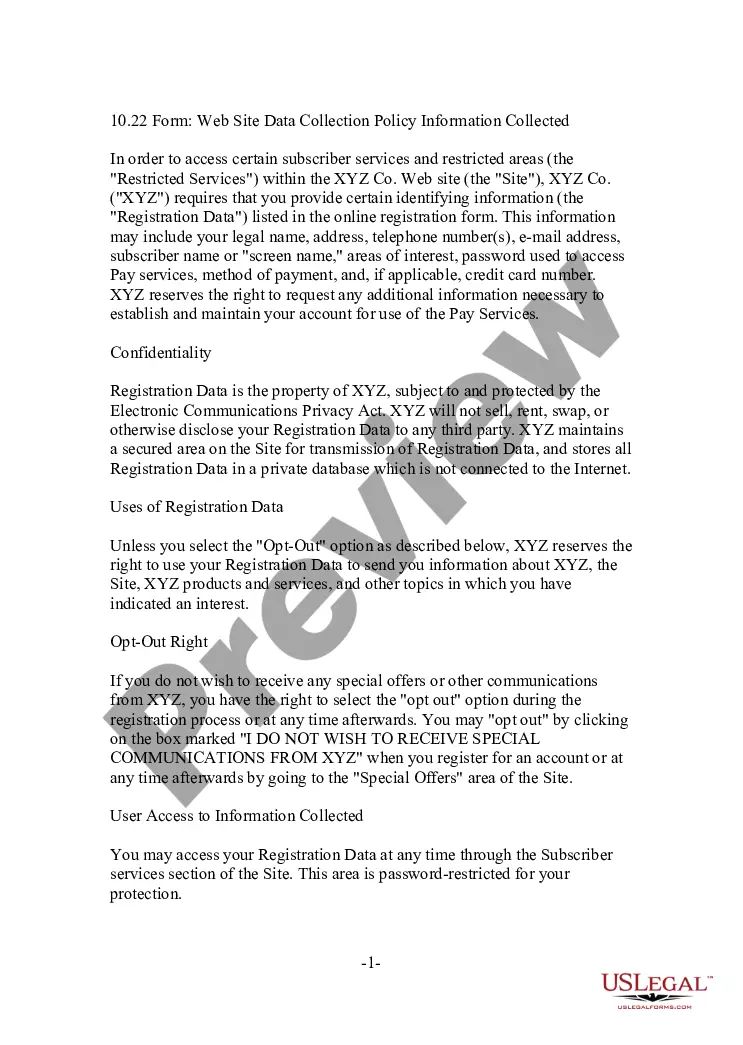
Get your form ready online
Our built-in tools help you complete, sign, share, and store your documents in one place.
Make edits, fill in missing information, and update formatting in US Legal Forms—just like you would in MS Word.
Download a copy, print it, send it by email, or mail it via USPS—whatever works best for your next step.
Sign and collect signatures with our SignNow integration. Send to multiple recipients, set reminders, and more. Go Premium to unlock E-Sign.
If this form requires notarization, complete it online through a secure video call—no need to meet a notary in person or wait for an appointment.
We protect your documents and personal data by following strict security and privacy standards.

Make edits, fill in missing information, and update formatting in US Legal Forms—just like you would in MS Word.

Download a copy, print it, send it by email, or mail it via USPS—whatever works best for your next step.

Sign and collect signatures with our SignNow integration. Send to multiple recipients, set reminders, and more. Go Premium to unlock E-Sign.

If this form requires notarization, complete it online through a secure video call—no need to meet a notary in person or wait for an appointment.

We protect your documents and personal data by following strict security and privacy standards.
Looking for another form?
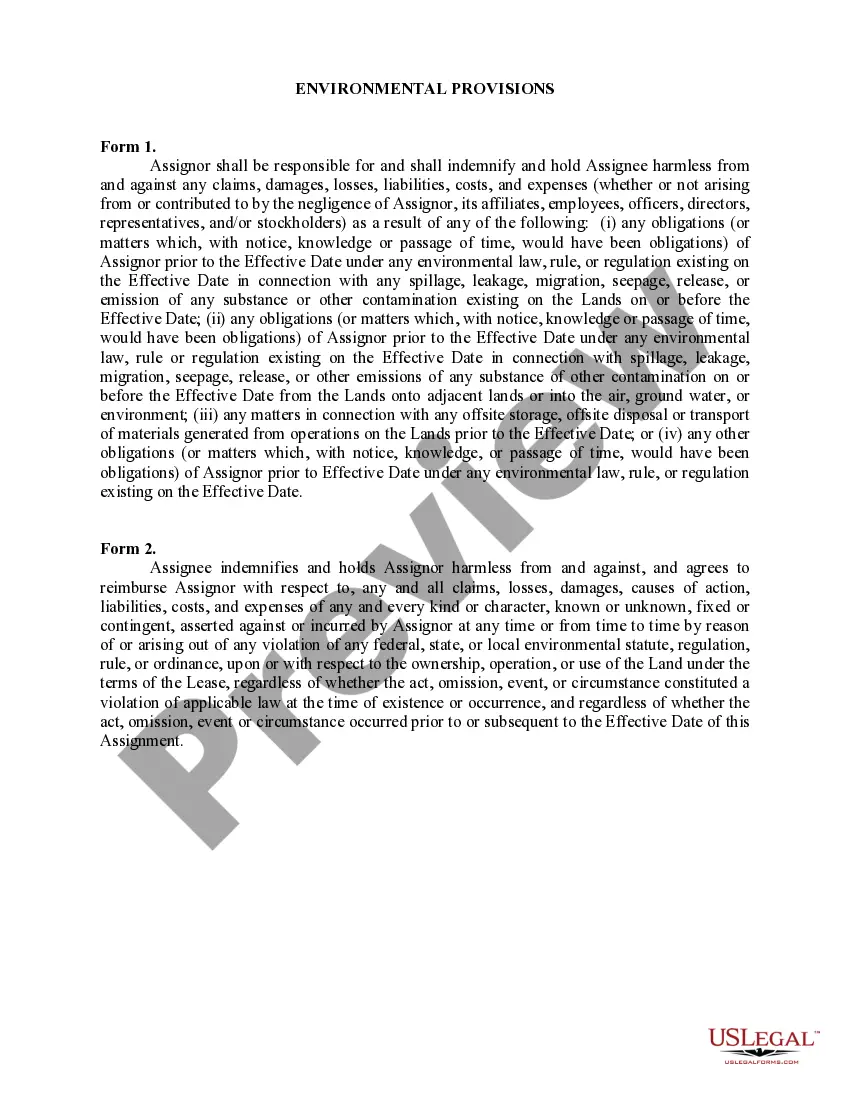




How to fill out Web-Site Evaluation Worksheet?
Are you currently in a situation where you require documents for occasional business or personal purposes almost all the time.
There are numerous legal document templates accessible online, but finding reliable ones is not simple.
US Legal Forms offers thousands of form templates, such as the Kentucky Web-Site Evaluation Worksheet, which are designed to fulfill state and federal requirements.
When you find the correct form, click Buy now.
Choose the payment plan you prefer, fill in the necessary details to create your account, and complete your purchase using PayPal or a credit card.
- If you are currently familiar with the US Legal Forms website and have an account, simply Log In.
- Then, you can download the Kentucky Web-Site Evaluation Worksheet template.
- If you do not have an account and wish to start using US Legal Forms, follow these steps.
- Obtain the form you need and ensure it is appropriate for your city/state.
- Use the Review button to examine the form.
- Read the description to ensure you have selected the correct form.
- If the form does not meet your needs, use the Search field to find the form that matches your requirements.
Form popularity
FAQ
Evaluating Websites You should consider these criteria for evaluating Web resources (Accuracy, Authority, Objectivity, Currency, Coverage, and Relevancy).
The ABCD of Website Evaluation: What to Look ForWhat are the author's credentials? Does the author have expertise in the area? Is the author associated with a reputable organization? Is the information balanced?
How To Evaluate A Website1) Open the site. The first thing students need to do is open the site.2) Skim read.3) Look for the answer to your question.4) Consider the credibility of the author or website.5) Consider the purpose of the site.6) Look for the date.If the site is no good, bounce back2026Crosscheck.
The 5 W's of Website Evaluation. Question. Follow up Questions.Who. Who wrote the. information?What. What is the purpose of.When. When was the site.Where. Where does the information come from? (Authority) Is it published by a reputable organization?Why. Why is this page better.
Students will learn the 5 W's (Who, What, When, Where, & Why) of Website Evaluation in order to determine whether a website is reliable.
Website Assessment and EvaluationAccuracy. A high quality website source contains accurate information that can be verified by other sources.Authority. It should be clear who the author is and what credentials he/she has.Objectivity.Currency.Coverage.Accessibility.Design.Content.More items...
Checklist for Evaluating Web ResourcesIs the information reliable?Is the material at this site useful, unique, accurate or is it derivative, repetitious, or doubtful?Is the information easy to get to?Is the site available on a consistent basis?More items...
How To Evaluate A Website1) Open the site. The first thing students need to do is open the site.2) Skim read.3) Look for the answer to your question.4) Consider the credibility of the author or website.5) Consider the purpose of the site.6) Look for the date.If the site is no good, bounce back2026Crosscheck.
How to Evaluate Websites: How to evaluate websitesCURRENCY: the timeliness of the information.RELEVANCE: the importance of the information for your needs.AUTHORITY: the source of the information.ACCURACY: the reliability, truthfulness, and correctness of the content.PURPOSE: the reason the information exists.