Kentucky Lease of Taxicab
Description
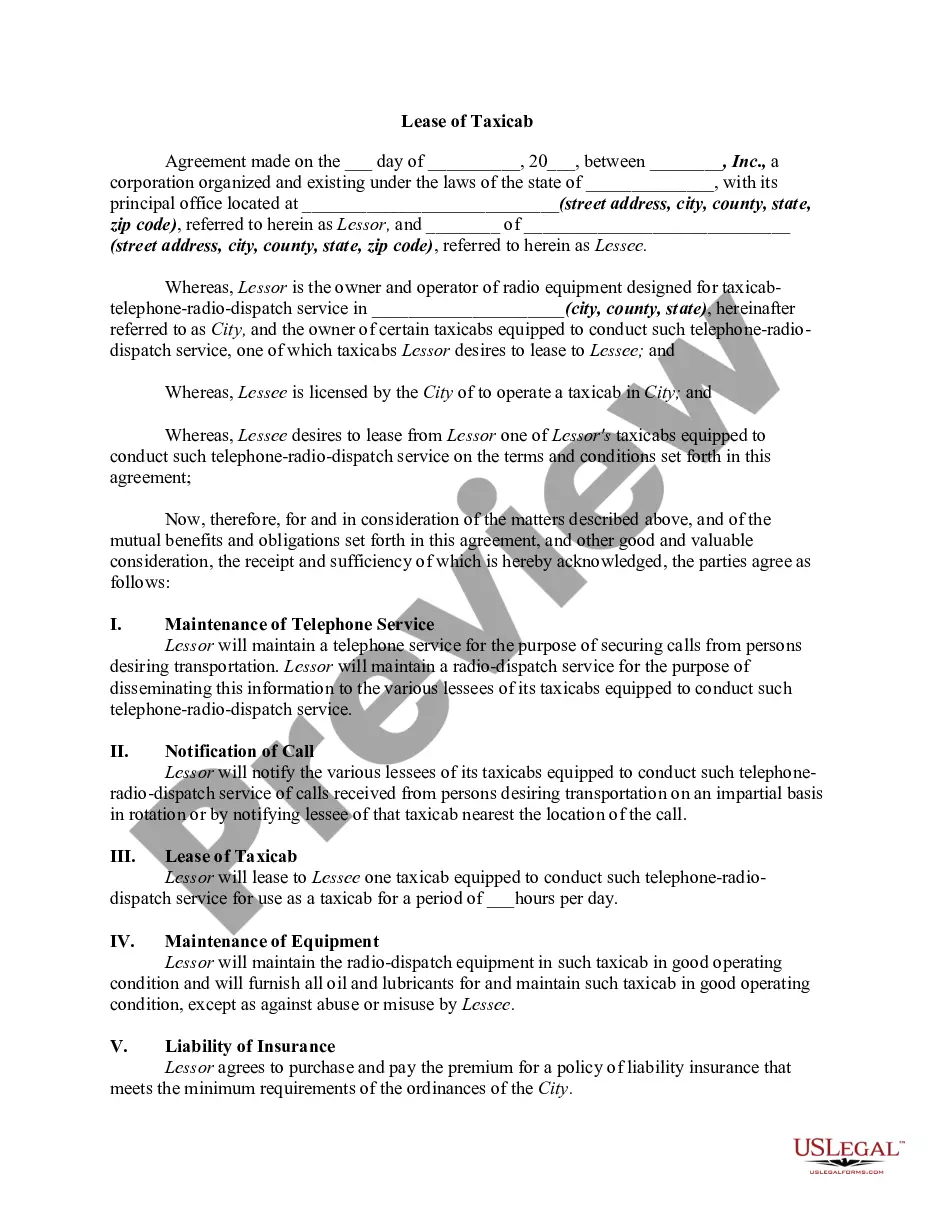
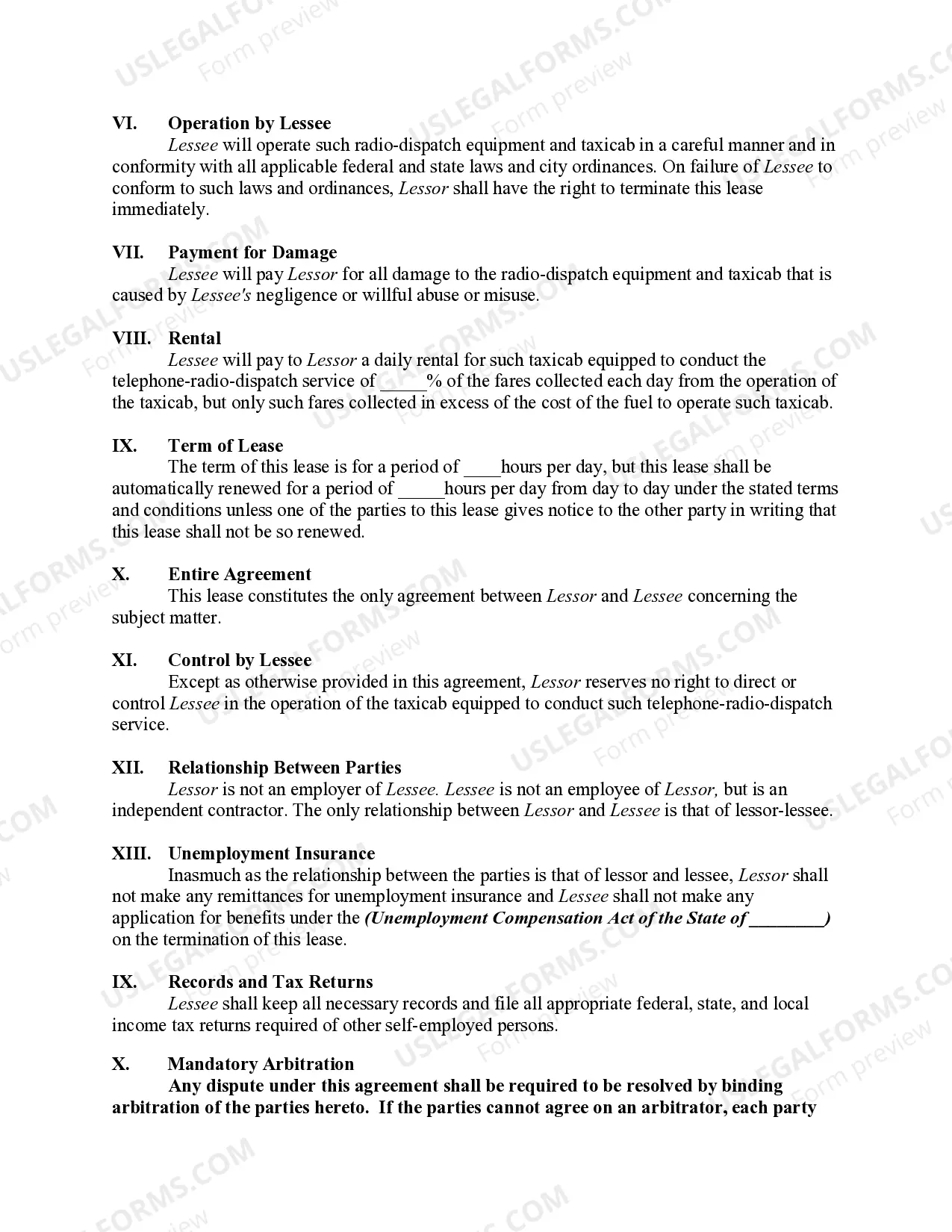
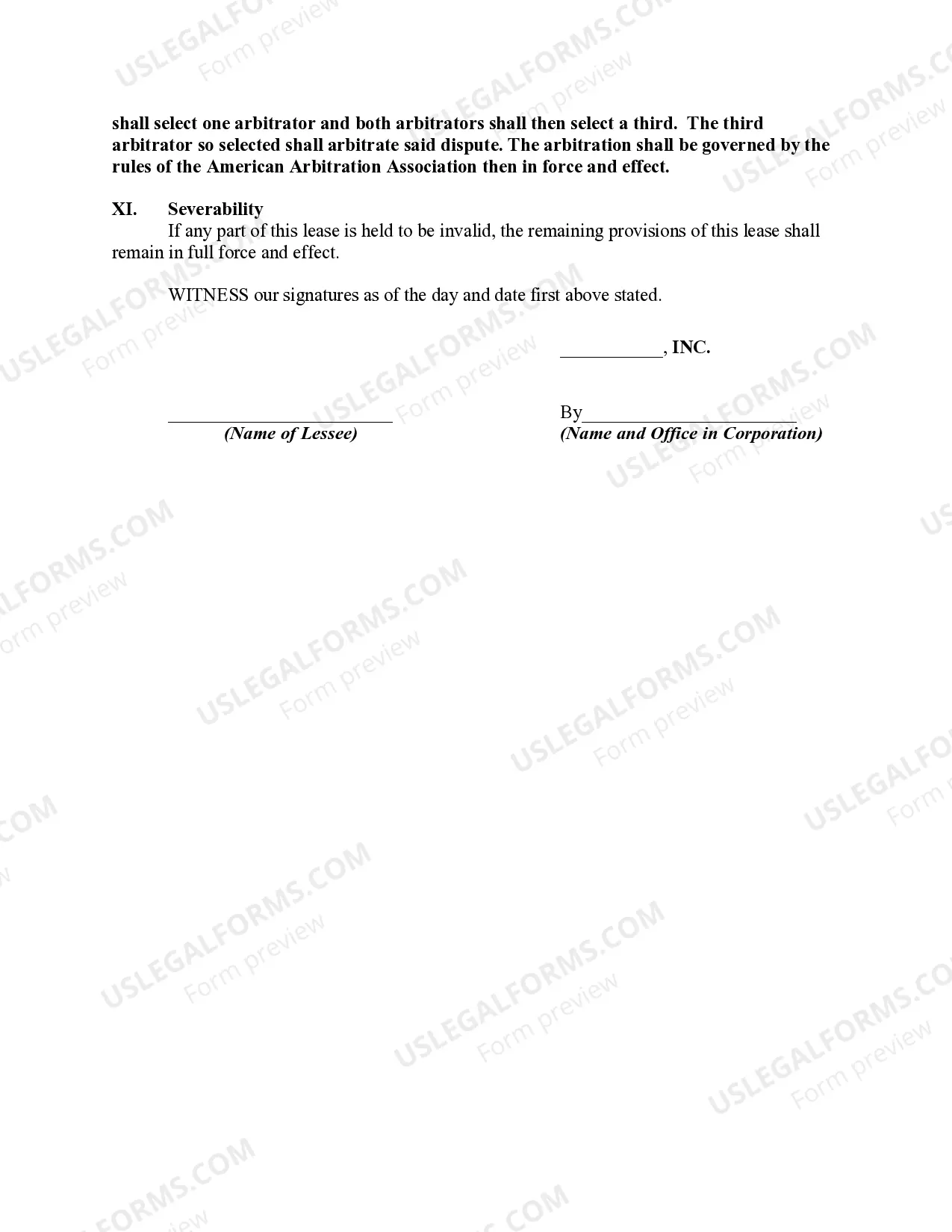
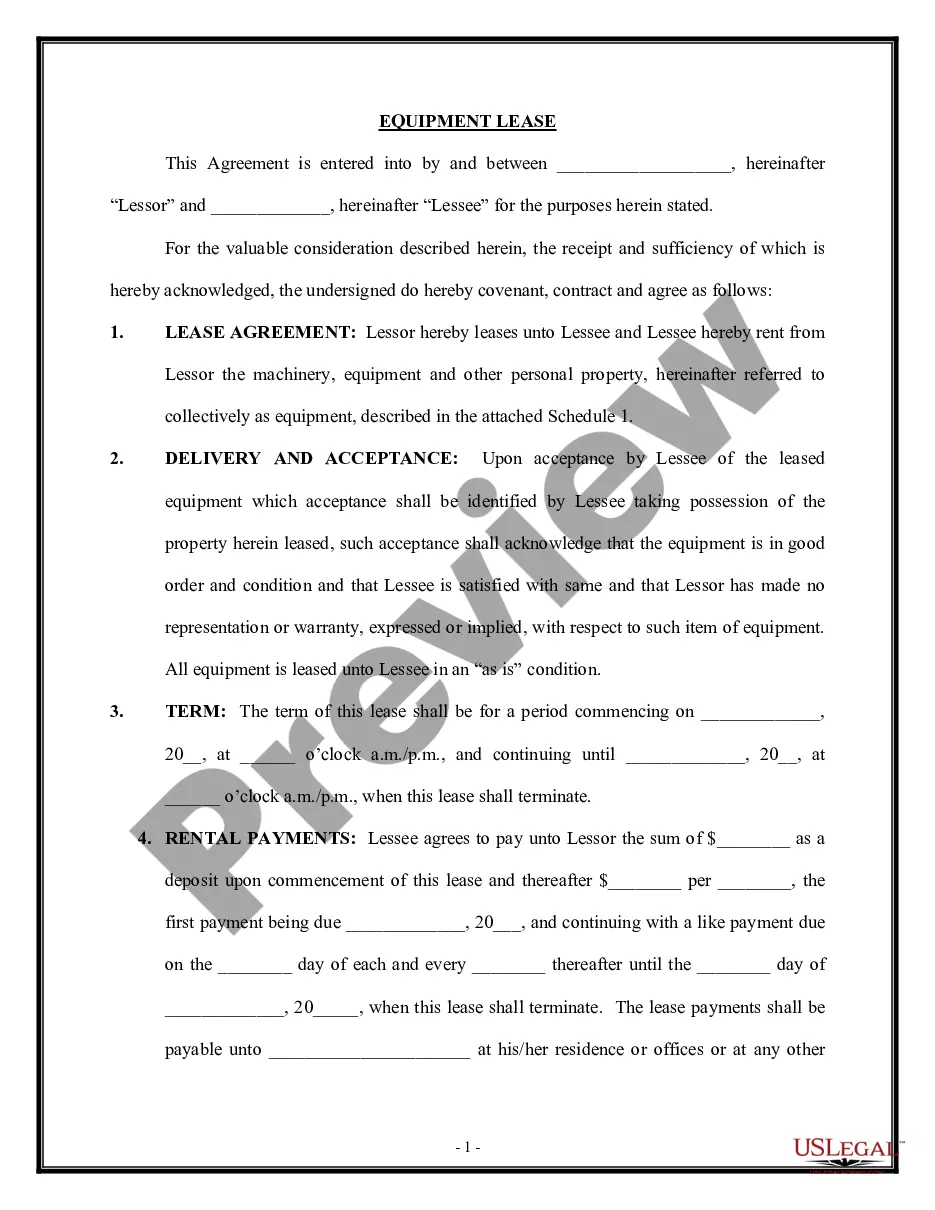
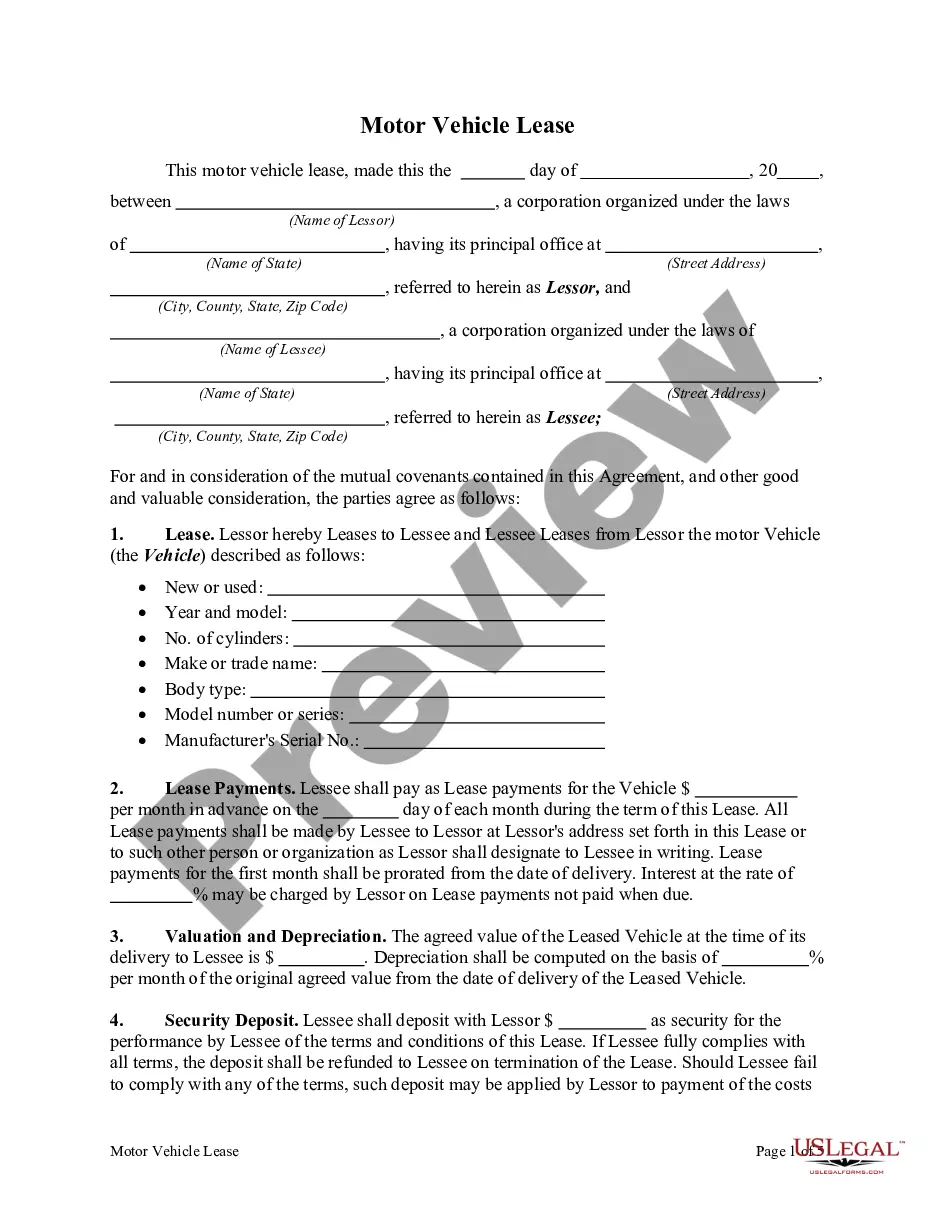
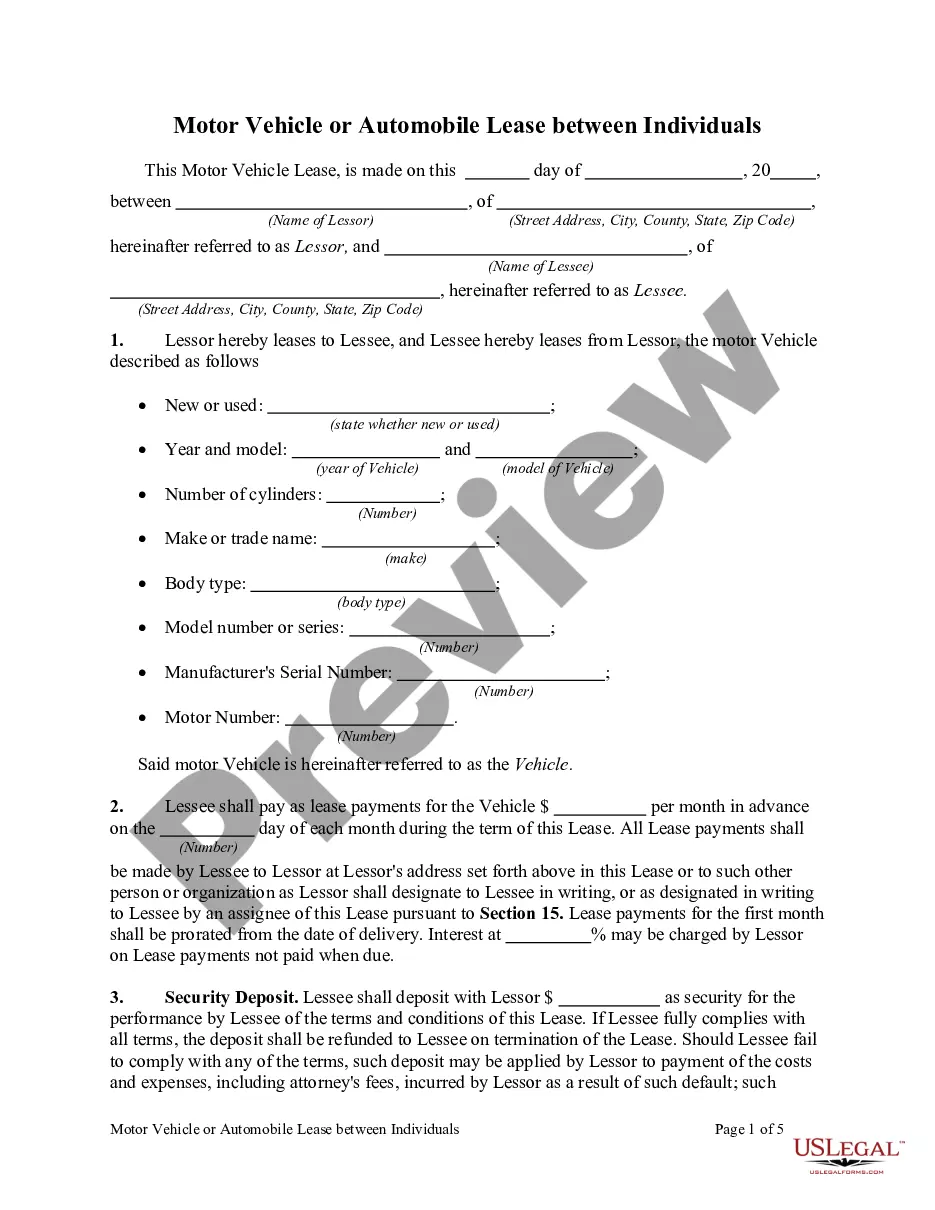
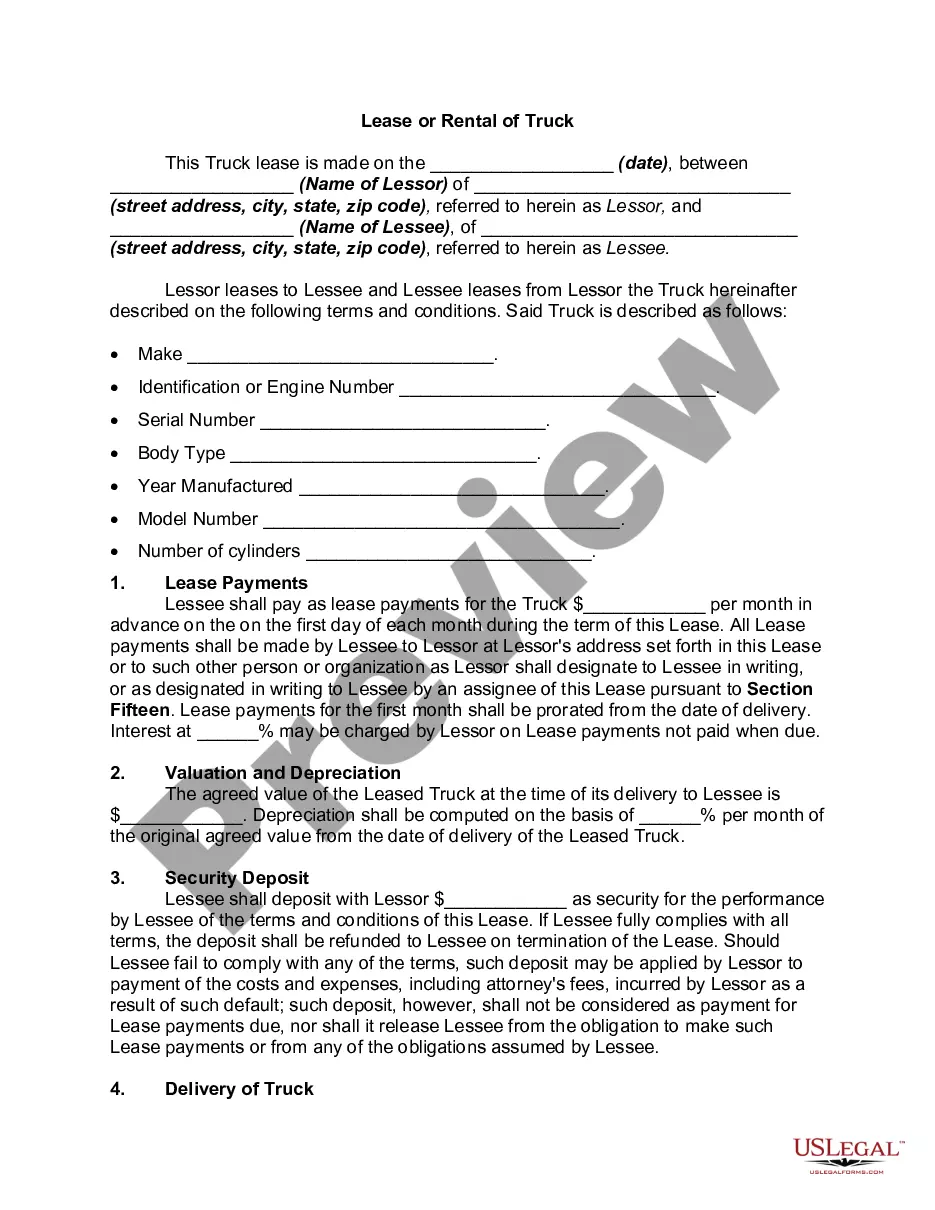
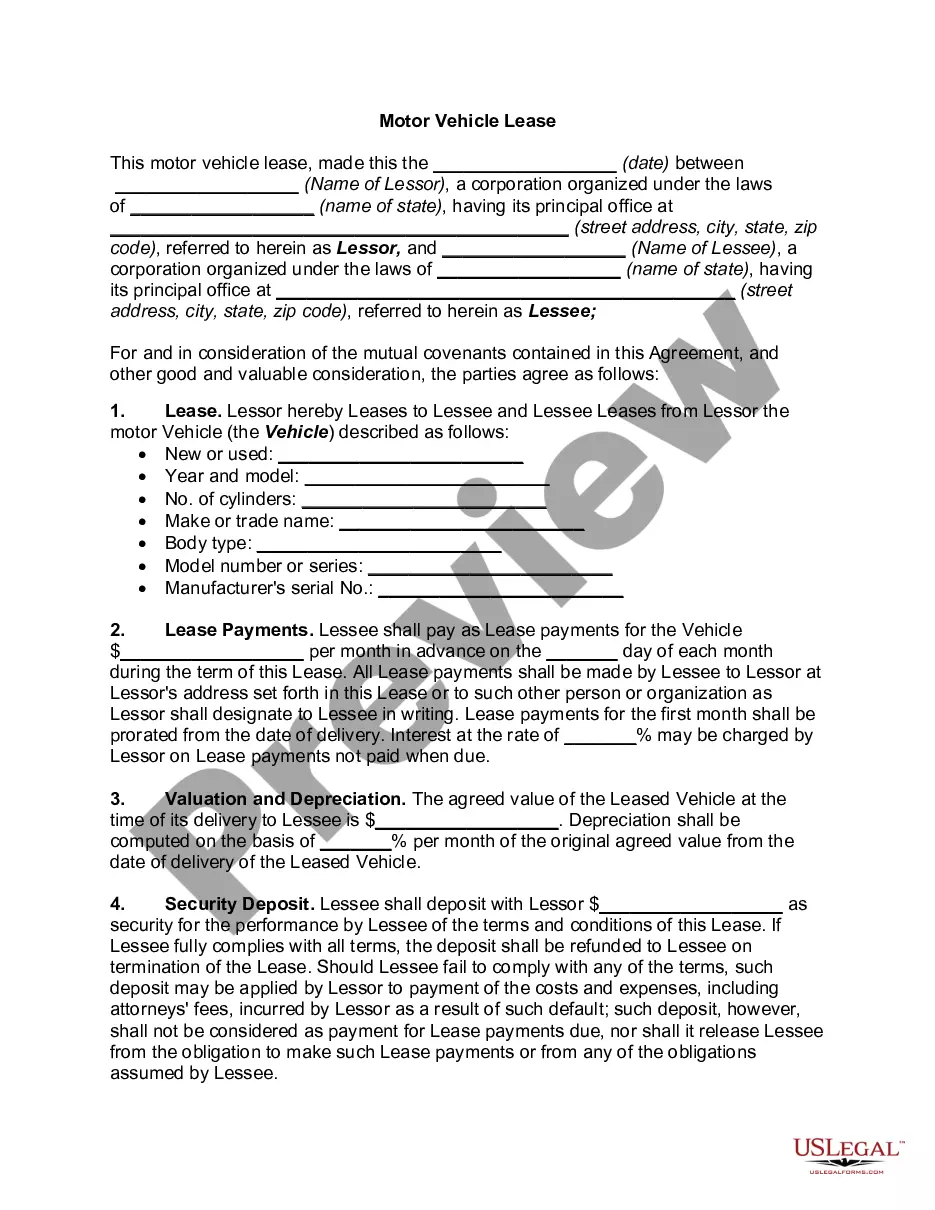


How to fill out Lease Of Taxicab?
You may spend hours on the internet trying to locate the legal document template that fulfills the state and federal requirements you require.
US Legal Forms provides thousands of legal documents that have been reviewed by professionals.
You can easily download or print the Kentucky Lease of Taxicab from our platform.
If available, use the Review option to look through the document template as well.
- If you already possess a US Legal Forms account, you can Log In and click on the Download option.
- After that, you can complete, modify, print, or sign the Kentucky Lease of Taxicab.
- Every legal document template you acquire is yours permanently.
- To obtain another copy of any purchased form, navigate to the My documents tab and click on the corresponding option.
- If you are using the US Legal Forms site for the first time, follow the simple instructions below.
- First, ensure that you have chosen the correct document template for your state/city of interest.
- Read the form description to verify that you have selected the appropriate form.
Form popularity
FAQ
Filling out a Kentucky vehicle title requires careful attention to detail. Start by obtaining the vehicle title from the seller, ensuring that it is properly signed over to you. Next, you should complete all necessary sections, including your name, address, and the vehicle's information. This process is crucial for a smooth transition, especially if you plan to utilize this title for a Kentucky Lease of Taxicab.
You can contact the Kentucky Transportation Cabinet through their official website, where you will find various resources and contact numbers. For specific inquiries about the Kentucky Lease of Taxicab, it's advisable to reach out to their dedicated office via phone or email. They are open to guiding you through the process and providing necessary information to facilitate your needs.
The Kentucky Transportation Cabinet oversees all aspects of state transportation, from road maintenance to licensing and vehicle regulations. Their duties include enforcing laws that govern the transportation industry, such as those related to the Kentucky Lease of Taxicab. This ensures safety and efficiency across Kentucky's transport network, beneficial for both consumers and operators.
The Kentucky Transportation Cabinet typically designates a minimum time for courses related to the transportation industry, including the Kentucky Lease of Taxicab. This ensures that applicants gain a comprehensive understanding of necessary regulations and operational best practices. By completing this course, you prepare yourself effectively for managing a taxicab lease in Kentucky, making the process smoother and more compliant.
The Kentucky Department of Transportation, often referred to as the Kentucky Transportation Cabinet, plays a crucial role in managing the state's transport infrastructure. This includes overseeing various services related to vehicles, roads, and public transport. For matters concerning the Kentucky Lease of Taxicab, the Cabinet provides essential guidelines and support to ensure compliance with state regulations.
In Kentucky, the sales tax rate on a lease varies based on the transaction type but typically ranges around 6%. For a Kentucky Lease of Taxicab, this means understanding how the tax will affect your monthly payments. It's advisable to stay informed about these rates to avoid surprises. For detailed and accurate information, consider checking uslegalforms for the latest guidelines and tax calculations relevant to leases.
Yes, rent to own agreements are legal in Kentucky. These arrangements can apply to various properties, including vehicles like a Kentucky Lease of Taxicab. When entering into such agreements, it's crucial to understand your rights and obligations. Using resources from uslegalforms can guide you through the legal aspects and ensure a smooth process.
In Kentucky, the vehicle excise tax is assessed on the registered value of your vehicle. This tax applies to both purchased and leased vehicles, such as a Kentucky Lease of Taxicab, and is calculated based on the vehicle's age and value. Knowing this tax is crucial for accurate budgeting when leasing a vehicle.
The fuel excise tax in Kentucky is charged per gallon of fuel purchased. This tax contributes to the maintenance of roadways and public transportation systems, which can affect your Kentucky Lease of Taxicab expenses. Being informed about fuel taxes can help you budget better for leasing costs and overall operational expenditures.
In Kentucky, the sales tax on a leased vehicle, including a Kentucky Lease of Taxicab, is typically six percent. This tax applies to the total lease payments made during the lease term. It's important to understand that tax regulations can change, and consulting with a tax specialist can provide clarity on your specific situation.