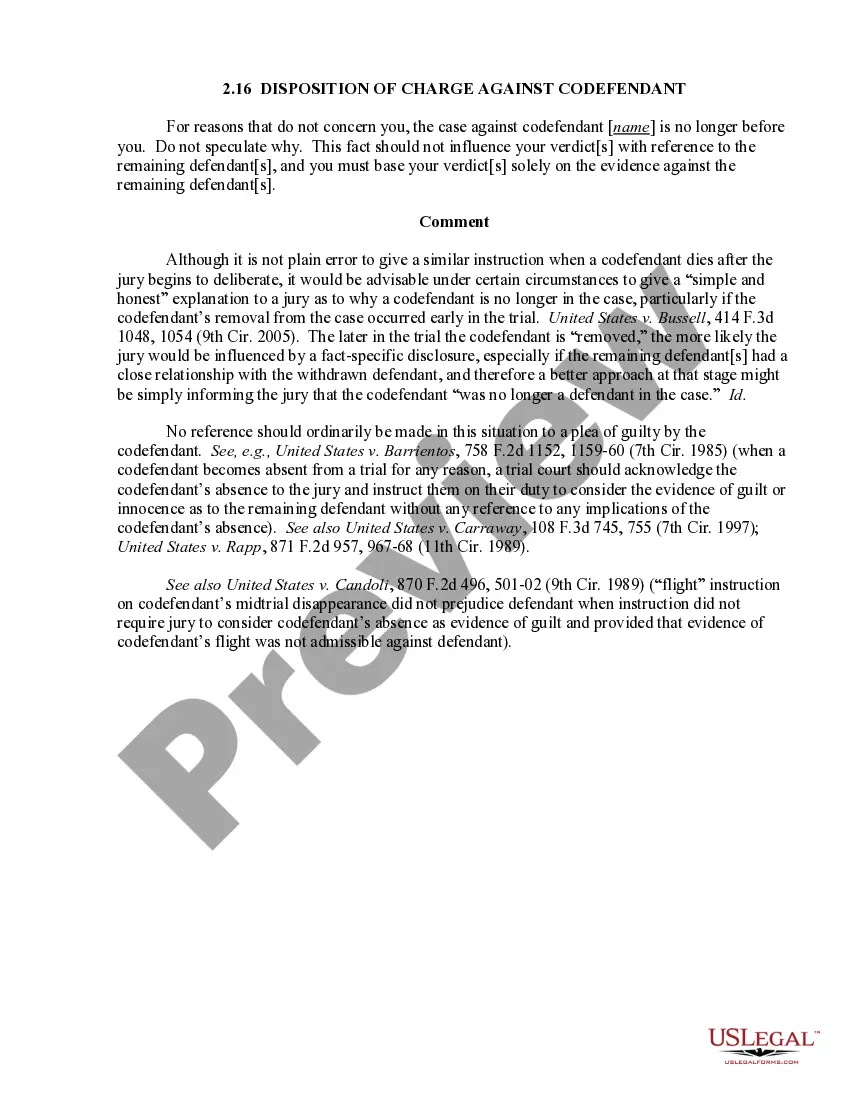
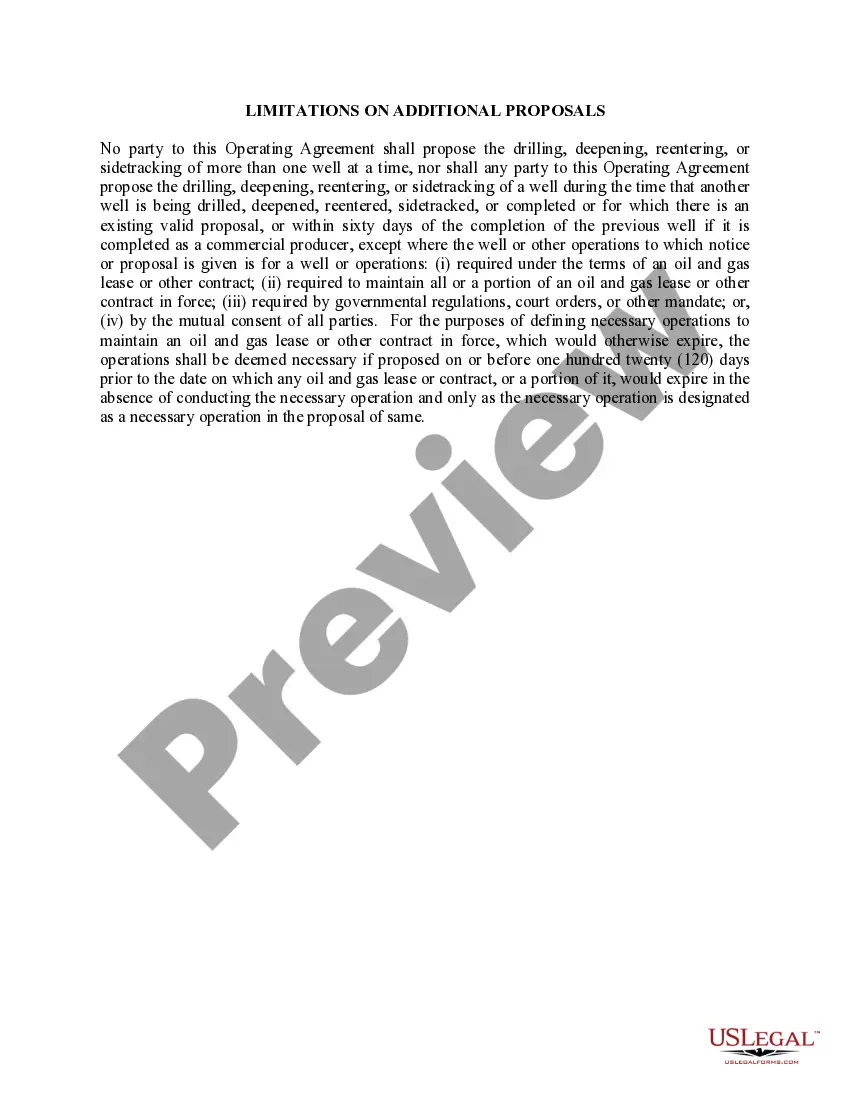
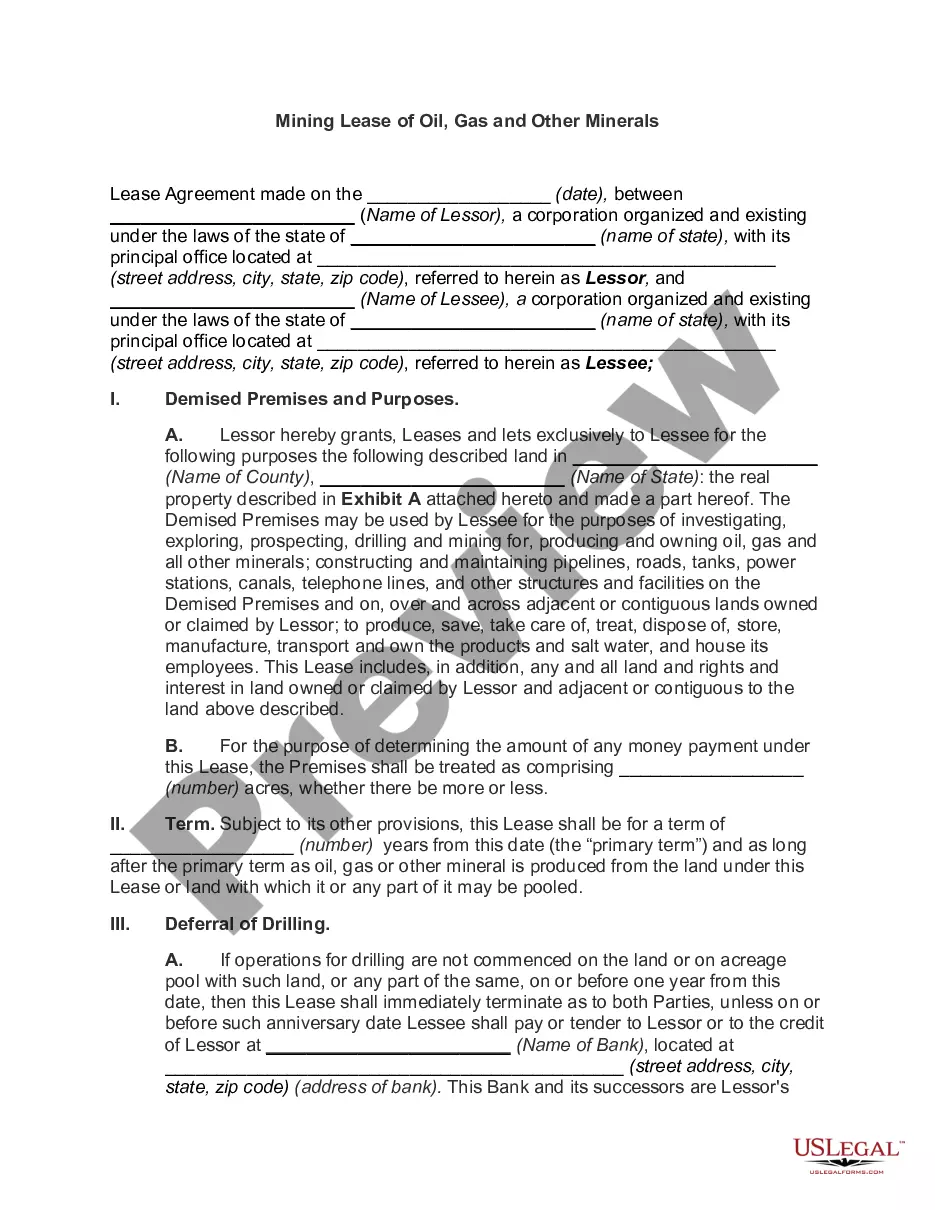
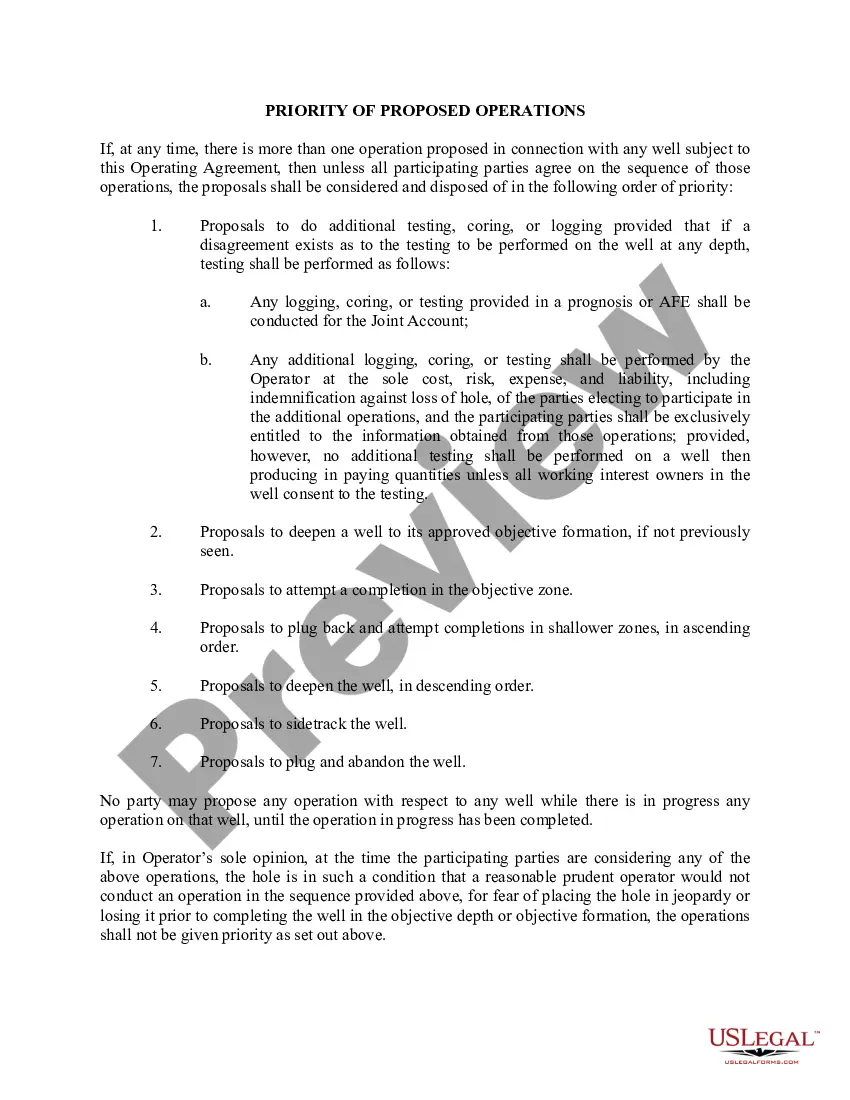
Kansas Limitations on Additional Proposals
Description
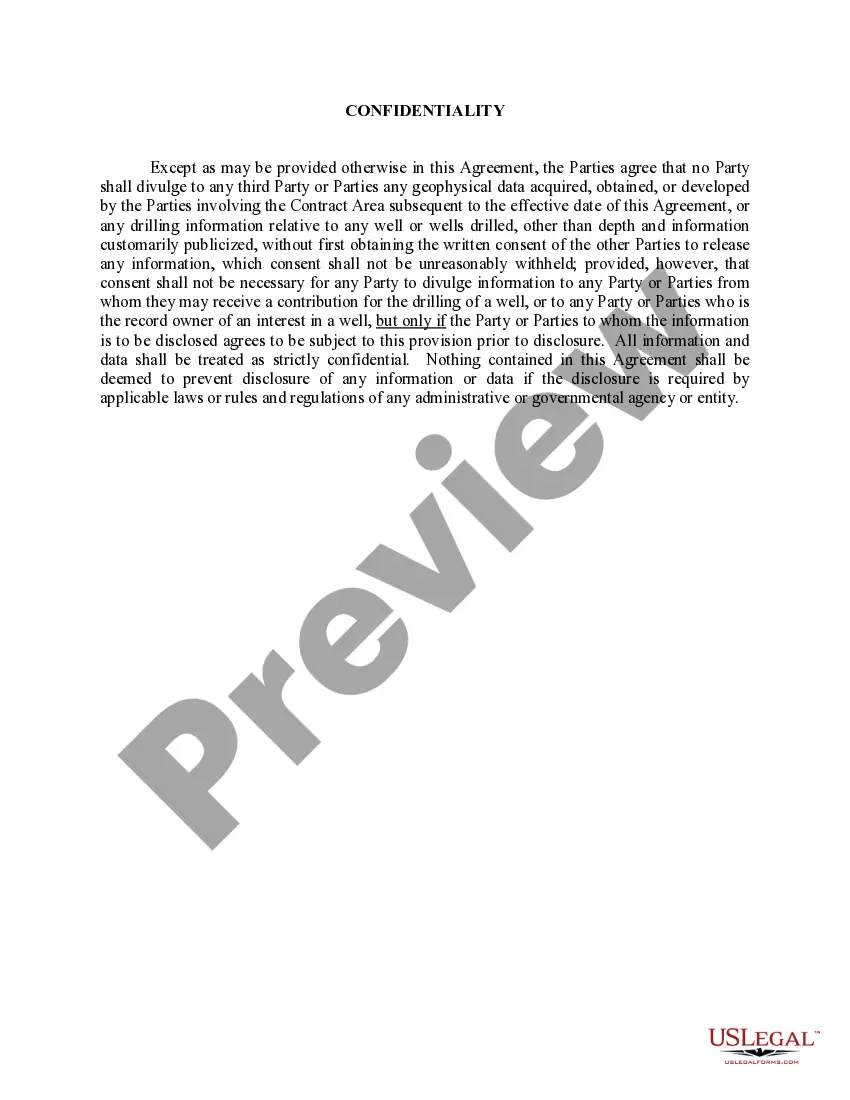
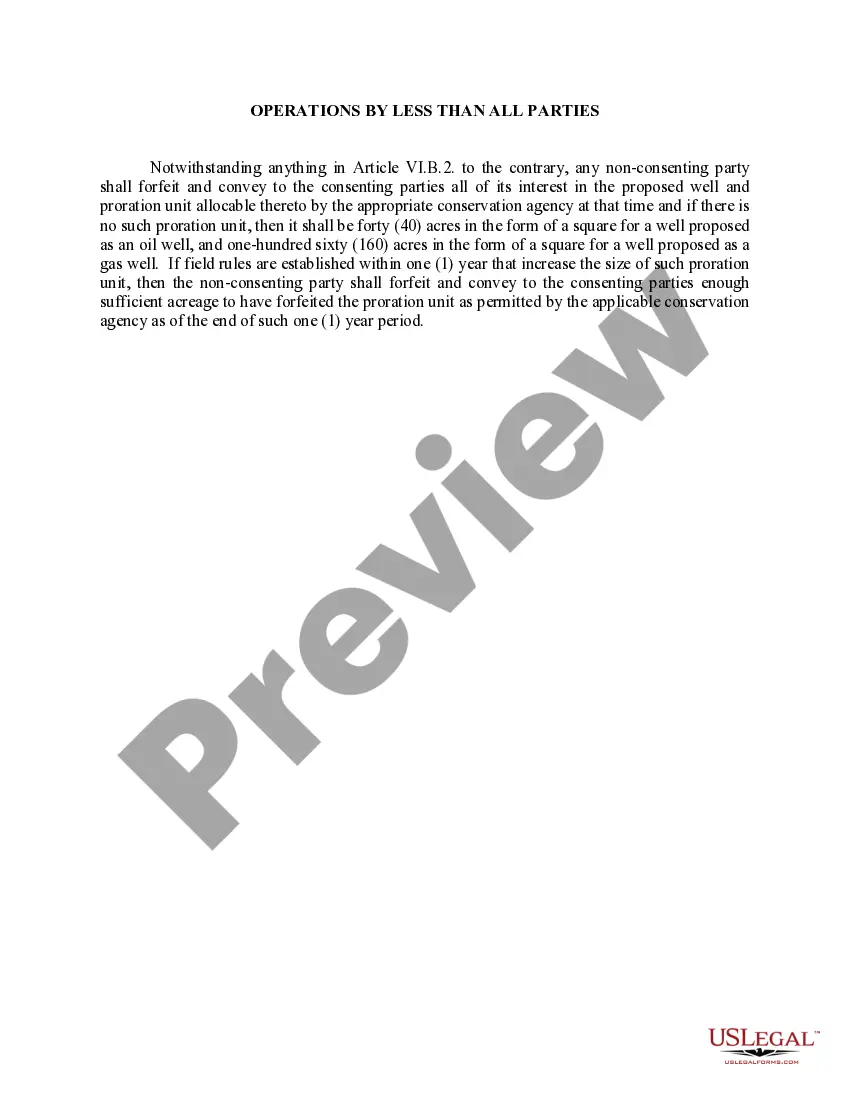
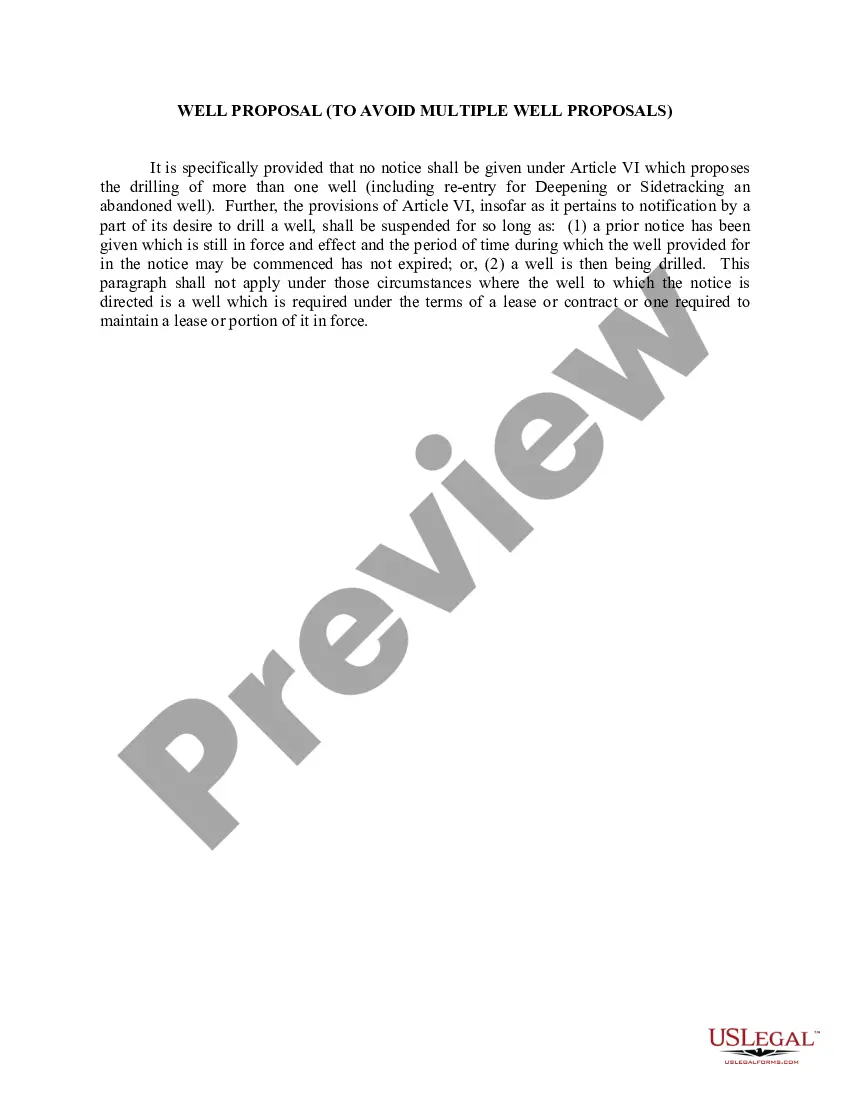
Get your form ready online
Our built-in tools help you complete, sign, share, and store your documents in one place.
Make edits, fill in missing information, and update formatting in US Legal Forms—just like you would in MS Word.
Download a copy, print it, send it by email, or mail it via USPS—whatever works best for your next step.
Sign and collect signatures with our SignNow integration. Send to multiple recipients, set reminders, and more. Go Premium to unlock E-Sign.
If this form requires notarization, complete it online through a secure video call—no need to meet a notary in person or wait for an appointment.
We protect your documents and personal data by following strict security and privacy standards.

Make edits, fill in missing information, and update formatting in US Legal Forms—just like you would in MS Word.

Download a copy, print it, send it by email, or mail it via USPS—whatever works best for your next step.

Sign and collect signatures with our SignNow integration. Send to multiple recipients, set reminders, and more. Go Premium to unlock E-Sign.

If this form requires notarization, complete it online through a secure video call—no need to meet a notary in person or wait for an appointment.

We protect your documents and personal data by following strict security and privacy standards.
Looking for another form?
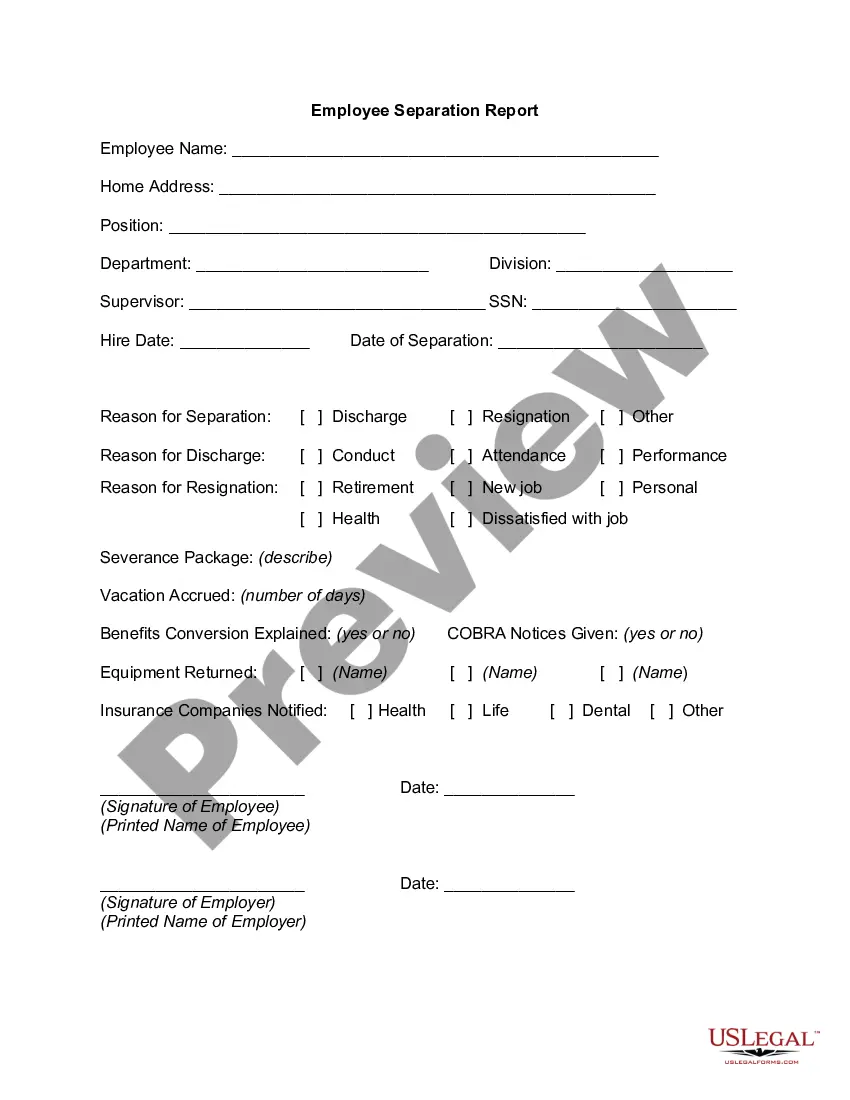
How to fill out Limitations On Additional Proposals?
Choosing the right legal record format can be a struggle. Obviously, there are a variety of web templates available on the net, but how do you get the legal type you need? Take advantage of the US Legal Forms site. The support gives 1000s of web templates, such as the Kansas Limitations on Additional Proposals, that you can use for enterprise and private needs. All the forms are checked by pros and satisfy federal and state needs.
Should you be presently authorized, log in to the accounts and then click the Download option to get the Kansas Limitations on Additional Proposals. Use your accounts to check from the legal forms you may have acquired previously. Go to the My Forms tab of your respective accounts and obtain an additional version of your record you need.
Should you be a fresh end user of US Legal Forms, here are straightforward recommendations that you can stick to:
- Initially, ensure you have selected the correct type for the city/region. You can look over the form making use of the Review option and browse the form description to make sure it will be the best for you.
- When the type is not going to satisfy your requirements, take advantage of the Seach industry to obtain the right type.
- Once you are sure that the form is proper, go through the Buy now option to get the type.
- Pick the costs program you need and type in the needed details. Create your accounts and pay money for your order using your PayPal accounts or Visa or Mastercard.
- Choose the data file file format and download the legal record format to the product.
- Full, change and printing and indicator the attained Kansas Limitations on Additional Proposals.
US Legal Forms is definitely the greatest catalogue of legal forms where you can see a variety of record web templates. Take advantage of the company to download appropriately-produced documents that stick to express needs.
Form popularity
FAQ
What Is Criminal Damage to Property? ing to Kansas Code §21-3720, one could be charged with "criminal damage to property" if they have intentionally damaged, defaced, destroyed or substantially impaired the use of another person's property, but without the use of fire or explosives.
Statutes of limitations in the Sunflower State can vary from one to five years, depending on what type of case you have. In most cases, the statutory ?clock" will begin ticking on either the date of the incident or the date you discover the harm.
Judgments Last Five Years in Kansas This means that unless the judgment is renewed by the courts, after five years, it will cease to operate as a lien against the defendant's estate. In other words, the defendant is no longer responsible for paying off any amount remaining on the judgment.
(c) In any civil action where claims for exemplary or punitive damages are included, the plaintiff shall have the burden of proving, by clear and convincing evidence in the initial phase of the trial, that the defendant acted toward the plaintiff with willful conduct, wanton conduct, fraud or malice.
Statutes of limitations in the Sunflower State can vary from one to five years, depending on what type of case you have. In most cases, the statutory ?clock" will begin ticking on either the date of the incident or the date you discover the harm.
Actions limited to two years. (a) The following actions shall be brought within two years: (1) An action for trespass upon real property. (2) An action for taking, detaining or injuring personal property, including actions for the specific recovery thereof.
Statute of limitations in contracts for sale. (1) An action for breach of any contract for sale must be commenced within four years after the cause of action has accrued. By the original agreement the parties may reduce the period of limitation to not less than one year but may not extend it.
For personal injury claims, the period is generally two years in Kansas but can vary from one to eight years, depending on the nature of the case.