Kansas Residential Lease Rules and Regulations
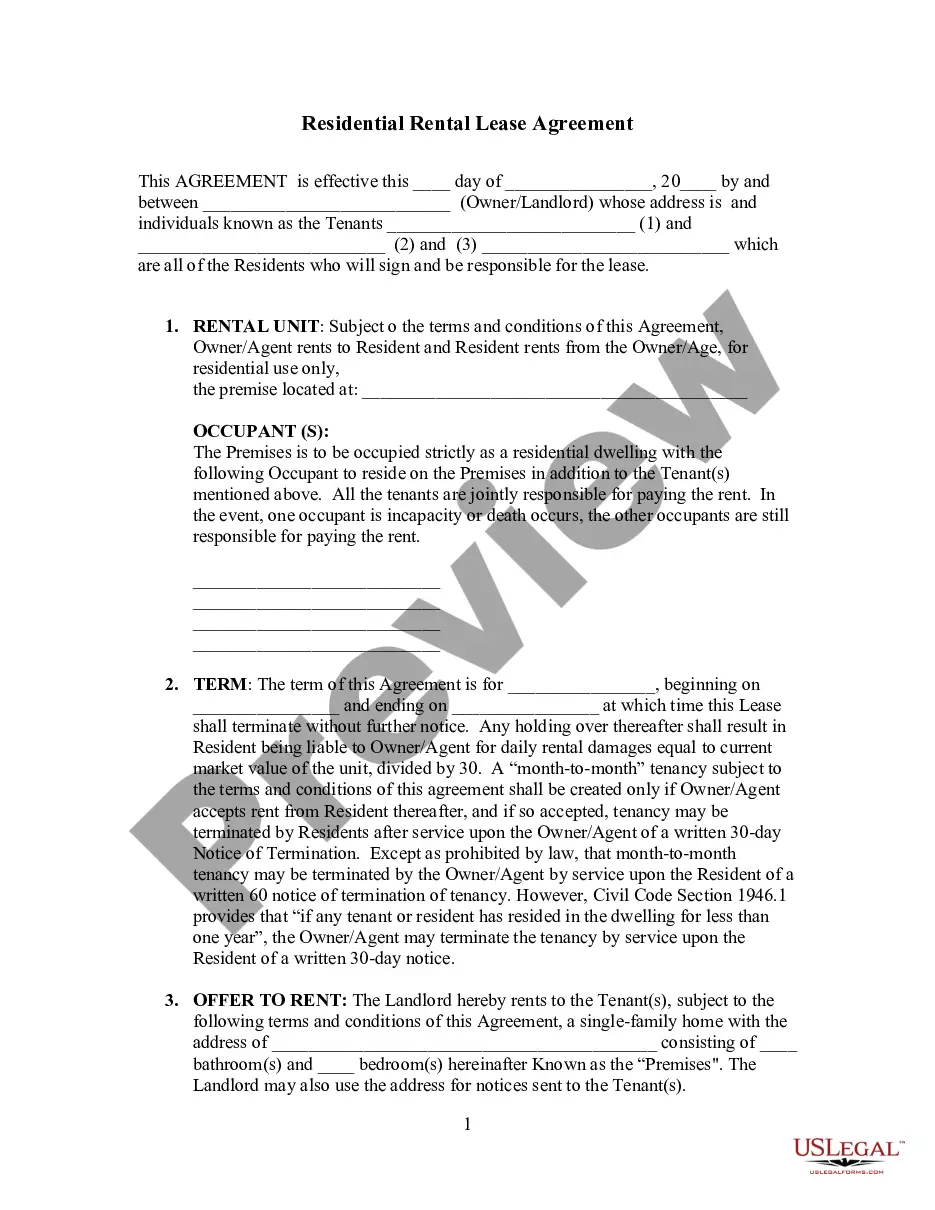
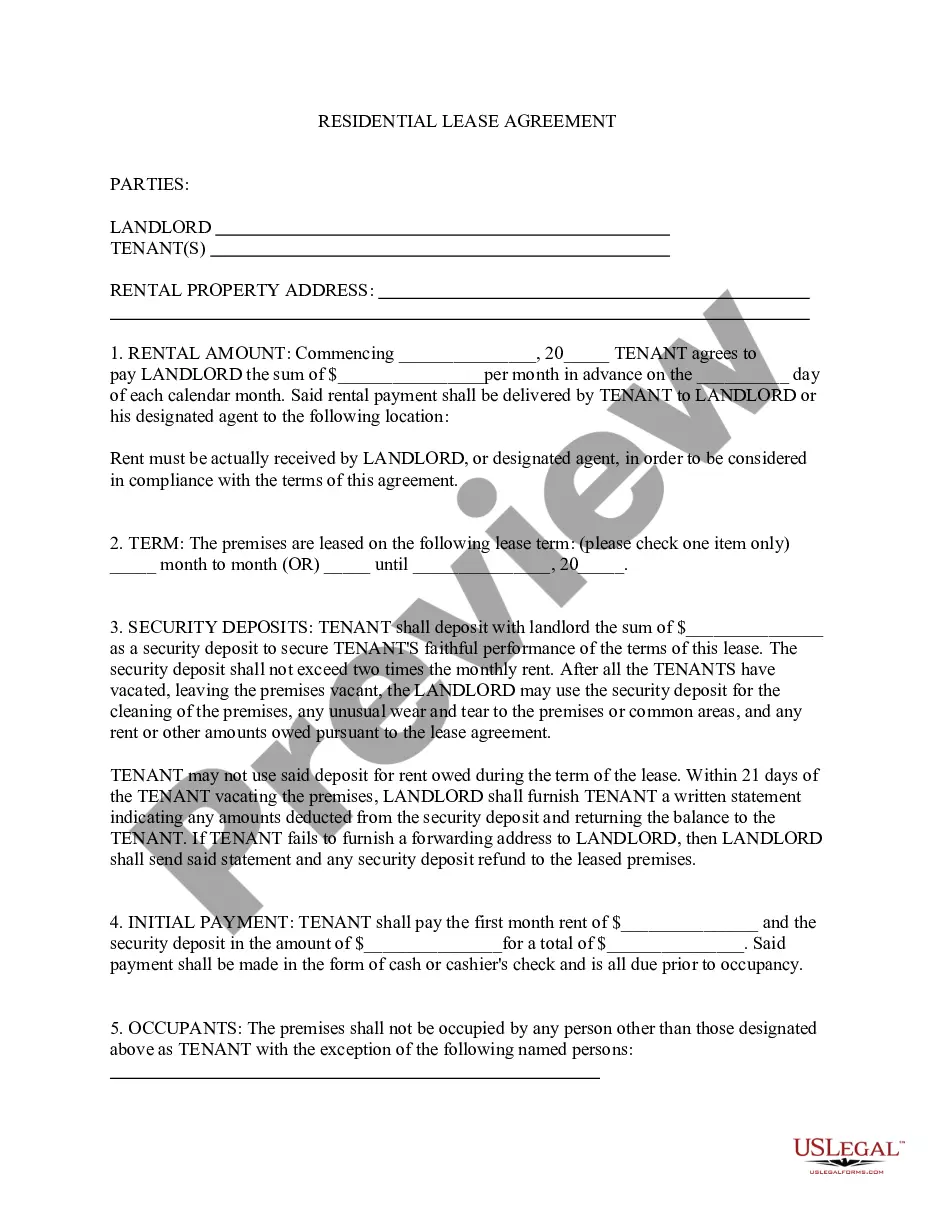
Description
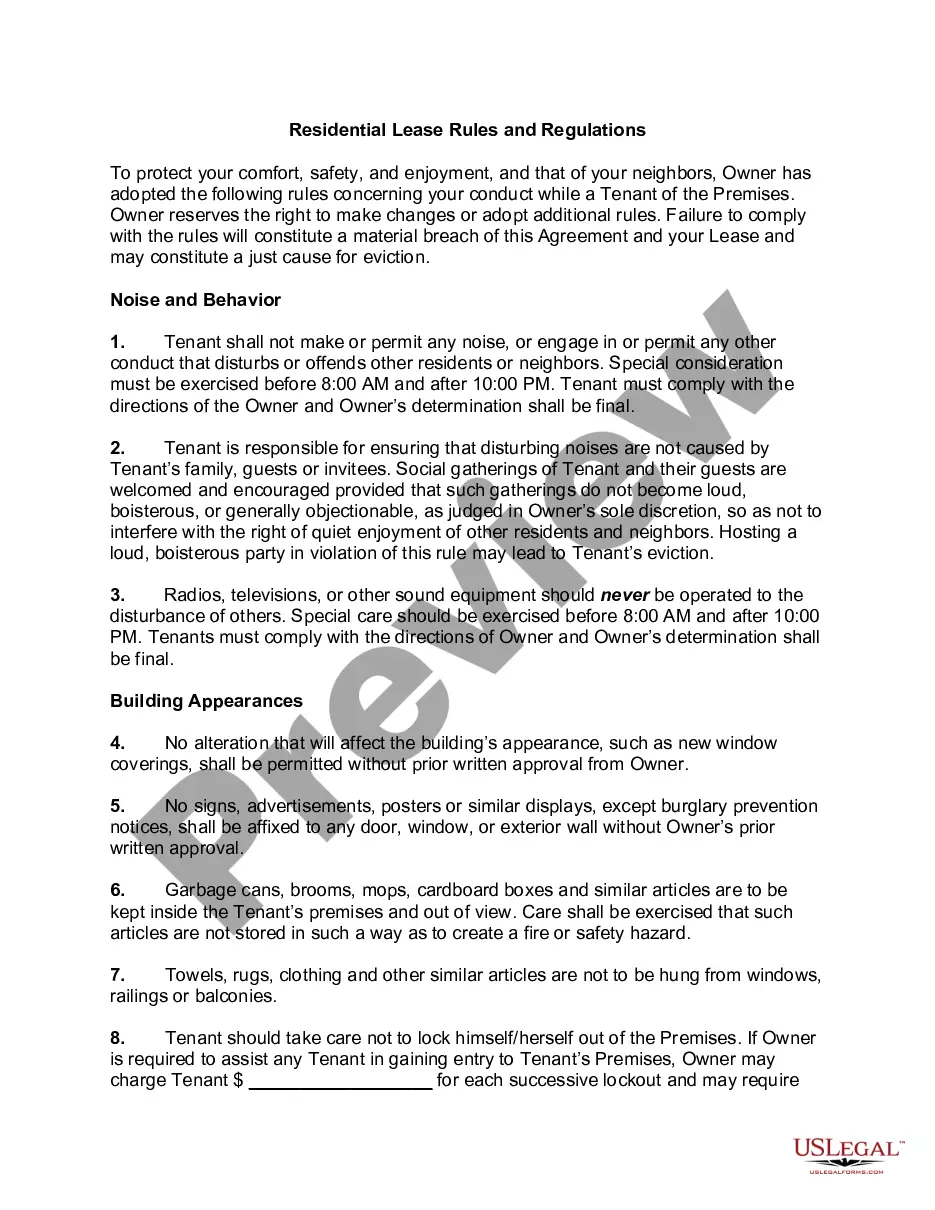
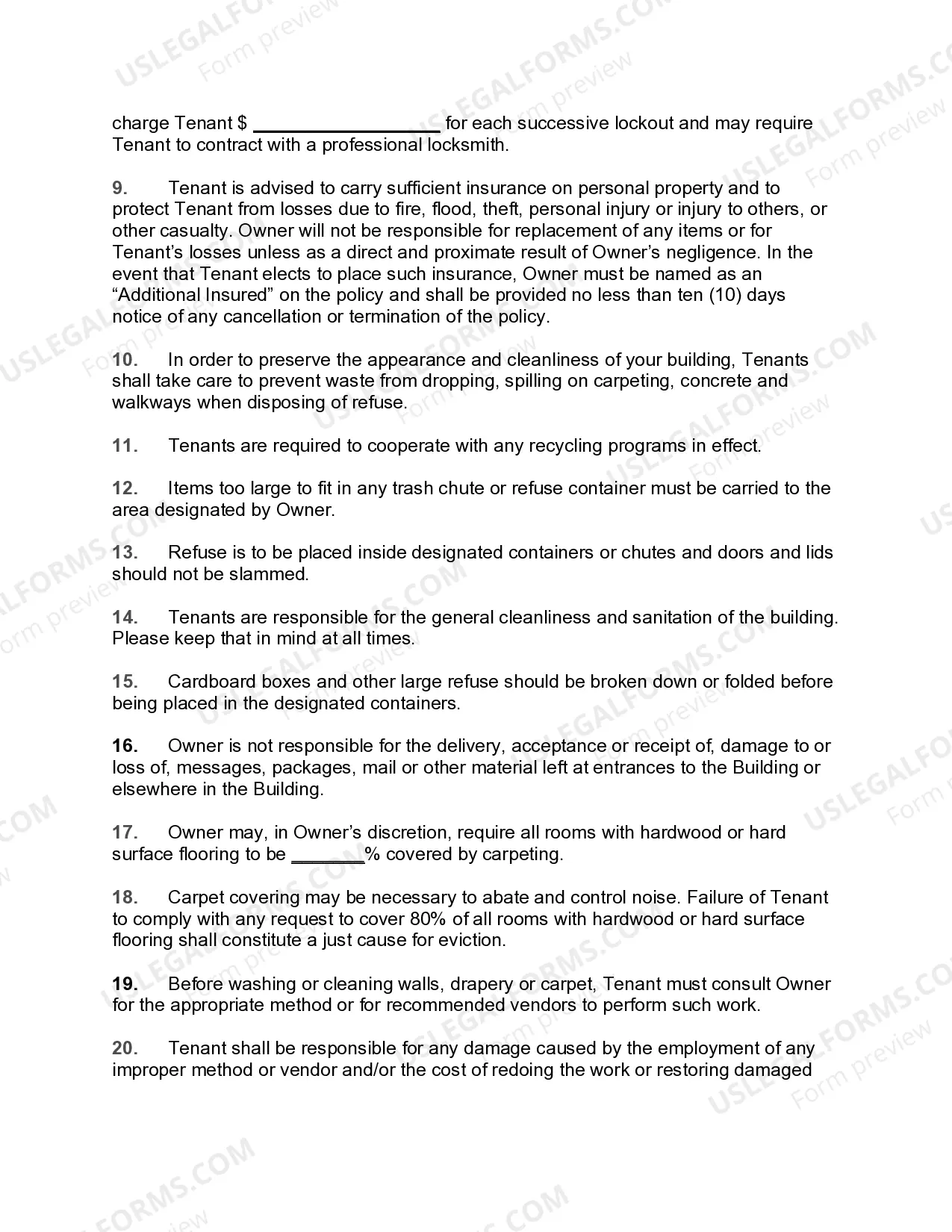
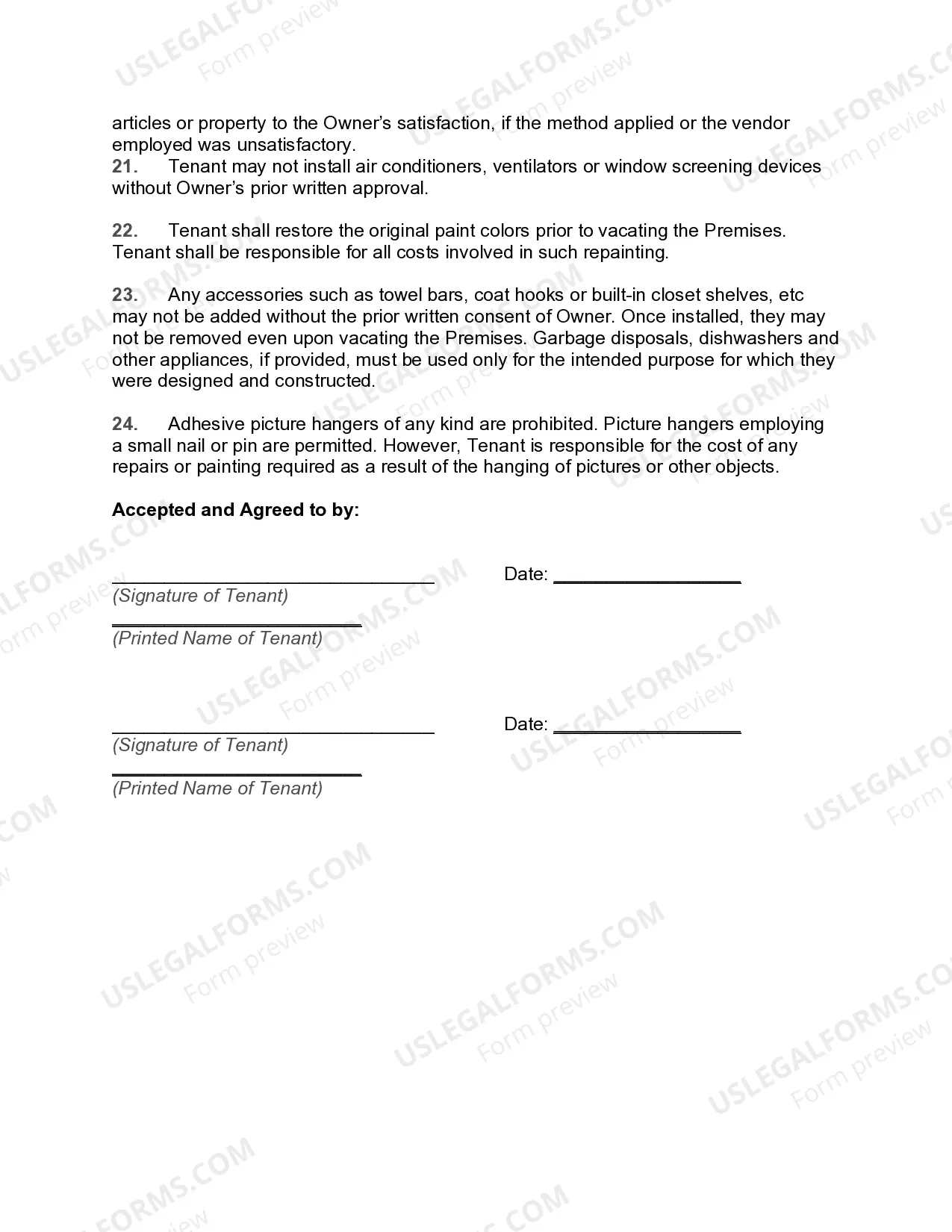
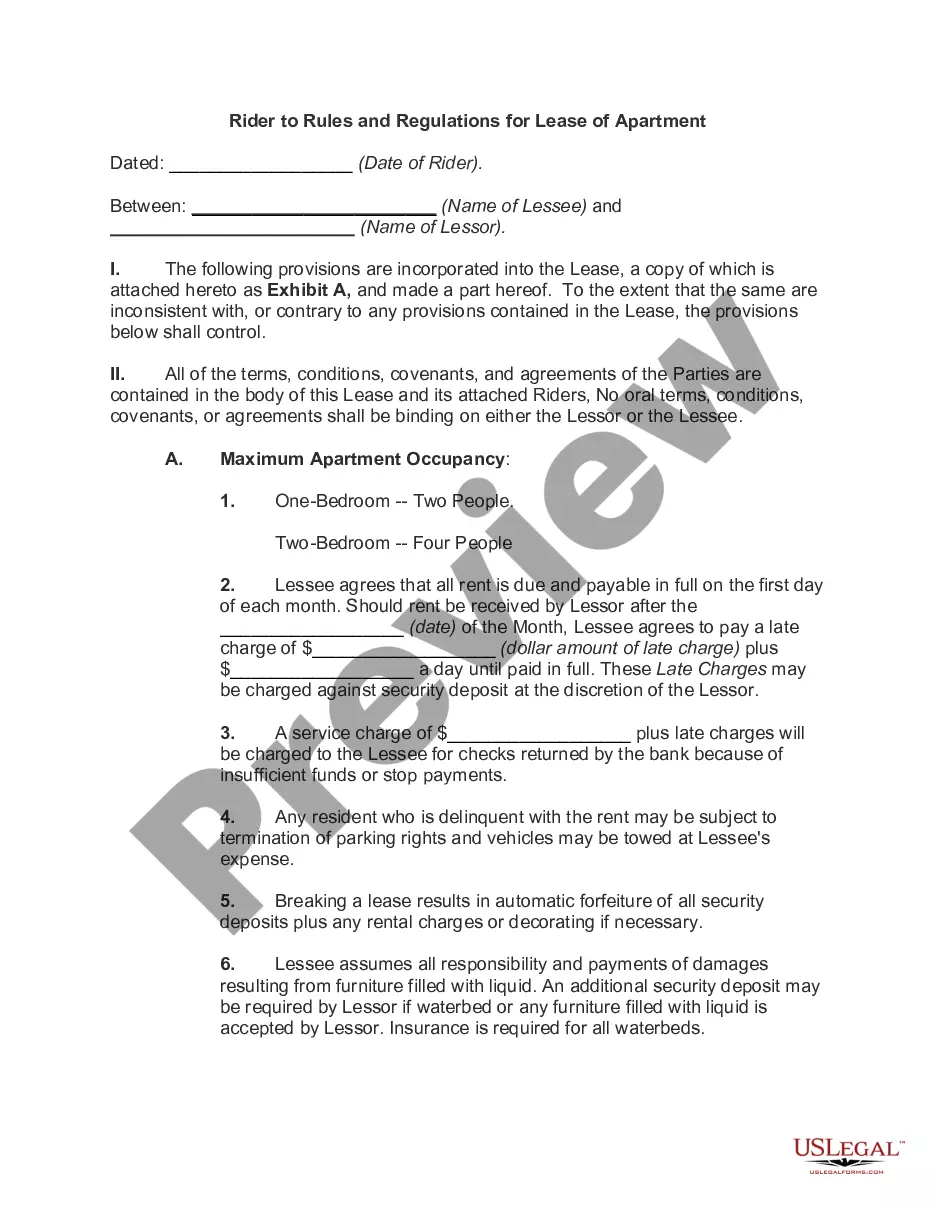
Get your form ready online
Our built-in tools help you complete, sign, share, and store your documents in one place.
Make edits, fill in missing information, and update formatting in US Legal Forms—just like you would in MS Word.
Download a copy, print it, send it by email, or mail it via USPS—whatever works best for your next step.
Sign and collect signatures with our SignNow integration. Send to multiple recipients, set reminders, and more. Go Premium to unlock E-Sign.
If this form requires notarization, complete it online through a secure video call—no need to meet a notary in person or wait for an appointment.
We protect your documents and personal data by following strict security and privacy standards.

Make edits, fill in missing information, and update formatting in US Legal Forms—just like you would in MS Word.

Download a copy, print it, send it by email, or mail it via USPS—whatever works best for your next step.

Sign and collect signatures with our SignNow integration. Send to multiple recipients, set reminders, and more. Go Premium to unlock E-Sign.

If this form requires notarization, complete it online through a secure video call—no need to meet a notary in person or wait for an appointment.

We protect your documents and personal data by following strict security and privacy standards.
Looking for another form?
How to fill out Residential Lease Rules And Regulations?
Are you currently located in a place where you frequently need documents for either business or personal reasons? There is an abundance of legal document templates available online, but finding reliable ones can be challenging.
US Legal Forms offers a vast array of form templates, such as the Kansas Residential Lease Guidelines and Regulations, which are designed to comply with state and federal requirements.
If you are already familiar with the US Legal Forms website and have an account, simply Log In. After that, you can download the Kansas Residential Lease Guidelines and Regulations template.
Select a convenient file format and download your copy.
Access all the document templates you have purchased in the My documents section. You can obtain an additional copy of the Kansas Residential Lease Guidelines and Regulations at any time, if needed. Simply click on the required form to download or print the document template.
- If you do not have an account and wish to start using US Legal Forms, follow these steps.
- Search for the form you need and ensure it corresponds to the correct city/county.
- Utilize the Review option to examine the form.
- Check the description to confirm that you have selected the appropriate form.
- If the form does not match your requirements, use the Search field to find a form that fits your needs.
- Once you find the correct form, click Purchase now.
- Choose the pricing plan you prefer, provide the necessary information to create your account, and pay for your order using PayPal or a credit card.
Form popularity
FAQ
BREAKING YOUR RESIDENTIAL LEASEDeclare a Constructive Eviction.Point Out Landlord Breaches to Reduce Your Debt.Landlords Have a Duty to Mitigate Their Damages.Consequences for Breaking Your Lease.Look for These Clauses in Your Lease.Your Landlord May Have a Duty to Mitigate.Declare a Constructive Eviction.More items...?
If you have a lease agreement normally you cannot terminate your tenancy unless your landlord is in breach of his/her obligations, there is a break clause in your lease or both you and your landlord agree at the time to end the tenancy.
It normally ranges from 20 to 30 days. At times the lease agreement may provide for longer periods of more than 30 days. The Consumer Protection Act (CPA), which regulates residential lease agreements states that such a notice period can not be less than 20 working days.
You must give your landlord written notice of your intent to terminate your tenancy for military reasons. Once the notice is mailed or delivered, your tenancy will terminate 30 days after the date that rent is next due, even if that date is several months before your lease expires.
The landlord must give the tenant a Kansas eviction notice called a 30-Day Notice to Comply, which provides the tenant with 14 days to fix the issue.
The minimum notice requirement is 28 days. If you have a monthly tenancy, you will have to give one month's notice. If you pay your rent at longer intervals you have to give notice equivalent to that rental period. For example, if you pay rent every three months, you would have to give three months' notice.
Terminating tenancy And in most cases, your landlord will have to provide you at least 30 days' notice that they plan to not renew your lease.
On your part, as the landlord, you must ensure for instance, that you provide livable premises that meet Kansas habitability codes. If you don't, your tenant could have a legal right to break their lease without further responsibilities under the lease.
Kansas state law limits how much a landlord can charge for a security deposit (one month's rent if the residence is unfurnished and one and one-half months if it's furnished; additional deposit can be added for pets), when it must be returned (within 30 days after a tenant moves), and sets other restrictions on