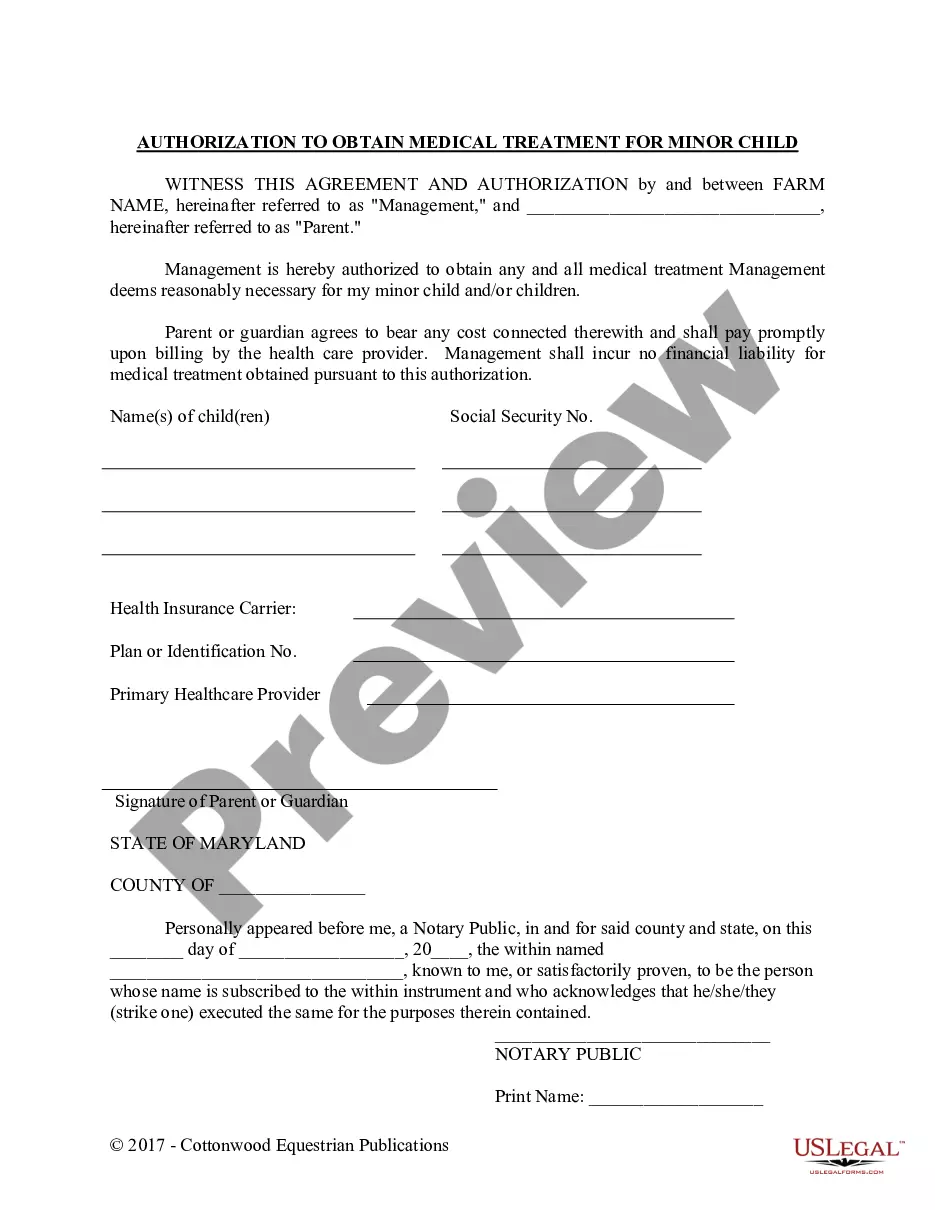
Kansas Motion for Productiion of Documents and Objects
Overview of this form
The Motion for Production of Documents and Objects is a legal request used in the discovery phase of a criminal case. This form seeks to compel the opposing party to provide access to specific documents, electronic data, or physical items essential for building a defense. Unlike general discovery requests, this motion is particularly formalized and enables attorneys to obtain vital evidence that may otherwise be inaccessible.
What’s included in this form
- Case details, including names of the plaintiff and defendant, and case number.
- Specific documents and objects requested for production.
- Deadline and location for submission of the requested materials.
- Background information explaining the relevance of the requested information.
- Subpoena procedure outlining the legal basis for the request.
- Request for a records-custodian affidavit to streamline evidence presentation.


When this form is needed
This form should be used when you need to request documents or physical evidence from the opposing party in a criminal case. It's typically utilized when other means of obtaining this information have been exhausted or are unlikely to succeed. For example, if you believe that certain documents are crucial to proving your defense, and the opposing party has not voluntarily provided them, filing this motion is a necessary step.
Who can use this document
- Defendants in criminal cases seeking access to evidence held by the prosecution.
- Defense attorneys representing indigent clients who cannot afford the costs associated with subpoenas.
- Individuals involved in legal proceedings who require documentation to support their claims or defenses.
How to complete this form
- Identify the case details, including names and case number, at the top of the form.
- Enter the name of the person or entity from whom documents are being requested.
- List the specific documents and objects you wish to obtain in a numbered format.
- Set the deadline and provide the address where the documents should be sent.
- Describe the relevance of the requested documents to your case in the background section.
- Review and ensure all sections are completed accurately before submitting the motion.
Does this form need to be notarized?
This form does not typically require notarization unless specified by local law. However, check the rules applicable to your specific jurisdiction to confirm this requirement.
Get your form ready online
Our built-in tools help you complete, sign, share, and store your documents in one place.
Make edits, fill in missing information, and update formatting in US Legal Forms—just like you would in MS Word.
Download a copy, print it, send it by email, or mail it via USPS—whatever works best for your next step.
Sign and collect signatures with our SignNow integration. Send to multiple recipients, set reminders, and more. Go Premium to unlock E-Sign.
If this form requires notarization, complete it online through a secure video call—no need to meet a notary in person or wait for an appointment.
We protect your documents and personal data by following strict security and privacy standards.

Make edits, fill in missing information, and update formatting in US Legal Forms—just like you would in MS Word.

Download a copy, print it, send it by email, or mail it via USPS—whatever works best for your next step.

Sign and collect signatures with our SignNow integration. Send to multiple recipients, set reminders, and more. Go Premium to unlock E-Sign.

If this form requires notarization, complete it online through a secure video call—no need to meet a notary in person or wait for an appointment.

We protect your documents and personal data by following strict security and privacy standards.
Typical mistakes to avoid
- Failing to clearly identify the documents or objects being requested.
- Not providing a specific deadline for production, making it unclear when items are needed.
- Overlooking the requirement to justify the request as essential and relevant.
- Forgetting to include background information that explains the significance of the requested materials.
Advantages of online completion
- Convenient access to legal forms that can be completed and filed from anywhere.
- Editability ensures that you can tailor the motion to your specific case needs.
- Reliability of professionally drafted forms providing peace of mind.
Looking for another form?
Form popularity
FAQ
Rule 68 ? Offer of judgment. At any time more than 10 days before the trial begins, a party defending against a claim may serve upon the adverse party an offer to allow judgment to be taken against him for the money or property or to the effect specified in his offer, with costs then accrued.
The court may issue a seizure warrant on an affidavit under oath demonstrating that probable cause exists for the property's forfeiture or that the property has been the subject of a previous final judgment of forfeiture in the courts of any state or of the United States.
Summary judgment?that is, judgment without a trial?is appropriate when "the pleadings, the discovery and disclosure materials on file, and any affidavits or declarations show that there is no genuine issue as to any material fact and that the moving party is entitled to judgment as a matter of law." K.S.A.
Except as otherwise provided by statute or these rules, the response must be filed no later than 7 days after service of the motion or as otherwise provided by the court.
(a) Any judgment rendered in this state by a court of the United States or by a district court of this state in an action commenced under chapter 60 of the Kansas Statutes Annotated shall be a lien on the real estate of the judgment debtor within the county in which judgment is rendered.
Interrogatories. (a) Any party may submit to any other party up to 10 interrogatories. The party receiving the interrogatories shall submit answers or objections, if any, to the party submitting the same within 14 days after the interrogatories are submitted to the receiving party.
Unless otherwise limited by court order, the scope of discovery is as follows: Parties may obtain discovery regarding any nonprivileged matter that is relevant to any party's claim or defense and proportional to the needs of the case, considering the importance of the issues at stake in the action, the amount in
A civil chapter 61 warrant is a debt summons in Kansas. Usually, you receive this warrant from a process server at your home. It means that a debt collector is suing you for a debt you allegedly owe. If you've gotten a civil chapter 61 warrant in Kansas, you may be tempted to ignore the summons.