Indiana Relocation Expense Agreement
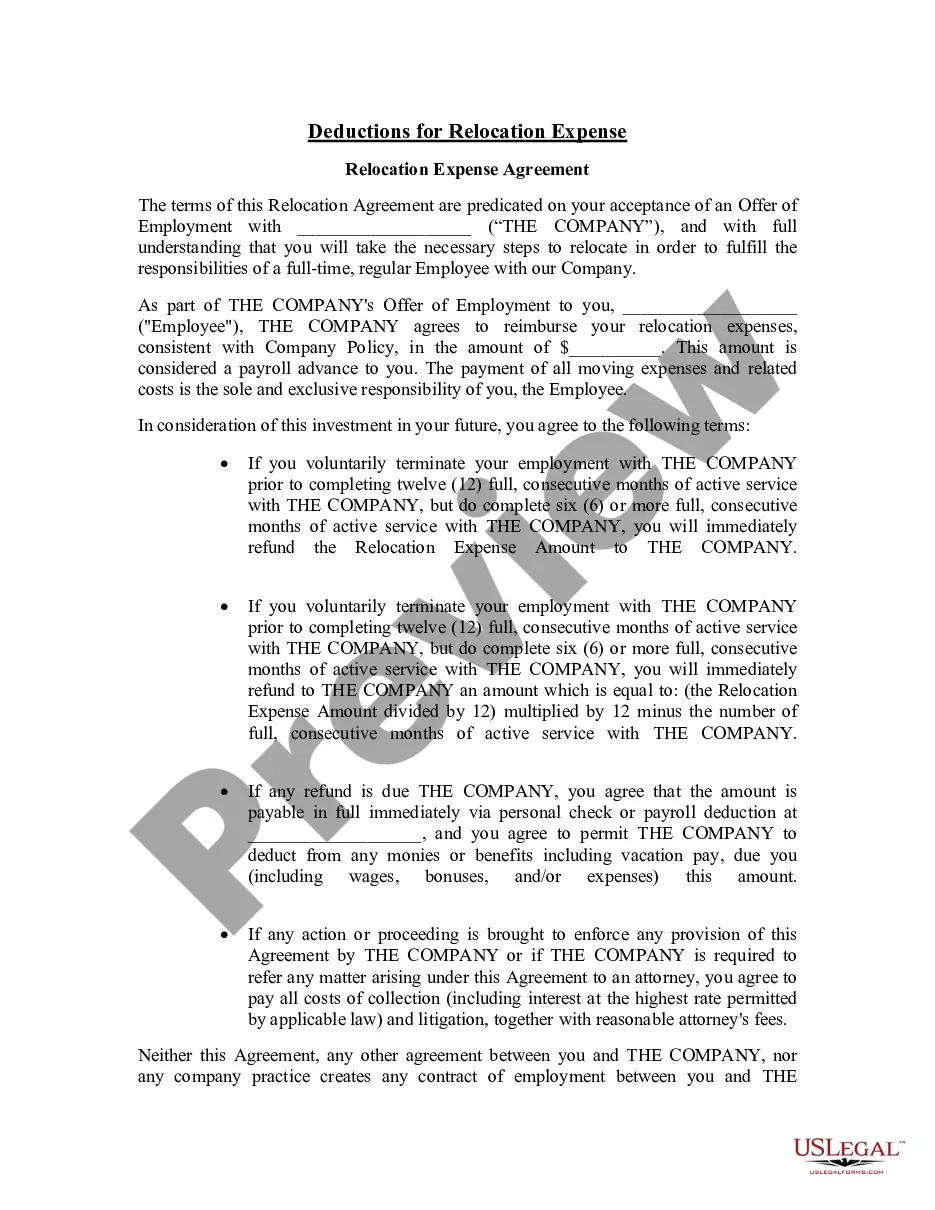
Description
Get your form ready online
Our built-in tools help you complete, sign, share, and store your documents in one place.
Make edits, fill in missing information, and update formatting in US Legal Forms—just like you would in MS Word.
Download a copy, print it, send it by email, or mail it via USPS—whatever works best for your next step.
Sign and collect signatures with our SignNow integration. Send to multiple recipients, set reminders, and more. Go Premium to unlock E-Sign.
If this form requires notarization, complete it online through a secure video call—no need to meet a notary in person or wait for an appointment.
We protect your documents and personal data by following strict security and privacy standards.
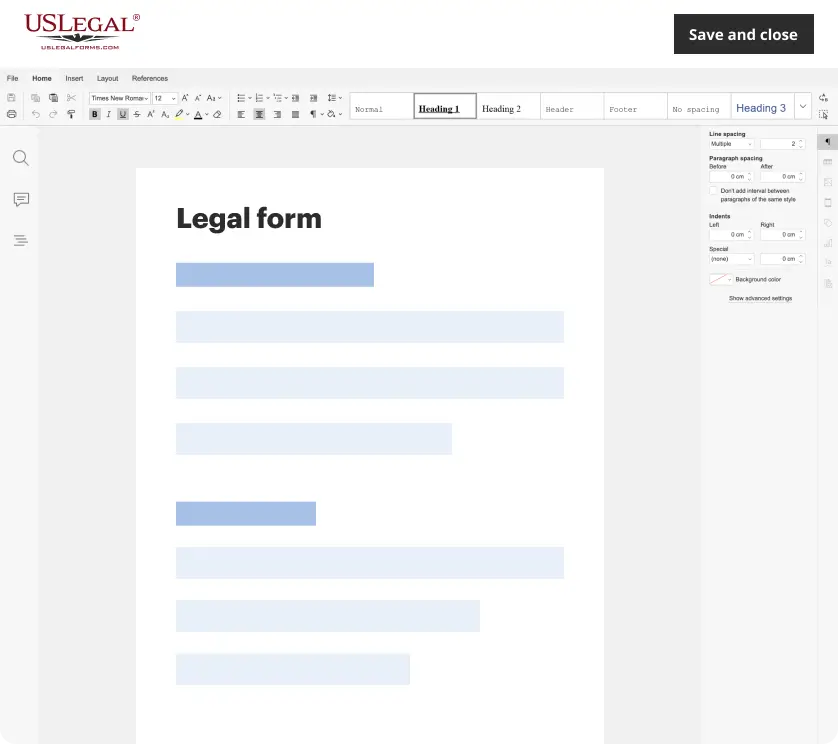
Make edits, fill in missing information, and update formatting in US Legal Forms—just like you would in MS Word.
Download a copy, print it, send it by email, or mail it via USPS—whatever works best for your next step.
Sign and collect signatures with our SignNow integration. Send to multiple recipients, set reminders, and more. Go Premium to unlock E-Sign.

If this form requires notarization, complete it online through a secure video call—no need to meet a notary in person or wait for an appointment.
We protect your documents and personal data by following strict security and privacy standards.
Looking for another form?
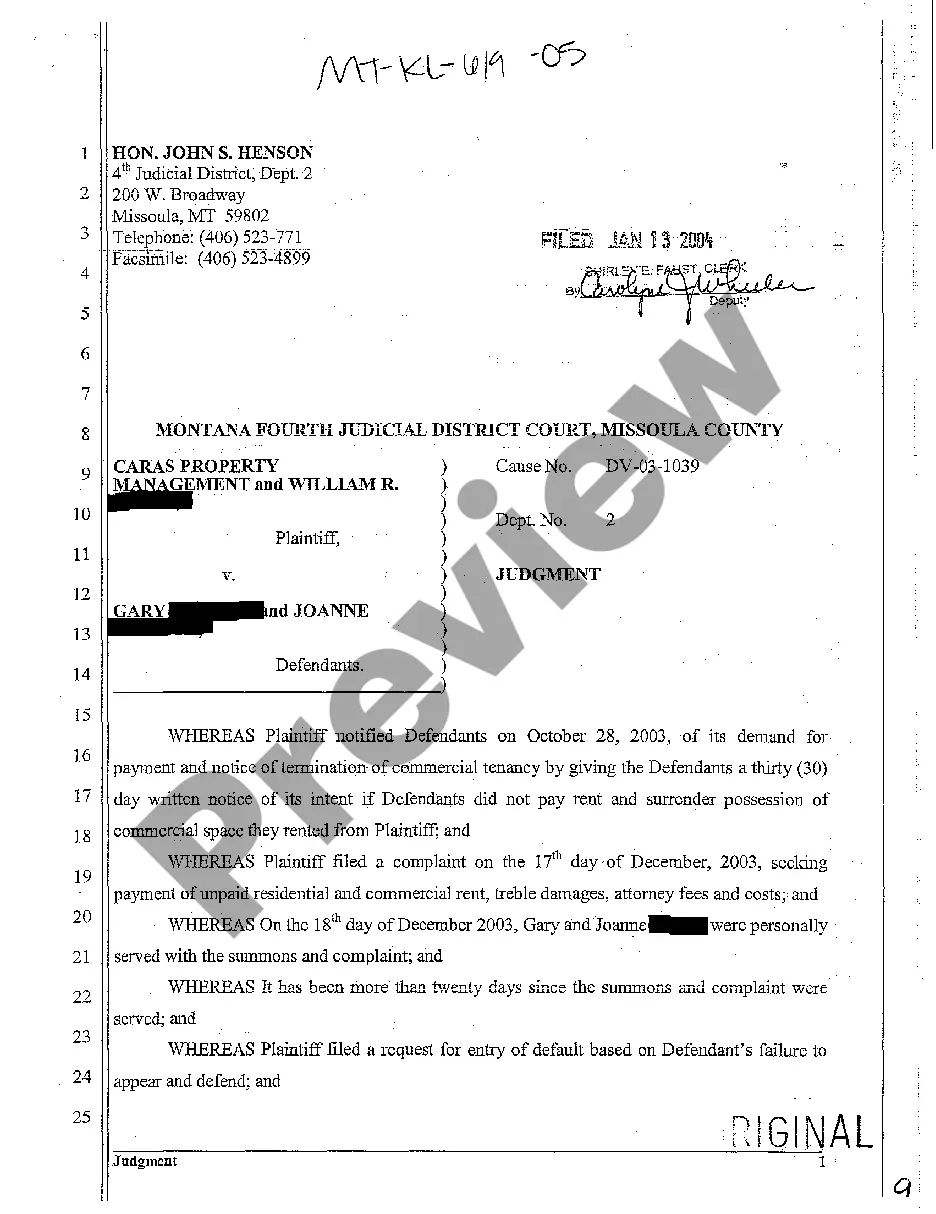
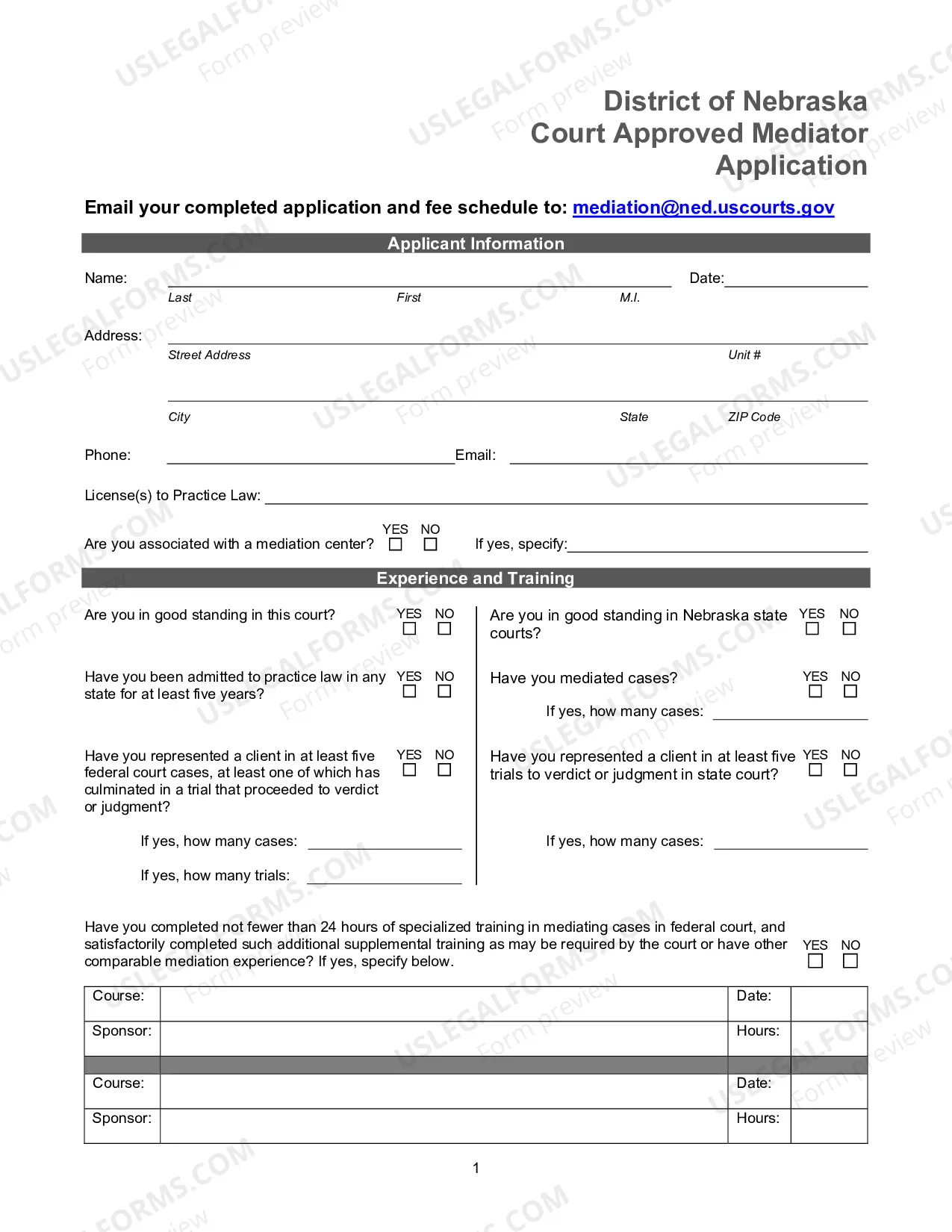


How to fill out Relocation Expense Agreement?
It's feasible to spend hours online searching for the legal document format that meets the federal and state requirements you need.
US Legal Forms offers thousands of legal templates that can be evaluated by professionals.
It's easy to obtain or print the Indiana Relocation Expense Agreement from the service.
If available, use the Review button to browse through the document format at the same time.
- If you possess a US Legal Forms account, you can Log In and click on the Download button.
- Then, you can complete, modify, print, or sign the Indiana Relocation Expense Agreement.
- Each legal document format you acquire is yours to keep for an extended period.
- To obtain another copy of any acquired form, navigate to the My documents tab and click on the corresponding button.
- If this is your first time using the US Legal Forms website, follow the straightforward instructions below.
- First, ensure that you have selected the correct document format for the state/region of your choice.
- Review the form description to confirm you've selected the appropriate form.
Form popularity
FAQ
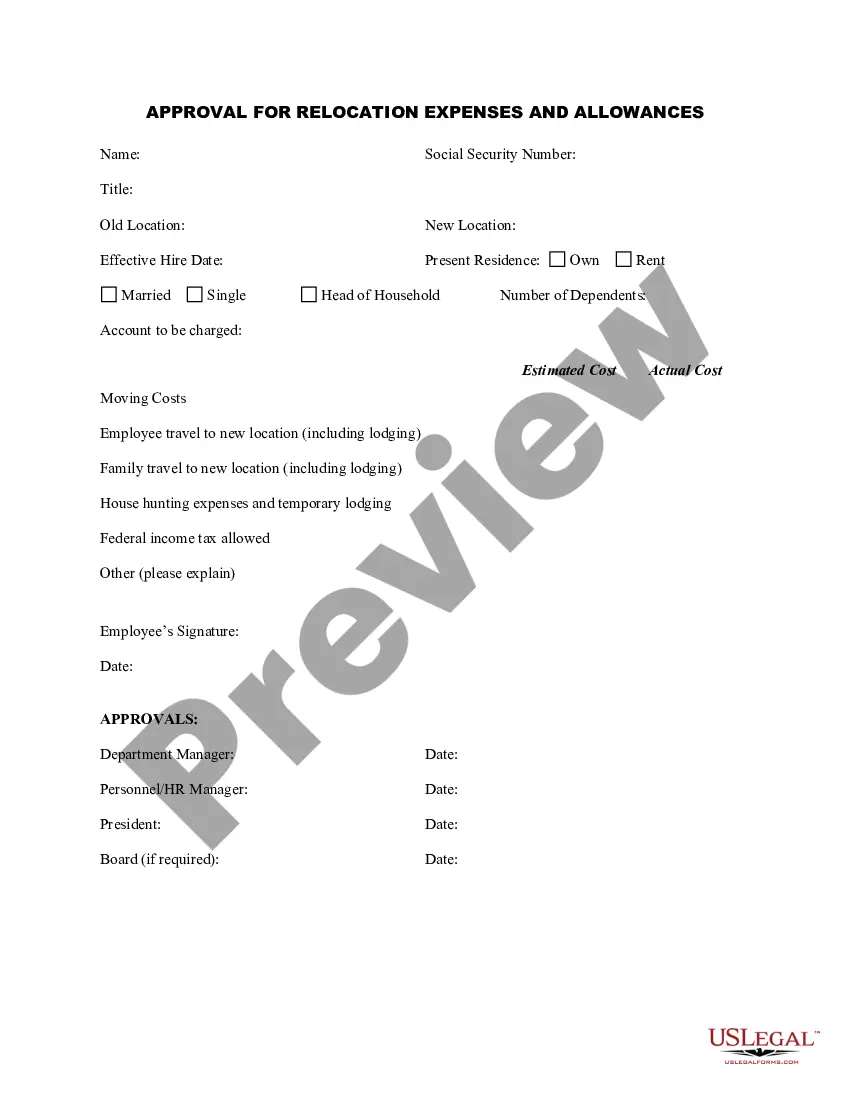
A typical relocation package usually covers the costs of moving and storing furnishings, household goods, assistance with selling an existing home, costs incurred with house-hunting, temporary housing, and all travel costs by the employee and family to the new location.
These include: The cost of packing, crating and transporting household goods of the employee and family. This includes cars and pets. The cost of connecting or disconnecting utilities.
You can deduct certain expenses associated with moving your household goods and personal effects. Examples of these expenses include the cost of packing, crating, hauling a trailer, in-transit storage, and insurance.
"Relocation offered" generally refers to an employer being willing to consider paying moving expenses and providing other considerations to enable a new hire to move there. It usually does not include things related to those not already eligible to work in the country in question.
To qualify, reimbursements or payments must be for work-related moving expenses that would have been deductible by the employee if the employee had directly paid them before Jan. 1, 2018.
Growth Trends for Related Jobs A relocation occurs when you move to another city or state for a job and must leave behind your present life: your home, family, friends and your church.
These include: The cost of packing, crating and transporting household goods of the employee and family. This includes cars and pets. The cost of connecting or disconnecting utilities.
A typical relocation package usually covers the costs of moving and storing furnishings, household goods, assistance with selling an existing home, costs incurred with house-hunting, temporary housing, and all travel costs by the employee and family to the new location.
Employee relocation occurs when a company chooses to move a new or existing employee from one location to another, and will often entice them with certain benefits to help make the move smoother and more affordable.
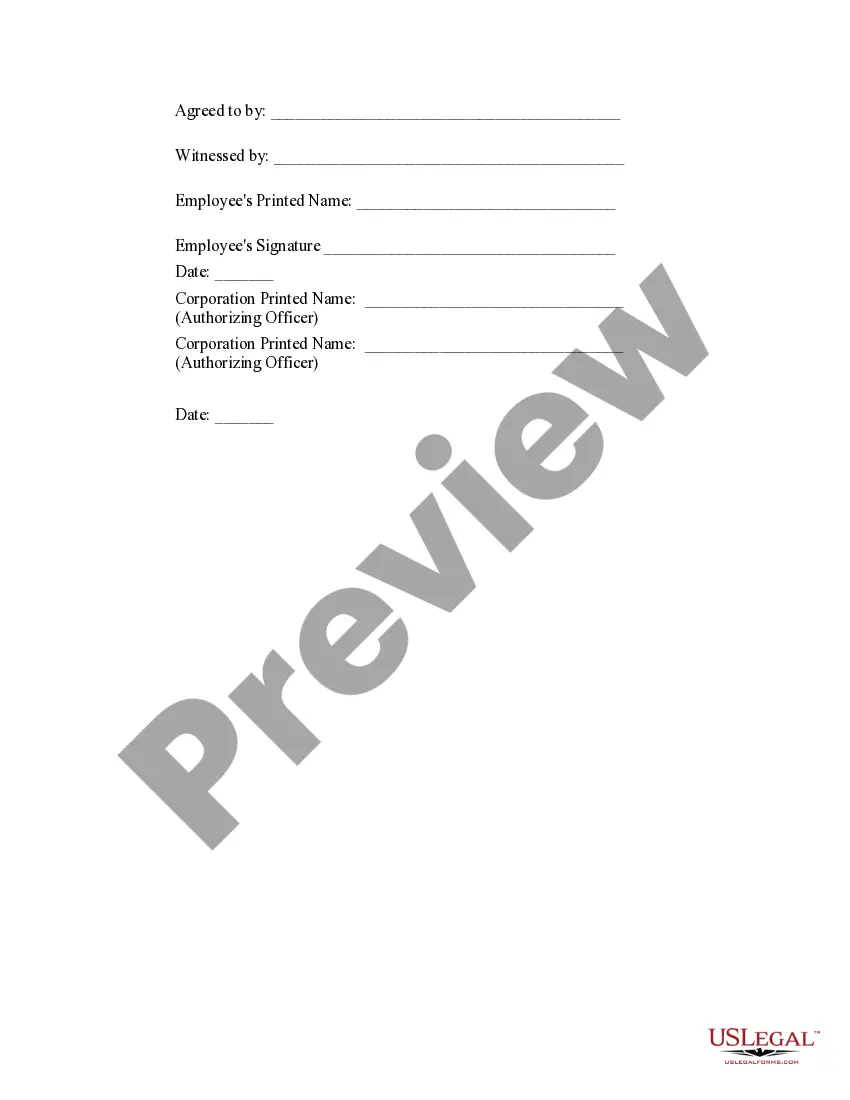
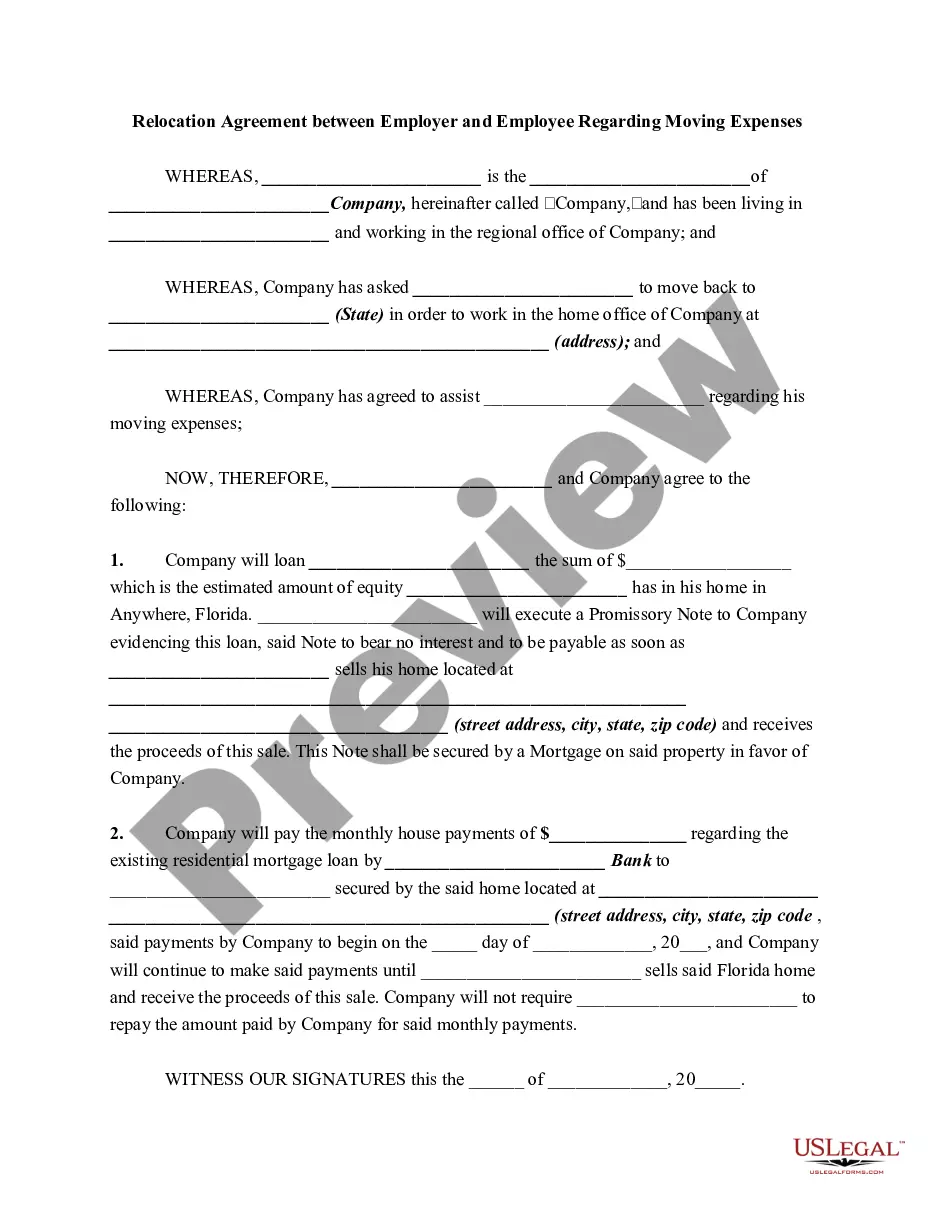
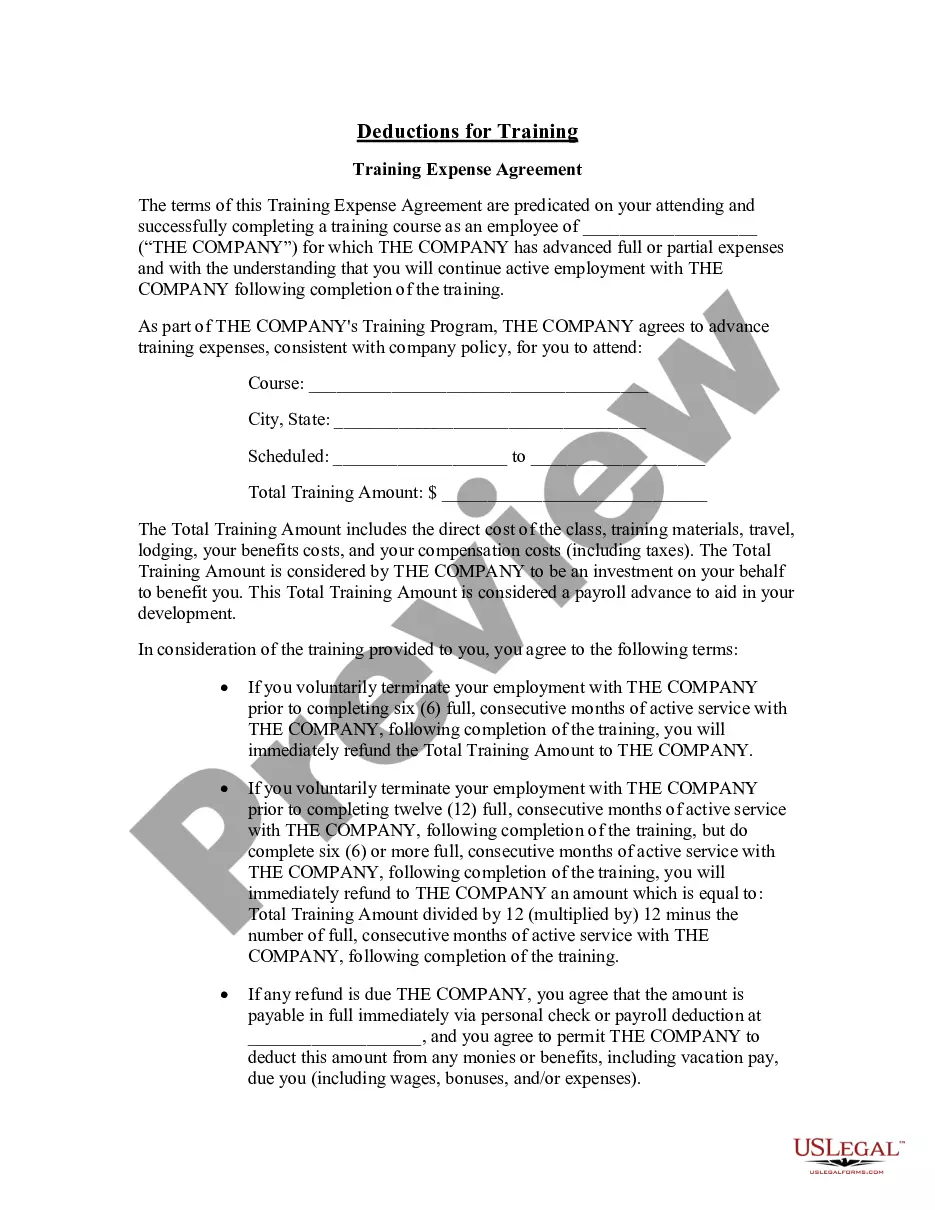
A relocation agreement, sometimes referred to as an employee relocation agreement, is a legal contract executed by an employer and an employee in which the employer agrees to compensate an employee for relocating for business purposes.