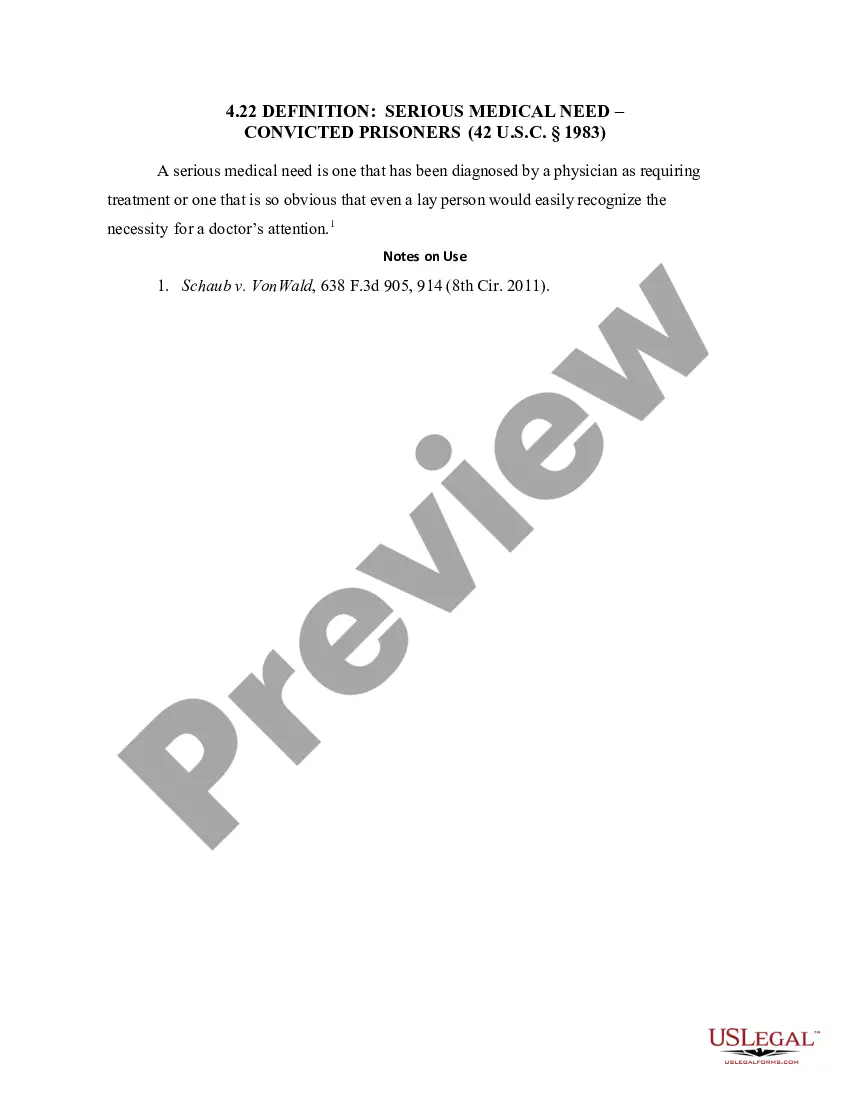
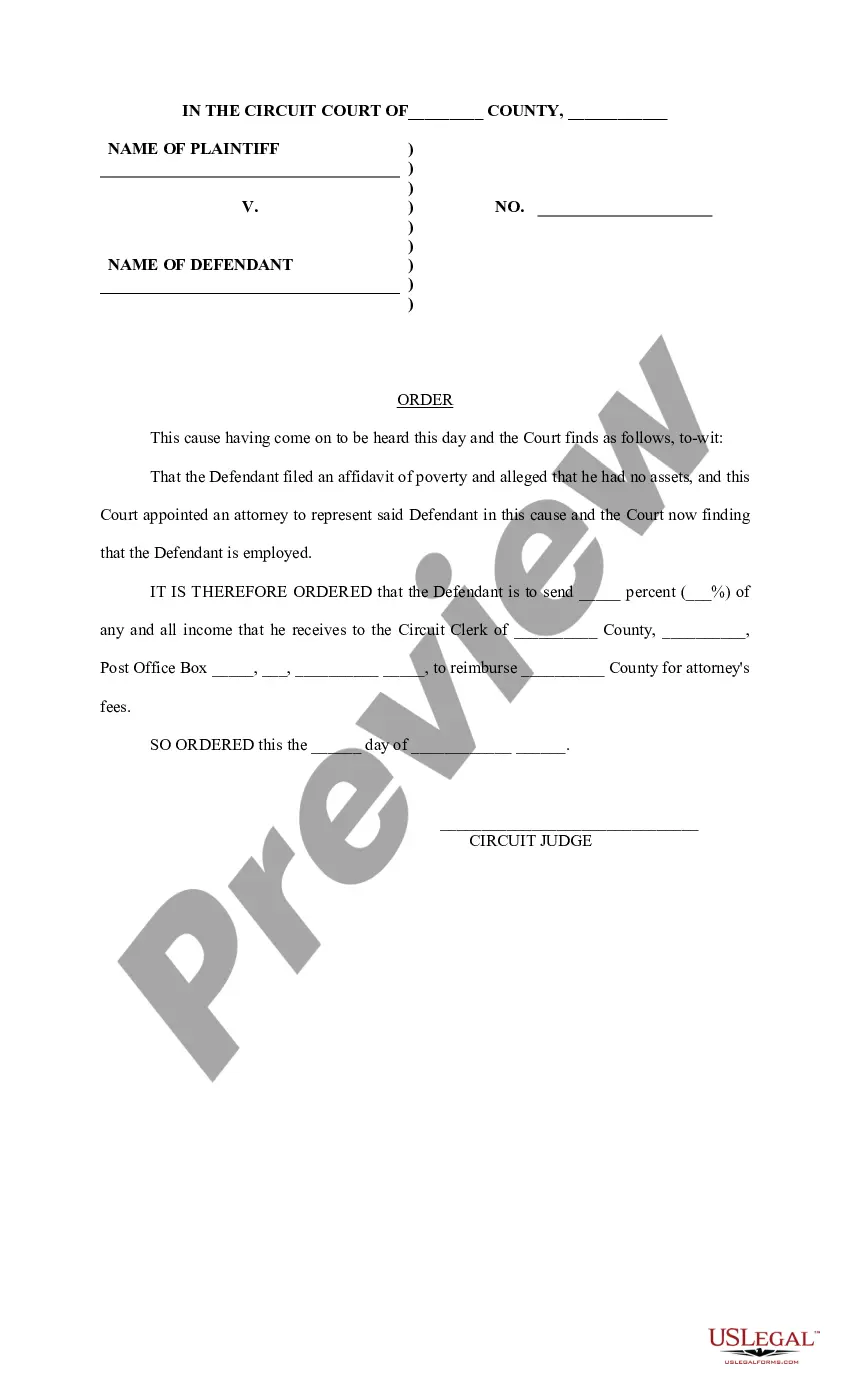
Indiana Order
Description
Get your form ready online
Our built-in tools help you complete, sign, share, and store your documents in one place.
Make edits, fill in missing information, and update formatting in US Legal Forms—just like you would in MS Word.
Download a copy, print it, send it by email, or mail it via USPS—whatever works best for your next step.
Sign and collect signatures with our SignNow integration. Send to multiple recipients, set reminders, and more. Go Premium to unlock E-Sign.
If this form requires notarization, complete it online through a secure video call—no need to meet a notary in person or wait for an appointment.
We protect your documents and personal data by following strict security and privacy standards.

Make edits, fill in missing information, and update formatting in US Legal Forms—just like you would in MS Word.

Download a copy, print it, send it by email, or mail it via USPS—whatever works best for your next step.

Sign and collect signatures with our SignNow integration. Send to multiple recipients, set reminders, and more. Go Premium to unlock E-Sign.

If this form requires notarization, complete it online through a secure video call—no need to meet a notary in person or wait for an appointment.

We protect your documents and personal data by following strict security and privacy standards.
Looking for another form?
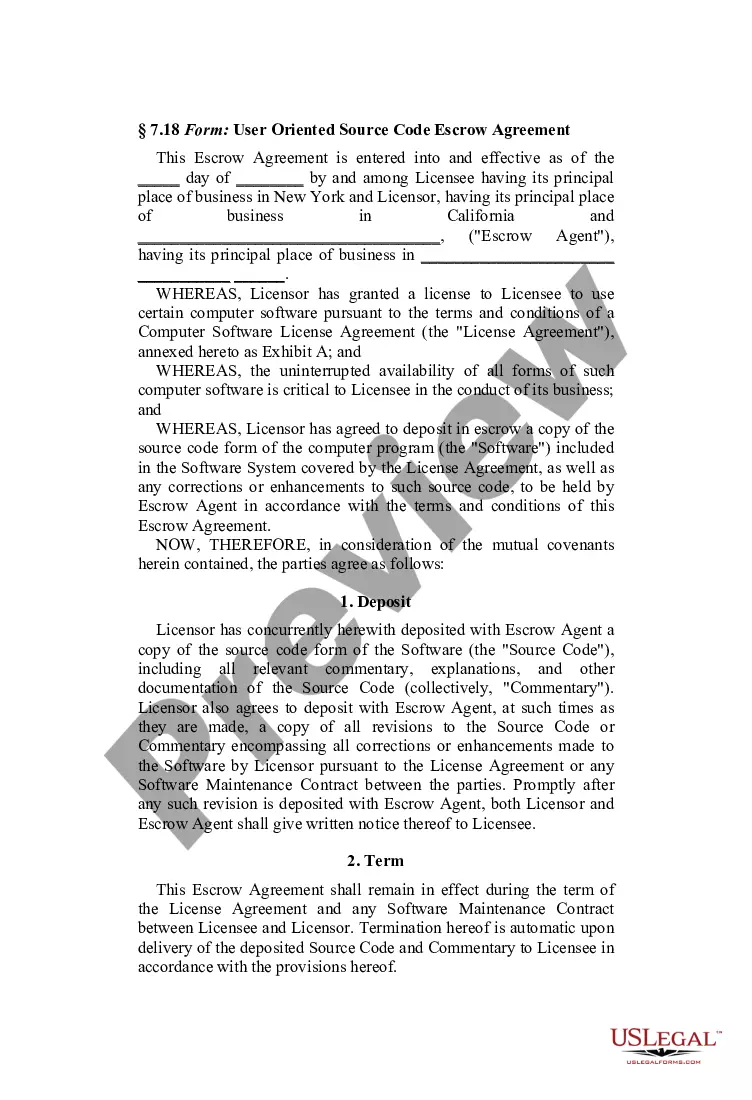

How to fill out Order?
US Legal Forms - one of the most prominent collections of legal documents in the country - offers a variety of legal form templates that you can download or print. By utilizing the website, you can access thousands of forms for business and personal purposes, categorized by type, state, or keywords. You can find the latest versions of forms such as the Indiana Order in just moments.
If you already have a subscription, sign in and download the Indiana Order from the US Legal Forms repository. The Download button will appear on every document you view. You can access all previously downloaded forms in the My documents area of your account.
If you are using US Legal Forms for the first time, here are some simple steps to get you started: Ensure you have selected the correct form for your region/county. Click the Preview button to review the form’s details. Check the form description to confirm you have selected the correct document. If the form does not meet your requirements, use the Search field at the top of the screen to locate one that does. If you are satisfied with the form, confirm your selection by clicking the Buy now button. Then, choose the pricing plan you prefer and provide your information to register for an account. Process the transaction. Use a Visa or Mastercard or PayPal account to complete the payment. Select the format and download the form to your device. Make edits. Fill out, modify, and print and sign the downloaded Indiana Order. Each template you add to your account has no expiration date and is yours indefinitely. So, if you wish to download or print another copy, simply navigate to the My documents section and click on the form you need.
- Gain access to the Indiana Order with US Legal Forms, the most extensive collection of legal document templates.
- Utilize thousands of professional and state-specific templates that satisfy your business or personal needs and requirements.
Form popularity
FAQ
The most common charge for restraining order violations in Indiana is invasion of privacy. In many cases, an accusation of invasion of privacy is an exaggeration of the events that transpired, or simply a miscommunication.
If the courts find you guilty, you could face up to a year in county jail and/or a fine of up to $5,000, in addition to probation. The courts could elevate the crime to a Level 6 felony if you have prior convictions for similar offenses, extending jail time to one and a half years.
Police incident and arrest reports are public records. But, as you can see above, many Indiana jurisdictions are making reports available through a commercial vendor.
All public records in Indiana are open for scrutiny, inspection, and duplication except for the following considered as confidential information by state law: Medical records. Adoption records. Personal or company financial information.
No contact orders are not the same as protective orders. These come about during criminal cases whereas protective orders are civil matters. No contact orders arise when a prosecutor asks a judge to rule that a defendant cannot contact a victim during a domestic battery or another domestic violence case.
Protection Order E-filing Service: public.courts.in.gov/porefsp#/ Civil protection orders are available for situations involving domestic or family violence, sexual assault, stalking, harassment, or child sex grooming. These types of situations can be very dangerous and even result in death.
The Access to Public Records Act (APRA), Indiana Code 5-14-3, provides that a person has the right to access information regarding the government and the official acts of public officials and employees. The statute also states that government officials have a responsibility to provide that information to you.
The Indiana Protective Order Registry is publicly searchable, making your protective order records available to anyone with access to the Internet. Similarly, the docket showing activity in criminal case files is accessible by searching Mycase Indiana. In other words, these files are open for public access.