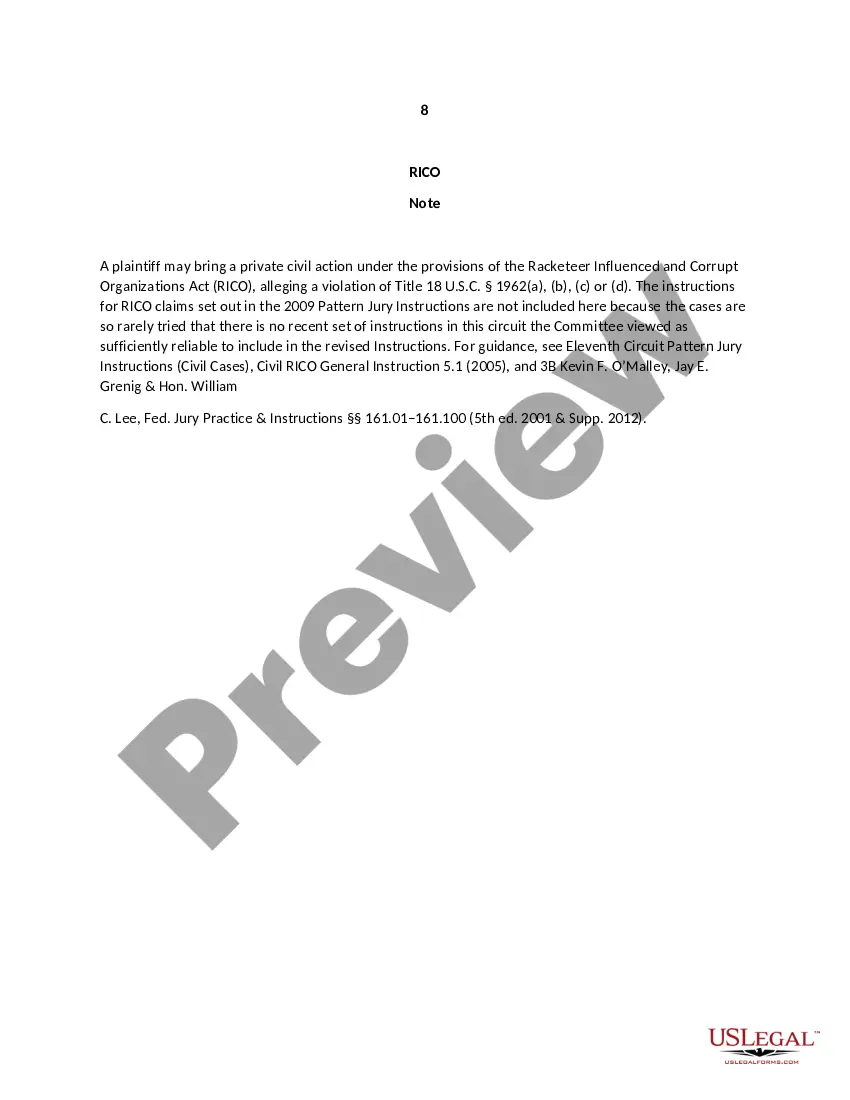
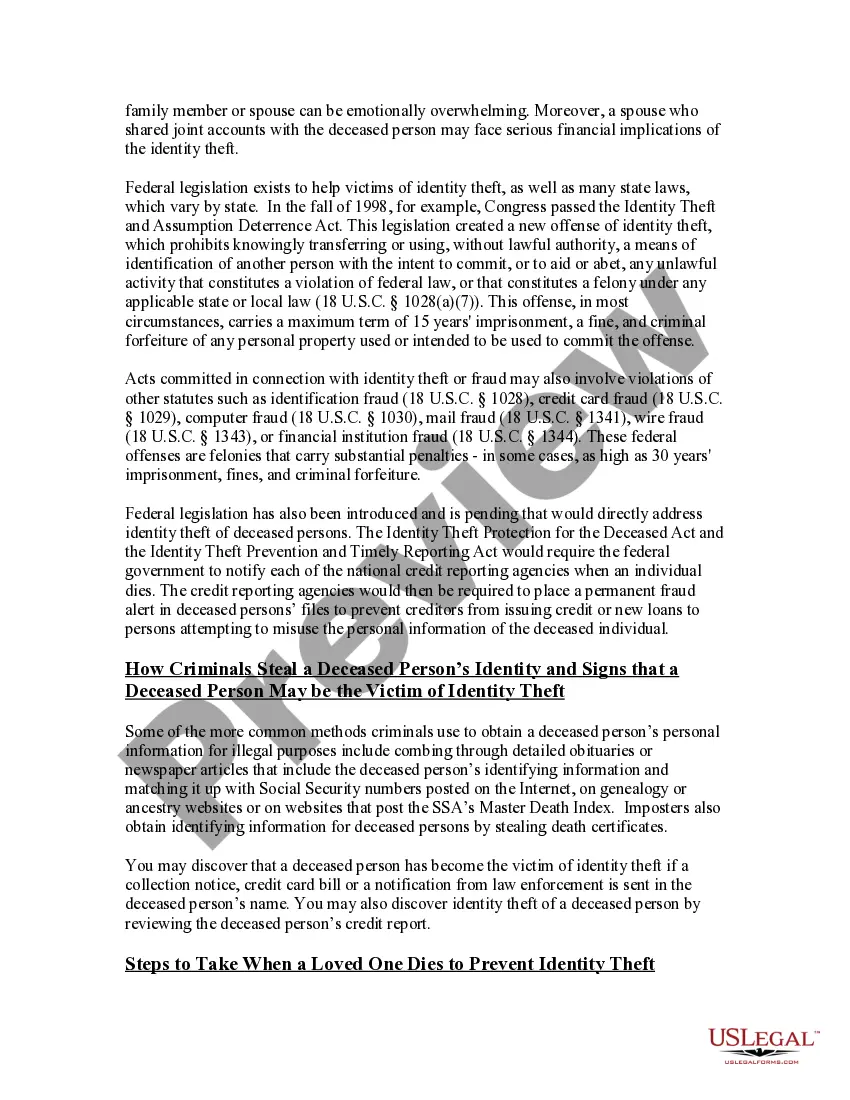
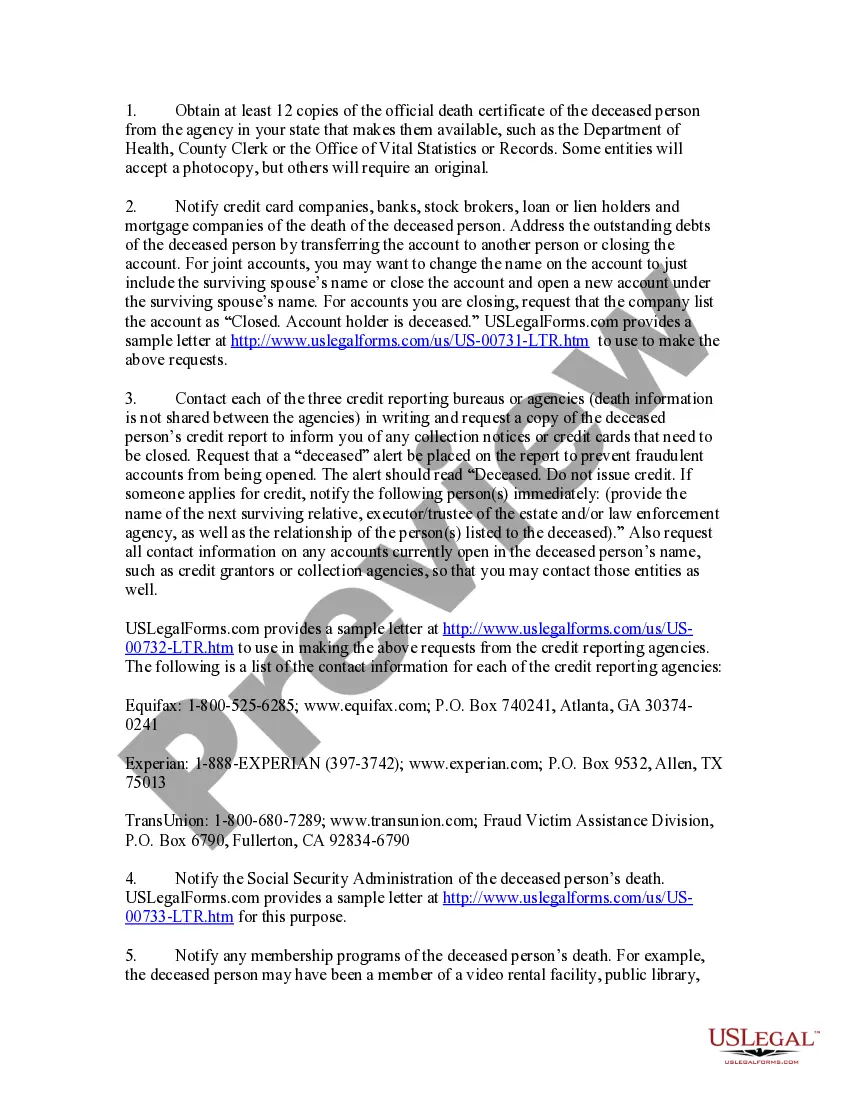
Indiana Guide for Protecting Deceased Persons from Identity Theft
Description
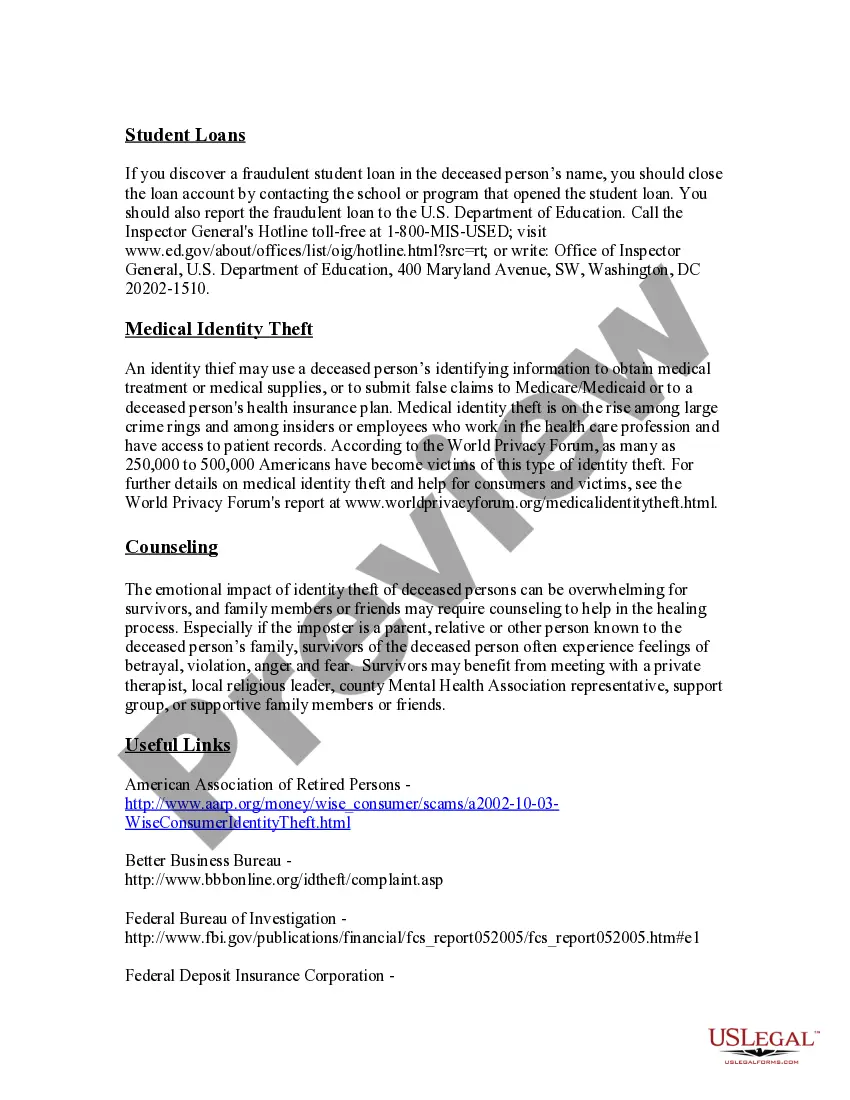
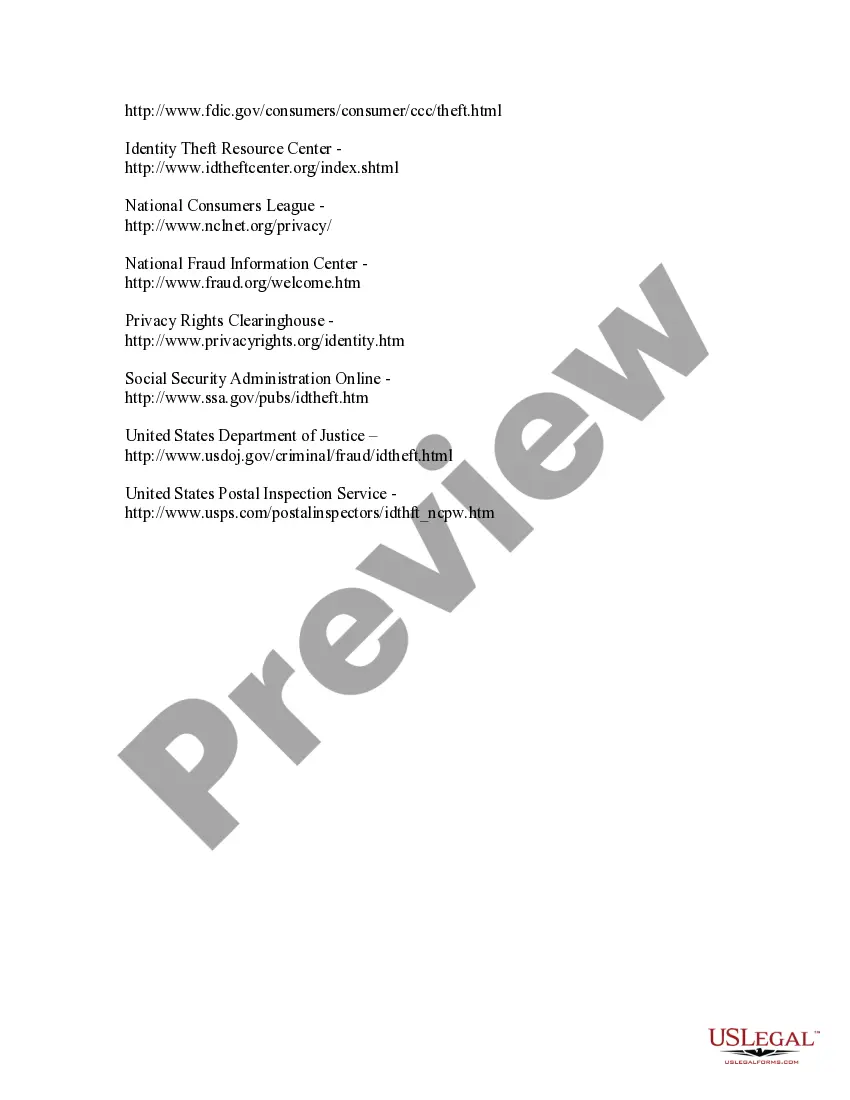
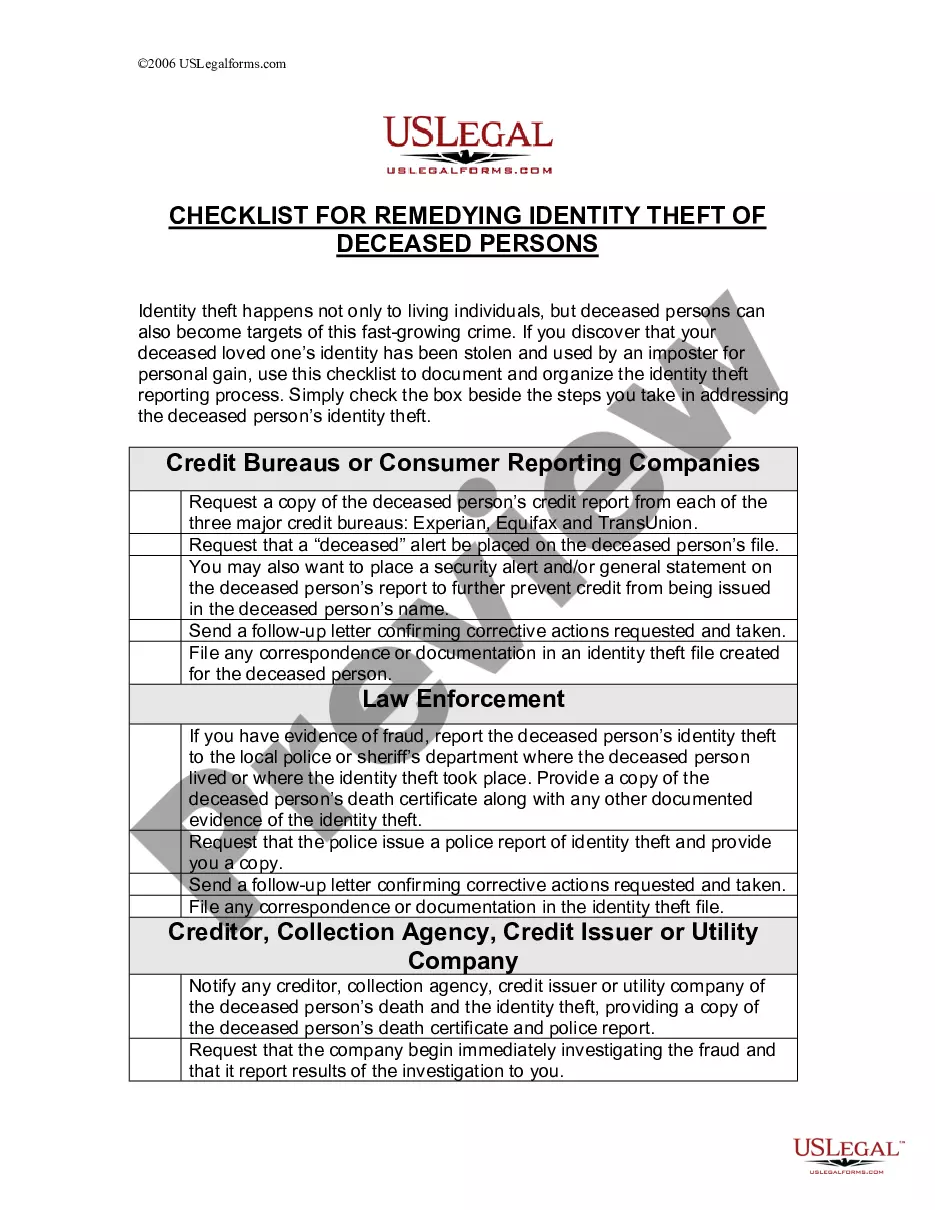
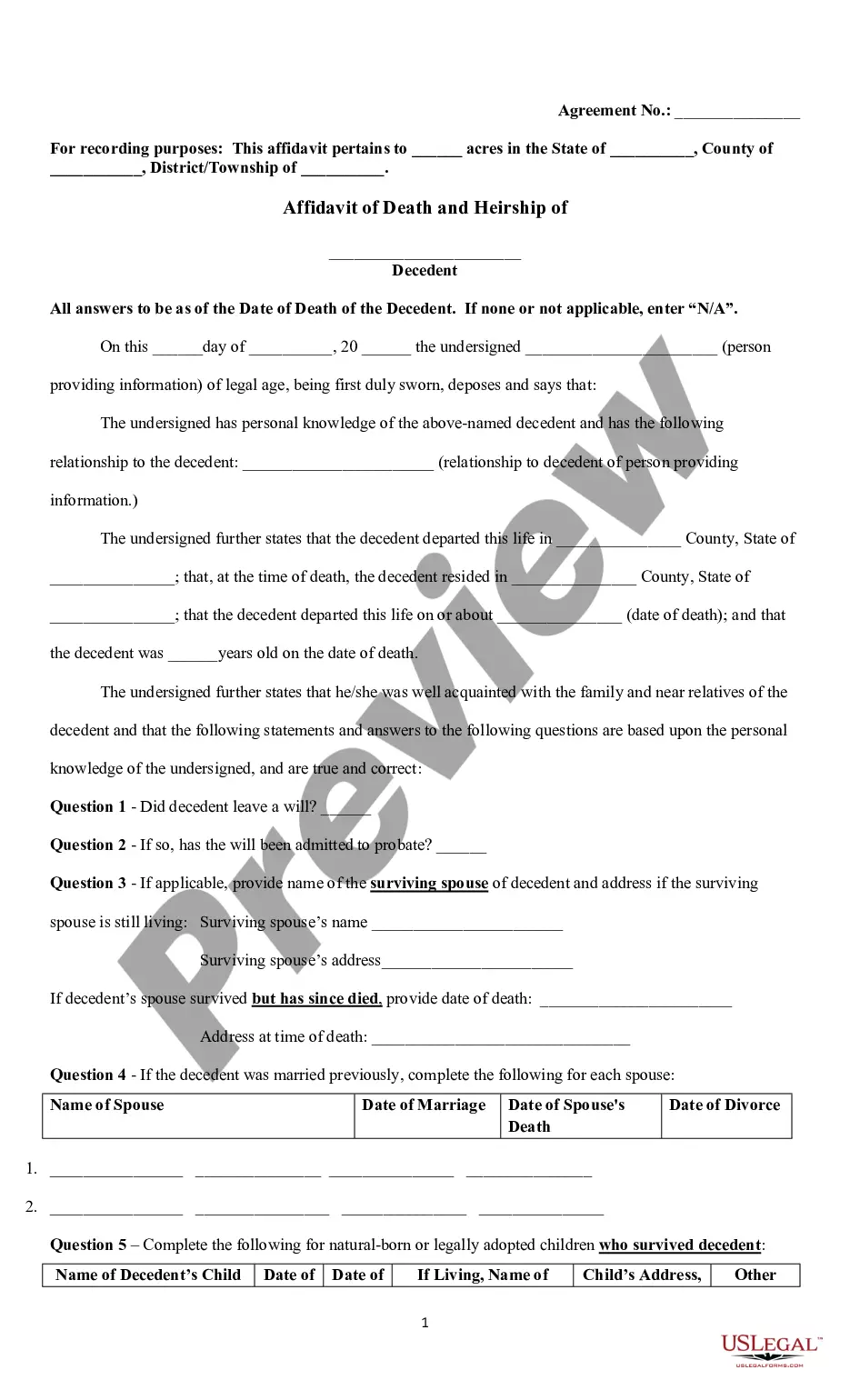
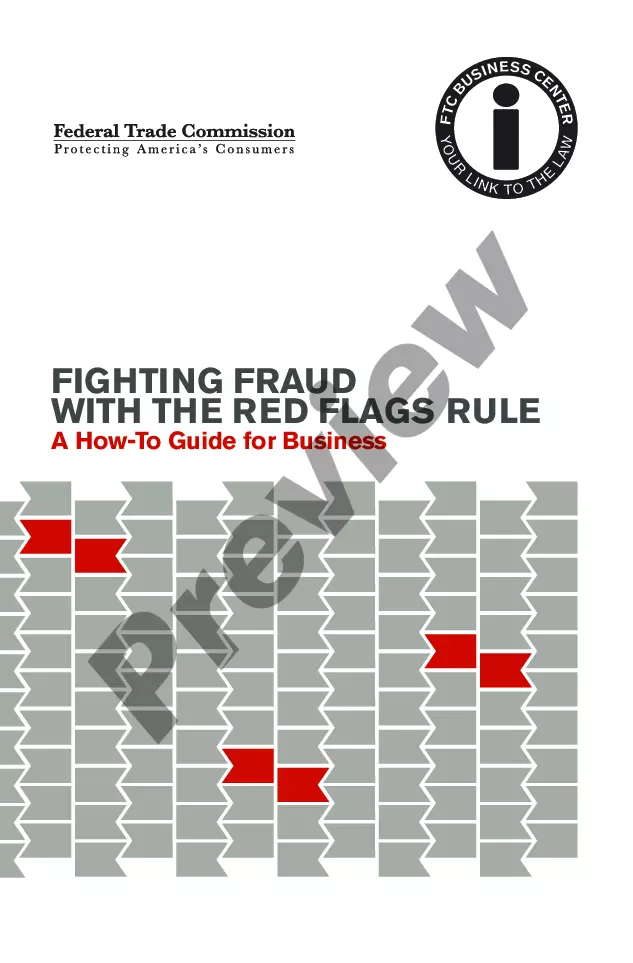
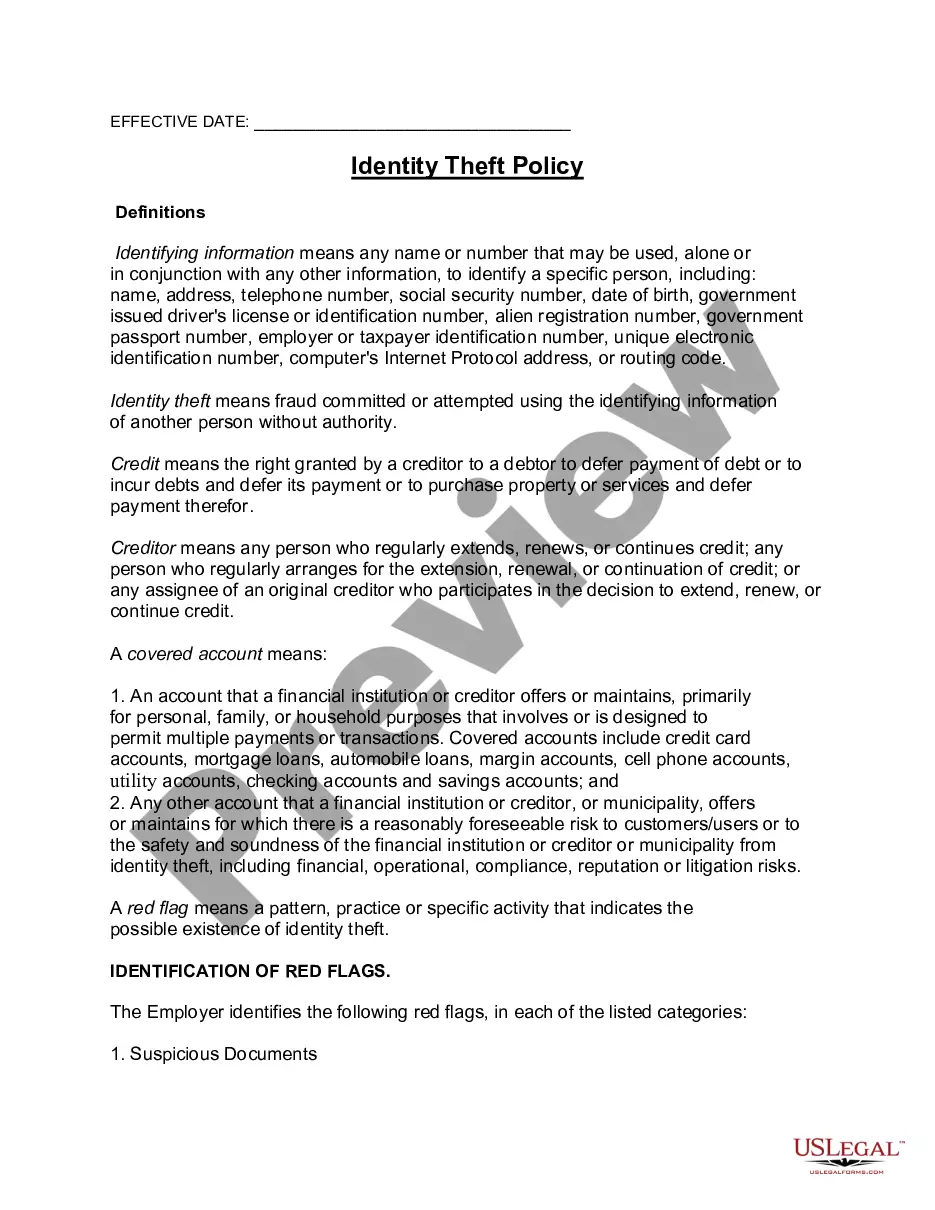
Get your form ready online
Our built-in tools help you complete, sign, share, and store your documents in one place.
Make edits, fill in missing information, and update formatting in US Legal Forms—just like you would in MS Word.
Download a copy, print it, send it by email, or mail it via USPS—whatever works best for your next step.
Sign and collect signatures with our SignNow integration. Send to multiple recipients, set reminders, and more. Go Premium to unlock E-Sign.
If this form requires notarization, complete it online through a secure video call—no need to meet a notary in person or wait for an appointment.
We protect your documents and personal data by following strict security and privacy standards.

Make edits, fill in missing information, and update formatting in US Legal Forms—just like you would in MS Word.

Download a copy, print it, send it by email, or mail it via USPS—whatever works best for your next step.

Sign and collect signatures with our SignNow integration. Send to multiple recipients, set reminders, and more. Go Premium to unlock E-Sign.

If this form requires notarization, complete it online through a secure video call—no need to meet a notary in person or wait for an appointment.

We protect your documents and personal data by following strict security and privacy standards.
Looking for another form?

How to fill out Guide For Protecting Deceased Persons From Identity Theft?
US Legal Forms - one of the largest collections of legal templates in the USA - provides an extensive selection of legal document templates that you can download or print. By using the website, you can discover thousands of forms for business and personal purposes, organized by categories, states, or keywords. You can find the most recent versions of forms like the Indiana Guide for Protecting Deceased Persons from Identity Theft in just minutes.
If you already have a membership, Log In and download the Indiana Guide for Protecting Deceased Persons from Identity Theft from the US Legal Forms library. The Download option will appear on every form you view. You have access to all previously obtained forms in the My documents section of your account.
If you are using US Legal Forms for the first time, here are simple steps to get started: Ensure you have selected the correct form for your city/county. Choose the Preview option to review the form's content. Check the form details to confirm you have selected the right form. If the form does not fit your requirements, use the Search field at the top of the screen to find one that does. If you are satisfied with the form, confirm your choice by clicking the Get now button. Then, choose the pricing plan you prefer and provide your information to register for an account. Complete the transaction. Use your credit card or PayPal account to finalize the transaction. Select the format and download the form to your device. Make edits. Fill out, modify, print, and sign the acquired Indiana Guide for Protecting Deceased Persons from Identity Theft. Every template you purchase has no expiration date and belongs to you permanently. Therefore, if you wish to download or print another copy, simply navigate to the My documents section and click on the form you need.
- Access the Indiana Guide for Protecting Deceased Persons from Identity Theft through US Legal Forms, the most extensive library of legal document templates.
- Utilize thousands of professional and state-specific templates that meet your business or personal needs and requirements.
Form popularity
FAQ
A person who, with intent to harm or defraud another person, knowingly or intentionally obtains, possesses, transfers, or uses identifying information to profess to be another person, commits identity deception, a Level 6 felony.
How to protect yourself from identity theft Avoid sharing personal information on social media. ... Don't access personal accounts over unsecured wireless networks. ... Protect your accounts with strong passwords and multifactor authentication.
Contact banks, credit unions, credit card companies, and other financial institutions that hold accounts in your loved one's name, and notify those companies of your family member's death. This way, the system can flag any attempts to use the deceased person's identity via their financial accounts.
Submit the following with your information request as proof that you're authorized to receive deceased person's information: The full name of the deceased, their last address and Social Security Number. A copy of the death certificate. Either: A copy of Letters of Testamentary approved by the court or.
Avoid listing birth date, maiden name, or other personal identifiers in obituaries as they could be useful to ID thieves. Report the death to the Social Security Administration by calling 800-772-1213. Order multiple certified copies of the death certificate with and without cause of death.
Changes in your credit score can indicate identity theft. For example, if someone takes out utility bills in your name and doesn't pay them, your credit score may dip. Checking your credit report from each of the three major credit bureaus Equifax, Experian, and TransUnion can help pinpoint the problem.
Identity thieves can strike even after death. An identity thief's use of a deceased person's Social Security number may create problems for family members. This type of identity theft also victimizes merchants, banks, and other businesses that provide goods and services to the thief.
Follow these tips to reduce the risk of a deceased person from having their identity stolen: Send copies of the death certificate to each credit reporting bureau, asking them to put a ?deceased alert? on the credit reports. Review the deceased taxpayer's credit report for questionable credit card activity.