Indiana Federal Trade Commission Affidavit regarding Identity Theft
Description
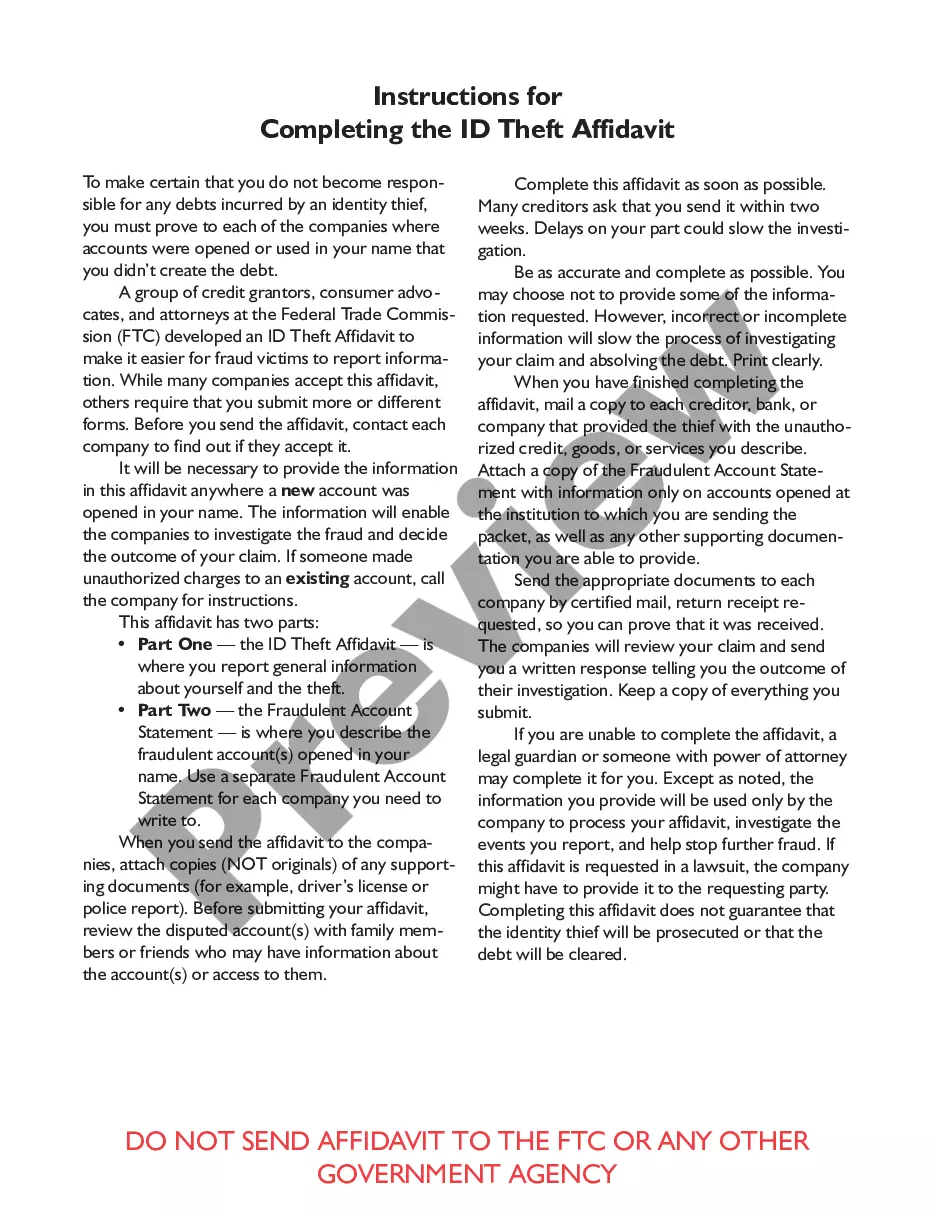
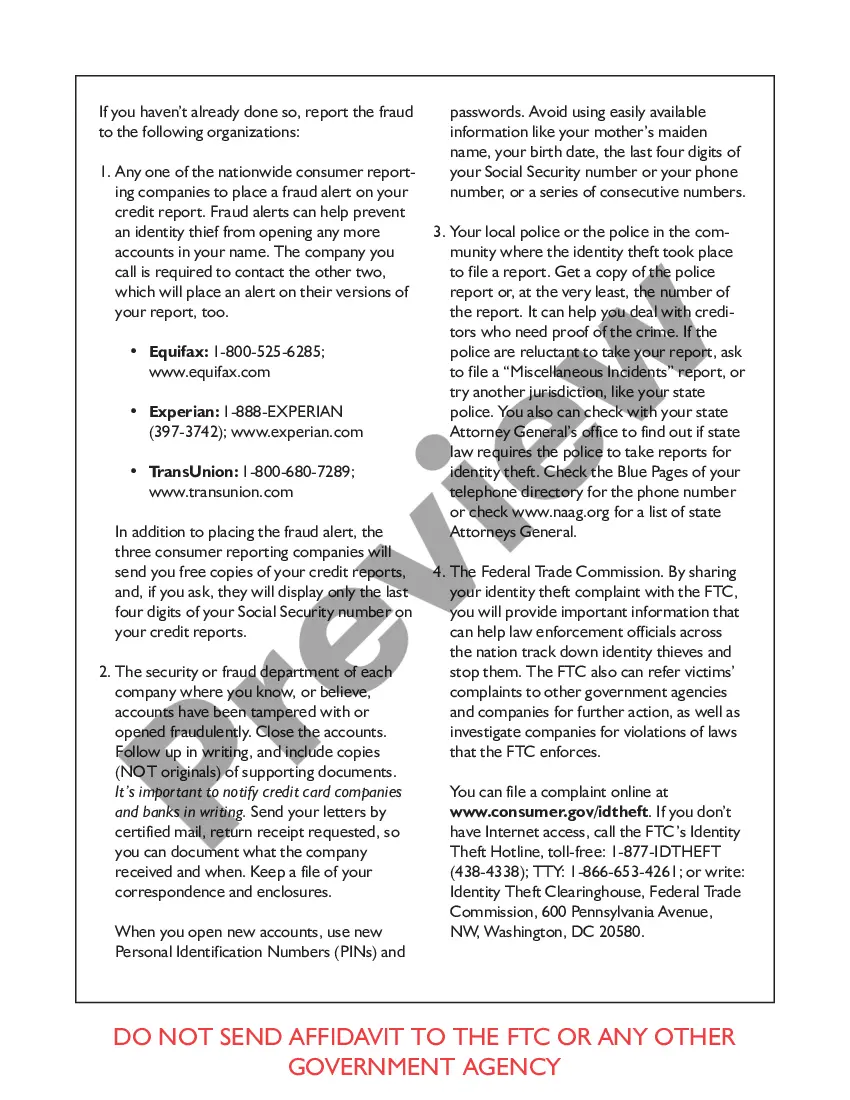
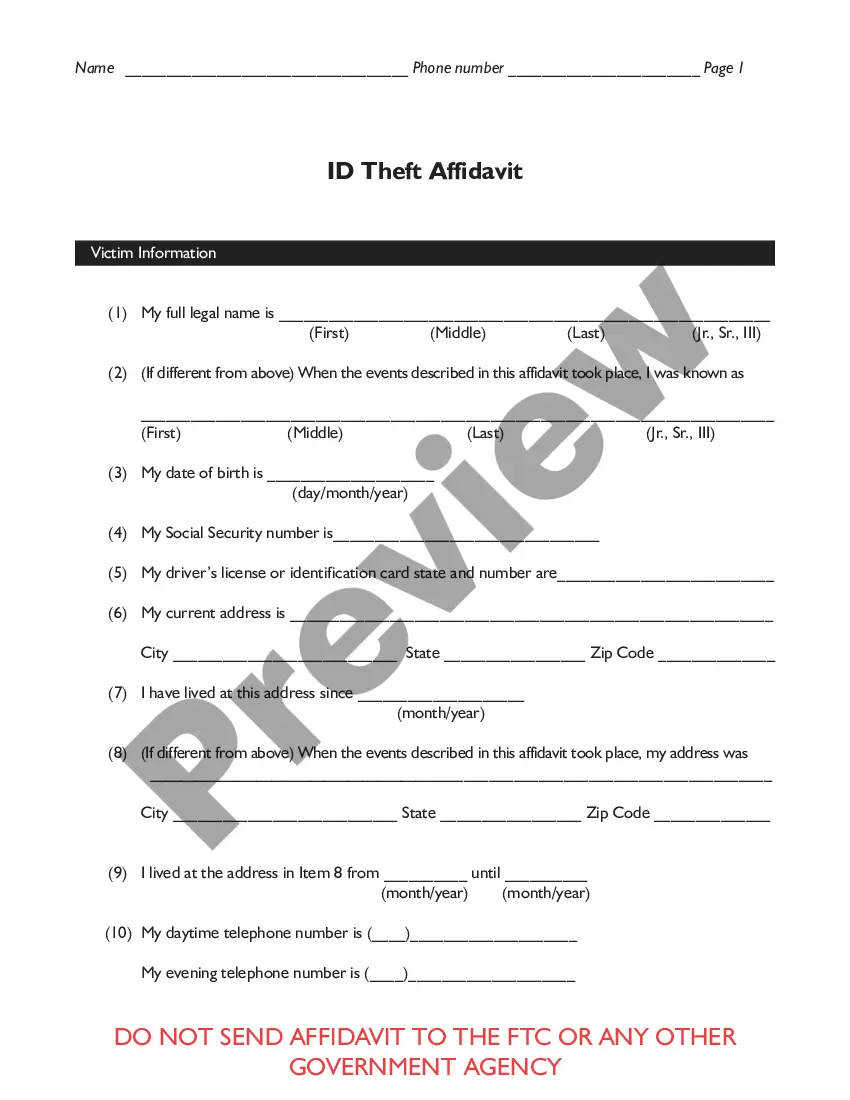
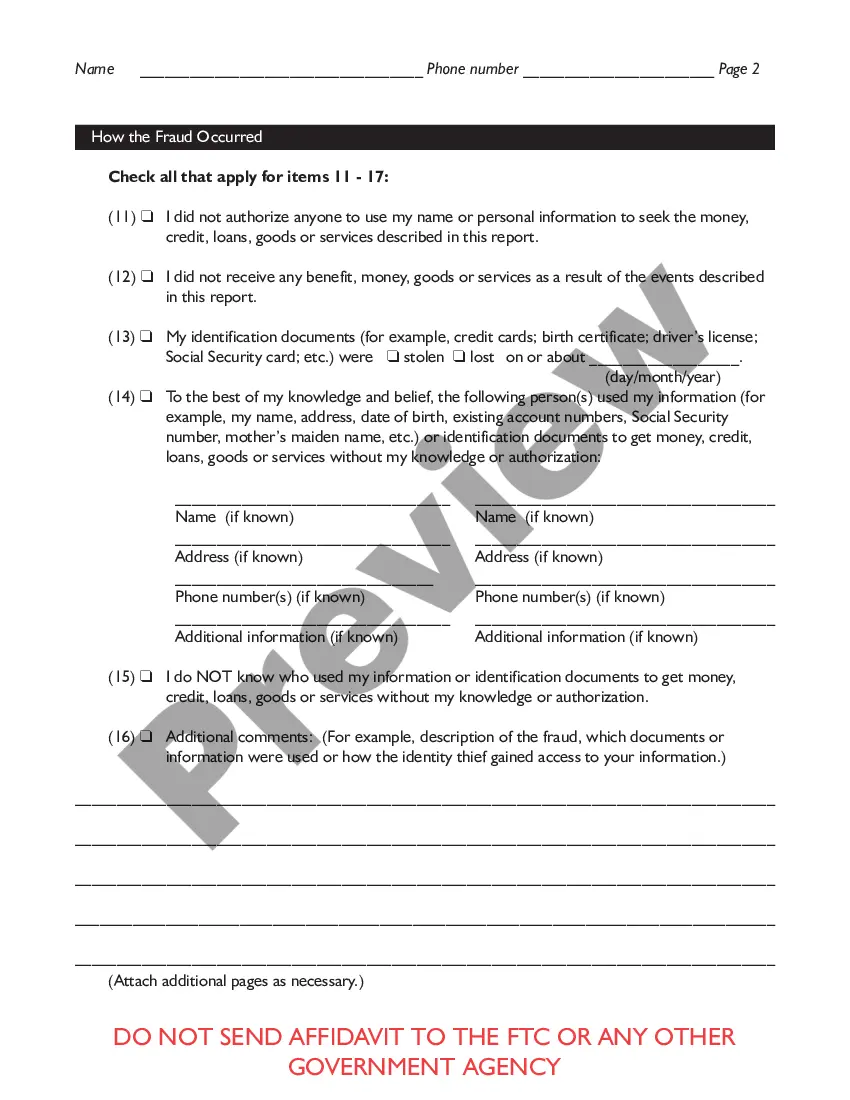
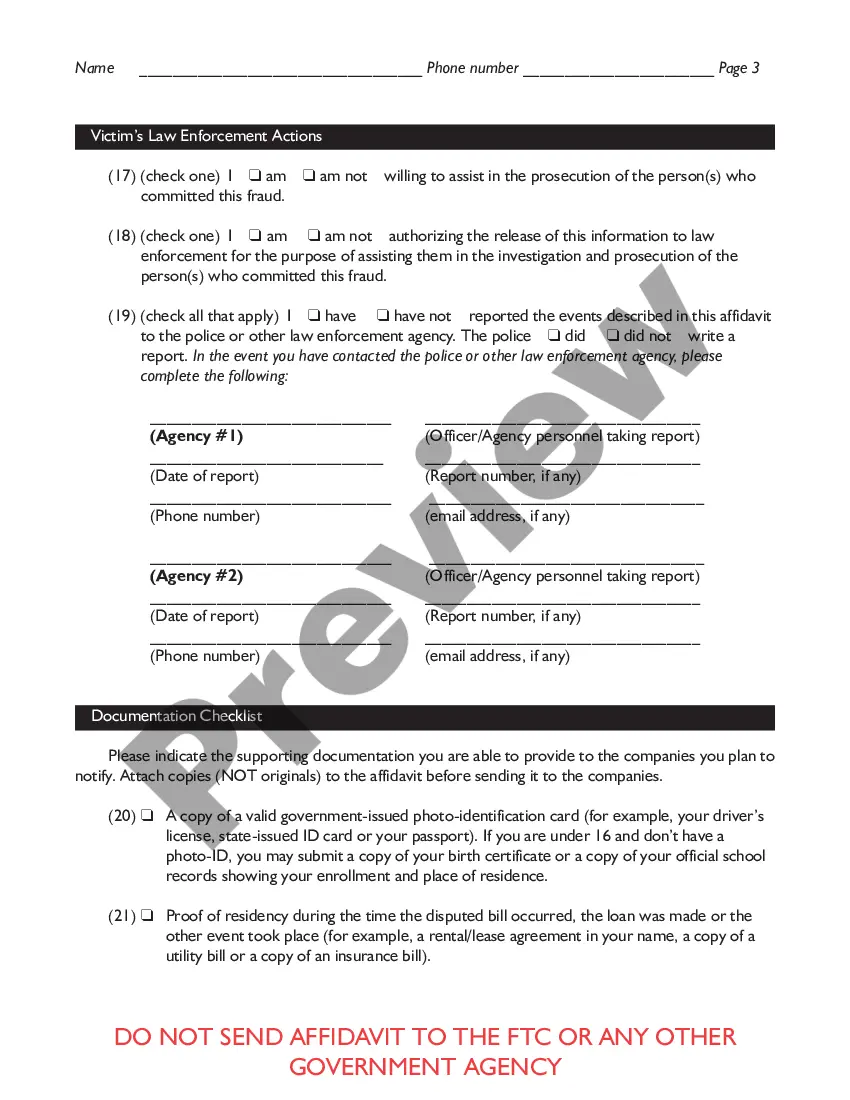
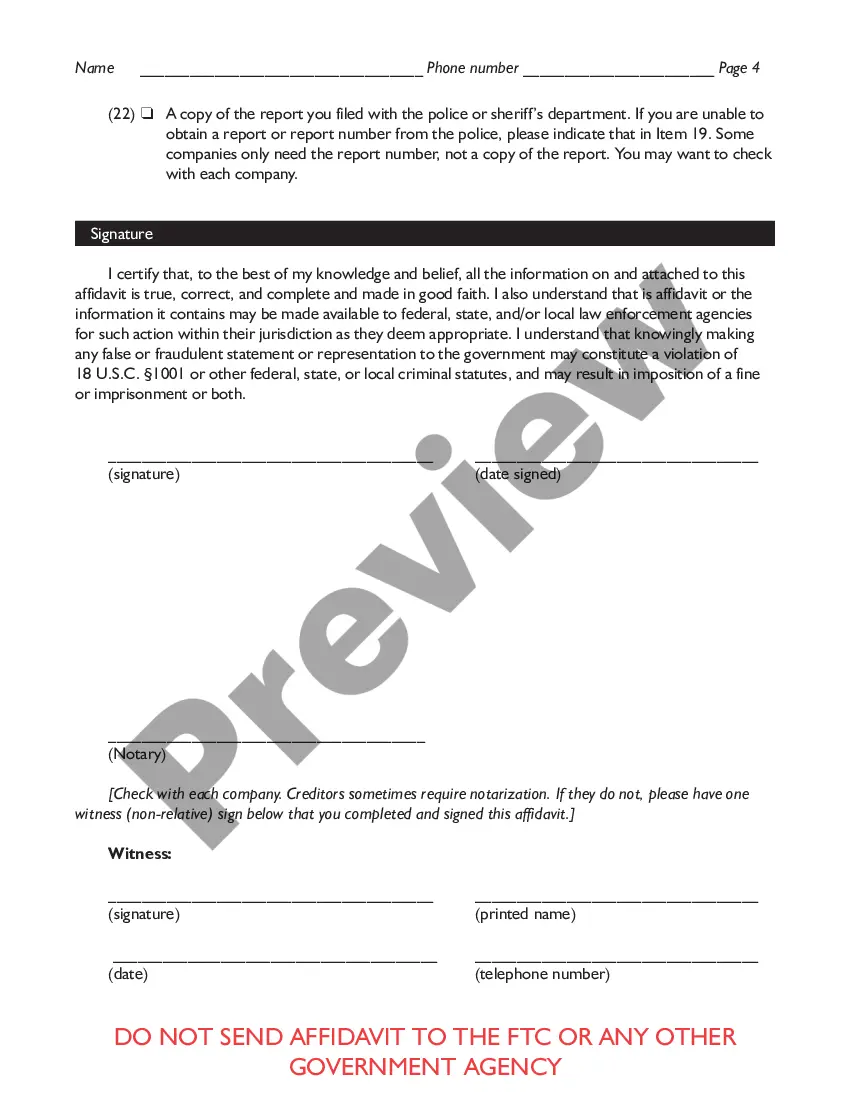
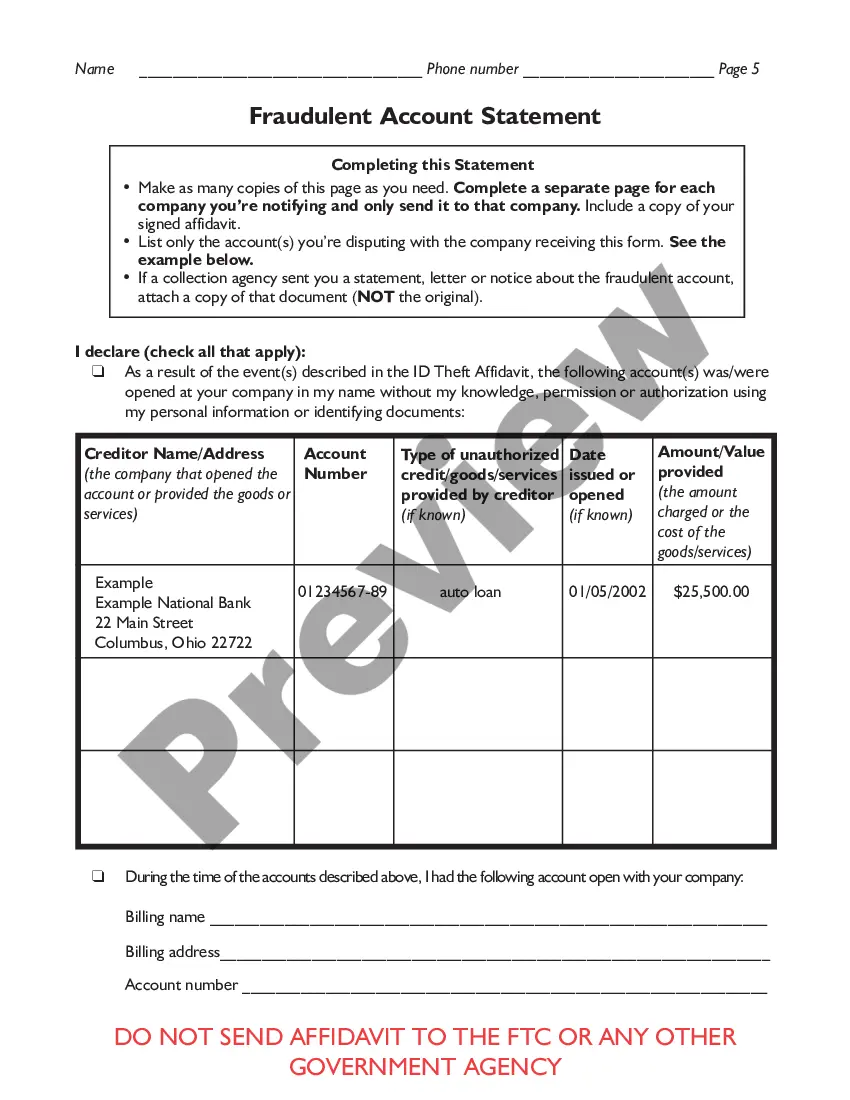
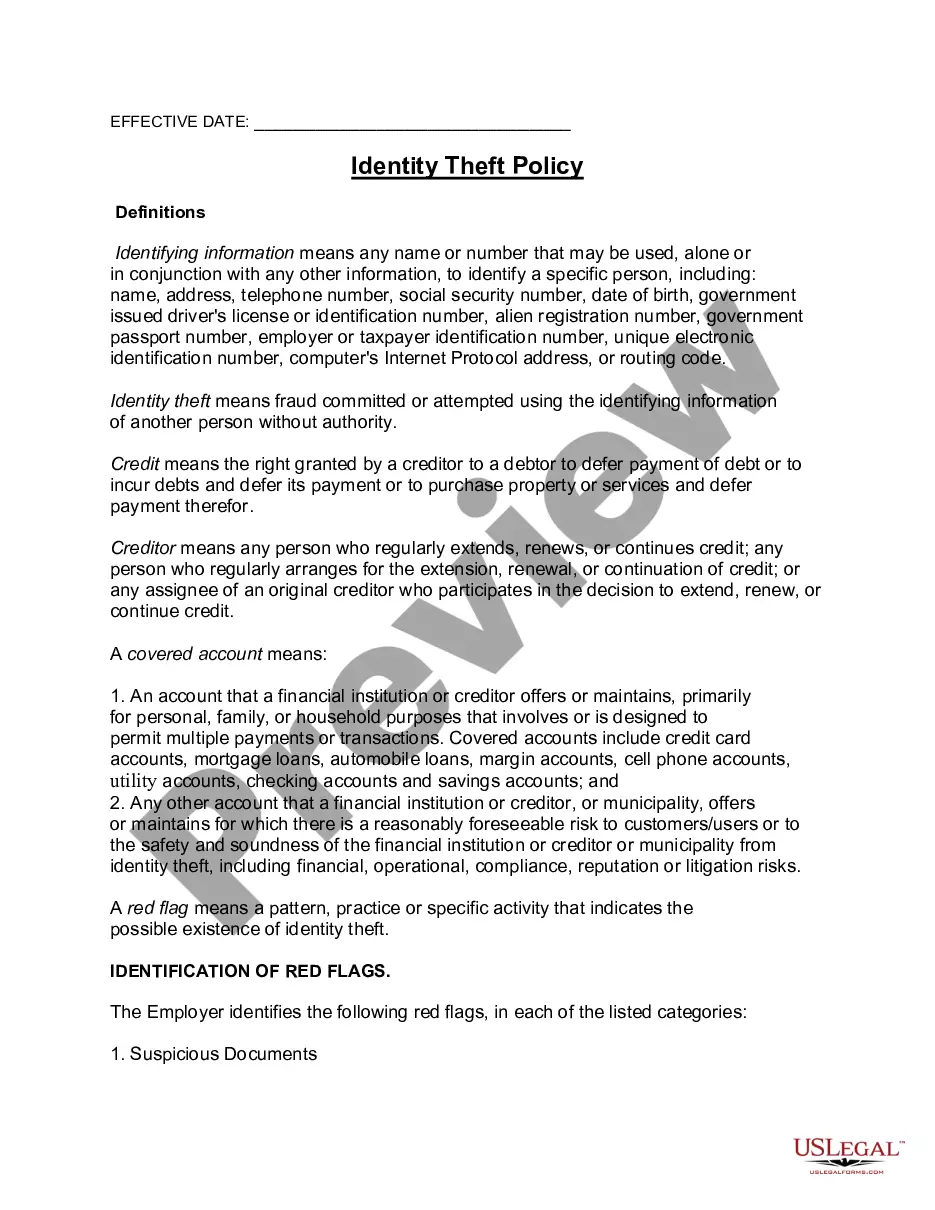
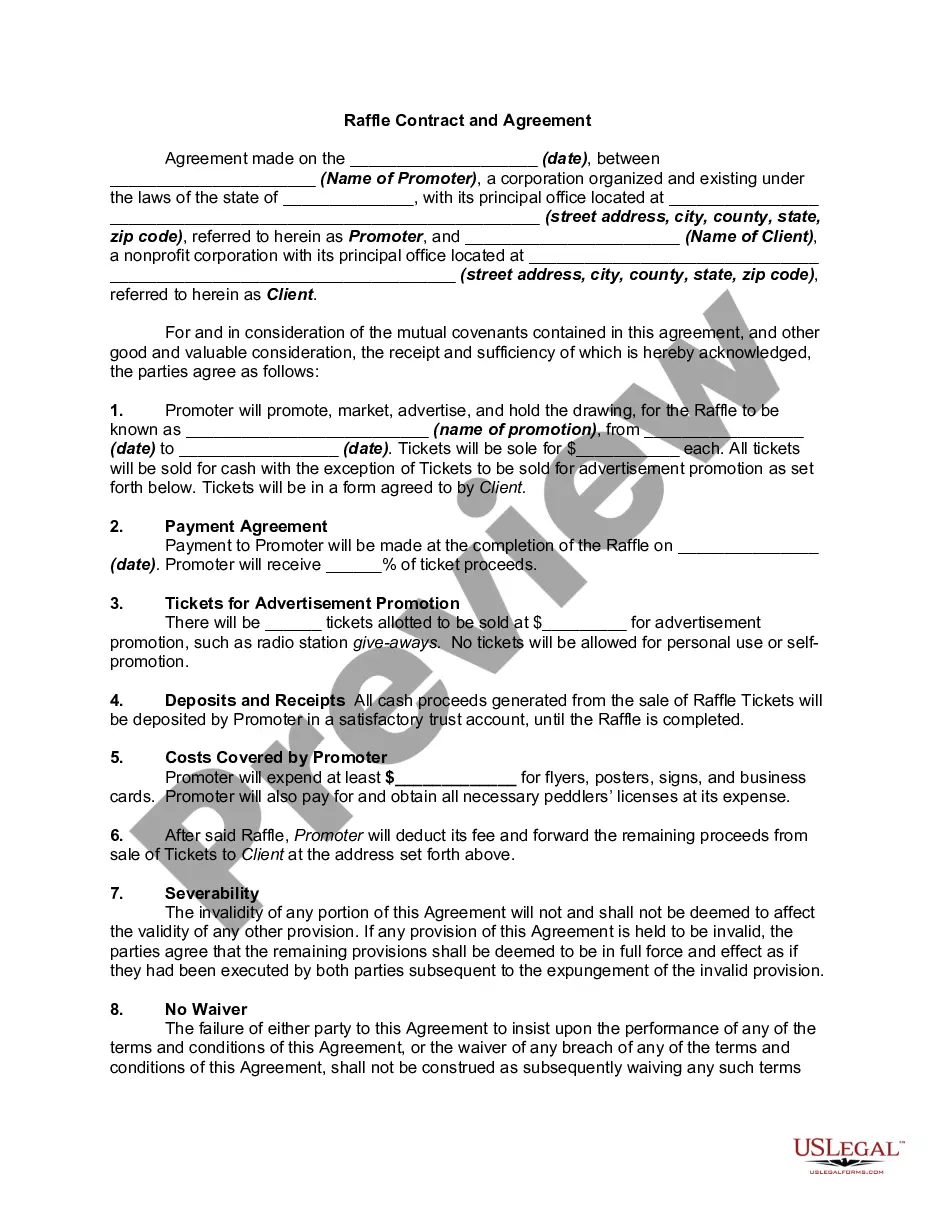
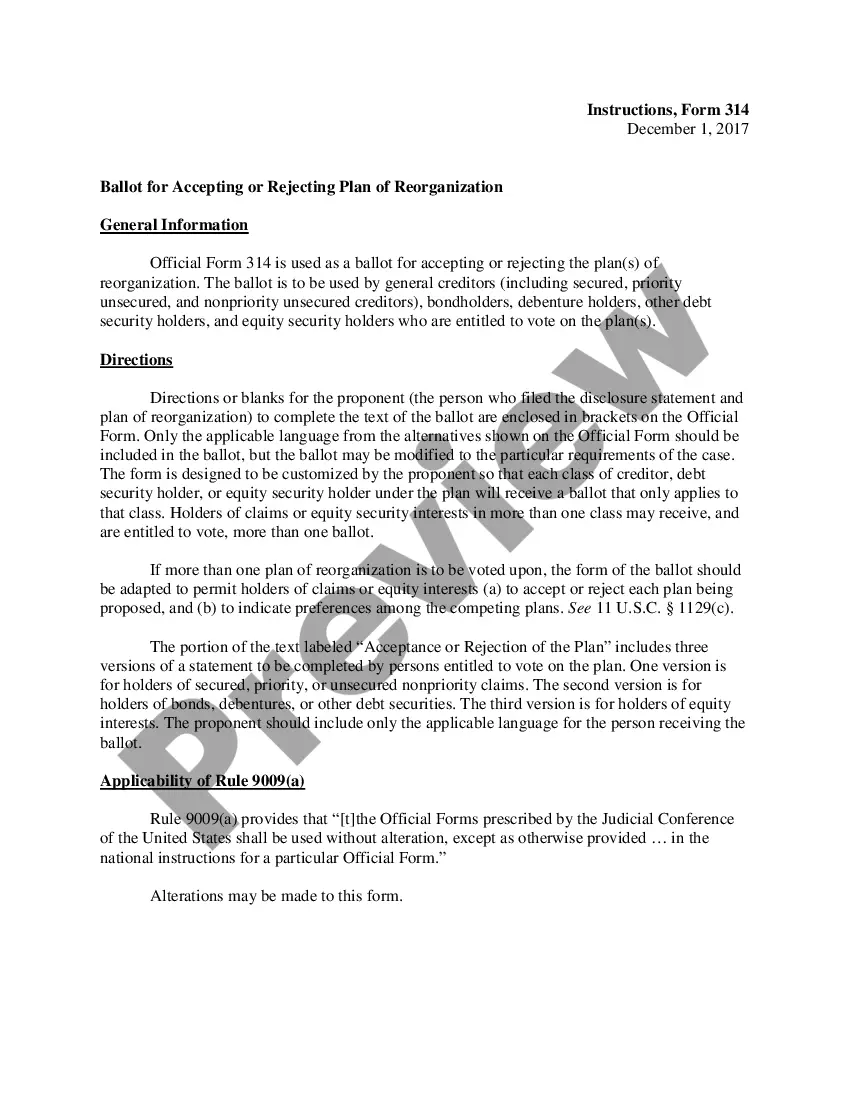
How to fill out Federal Trade Commission Affidavit Regarding Identity Theft?
Are you currently in a location where you need documentation for various tasks or specific activities almost every day.
There are numerous legal document samples available online, but finding reliable ones can be challenging.
US Legal Forms offers thousands of form templates, such as the Indiana Federal Trade Commission Affidavit concerning Identity Theft, which are designed to comply with federal and state regulations.
Avoid altering or removing any HTML tags. Only synonymize plain text outside of the HTML tags.
- If you are already familiar with the US Legal Forms website and have an account, just Log In.
- Then, you can download the Indiana Federal Trade Commission Affidavit concerning Identity Theft template.
- If you do not have an account and wish to start using US Legal Forms, follow these steps.
- Select the form you need and ensure it corresponds to the correct city/state.
- Utilize the Preview option to examine the form.
- Review the details to ensure you have chosen the correct document.
- If the form is not what you're looking for, use the Search section to find the form that fits your needs and requirements.
- Once you find the right form, click Get now.
- Choose the payment plan you desire, fill out the required information to create your account, and complete your purchase using your PayPal or Visa or Mastercard.
- Select a convenient file format and download your copy.
- Access all the document templates you have purchased in the My documents menu. You can download another copy of the Indiana Federal Trade Commission Affidavit concerning Identity Theft at any time, if necessary. Just click on the needed form to download or print the document template.
- Use US Legal Forms, the most extensive collection of legal documents, to save time and avoid mistakes. The service provides professionally crafted legal document templates that you can use for a variety of purposes. Create your account on US Legal Forms and start simplifying your life.
Form popularity
FAQ
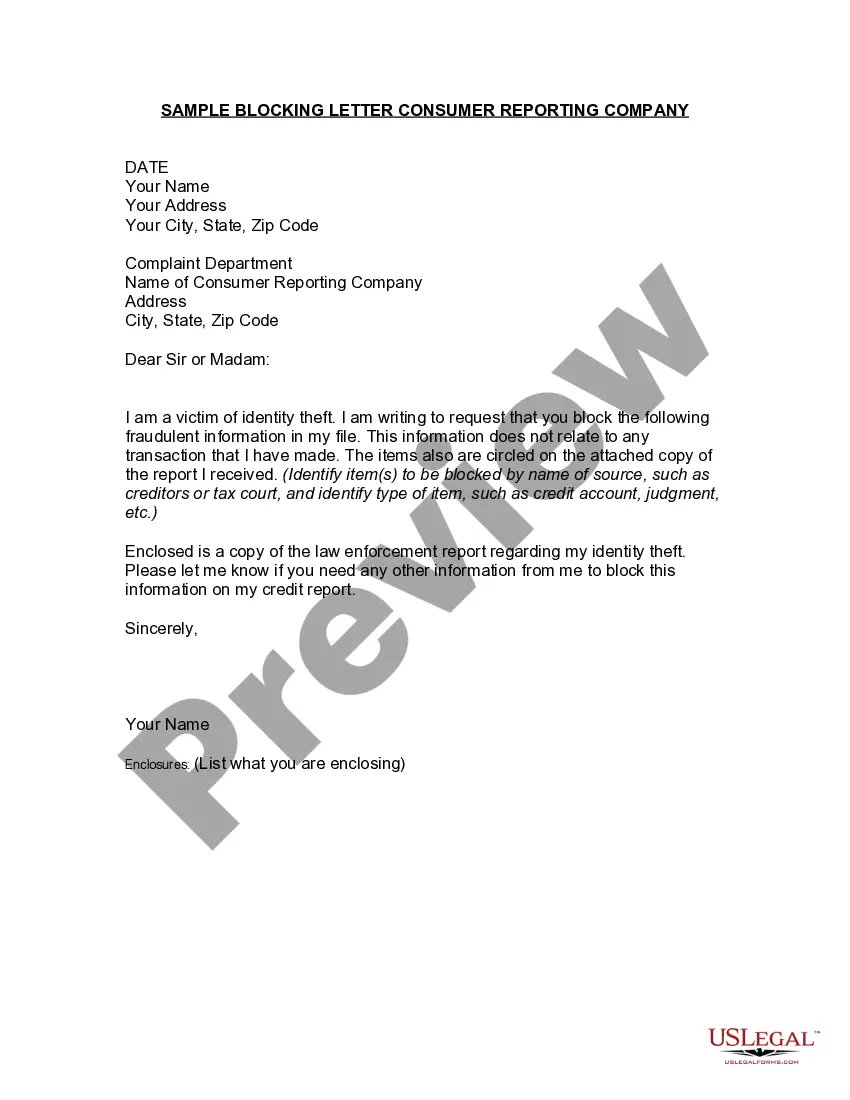
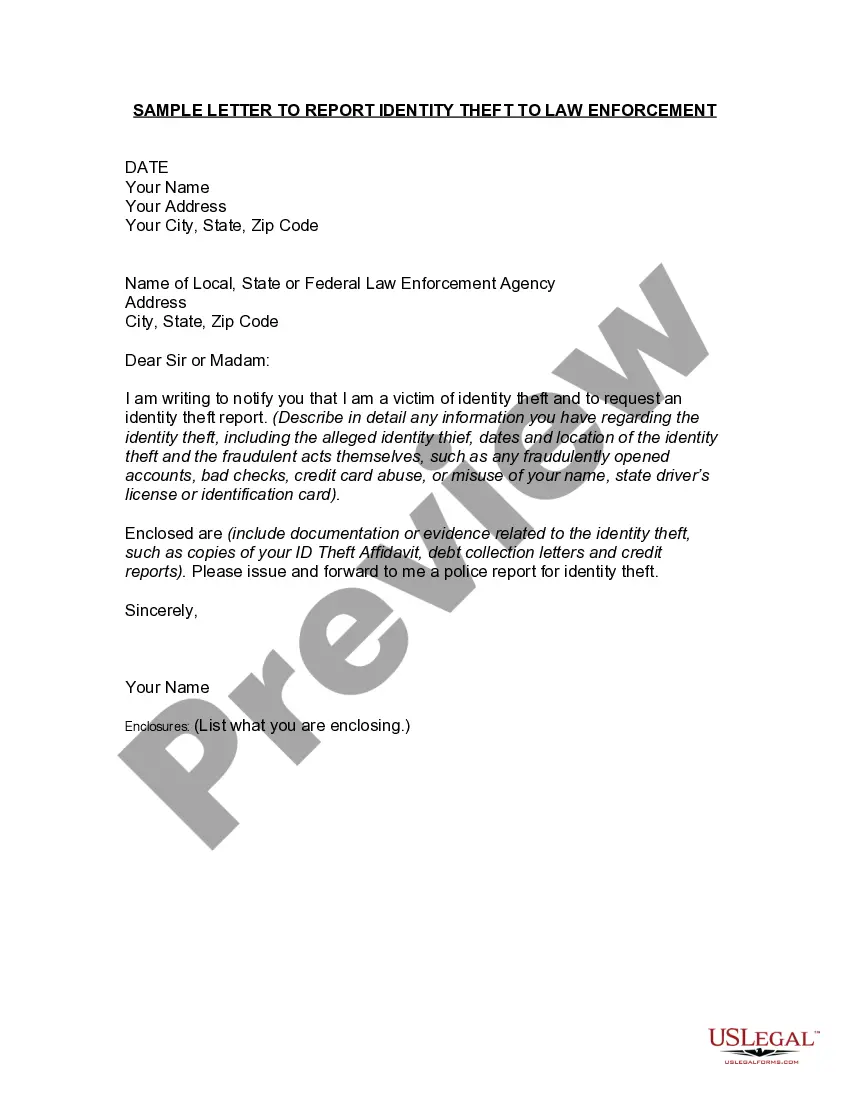
How to report identity theft. To report identity theft, contact: The Federal Trade Commission (FTC) online at IdentityTheft.gov or call 1-877-438-4338.
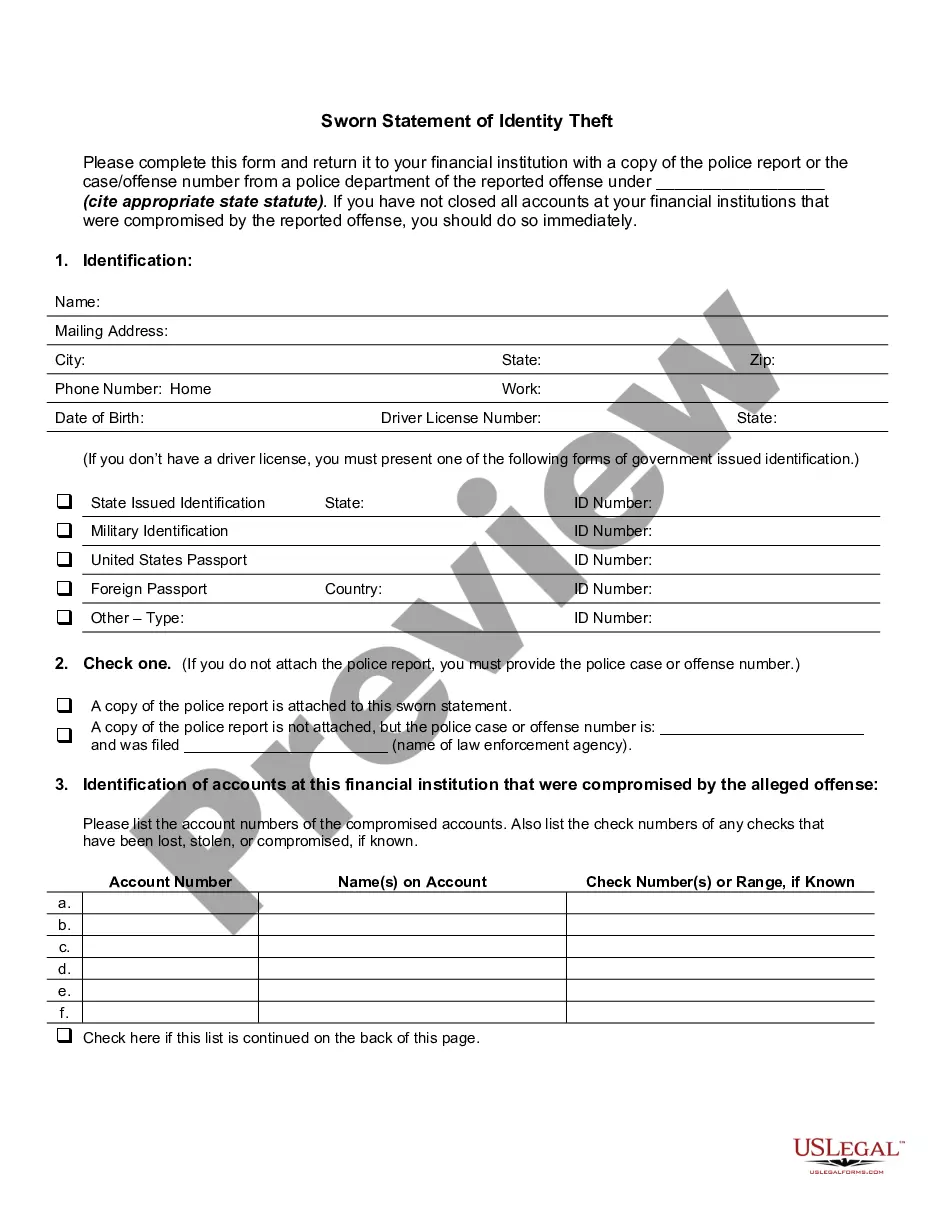
Visit ftc.gov/idtheft to use a secure online version that you can print for your records. Before completing this form: 1. Place a fraud alert on your credit reports, and review the reports for signs of fraud.
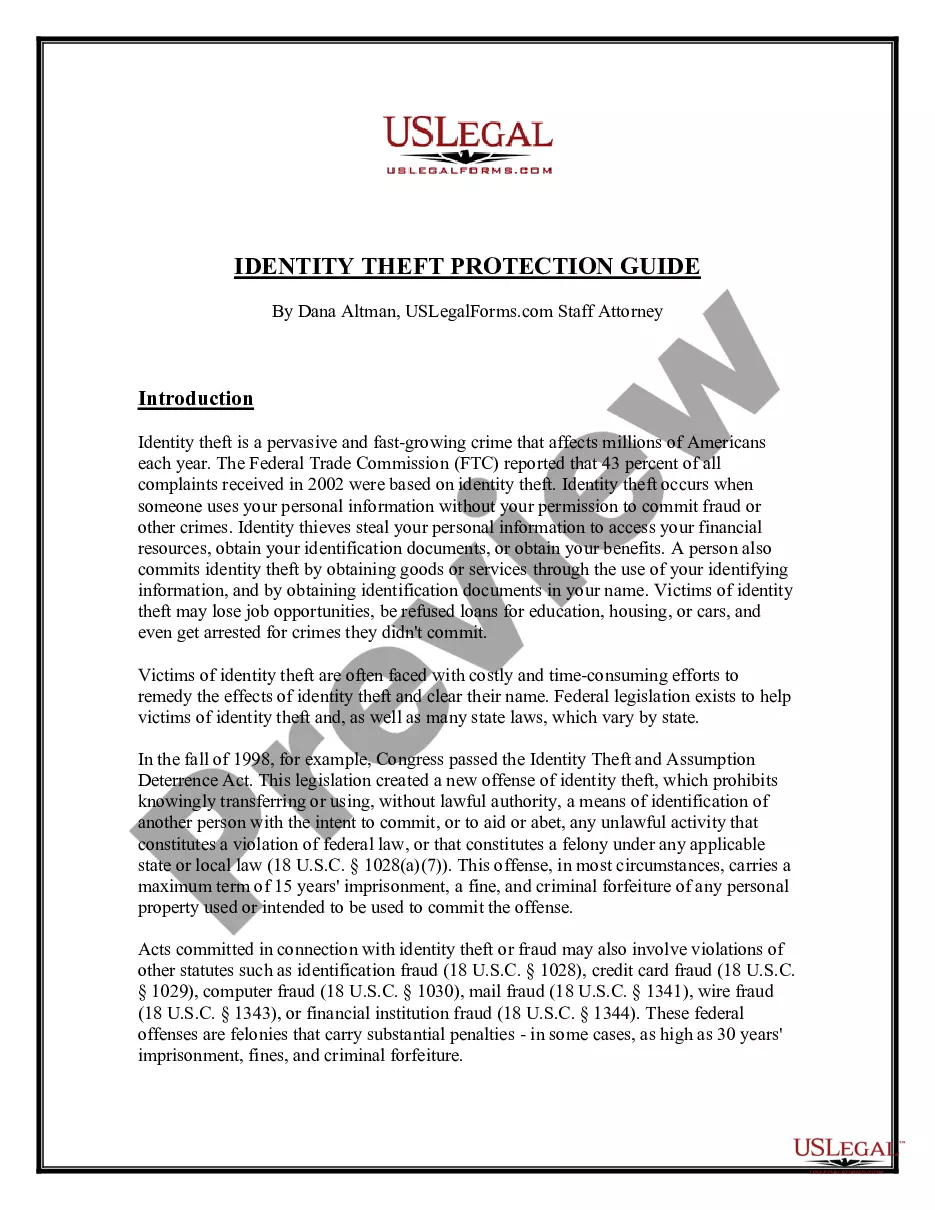
In 1998, Congress enacted the Identity Theft and Assumption Deterrence Act (?the Identity Theft Act? or ?the Act?),1 directing the Federal Trade Commission to establish the federal government's central repository for identity theft complaints and to provide victim assistance and consumer education.
The Department of Justice prosecutes cases of identity theft and fraud under a variety of federal statutes.
FTC ID Theft Affidavit The FTC provides an ID Theft Affidavit to help victims of identity theft quickly and accurately dispute new unauthorized accounts. It is especially helpful in cases where consumers are unable to file or obtain a police report. Some creditors will accept this affidavit instead of a police report.
FTC Commissioners aren't calling you ? really Scammers have been calling, pretending to be people from the FTC. While the names they use might be real, they're actually scammers ? some of them hoping to trick you into thinking they're an FTC Commissioner. But they're not.
In most cases, taxpayers do not need to complete this form. Only victims of tax-related identity theft should submit the Form 14039, and only if they haven't received certain letters from the IRS.
The FTC enforces federal consumer protection laws that prevent fraud, deception and unfair business practices. The Commission also enforces federal antitrust laws that prohibit anticompetitive mergers and other business practices that could lead to higher prices, fewer choices, or less innovation.