Indiana Instruction to Co-Personal Representatives of Supervised Estate
What is this form?
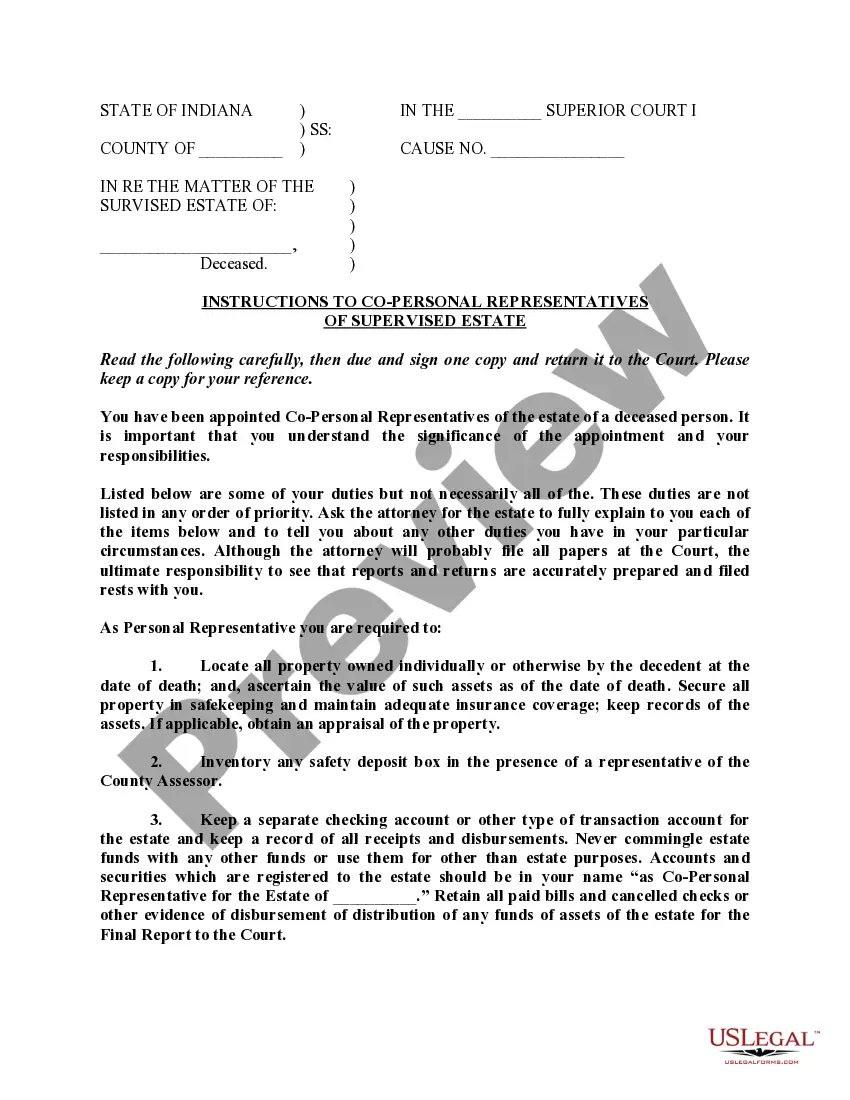
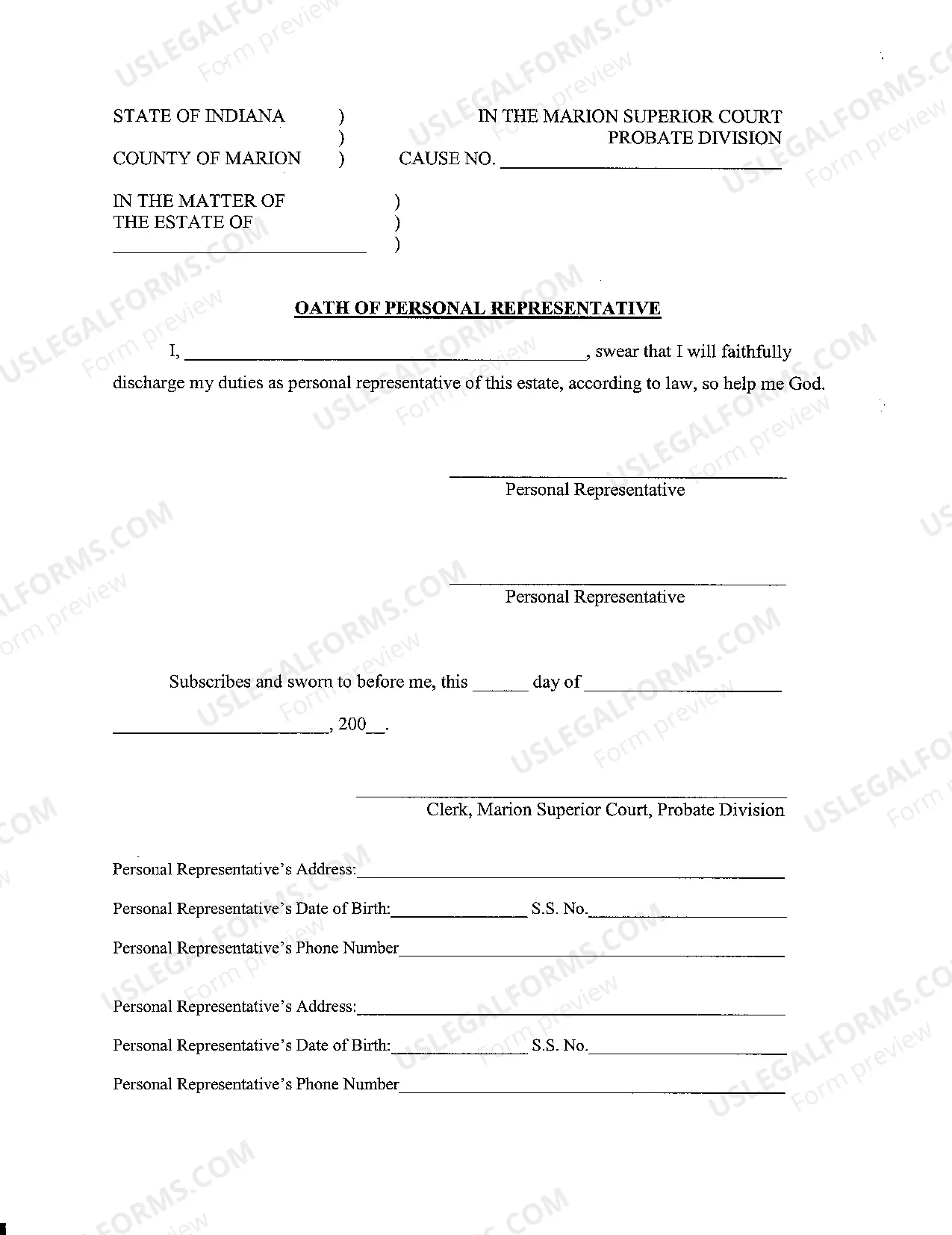
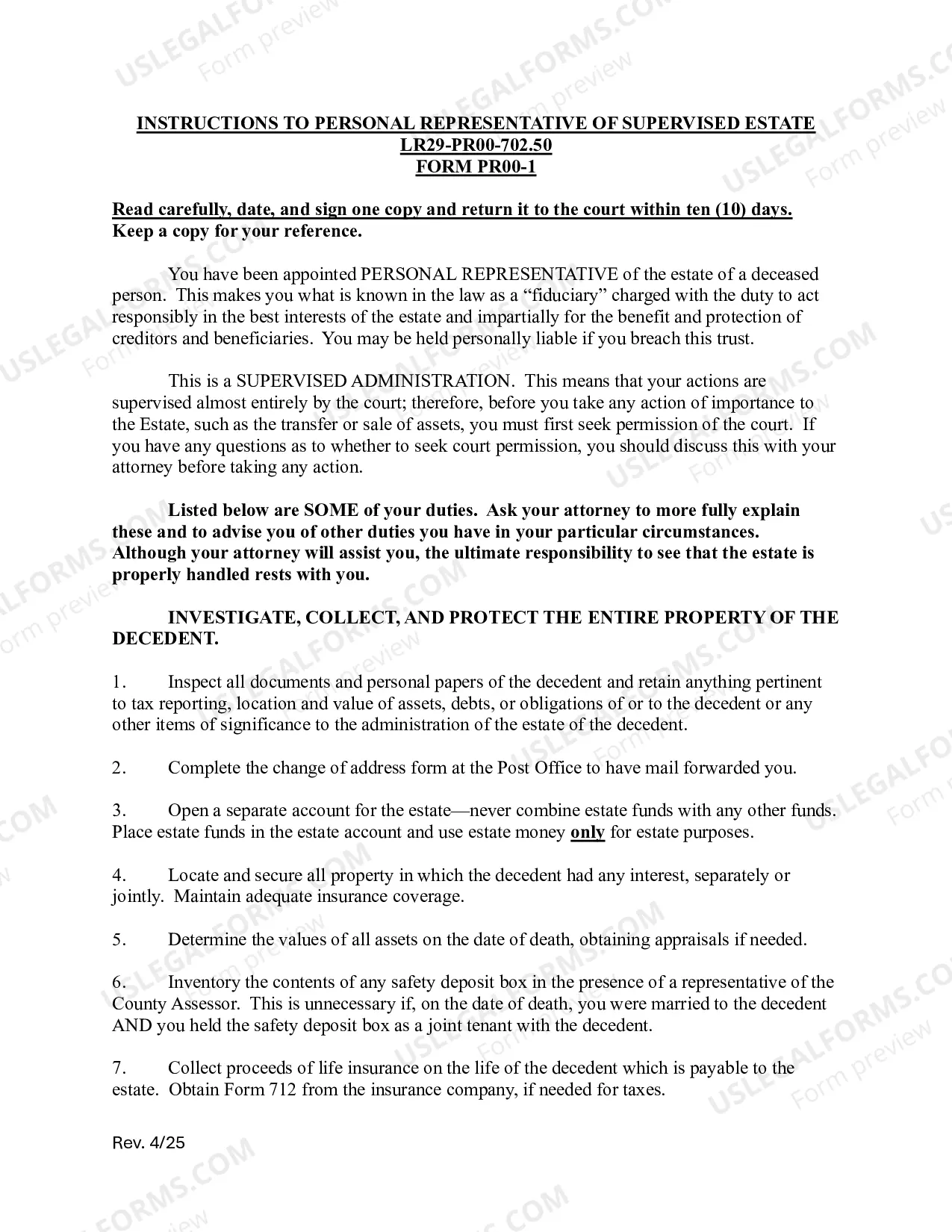
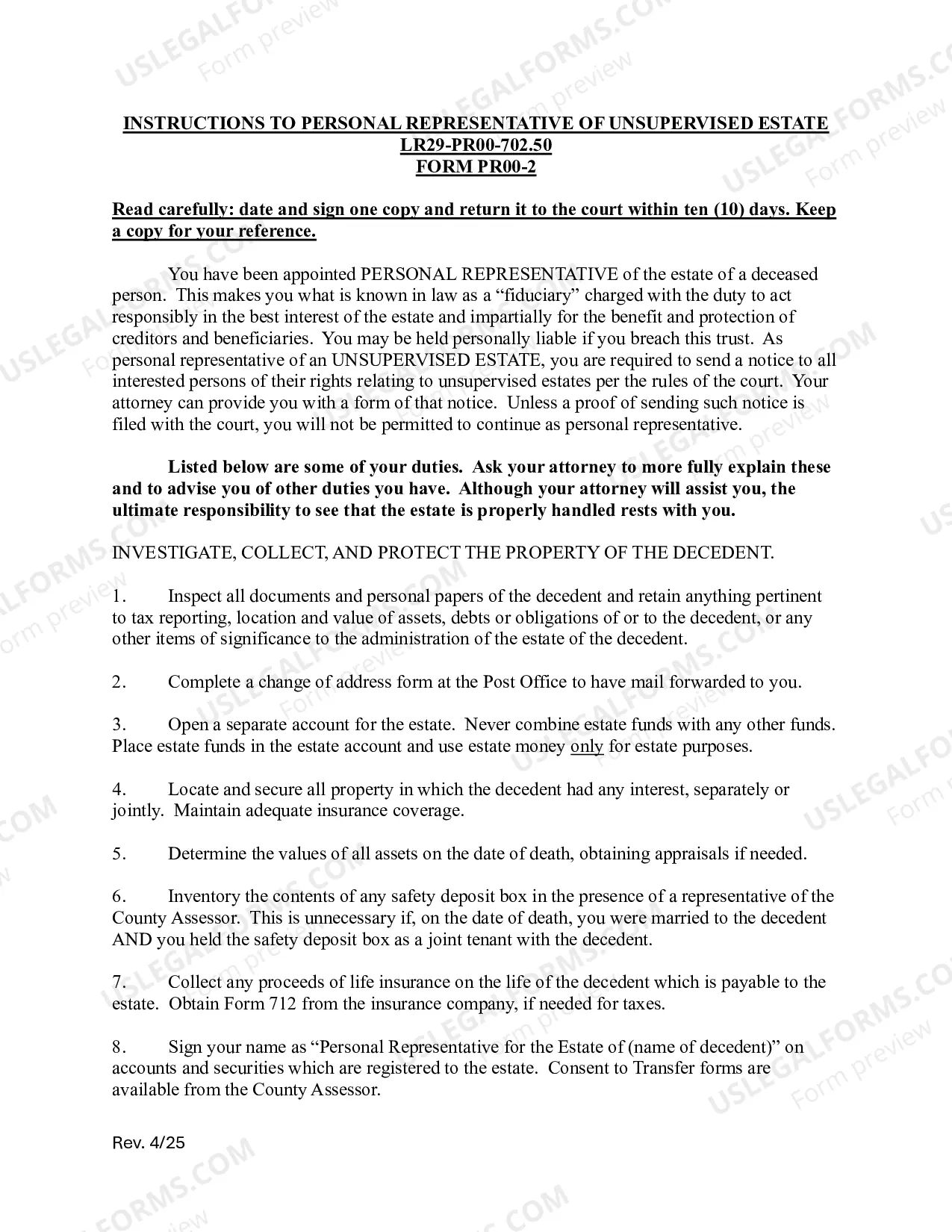
The Instruction to Co-Personal Representatives of Supervised Estate is a legal document that outlines the responsibilities and duties of individuals appointed as co-personal representatives for a supervised estate in Indiana. This form helps clarify the tasks required to manage the estate effectively and ensures compliance with legal obligations. It is distinct from other estate management forms as it specifically addresses the roles of co-personal representatives, highlighting aspects that are critical during the estate administration process.
Form components explained
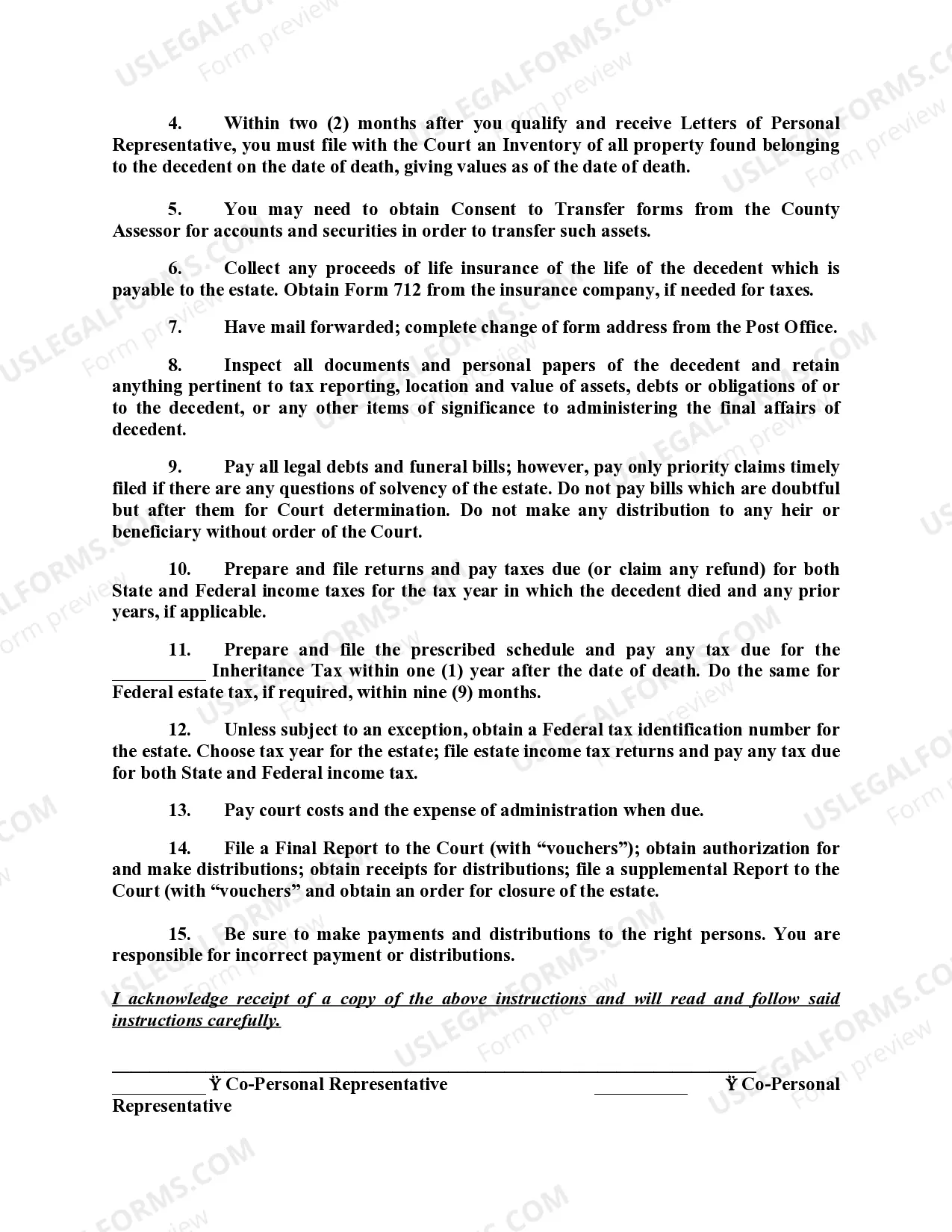
- Instructions for co-personal representatives on their duties and responsibilities.
- Requirements for inventorying and valuing estate property.
- Guidelines for managing estate funds and maintaining separate accounts.
- Procedures for filing tax returns and settling debts of the estate.
- Steps to prepare and file the final report to the court.

Common use cases
This form is essential when two or more individuals are appointed as co-personal representatives for a supervised estate in Indiana. It should be used to ensure that both representatives understand their obligations under the law, maintain compliance with court requirements, and manage the estate diligently after the death of the decedent.
Intended users of this form
- Individuals appointed as co-personal representatives of a deceased person's estate.
- Attorneys representing co-personal representatives in estate administration.
- Estate administrators seeking guidance on their legal duties.
Completing this form step by step
- Read all instructions thoroughly to understand your responsibilities.
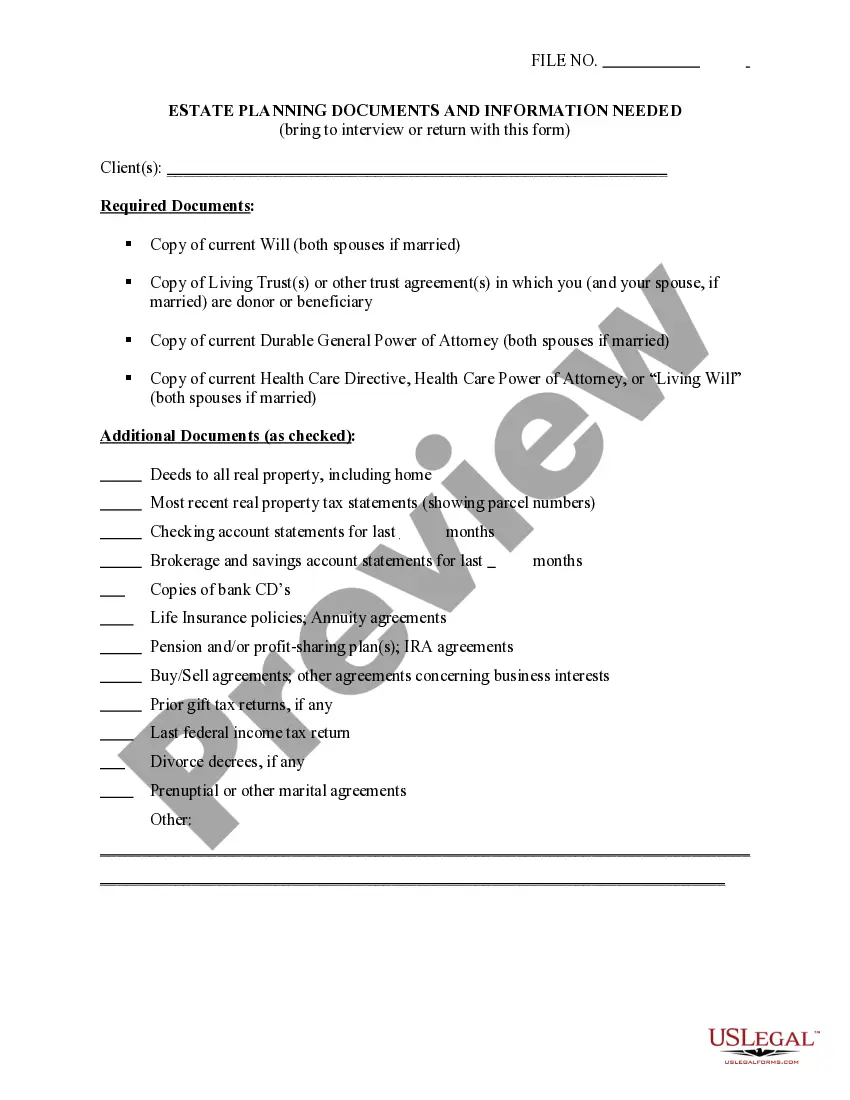
- Document the estate's assets by locating and valuing property owned by the decedent as of their date of death.
- Set up a separate checking account for the estate to manage funds accurately.
- Complete and file the required Inventory with the court within two months of qualification.
- Maintain meticulous records of all financial transactions and significant estate documents.
Does this document require notarization?
This form does not typically require notarization unless specified by local law. However, it's important to confirm this with your attorney or local court requirements to ensure validity.
Get your form ready online
Our built-in tools help you complete, sign, share, and store your documents in one place.
Make edits, fill in missing information, and update formatting in US Legal Forms—just like you would in MS Word.
Download a copy, print it, send it by email, or mail it via USPS—whatever works best for your next step.
Sign and collect signatures with our SignNow integration. Send to multiple recipients, set reminders, and more. Go Premium to unlock E-Sign.
If this form requires notarization, complete it online through a secure video call—no need to meet a notary in person or wait for an appointment.
We protect your documents and personal data by following strict security and privacy standards.

Make edits, fill in missing information, and update formatting in US Legal Forms—just like you would in MS Word.

Download a copy, print it, send it by email, or mail it via USPS—whatever works best for your next step.

Sign and collect signatures with our SignNow integration. Send to multiple recipients, set reminders, and more. Go Premium to unlock E-Sign.

If this form requires notarization, complete it online through a secure video call—no need to meet a notary in person or wait for an appointment.

We protect your documents and personal data by following strict security and privacy standards.
Common mistakes to avoid
- Failing to maintain a separate estate account, which can lead to commingling of funds.
- Missing deadlines for filing the Inventory and tax returns, resulting in potential penalties.
- Distributing assets before obtaining court approval, which can create legal complications.
Advantages of online completion
- Convenience of downloading the form immediately for use at any time.
- Editable templates allow for customization to fit specific estate circumstances.
- Access to reliable legal language drafted by licensed attorneys, ensuring compliance.
Key takeaways
- Co-personal representatives have critical responsibilities in managing a supervised estate.
- Compliance with specific Indiana laws is essential for proper estate administration.
- Keeping organized records and maintaining separate accounts is vital to avoid legal complications.
Looking for another form?
Form popularity
FAQ
If there is no will, you can become an executor in Indiana by petitioning the court to appoint you as personal representative. The court considers various factors, including your relationship to the deceased and your ability to handle estate affairs. Utilizing the Indiana Instruction to Co-Personal Representatives of Supervised Estate can provide vital information on navigating this process successfully.